
Watch Traditional Dances And Explore A Recreated Native Village In Oklahoma This November
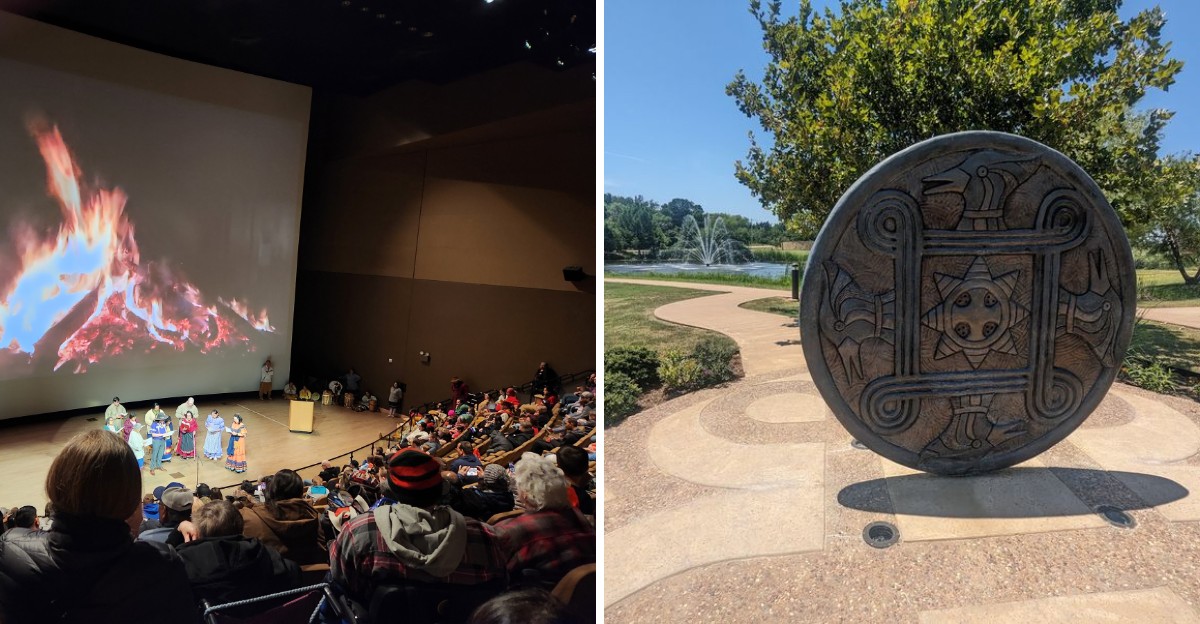
Most museums ask you to stand back and look. This one invites you into the dance circle.
In Oklahoma, a recreated 18th-century Native village sits on a sprawling campus. Walk past a council house, a corn crib, and a stickball field.
Why only watch history when you can join it?
The Stomp Dance runs twice a day, Tuesday through Saturday. Visitors are encouraged to step in and take part.
November adds even more. A free heritage day brings music, cooking demonstrations, and multi-tribal dance groups.
Weekly themes add games, crafts, and samples of grape dumplings. Who could pass up a history lesson you can taste?
Best of all, the village costs nothing to explore. Could there be a better fall outing in Oklahoma?
So where does it all happen?
Step Back Into An 18th-Century Chickasaw Village
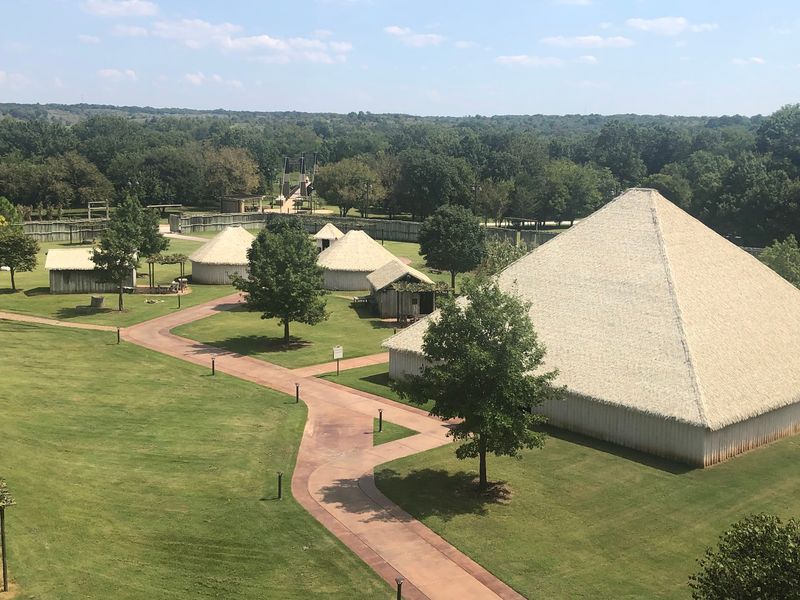
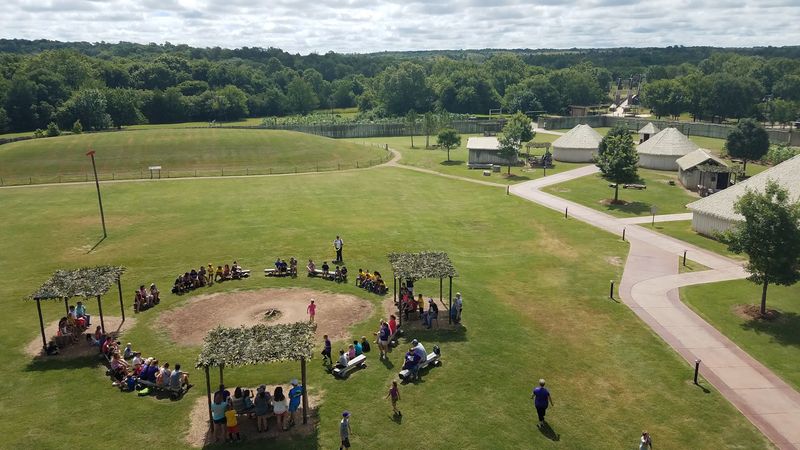
The Chickasaw Cultural Center includes Chikasha Inchokka’ Traditional Village, a historically accurate recreation of an 18th-century Chickasaw village set outdoors on the campus. Access to the village is free, which makes it an easy first stop on such a large campus.
Look for a Council House, summer and winter houses, a corn crib, and a stockade fence as you wander the grounds. A replica mound and a stickball field round out the layout, so the whole place feels like a working community.
Each structure offers a glimpse into how families lived, gathered, stored food, and handled the changing seasons long ago. Cultural demonstrators in the village may share traditional art, cooking, storytelling, and language with visitors who stop by to ask questions.
That gives you a chance to learn straight from people instead of guessing what each building was used for. The village is open from 10 a.m. to 4:30 p.m., weather permitting, so check the forecast before heading out.
Plan to spend real time here, because the buildings and the open space reward a slow and curious pace. A quick lap would miss most of what makes this recreated community such a memorable piece of Oklahoma.
Join The Circle For The Stomp Dance
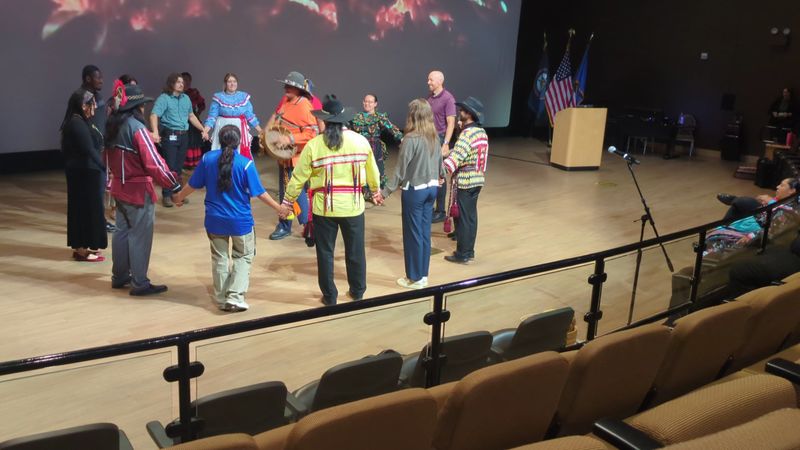
The Stomp Dance is a treasured Chickasaw tradition, and it’s performed at the Cultural Center during its open days. Demonstrations usually happen at 11 a.m. and 2 p.m., Tuesday through Saturday, so you can build a morning or afternoon around them.
Visitors are encouraged to join in, and that invitation is what sets this experience apart from simply watching a show. Joining the circle turns a spectator into a participant, and that’s a pretty great upgrade for an afternoon outing.
The location can change with the weather. The dance may take place in the Traditional Village, Kochcha’ Aabiniili’ Amphitheater, or Anoli’ Theater depending on conditions that day.
Ask a staff member about the spot when you arrive so you don’t end up waiting at the wrong place. Because the dances run twice a day, you have a backup plan if the first one slips past you.
Arriving a few minutes early gives you time to settle in and watch the gathering begin. Pair the dance with a village visit, since demonstrators there may also be sharing art, cooking, storytelling, or language, and together the two make a tidy half day of Chickasaw culture that you can actually take part in.
Wander A Forest That Isn’t Really There
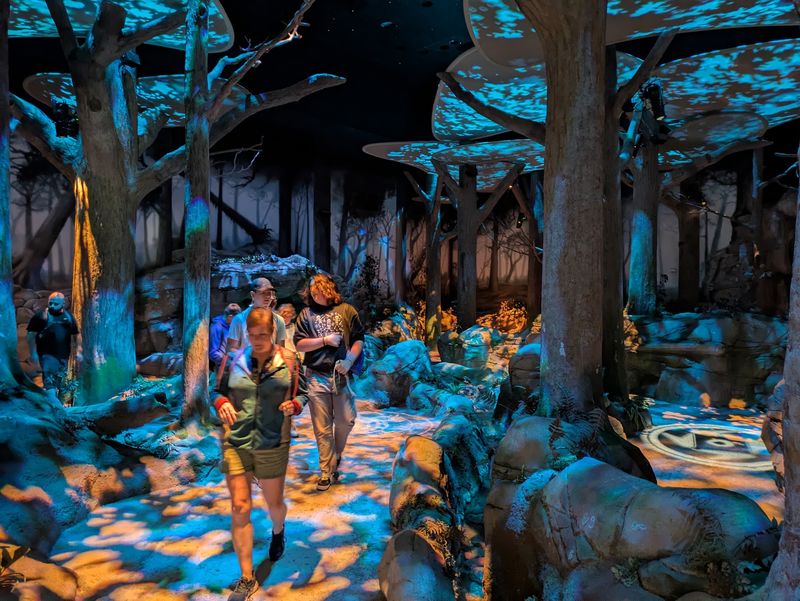
Walk through a forest that isn’t really there, and you’ve reached the Spirit Forest inside the Chikasha Poya Exhibit Center. It replicates the ancestral Mississippi homeland of the Chickasaw people, who once lived across parts of Mississippi, Alabama, Tennessee, and Kentucky.
This interactive center tells the history of the Chickasaw people through high-tech exhibits rather than long walls of text. Interactive displays cover the Removal and the Stomp Dance, so the story moves from tradition to hardship to endurance.
The Chickasaw people were forcibly removed to Indian Territory, which is now Oklahoma, in the mid-1800s, and the exhibits address that journey. Later, the Chickasaw Nation established its own separate government and constitution in 1856, a moment of rebuilding that matters to the story.
Admission is charged for this exhibit, but it’s free for Chickasaw citizens and children aged 12 and under. Give yourself plenty of time, because rushing through high-tech exhibits is a good way to miss the best parts.
Interactive displays give younger visitors something to touch and explore, so the history never feels stuck behind glass. It’s the heart of the campus, and the other stops make more sense once you’ve seen it.
Grape Dumplings And Elk Burgers Are On The Menu
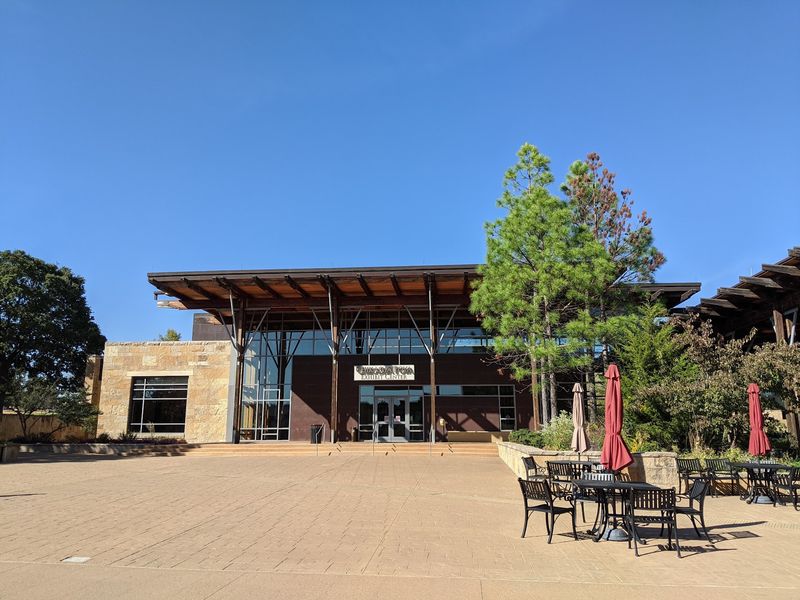
Grape dumplings and Indian fry bread sit on the menu at Aaimpa’ Café, the on-site spot at the Chickasaw Cultural Center. The café serves both traditional Chickasaw and American cuisine, so everyone in the group can find something familiar or new.
Other menu items can include buffalo chili, Indian Tacos, and pashofa, which is a corn porridge. Adventurous burger fans can look for mountain burgers made with ground elk, plus bison burgers for a different kind of bite.
Three Sisters Salad offers a lighter option, and its name nods to the traditional planting trio of corn, beans, and squash. Some dishes use fresh ingredients harvested from the center’s own gardens, which ties the meal to the grounds outside.
That farm-to-table connection makes lunch feel like part of the visit instead of a break from it. Time your meal between the exhibits and the village so you can refuel without leaving the campus.
Outside food and drinks are also allowed in designated outdoor dining areas, if you’d rather bring your own picnic. Either way, save room for grape dumplings, because dessert is a fine reason to plan a return trip.
Catch A Film Or Dig Into Family History
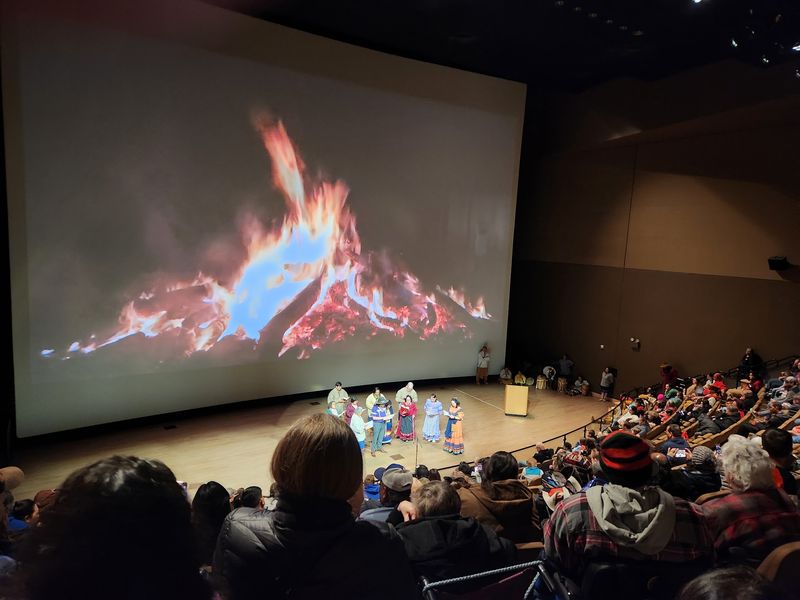
A 350-seat theater with a large screen is a nice surprise on a campus known for outdoor village life. Anoli’ Theater shows films about Chickasaw culture and history, which gives your feet a rest and your brain a story.
The big screen adds another way of storytelling to the exhibits and live demonstrations around the grounds. The theater can also host the Stomp Dance when weather keeps the performance away from the outdoor spaces.
Research fans have another option in Holisso: The Center for Study of Chickasaw History and Culture. This 20,000-square-foot specialty library focuses on the Chickasaw Nation and other Southeastern tribes in the United States.
It preserves historical artifacts and stories, making it a serious resource for anyone tracing family or tribal history. You don’t have to be a scholar to appreciate it, since preserving artifacts and stories is the whole mission.
Pair a film with a quiet library stop and you’ve covered two very different ways of learning. Together, they round out the visit for anyone who likes to go beyond the highlights and ask more questions.
Cross The Bridges And Roam 184 Acres
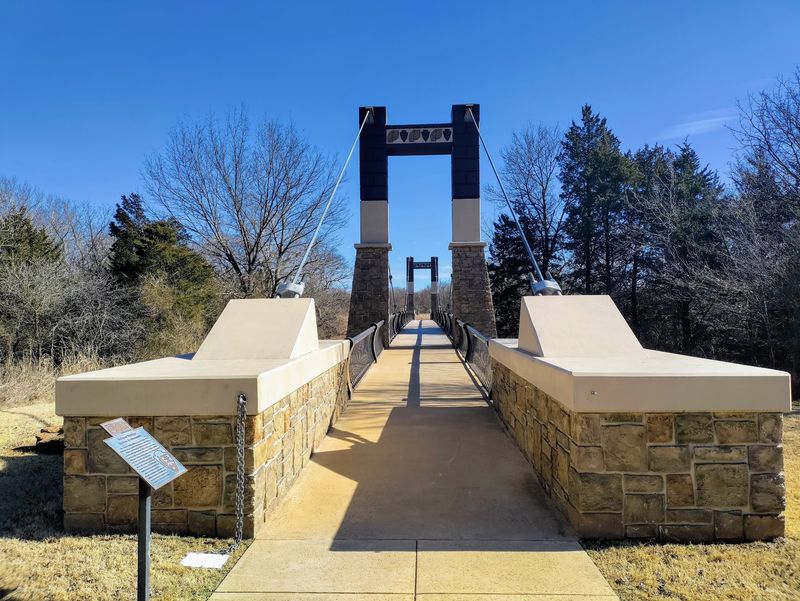
The campus covers 184 acres, so comfortable shoes are a smart choice at 867 Cooper Memorial Rd, Sulphur, OK 73086. Start at the Aba’ Aanowa’ Sky Bridge, which offers elevated views of the Traditional Village and helps you plan your route.
The Aaholiitobli’ Honor Garden pays tribute to Chickasaw leaders and elders, and it’s a good spot to slow down for a few minutes. Kochcha’ Aabiniili’ Amphitheater hosts outdoor activities, and it can serve as a Stomp Dance location depending on the weather.
Then comes the Inkana Bridge, which connects the Cultural Center to the neighboring Chickasaw National Recreation Area for more outdoor exploring. That link makes it easy to turn a museum trip into a full day among Oklahoma scenery.
The entire facility is wheelchair and stroller accessible, with complimentary wheelchairs and a golf cart service for guests with mobility impairments. That’s helpful on a campus this big, especially when you want to see the village without a long walk.
Pets aren’t permitted, except for trained service animals, so plan ahead for any four-legged family members. With bridges, gardens, and open space to explore, the grounds could easily fill an entire afternoon all on their own.
Save November 7 For Native American Heritage Day
Mark November 7, 2026, on your calendar, because that’s when the Chickasaw Cultural Center hosts Native American Heritage Day. The event is free, and it celebrates the traditions and contributions of First American people in a lively way.
The lineup includes live music, traditional cuisine, cultural demonstrations, film screenings, and performances by multi-tribal dance groups. That’s a packed list, so a little planning will help you catch the parts you care about most.
Inside the Traditional Village, demonstrations cover Blue Bread, Banaha, Pashofa, and Hog Meat, which is a tasty reason to stop by. Other village activities include bow making, hide scraping, and a stickball game on the field you can see year-round.
Hands-on crafts like bow making are easier to appreciate when you watch them happen. Because the event is free, it’s an easy choice for families, friends, and curious neighbors across Oklahoma.
The Cultural Center is open Tuesday through Saturday, and November 7, 2026, lands on a Saturday. Start early, bring plenty of curiosity, and let the day unfold one demonstration, song, or snack at a time.
Make It A Month Of Games, Art, And Food Samples
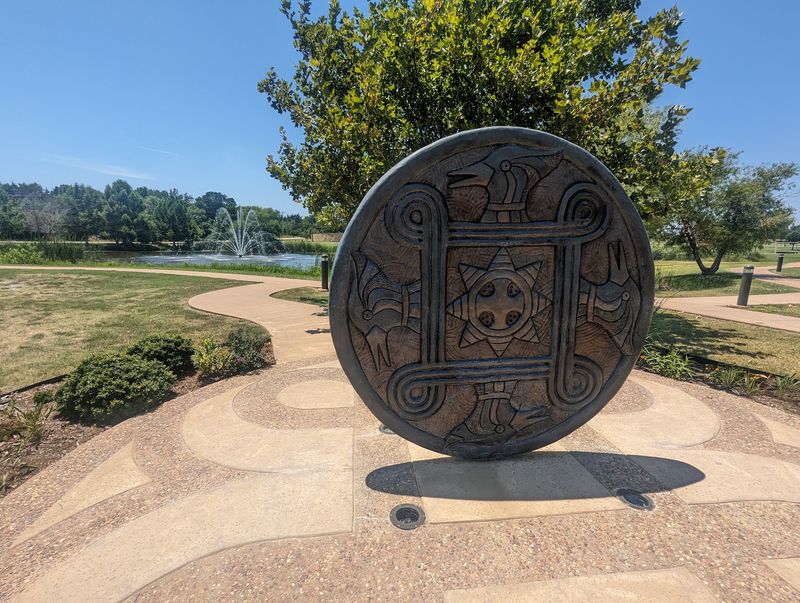
Native American Heritage Month turns all of November 2026 into a series of weekly themed activities at the center. Games, art, language, and food samplings rotate through the month, so each visit can feel a little different.
Kids can color animal masks and Chickasaw regalia, or craft mini stickball sticks and trade bead bracelets. Those hands-on projects give younger visitors a creative way to connect with what they’re learning.
Samples of Pashofa, Grape Dumplings, and Three Sisters Stew are on the schedule, so your taste buds get a history lesson too. Language fans can look for discounts on language books, a smart way to keep learning after you head home.
One standout is the Ayowa’: Garden to Gourmet Tour, which pairs an agritour with a cooking demonstration. It connects the gardens outside with the food on the plate, and that’s a neat way to see the whole cycle.
Since activities change week by week, check the center’s calendar before choosing your date so you land on your favorite theme. November in Oklahoma gets a cultural boost here, and every week gives you another reason to return.
Plan Your Day Around Hours, Gifts, And Holiday Lights
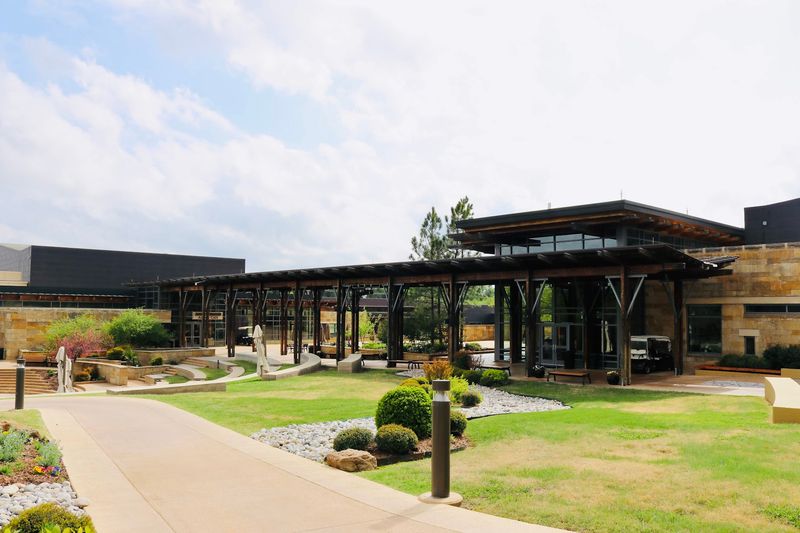
Hours matter here, so remember that the center is open Tuesday through Saturday, year-round, from 10 a.m. to 5 p.m. Holidays can bring exceptions, which is worth a quick check before you make the drive from home.
The Aachompa’ Gift Shop is a smart last stop, with Chickasaw-made art, jewelry, pottery, baskets, and beaded items. Traditional bows, Native flutes, traditional clothing, and CDs fill out the selection, so there’s something for gifts or personal keepsakes.
Bottled beverages and snacks are also sold in the gift shop, handy for the walk back to the car. Holiday fans have a head start too, because Celebration of Lights and Festival of Trees both begin November 28, 2026.
Both run through December 31, 2026, which turns a late-November trip into a preview of the season. The center opened in 2010 after about six years of construction, and it is one of the largest tribal cultural centers in the country.
Build a plan around dance times, a meal, the village, and the exhibits, then add the gift shop at the end. That’s a full day at the Chickasaw Cultural Center, and it might leave you planning your next Oklahoma visit before you reach the exit.