
9 Magical New York Towns Where German Heritage And Old-World Charm Are Still Alive
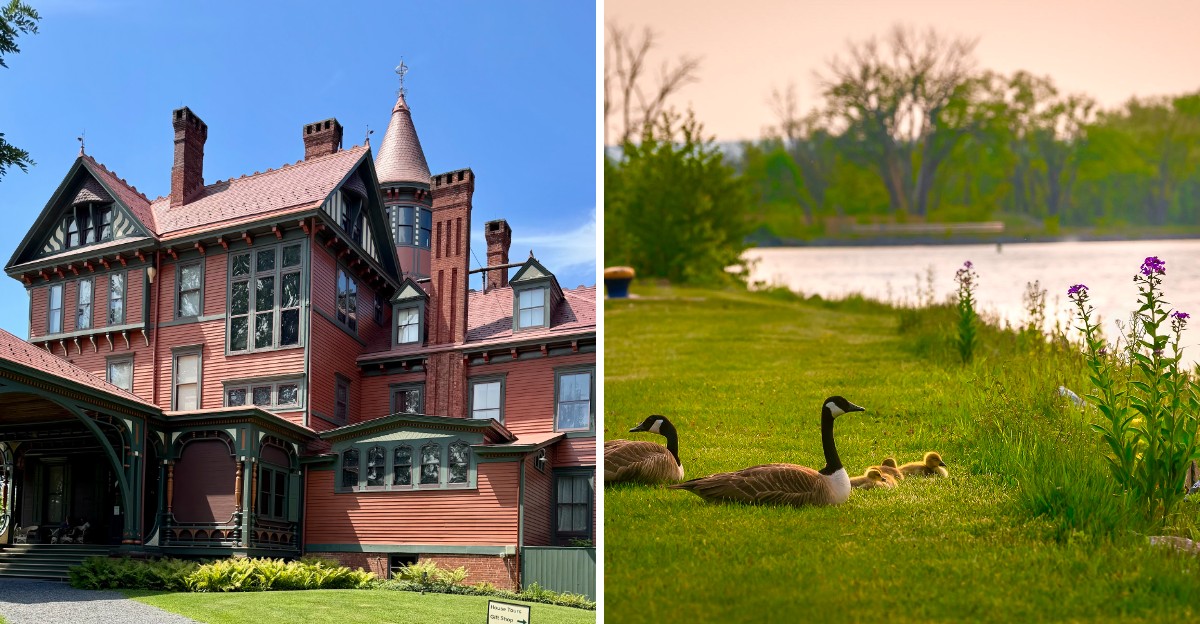
A church in upstate New York still has a cannonball hole from 1780. It was built as a German house of worship eight years earlier. Then it became a fort.
That detail sent me down a rabbit hole. In 1710, roughly 1,200 German refugees from the Palatinate region arrived in the Hudson Valley. They came looking for land and a fresh start. Their names, churches, and farm towns are still on the map.
One village name blends a German river with a landowner’s last name. A Long Island village started out called Breslau. A Catskills hamlet even earned the nickname Little Bavaria.
I love that you can still trace these stories through stone walls, old parsonages, and quiet main streets. A few have only several hundred residents, yet they hold buildings older than the country itself.
1. Germantown
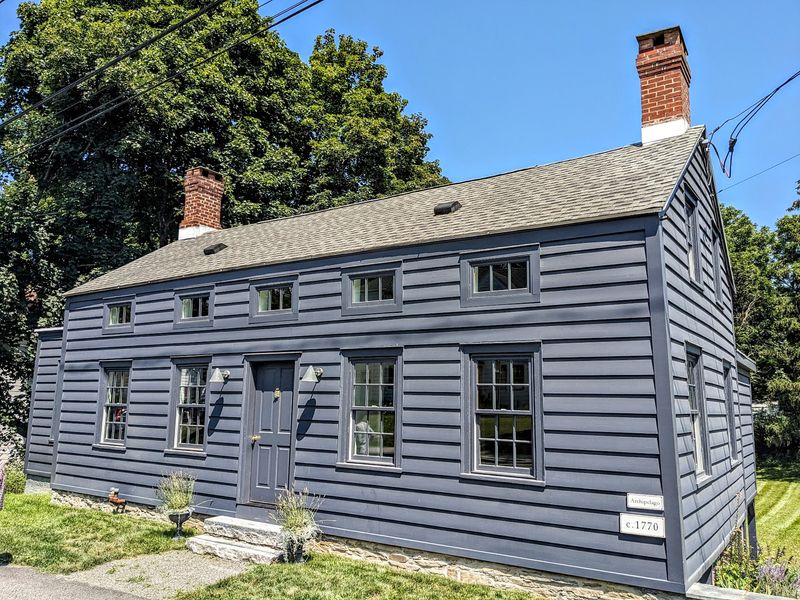
Roughly 1,200 refugees showed up here in 1710, and the British crown basically handed them a map and a mission. Those Palatine Germans gave this Columbia County town its name, and it stuck for more than three centuries.
Back then, folks called the area East Camp. The settlers came from the Palatinate region along the Rhine, hoping for land of their own.
Today, Germantown is home to about 1,900 people. That makes it small enough to feel personal and big enough to keep you busy for a slow afternoon.
Start near the main-street hamlet, where 18th-century stone and wood-frame buildings still stand. You’ll also find early Reformed Palatine church grounds that connect straight back to the founding families.
History buffs should look for the old Reformed church parsonage on Maple Avenue, built around 1746. It’s the oldest building in town and holds stories of Palatine, Dutch, and African American residents.
The parsonage houses the town’s history department, which opens to the public on Saturdays. Plan your trip around that, and you’ll get far more than a drive-by look.
Then there’s the scenery, which might steal the show. Rolling hillsides look out over the Hudson River, so pack a camera and maybe some patience for photo stops.
I love that a town named for refugees still wears that name so proudly. It’s a quiet reminder that New York has been a fresh start for newcomers for a very long time.
Go slow here. Germantown rewards wanderers, not speed racers.
Address: Germantown, NY 12526
2. Rhinebeck
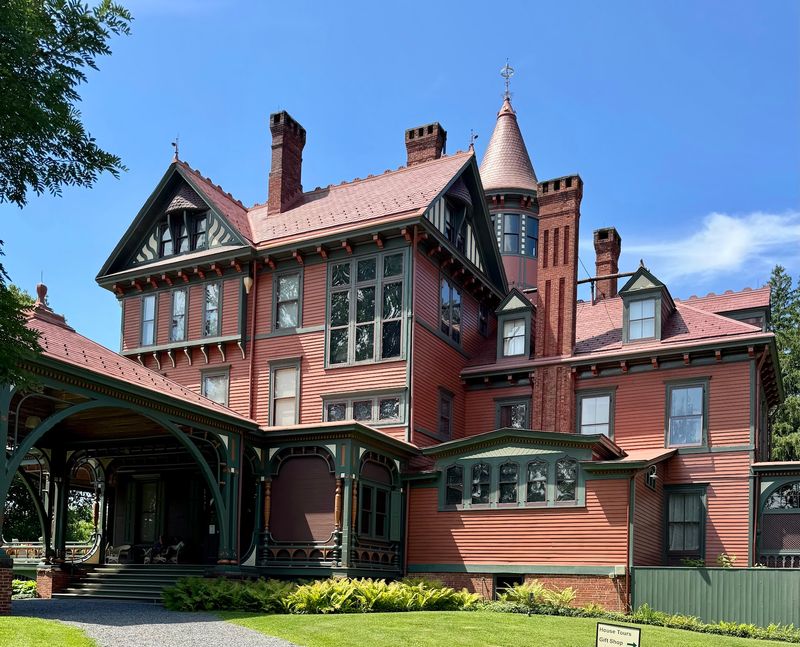
Somebody in the early 1700s had a talent for mashups. Rhinebeck’s name blends the Rhine River from the settlers’ homeland with the name of landowner Henry Beekman.
German Palatine immigrants founded the settlement around 1715 in Dutchess County. More than 300 years later, their river still lives on in the village sign.
Today, fewer than 8,000 people call the village and town home. The historic commercial center is tree-lined and easy to explore on foot.
That walkability is a big deal. You can park once and spend hours poking around colonial and Victorian buildings without checking a map.
The headliner is the Beekman Arms and Delamater Inn, which has operated since 1766. Yes, that’s before the Declaration of Independence was signed, which is quite a brag for an inn.
Even if you’re not staying the night, the building is worth a look. It ties the village’s early days straight to the present.
Rhinebeck has a storybook feel that comes from its preserved architecture. Honestly, it looks like a place a set designer would invent, except it’s real.
For the best visit, give yourself time to stroll the side streets too. The old homes and storefronts there add layers to the village’s long story.
Among New York’s Hudson Valley villages, this one makes a strong first impression. Bring comfy shoes and an open schedule, because rushing here feels like a waste.
Address: Rhinebeck, NY 12572
3. Palatine Bridge
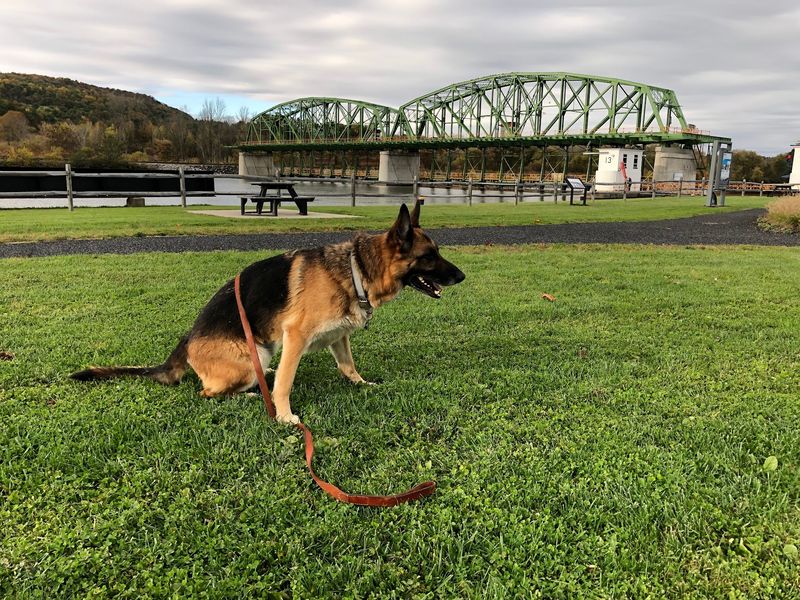
With roughly 700 residents, Palatine Bridge is the kind of village where the river might outnumber the traffic. Still, its name carries a whole continent’s worth of history.
Palatine German pioneers settled here in the 1700s. They named the area after the Palatinate, the German region they left behind.
The village sits in Montgomery County, overlooking the Mohawk River and the Erie Canal corridor. That waterway view is a big part of its charm.
Look closely at the buildings as you pass through. Nineteenth-century limestone structures and historic homes still line the area, giving it a sturdy, timeless look.
Want to go deeper? Just east of the village, Fort Klock Historic Restoration preserves a fortified stone farmstead built by Palatine immigrant Johannes Klock in 1750.
That 30-acre site includes a restored Dutch barn, a blacksmith’s house, and a 19th-century schoolhouse. It opens seasonally and hosts reenactments and historical events, so check ahead.
Fort Klock was named a National Historic Landmark in 1973. Not bad for a farmhouse built with defense in mind.
Back in the village, the pace is calm and canal-town quiet. It’s a great stop for travelers who like history without crowds or chaos.
Pair your visit with a drive along the Mohawk. The valley views make the trip feel like a bonus field trip for grown-ups.
I can’t think of a better spot to sit by the water and think about how far those first families traveled. Pack a snack and linger a bit.
Address: Palatine Bridge, NY 13428
4. Schoharie
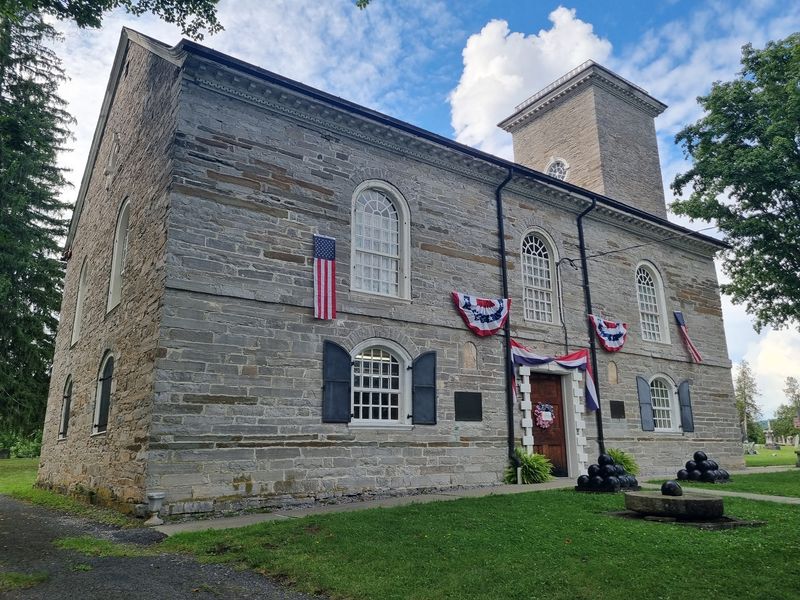
A church with a cannonball hole is not something you see daily. In Schoharie, the Old Stone Fort still shows that scar from a 1780 British attack.
Palatine German settlers began farming this valley in 1712. They set up small agricultural villages called dorfs, and Schoharie grew from that start.
The fort began life in 1772 as a German Reformed church. During the American Revolution, locals fortified it in 1777, turning a house of worship into a stronghold.
Now it’s the centerpiece of the Old Stone Fort Museum Complex at 145 Fort Road. The complex opens seasonally, from May through October.
Around the fort, you’ll find an early 1700s home, a 1780s Dutch barn, and an 1830s law office. There’s even an 1890s one-room schoolhouse, which might make you grateful for modern desks.
Nearby, the 1743 Palatine House Museum is the oldest surviving building in Schoharie County. It was built for a newly arrived German Lutheran pastor and is open by appointment.
That house has three working fireplaces and period furnishings. It’s one of the few homes in town that made it through the Revolutionary War.
Kids who groan at history class might change their tune here. Seeing a real cannonball hole beats a textbook picture any day.
The village itself has about 3,000 residents and a compact heritage main street. Farm flats and foothill views surround it, so the drive in is half the fun.
Plan for a full day. Schoharie packs a lot of history into a small space.
Address: Schoharie, NY 12157
5. Herkimer
General Nicholas Herkimer gets his name on a whole village, and he earned it. He was the son of German Palatine immigrants who settled this part of the Mohawk Valley in the 1720s.
He later became a hero of the Battle of Oriskany during the Revolutionary War. Today, the village that carries his name has around 7,000 residents.
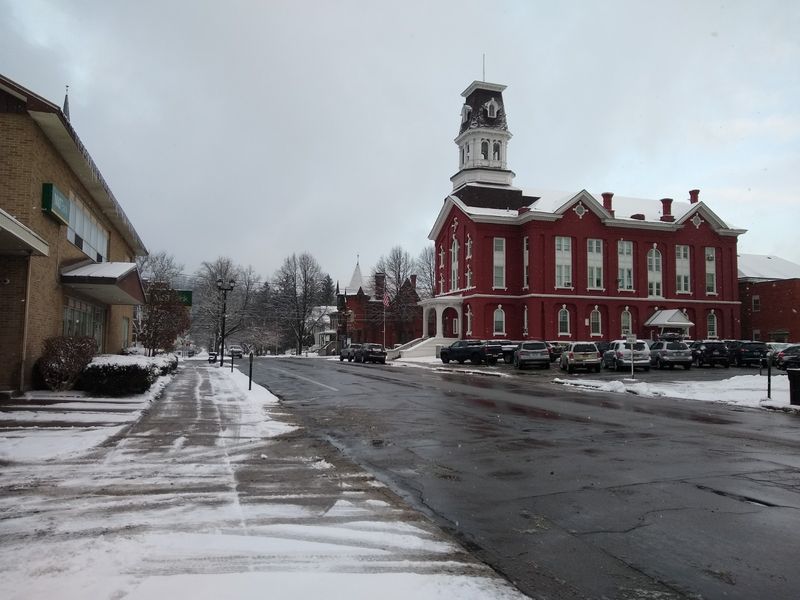
Downtown is the place to start. The historic district is intact, with classic 19th-century civic buildings gathered around a central village green.
That green makes a nice spot to slow down and look around. The architecture feels solid and proud, like it knows it has stories to share.
For more of the general’s story, head to Herkimer Home State Historic Site at 200 State Route 169 in Little Falls. It preserves his 18th-century mansion, along with gardens and a visitor center.
Exhibits there cover colonial life and the Revolutionary War. Check hours before you go, since schedules can shift by season.
The village also sits along historic Erie Canal canalway landscapes. Walking or biking near the water adds a scenic break between history stops.
I love how one family’s journey from Germany shaped a whole corner of New York. The connection feels personal when you stand where the Herkimers once lived.
Nearby German Flatts adds even more to the story, so consider stopping there next. The two places fit together like puzzle pieces.
Give yourself a day to explore. Between the green, the canal, and the mansion, there’s plenty to fill it.
Address: Herkimer, NY 13350
6. Round Top
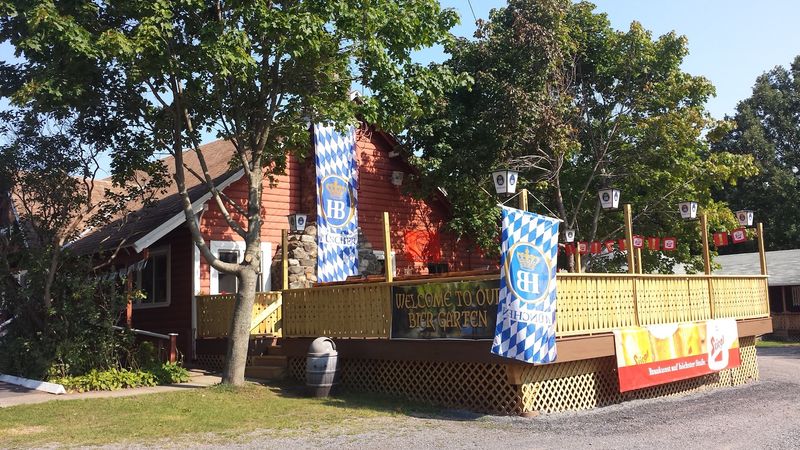
Lederhosen in the Catskills? Round Top has carried the nickname Little Bavaria for decades, and it wears it well.
This Greene County hamlet has only several hundred residents. Yet it’s long been a home base for German-Austrian resorts and Bavarian folk festivals.
Riedlbauer’s Resort and Crystal Brook Resort are two of the best-known names here. Crystal Brook has been a family-owned German-American resort since 1960.
On the Crystal Brook grounds, Mountain Brauhaus has served the German-American community since 1948. It offers German food and live entertainment, open Friday through Sunday for lunch and dinner.
Expect lively music and hearty plates in a Bavarian-style hall. It’s the kind of place where a weekend lunch can easily stretch into an afternoon.
Outside, the setting is pure mountain storybook. Alpine-style lodges and wooded paths wind through the northern Catskills.
Germans have a word for this feeling: gemutlichkeit. It roughly means comfort and belonging, and Round Top serves it up generously.
Resort stays make it easy to stick around for a weekend. Just know you might leave humming a polka.
Bring layers if you visit in cooler months, since mountain weather can change fast. A light jacket is a small price for those views.
Plan around festival dates if you want the full experience. Folk festivals bring out the costumes, music, and dancing that made this hamlet famous.
Where else in New York can you swap skyscrapers for alpine lodges in a few hours? Round Top proves the old country is closer than you think.
Address: Round Top, NY 12473
7. Lindenhurst
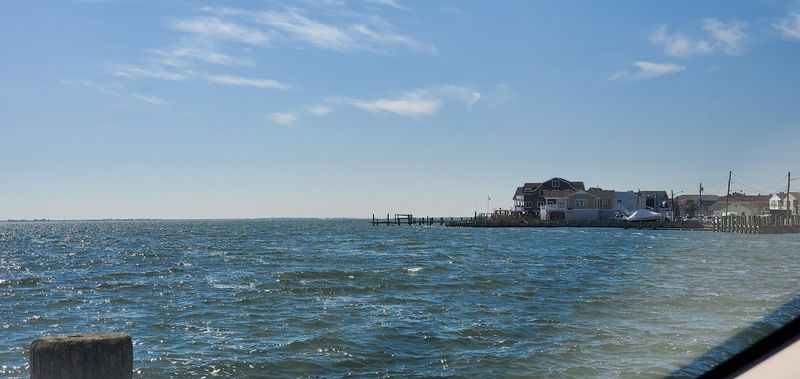
Before it was Lindenhurst, this Long Island village answered to Breslau. German immigrant Thomas Welwood and fellow German settlers founded it under that name in 1873.
Breslau was the name of a German city at the time. The settlers clearly wanted a little piece of home.
The name changed, but the roots didn’t vanish. German-American civic societies remain active, and historical markers point out the village’s past.
Lindenhurst sits on the South Shore in Suffolk County. It has a real downtown main street, which is a treat in a region full of strip malls.
History lovers should head to the village museum district. Preserved late-19th-century public buildings stand there, including the 1901 Breslau schoolhouse.
That schoolhouse is a fun reminder of how long the village has valued learning. Just imagine school without phones, laptops, or air conditioning.
Got a sweet tooth? Lindenhurst is known for traditional heritage bakeries, so save room for a treat while you wander.
Community parades are a big part of village life too. They give the place a close-knit, hometown feel that’s easy to like.
Lindenhurst proves German heritage in New York isn’t limited to the Hudson and Mohawk valleys. It found a home near the ocean too.
It’s also easy to reach from New York City. That makes it a great pick for a half-day history fix.
Walk the main street, visit the schoolhouse, and grab something baked. That’s a pretty perfect afternoon, if you ask me.
Address: Lindenhurst, NY 11757
8. Stone Arabia
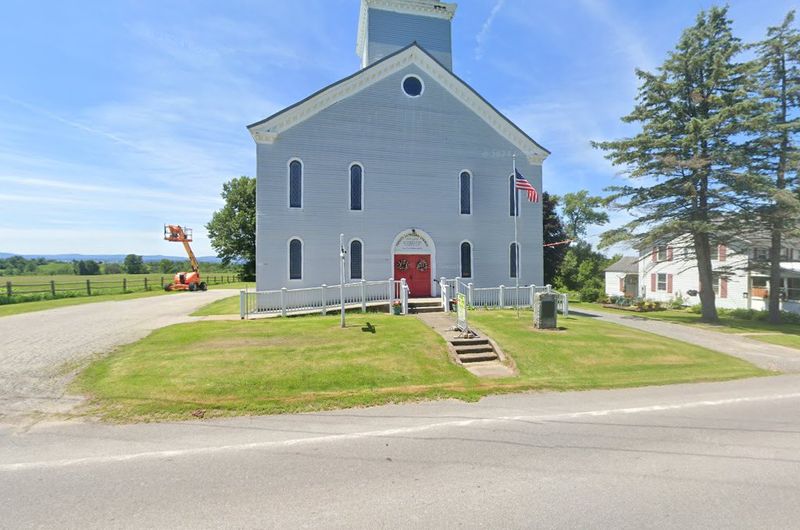
Two historic churches, a stretch of farmland, and almost no traffic. Stone Arabia keeps things simple, and that’s exactly the appeal.
German Palatine pioneers founded this Montgomery County hamlet in the 1710s and 1720s under the Stone Arabia Patent. They built their own Lutheran and Reformed congregations.
Those two faiths still anchor the landscape. The stone Reformed Church and the wooden Trinity Lutheran Church, built in 1792, stand near each other.
Both buildings are listed on the National Register of Historic Places. An 18th-century burial ground nearby adds another layer of history.
Take your time reading the old stones in the burial ground. Names and dates there trace families who farmed this land centuries ago.
These churches are active congregations, so be respectful during visits. Quiet voices and careful steps go a long way.
The countryside might be the real star. Open meadows and pastoral views spread out in each direction, perfect for a peaceful drive.
Photographers will love the contrast of stone, wood, and green fields. Golden-hour light makes the scene even more striking.
Spring and fall are great times to visit. The fields look their best, and the drives are lovely.
Pair Stone Arabia with nearby Palatine Bridge for a fuller Mohawk Valley day. The two share the same Palatine story, just told in different ways.
Population here is sparse, so don’t expect cafes on each corner. Pack water and snacks before you head out.
I can’t imagine a better place to feel how rural early New York must have been. Sometimes the quietest stops leave the biggest impression.
Address: Stone Arabia, Palatine, NY 13339
9. German Flatts
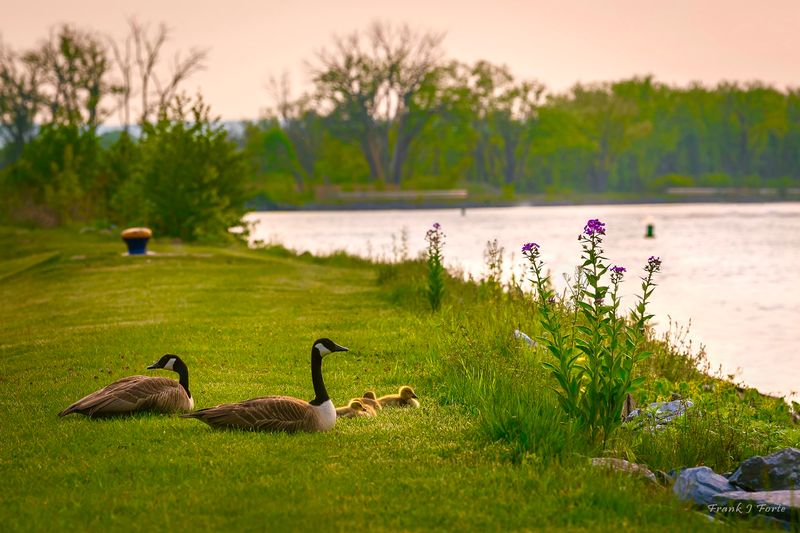
The name gives away the plot right away. German Flatts honors the Palatine immigrants who settled the Burnetsfield Patent along the Mohawk River in the early 1720s.
This Herkimer County town includes rural hamlets and village communities. Riverside farmland still frames much of the landscape.
The must-see stop is the Fort Herkimer Church at 575 State Route 5S in Mohawk. Built between 1753 and 1767, it’s the oldest building in Herkimer County.
It’s also one of the oldest churches in New York State. The two-story gray limestone walls look sturdy enough to last a few more centuries.
German settlers built it, and it was expanded in 1812. The church joined the National Register of Historic Places in 1972.
You can tour the outside anytime. Interior tours are available by appointment, so reach out ahead if you want to step inside.
Beyond the church, look for stone farm walls and old canal locks. They’re small clues that tell big stories about farming and travel here.
Pair this town with nearby Herkimer to round out the story of the general and his neighbors. The two make a natural team for a weekend trip.
Don’t rush the drive along Route 5S. The river views between stops are part of the reward.
I love that a simple stone church can carry this much history. It stood through wars, growth, and centuries of change.
End your tour along the river, where the first families set down roots. It’s a fitting finish for any search for old-world New York.
Address: German Flatts, NY