
Late Fall Brings A Different Kind Of Beauty To This Scenic Maine Lighthouse By The Sea
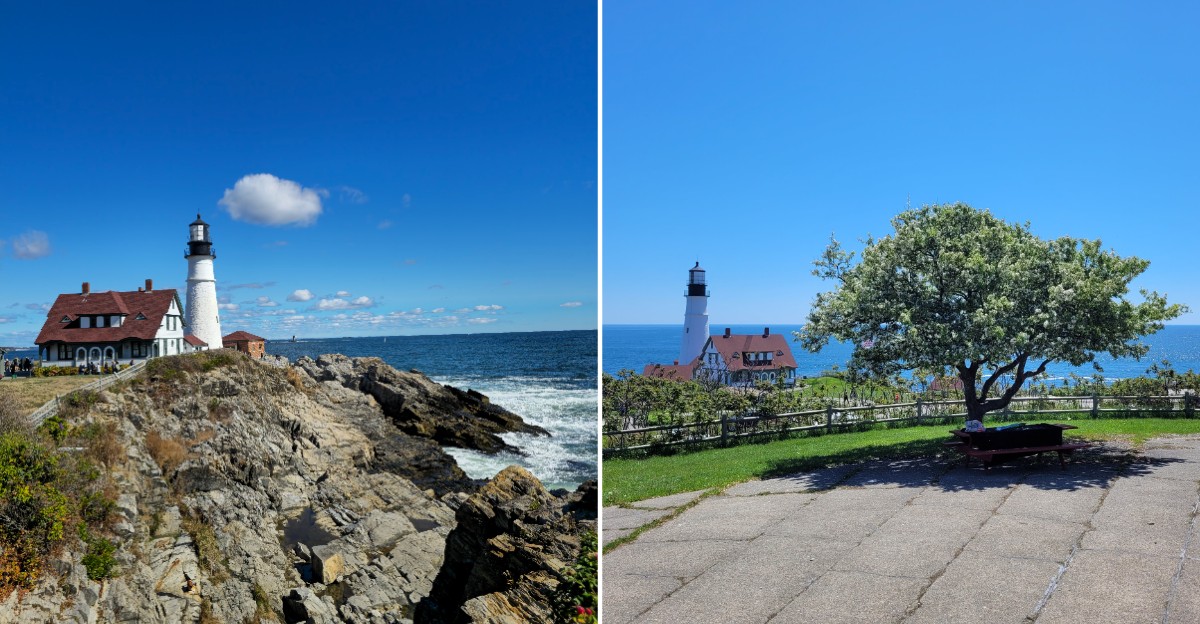
The first light here glowed in January 1791, burning 16 whale oil lamps. That beam has guided ships ever since, and it still works today.
The tower now shines a light visible from about 24 nautical miles away. When fog rolls in, an automated horn sounds one blast every 15 seconds.
That’s a lighthouse with a job, not just a pretty face.
I mostly care about places that feel alive in every season. Late fall in Maine strips things down to rock, wind, and water.
The summer rush fades, and the coastline gets a little quieter.
It is not just about snapping one famous photo, either. I usually look for spots with trails, history, and room to wander. This one checks every box.
So what happens when the leaves drop and the ocean turns steel gray? A whole different kind of beauty shows up.
Maine’s Oldest Lighthouse Still Has A Night Shift
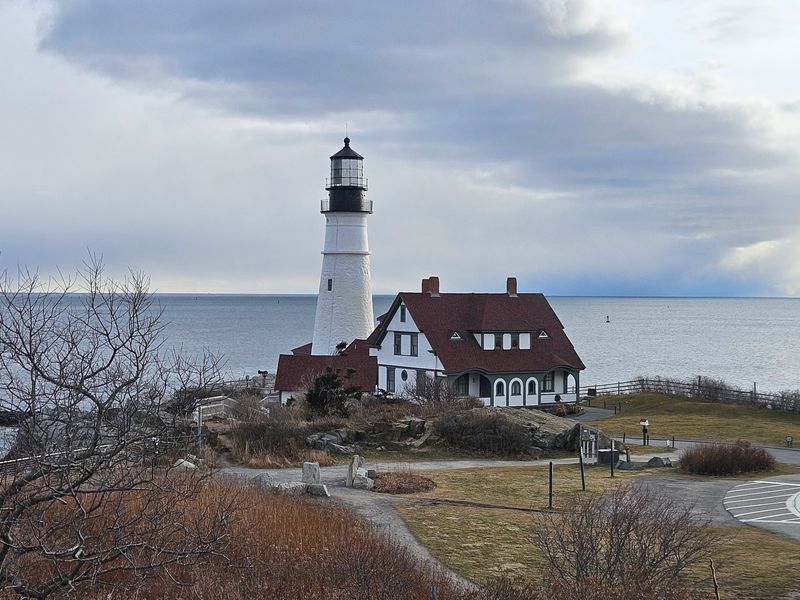
Few landmarks can claim George Washington’s era as their starting point. Portland Head Light was first lit on January 10, 1791, making it the oldest lighthouse in Maine.
It was also the first lighthouse completed by the brand-new U.S. government. Builders used local rubblestone, and the beam started with 16 whale oil lamps.
Here’s the fun part. The light never retired.
The U.S. Coast Guard still maintains it as an active aid to navigation.
Today the white conical tower stands 80 feet above the ground. Its light sits 101 feet above the water, which helps ships spot it from far out at sea.
The current beacon is a DCB-224 aerobeacon with a 200,000-candlepower light. Sailors can see it from about 24 nautical miles away, roughly 28 regular miles.
Late fall gives that working beam a stage. Days get shorter, so evening light arrives earlier in the afternoon.
That means a better chance of seeing the beacon against a darkening sky.
The park closes at sunset, so plan your timing carefully. Arrive a bit early, find your angle, and let the tower do what it has done for over two centuries.
You Can Wander The Whole Park Without Paying A Cent
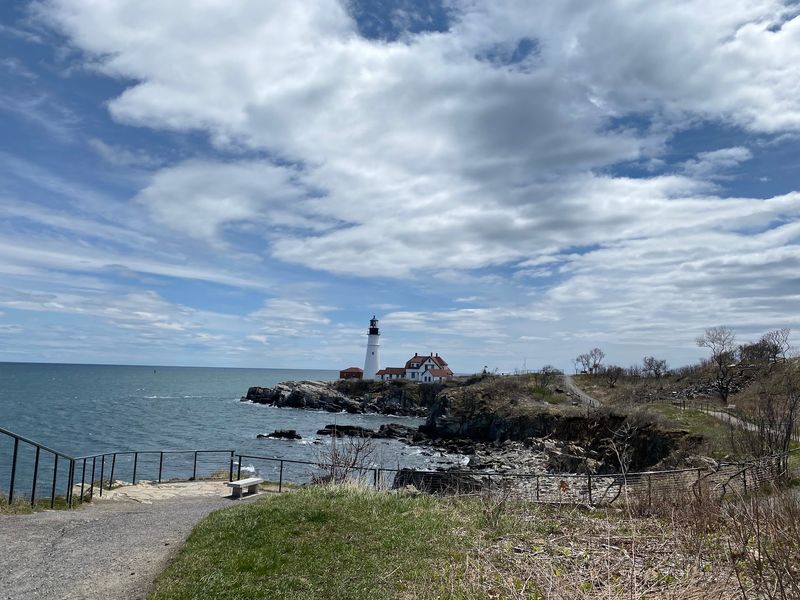
Ninety acres of oceanfront land surround the lighthouse, and walking in costs nothing. Fort Williams Park is open year-round from sunrise to sunset.
You’ll find it at 1000 Shore Road, Cape Elizabeth, ME 04107. The town of Cape Elizabeth owns and manages the grounds and the old keepers’ house.
Parking is a different story, since the lots use meters. They take credit or debit cards only, so leave the quarters at home.
A free overflow lot is also available. The catch is a longer walk to the lighthouse, but late fall air makes that stroll feel pretty refreshing.
Pack a bag before you go. The park has no trash bins, so visitors carry out whatever they bring in.
Leashed dogs are welcome, and there’s a designated off-leash area too. Your four-legged friend may enjoy the cool weather more than you do.
Paved paths also make much of the grounds wheelchair accessible. That keeps the views open to more people.
Late fall is a smart time for a slower visit. The busy summer stretch is over, and the open lawns feel a lot roomier for an easy wander.
The Cliff Walk Is Short But Big On Drama
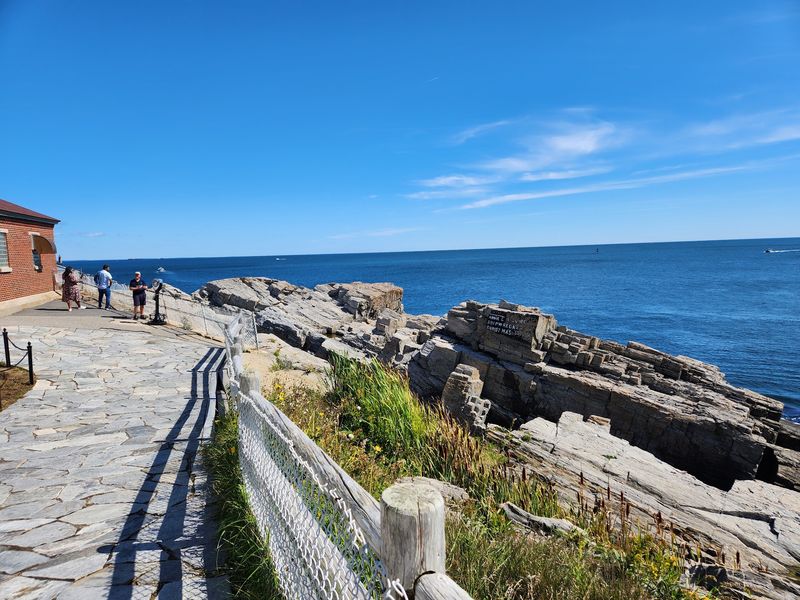
Point four miles. That’s all the Cliff Walk asks of you, one way, on a gravel trail.
Those few minutes pack a serious punch. The path runs along dramatic cliffs with views of the open ocean and Casco Bay.
Late fall makes this trail feel extra moody in the best way. Gray skies, cold water, and rugged rock create a classic Maine coastal scene.
Want more distance? The Fort Williams Park Loop is an easy 1.3-mile crushed stone path with ocean views along the way.
Part of the 6.2-mile Cross Town Trail also passes through. Serious walkers can stretch the day as long as daylight allows.
Dress for wind, because the coast doesn’t care about your hairstyle. Layers, gloves, and sturdy shoes will make the walk far more pleasant.
Stay on marked paths near the edges. The rocks can get slick when sea spray or late fall rain shows up.
A short walk with huge views is a great deal. Bring a warm drink in a travel mug and take your time.
Your Camera Roll Is About To Get Very Full
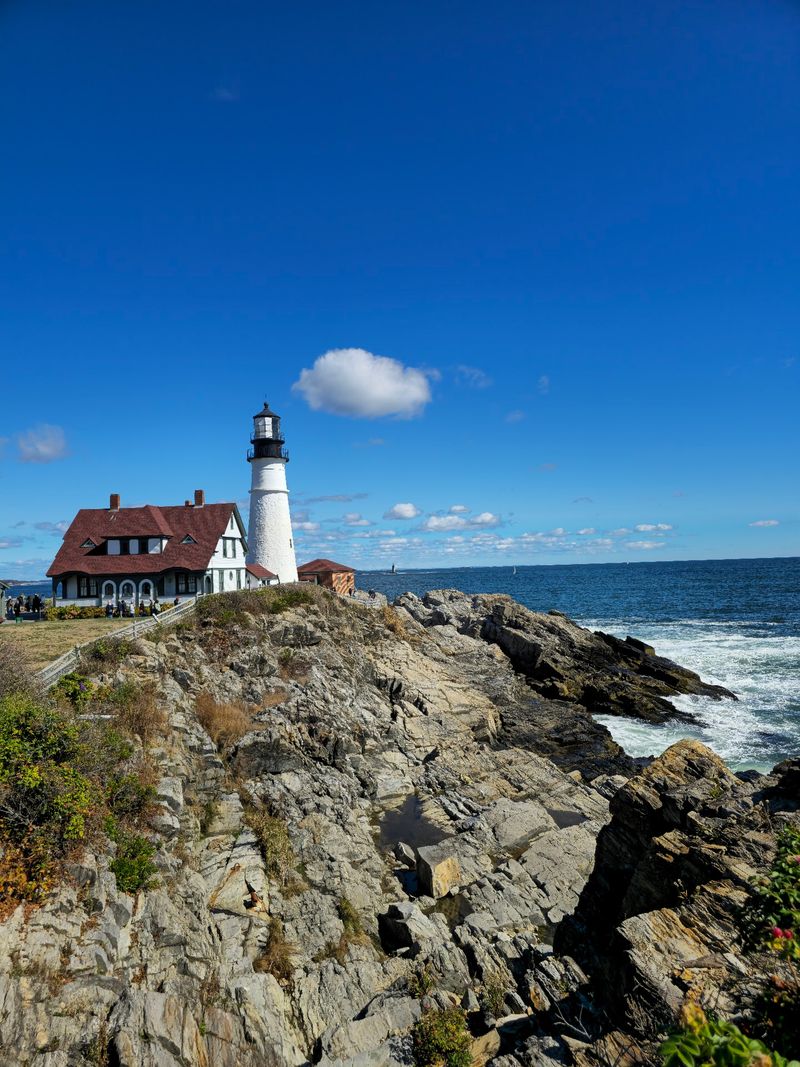
New England has plenty of lighthouses, but this one is often called among the most photographed views in the region. One look explains why.
The white tower has black trim and a black cast-iron lantern on top. Beside it sits the keepers’ quarters, framed by rocky shore and waves.
The park offers many angles. You can shoot from up on the cliffs or from spots closer to the water.
Sunrise and sunset are favorite times for photos here. Late fall helps out, because the sun sets early enough for an afternoon visit.
Low autumn light also tends to paint the scene in warmer tones. Pair that with gray-blue water, and the contrast looks fantastic.
Foggy days deserve love too. The light and fog signal keep working, giving your shots a mysterious, old-school mood.
A few tips help. Keep a cloth handy to wipe sea mist off your lens, and charge your phone before leaving.
Take a wide shot first, then hunt for details. The rocks, the lantern, and the rolling surf each tell a different piece of the story.
Somebody Actually Lived In That Charming House
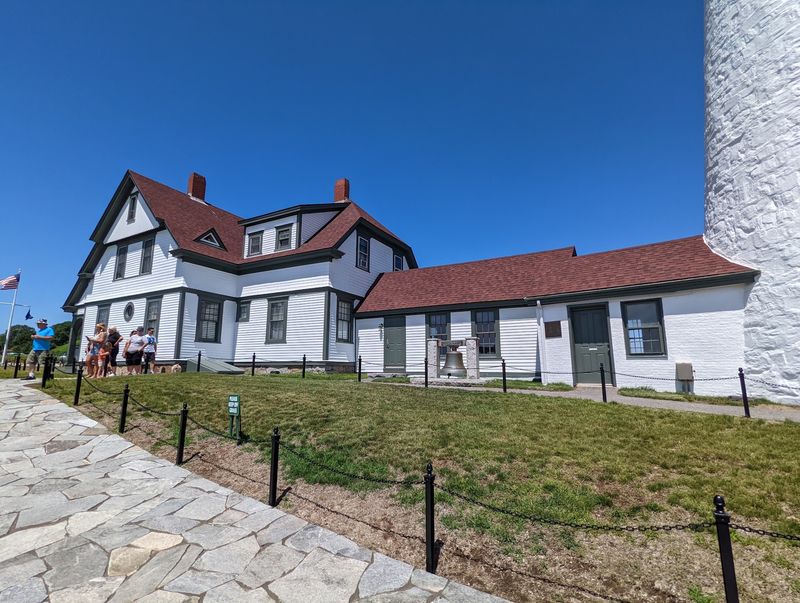
Lighthouse keepers didn’t commute. Back in 1891, a duplex was built right beside the tower for the head keeper and the assistant keeper.
That building now holds the Museum at Portland Head Light, which opened in 1992. It’s an award-winning museum with a timeline of the lighthouse’s long life.
Inside, you’ll find artifacts, documents, navigational aids, models, and photographs. There’s even a portion of a second-order Fresnel lens on display.
The exhibits also cover the daily lives of the keepers. Military activity at Fort Williams gets attention as well.
Now for the timing. The museum runs daily from Memorial Day through Indigenous Peoples Day in mid-October.
During November, it typically opens on weekends only. After that, it closes until the next season, though the grounds stay open.
So a late fall trip needs a little planning. Check the schedule before heading out if the museum is on your list.
Admission is very affordable, and young kids get in free. A seasonal gift shop shares the building, offering Maine-themed souvenirs for anyone shopping ahead for the holidays.
The Tower Grew Taller And Changed Its Glasses
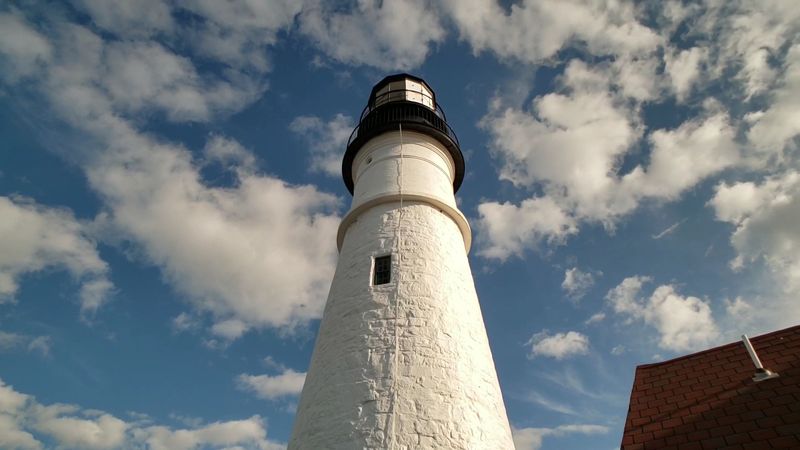
Lighthouses get makeovers too. The original tower here measured 72 feet from base to lantern deck.
Around 1865, it was raised by 20 feet. A taller tower meant ships could spot the light from farther away.
The lenses changed over time as well. A fourth-order Fresnel lens arrived in 1855, followed by a second-order Fresnel lens in 1865.
An aerobeacon took over in 1958. Then in 1991, the current DCB-224 aerobeacon was installed.
Another big change came on August 7, 1989. That’s when the lighthouse became automated, ending the era of resident keepers.
The property was leased to the Town of Cape Elizabeth in 1990. The town officially received the deed in 1993.
Honors followed along the way. Portland Head Light joined the National Register of Historic Places on April 24, 1973.
In 2002, it was also named a National Historic Civil Engineering Landmark. Not bad for a stone tower built from local rock.
Knowing this story changes how the tower looks on a quiet fall afternoon. Every inch of it reflects some kind of upgrade.
Old Forts And Mansion Ruins Hide In Plain Sight
Stone walls with empty windows make a great late fall backdrop. The ruins of Goddard Mansion stand inside Fort Williams Park, waiting to be explored.
The park also holds historic fort structures, including several batteries. These remnants connect to the site’s military past.
Bare trees in late fall open up the views around these ruins. The stonework stands out more once the leaves have dropped.
Walking from the mansion to the lighthouse makes a satisfying loop. You get history, open fields, and ocean views on the same outing.
Kids usually love anything that looks like a castle. Old walls and batteries spark plenty of questions and imagination.
Free guided walking tours run daily at 3 PM during the season, from mid-May through mid-October. Topics include forts, native plants, shipwrecks, and lighthouses.
Those tours wrap up before late fall arrives. You can still explore on your own and soak in the details.
A quick bit of reading before your trip helps. Knowing what you’re looking at makes the old stones feel much more alive.
Bundle Up For A Chilly Picnic With A View
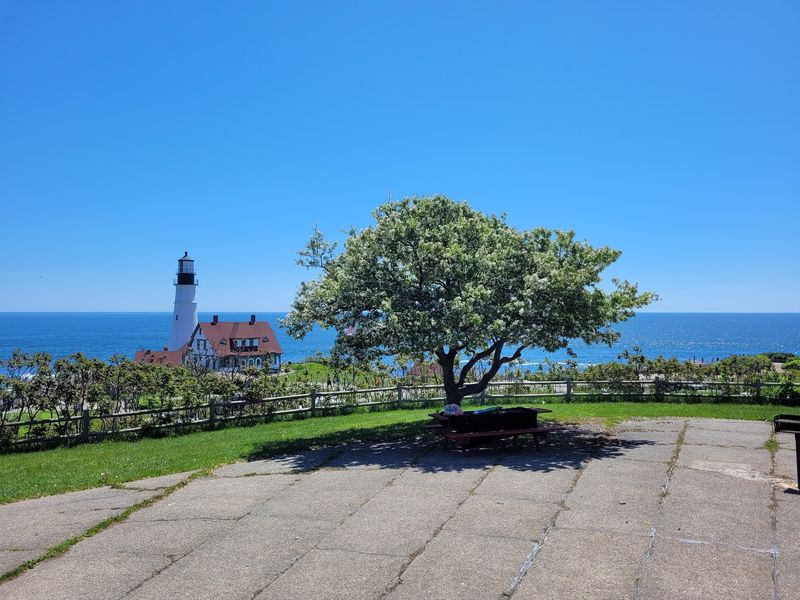
Picnics aren’t only for July. Fort Williams Park has picnic tables and charcoal grills for anyone brave enough to eat outside in cooler weather.
A thermos of hot cocoa can make a chilly lunch feel cozy. Soup in an insulated container works wonders too.
Remember the park’s carry-out rule. No trash bins means packing an extra bag for wrappers and leftovers.
The park offers more than tables. There are tennis courts, pickleball courts, a basketball court, and a baseball diamond.
Families will find children’s play areas as well. Open green space gives kids plenty of room to burn off energy.
A pond adds a calm spot away from the crashing waves. Ship Cove, a small rocky beach, offers a closer look at the water.
Kite flying is another popular pastime here. Late fall breezes can be strong, so a sturdy kite is a smart choice.
Bring a blanket to sit on or wrap around your shoulders. You’ll stay warmer and feel less tempted to rush back to the car.
Quieter Days Make The Ocean The Main Character
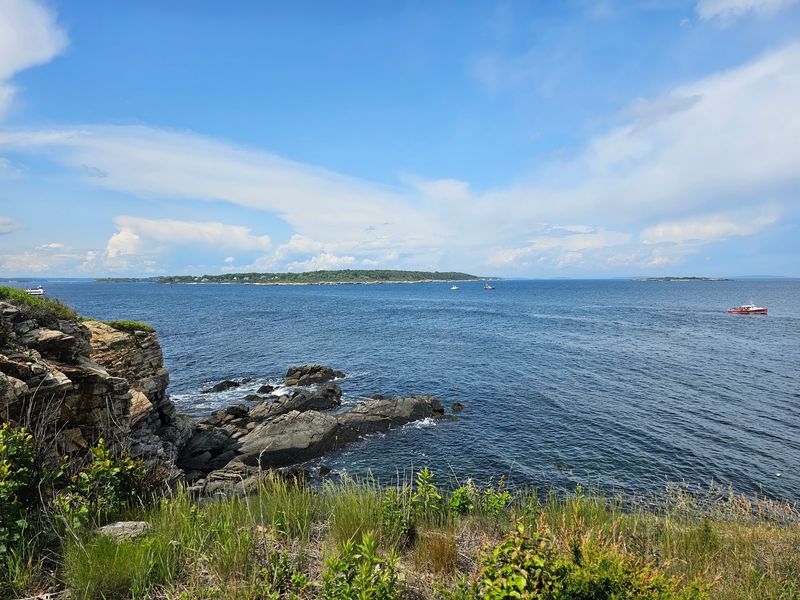
Silence is rare at a famous landmark. Late fall at Portland Head Light can offer a calmer, more peaceful visit than the busy summer months.
Fewer crowds mean easier walking on the paths. You can linger at a viewpoint without feeling rushed.
The sounds of the coast become easier to notice. Waves hit the rocks, wind sweeps across the fields, and the fog horn speaks up when weather turns gray.
That horn sounds one blast every 15 seconds when needed. It’s loud, so prepare little ears for the surprise.
Autumn also brings fall foliage to the park in its earlier weeks. Hikers enjoy the season for its cool air and changing colors.
Maine weather can change quickly near the water. Check the forecast, pack layers, and wear shoes with good grip.
Plan around the short days, too. Sunset arrives early, and the park closes at that time.
Give yourself an hour or two. Walk slowly, watch the light shift across the water, and let the old tower keep its quiet watch beside you.