
This Historic New York Street Is Lined With Stone Houses That Have Stood For More Than 300 Years
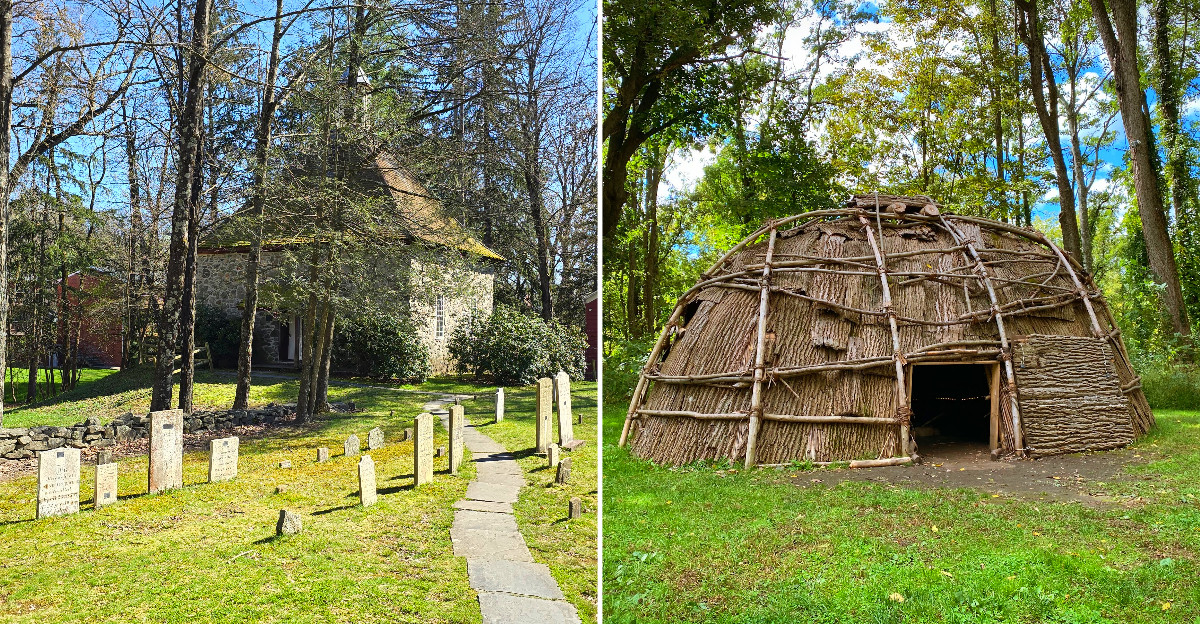
A few families bought nearly 40,000 acres in 1677, and the stone homes they raised still line the same street today. Some of those houses date to the early 1700s. One even goes by the name of a fort.
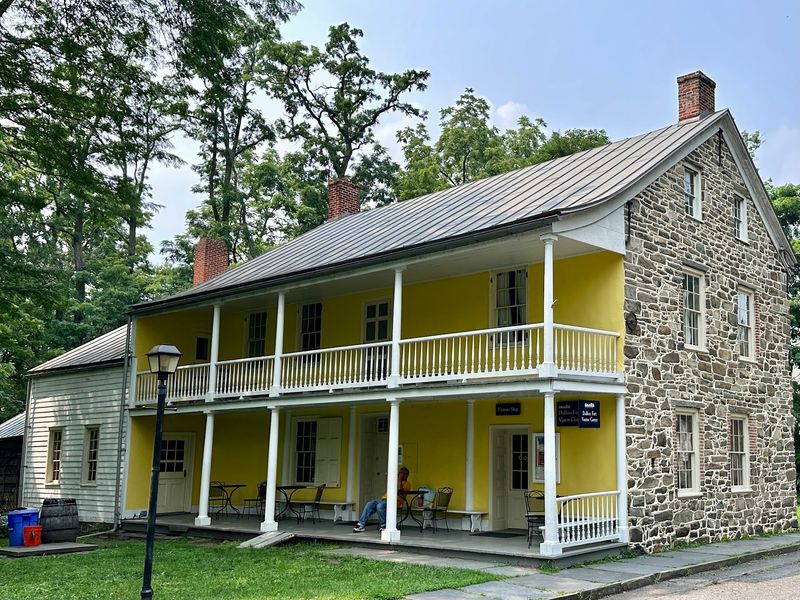
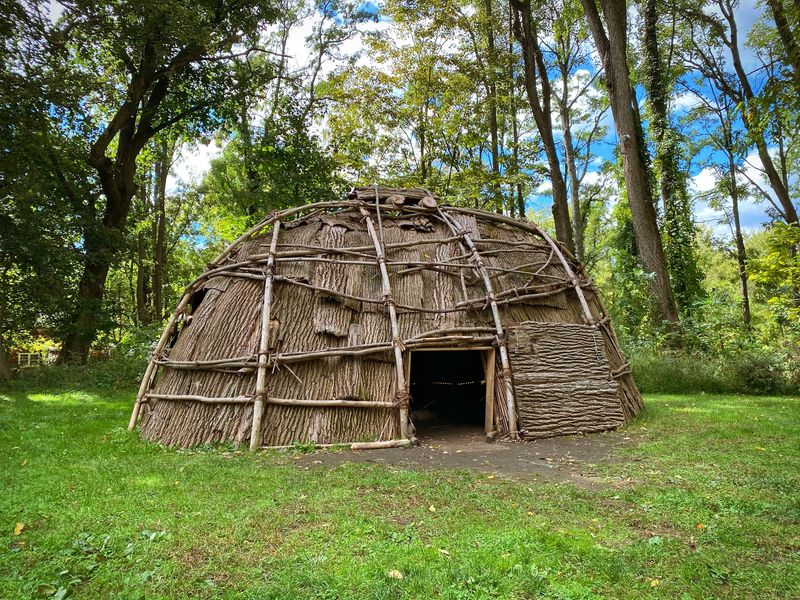
The district covers 10 acres in New York’s Hudson Valley. It holds seven stone-house museums, a rebuilt 1717 church, and an old burying ground. There’s also a replica wigwam that tells a much older story.
Guides share the stories of Indigenous people, French Huguenots, Dutch families, and enslaved Africans who lived here too. That gives the stones a lot more to say.
I’d probably start with the oldest house and work my way down. Let’s find out more about this wondrous place, together.
Families Fleeing Hard Times Built Something Built To Last
Long before anyone sold fudge or postcards nearby, French-speaking Protestants needed a safe place to live. Historic Huguenot Street began with that search for safety.
The Huguenots faced religious persecution in France. Many first found shelter in the Pfalz region of Germany, also called the Rhenish Palatinate.
That stop left a mark on the map. The name New Paltz honors the region that gave these families temporary refuge.
In 1677, a group of Huguenots and Walloons bought nearly 40,000 acres from the Esopus Munsee people. Walloons were French-speaking Protestants from what is now Belgium.
By 1678, a village had taken shape. Over the next decades, the settlers swapped simpler shelters for sturdy stone homes.
Those homes are the reason people still come here. The street is often called one of the oldest continuously inhabited streets in America.
That idea is wild when you stop and think about it. People have walked this same stretch for more than three centuries.
So when you stand on the sidewalk, you’re not visiting a movie set. You’re standing on a real street that kept going while the world changed around it, generation after generation.
Seven Stone Houses And Not One Of Them Is In A Hurry
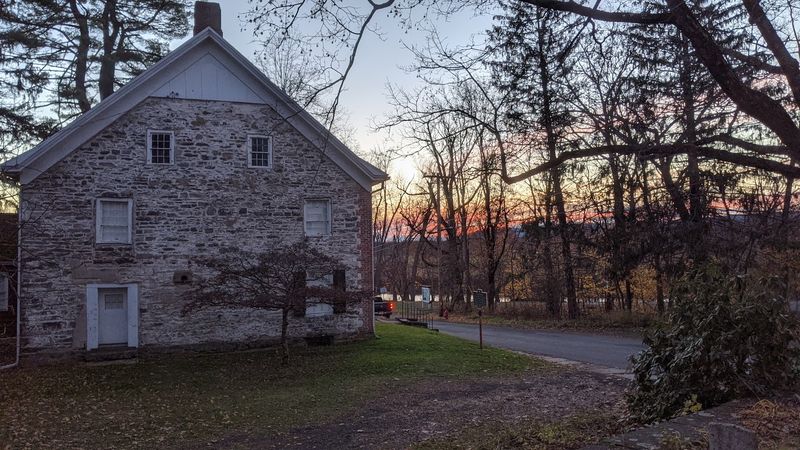
Seven houses, three hundred years, and zero interest in falling down. The stone-house museums are the stars of the show.
The seven historic houses span several periods, with the earliest dating to the late seventeenth century and the newest built in 1799. Several houses date to the late 1600s and early 1700s, while others were built or extensively remodeled in later centuries.
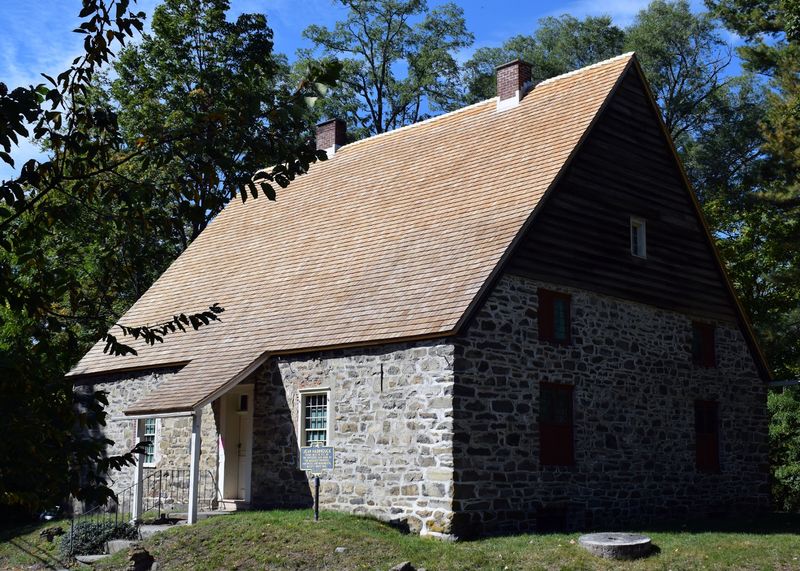
The Jean Hasbrouck House came along in 1721. It’s one of the best-known names on the street, and it gives a strong sense of colonial life.
Each house has its own story and family history. Some were added to over the years, so you can spot changes layered into the walls.
Written signs help explain when each home was built. That makes a casual stroll feel more like reading a stone history book.
Most interiors open only during guided tours. If peeking inside matters to you, plan around a tour time rather than just showing up.
Photography of the grounds and house exteriors is allowed for personal use. That means your camera roll can fill up fast.
The stonework alone is worth slowing down for. These walls have outlasted kings, colonies, and every fashion trend you can name.
Your Visit Starts Inside A House Nicknamed A Fort
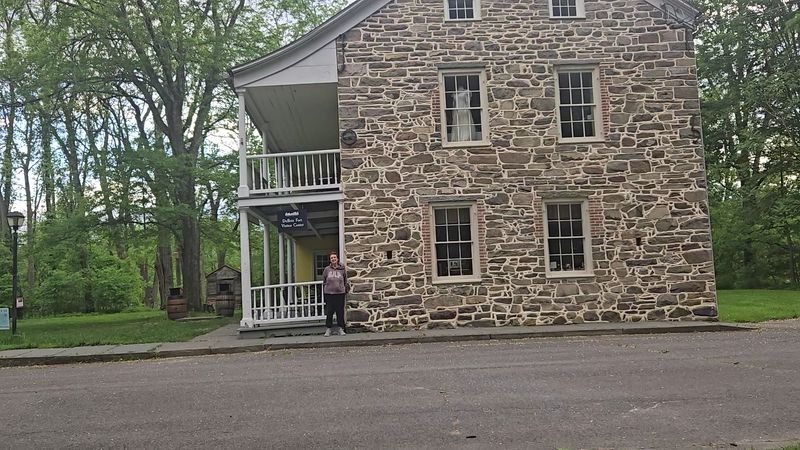
Any building called a fort gets my attention right away. The DuBois Fort is one of the earliest homes here, built around 1705.
Today it works as the DuBois Fort Visitor Center. This is where your day at Historic Huguenot Street officially begins.
You’ll find it at 81 Huguenot Street, New Paltz, NY 12561. Stop here first to buy tour tickets and get your bearings.
Inside, special exhibitions share pieces of the site’s long story. An informational video offers a quick overview before you head outside.
That video is a smart move for first-timers. It gives you context, so the houses make more sense once you see them.
The building itself adds to the fun. You’re buying a ticket inside a structure that has stood for more than three centuries.
It’s also home to the Museum Shop, which deserves its own visit. More on that tempting corner a little later.
Give yourself a few extra minutes here before your tour. Rushing past the starting line means missing helpful details that shape the whole visit.
Guided Tours Tell The Stories The Walls Can’t
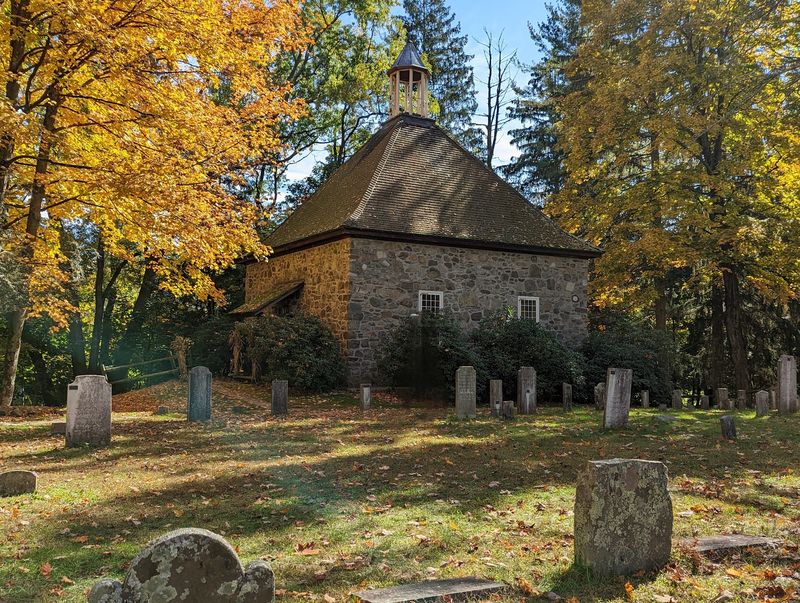
A stone wall can only say so much. Guides fill in the rest, and they cover a lot of ground in one hour.
Tours usually last about an hour. Each one is capped at 12 people, so groups stay small and questions are welcome.
The focus is wide and honest. Tours share the lives of Indigenous peoples, French Huguenots, Dutch settlers, and enslaved Africans.
You can choose a guided tour of three structures. That option includes the wigwam, a colonial homestead, and the 1717 French Church.
A walking tour is another choice. It stops outside several buildings to explore how different cultural groups lived here.
Through October, tours run Wednesday through Sunday. Weekends offer extra time slots, which helps busy schedules.
In November, tours shift to weekends only. The 2026 season wraps up with final tours on Sunday, December 13th.
Planning ahead pays off, especially on popular days. Small tour sizes mean spots can go quickly, and nobody wants to watch the group stroll off without them.
A Rebuilt 1717 Church And A Wigwam Share The Spotlight
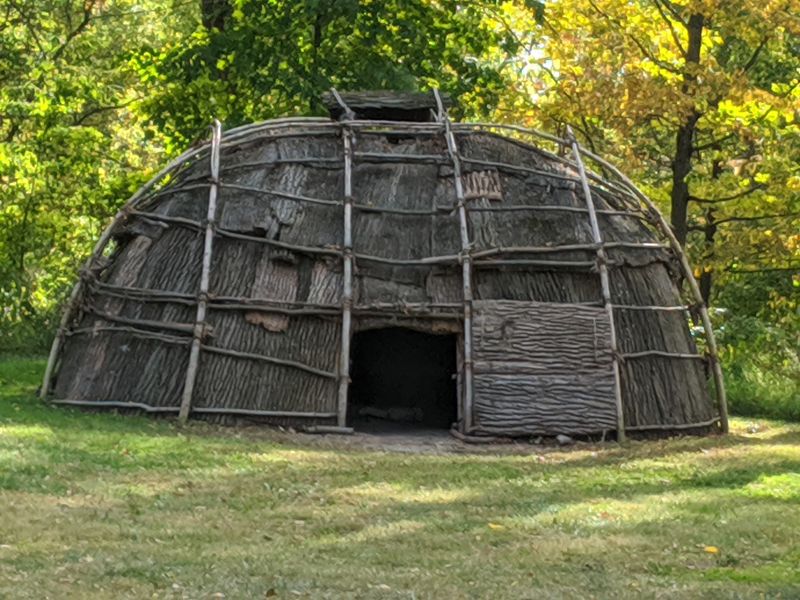
Not everything on this street is a house. Two other stops add depth to the story and balance the picture.
The reconstructed 1717 French Church stands as a reminder of why the Huguenots came. Faith shaped their journey and their community.
The building was rebuilt to reflect the original church. Seeing it helps you understand how central worship was to daily life here.
Then there’s the replica Esopus Munsee wigwam. It points to the people who lived on this land long before 1677.
I love that the site includes this structure. It reminds visitors that the Huguenot story began on land already rich with history.
Both stops are part of the guided structure tour. That makes it easy to see them alongside a colonial homestead in one go.
Kids often find the wigwam especially memorable. Stepping inside one is not an everyday school field trip activity.
Together, the church and wigwam show two very different ways of life. Standing between them, you feel how many stories this small corner of New York holds.
The Old Burying Ground Is Quieter Than A Library
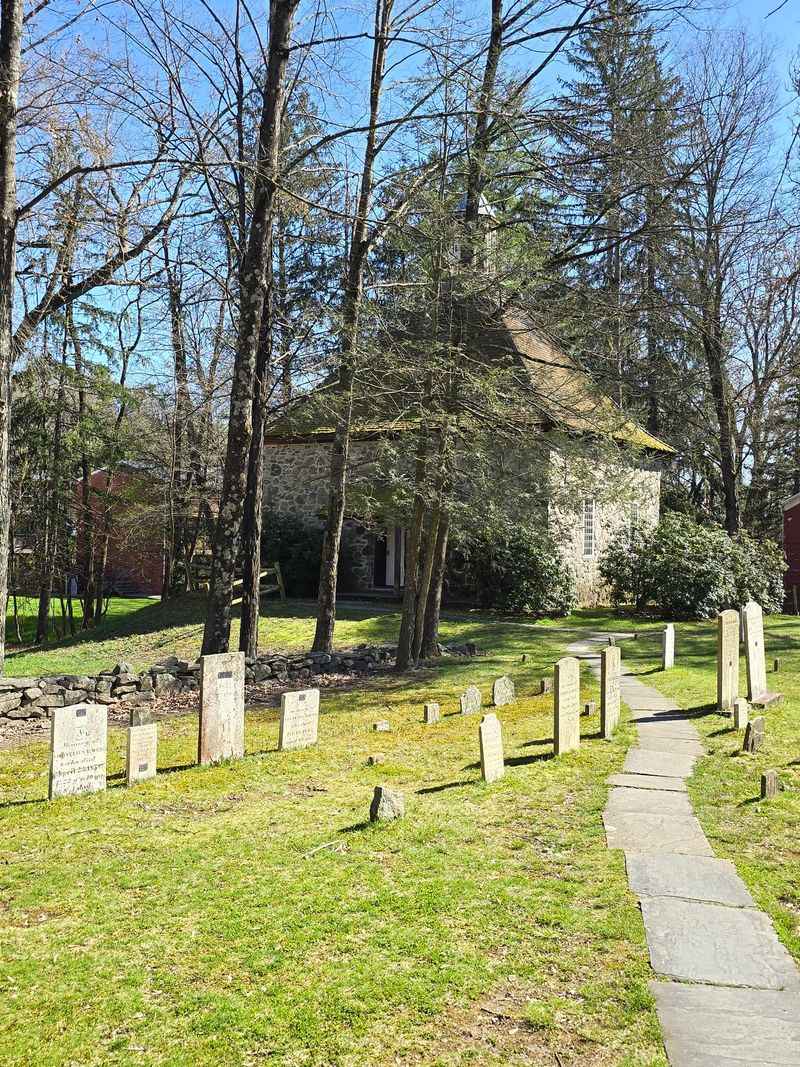
History buffs, this one’s for you. The original Huguenot community’s burying ground sits right within the district.
Old headstones mark the resting places of early families. Reading the names connects you to the people who built the stone houses.
Many of those surnames still appear across the Hudson Valley. That makes a slow walk here feel personal, even if you aren’t related.
Speaking of family, the site keeps a research library and large archives. They focus on the history and genealogy of Hudson Valley settlers.
That resource is a big deal for family tree fans. Some visitors come specifically to trace roots back to the earliest settlers.
The site also offers themed tours of the burying ground. They lean educational, with a playful title that hints at a fun approach.
Treat the space with respect and keep voices low. It’s a peaceful spot that deserves a little calm.
Bring curiosity and maybe a notebook. You might jot down a name that sends you down a happy research rabbit hole later.
Pack A Lunch Because The Picnic Grove Is Calling
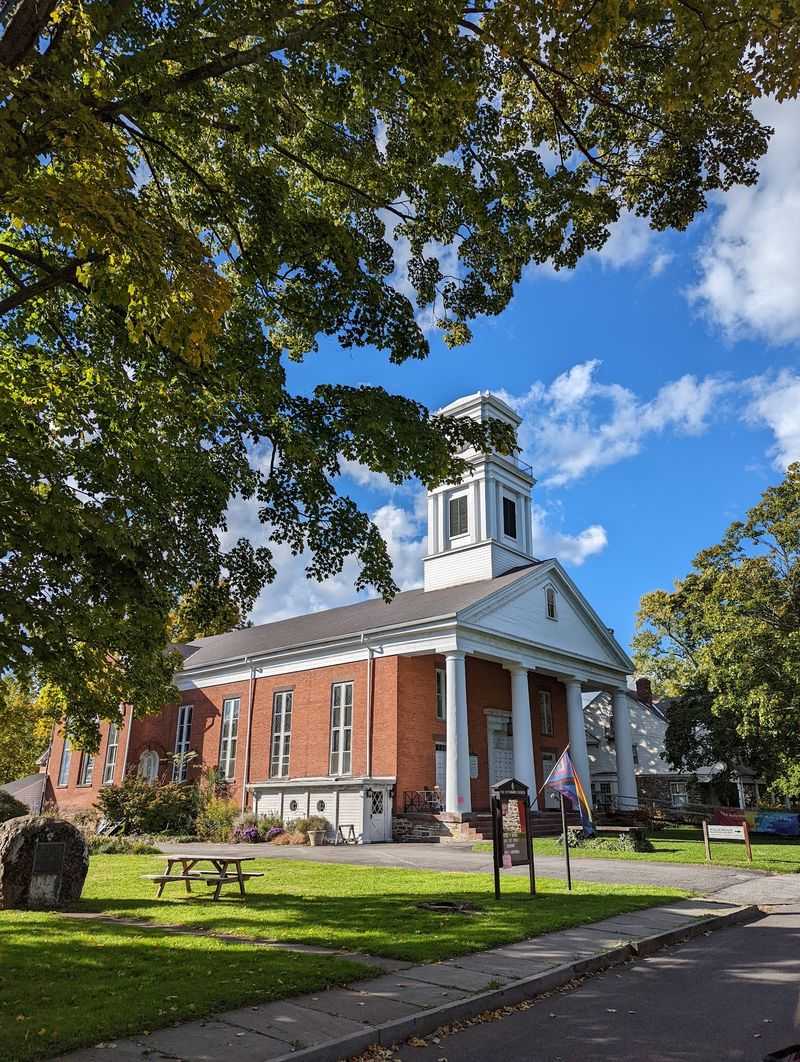
Ten acres of open ground is a lot of room to wander. Historic Huguenot Street encourages outdoor time, and it shows.
A shaded picnic grove offers a great break between stops. Grab a sandwich and let the old houses provide the scenery.
Smooth paths make getting around easier for everyone. The museum works to make its grounds accessible, but visitors with mobility limitations should contact staff beforehand to confirm which paths and historic buildings they can access.
Accessible restrooms sit inside Deyo Hall at 6 Broadhead Avenue. Knowing that ahead of time makes planning simpler for families.
Visitor parking is on Broadhead Avenue, right across from Deyo Hall. Park there and enjoy the street on foot.
Walking really is the best way to see it. The houses reveal small details you’d miss through a car window.
A mobile walking tour app adds another option. It lets you explore at your own pace and hear stories house by house.
That’s handy when your schedule doesn’t line up with tour times. Pair the app with a picnic, and you’ve built a relaxed afternoon without much effort.
Good Luck Leaving The Museum Shop Empty-Handed
Gift shops at historic sites can be hit or miss. This one leans local and artisan, which is a very good sign.
The Museum Shop sits inside the DuBois Fort Visitor Center. Shelves hold fine art, jewelry, and home goods.
Book lovers get plenty to browse too. There are titles on Huguenot history and New Paltz history.
One fun extra stands out. The shop carries exclusive Beekman 1802 goat milk products.
Shopping here also does some good. Sales support the site’s preservation and educational programs.
So that book or bracelet helps keep 300-year-old walls standing. That’s a pretty great excuse to treat yourself.
The shop follows the visitor center schedule. Through October, that means Wednesday through Sunday from 10 a.m. to 4 p.m.
From November on, hours shift to weekends. Between mid-December and early May, visits work by appointment only, so check before heading over for holiday gifts.
Living History Events Keep This Old Street Lively
A 300-year-old street could easily just sit there looking handsome. Instead, it throws events that pull history right off the page.
The New Netherland Marketplace is a living history event. It brings colonial life to the grounds in a hands-on way.
Winter brings A Holiday on Huguenot Street. It’s a cheerful reason to visit when the air turns crisp.
Themed tours keep things fresh too. One called The Pursuit of Happiness explores the Revolution along Huguenot Street.
Group visits can be arranged ahead of time. Larger groups of more than 12 should plan with at least two weeks’ notice.
Big changes are coming as well. A planned Education and Visitor Center, funded by a New York State Council on the Arts grant, will centralize services.
That project should ease the strain on the old stone houses. It’s a smart way to protect them for future visitors.
The organization started in 1894, founded by descendants of the settlers. Over a century later, that same care keeps this New York treasure going strong.