
This Minnesota Frozen Lake Offers Ice Fishing Fans A Winter Destination Worth Exploring
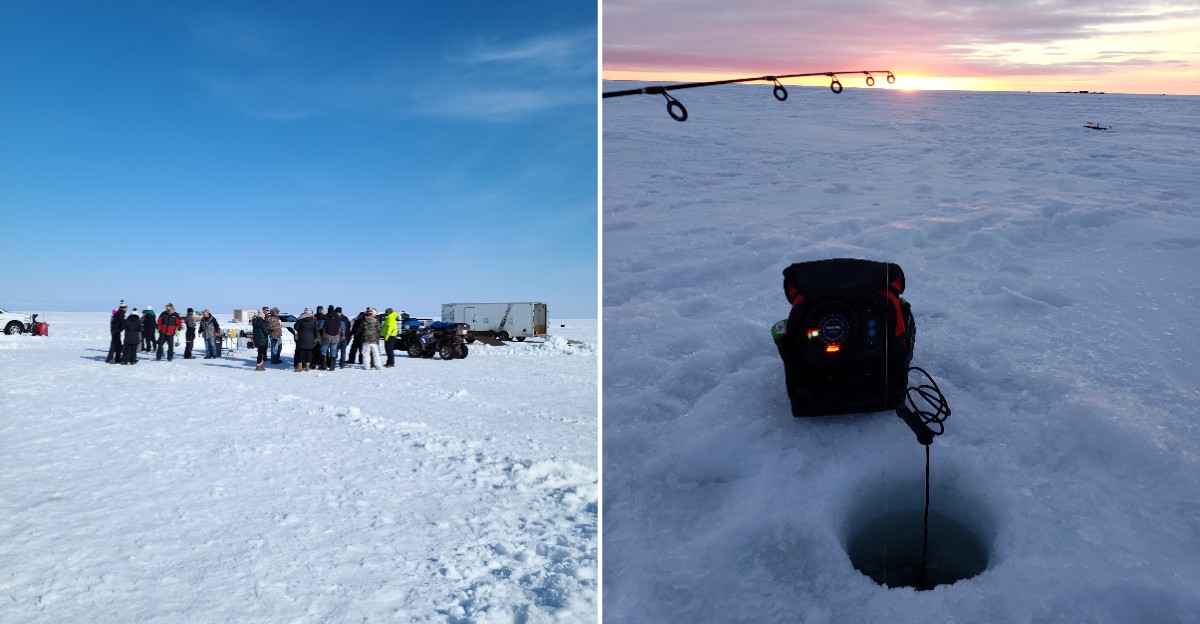
Every winter, thousands of fish houses pop up on one frozen lake, turning open water into a temporary town on ice. The ice can grow two to four feet thick.
That’s thick enough for pickups and big wheelhouses to roll across plowed ice roads.
The lake is so wide that you often can’t see the far shore. In the middle of a Minnesota winter, that view feels a little like staring at a frozen ocean.
I can’t help but think that’s half the fun. You come for walleye and jumbo perch, and you leave with a story about sleeping above 30 feet of water.
As it happens, the fishing is only part of the appeal. Heated rentals, kite riders, and snowy state parks fill out the picture.
So how do you plan a trip here?
A Lake So Big You Can’t See The Other Side
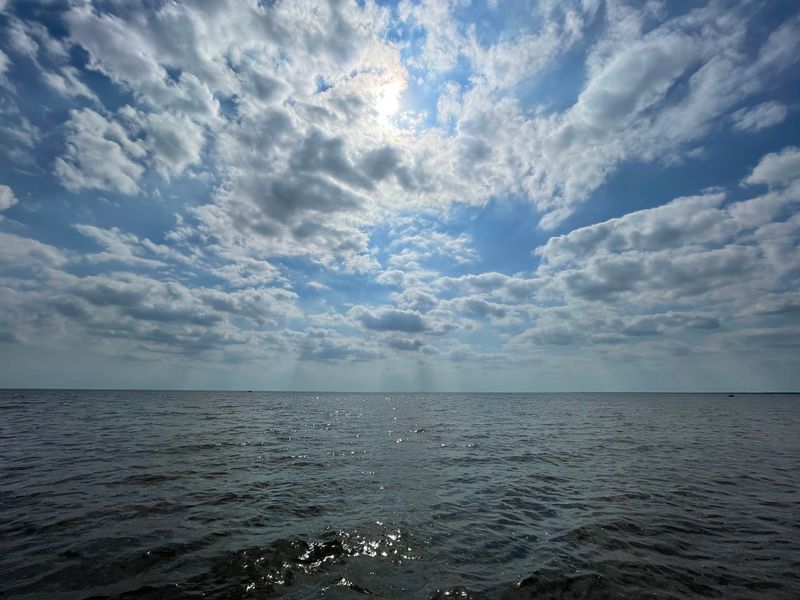
Some lakes feel cozy. Mille Lacs Lake feels more like an inland sea, covering about 132,000 surface acres in central Minnesota.
That works out to more than 200 square miles of water. On many days, the far shore simply disappears into the horizon.
The name comes from French and means thousand lakes. The Ojibwe call it Misi-zaaga’igan, or grand lake, which honestly sounds like the better fit.
The Dakota people know it as Bde Wakhan, meaning Spiritual or Mystic Lake. One body of water, three names, and plenty of history behind each one.
For all that size, the lake is surprisingly shallow. Its deepest point reaches only about 42 feet.
Much of the main basin sits between 20 and 38 feet deep. That shallow, wide shape helps it freeze completely across in winter.
The lake also stretches across three counties. Mille Lacs, Aitkin, and Crow Wing all claim a piece of the shoreline.
It’s Minnesota’s second-largest lake, so bragging rights come built in. When people talk about ice fishing in this state, this name tends to come up fast.
An Easy Drive From The Twin Cities Lands You On The Ice
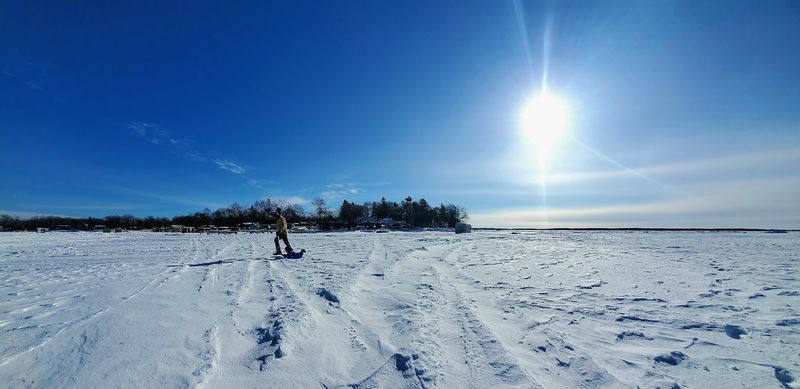
Good news for city folks. The lake sits less than two hours north of the Minneapolis-St. Paul area.
That makes a quick weekend trip very doable. You could leave after breakfast and have a line down well before lunch.
Access points ring the entire shoreline. North, south, east, and west all offer ways onto the ice.
Small towns dot the edges of the lake. Wahkon, Isle, and Garrison all sit near popular ice fishing services.
Choosing a side matters more than you might expect. Each shore leads to different structure, from rock reefs to mudflats.
Plan your route with your rental or access operator in mind. They can tell you where to park and how to reach their ice roads.
Keep winter driving in mind too. Pack a shovel, warm layers, and a little patience for snowy highways.
Plowed Ice Roads Turn The Lake Into A Winter Highway
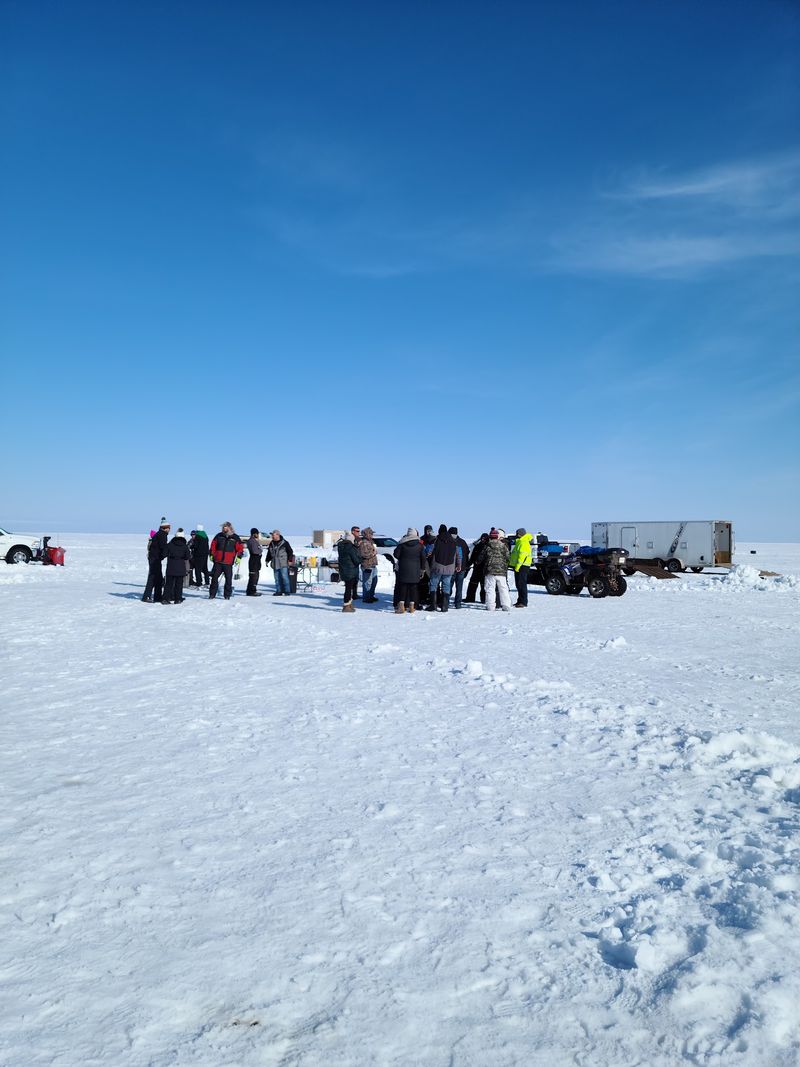
Driving a truck across a lake still sounds wild. On Mille Lacs Lake, it becomes routine once the ice is ready.
Resorts and ice fishing services build and maintain long networks of plowed roads. These routes lead anglers out to sand breaks, mudflats, and other productive spots.
Names like North Mille Lacs Ice Fishing, Nitti’s Hunters Point Resort, Terry’s Boat Harbor, and Lyback’s Ice Fishing all run road systems. Some services will even send a plow driver to escort your wheelhouse.
That driver can clear a custom spot for you too. Talk about valet parking.
Ice thickness guides the whole process. About 4 inches handles walking, while 6 to 7 inches supports snowmobiles and ATVs.
Side-by-sides generally need 8 to 10 inches. Full vehicle traffic usually opens around mid-January, depending on conditions.
Always check with your chosen operator right before heading out. Weekend wheelhouse traffic often requires a reservation.
Rules and conditions can shift quickly. A quick call keeps your trip smooth and your tires on solid ice.
Walleye, Jumbo Perch, And Tullibee Headline The Winter Menu
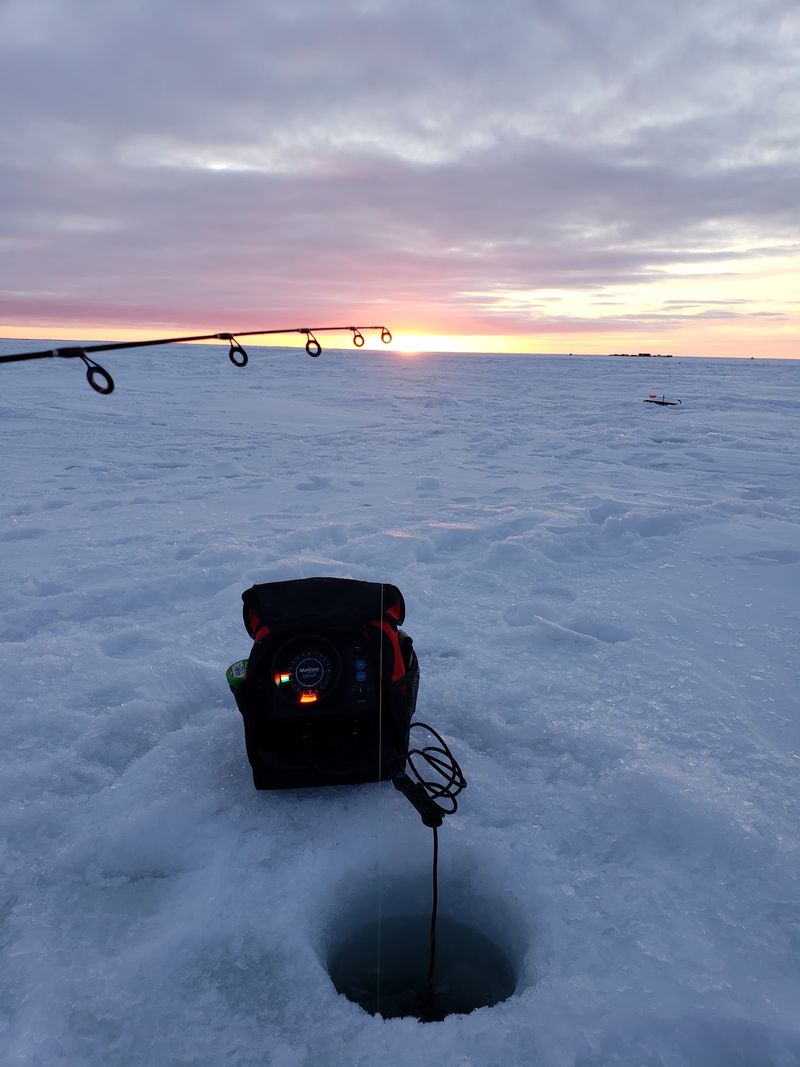
Walleye gets top billing here. The lake once earned the nickname walleye capital of the world.
Winter anglers chase plenty more than walleye, though. Jumbo perch and tullibee, also called cisco, are big draws once the ice forms.
Northern pike bring their own excitement. Some anglers go after trophy fish, while others try darkhouse spearing.
Crappies tend to show up in the bay areas. So your bucket could hold a real mix by the end of the day.
Timing matters on this lake. Evening, overnight, and morning bites are well known here.
That’s one reason overnight fish house stays are so popular. Nobody wants to miss the bite while driving back to a hotel.
For perch, small jigging spoons or jigs work well. Tip them with small minnow heads, wax worms, or eurolarvae.
Walleye anglers often use jigging spoons with minnow heads. Hook-and-bobber rigs are another reliable choice once the season settles in.
Your Strategy Should Change As The Season Rolls On
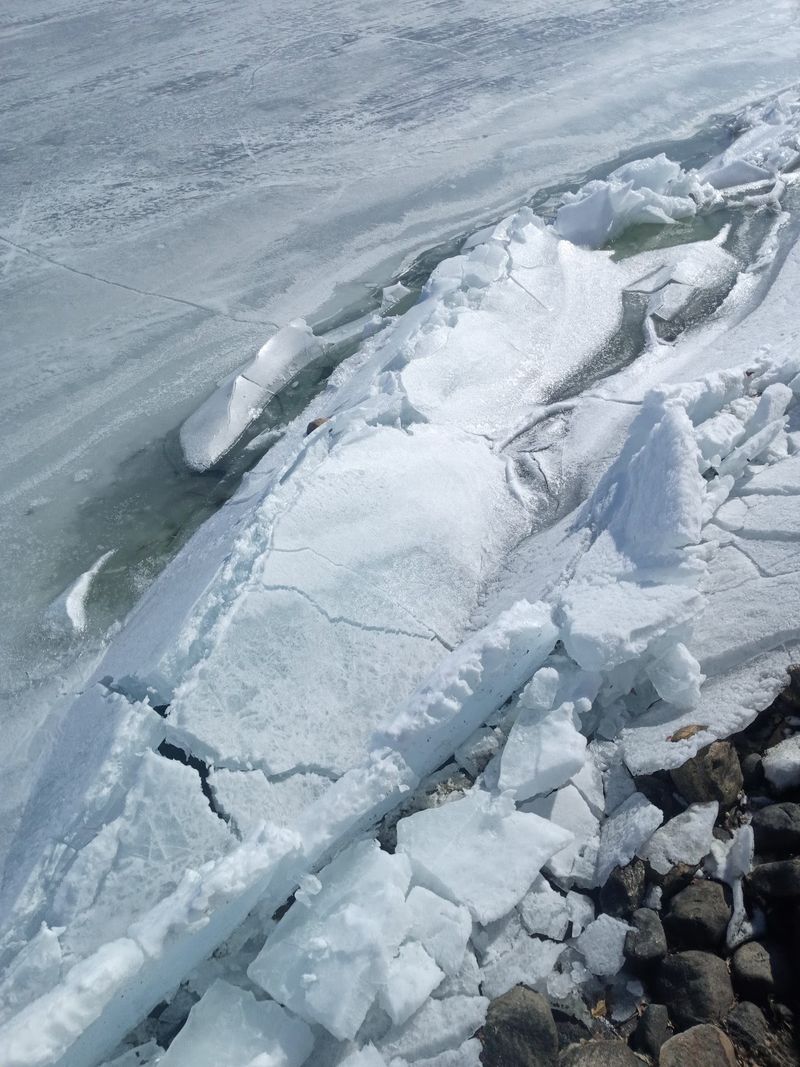
Early December brings a different game. Walleyes often hang in shallower water near shore breaks, sand breaks, and rock reefs.
Sight fishing gets popular at this stage. Anglers cut large holes, about 2 by 3 feet, and watch predators swim right up.
Seeing a pike cruise toward your bait is pure drama. It’s like a nature show where you hold the remote.
By January, fish usually slide deeper. Mid-lake structure and mudflats become the places to target.
Hole hopping, sometimes called ice trolling, earns its keep then. The idea is to keep moving until you find fish that are actively cruising.
The overall season usually lasts 8 to 12 weeks. Early ice tends to arrive in the first half of December.
Things often wrap up by late February or early March. Big fish houses and vehicles usually appear between late December and mid-January.
Matching your approach to the calendar pays off. Shallow and patient early, deeper and mobile later on.
Know The Rules Before You Drop A Line
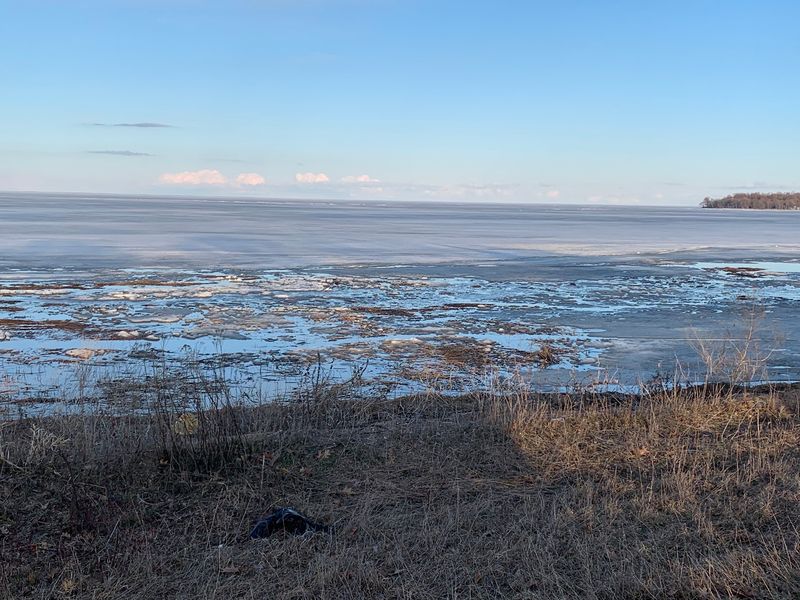
Fishing rules on Mille Lacs Lake are special. The Minnesota Department of Natural Resources sets lake-specific limits, and they can change each season.
Winter regulations are set each year after the DNR’s annual fall netting assessments, and the new limits are typically announced in late November. So check the latest rules right before the season opens on December 1.
For a sense of what to expect, last winter’s walleye limit was three fish longer than 17 inches, with only one allowed over 20 inches, and the walleye season ran from December 1 through February 22.
Yellow perch had a daily and possession limit of 10 that season. That’s a solid haul for a fish fry.
Northern pike came with a possession limit of five, and any pike over 30 inches had to go right back into the water.
The goal is to encourage harvest while protecting trophy fish. Burbot, also known as eelpout, must all be released immediately.
A measuring board is a smart thing to pack. Guessing a fish’s length is never a fun conversation with a conservation officer.
Check the newest DNR regulations before every trip. Limits on this lake have shifted over the years, so a quick look saves headaches.
Heated Fish Houses Can Feel Like Tiny Cabins On Ice
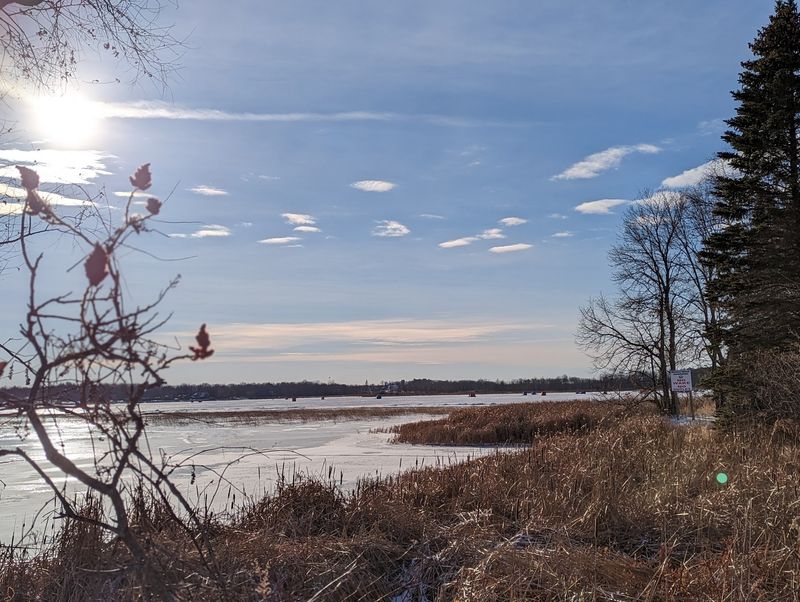
Bunks, heat, and a hole in the floor. Rental fish houses here make winter fishing far more comfortable than it sounds.
Many resorts and services rent heated houses for day trips or overnight stays. Common features include bunks, propane heat, lights, tables, chairs, rattle reels, and cooking setups.
Then there are the fancier options. Some Ice Castles come with bathrooms, refrigerators, microwaves, stoves with ovens, and TVs with Wi-Fi.
So yes, you can watch the game while waiting on a rattle reel. Nobody said ice fishing had to be rugged.
Services often include fish house moving, LP gas delivery, hole drilling, and bait sales. That takes plenty of work off your plate.
Lyback’s Ice Fishing, between Wahkon and Isle, has been family-run since 1954. It helped pioneer early ice roads after World War II.
Twin Pines Resort in Garrison, North Mille Lacs Ice Fishing, KJ’s Ice Fishing, and Rocky Reef Resort also offer winter setups. Compare what each includes before booking.
Kites, Sleds, And Snowmobile Trails Keep Non-Anglers Busy
Wind on a giant frozen lake isn’t always a bad thing. Kiteboarders love the wide, wind-swept surface of Mille Lacs.
Snow kiteboarding turns the lake into a playground. The annual Mille Lacs Crossing event takes place the first weekend in March.
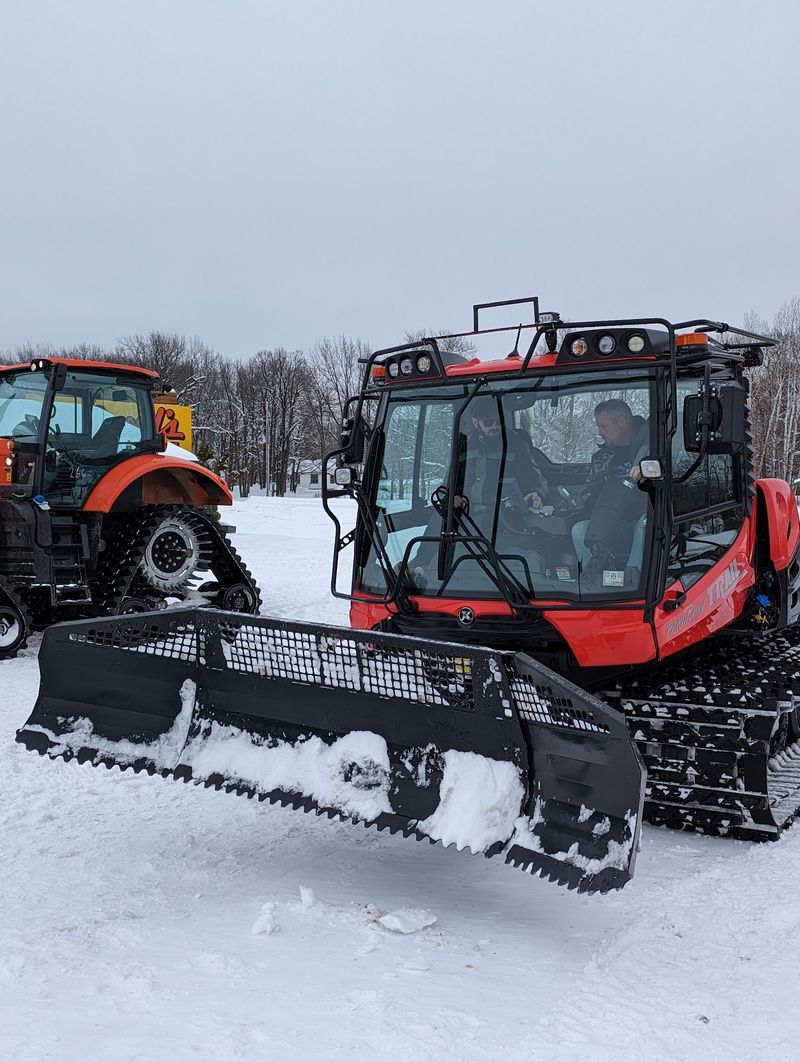
Snowmobile fans get plenty of room too. Hundreds of miles of groomed trails wind through the region.
Mille Lacs Kathio State Park offers cross-country skiing and snowshoeing. It also has a sledding hill with a warming house nearby.
Father Hennepin State Park adds more ski and snowshoe trails. Both parks make a nice break from staring at a bobber.
Families with mixed interests will appreciate this variety. One person fishes while another speeds down a sledding hill.
Minnesota winters can feel long, but options like these help. It’s easier to love the cold when you’re moving through it.
Bring extra layers and dry socks for these adventures. Wet feet will end the fun faster than any slow bite.
Warm Up With History Around The Shoreline
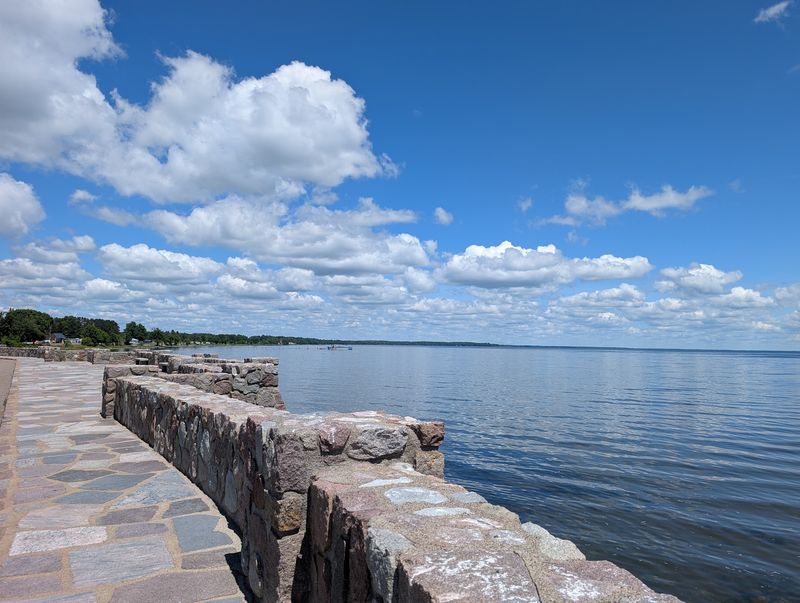
Long before fish houses, people gathered along these shores. The Mille Lacs area is one of the earliest known places of human settlement in Minnesota.
That deep history adds weight to every winter visit. The lake has mattered to people for a very long time.
The Mille Lacs Indian Museum and Trading Post is a great indoor stop. It shares American Indian art and the history of the region.
It’s a perfect choice when the wind picks up. You’ll warm your hands and learn something at the same time.
Grand Casino Mille Lacs adds dining and entertainment options. That’s handy after a long, chilly day on the ice.
Fishing tradition runs deep here as well. Guided fishing launches have operated on the lake for more than 70 years.
Mixing history with fishing makes a trip feel complete. You see the lake as more than a spot to catch walleye.
So pack the auger and the curiosity. Mille Lacs Lake rewards both, especially when snow covers everything in sight.