
10 Incredible Arizona Observatories And Stargazing Spots Where The Night Sky Steals The Show
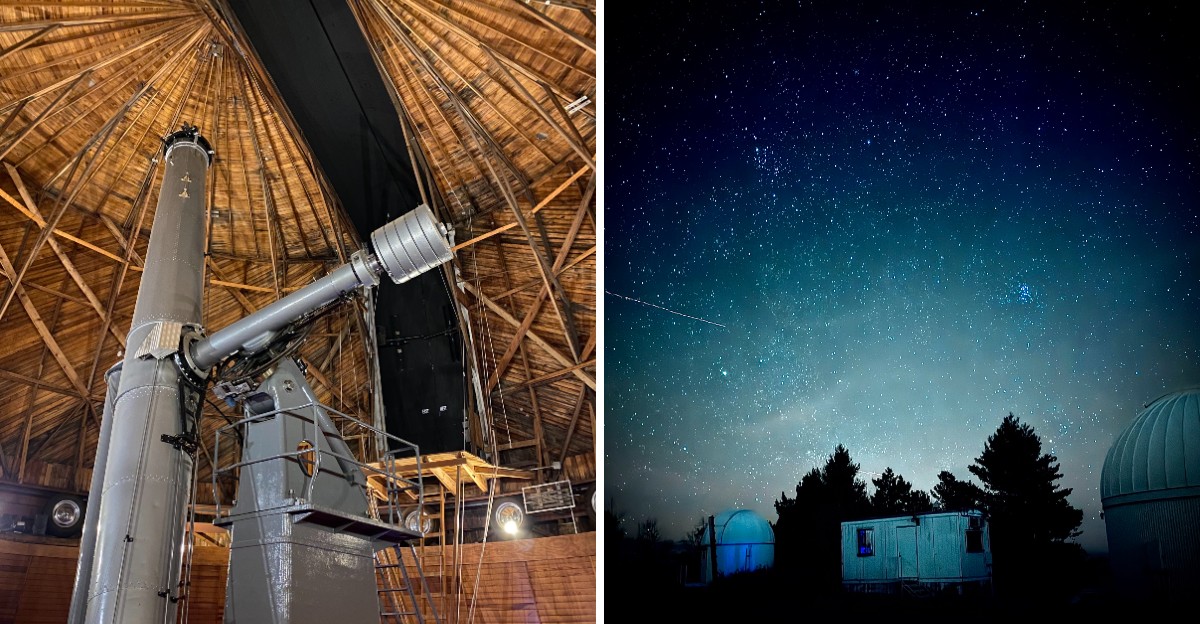
Pluto was found by a 24-year-old using a telescope on a Flagstaff-area hill in 1930. That telescope still exists, and you can visit the place where it happened. I love that a tiny smudge on a photo turned into a whole new world.
Arizona takes its dark skies seriously. Some spots let you peek through giant research telescopes on mountaintops. Others are just quiet patches of desert where the Milky Way puts on a free show.
I can’t think of a better way to end a day than looking up. You might see Saturn’s rings, a far-off galaxy, or a meteor zipping across the sky. Some of these places even host star parties with friendly volunteers. Grab a jacket, because nights can get chilly up high. Which one will you visit first?
1. Kitt Peak National Observatory
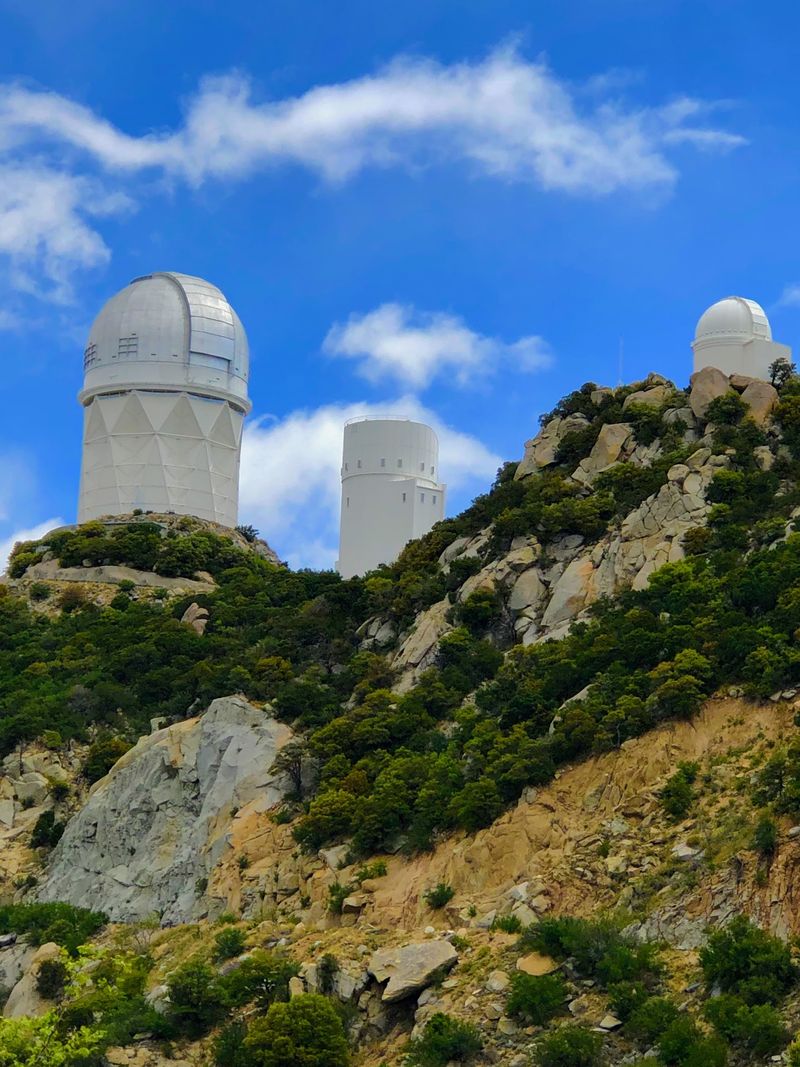
Telescope fans, meet your playground. Kitt Peak holds one of the largest collections of optical and radio telescopes in the world.
The observatory opened in 1958 in the Quinlan Mountains. Its land is leased from the Tohono O’odham Nation, which is a meaningful part of its story.
After closures from the pandemic and the Contreras Fire, it reopened to the public in September 2023. That was great news for anyone who loves dark desert skies.
Daytime guided tours take you to big research instruments. You might learn about the Nicholas U. Mayall 4-meter Telescope and the KPNO 2.1-meter Telescope.
The real magic happens with the Nightly Observing Program. You’ll explore the sky through binoculars and telescopes, and the program often includes a light meal.
Hardcore stargazers can go even bigger. The Overnight Telescope Observing Program offers a full night on a telescope for viewing or astrophotography.
History buffs will enjoy this one. Kitt Peak played a role in finding methane ice on Pluto in 1976, so Pluto pops up twice on this list.
The Kris Eggle Visitor Center has exhibits, a gift shop, and wide mountaintop views. It’s a nice stop before the sun drops.
Daytime hours are 9 a.m. to 4 p.m. daily. Get tickets ahead, since the night programs are popular.
The drive takes you southwest of Tucson, so plan your timing carefully. You won’t want to miss sunset from up there.
Address: Tucson, AZ 85634
2. Lowell Observatory
A whole planet got its big break on this Flagstaff hilltop. In 1930, Clyde Tombaugh spotted Pluto here using the 13-inch Lawrence Lowell Astrograph.
Percival Lowell founded the observatory back in 1894. That makes it one of the oldest observatories in the United States, and it still feels like a working science campus.
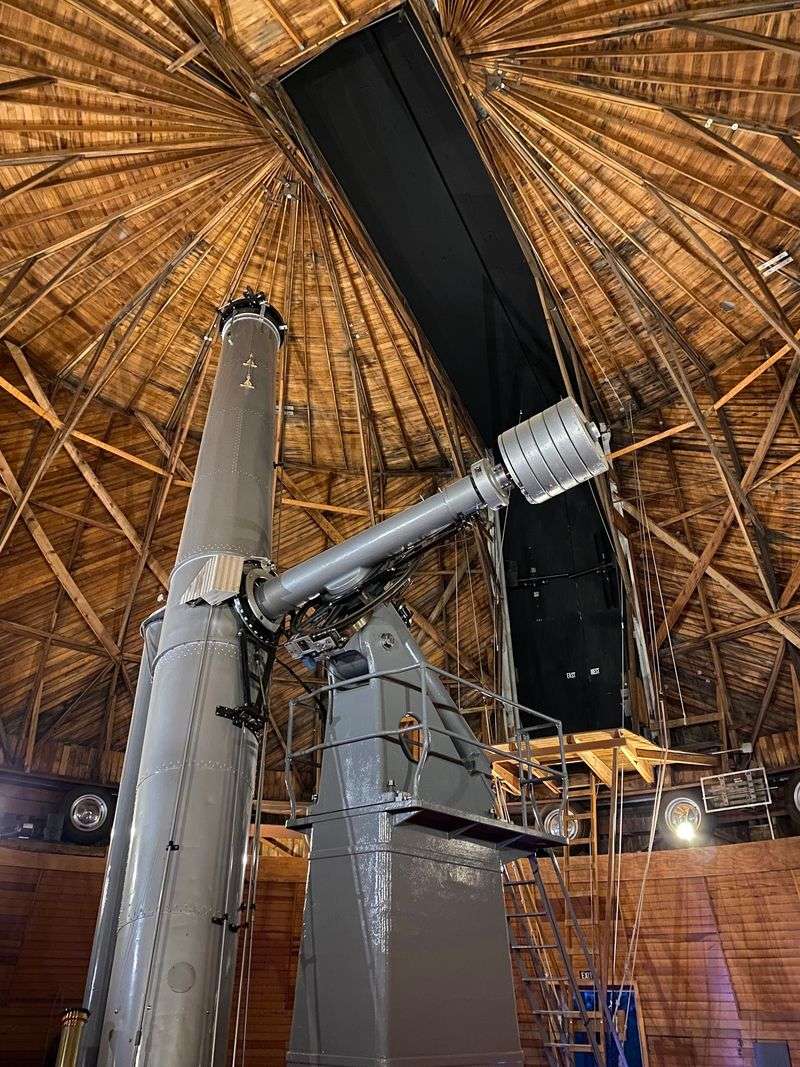
The star of the show might be the 24-inch Clark Refracting Telescope, built in 1896. It helped map the moon for the Apollo 11 mission, and now it’s used for public viewing.
Want more eyepieces? The Giovale Open Deck Observatory gives you access to six advanced telescopes, and some even handle safe solar viewing during the day.
The newest addition is the Astronomy Discovery Center, which opened in November 2024. It covers 40,000 square feet and includes interactive exhibits, galleries, and presentations.
Look up when you’re inside, too. The center has a rooftop Dark Sky Planetarium, which sounds like something out of a sci-fi movie.
Daytime guided tours explain the history and research happening on site. At night, educators help you find targets like Saturn, Mars, and the Orion Nebula when they’re visible.
Constellation tours are another fun pick. They share the old myths behind star patterns, so the sky starts to feel like a storybook.
Hours run from noon to 10 p.m., and the observatory closes on Tuesdays. Buying tickets ahead is a smart move, especially on Saturday nights, which tend to be the busiest.
Kids get discounts, which makes it easier to bring the whole crew along.
Address: 1400 W Mars Hill Rd, Flagstaff, AZ 86001
3. Mt. Lemmon SkyCenter Observatory
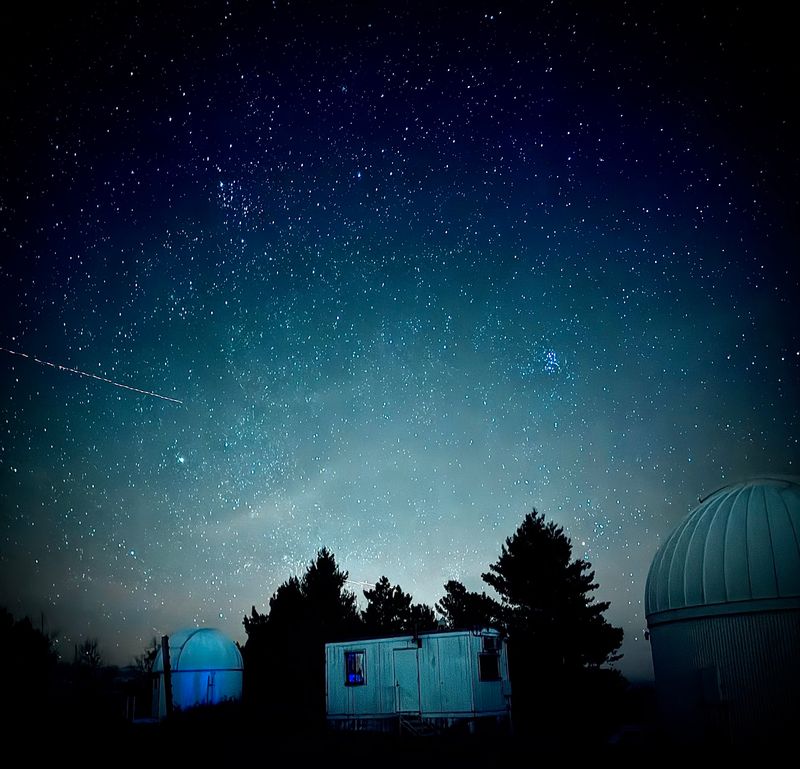
Radar once scanned the sky from this summit for a very different reason. From 1956 to 1969, the site served as the Mount Lemmon Air Force Station during the Cold War.
By 1970, it had switched to studying infrared light. Today, the University of Arizona runs it as part of Steward Observatory.
You’ll be sitting at roughly 9,100 feet in the Santa Catalina Mountains. The SkyCenter boasts the largest dedicated public telescopes in the Southwest.
SkyNights is the main event, and it lasts about five hours. You get a presentation, a light dinner, sunset viewing, and a guided binocular tour.
Then comes the good stuff. You’ll look through the Schulman 32-inch and Phillips 24-inch telescopes at targets like the Ring Nebula or the Andromeda Galaxy.
Fair warning: it gets cold up there, even when Tucson feels toasty. Pack layers, a hat, and maybe gloves.
Not a night owl? DayTours offer a 90-minute walking tour with safe sun viewing through special solar telescopes.
Serious hobbyists can book Astronomer Nights. That gives you extended, private time on the Schulman 32-inch Telescope for the whole night.
Reservations are required for every program here, so don’t just show up hoping for a spot. Book early and plan for a long, winding drive up the mountain.
I love that a former military lookout now helps families spot galaxies. That’s a pretty great career change.
Address: 9800 E Ski Run Rd, Mt Lemmon, AZ 85619
4. Fred Lawrence Whipple Observatory
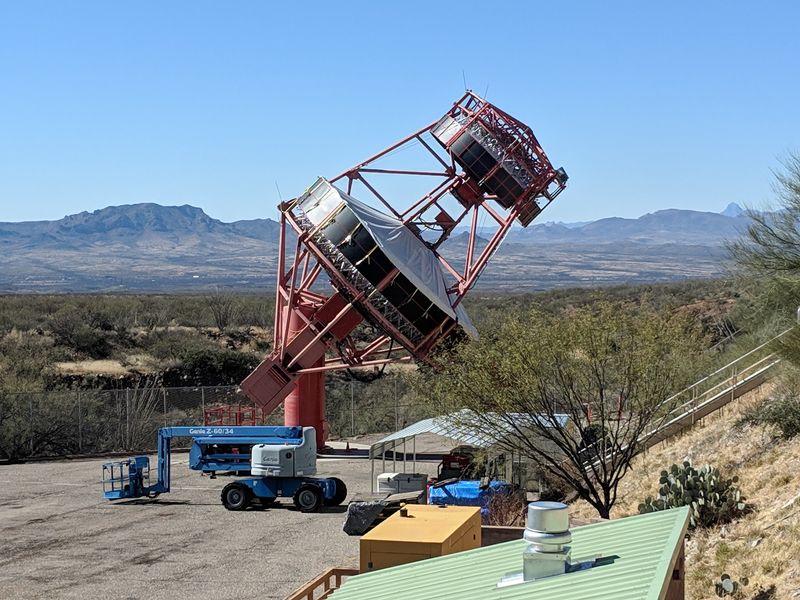
Gamma rays are on the menu at this mountain science site. It’s the largest field site of the Smithsonian Astrophysical Observatory.
That connects it to the Center for Astrophysics, Harvard and Smithsonian. Pretty fancy company for a spot near the small town of Amado.
More than 30 research telescopes sit on Mount Hopkins. They’re built for scientists, not for casual peeks, so keep your expectations clear.
Here’s the deal on access. The public can’t wander the upper grounds unless joining an escorted tour, and the telescopes aren’t open for public viewing.
So why include it on a stargazing list? Because seeing where real discoveries happen is a thrill of its own.
Start at the Science Center at the base of the mountain. It’s the home base for visitors and the place to learn what these instruments study.
Escorted tours take you up the mountain to see the research setup. The scenery along the way is lovely, with wide views across southern Arizona.
Timing matters a lot here. The visitor center runs Friday and Saturday from 10 a.m. to 3 p.m., and it closes the rest of the week.
Getting tickets ahead is wise, especially for tours. Kids tend to enjoy it, particularly if they like big machines and space questions.
Think of it as the backstage pass to astronomy. You won’t look through the eyepiece, but you’ll see how pros chase the universe.
Address: 670 Mt Hopkins Rd, Amado, AZ 85645
5. Gilbert Riparian Observatory
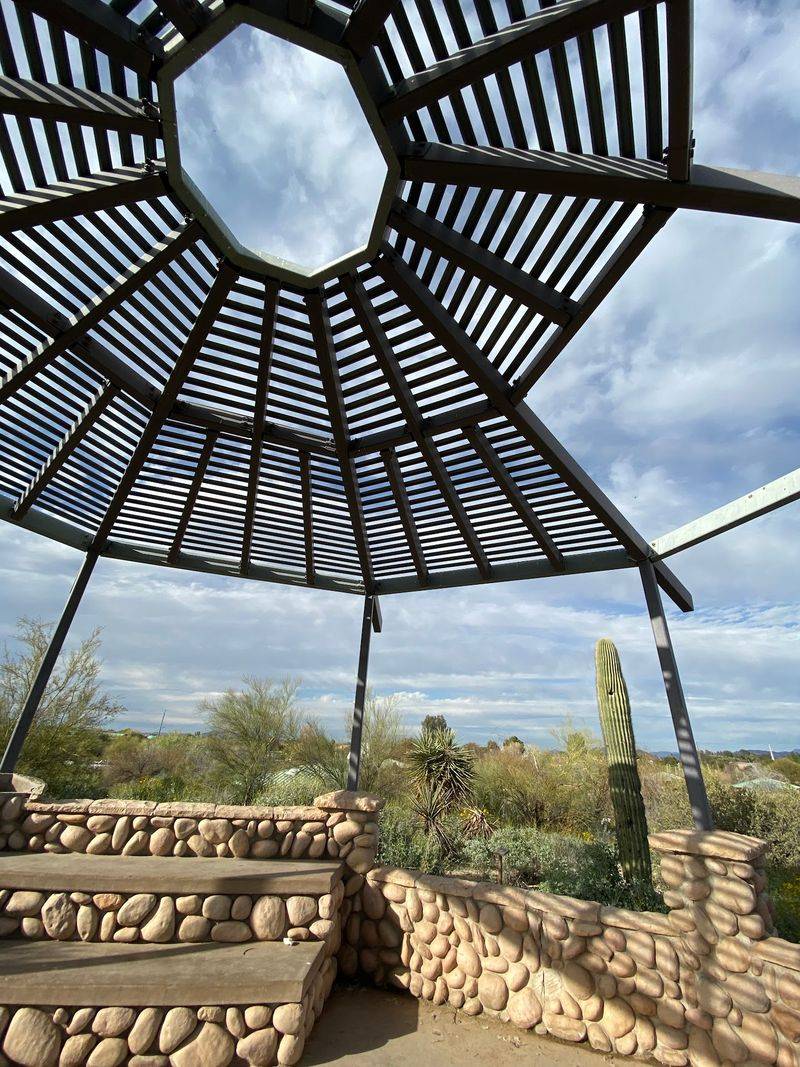
Suburban stargazing sounds like a joke until you visit this little dome. It sits inside the Riparian Preserve at Water Ranch in Gilbert.
The observatory came from the Gilbert Rotary Club’s centennial project. It officially opened on October 21, 2006.
The Town of Gilbert owns it, and the East Valley Astronomy Club runs it. Club volunteers staff the programs and help you aim at the sky.
Public viewing happens on Friday and Saturday evenings from sunset until 9:30 p.m., weather permitting. Telescope viewing of planets and stars is free.
The main scope is a 16-inch Meade LX200R. It can show planets, constellations, and deep-space objects even near city lights.
There’s also a 60mm Lunt solar telescope for daytime sun viewing. Yes, you can safely look at our star, with the right gear.
Mark the second Friday of each month on your calendar. That’s when the club hosts public star parties, often with extra telescopes and a talk at the nearby library.
Groups can book private sessions by appointment. The observatory is wheelchair accessible and a Certified Autism Center, which is a thoughtful touch.
Arrive early and stroll the 110-acre preserve. Look for the Solar Walk, a scaled model of the solar system along the paths.
It’s a perfect starter spot for kids or first-timers. No mountain drive needed, just curiosity and maybe a snack for later.
Address: 2757 E Guadalupe Rd, Gilbert, AZ 85234
6. Patterson Observatory
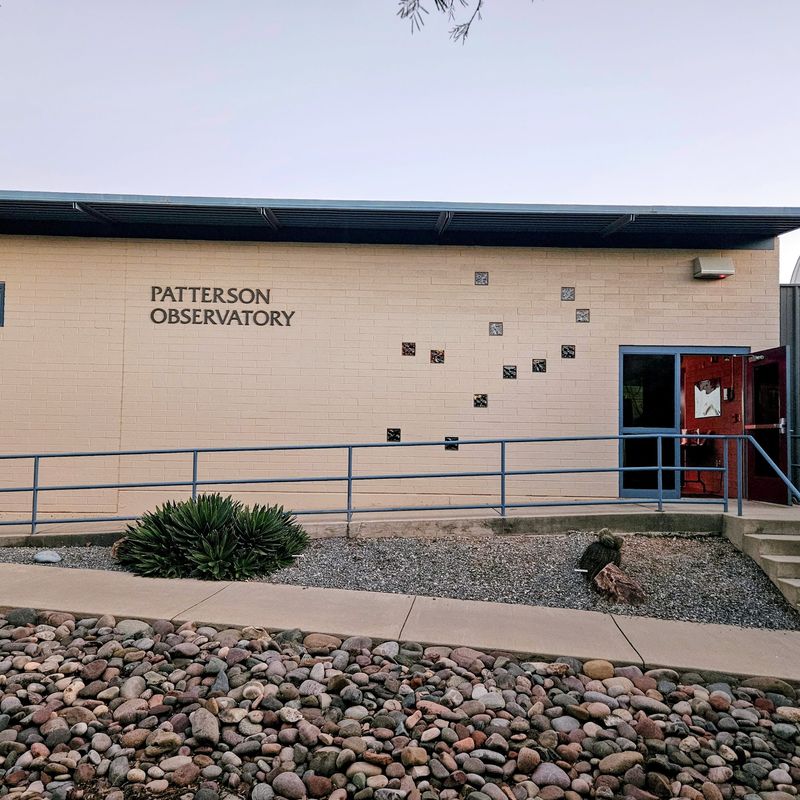
Sierra Vista takes its darkness seriously, right down to the signs. The city has one of the lowest sign lighting codes in the country.
That helps explain why this observatory works so well. It sits on the University of Arizona Sierra Vista Campus.
The University South Foundation owns and maintains it. Volunteers from the Huachuca Astronomy Club run the show.
It opened in September 2004. The name honors David Patterson, a founding club member and a major donor.
Inside a 16-foot dome waits a 20-inch Ritchey-Chretien telescope. It’s powerful enough to show star clusters, nebulae, and faraway galaxies.
Public Nights happen once a month on the Thursday closest to the first quarter moon. Viewing starts about half an hour after sunset.
These nights are free and family-friendly. You’ll need to register ahead, and clouds can cancel the fun.
The moon at first quarter is a treat through a big scope. Craters pop along the shadow line like a 3D map.
Youth groups, schools, and community groups can book visits by appointment. It’s a great field trip idea for young space fans.
Volunteers share their gear and their know-how with real enthusiasm. Ask questions, since that’s half the fun.
Address: 1140 Colombo Ave, Sierra Vista, AZ 85635
7. Two Trees Observation Area
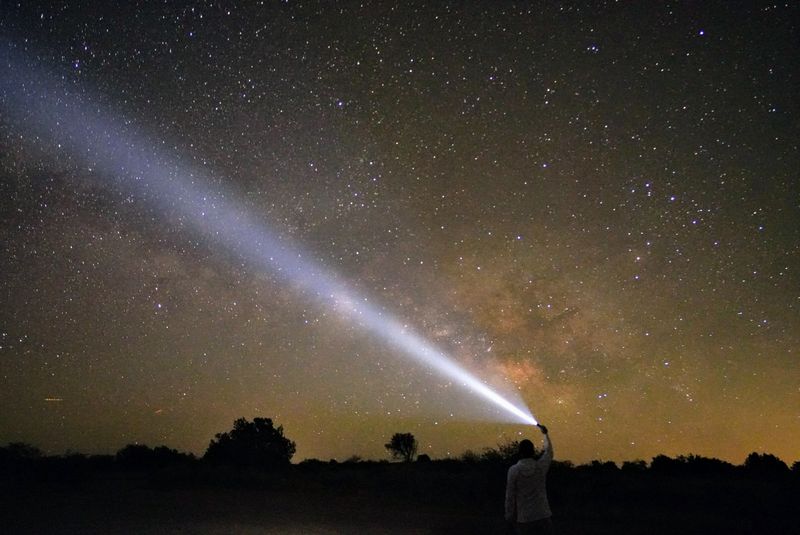
No dome, no ticket, no tour guide. Just you, a dirt road, and a sky big enough to swallow your worries.
This drive-to spot near Cornville offers an open setting for camping and stargazing. It’s on Forest Road 761B in rural Yavapai County.
The best feature is simple. You get a wide view of the whole sky, with little to block it.
The dirt road has plenty of turnoffs for camping. Drive a bit deeper and you can find a quiet patch to call your own.
Meteor showers are a fine reason to come. Stargazers head here for events like the Perseid Meteor Shower in August.
Bring your own setup, since this is a do-it-yourself place. A reclining chair, a blanket, and a red flashlight go a long way.
Download a star map app before you leave town. Cell service can be spotty in rural areas, so plan ahead.
Let your eyes adjust for about 20 minutes. The longer you wait, the more faint stars appear.
Pack water, snacks, and warm layers. Desert nights cool off quickly once the sun goes down.
Arizona has plenty of polished observatories, but this spot feels like a secret handshake with the sky. Please leave it as clean as you found it.
Address: Forest 761B Rd, Cornville, AZ 86325
8. Sedona Airport Scenic Lookout
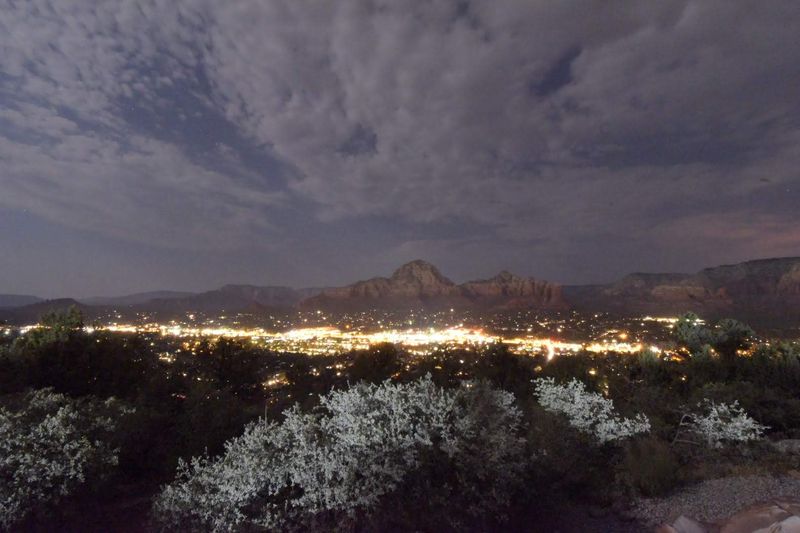
Sunset paints the red rocks first, then the stars take over. Talk about a double feature.
This lookout sits above the main corridor between Highway 89A and Highway 179. From here, you get panoramic views of Sedona and its sandstone hills.
Two viewpoints await you. One involves a steep climb, and the other has a cable handrail to help you along.
Plenty of people come for sunset, so evenings can get busy. Stick around after dark and the crowd usually thins out.
That’s when the sky goes from pretty to jaw-dropping. You don’t need a fancy camera to enjoy it.
The lookout is open 24 hours a day. That makes it handy for late stargazing or an early sunrise trip.
Parking is paid, and there’s a large lot with easy car access. Bring a card or cash just in case.
Watch your footing on the rocky paths after dark. A small flashlight with a red filter helps without spoiling your night vision.
Bring a jacket, even in warmer months. High desert air cools quickly when the sun disappears.
I love how easy this one is. You can grab dinner in town and be stargazing minutes later.
Address: 538 Airport Rd, Sedona, AZ 86336
9. Mather Point
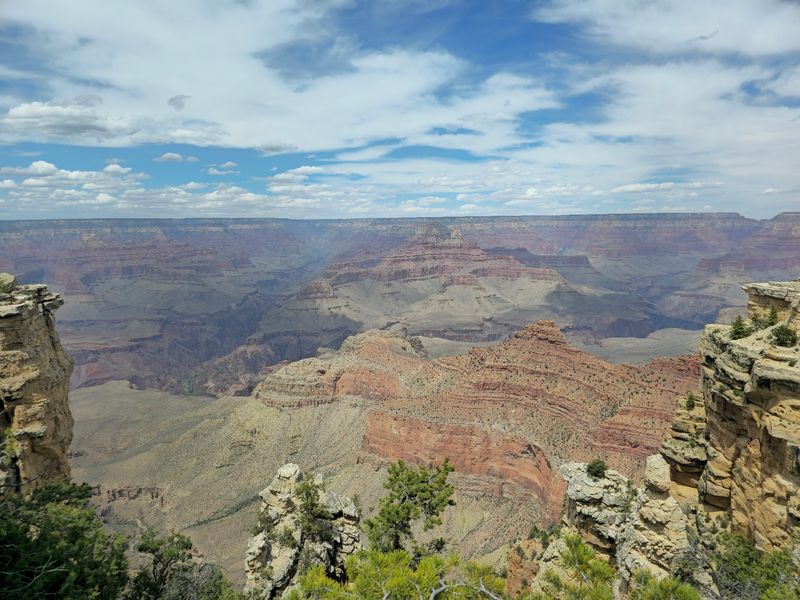
For most visitors, this is the first look at the Grand Canyon. After dark, it becomes a first look at a whole lot of stars.
Grand Canyon National Park earned International Dark Sky Park status in June 2019. The park works hard to use night-friendly lighting.
Mather Point sits near the South Rim visitor center. Its stone viewing deck gives you a sweeping 180-degree view.
By day, you’ll see layers of rock in shades of red and gold. By night, the canyon turns into a dark bowl beneath a glittering sky.
The spot is open 24 hours, and nights are much quieter than afternoons. That’s great news if you hate elbowing for a photo.
Plan around the new moon for the darkest skies. A bright moon can wash out fainter stars.
The park offers free ranger-led astronomy programs throughout the year. These can include constellation talks and telescope viewing.
June brings the annual Grand Canyon Star Party. Volunteer astronomers set up telescopes and lead laser-pointer constellation tours.
Stay well back from the edge after dark. Railings don’t cover every spot, and a flashlight is a must.
Restrooms are nearby, which is a nice bonus on a cold night. Bring layers, since the rim gets chilly fast.
Address: Rim Trail, Grand Canyon Village, AZ 86023
10. Oracle State Park
Mountains make great bodyguards, at least against city glow. The Santa Catalinas help shield this park from Tucson’s lights.
That’s one reason Oracle State Park became an International Dark Sky Park in 2014. It covers about 4,000 acres in the northern foothills.
The land started as a cattle ranch in the early 1900s. It was later donated to the State of Arizona and opened as a state park in 2001.
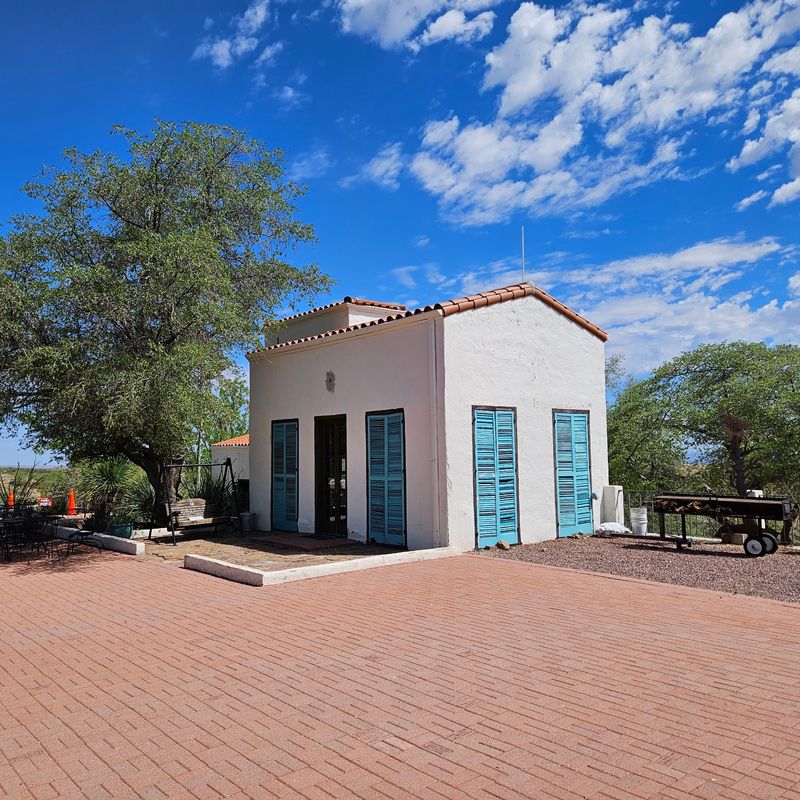
Don’t skip the Kannally Ranch House, built between 1929 and 1932. It now serves as the visitor center and park store, with self-guided tours.
Regular hours run from 8 a.m. to 4 p.m. daily. So how do you stargaze at a day-use park?
Easy, with a little planning. Reserve after-hours access at the American Avenue Trailhead and you’ll receive a gate code.
Star parties happen throughout the year, often with local astronomy groups. Expect presentations and telescope viewing under deep, dark skies.
The park also hosts other fun programs, including a scorpion hunt. Yes, those little critters glow under blacklight.
During the day, hit the trails, including a section of the Arizona Trail. Picnic tables and grills make a pre-stargazing meal simple, and dogs are welcome.
It’s a lovely final stop. Come for the hike, stay for the galaxy.
Address: 3820 E Wildlife Dr, Oracle, AZ 85623