
November Finally Cools The Arizona Desert And Turns Giant Cactus Forests Into Perfect Family Hikes
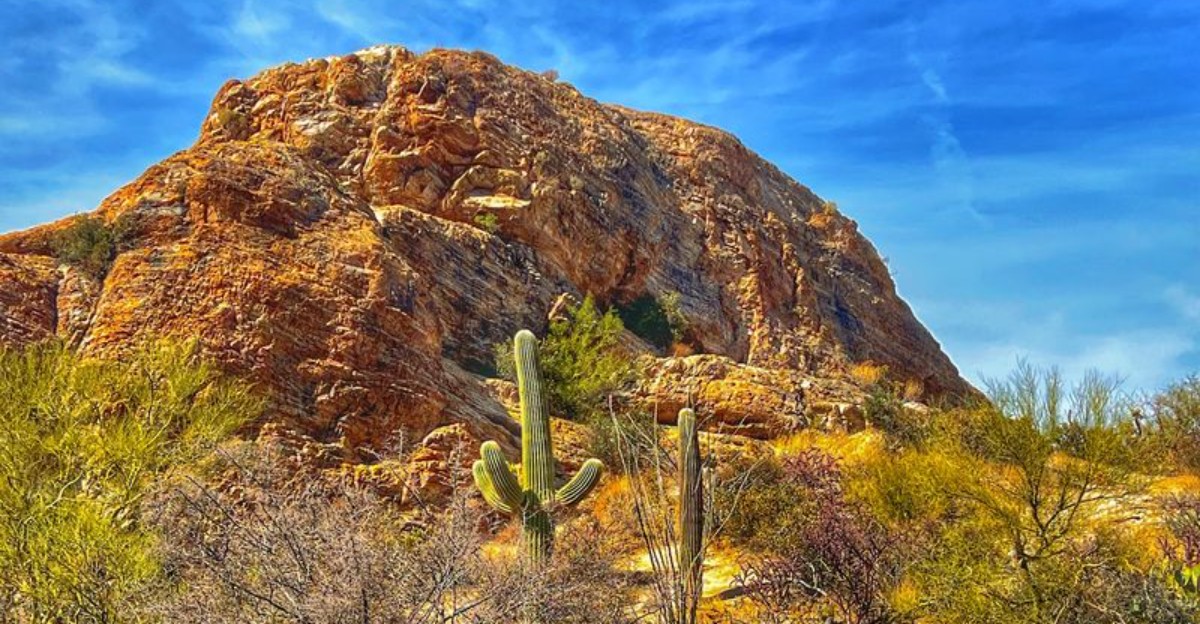
A giant cactus may grow only a few inches in its first ten years. Arms often take six or seven decades to appear.
Some of these desert giants were already old when your great-grandparents were kids. How cool is it that children can walk right up and meet them?
Summer heat keeps families off Arizona trails. November changes that, with highs that settle in the low seventies.
Short paved loops suit toddlers and strollers. Older kids can hunt for ancient rock carvings or follow a trail past an old homestead.
What turns a desert walk into an adventure? Woodpecker nest holes, rare crested cactus shapes, and arms pointing every direction.
Rangers lead kid-friendly programs, and starry skies close out the day. Which Arizona trail will your crew try first?
Cool Weather Makes November The Sweet Spot
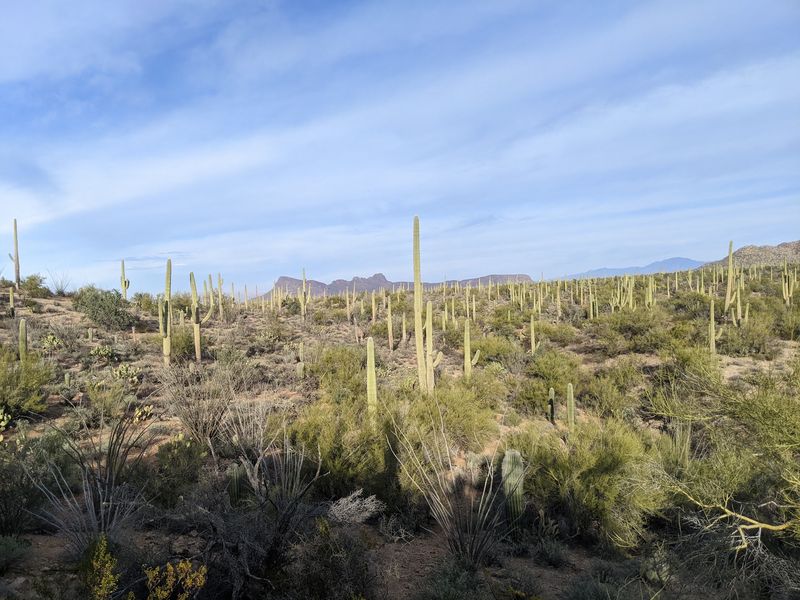
Saguaro National Park, Arizona, marks November as the start of its cool season. Daily highs usually land between 69 and 80 degrees.
Overnight lows often drop into the 40s and low 50s.
That’s a big change from summer, when the desert gets very hot. Kids can actually enjoy a walk without melting.
Rainfall is low in November, averaging roughly half an inch to just under an inch.
Muggy weather is also least common this month. Dry air feels comfortable when you’re moving along a trail.
Still, the sun is strong in the desert, so pack hats and sunscreen.
Closed-toe shoes are smart too, since cactus spines are no joke. Bring more water than you think you need.
Even cool desert air dries you out fast.
Word is out about this weather. November through March is the busiest stretch at the park.
Plan to arrive early for easier parking and softer morning light.
Layers help as well. Mornings can feel crisp, then the afternoon warms up.
A light jacket in the backpack saves a lot of grumbling from little hikers.
Two Districts Mean Two Different Adventures
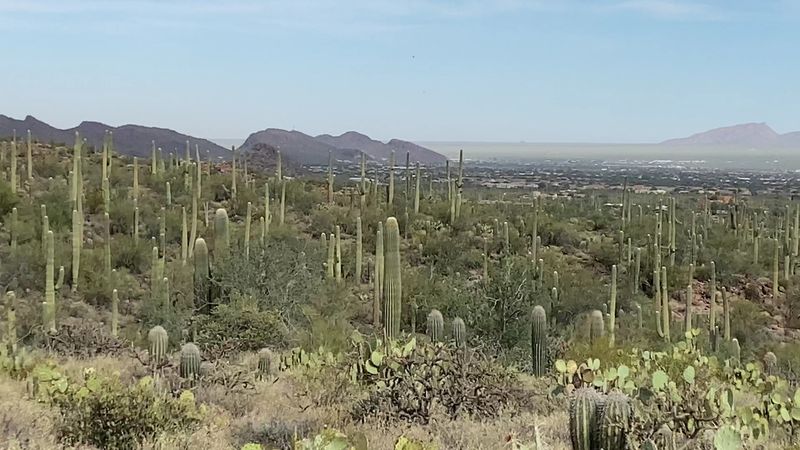
Saguaro National Park is split into two parts, and Tucson sits between them.
The Rincon Mountain District sits on the east side at 3693 S Old Spanish Trail, Tucson, AZ 85730.
The Tucson Mountain District sits on the west side at 2700 N Kinney Road, Tucson, AZ 85743.
Plan on about an hour of driving between the two. That’s long enough to groan about in the back seat.
So pick your district with care.
The park covers more than 92,000 acres. It protects cactus forests and desert mountain peaks.
Both sides have trails for different ages and energy levels.
Many visitors describe the west side as thick with saguaros. The east side is larger and feels more spread out.
Either way, you’ll see giants.
Both districts have visitor centers with restrooms, bookstores, maps, and information. Stop there first and ask a ranger what’s open.
Conditions can change, so a quick check saves surprises.
If time is short, choose one district and do it well. Kids tire out faster than parents expect.
One side done right beats two sides rushed.
A Half-Mile Loop Even Toddlers Can Handle
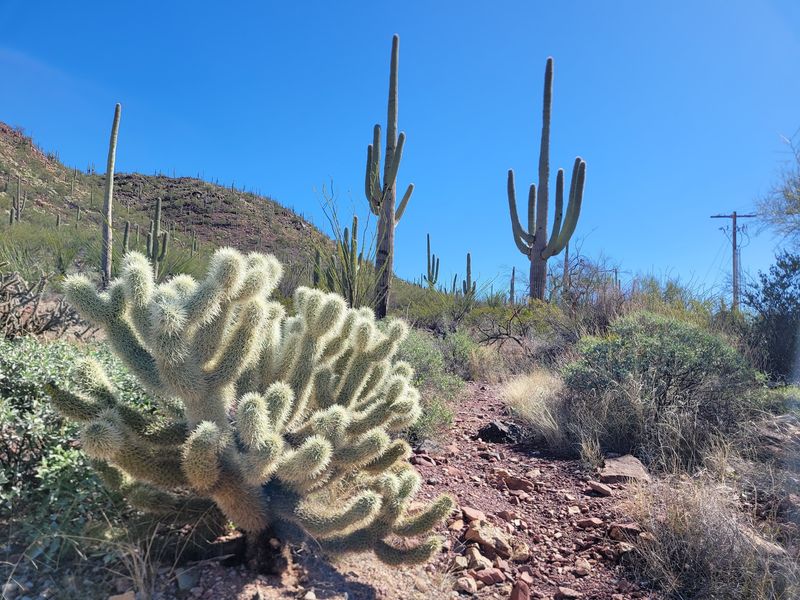
Short legs deserve a short trail. The Desert Discovery Trail is a paved loop of about half a mile.
It sits in the Tucson Mountain District.
Pavement makes the walk smooth for most families. Little ones can look at cacti without tripping over rocks.
It’s an easy win for a first outing.
Nearby, the Cactus Garden Trail sits close to the visitor center. Together these two stops make a simple warm-up.
You can finish both and still have energy left.
Turn it into a game. Ask kids to find the tallest saguaro or the one with the most arms.
Arms usually show up after a cactus reaches 60 to 75 years old, so each armed giant is a grown-up.
Look for holes in the trunks, too. Gila woodpeckers dig nest holes in saguaros.
That’s a fun fact for curious kids.
Bring water even for a short stroll. The desert dries you out quickly.
A hat helps everybody.
Petroglyphs On Signal Hill Spark Big Questions
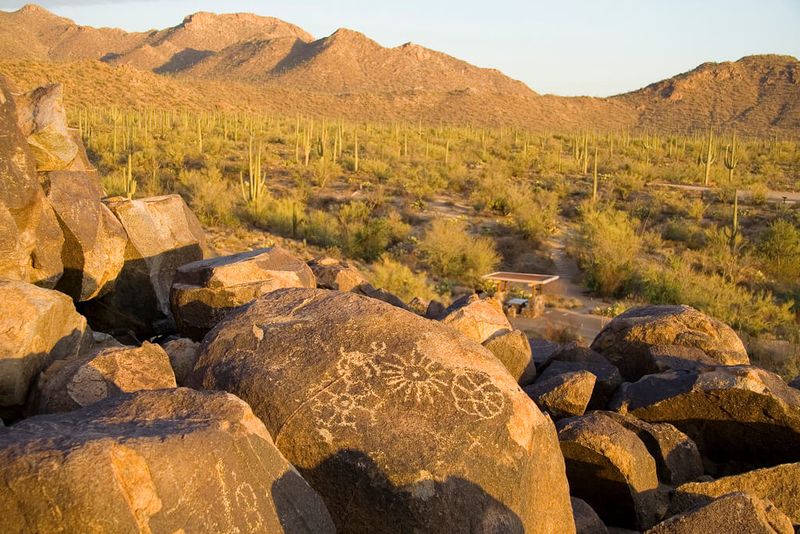
Over 200 ancient petroglyphs wait at the top of a short path. The Hohokam people made them about 800 years ago.
Few hikes give kids a front-row seat to history like this.
Signal Hill is in the Tucson Mountain District. The walk is short, so it suits many families.
At the top, rocks carry carved shapes that spark guessing games.
Ask your kids what they think each picture means. There’s no wrong answer, and rangers can share more details.
The park also offers a ranger-led Signal Hill Petroglyphs program in November.
Remember to look with your eyes only. Touching ancient rock art can harm it.
Stay on the path so everyone can enjoy it for years.
Check conditions before you go. A recent visitor reported the trail was once closed because of aggressive bees.
Park staff close areas for safety, so ask at the visitor center.
Sunset views from nearby are lovely. Bring a camera and a snack.
Kids tend to remember this one.
Freeman Homestead Trail Tells A Pioneer Story
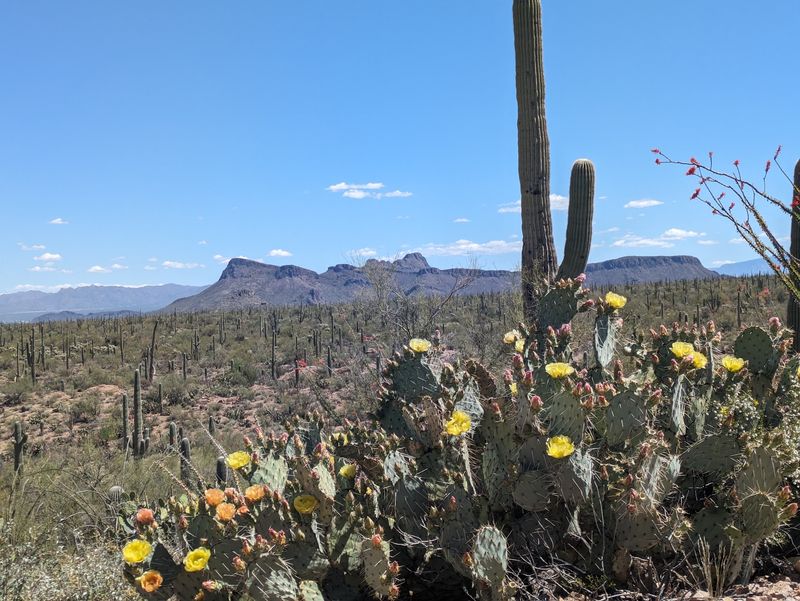
Homesteaders once tried to make a life in this dry land. The Freeman Homestead Trail is a one-mile loop with signs about desert homesteading.
It’s in the Rincon Mountain District on the east side.
One mile suits many school-age kids. The signs give you reading breaks along the way.
Those pauses double as water stops.
Talk about how hard daily life must have been. No grocery store was nearby, and summers were scorching.
Kids often find that idea fascinating.
Other east-side options include the Desert Ecology Trail and the Mica View and Cactus Forest trail. The Loma Verde Loop runs about 3.8 miles for families with older kids.
Pick the length that matches your crew.
Park trails are open around the clock for hiking and biking, except in emergencies. Still, daylight is best for families.
Cool November mornings are lovely.
Keep an eye out for crested saguaros, a rare cactus shape. The map from the east-side visitor center explains them.
Spotting one feels like winning a prize.
Scenic Loop Drives For Tired Legs
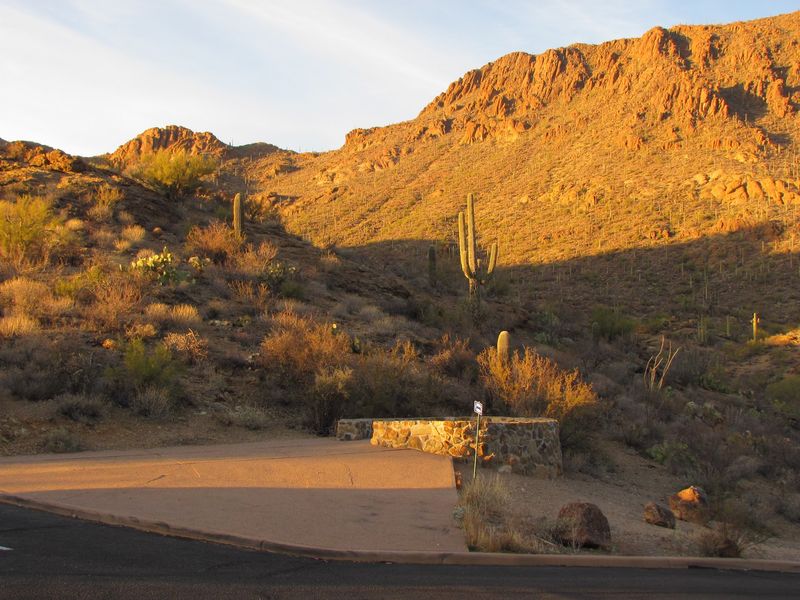
Not every kid wants to hike all day. Luckily, both districts have scenic drives.
You can see plenty of saguaros from the car.
The Cactus Forest Loop Drive in the east is an 8-mile paved, one-way road. It’s open from 5:00 AM to 8:30 PM.
Bikers like it too.
The Bajada Loop Drive in the west is a 6-mile gravel road. It’s open from dawn to dusk.
A visitor recently mentioned a washed-out section under repair, so check ahead.
Plan pull-offs along the way. Trailheads and viewpoints make easy stops for stretching.
Kids can hop out, look around, and hop back in.
Larger RVs may find the park limited, so ask rangers about size limits. A smaller vehicle makes life easier.
Bring snacks and water for the road.
The loop is also a great scouting trip. Spot a trail that looks fun, then come back and walk it.
That plan keeps everyone happy.
Visitor Centers Are Smart First Stops
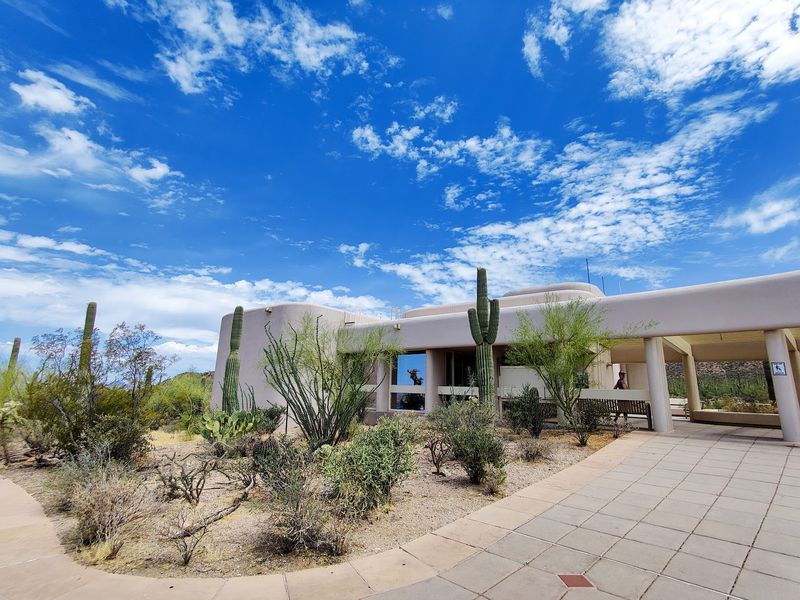
Start here and the rest of the day gets easier. The Red Hills Visitor Center sits on the west side.
The Rincon Mountain Visitor Center serves the east.
Both offer restrooms, bookstores, information stations, and maps. The Red Hills center also has big views of the red hills and saguaro forests.
Grab a map and take a photo of it for later.
From October 1 to May 31, visitor centers are open 9:00 AM to 5:00 PM daily. Both close on Thanksgiving Day and Christmas Day.
Since November includes Thanksgiving, plan around it.
Visitors have mentioned a short film and a Junior Ranger book for kids. Kids like earning a badge.
It turns a walk into a mission.
Restrooms may be scarce out on the loop roads. Use them before you leave.
Your future self will be grateful.
A back patio makes a shady picnic spot, according to one visitor. Pack lunch and make it a break.
Rangers can answer questions too.
Ranger Programs Make Learning Feel Like Play
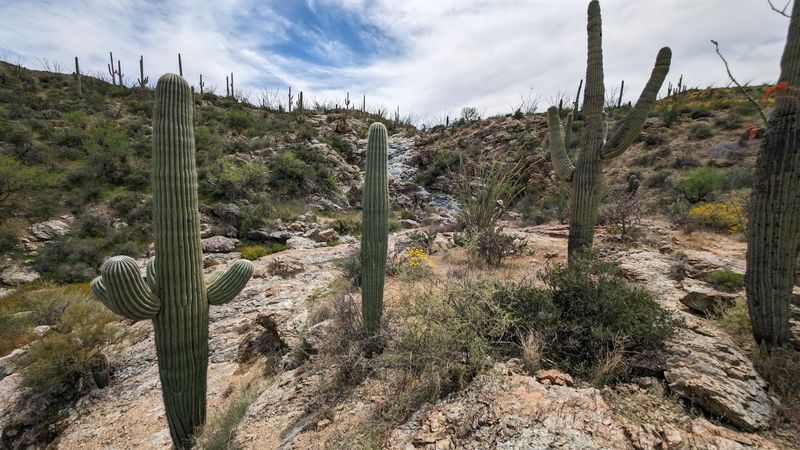
Rangers have a talent for making desert facts exciting. November programs include Garden Walk in both districts.
West-side offerings include Those Crazy Cactus and What is a Javelina?
Other west-side programs cover Woodpeckers, Arizona’s Wildcats, Living with Giants, and The Desert as a Provider. On the east side, you’ll find Mornin’ in the Sonoran and Sunset Hike.
Schedules change, so check the current list.
These talks add stories to what kids see. Suddenly a cactus has a job, and a woodpecker has a home.
Questions are welcome.
Saguaros hold deep meaning for Indigenous people, who consider the plant a vital resource. Programs like The Desert as a Provider can open that door.
It’s a good lesson for older kids.
Try Explore the Night on the east side too. The park is an Urban Night Sky Place, among a small number worldwide.
Stars look sharp out here.
Arrive a few minutes early. Bring water and a notebook.
Kids love jotting down facts.
Sunset And Stars Close The Day Right
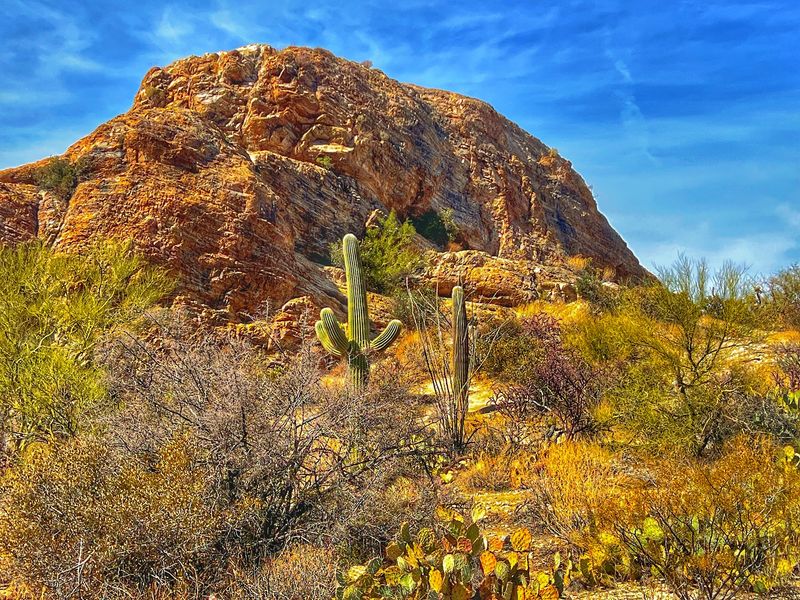
Golden light changes everything out here. Saguaros turn into dark silhouettes against orange skies.
Kids tend to go quiet, which is its own small miracle.
A local visitor recently suggested watching sunset from the Javelina Rocks. Plan to arrive early and bring a jacket.
November evenings cool off quickly, with lows in the 40s.
After dark, the stars take over. The park is an Urban Night Sky Place, a rare honor.
That means stargazing is a real highlight.
Park trails stay open 24 hours for hiking and biking, but evening walks need planning. The loop drives close at dusk or 8:30 PM, depending on the district.
Check hours before you settle in.
Camping is available too, but it’s backcountry only. Six designated campgrounds require reservations through Recreation.gov.
That’s best for older kids with hiking experience.
Pack flashlights and extra layers. Keep little ones close in the dark.
Finish with a favorite saguaro story.