
This Spooky New Hampshire Lake Has A Haunted Reputation Among Locals
In 1753, a surveyor and his two helpers camped by a pond and heard strange sounds until nearly morning. His diary already used the word haunted for the place, so that night probably didn’t help anybody relax.
I love that the eerie label showed up before any town was even settled. Later came a mysterious discovery, a family of pranksters, and glowing rafts floating across the water at night.
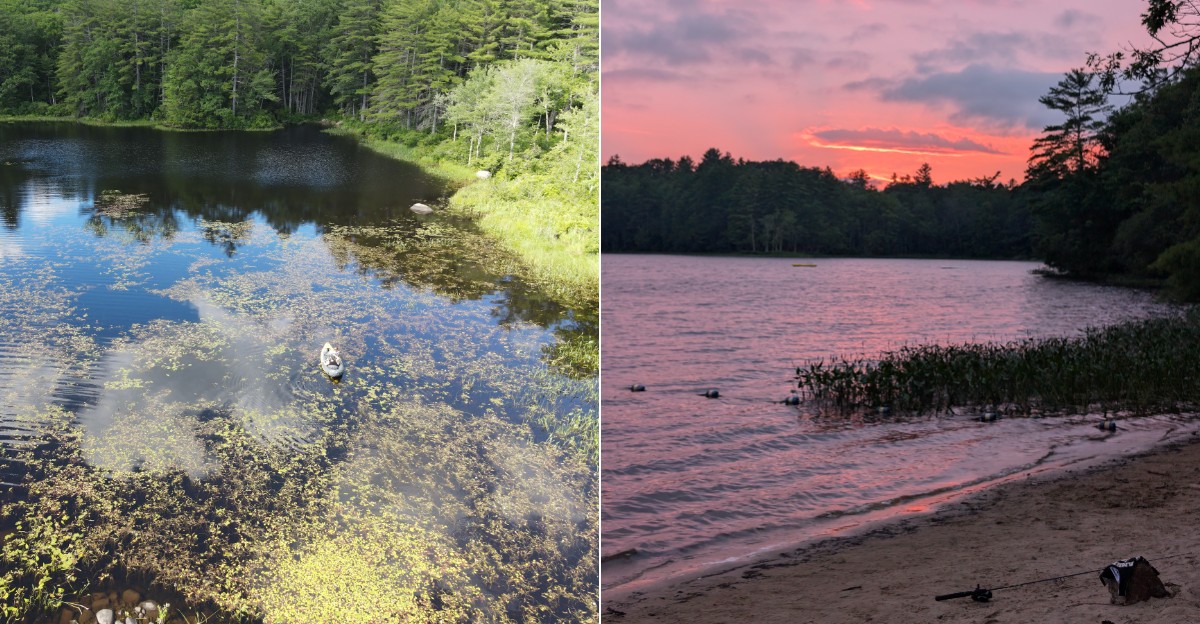
Yet this lake in New Hampshire is also a cheerful place to paddle, fish, and swim. A small sandy beach sits at the north end, and kayaks glide easily across the calm, shallow water.
I can’t imagine a better mix of goosebumps and sunshine in one spot. How did such a pretty little lake end up with such a creepy reputation, and why does it still stick?
A Spooky Name That Showed Up Before The Town Did
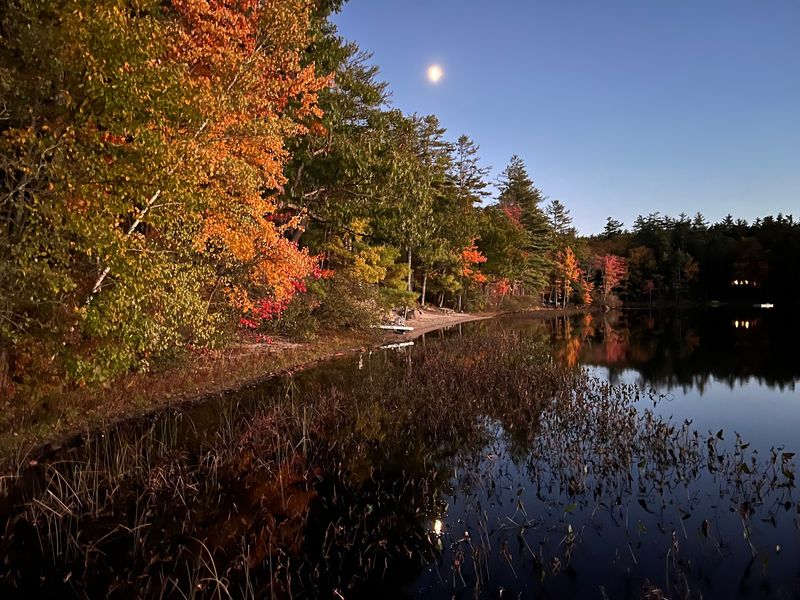
Haunted Lake in Francestown carries one of the oldest spooky names in New Hampshire. Most places earn a creepy reputation over time, but this one started with it.
Back in 1753, Matthew Patten wrote the words Haunted Pond in his diary during a land survey. That was before the area was officially settled, so the nickname was already floating around.
Locals also know the water by a second name, Scoby Pond. That one comes from David Scoby, who built and ran a sawmill here in the 1700s.
You’d think a friendly family name would replace a scary one. Nope, the haunted label simply refused to leave.
Today, maps and signs still use Haunted Lake as the main name. It’s a little like a nickname from grade school that follows you around forever.
The lake covers about 135 acres, with forested shoreline and some homes along the edges. It’s small enough to feel cozy and big enough to hold a few centuries of tales.
I like that the town never tried to rebrand it into something sweet, like Sunny Meadow Pond. The name is half the fun, and it gives every visit a tiny thrill before you even arrive.
So who first whispered that this water was haunted? Nobody knows for sure, and that mystery is exactly why the stories keep growing.
Pack your curiosity along with your sunscreen. This lake loves to share its secrets one legend at a time.
Blame An Old Fire For The Creepiest First Impression
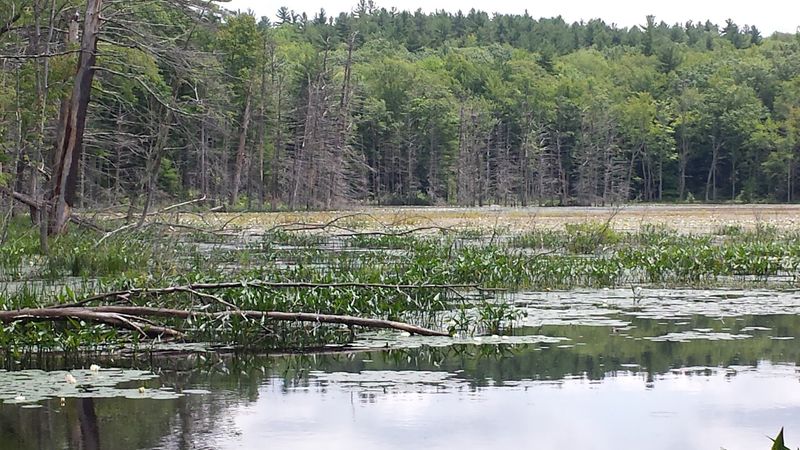
Charred stumps and blackened trees once lined these shores, according to one of the oldest legends about the lake. A huge fire supposedly swept the area long before settlers arrived.
The scorched landscape looked weird and startling to early Native People and European surveyors. It’s one of the oldest explanations for how the name stuck.
Honestly, it makes sense. A burned forest at dusk, with twisted black branches reaching over still water, would spook just about anyone.
That explanation is a lot less dramatic than a ghost, but it’s still pretty eerie. Nature created its own haunted house, no costumes required.
Fire stories like this show how much a landscape can shape a legend. Folks didn’t need ghosts to feel uneasy, just a strange view and a little imagination.
The good news is that the forest came back. Today, green woods wrap around much of Haunted Lake, mixed with a few homes along the shore.
When you paddle near the tree line, try picturing what those first visitors saw. The contrast between then and now is wild.
Whiting Brook feeds the lake through wetlands on the northwestern side. That marshy corner makes a fun destination for a slow, curious paddle.
So next time a friend asks why this pretty place has such a spooky name, you’ll have an answer. Tell them about the fire first, then save the ghost stories for later.
Bring A Flashlight, Because 1753 Got Noisy
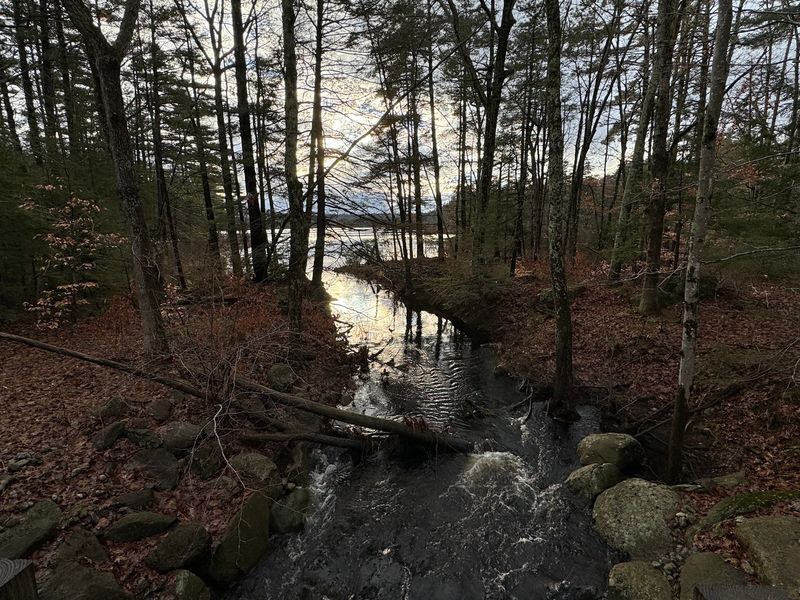
Strange, unexplained sounds kept three men awake for most of one night in 1753. Matthew Patten and his two assistants had camped near the lake’s outlet during their survey.
The strange sounds reportedly lasted until nearly morning. For the crew, those sounds confirmed every whisper they’d heard: the place really was haunted.
Patten held the title Honorable and kept careful written records. That detail makes his account feel more chilling than your average ghost story.
What made those noises? Nobody recorded a solid answer, which leaves plenty of room for guessing.
Wild critters calling in the dark could explain it. Still, the spooky version makes a far better campfire tale.
Camping isn’t allowed at Haunted Lake today, so you won’t be repeating their sleepless night. That’s probably good news for your nerves.
Evenings here can still feel a little magical, though. The lake is a lovely spot to watch the sunset before heading home.
Listen closely as the light fades over the water. Every splash and rustle gets a little more interesting as the sky goes dark.
I believe that’s the real charm of this story. It turns an ordinary evening into a small adventure, especially if you bring kids who love a good spook.
Bring a flashlight anyway. A walk back to the car after dusk feels much braver with a beam of light.
Tell the 1753 tale at the shoreline. Then watch everyone suddenly get very interested in the car keys.
Dig Into The Sawmill Story And Its Strange Surprise
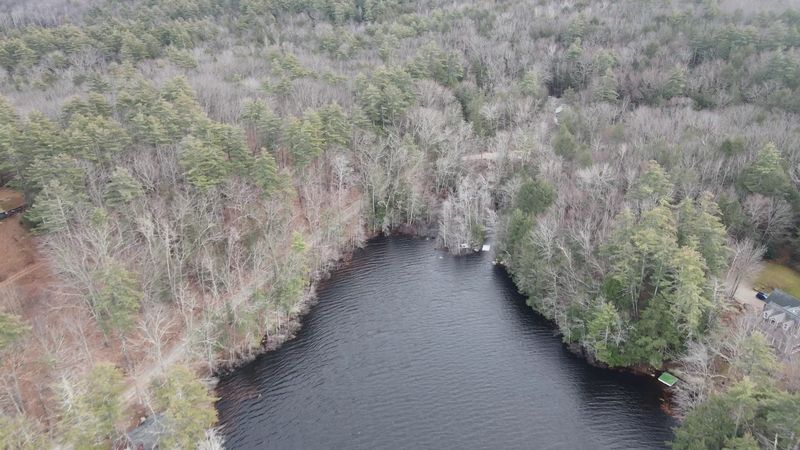
Around 1780, workers building David Scoby’s sawmill near the outlet uncovered something nobody expected. They made a startling discovery that deepened the lake’s mystery.
You can imagine how fast that news traveled around a tiny settlement. The discovery added a heavy layer of mystery to an already spooky reputation.
Stories tried to explain it. One tale points to two hunters from Dunstable, Massachusetts, and a catamount, which is an old word for a mountain lion.
Another version involves two travelers who camped by the pond. Neither story has ever been proven, so the puzzle remains open.
Meanwhile, the sawmill itself became part of local life. Remnants of the 18th-century mill can still be found along the shore of Haunted Lake.
I love when history leaves real clues behind. Spotting the old mill remnants near the water makes the past feel close enough to touch.
Scobie Road, which runs near the lake, is likely named after the mill builder. Yes, the spelling changed along the way, because old New England loved creative spelling.
Keep your eyes open when you explore the shoreline. Respect private property along the edges, and enjoy the history from the water or access areas.
A sawmill, a mystery, and a road name walk into a story. Only in this corner of New Hampshire does that sound perfectly normal.
The Scoby Kids Took Pranking To A Whole New Level
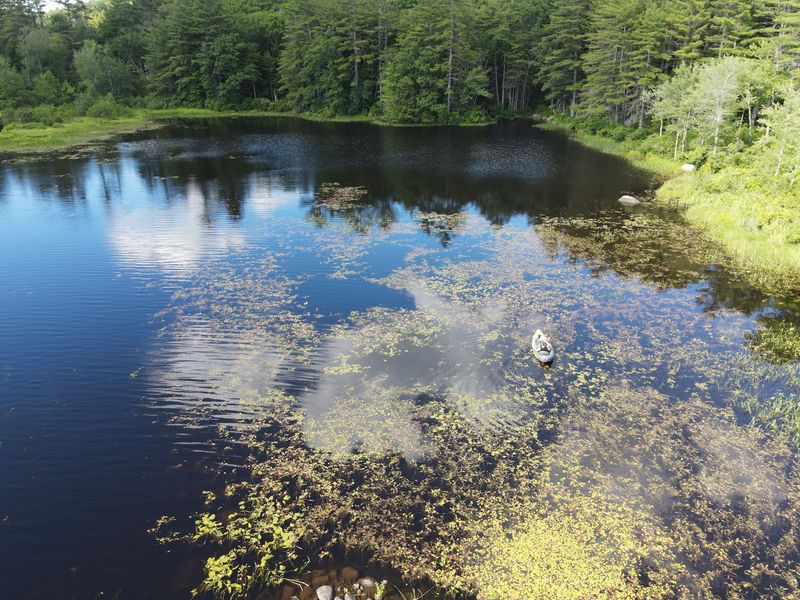
Glowing rafts drifting across dark water at night, plus eerie howls echoing over the waves. That was reportedly the work of David Scoby’s teenage sons.
According to local lore, the family ran around in the dark pretending to be ghosts. Their goal was simple: scare anyone passing by.
Glowing figures were pushed out on rafts across the water. Add some theatrical shrieking, and you’ve got a homemade haunted attraction centuries before theme parks.
Here’s a fun twist, though. The lake already had its haunted name before the Scobys ever started their antics.
So the family didn’t create the legend. They just kept it alive, sort of like ghostly marketing interns.
Some stories grow bigger every time they’re told. This one started big and somehow got even bolder.
I can’t help admiring their commitment to the bit. Most people tell spooky stories, but these folks staged full nighttime productions.
Their pranks also explain why the name never faded. Every new scare gave neighbors one more reason to keep calling it Haunted Lake.
Kids who love Halloween will eat this story up. It proves that grown-ups in the 1700s also enjoyed a good jump scare.
Crisp fall days are perfect for retelling it. Paddle past the wooded shoreline and let the legend set the mood.
Just leave the glowing rafts in the history books. Modern visitors get all the spooky fun with none of the cleanup or confused neighbors.
Grab A Paddle And See The Lake From The Water
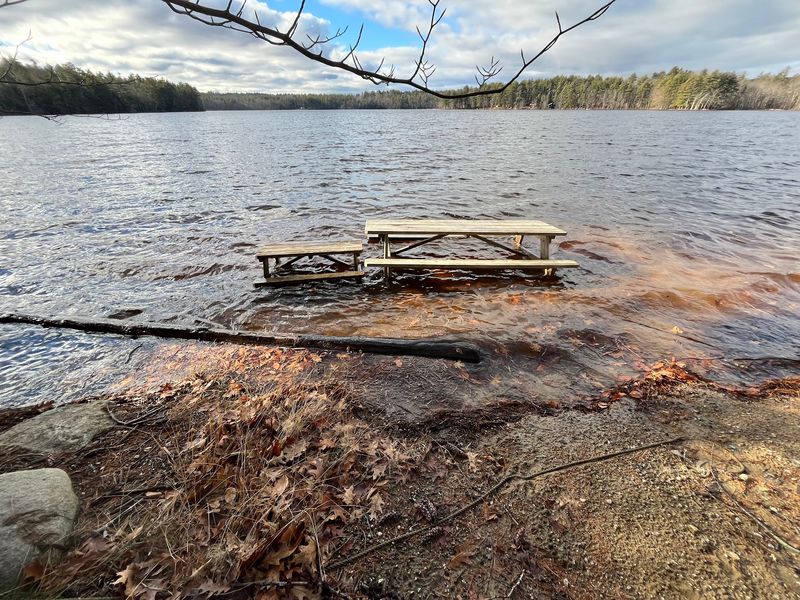
Kayaks, canoes, and paddle boards are made for a lake like this one. Haunted Lake works well for small watercraft, and its manageable size feels easy to explore.
The water is shallow by New Hampshire standards. Maximum depth reaches about 17 feet, with an average closer to 8 feet.
A boat ramp offers access, and the Francestown Beach Access off Dodge Hill Road provides shorebank entry for fishing and paddling. That makes launching simple, even for beginners.
Anglers will want to bring their gear. The lake holds warm-water fish species, and bass are part of the mix.
Ice fishing is also an option when winter freezes the surface. Year-round access means the lake stays interesting in every season.
Paddling the full shoreline makes a relaxing outing. You’ll pass wooded stretches and a few lakeside homes along the way.
I like how a small lake takes the pressure off. You don’t need a full day or fancy equipment to enjoy it.
Bring water, a hat, and maybe a snack for the middle of the lake. Floating in the sun while sharing ghost stories is a pretty great way to spend an afternoon.
Paddle boards are perfect for testing your balance on calm days. Falling in is just part of the fun, so pack a towel.
Wear a life jacket and check the weather before heading out. Then let the lake show you why it’s far friendlier than its name suggests.
Claim A Towel Spot On The Little Sandy Beach
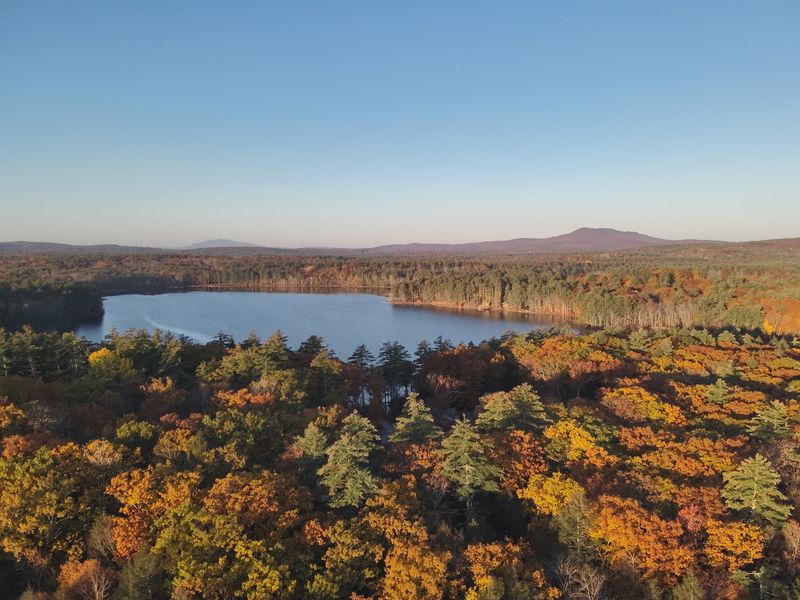
Swimming season brings the town beach on the northern end of the lake to life. A small sandy shoreline and picnic tables make it a cozy spot for a summer day.
The beach is set up for Francestown residents, and permits are available at the Town Office. Grab your permit early in the season, and you’re ready for sunny afternoons all summer long.
Lifeguards watch over the swimming area during the season. There’s even a platform for jumping, which is basically a magnet for brave kids.
Shallow, sandy water near shore makes it a comfortable place for younger swimmers. Parents can relax a little while little ones splash close by.
Picnic tables mean lunch can happen right by the water. Pack sandwiches, fruit, and something sweet, and your beach day is complete.
The state also keeps an eye on things. The New Hampshire Department of Environmental Services checks the water at Francestown Beach monthly from June through August.
That monitoring helps keep swimmers informed. It’s smart to check for any posted notices before you jump in, especially after heavy rain.
I believe a small beach can be more fun than a giant one. Everything feels close, simple, and easy, from the sand to the snack bag.
Spend the afternoon swimming, then stay for a few ghost stories as the sun lowers. Few beaches pair sandcastles with centuries-old legends this well.
Plan Your Spooky-Fun Trip Before The Next Full Moon
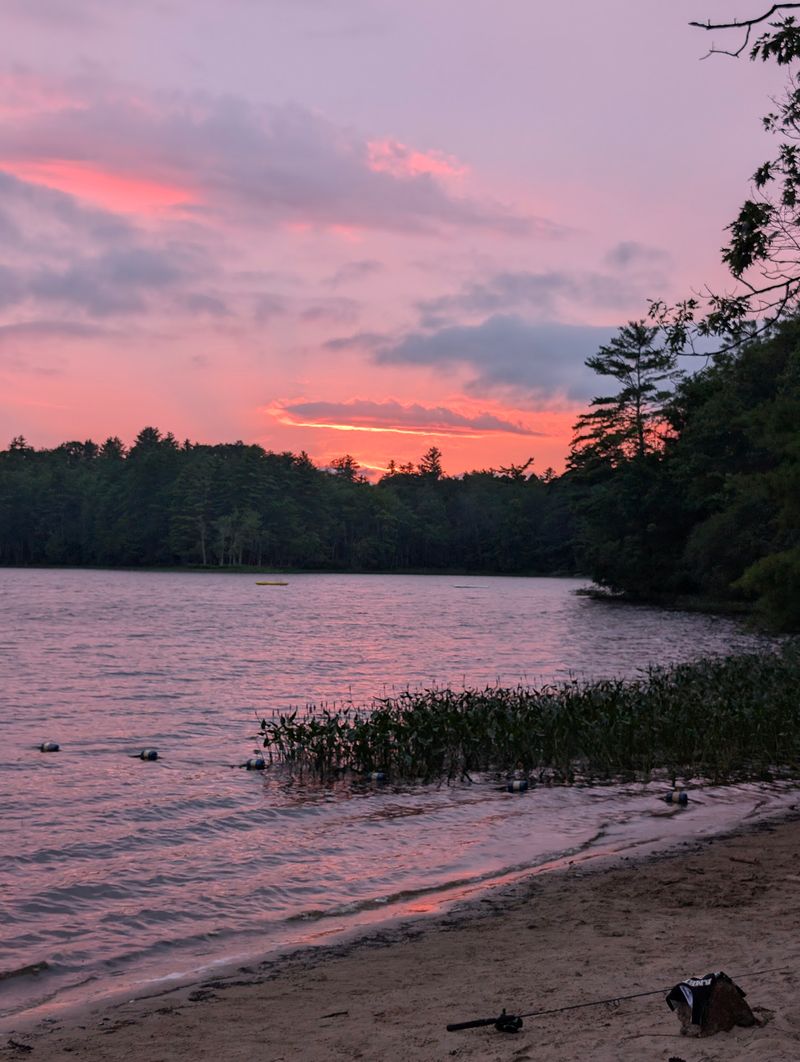
Long before kayaks and beach towels, Haunted Lake already had a reputation for fun. Its west shore was once a resort spot for fishing, scenery, and summer gatherings at a place called Shattuck’s Grove.
By 1912, Boy Scout troops were camping here too. So even with all the ghost stories, people kept coming back for good times.
That fun-loving mood still fits today. You’ll find Haunted Lake in Francestown, NH 03043, with the Francestown Beach Access reached by way of Dodge Hill Road.
The town sits in the hills of southern New Hampshire. Country roads lead the way, so the drive becomes part of the adventure.
Pair a lake visit with a fall foliage drive or a summer swim. Every season offers a different reason to show up.
Winter brings ice and a stark, quiet beauty to the shoreline. Summer turns the water into a playground for paddlers and swimmers.
I can’t imagine a better place to mix local history with outdoor fun. Where else can you catch a bass and a ghost story in the same afternoon?
Families, friends, and solo explorers all find something to enjoy. A small lake with a big story is hard to resist.
Bring a camera for the views and a flashlight for the walk back. Pack snacks, life jackets, and your best spooky voice.
The legends may be old, but the lake is ready for new memories. Go see what all the haunted fuss is about.