
10 Louisiana Gem Mining Spots Where Rockhounds Can Hunt For Hidden Treasures
An aquarium in Louisiana has a gem mine inside it. You can sift for crystals and shark teeth a short walk from the touch tanks. That detail alone hooked me. Then I learned one outdoor sluice up north stretches 96 feet. Its mining rough holds specimens from 14 different countries.
The wild side is just as fun. Rivers here carry agate, jasper, and petrified wood down from the north. After a flood drops, fresh stones can show up on gravel bars like a surprise delivery.
I love that the treasure hunt comes in two flavors. You can stay clean and dry at a sluice with a bag of rough. Or you can roam a sunny gravel bar with a spray bottle and sharp eyes. So which kind of rockhound are you going to be this weekend?
1. Red River Treasure Mine
Sharks swim in one room, and their fossil cousins wait in another. That pairing makes this mine inside the Shreveport Aquarium a total win for curious kids.
It bills itself as Louisiana’s only indoor, climate-controlled gemstone and fossil mining experience. Translation? You can hunt treasure in July without melting into a puddle.
The star feature is a 35-foot indoor sluice. You pour mining rough into a screen and let the water do the messy work.
Bags come in several sizes with different mixes. Finds can include polished gemstones, shark’s teeth, trilobites, ancient marine specimens, and giant crystals.
You keep whatever turns up, which is the best rule in the world. A fact card comes along to help you figure out what you’re holding.
Here’s a fun twist on the science. Fossil records show Louisiana once sat at the bottom of a great ocean, so those marine finds feel right at home.
Plan a full day if you can. The aquarium also offers touch tanks with stingrays, moon jellies, sea stars, and anemones.
Shark talks, alligator snapping turtle talks, and baby gator talks round out the lineup. Hungry rockhounds can grab a bite at the Riverwalk Cafe, which has outdoor riverfront dining.
Bring a small zip bag for your loot. Little hands tend to fill pockets fast, and crystals love to vanish under car seats.
Address: 601 Clyde Fant Pkwy, Shreveport, LA 71101
2. Jungle George’s Gem Mining at Zoosiana
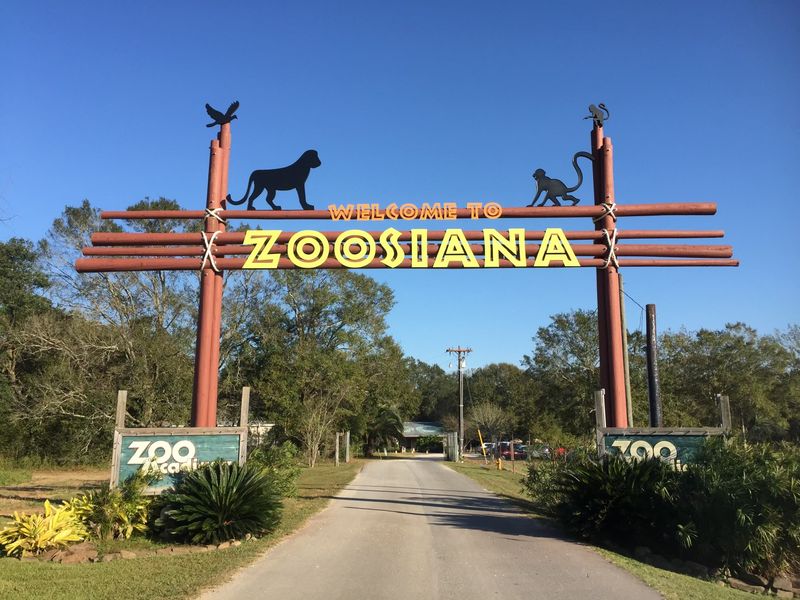
Lions, lemurs, and amethysts all share one address in Broussard. Zoosiana added a gem mine to its lineup, and it brings serious old prospector flavor.
The official name is Jungle George’s Good Timing Gem Mining, and it debuted in spring 2020. You’ll find it near the Reptile House, so the snakes basically supervise.
Owner George Oldenburg built some of the structures himself, including the wheel and the wagon. Patrons use a sifter much like gold miners did long ago.
Your job is simple and oddly relaxing. Sift sandy aggregate at the old-time sluice and watch for gemstones, fossils, emeralds, and amethysts.
Several product options are available, each priced separately. Whatever you uncover goes home with you, no questions asked.
Zoosiana itself opened in 1992, and the Oldenburg family has owned it since 2002. It’s an accredited, privately owned zoo with over 1,000 animals from more than 125 species.
That means your gem break can sit between bigger adventures. Hop on the Safari Express Train Ride, spin on the Storybook Carousel, or feed the parakeets.
The Jungle Lodge Playground and Petting Zoo help burn off extra energy. The Critter Cafe handles snack emergencies.
One smart tip before you go. Mining hours can vary, so call ahead to confirm the day’s schedule.
Teachers, take note too. Gem mining can be added to field trips, which beats a worksheet any day.
Address: 5601 US Highway 90 East, Broussard, LA 70518
3. Lost Treasure Mining Company
Ninety-six feet of running water is a lot of room to strike it rich. Natchitoches claims Louisiana’s largest outdoor gem and fossil mining attraction, and that sluice proves it.
It sits inside Timber Ridge Adventure Park with an old prospector camp look. You almost expect a mule to wander past.
The process is easy to learn. Grab a bag of mining rough, dump it into a screen tray, and rinse away the dirt.
Real specimens from 14 countries hide in that rough. Think rubies, amethyst, garnets, obsidian, emeralds, opals, and shark teeth.
Arrowheads and fossils show up too. Identification cards help you put names to your sparkly new collection.
Package names add to the fun. Choices include Pay Dirt, Arrowhead Find, Fossil Find, Emerald Strike, and the gloriously named Mother Lode.
Equipment is provided, and Treasure Guides are on hand when you need help. No separate park admission is needed just to mine.
Locals clearly took notice. The attraction earned Natchitoches’ 2021 Fan Favorite Attraction title during National Travel and Tourism Week.
Timing matters here, since the season generally runs March through December, weather permitting. Check the park calendar before you load up the car.
Need a treat after all that panning? The Crow’s Nest Cafe and Molly Moo’s Soft-Serve and Sweets are right there.
Birthday parties and school field trips happen here too. A pile of garnets beats a goodie bag, honestly.
Address: 4343 University Parkway, Natchitoches, LA 71457
4. Ouachita River Gravel Bars
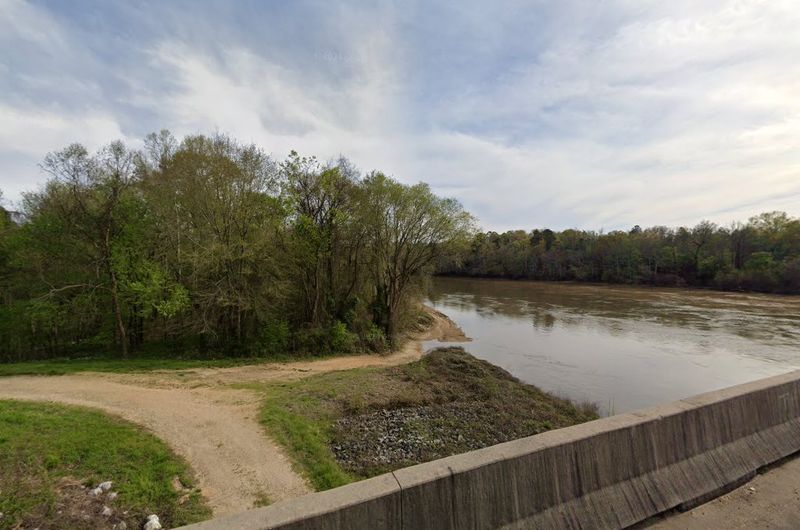
Some rivers bring fish downstream. The Ouachita delivers agate, petrified wood, and opalized wood all the way from the Arkansas uplands.
Around Monroe, those stones end up on wide gravel bars. Low water is your golden ticket, because more rocks peek out when the river drops.
Keep an eye out for chert, jasper-toned stones, and quartz pebbles too. After high water recedes, fresh material often appears on the bars.
Access rules are worth learning before you walk out. The Ouachita is a navigable river, but visitors should verify public access and rock-collecting permissions before removing material from its gravel bars.
The riverbed is state-owned, but nearby banks are often private. If you need to cross someone’s land, ask permission first.
Permit requirements and collecting restrictions may vary, so visitors should confirm the rules with the appropriate land-management authority before gathering rocks. That makes this a wonderfully low-fuss outing.
Public river accesses and boat launches help you reach the water. Lazarre Park in West Monroe is one handy starting point.
One caution if you roam north. The Upper Ouachita National Wildlife Refuge prohibits metal detecting and removing antiquities or artifacts.
The name itself has a lovely ring. Ouachita is said to come from a word meaning river of good hunting grounds and sparkling silver water.
Old accounts from the late 1700s even whispered about gold here. Later surveys didn’t confirm commercial amounts, so stick with agate and enjoy the scenery.
Address: Lazarre Park, 703 South Riverfront, West Monroe, LA 71291
5. Amite River Valley
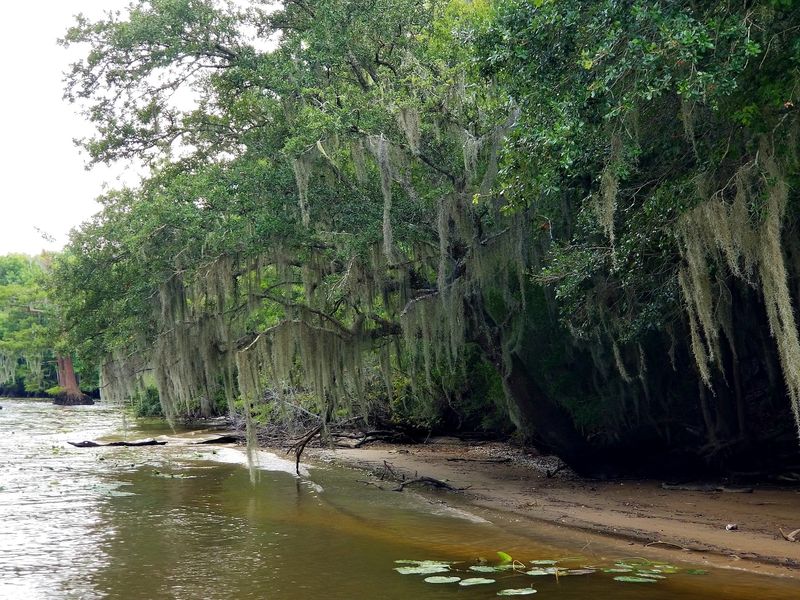
Ask Louisiana rockhounds where agate hunting peaks, and this valley tends to top the list. It’s widely considered the state’s most productive agate locality.
The Amite River winds through East Baton Rouge and Livingston parishes. Its gravel holds banded agate, carnelian, jasper, and even rare local opal.
Those stones have quite a backstory. They began in ancient limestones to the north, then rode old rivers into the Citronelle Formation gravels.
Today the Amite reworks those deposits like a slow rock tumbler. Floods stir things up and leave fresh material on the bars.
February through May is a smart window. Water levels vary with rainfall and seasonal flooding, so checking current river conditions is the best way to find exposed gravel bars.
Beginners can start on broad gravel bars in Livingston Parish. Public bridge crossings and boat launches help you reach them.
Here’s a clever trick worth packing. A spray bottle wets the stones and reveals banding and that glowing translucence.
Watch the rules closely, though. Frenchtown Road Conservation Area offers river access, but collecting and digging are banned inside it.
The streambed of a navigable river is generally state-owned below the ordinary low-water line. Banks and nearby gravel pits are often private, so get permission.
When in doubt, check with a parish office or Louisiana Department of Wildlife and Fisheries. A quick call saves headaches later.
Address: Frenchtown Road Conservation Area, 17405 Frenchtown Rd, Baton Rouge, LA 70817
6. Tangipahoa River
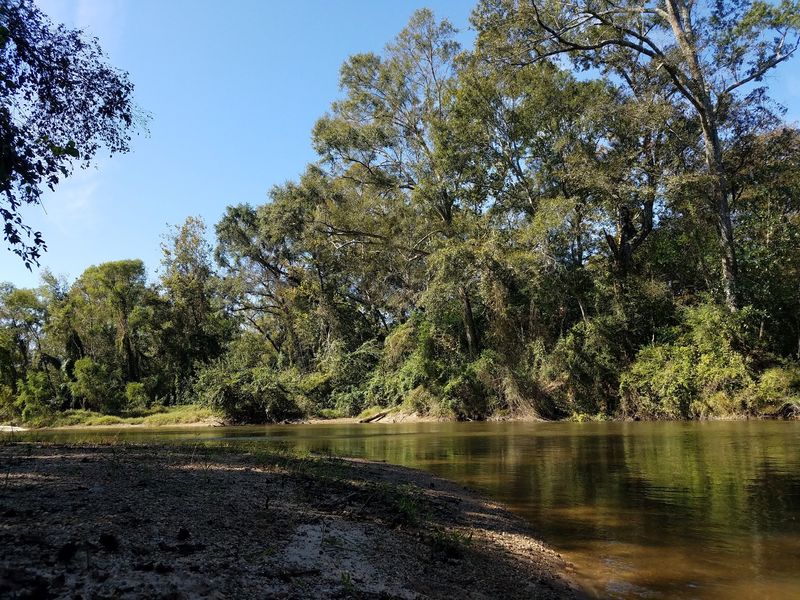
Sand, gravel, and a long name that’s fun to say. The Tangipahoa River flows south through Tangipahoa Parish toward Lake Pontchartrain.
Like its neighbors in this corner of Louisiana, it cuts through old upland gravels. That makes its bars worth a slow, patient look.
Gravel streams in this region commonly turn up chert, quartz pebbles, and petrified wood. Agate and jasper are possible but take sharp eyes.
Go after the water drops. Fresh gravel often gets exposed once high water settles down.
Bring simple gear. A bucket, sturdy shoes, and a spray bottle cover most of what you’ll need.
Wet stones tell secrets dry ones hide. A quick spritz shows color, banding, and that waxy shine chert loves to flash.
Access deserves care on this river. Many banks are private, so use public crossings and ask before stepping onto anyone’s land.
Collecting rules can shift by spot. Local parish offices or state wildlife officials can clarify what’s allowed.
Safety counts too, especially with kids. River currents can surprise you, so stay on exposed bars and skip deep water.
Pack water, sunscreen, and bug spray. Louisiana summers do not play fair.
Treat each trip like a scavenger hunt instead of a jackpot. Even a pocket of pretty pebbles can turn a regular Saturday into a story.
Address: Tangipahoa River, Tangipahoa Parish, LA
7. Bogue Chitto River
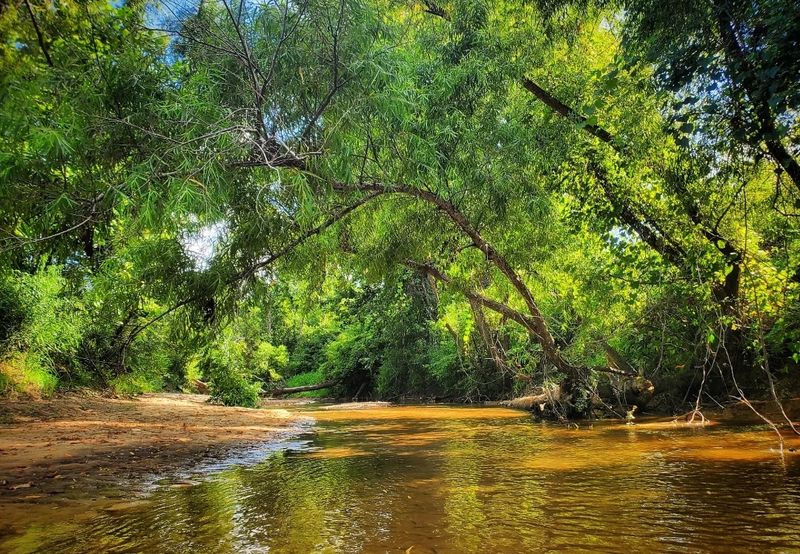
Clear water makes rock spotting so much easier. The Bogue Chitto River runs through Washington Parish in southeast Louisiana with sandy, pebbly stretches.
Its name is often said to mean big creek. Rockhounds might call it a big opportunity instead.
Gravel bars here can offer chert, quartz, and petrified wood. Patient hunters may spot agate or jasper hiding among plain pebbles.
Start where the gravel looks freshly washed. Stones that just arrived tend to be cleaner and easier to read.
Bogue Chitto State Park near Franklinton sits along the river. It’s a handy base for paddling and exploring, but follow park rules on collecting.
State parks generally restrict removing natural materials. Check with staff before you pocket anything there.
Outside the park, private land is common along the banks. A polite ask goes a long way with landowners.
Many people float this river by canoe or kayak. Paddlers can reach gravel bars that walkers simply can’t.
Got a water-loving crew? Combine a lazy float with short stops to scan the shallows.
Gear stays light and simple. Water shoes, a mesh bag, and a hand lens are plenty.
Leave a small quiet moment for the scenery too. Watching sunlight flicker over wet pebbles is half the reward.
Address: Bogue Chitto State Park, 17049 State Park Blvd, Franklinton, LA 70438
8. Kisatchie National Forest
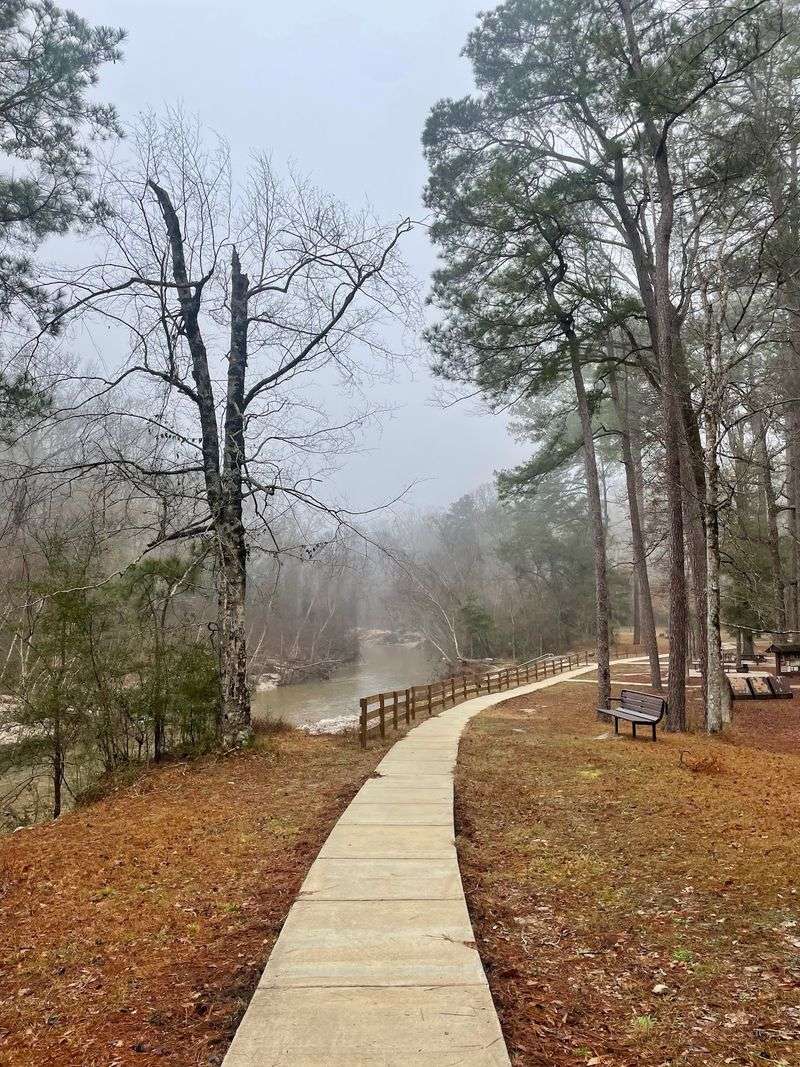
Louisiana does have hills and rocky creeks, and Kisatchie proves it. This is the state’s only national forest, spread across central and north Louisiana.
Sandstone ledges and clear streams give the area a surprising rugged look. Rock lovers often find it a refreshing change from flat marshland.
Creek beds can show off petrified wood, quartz, and ironstone. Scanning gravel after rain can be especially rewarding.
Rules matter on federal land. Some national forest lands allow limited personal rock collecting, but visitors should confirm local restrictions, mineral rights, and permit requirements with the appropriate ranger district.
Fossils, artifacts, and archaeological items are a different story. Leave those right where you found them.
Collecting rules can vary by area. Call a local ranger district office before you go for the latest guidance.
The forest is huge, so plan your route. The Kisatchie Ranger District near Natchitoches makes a good starting zone.
Hiking trails and scenic byways open up plenty of options. The Longleaf Trail Scenic Byway winds through rocky, piney terrain.
Bring a map, since cell signal can fade fast. Water and snacks belong in your bag too.
Watch for ticks and snakes along creeks. Long pants and good boots help a lot.
Think of this trip as a nature walk with bonus treasure. The view alone might be the best thing you bring home.
Address: Kisatchie National Forest Supervisor’s Office, 2500 Shreveport Hwy, Pineville, LA 71360
9. Rapides Parish Stream Gravels
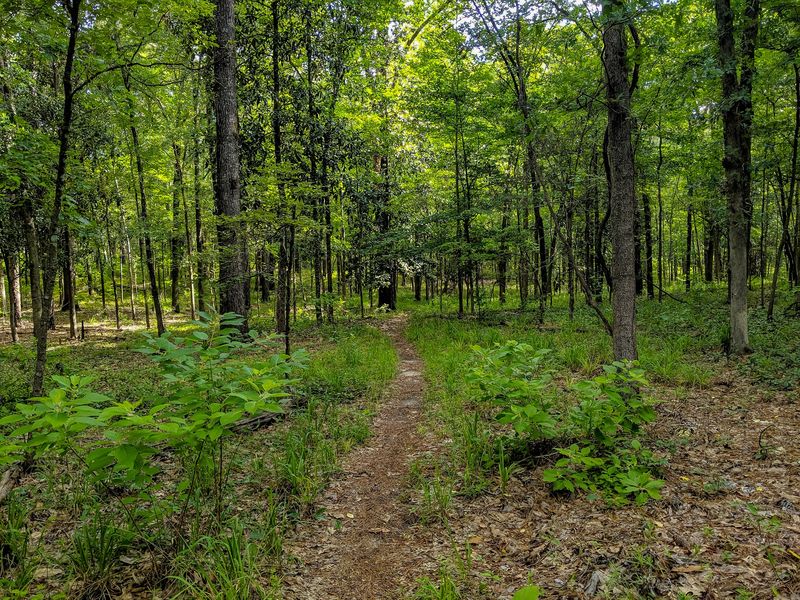
Central Louisiana hides rocks in plain sight. Streams around Rapides Parish cut through old terrace gravels, leaving pebbly beds worth checking.
Alexandria and Pineville sit at the center of the action. Small creeks nearby can turn up chert, quartz, and petrified wood.
Petrified wood is a crowd favorite here. Holding a branch that turned to stone never gets old.
Look for wood grain lines on brown or tan stones. That texture is your clue.
Gravel tends to shift after heavy rain. A dry spell following a storm can be the sweet spot.
Many creeks cross private property. Always ask permission before you step off a public road.
Road cuts and ditches may look tempting. Skip them, since traffic and legal issues aren’t worth a pebble.
Kisatchie National Forest land also stretches into the parish. That offers more public options if you follow forest rules.
Pack a few basics for success. A sturdy bucket, gloves, and a soft brush go far.
Label your finds when you get home. Writing down the creek and date helps you track what works.
Bring kids into the identification game. Comparing finds with a guidebook turns a muddy afternoon into a science lesson.
Address: Rapides Parish, Alexandria, LA
10. Livingston Parish Stream Gravels
Ever wanted a beginner-friendly starting line for agate? Livingston Parish might be your spot, thanks to broad gravel bars along the Amite River.
The parish sits on the eastern side of that famous agate valley. Its streams share the same Citronelle Formation gravels.
That means banded agate, carnelian, and jasper are all possible. Rare local opal sometimes turns up too.
Slow down and scan for translucent stones. Hold suspects up to the sun and watch for a glow.
Fresh material often appears after floods drop. Plan around those post-storm windows, especially February through May.
Access needs a careful approach. Below the ordinary low-water line on navigable streams, beds are generally state-owned.
Banks and gravel pits are frequently private, though. Get permission before you set foot on them.
Not sure about a spot? A parish office or the Louisiana Department of Wildlife and Fisheries can help.
A spray bottle is your best friend here. Wet stones reveal banding that dry ones keep secret.
Bring a small rock hammer only where it’s allowed. Most agate hunting just needs eyes and patience.
Finish with a quick photo of your best find. Sharing it with friends is how new rockhounds get hooked.
Address: Livingston Parish, Livingston, LA