
This Hidden Massachusetts Abbey Is Home To Benedictine Monks And Feels Like A Slice Of Old Europe
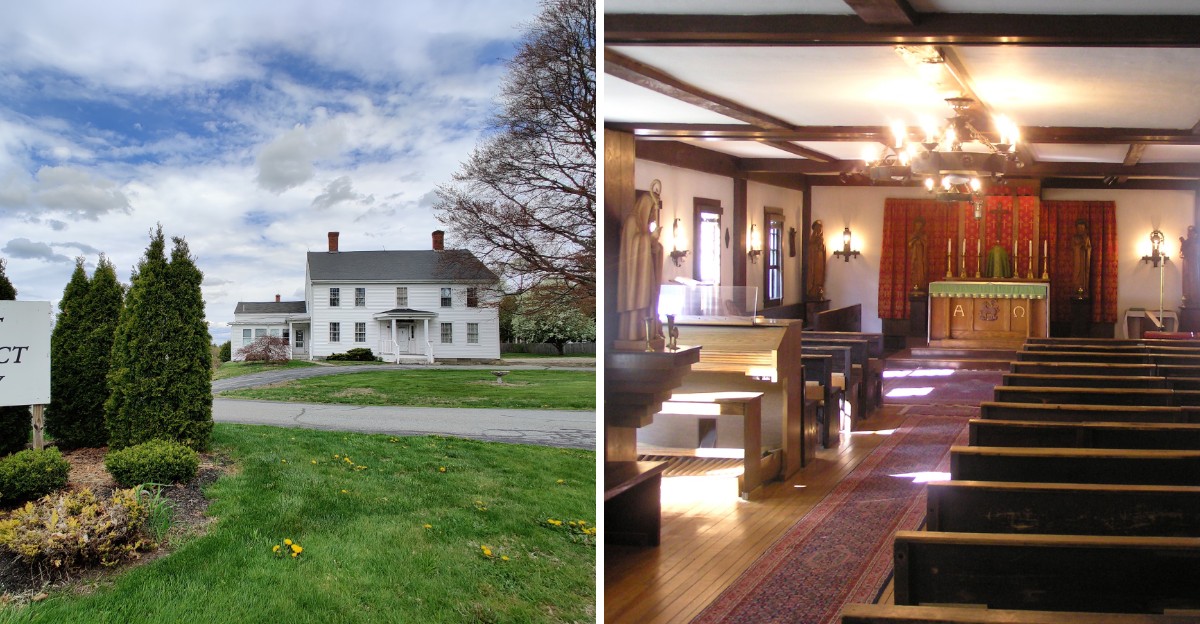
Monks still sing Gregorian chant here several times a day, and Mass is offered in Latin. The oldest building on the grounds dates back to the mid-1600s.
That alone made me stop scrolling.
The community lives by a rule written roughly 1,500 years ago. Their days follow a rhythm of prayer, work, and study.
Every night ends with something called Grand Silence.
You don’t have to be a monk to share in it. Guests can join the prayers, attend Mass, or stay overnight on a retreat.
I appreciate that nobody hands you a strict script.
All of this sits on a quiet hillside in Massachusetts, about an hour from Boston. It overlooks a river valley that feels far older than the highway you took to get there.
Gregorian Chant Still Fills The Chapel Here Every Single Day
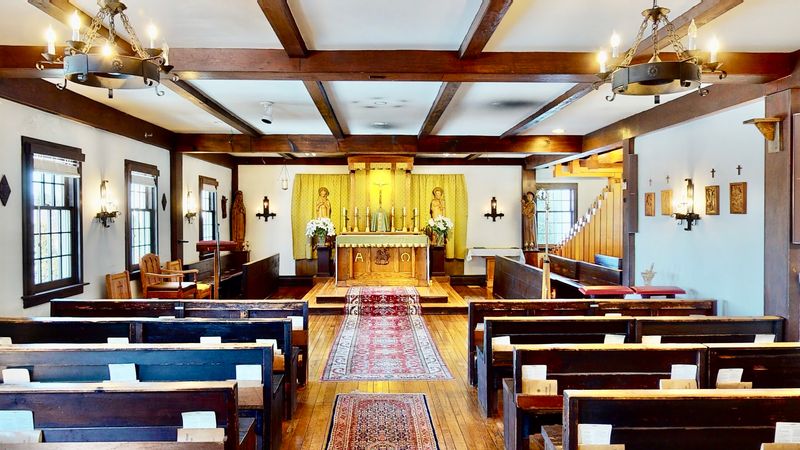
Saint Benedict Abbey keeps alive a sound most people only hear on old recordings. The monks celebrate Mass and the Divine Office with traditional Gregorian chant.
That music has floated through monasteries for centuries.
Holy Mass here is offered in Latin according to the Novus Ordo Missae. Mass is also offered in English, so nobody gets left out.
You can follow along even if your Latin stopped at e pluribus unum.
Chant has a calm, steady quality that feels made for slowing down. The melodies are simple and unhurried.
They don’t rush to impress anyone, which is honestly refreshing in a world full of notifications.
You don’t need musical training to appreciate it. Just sit, listen, and let the words do their work.
Even curious visitors who aren’t Catholic can sense the care behind every note.
I’d suggest arriving a little early for whichever service you choose. That gives you time to settle your mind before the singing begins.
A few quiet minutes go a long way.
Bring a respectful attitude and keep your phone tucked away. This is worship first, not a concert.
That’s exactly what makes it feel so genuine and so old-world.
A Day Run On Bells, Prayer, And Real Hard Work
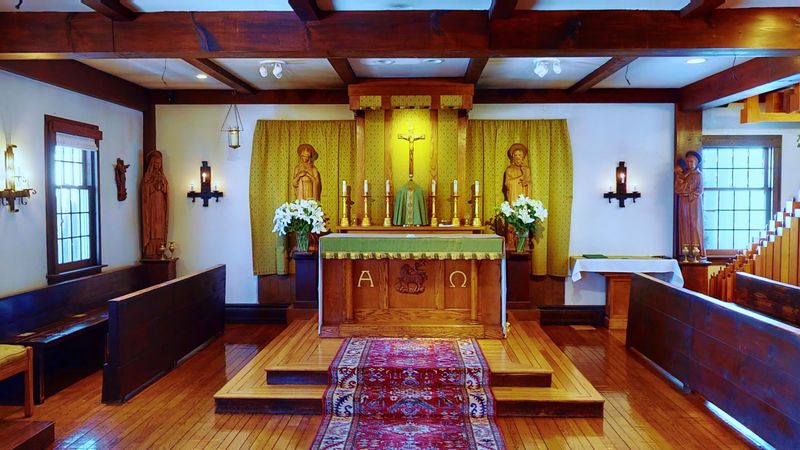
Ora et labora. That old Benedictine motto means pray and work, and these monks take it seriously.
Their schedule shows it clearly from dawn to night.
The day opens with Vigils and Lauds before most of us find our coffee. Mass follows, offered in both English and Latin with chant.
At 12:30 PM comes Sext, the midday prayer.
Later the community prays the Rosary and then Vespers in the evening. Compline, the night prayer, closes things out.
After that, Grand Silence settles over the abbey until morning.
Prayer isn’t the whole story, though. Manual labor is part of each day, too.
These men balance spiritual life with practical chores, study, and work around the property.
The monks live by monastic vows that shape every hour. They focus on living their Catholic faith through prayer, work, and study.
It’s a full life, not a sleepy one.
For visitors, knowing the schedule helps you plan. Pick a prayer time that fits your visit and join in quietly.
You’ll catch a glimpse of a rhythm that has outlasted empires.
Farmhouses Older Than The Country Itself
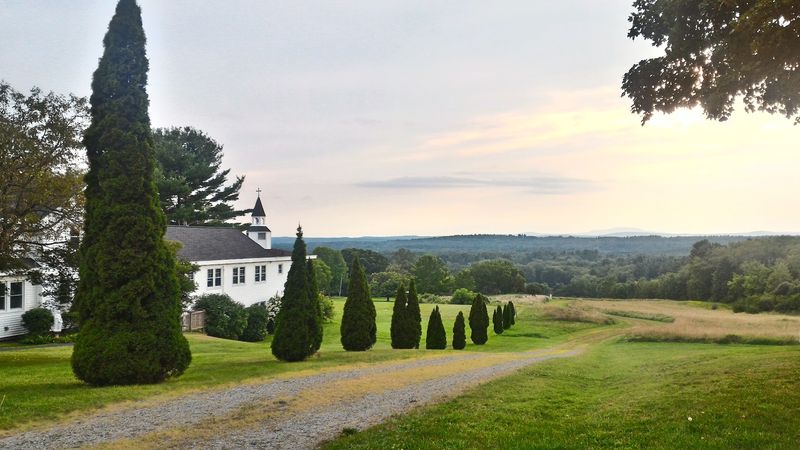
Here’s a fun one for history fans. The oldest structure on the property dates from the mid-1600s.
That’s well over a century before the Declaration of Independence existed.
The grounds feature historic farmhouses and barns. They give the abbey a rustic, lived-in charm that no brand-new building could copy.
Old wood and old stone tell stories without saying a word.
This mix of colonial New England and ancient monastic tradition is what makes the place feel so European. You get centuries layered on top of centuries.
It’s a bit like finding a medieval village quietly hiding in a Massachusetts farm town.
Take your time looking around the outside of the buildings. Notice the shapes, the rooflines, and how they fit into the landscape.
Respect any areas that are clearly private or reserved for the monks.
Remember that this is a working monastery and a home. Monks live, pray, and work in these spaces every day.
Treat the grounds like you’re visiting someone’s family farm, because in a way, you are.
Photographers will love the weathered textures. Just keep the camera quiet during prayer times.
The View Over The Nashua River Valley Steals The Show
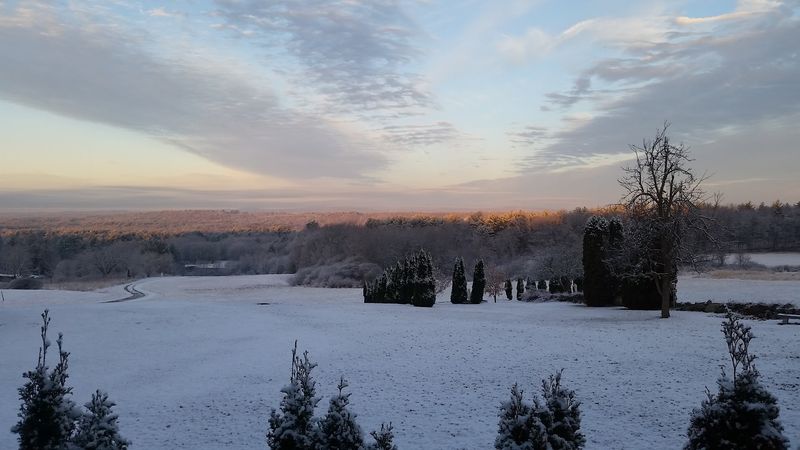
Some monasteries hide behind tall walls. Saint Benedict Abbey sits out in the open, overlooking the Nashua River valley.
The setting is pastoral, peaceful, and wide open to the sky.
That view is a big part of the appeal. Rolling land stretches out below the hillside.
It feels more like a countryside postcard than a spot an hour from a major city.
The abbey describes itself as a place of peace and prayer. Standing near the edge of that valley, it’s easy to see why.
Fresh air and long views clear your head fast.
Each season changes the scene. Spring brings green, autumn brings New England color, and winter turns everything quiet.
You could visit four times a year and get four different paintings.
Bring a light jacket, since hilltops can feel breezy. Comfortable shoes help too, especially if you plan to wander outdoors.
A small notebook might come in handy for jotting down thoughts.
Don’t treat this like a picnic park, though. Keep voices low and respect the prayerful mood.
The valley does its best work when you let it speak quietly.
Book A Room And Borrow The Monks’ Rhythm For A While
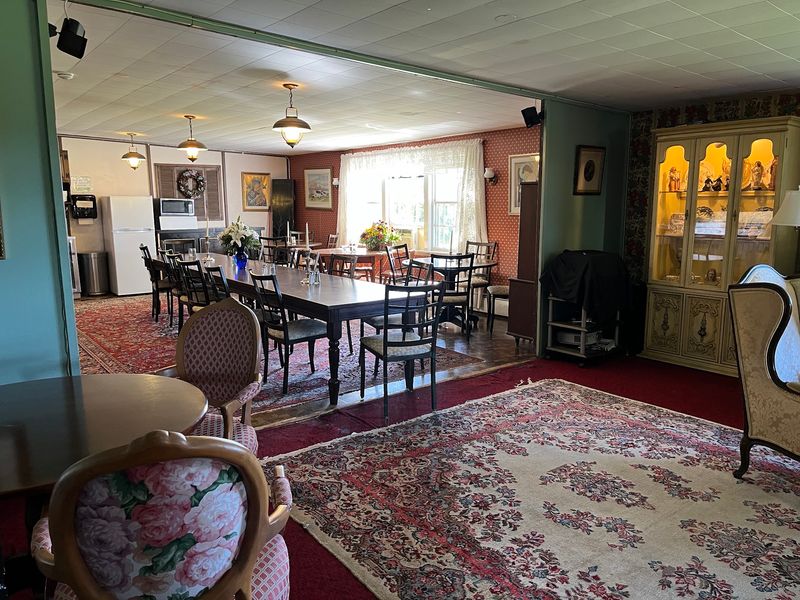
Hospitality is a long-standing tradition at the abbey. Saint Benedict himself told monks to welcome guests warmly.
The community still follows that advice today.
The Guest House is open year-round. Individuals, families, and groups can all schedule a retreat.
That flexibility makes it easy to plan around school breaks or a free weekend.
One detail I really like is the freedom. The abbey doesn’t offer directed retreats with a packed program.
Guests join the monastic schedule as much or as little as they want.
So you might attend every prayer from Vigils to Compline. Or you might catch Mass, take a walk, and read quietly.
Either way, the choice belongs to you.
Families will appreciate that kids are welcome too. A retreat can be a calm reset for everyone, especially away from screens.
Grand Silence at night may even help the whole household sleep better.
Reach out to the abbey ahead of time to arrange a stay. Ask about availability and what to bring.
A little planning makes the experience smoother and more restful.
Dads And Teens Get Their Own Special Weekend
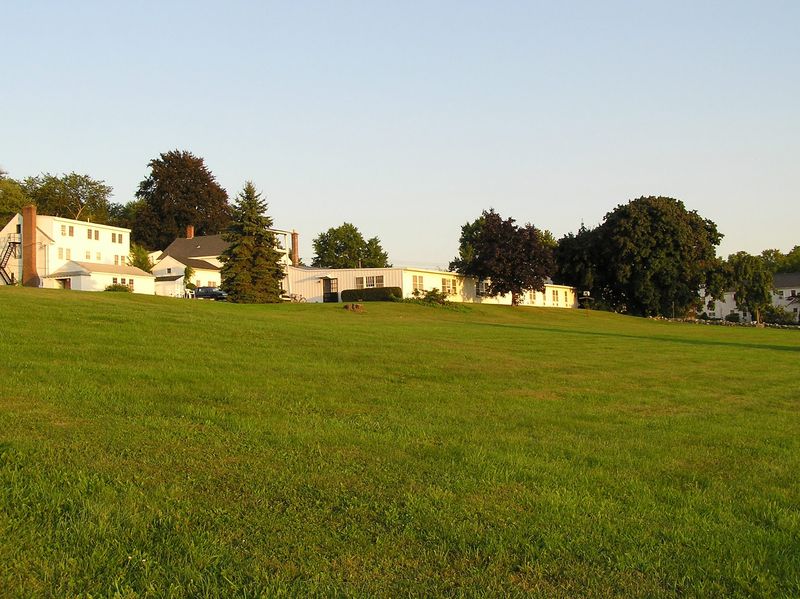
Getting a teenager to unplug for a weekend sounds tricky. The abbey offers a clever answer with its Father-Son Weekend retreats.
They’re designed for boys ages 14 to 18 and their fathers or guardians.
That age range matters. Teens are figuring out who they are and what they believe.
Time together in a calm setting can open up conversations that rarely happen at home.
The monastery calls itself outward-looking rather than cloistered. Monks are keen to connect with visitors and the wider community.
That makes events like this feel welcoming instead of stiff.
Picture fewer group chats and more real talk. The rhythm of prayer, quiet, and work gives structure without pressure.
It might be the first weekend in months where nobody asks about the Wi-Fi password.
If this sounds right for your family, contact the abbey about upcoming dates. Spots and timing can vary from year to year.
Planning early is always smart.
Guardians count too, so uncles, grandfathers, and mentors can join. What matters is the bond.
A shared weekend like this can turn into a memory both of you keep for years.
From A Cambridge Student Center To A Full Abbey
Every abbey has an origin story, and this one starts near Harvard Square. In 1941, the St. Benedict Center opened as a Catholic student center in Cambridge, Massachusetts.
Few would have guessed it would end up as a monastery.
In 1958, the community moved from Cambridge to Still River. There, they adopted a monastic life based on the Rule of Saint Benedict.
Big change, quieter neighbors.
Growth came step by step. In 1981, the community joined the Swiss-American Benedictine Congregation, an important step in its development as a recognized Benedictine monastery.
The community became part of the Swiss-American Benedictine Congregation, a network of Benedictine monasteries.
In 1990, the monastery was elevated to the status of a conventual priory, before becoming an abbey in 1993. Then, in 1993, the priory was formally established as an autonomous Benedictine Abbey.
That’s a journey of more than fifty years from student hangout to abbey.
I love how unlikely this path feels. A college-town gathering spot became a place where monks chant ancient prayers daily.
It proves traditions can take root in surprising places.
Knowing this backstory makes a visit richer. You’re not just seeing old buildings.
You’re seeing decades of patience, faith, and persistence that shaped a community still growing today.
A Growing Community Means A New Chapel Is On The Way
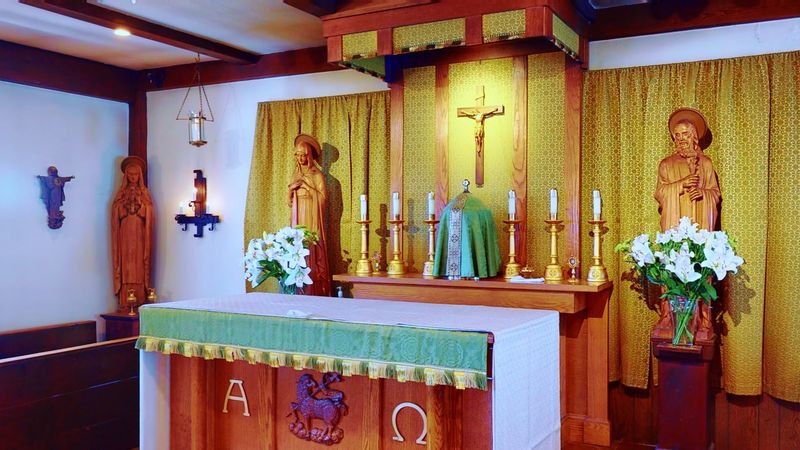
Good news travels slowly in monastery time, but it does travel. Saint Benedict Abbey is planning a new chapel.
The reason is simple: the monastic community is growing.
That growth stands out. Many religious communities face shrinking numbers these days.
A monastery needing more room for its monks is a hopeful sign.
Benedictine architecture often focuses on humility, harmony, and balance. Traditionally, the church sits at the center of monastic life and often faces east.
Cloister walkways are designed for silent reflection.
The new chapel remains in the planning stages, so details are still developing. Visitors today can follow its progress over time.
Coming back in future years could feel like watching a story unfold chapter by chapter.
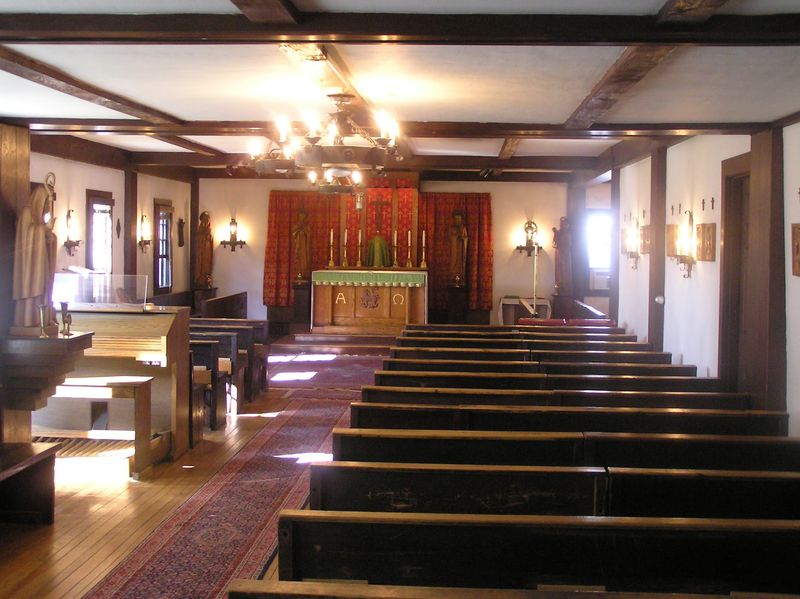
For now, the current chapel remains the heart of daily prayer. Mass and the Divine Office continue there with chant and steady devotion.
The rhythm doesn’t pause just because plans are in motion.
Supporters of the abbey often keep an eye on projects like this. If you feel connected after a visit, ask the monks how you can stay updated.
Being part of something growing is pretty special.
Plan Your Trip Before The Grand Silence Begins
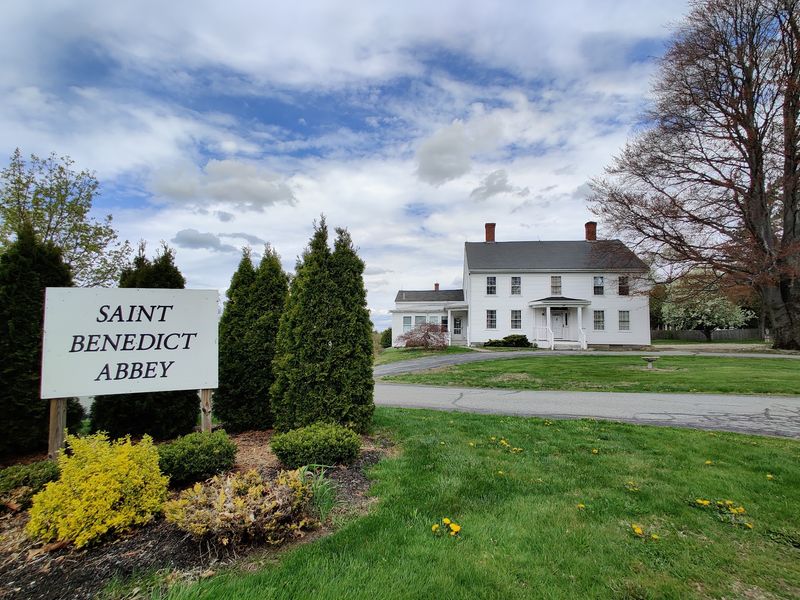
Finding the abbey is easier than finding parking in Boston. Head to 252 Still River Road, Harvard, MA 01451.
It sits in the village of Still River, roughly an hour west of the city.
The grounds are open to all visitors. Visitors are welcome to attend scheduled Masses and prayers, with weekday worship beginning at 6 AM and Sunday Mass starting at 7 AM.
Check ahead before driving out, since schedules can shift.
Sunday Mass is a popular way to start. Weekday visitors can join prayer times like Sext at 12:30 PM or Vespers at 6 PM.
Quiet time in the chapel works too.
Dress comfortably but respectfully. This is a living monastery, not a museum.
Keep conversations soft and follow any signs about private areas.
The monks also host family-friendly picnics and retreats throughout the year. Those events are a great way to meet the community in a relaxed setting.
Ask about upcoming dates if that sounds fun.
Massachusetts has plenty of historic sites, but few feel this timeless. Plan your visit, slow your pace, and leave room for silence.
You might drive home a little calmer than you arrived.