
This Rhode Island Historic Town Welcomes Visitors With 1640 History And Local Pride
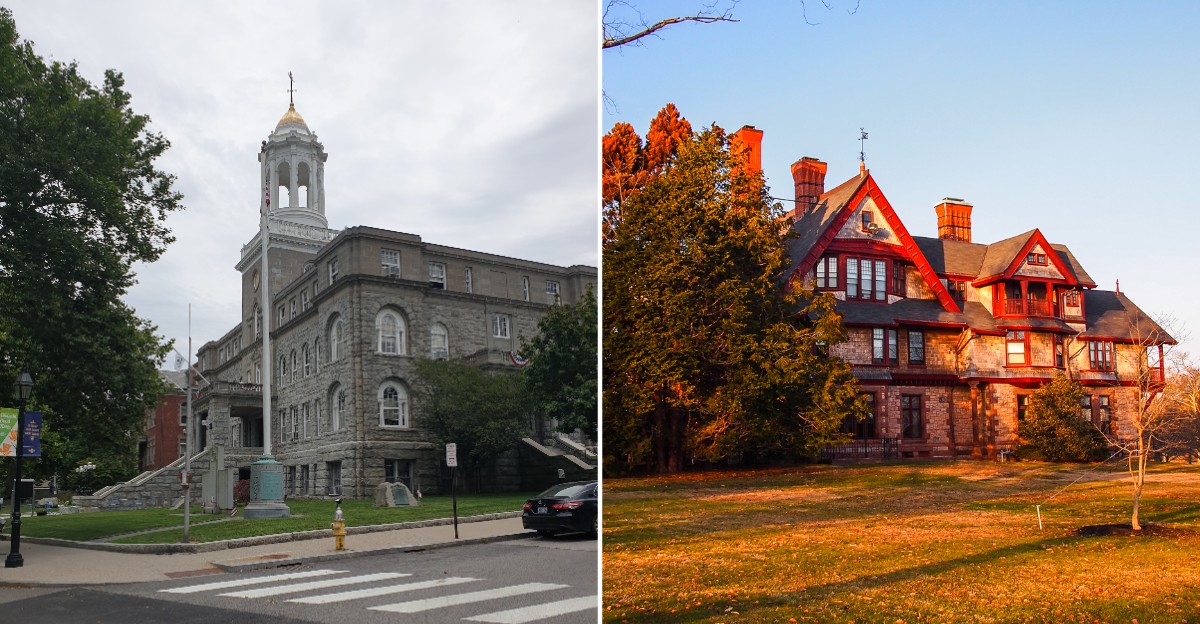
A building from 1673 still stands on a quiet street here. A few blocks away sits the oldest synagogue in the Western Hemisphere.
That’s a lot of firsts for one walkable neighborhood. The oldest house in town dates to at least 1697, and the oldest house of worship in the state followed in 1699.
The funny thing is, people still live in many of these colonial homes. Plaques on lots of buildings list the year built and the original owner.
So a casual stroll turns into a history lesson you didn’t sign up for.
This corner of Rhode Island also wrote freedom of conscience into its town rules back in 1640 and 1641. I’ve come to realize that idea still shapes how the place welcomes people today.
It just feels right to start with old streets, old stories, and a lot of pride. So which landmark would you hunt down first?
A Neighborhood Where The 1700s Never Really Packed Up
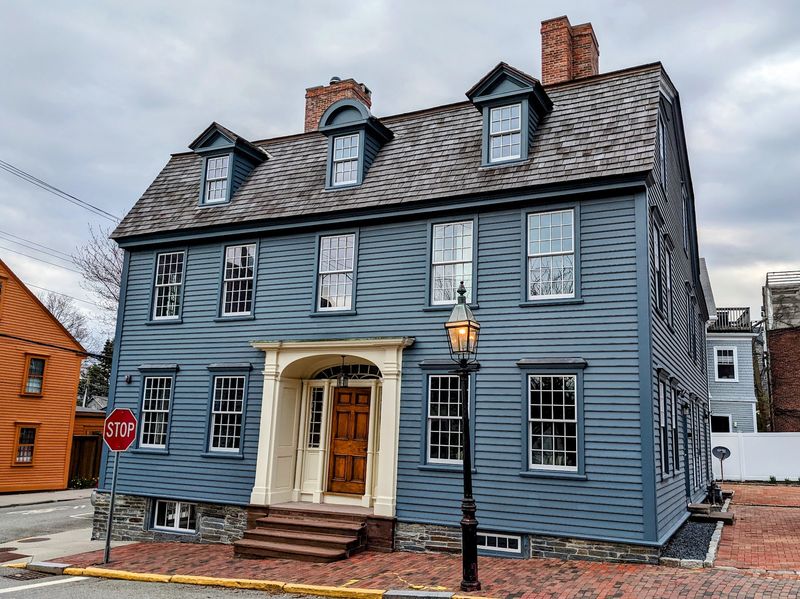
Few places in America can match the colonial collection found in the Newport Historic District. Experts have called it a group of buildings with no comparable collection in the state, or perhaps the nation.
The district covers about 250 acres in the heart of Newport, Rhode Island. Its edges stretch roughly from Van Zandt Avenue in the north to Narragansett Bay along Washington Street.
Most of the standout buildings come from the early and middle 1700s. Back then, Newport was one of the five largest colonial port cities in North America.
That busy past left behind homes, churches, and public halls in remarkable shape. Styles range from early colonial settlement designs to Georgian, Federal, Victorian, Queen Anne, and Shingle Style.
The best part is how normal life continues around all this history. Shops, restaurants, homes, and museums share the same streets.
The area became a city historic district in 1965. It earned National Historic Landmark status in 1968, which is a pretty serious gold star.
So wear comfy shoes and slow down. Every block seems to hold a building older than most countries’ flags.
Freedom Of Belief Got Written Down Here Early
English settlers founded Newport in May 1639, mostly coming from Massachusetts. Many of them wanted the freedom to worship in their own way.
Town statutes from 1640 and 1641 put liberty of conscience and religion into the rules. That promise drew a wide mix of settlers to the young harbor town.
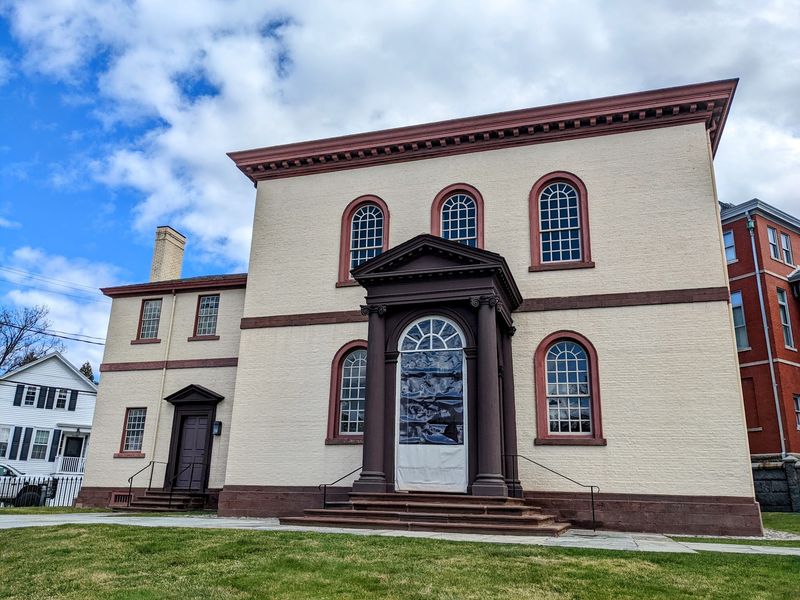
You can still see the results in stone, brick, and wood. Touro Synagogue on Touro Street was completed in 1763.
It’s the oldest synagogue in the Western Hemisphere. It stands today as a symbol of religious freedom.
Quakers built the Great Friends Meeting House on Marlborough Street in 1699. It’s the oldest house of worship in Rhode Island.
Trinity Church sits between Elm, Church, and Spring streets. This Georgian-style church is the oldest parish church in the state.
Three faiths, three historic buildings, all within easy walking range. That says a lot about the town’s roots.
Locals still treat this founding idea as a point of pride. It’s part of the city’s identity, not just a line in a textbook.
The Oldest House In Town Is Getting A Powerful New Purpose
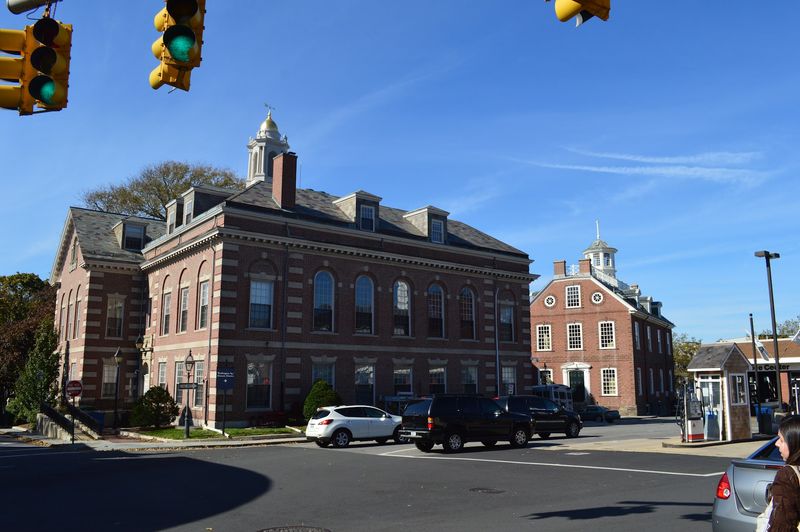
Built by at least 1697, the Wanton-Lyman-Hazard House holds the title of Newport’s oldest house. It’s also a National Historic Landmark in its own right.
You’ll find it at 17 Broadway, along one of the district’s main streets. The Newport Historic District listing itself points to 43 Broadway, Newport, RI 02840, so you’re right in the neighborhood.
Broadway is easy to find. It starts at Washington Square, near the east end where the Old Colony House stands.
Now for the exciting news. The old house is being converted into a center for African American history.
That shift gives fresh meaning to a building that has watched over three centuries of change. It also widens the story that Newport tells about itself.
Fans of colonial design will enjoy seeing it from the sidewalk. Its age alone makes it worth a pause and a photo.
Broadway also offers plenty of places to eat nearby. That makes this stretch a smart starting point before you wander deeper into the district.
Rhode Island Declared Independence Before It Was Cool
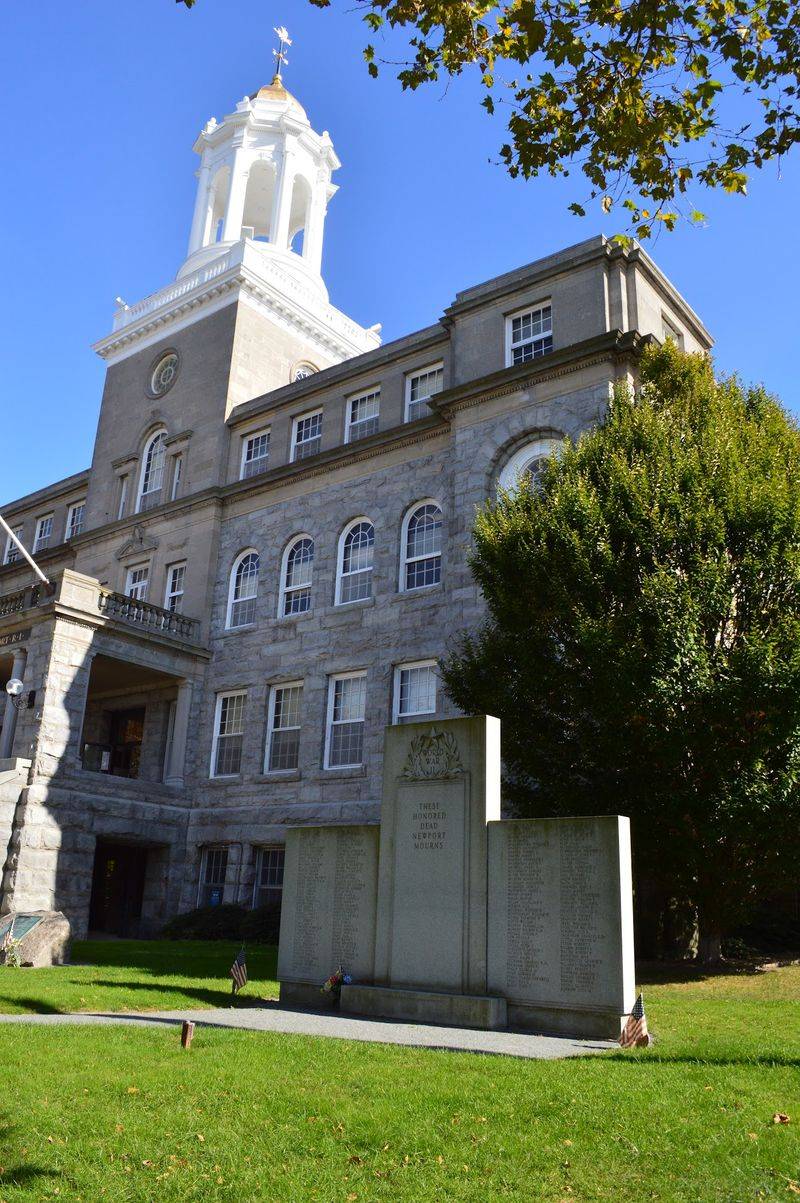
Two months before July 4, 1776, Rhode Island declared its independence. The setting for that bold move was the Old Colony House.
This National Historic Landmark rises at the east end of Washington Square. It dates to around 1739 to 1741.
For years, it served as the meeting place for colonial and state lawmakers. Big decisions happened inside those brick walls.
Washington Square itself is a dignified public space. It makes a natural spot to catch your breath and get your bearings.
The square also connects to the Brick Market on Thames Street. Built in the 1760s, it now houses the Museum of Newport History.
That museum is a handy stop if you want context before exploring. Knowing the backstory makes every old doorway more interesting.
Families can turn this area into a mini history class. Kids tend to remember a building where an entire colony said goodbye to the king.
Bonus points if you can explain why Rhode Island beat everyone else to it. Small state, big confidence.
A Building Older Than The Country Itself
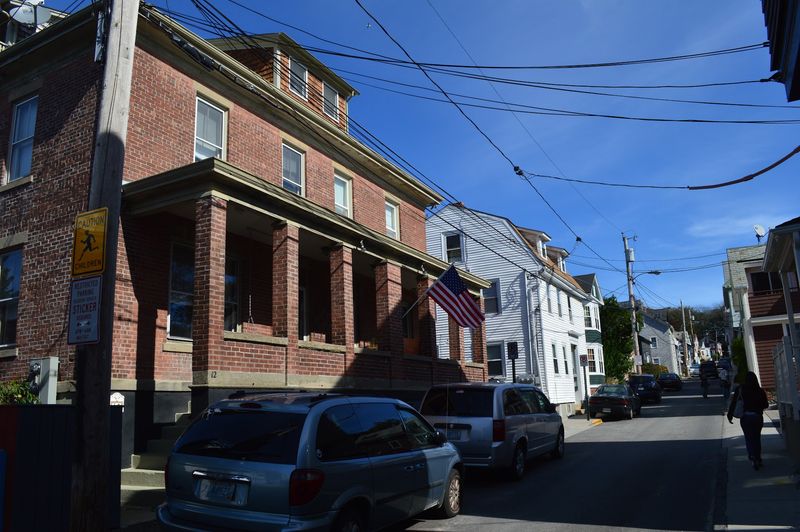
One historic building on Marlborough Street dates to 1673, making it one of the oldest colonial inns still standing in the United States.
Do the math for a second. This place was standing more than a hundred years before the Declaration of Independence.
Its deep color and old lines make it easy to spot. It’s one of the most photographed buildings in the district for good reason.
The Great Friends Meeting House sits on the same street. That gives Marlborough Street two late-1600s landmarks within a short stroll.
Few streets anywhere can make that claim. You could cover both before your coffee even cools.
Visiting here feels like reading the opening chapter of Newport’s story. Settlers, traders, and travelers all passed through this area in the colony’s early years.
Bring your camera and your curiosity. Then keep walking, because the district has plenty more surprises ahead.
The Point Packs Colonial Charm Into Every Block
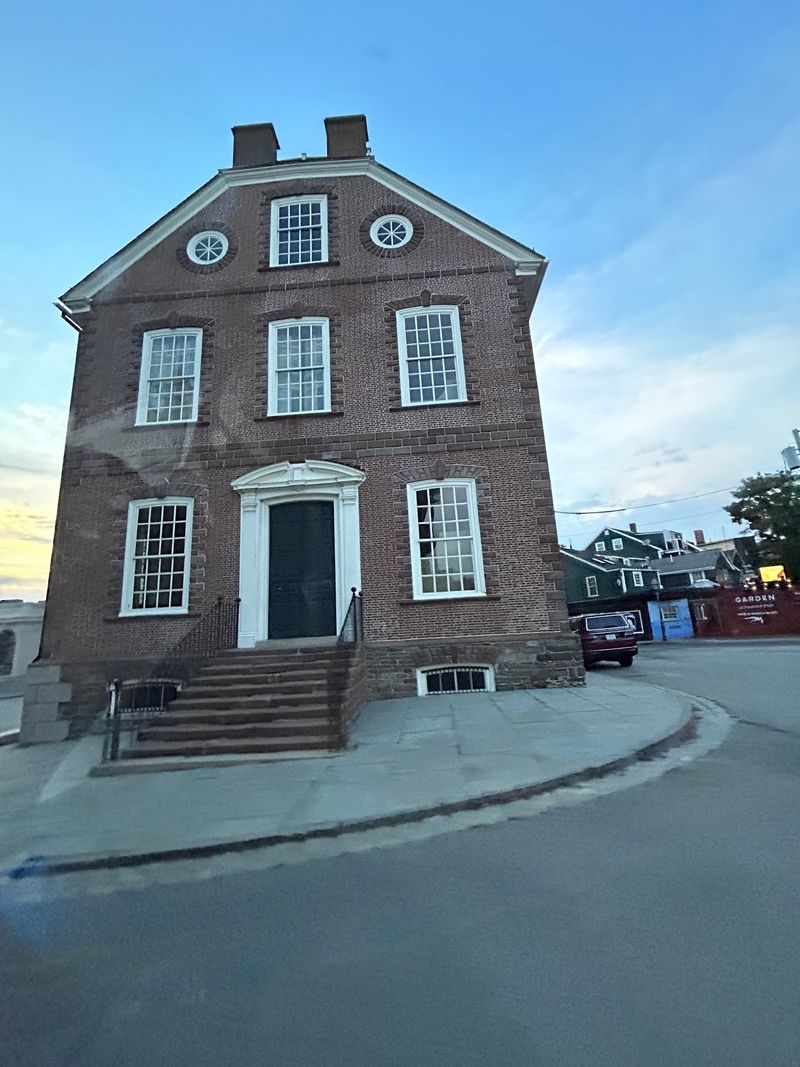
Colonial house lovers, this is your neighborhood. The Point is known for its concentrated collection of colonial homes.
It sits near the water along Washington Street, beside Narragansett Bay. That bayside setting adds a breezy backdrop to all the old architecture.
Hunter House is a highlight here. This Georgian-style home dates to 1748.
It was the very first property acquired by the Preservation Society of Newport County. That purchase helped kick off a much bigger preservation story.
Many houses here are private homes where people still live. So enjoy the view from the sidewalk and give residents their space.
Look for plaques on many buildings. They often list the year built and the original owner.
Reading them becomes a fun little scavenger hunt. Who knew a stroll could feel this much like detective work?
Autumn and spring bring extra color to gardens and trees. Either season makes the walk even more pleasant.
Meet The People Who Keep These Old Houses Standing
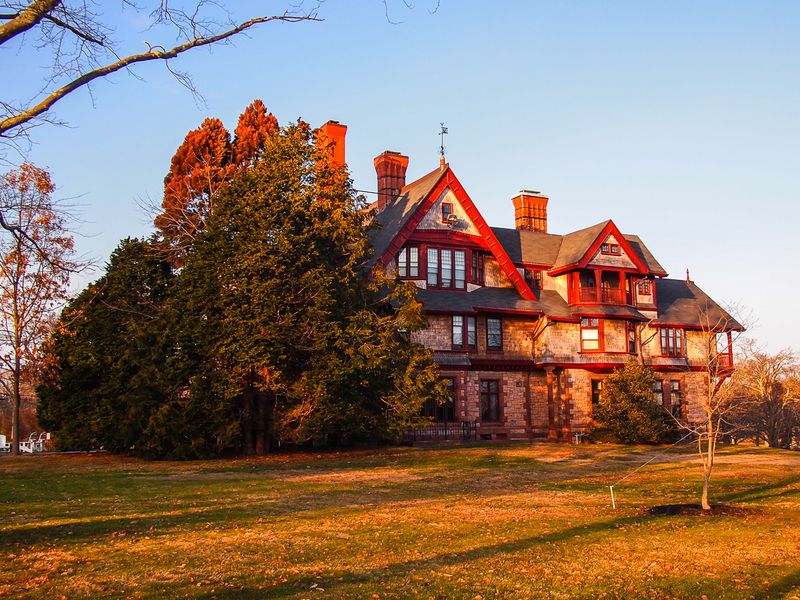
Old buildings don’t stay this lovely by accident. Newport is a national leader in historic preservation, and several groups make it happen.
The Newport Historical Society was chartered in 1854. It played a key role in creating the historic district in 1965.
The society also hosts living history events each year. Those programs bring colonial stories to life right on the streets.
Doris Duke founded the Newport Restoration Foundation in 1968. It has restored more than 83 colonial homes.
Many of those homes are part of a tenant-steward program. Residents live in them and help care for them.
The Preservation Society of Newport County started in 1945. It protects 11 historic properties, including the famous Newport Mansions just outside the colonial core.
The city’s Historic District Commission reviews exterior changes to properties too. That keeps the neighborhood’s character intact.
Every fresh coat of paint has a team behind it. Rhode Island takes its history seriously, and it shows.
Rainbow Crosswalks Show Pride Comes In Many Colors
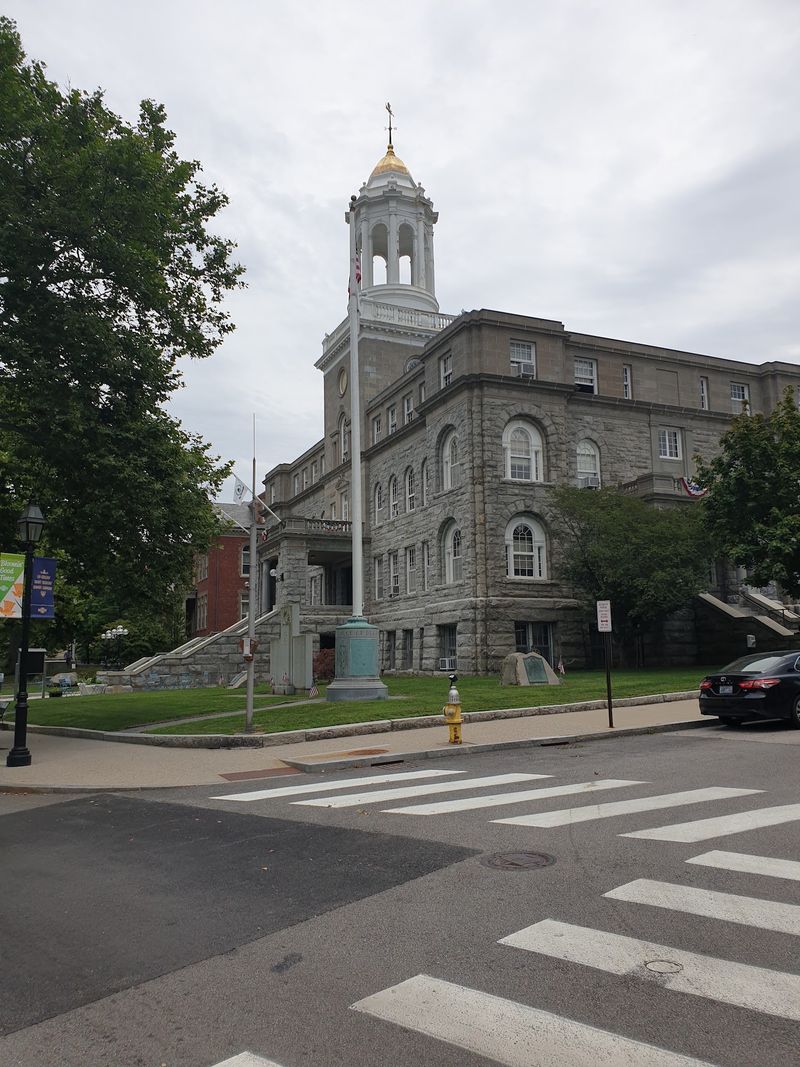
Rhode Island got its first rainbow crosswalks right here in Newport. They sit near Equality Park.
Newport Pride, a local nonprofit, and NewportOUT helped make them happen. Both groups work to make the city an inclusive destination.
They also organize an annual Pride Festival and Parade. The events add bright color to streets usually known for colonial clapboards.
It fits the town’s story surprisingly well. A place founded on freedom of conscience still values welcoming different people.
Local pride here means more than one thing. It covers old houses, old ideals, and a community that keeps showing up.
Check event dates before you plan a trip around the festival. Schedules can change from year to year.
Even without a parade, the crosswalks make a cheerful photo stop. They’re a reminder that history keeps moving forward.
Honestly, painted stripes and 1700s homes make a fun pairing. Newport somehow pulls it off with style.
Save Energy For Thames Street Shops And Sweet Treats
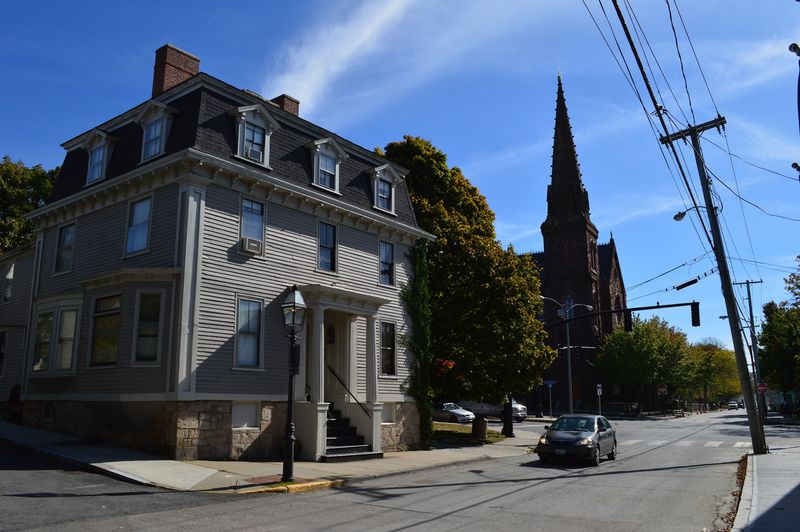
After all that history, your feet will want a reward. Thames Street delivers with shops, restaurants, and dessert stops.
It runs through the district near Washington Square and the harbor. That makes it an easy place to wander between landmarks.
Broadway offers plenty of food options too. You can grab a bite without leaving the historic streets behind.
The Newport Historic District is listed as open 24 hours. Of course, individual shops and museums keep their own hours, so check ahead.
Some stores close earlier than you might expect. Plan your shopping for daytime to avoid disappointment.
For a quieter walk, head uphill toward Spring Street and the Hill area. Streets like Clarke Street and John Street showcase more colonial homes.
Families can easily turn the day into a learning trip. Mix a museum, a landmark, and a treat for a balanced outing.
Leaving with a smile isn’t hard here. Leaving without a shopping bag might be the real challenge.