
This Little Nevada Farm Offers A Different Kind Of Adventure Beyond The Bright Lights
A young visitor once watched a farmer trim a pig’s feet and teeth, getting a firsthand glimpse of animal care. That’s not a line you expect to read about a desert town. Yet here we are.
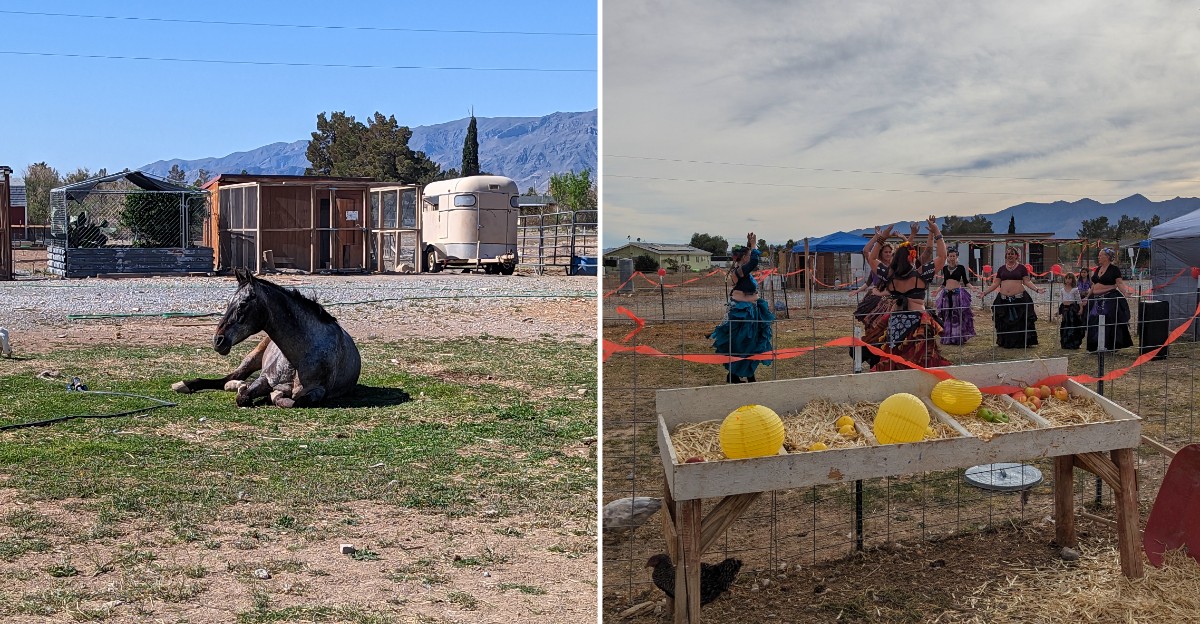
The animals on this veteran-owned farm aren’t just cute. Many belong to endangered livestock breeds that need people to keep them going. Goats, mini donkeys, horses, quail, turkeys, and chickens all share the dusty acreage.
I appreciate that the mission goes beyond the barnyard. The farm also works to protect rare plants and old-fashioned skills, all while battling Nevada wind and scarce water. That takes grit, and a lot of hay.
There’s something special about seeing people put so much care into animals that might otherwise disappear. I think a visit here could change how you look at a small farm. And who wouldn’t enjoy making a few four-legged friends along the way?
Nevada Has A Conservation Farm, And It Calls Itself The First And Finest
Bold claims deserve a closer look. Thunderbird Conservation Farm proudly bills itself as Nevada’s First and Finest Conservation Farm. That title isn’t just a catchy slogan on a sign. The farm focuses on saving endangered livestock breeds, rare plant species, and human heritage.
Human heritage might sound like a strange thing to save on a farm. It covers the old skills and know-how that people have used to raise animals and grow food for generations.
When those skills fade, they’re hard to bring back. The same goes for rare breeds of goats, pigs, and poultry that could vanish without careful keepers.
The farm is veteran-owned, which adds another layer of heart to the story. It also earned nonprofit, tax-exempt status in August 2023.
That nonprofit status tells you the focus is on community, not just selling stuff. The bigger goal is to make communities healthier by restoring diversity and encouraging good stewardship.
Stewardship is a fancy word for taking care of something that matters. Here, that means animals, plants, soil, water, and the people who will carry this work forward. Not a bad mission for one small desert farm.
Meet The Animals That Call This Farm Home
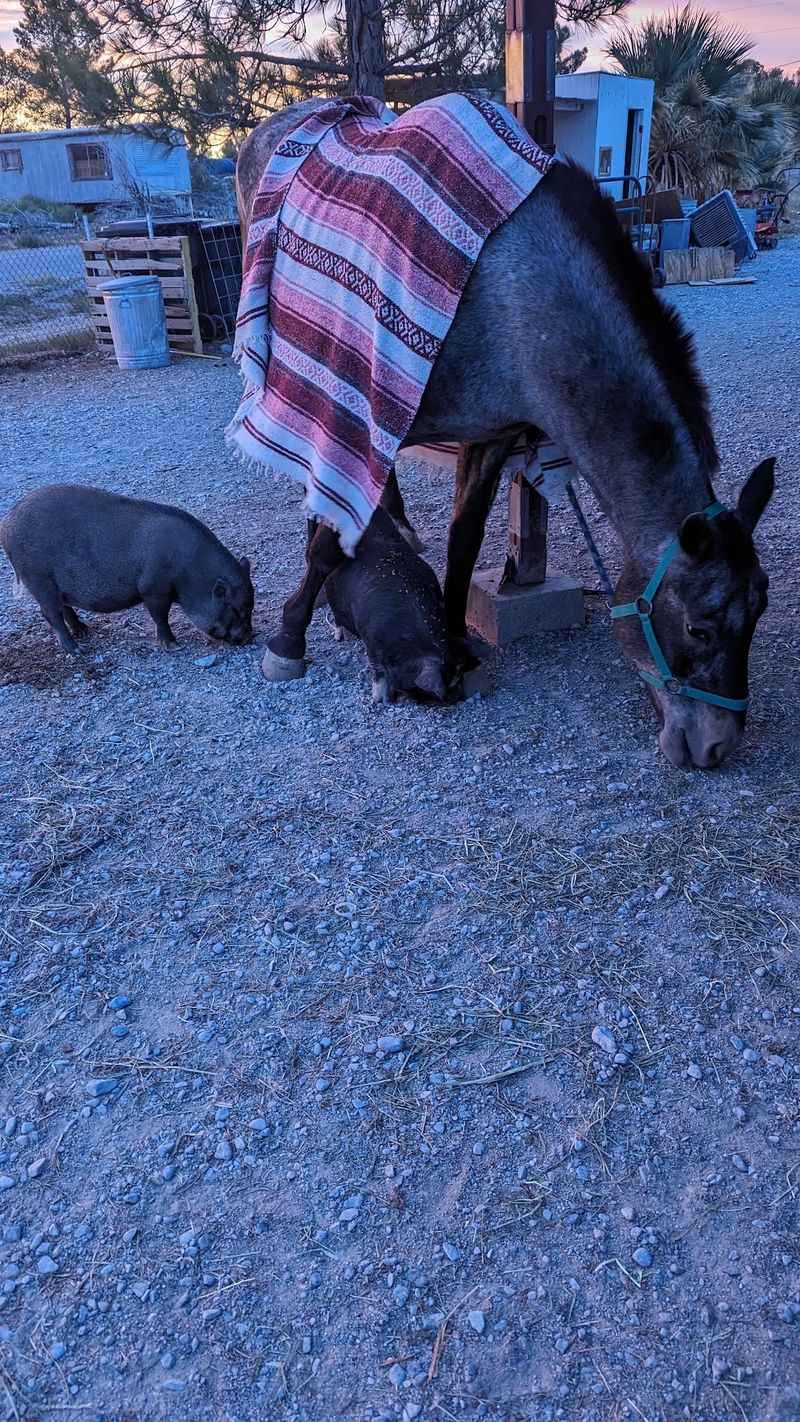
Every farm has characters, and this one has a whole cast. There’s Pepper the pig, plus horses named Waco and Ridge. They’re joined by goats, mini donkeys, chickens, quail, and turkeys. That’s a pretty lively neighborhood for a quiet street in the desert.
The farm’s blog shares the daily care and unique personalities of these animals. Reading it feels a bit like catching up on a reality show starring hooves and feathers. Mini donkeys alone are worth the trip for some folks. They’re small, sturdy, and famously full of opinions.
Many of the animals here come from breeds that need protection. Keeping them healthy and breeding them carefully helps these lines survive for future farmers.
So when you meet a goat at Thunderbird Conservation Farm, you’re meeting a little piece of living history. That’s a fun thing to tell kids before they reach the fence.
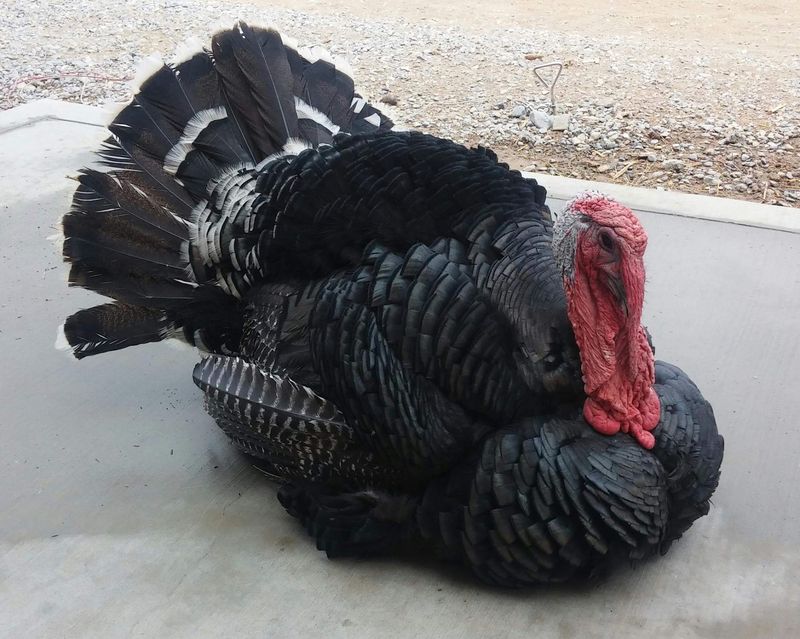
Give them a name or two to look for ahead of time. Seeing the farm’s animals up close could become the highlight of the day. Just don’t be surprised if the turkeys try to steal the spotlight. Turkeys rarely accept a supporting role.
Chickens Have Feelings Too, And Somebody Here Studies Them
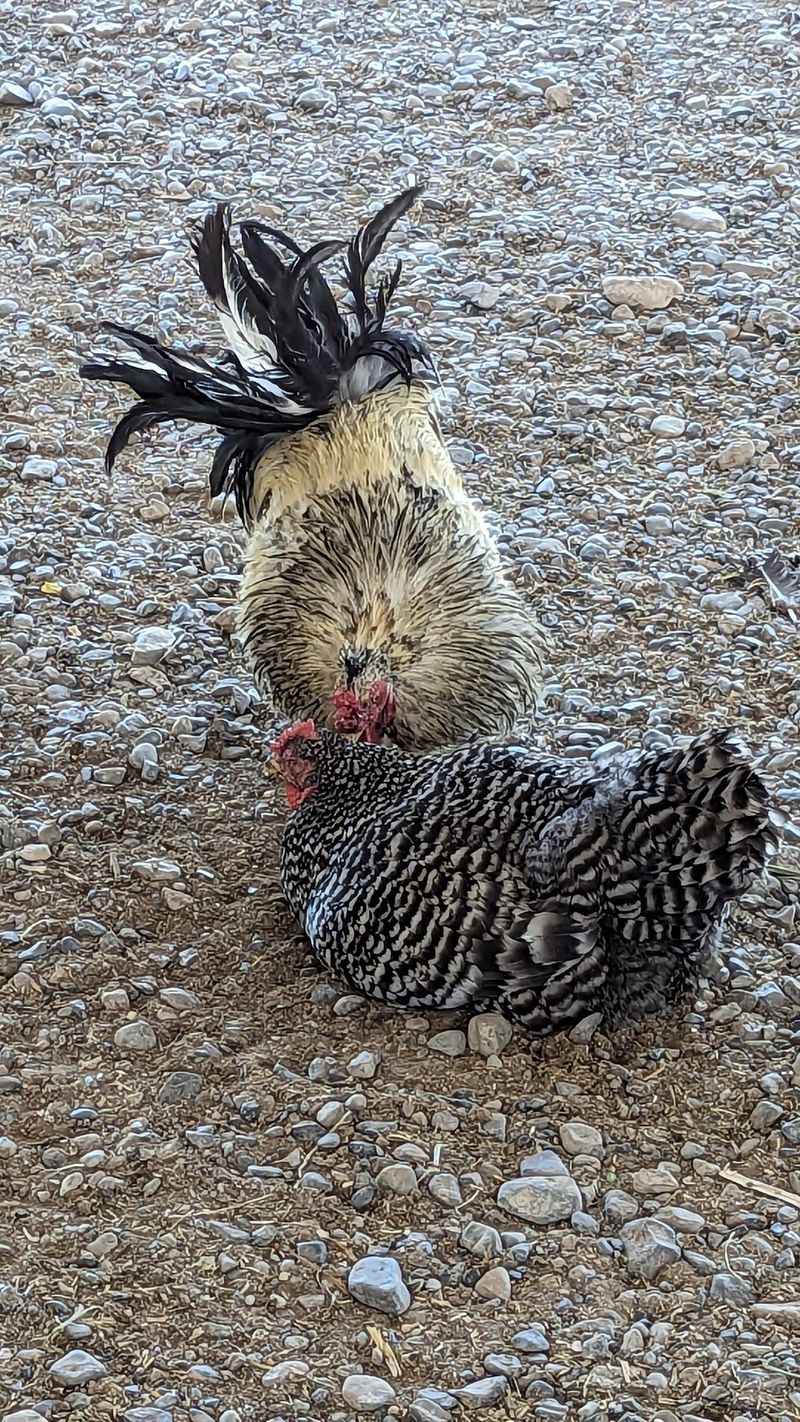
Poultry psychology is a real interest on this farm. Yes, someone here thinks carefully about what’s going on inside a chicken’s head. That might sound funny at first. But anyone who has watched a flock knows birds have pecking orders, moods, and strong opinions about snacks.
The farm keeps chickens, quail, and turkeys, so there’s plenty of feathered behavior to observe. Each type of bird acts a little differently. Quail tend to be small and quick. Turkeys, on the other hand, carry themselves like they own the place.
Understanding how birds think helps keepers raise healthier, calmer flocks. Happy hens often mean better eggs, and the farm does sell eggs.
For kids, this is a sneaky science lesson. They learn to watch closely, ask questions, and notice patterns in how animals behave. That kind of curiosity grows into a lifelong habit. It might even spark a future vet or biologist.
Next time a chicken gives you the side-eye, remember there may be a reason. Somebody at this Nevada farm could probably explain it.
Kids Get The Nitty Gritty Version Of Farm Life
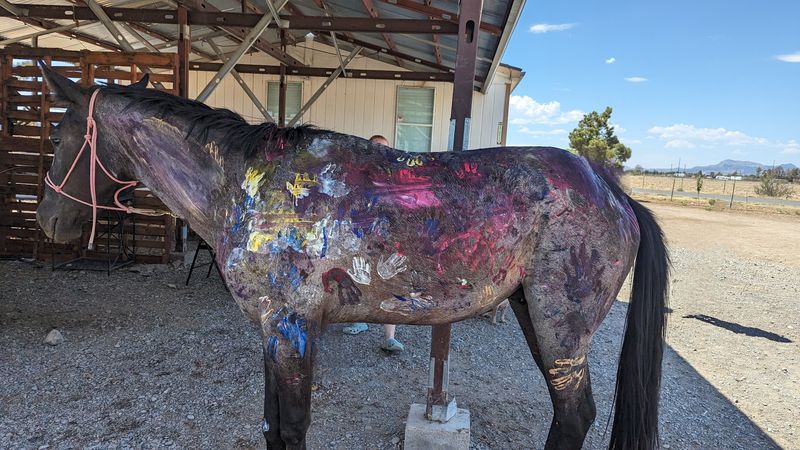
Forget the picture-book version of farming for a minute. The farm’s blog openly shares the nitty gritty details, including a young visitor watching a farmer trim a pig’s feet and teeth.
That’s hands-on learning you won’t get from a worksheet. It shows kids that caring for animals takes patience, skill, and a strong stomach sometimes.
Education sits at the center of what Thunderbird Conservation Farm does. The farm offers education programs and outreach aimed at families and the local community.
A big part of that teaching involves conservation. Kids learn why rare breeds matter and how desert resources like water need careful use. Homeschooling families may find this especially useful. Real animals and real chores make lessons stick better than any textbook chapter.
Programs and events change, so it helps to reach out to the farm before planning a visit. That way you’ll know what’s on the schedule.
Bring curious kids and expect plenty of questions. Bring a good attitude about dirt, too. Farm lessons rarely stay clean, and honestly, that’s half the fun.
Squash, Tomatoes, And Pumpkins Grow In The Desert Here
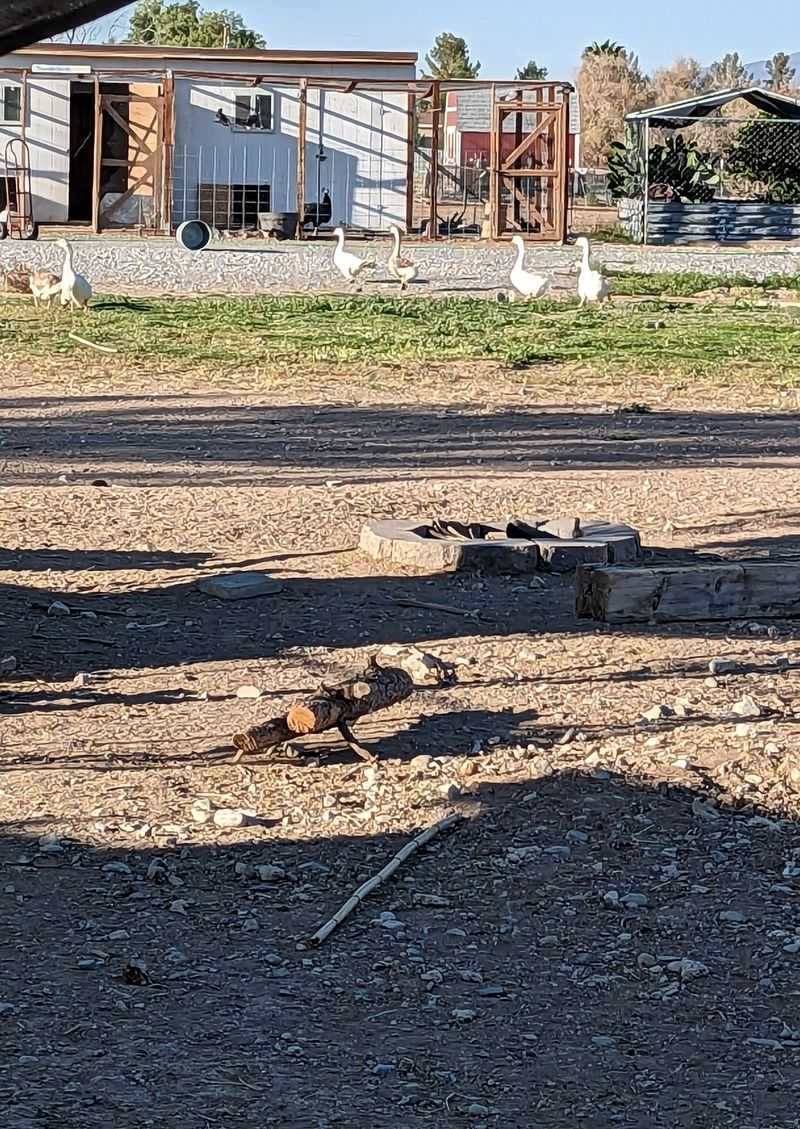
Growing vegetables in the Mojave sounds like a dare. This farm takes it on anyway, producing pumpkins, radishes, summer squash, winter squash, and tomatoes.
Herbs and eggs round out the list of agricultural products. It’s a tidy little lineup for a place surrounded by sand and sagebrush. The farm also works to conserve endangered plant species. That means some seeds here carry stories that stretch back many seasons.
Desert gardening teaches hard lessons about water. Every drop counts, and that’s exactly the kind of knowledge the farm wants to share.
Its outreach aims to raise awareness about conserving limited desert resources. That’s a message that matters to anyone living in southern Nevada.
Picking up local produce is a great way to support the work directly. Fresh eggs from a farm with a mission just feel a bit more special.
Availability depends on the season, so don’t count on pumpkins in spring. Fall is usually when squash and pumpkins steal the show. Checking ahead saves you from staring sadly at an empty pumpkin patch.
The Wind Out Here Has Opinions, And The Farmers Push Through
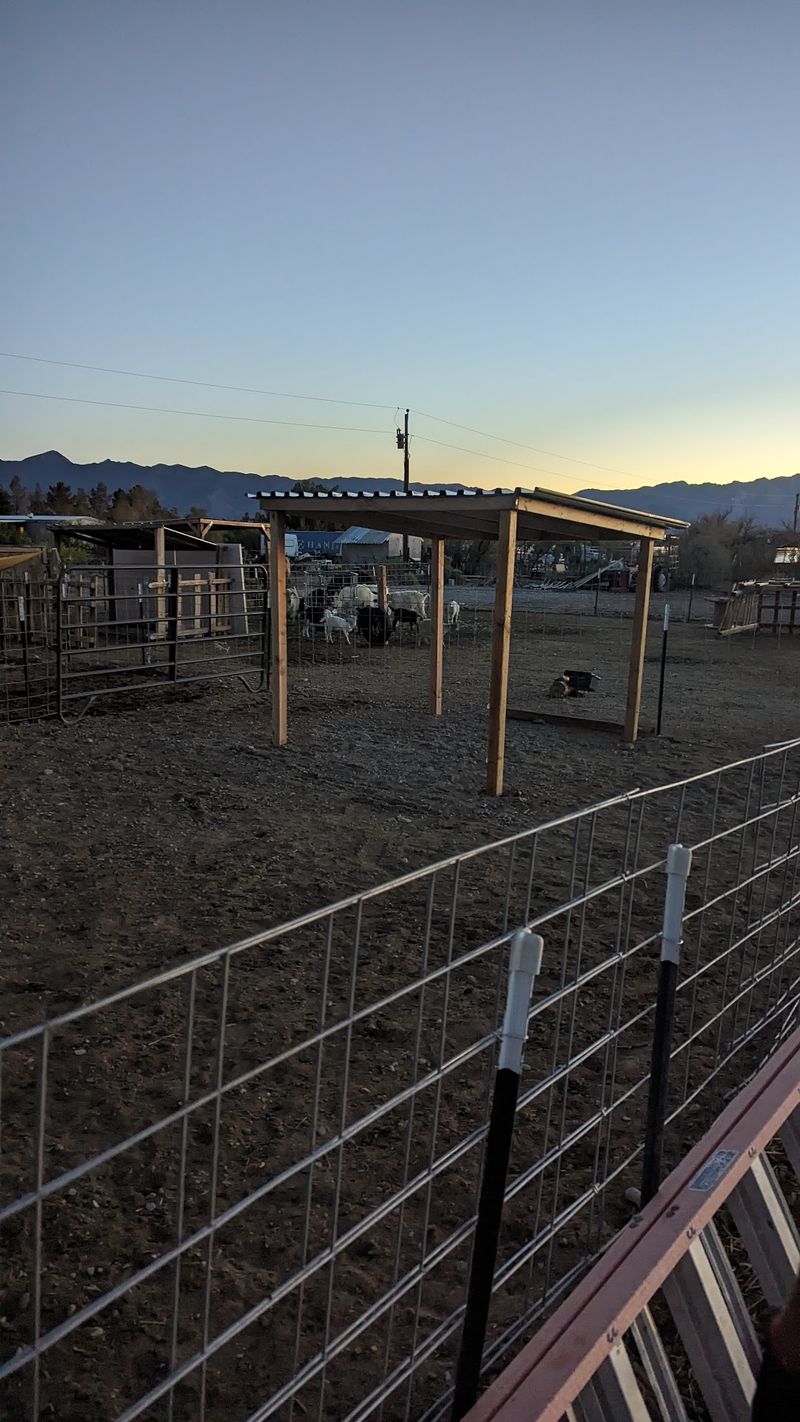
Strong desert winds are a regular villain in this farm’s story. The blog talks about these challenges with honesty and a little humor. Wind can knock over shelters, scatter feed, and stress out animals. It also dries soil faster than you can say sprinkler.
Farming in Nevada means working with heat, dust, and scarce water every single day. Nothing about it is easy or automatic. Animal husbandry is the term for raising and caring for livestock. On this farm, it’s described as a continuous effort with no real days off.
Reading about that work gives you real respect for farmers. Those eggs and squash don’t appear by magic.
I appreciate that the farm shares the tough parts instead of only the cute photos. Kids learn that caring for living things requires commitment through good weather and bad. If you visit, dress for the desert. A hat, water, and closed-toe shoes make a big difference.
And if the breeze picks up, hold onto that hat. The wind clearly doesn’t care about your plans.
Plan Your Visit And Confirm Farm Hours
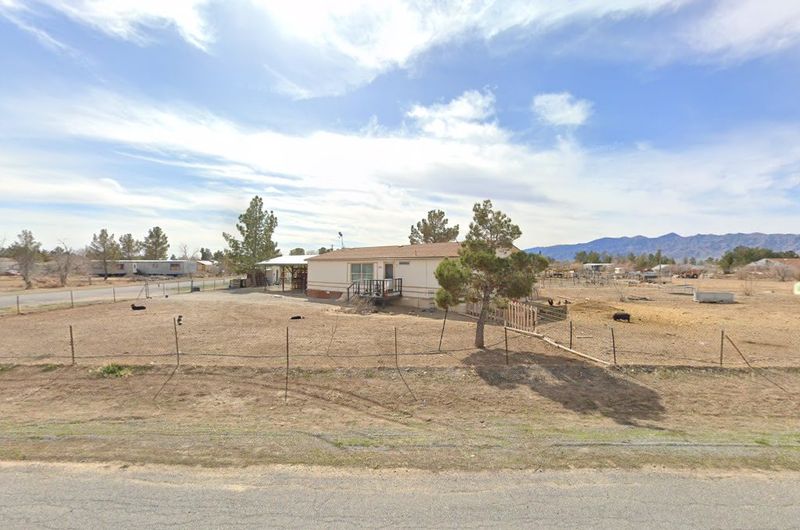
Timing matters when you head out to a working farm. Older listings show weekday and Saturday hours, but a current visiting schedule could not be independently confirmed. Contact Thunderbird Conservation Farm before making the trip to check availability and arrange your visit.
You’ll find it at 1721 Bridger St, Pahrump, NV 89048. Pahrump sits about 60 miles outside Las Vegas. That drive takes you away from the neon and into wide-open desert. The town sits west of the Spring Mountains near the California state line.
Since the farm centers much of its activity on programs and events, contact them before you go. Schedules can shift, especially with seasonal events.
A morning visit could be a smart pick for families if the farm is welcoming visitors. Animals tend to be livelier before the afternoon heat sets in.
Bring water for everyone in the car. Desert drives can feel longer than the map suggests. A quick call ahead keeps the day smooth. Then the only surprise will be how much the goats want your attention.
Family Events Turn A Farm Visit Into A Community Day
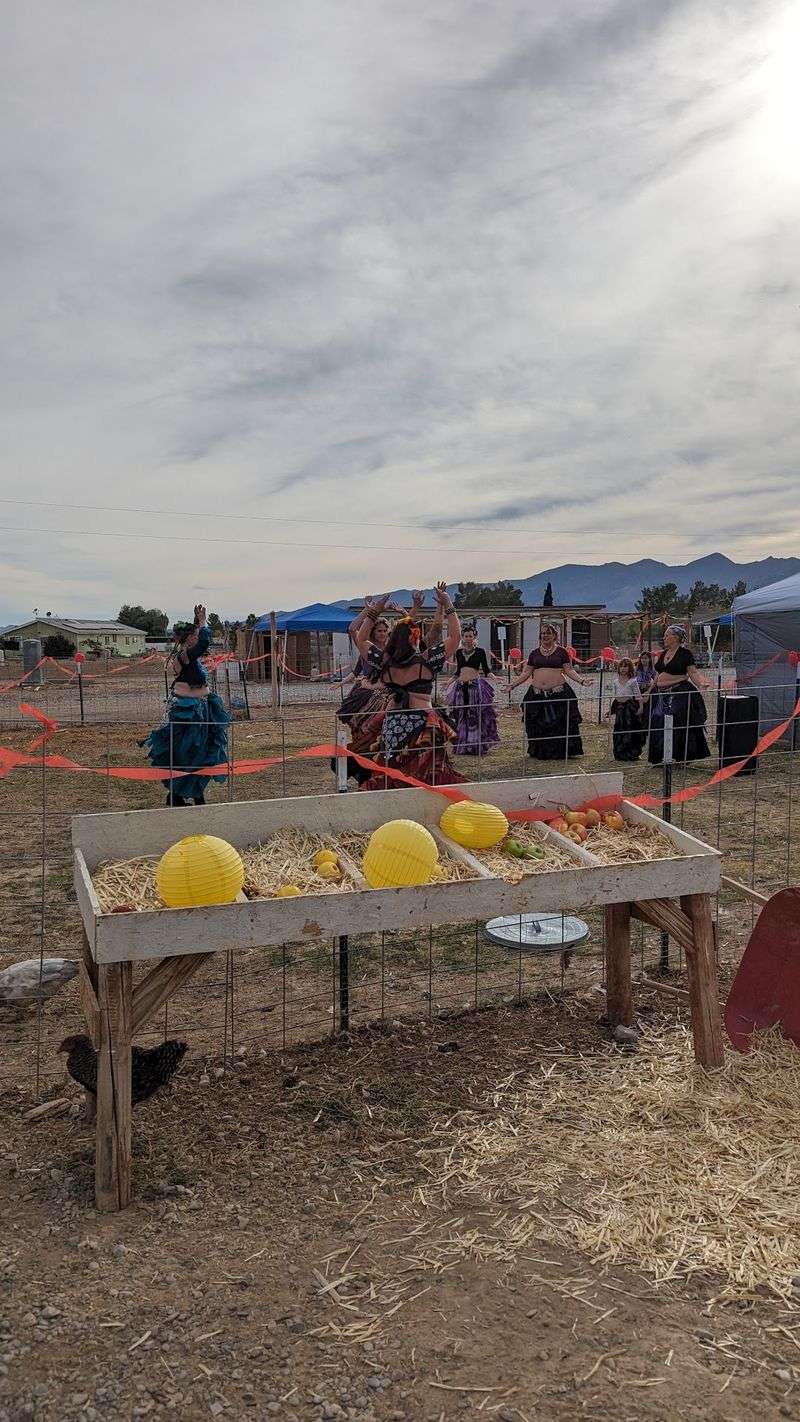
Some of the best moments on a farm happen when neighbors gather. Thunderbird Conservation Farm promotes family-friendly products, events, and education programs throughout its work.
Events bring people together around animals, food, and learning. They also help the farm spread its conservation message to more families. A meet-your-farmer style gathering is exactly the kind of thing this farm has offered. It’s a chance to ask real questions and get honest answers.
Kids especially benefit from meeting the people behind their food. It turns farming from an idea into something personal. Community outreach sits right in the farm’s mission statement. Education and awareness aren’t side projects here.
Check directly with the farm about upcoming events, since a current public event calendar could not be confirmed. Dates can change, so stay flexible.
Bring a friend or another family along. Shared farm days tend to create the best stories on the drive home. Just warn everyone ahead of time about the animal smells. Fresh air in Nevada comes with a little extra character out here.
Make It A Full Pahrump Day With Mountains And Museums Nearby
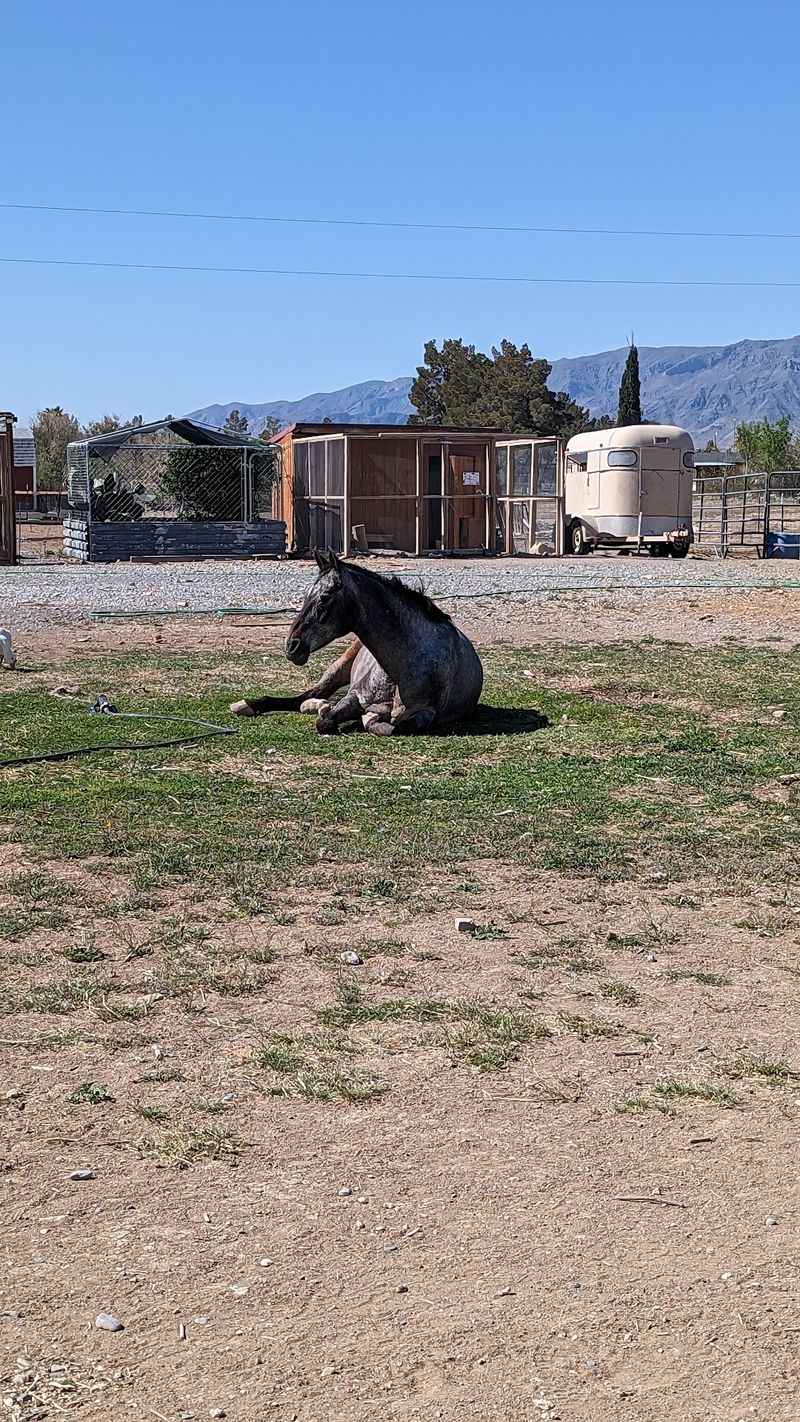
One farm visit can easily grow into a full day trip. Pahrump works as a gateway to some big outdoor adventures. The Spring Mountains rise nearby, offering scenic views and hiking. Cathedral Canyon is another local spot worth adding to your list.
Death Valley National Park is roughly an hour away. That makes it possible to pair goats in the morning with dramatic desert views later. Back in town, the Pahrump Valley Museum shares local history. It’s a nice way to learn more about the area that surrounds the farm.
Stargazing is another big draw out here. Fewer city lights mean the night sky has room to show off. Families can build a day around learning, nature, and fresh air. Thunderbird Conservation Farm fits right into that plan.
Pack snacks, sunscreen, and a camera with plenty of battery. Nevada’s open spaces fill up memory cards fast. By sunset, the bright lights of Las Vegas will feel very far away. Honestly, that might be the whole point of the trip.