
This Massive 34 Mile Car Free New York Trail Takes You Through The Heart Of The Adirondacks
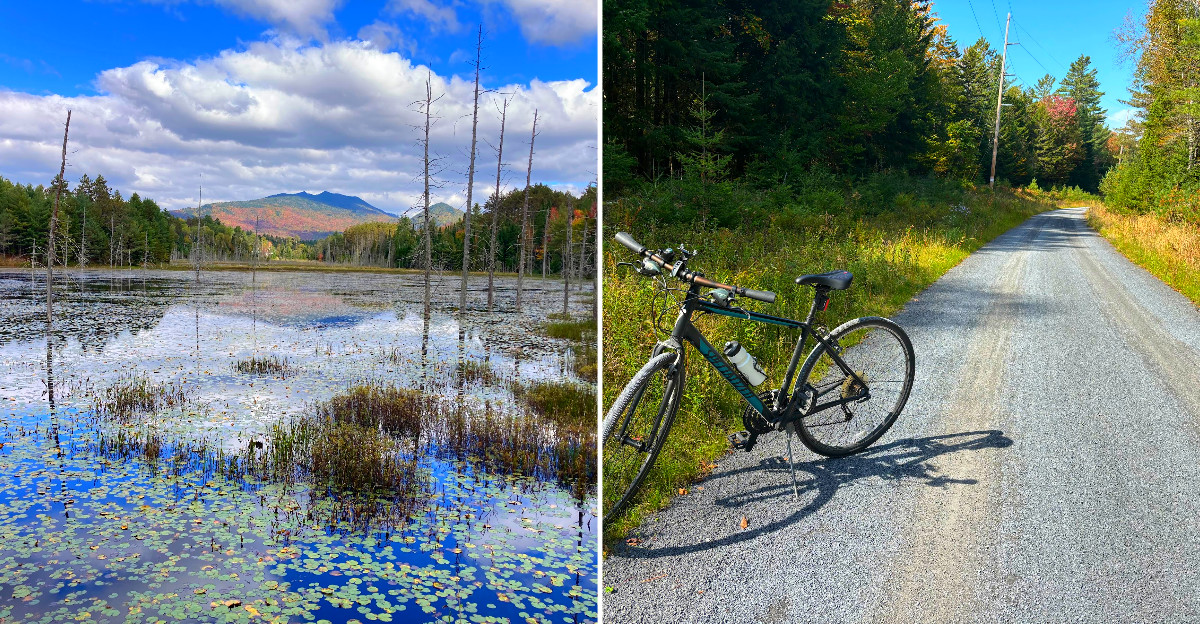
Trains once hauled coal, timber, and blocks of ice along this exact route through the mountains. Now the only engines allowed most of the year are your own two legs.
The path stretches 34 miles, and the grade rarely climbs past 2 percent. That means you can pedal past lakes, wetlands, and mountain peaks without gasping for air.
The final piece opened in October 2025, so this corridor is still brand new in its current form. It links three classic Adirondack towns in upstate New York. Herons, beavers, and bald eagles may share the scenery with you.
I’d probably plan a whole weekend around it. The real question is whether you start with the downhill stretch or save it for the ride home.
A Railroad From 1892 Finally Got A Second Life
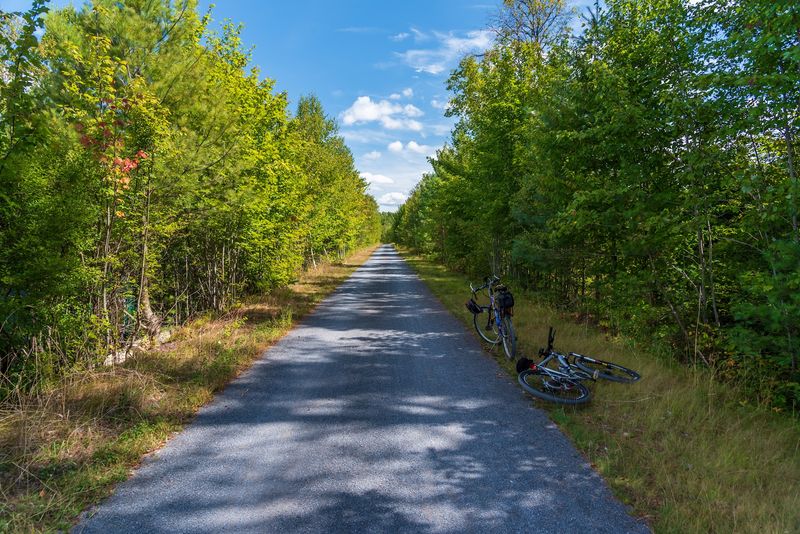
Back in 1892, William Seward Webb built a railroad straight into the Adirondack wilderness. Today that same corridor is the Adirondack Rail Trail, a 34-mile path with no cars allowed.
The old line carried passengers, coal, building materials, timber, and even ice. It helped fuel both tourism and local industry across the mountains of New York.
Passenger trains stopped running by April 1965. Freight north of Remsen ended in 1972, and the state bought the whole corridor in 1974.
Then came a long debate. People argued about the corridor’s future from 1991 until 2020, which is a very long time to argue about anything.
In the end, the section between Tupper Lake and Lake Placid became a trail. Workers pulled up the rails in 2021, and the Department of Environmental Conservation took charge in spring 2022.
Construction rolled out in three phases. The final stretch to Tupper Lake opened in October 2025, completing the whole route.
Fun twist? A separate segment from Remsen to Tupper Lake still runs tourist trains. So the railroad story didn’t end.
It just split into two very different adventures.
Your Legs Will Thank You For That Gentle Railroad Grade
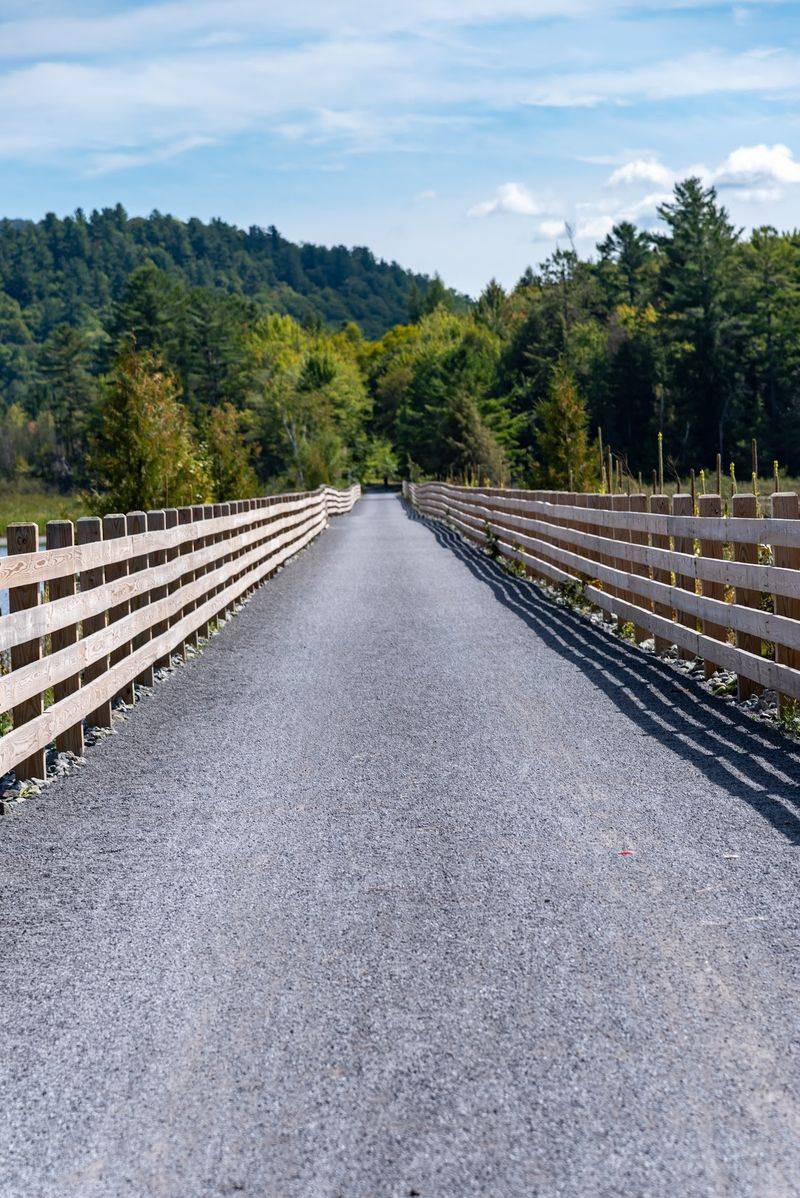
Trains hate hills, and that’s great news for anyone on a bike. Railroad builders kept the slope low, so most of this trail sits at 2 percent or less.
The steepest spot only hits 5 percent. Even the biggest descent, from Lake Placid toward Saranac Lake, runs about 2.75 miles at mostly 1 to 2 percent.
That stretch includes two short sections at 3 percent. Coasting it feels easy, but riding back up will remind you it exists.
About 32 miles use firmly packed stone dust. It works well for hybrid, gravel, and mountain bikes, and road bikes can handle it with care.
Class 1 e-bikes are allowed too. They must be pedal-assist only, with a maximum assisted speed of 20 mph.
Families with mixed fitness levels should love this setup. Nobody gets left far behind on a hill, and nobody needs to be a racer.
Planning a long day? Start early and pace yourself, since 34 miles one way adds up fast. A shorter out-and-back ride is a smart choice for a first visit.
Lakes, Ponds, And Peaks Keep Showing Up Like Bonus Prizes
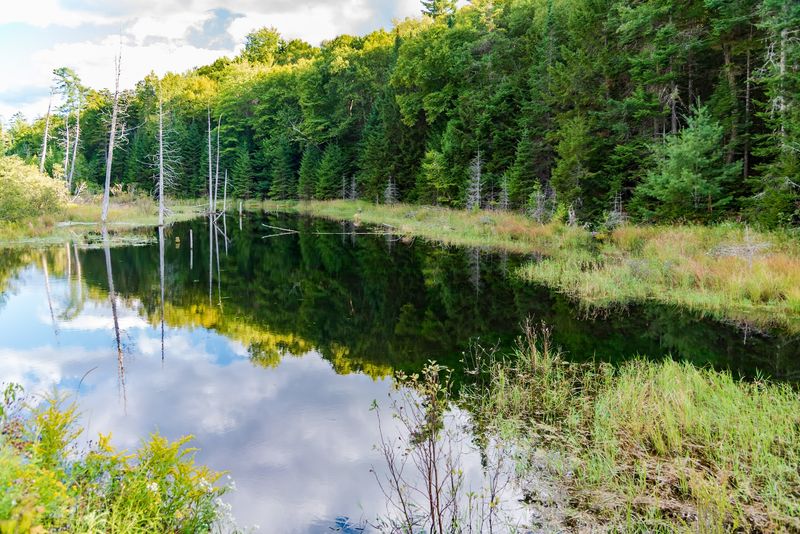
Lake Flower. Lake Colby. McCauley Pond.
Lake Clear. Little Rainbow Pond. The water keeps coming, and so do the reasons to stop.
The Adirondack Rail Trail winds through forests, wetlands, and open lakes. Ray Brook and Scarface Mountain add even more scenery near the eastern end.
Look up while you ride, but carefully. McKenzie Mountain, Baker Mountain, Seymour Mountain, and the Sentinel Range can all pop into view.
The trail also passes the St. Regis Canoe Area. That wild, watery landscape gives the western half a totally different feel than the busier town sections.
Wildlife fans, pack binoculars. Great blue herons, bald eagles, beavers, and turtles all live along the route.
Fall is a real showstopper here. Foliage season paints the forests in bright color, making every bend look like a postcard.
Birding is popular in every season. Even a short walk can turn into a slow nature hunt if you pay attention.
My advice is simple. Budget extra time for photos, because you’ll stop more than you expect.
Snow Doesn’t Shut Anything Down Here
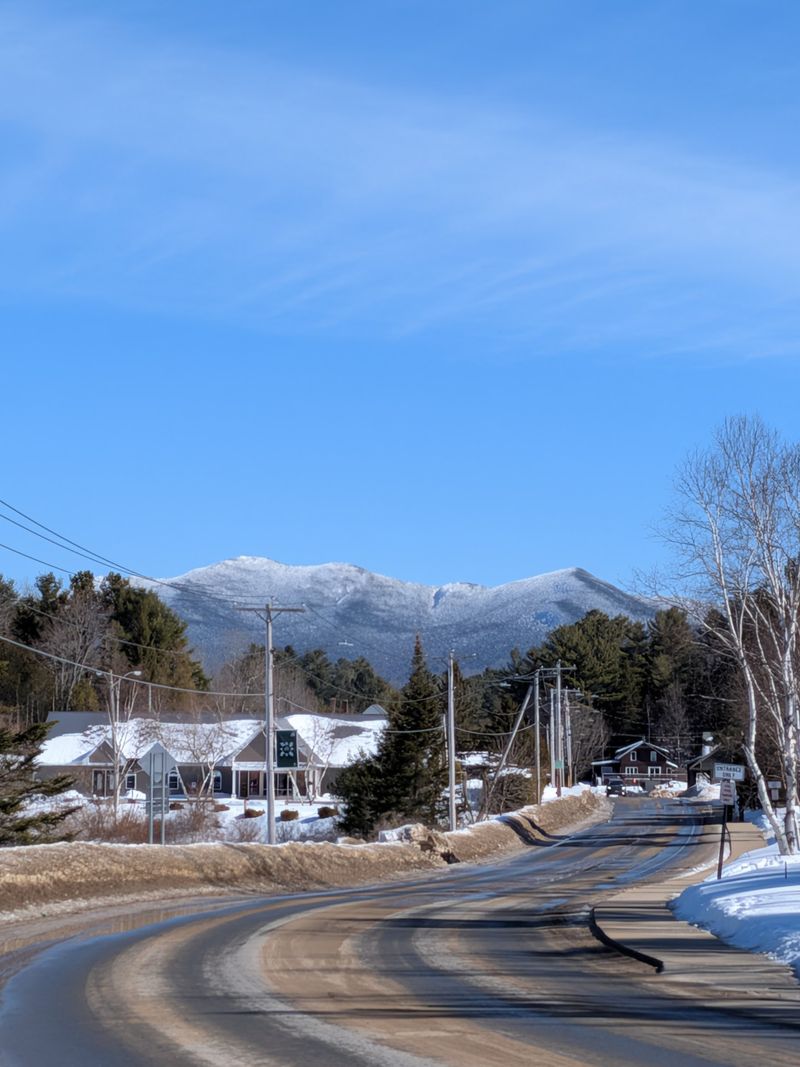
Most trails take a winter nap. This one just swaps bikes for skis and keeps going all year long.
Cross-country skiing and snowshoeing are big winter draws. Fat-tire biking works too, if pedaling through snow sounds like your kind of fun.
Snowmobiles are permitted along the full 34-mile trail during the winter season when conditions allow, sharing the route with skiers, snowshoers, and other recreational users. That’s one of the few motorized exceptions on the corridor, so expect to share space.
Skiers and snowshoers should stay alert and keep right. A little courtesy goes a long way when everyone moves at different speeds.
Spring through fall brings the classic lineup. Biking, hiking, running, and walking fill the warmer months, and fishing is possible along nearby waterways.
Each season changes the mood completely. Summer feels lively, while fresh snow makes the forest quiet and still.
Dress in layers for winter trips. Adirondack weather can shift quickly, and cell service gets spotty outside the main towns.
Telling someone your route is a smart habit. Then go enjoy one of the few New York trails that truly stays busy all four seasons.
Wheels Of Almost Every Kind Are Welcome
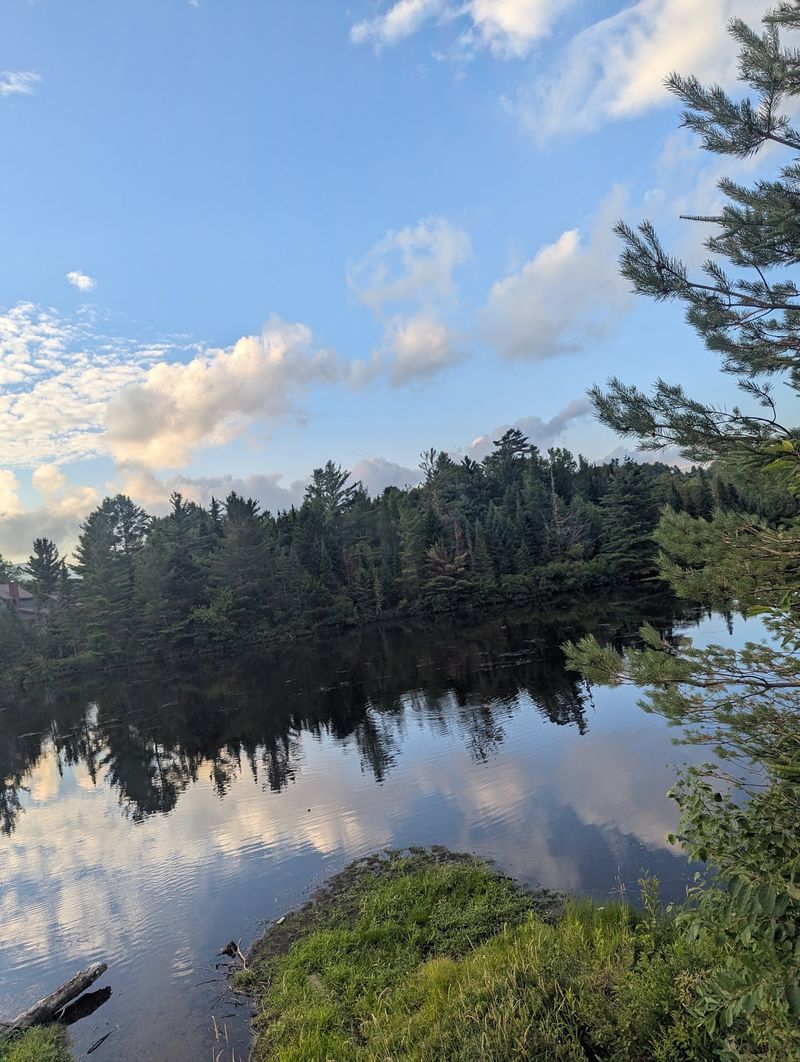
Wide, firm, and gently sloped, the Adirondack Rail Trail ranks among the most accessible outdoor trails in the region. That’s a big deal in mountain country.
Wheelchairs with outdoor tires can roll along the stone dust. Mobility scooters, adaptive bikes, and strollers can handle it too.
The primary trailheads and rest areas are ADA accessible. That makes planning much easier for anyone who needs reliable access.
Then there’s the paved part. About 2 miles through the Village of Saranac Lake are smooth pavement.
That section is ideal for wheelchairs, rollerblades, skateboards, and strollers. It’s also a fun spot for little kids still learning to balance.
Dogs can come along as well. They must stay on a leash at all times, which keeps things safe for everyone.
Grandparents, toddlers, and teenagers can all find a pace that works. That kind of shared outing doesn’t happen on steep mountain hikes.
Choose your starting point based on your group’s needs. Shorter sections near town make a relaxed first try.
Where To Park In Lake Placid Right Now
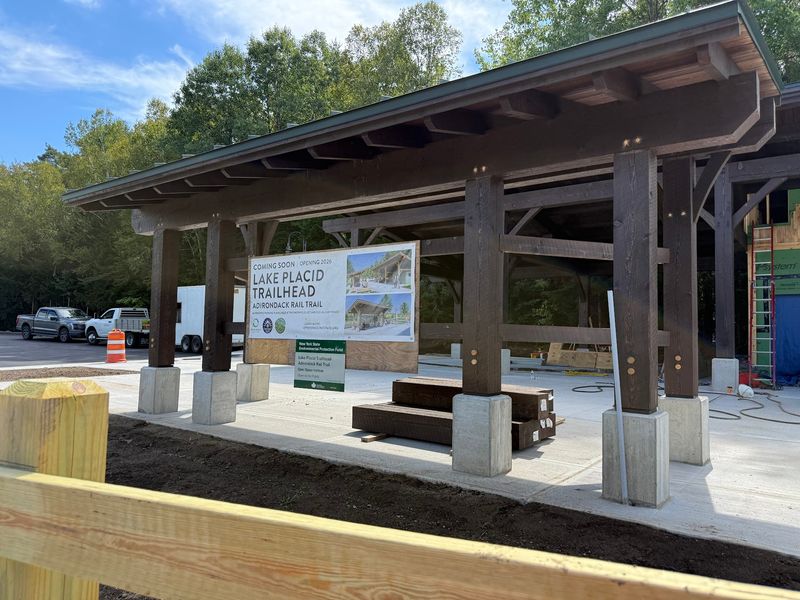
Construction season changes the Lake Placid starting point. A new permanent trailhead is being built near the former Lake Placid depot, so that site is temporarily closed for parking.
Instead, head to the Snowfields Parking Area on Old Military Road. It sits beside the Lake Placid Fire Department, and the trail access is listed at 400 Old Military Dr, Lake Placid, NY 12946.
The temporary lot itself is listed at 448 Old Military Rd. It’s east of the fire station, so watch for it as you drive.
Starting here has a nice perk. Past Old Military Road, the trail opens into a long, mostly uninterrupted run toward Saranac Lake.
Village road crossings still need care. Slow down, look both ways, and walk your bike if traffic feels busy.
Many trailheads along the route have porta-potties. That’s helpful, since the next stop could be several miles away.
Expect occasional work on signs, kiosks, and parking areas. After heavy rains, some spots may also get muddy or washed out.
A quick check of trail updates before leaving can save you a headache.
Saranac Lake Makes A Great First Pit Stop
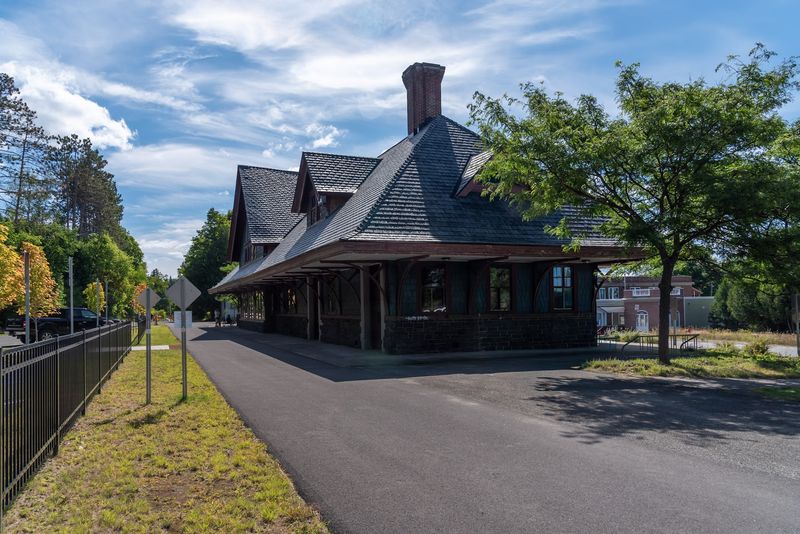
Ten miles from Lake Placid, the trail rolls right into downtown Saranac Lake. Suddenly the forest gives way to shops, restaurants, and a little village energy.
The Adirondack Carousel is a fun detour, especially with kids. Pendragon Theater and the Belvedere restaurant are nearby as well.
Hungry or tired? Origin Coffee Co. sits close to the trail, which makes a caffeine break almost too easy.
The village also offers the River Walk and the Walk of Fame. There’s even a Bug Crawl scavenger hunt for curious explorers.
Parking is available at the Union Depot lot on Depot Street. That makes Saranac Lake a smart place to start a shorter ride.
Bike trouble happens to everyone eventually. Silver Birch Cycles handles rentals and repairs, while Sled and Spoke offers e-bikes.
Keep your speed down in town. A 15 mph limit applies in Saranac Lake, and road crossings come more often here.
Honestly, this stop could fill an afternoon on its own. Lock the bike and wander a bit.
The Wild Western Stretch Feels Like Another World
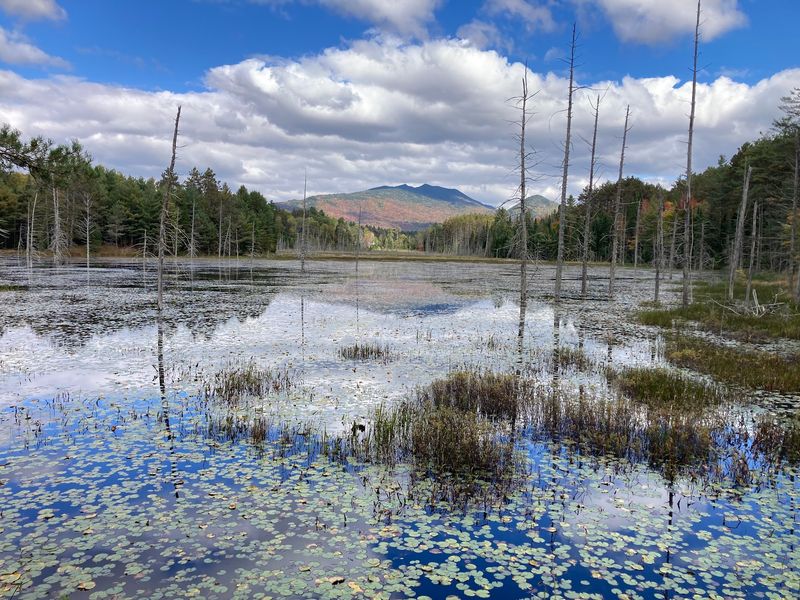
Past Lake Clear, the crowds thin and the woods take over. The section from Tupper Lake to Floodwood is known as one of the most natural, wild parts of the route.
Ponds and wetlands surround you here. The St. Regis Canoe Area adds a deep wilderness feel that’s hard to find on most bike paths.
Fuel matters on this end. Charlie’s Inn in Lake Clear offers a convenient food stop, while the Floodwood Outpost sells snacks and supplies seasonally, generally from mid-May through mid-October.
Tupper Lake marks the western end of the trail. From there, the Junction Pass and Crossroads Trail connects riders with downtown Tupper Lake, where local sidewalks and bike-friendly streets provide access to The Wild Center.
Parking options include McMaster’s Crossing, Station Road in Santa Clara, Floodwood Road, and Washington Street in Tupper Lake. That gives you plenty of ways to split the trip.
Cell service can drop out in remote spots. Download the free Adirondack Rail Trail app before you go, since it offers offline maps.
The app also shows mileage markers, parking, and amenities. Pack snacks, water, and a basic repair kit.
Out here, being prepared is half the fun.
Skip The Backtrack With A Shuttle Ride
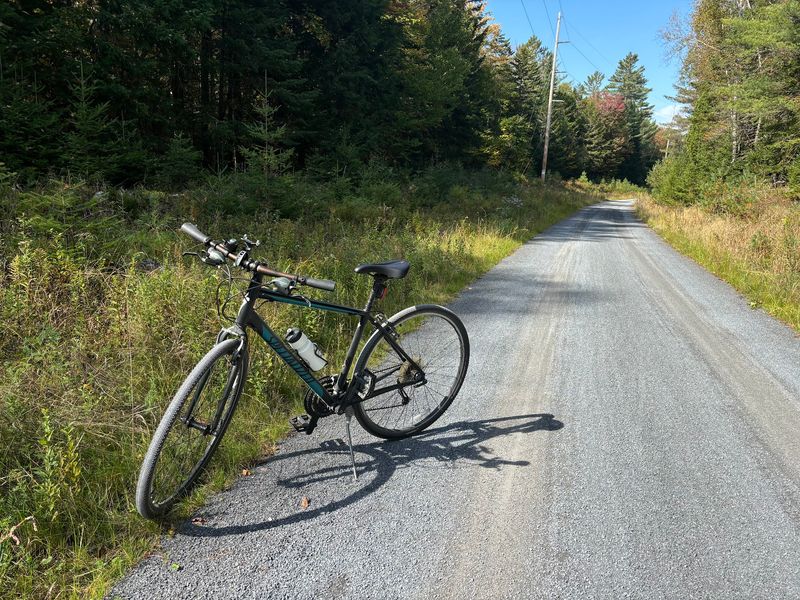
Riding 34 miles sounds heroic until you remember the 34 miles back. Good news: you don’t have to pedal both directions.
BikeADK runs year-round shuttles for people and bikes. Stops include Lake Placid, Saranac Lake, Floodwood Road, and Tupper Lake.
Reservations are recommended 72 hours ahead. Popular weekends can fill up, so book early.
High Peaks Cyclery also offers shuttle service. It’s a handy option if you’re renting a bike in Lake Placid anyway.
Need wheels? Bike Lake Placid and Placid Planet rent bikes too. That means you can arrive in New York without hauling gear across the state.
A smart plan is riding west to east. Shuttle out to Tupper Lake, then finish near the town that hosted the 1980 Winter Olympics.
Remember the trail rules along the way. Keep right, pass on the left, and call out before passing.
Organized events, including group hikes or rides involving more than 20 people and competitive races, require advance approval from the DEC through a Temporary Revocable Permit. For everyone else, just pick a direction and roll.