
11 Middle Tennessee Cities And Towns That Could Be The Perfect Place To Call Home
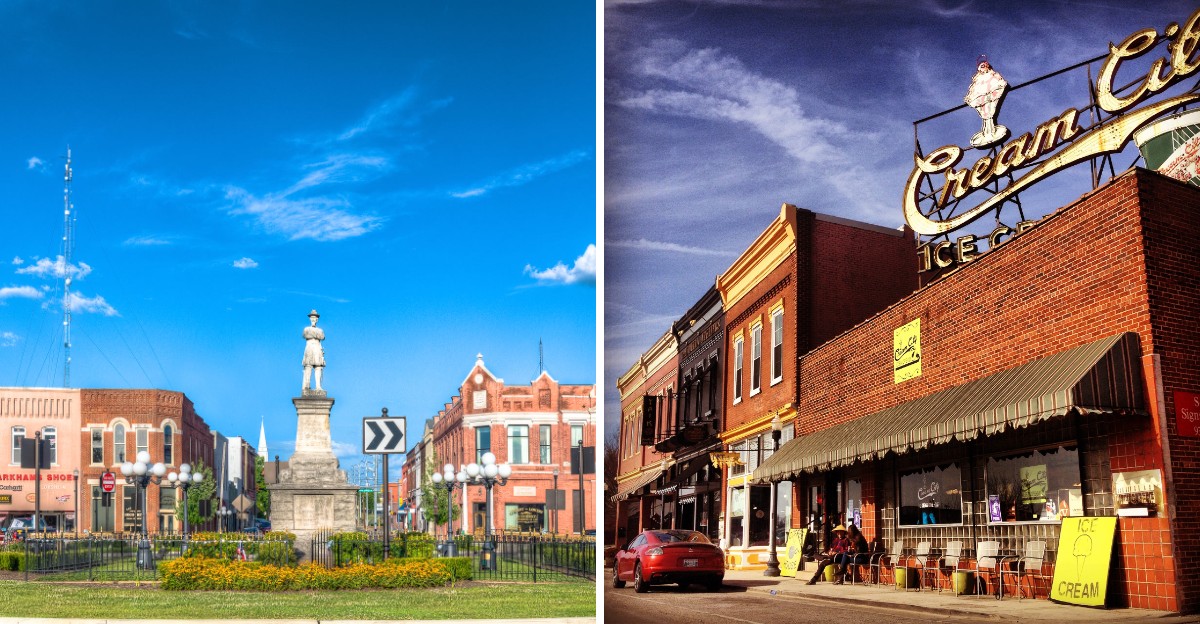
A 25-pound walleye pulled from a lake in 1960 still holds a world record. That lake sits right next to one of the towns on this list, and I find that wildly fun.
The surprises keep stacking up. One city is home to the world’s largest cedar bucket.
Another throws a festival for mules that pulls in as many as 200,000 people.
Middle Tennessee is packed with places where everyday life comes with a story attached. A few are big and busy.
Others feel like a slower Saturday that never quite ends.
So which one fits you best? I’d love to know if your future front porch is waiting somewhere in this lineup.
1. Franklin
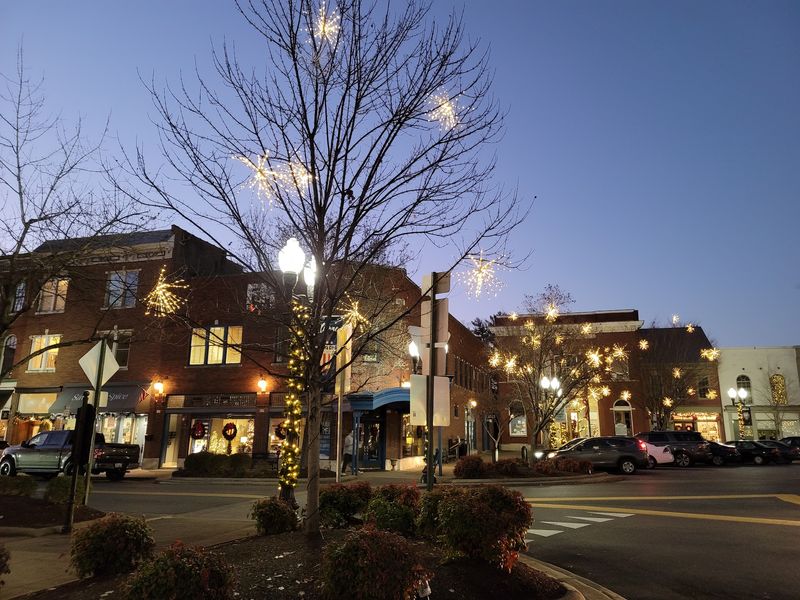
Few towns can say they were named after Benjamin Franklin in 1799 and still throw an art crawl on New Year’s Day. Franklin pulls it off with style, about 21 miles south of Nashville.
The heart of town is a 16-block Historic Downtown built around a public square. Victorian buildings from the late 1800s and early 1900s line the streets, with a few 1920s Art Deco touches mixed in.
History here runs deep, and it isn’t always gentle. The Battle of Franklin was fought on November 30, 1864, and several homes from that day still stand.
At the Carter House, the farm office and smokehouse still show thousands of bullet and shrapnel holes. Carnton, built in 1826, served as the largest Confederate field hospital during and after the battle.
Want something lighter for a Friday night? The Franklin Theatre opened as a movie palace in 1937 and now hosts films, concerts, and live theater.
The Factory at Franklin started life as a stove plant in 1929. Today it holds artisan shops, food spots, and entertainment under one big roof.
For open space, The Park at Harlinsdale Farm covers 198 acres of fields and walking paths. It has a dog park, and it was once home to the famous Tennessee Walking Horse Midnight Sun.
The calendar stays busy, too. Main Street Festival lands in April, PumpkinFest shows up in October, and Dickens of a Christmas fills December.
Buying a home here requires a substantial budget, with median sale prices hovering around $870,000 in mid-2026.
The upside is easy access to jobs around Cool Springs, although commuting into Nashville on Interstate 65 can get frustrating during rush hour.
2. Murfreesboro
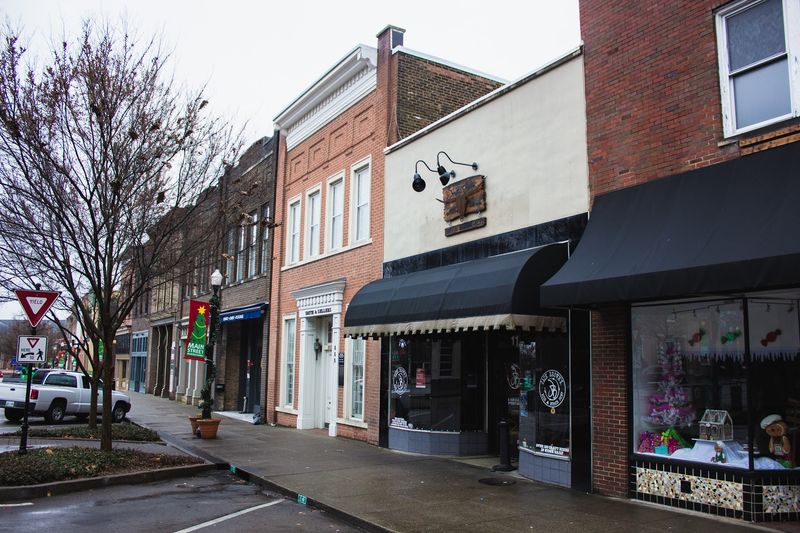
Ask people here where the middle of Tennessee is, and they can point down the street. Murfreesboro sits at the state’s geographic center, about 34 miles southeast of Nashville.
The city has also spent time in charge. Murfreesboro served as Tennessee’s state capital from 1818 to 1826.
Downtown wraps around an 1859 courthouse, with independent shops and local restaurants nearby. From May through October, the Saturday Market sets up farm and artisan tents.
Middle Tennessee State University keeps the city feeling young. It has the largest undergraduate enrollment in the state, with well-known programs in recording industry and aerospace.
History fans get plenty of room to roam. Stones River National Battlefield preserves 570 acres, including the nation’s oldest intact Civil War monument.
Then there’s Cannonsburgh Village, a living history museum showing pioneer life from the 1830s to the 1930s. Self-guided tours are free, and yes, the world’s largest cedar bucket lives there.
Kids who love fossils and shiny rocks can head to Earth Experience. It was the first natural history museum in Middle Tennessee, and it has a working paleontology lab.
Outdoors, the greenway system stretches over 17 miles of paved trails, bridges, and boardwalks. Many routes follow the Stones River and link parks, neighborhoods, and businesses.
With median home sale prices around $416,000 in mid-2026, Murfreesboro offers considerably better housing affordability than Franklin or Brentwood.
Residents have plenty of local shopping, schools, and employment opportunities, but Nashville commuters should prepare for heavy traffic along Interstate 24.
3. Columbia
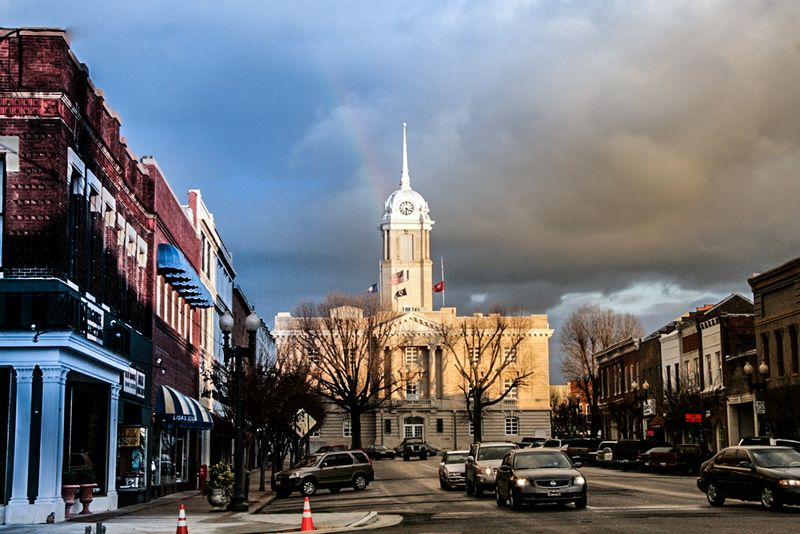
A town that throws a full festival for mules clearly knows how to have fun. Columbia earned the nickname Muletown thanks to a booming mule trading business that took off in the 1840s.
Mule Day still happens each April. It draws 100,000 to 200,000 people for mule competitions, a parade, music, crafts, and Appalachian food.
The city also holds a presidential claim to fame. The President James K. Polk Home is the only surviving private residence of the 11th president, other than the White House.
Built in 1816, the home offers guided tours, an exhibit hall, and historic gardens. It became a National Historic Landmark in 1961.
Downtown centers on a classic courthouse square with antique shops, galleries, coffee houses, and local boutiques. On First Fridays from April through December, shops stay open later and live music fills the square.
Need a rainy day plan? The Factory at Columbia turned a 71,000-square-foot former factory into a home for antiques, craftspeople, and small businesses.
Nature lovers win big here. The Duck River is the longest river entirely within Tennessee and is called the most biologically diverse river in North America.
Chickasaw Trace Park offers river access for kayaking and canoeing, plus biking and hiking trails. Riverwalk Park, just northeast of the square, adds a splash pad and paved walkways.
Homebuyers looking for better value may appreciate Columbia’s median sale price of roughly $370,000 in mid-2026, significantly below many Nashville suburbs.
The tradeoff is distance, since commuting to Nashville requires considerably more planning than living in one of the closer suburbs.
4. Brentwood
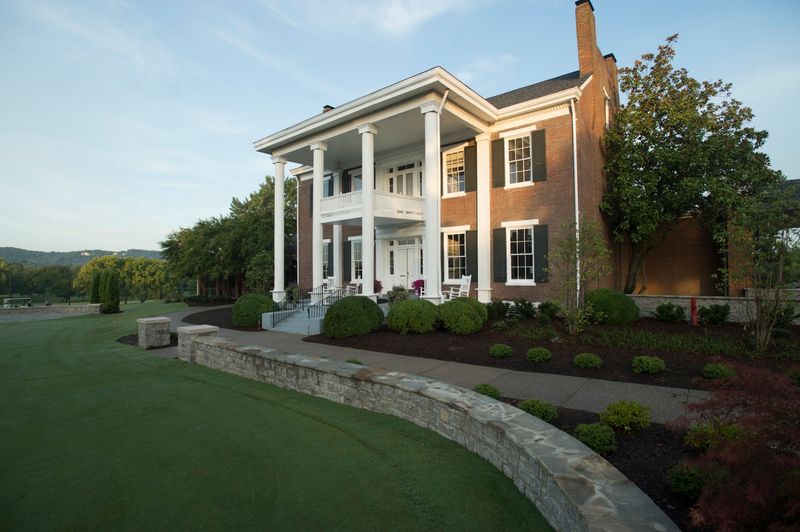
Big yards, quiet subdivisions, and schools near the top of state rankings define this Williamson County city. Brentwood sits about 11 miles south of downtown Nashville.
Schools are a major draw. U.S. News ranked Ravenwood High School third and Brentwood High School fifth in Tennessee for 2026.
The younger grades shine, too. Niche’s 2026 rankings put Jordan Elementary at number one among Tennessee public elementary schools.
Parks take up serious space here. Marcella Vivrette Smith Park covers more than 400 acres with hiking and mountain biking trails.
Inside that park stands Ravenswood Mansion, a Greek Revival home built in 1825. That’s a pretty fancy neighbor for a trailhead.
Crockett Park spreads over 164 acres with walking paths, playgrounds, and sports fields. Its Eddy Arnold Amphitheater hosts the Brentwood Summer Concert Series and Fourth of July celebrations.
History here reaches back much further than the mansions. Primm Park holds ancient Native American mounds and the Boiling Spring Academy, built in 1830.
For a slower stroll, Deerwood Arboretum offers 27 acres with quiet trails and a fishing pond. Birdwatchers will want to pack binoculars.
Shopping is easy at Brentwood Place and Hill Center Brentwood. Grab a treat at The Puffy Muffin or a coffee at Crema Coffee Roasters.
Brentwood is among Tennessee’s most expensive housing markets, with median home sale prices approaching $1.43 million in mid-2026.
Its location along Interstate 65 also makes it convenient for professionals working in Nashville, Maryland Farms, or the Cool Springs business district.
5. Hendersonville
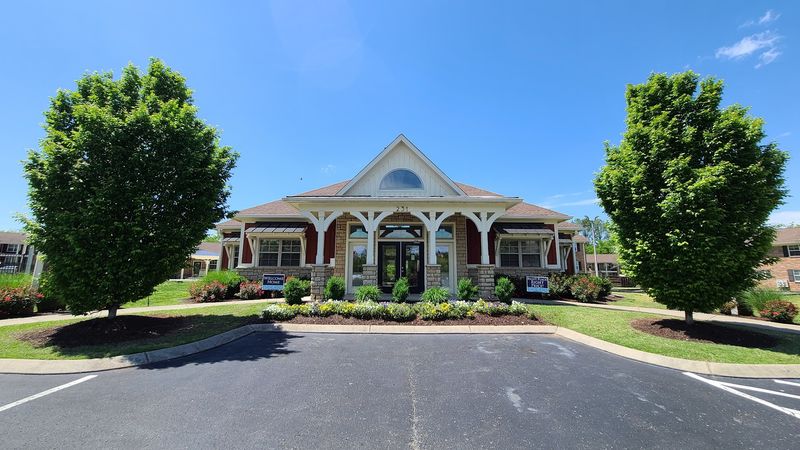
U.S. News and World Report named this lakeside city the number one Best Place to Live in Tennessee for 2025 to 2026.
The water views probably didn’t hurt.
Hendersonville calls itself The City by the Lake, and it means it. Old Hickory Lake covers 22,500 acres along the Cumberland River.
Boating, kayaking, paddleboarding, fishing, and swimming are on the menu. Anglers, take note: a 25-pound world record walleye came out of this lake in 1960.
Rockland Recreation Area gives you boat ramps, picnic areas, and water views. Sanders Ferry Park adds a fishing pier and an 18-hole disc golf course.
History here is literally carved in stone. Historic Rock Castle is a hand-hewn limestone home built between 1784 and 1796 by Daniel Smith.
Monthaven Arts and Cultural Center fills a mansion from around 1860 with rotating art exhibits. During the Civil War, the house served as a field hospital.
Shopping and dining gather at The Streets of Indian Lake, an open-air spot with stores and restaurants. It also hosts community events and a farmers market.
For dinner with a view, The Rudder serves seafood and burgers at Anchor High Marina. It hosts live music, too.
Families keep an eye on Sumner County Schools. T. W. Hunter Middle School ranks sixth out of 580 middle schools in the state.
Homebuyers faced median sale prices around $533,000 in mid-2026, making Hendersonville more affordable than Franklin or Brentwood while still offering lakeside living.
The drive toward Nashville generally follows Vietnam Veterans Boulevard, so checking rush-hour travel times is important for anyone considering a daily commute.
6. Mt. Juliet
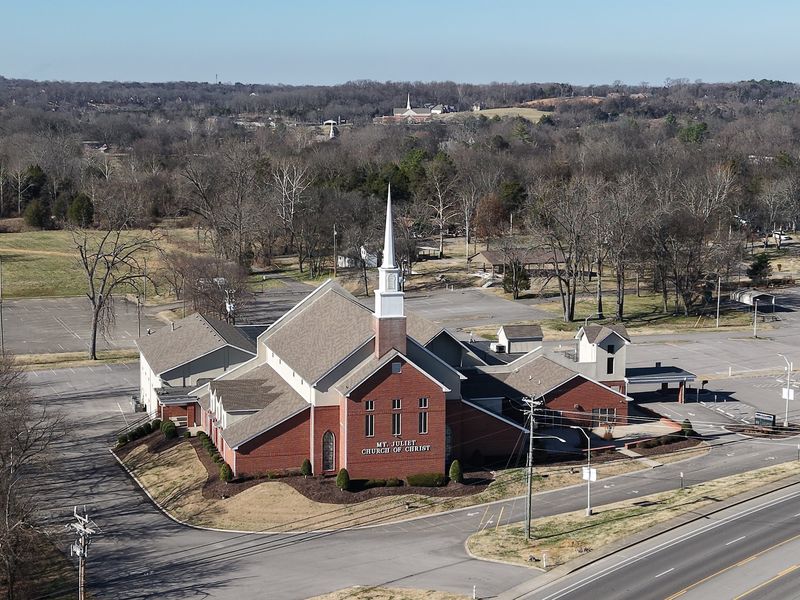
Not many cities can say they’re the only one in the country with their name. Mt. Juliet holds that title, and it sits neatly between two big lakes.
Folks call it The City Between The Lakes for good reason. Old Hickory Lake borders the north side, and Percy Priest Lake borders the south.
That access to outdoor recreation appeals to homeowners, although median sale prices around $570,000 in mid-2026 put Mt. Juliet above more affordable nearby markets like Lebanon.
The name likely comes from the Mount Juliet Estate in County Kilkenny, Ireland. Another story says it honors Julia Gleaves, a woman known for helping her community.
Charlie Daniels Park is the city’s busiest spot for play. It packs a 9,000-square-foot Planet Playground, a seasonal splash pad, pickleball courts, and a skate park.
Its one-mile walking track links up with the Cedar Creek Greenway. Five pavilions and a gazebo are available to rent for parties.
Little riders get their own space at Eagle Park. The bike park has a paved loop with mini traffic signs, which is both adorable and practical.
Errands get simple at Providence Marketplace, the largest shopping center between Nashville and Knoxville. It offers over 850,000 square feet of stores, restaurants, and a movie theater.
Mt. Juliet High School and Green Hill High School both rank in the top 10 percent statewide.
Each reports a graduation rate over 98 percent.
The city sits about 17 miles east of Nashville. For Nashville-bound commuters, Interstate 40 and the weekday WeGo Star commuter train provide two transportation options, making the city practical for residents who work downtown.
7. Gallatin
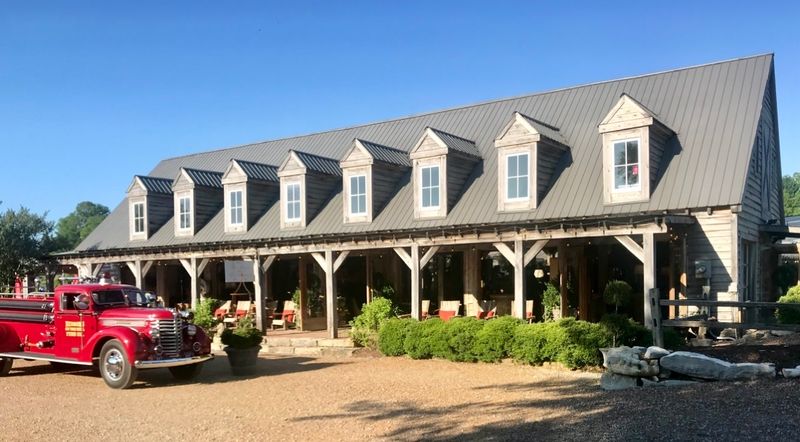
Reader’s Digest once called it The Nicest Place in America, which is a lot of pressure for one town. Gallatin earned that title in 2017, and it still makes a great conversation starter.
Andrew Jackson bought one of the first lots when the town was surveyed in 1803. He also opened its first general store.
Gallatin became the Sumner County seat in 1802 and was named after Treasury Secretary Albert Gallatin. Downtown today mixes local shops with plenty of places to eat.
Movie fans should stop by The Palace Theater on North Water Avenue. Built in 1913, it’s the oldest silent movie theater in Tennessee still standing in its original spot.
Hungry? Roux’s Creole Café brings Louisiana cooking, and Black Elm Coffee roasts its own beans.
Honey Rock Books and Café and Towne Square Records and Comics make easy afternoon stops. South Water Manor houses a bistro, a coffee shop, and over 30 local vendors.
Lake life is close by. Bledsoe Creek State Park sits on Old Hickory Lake with trails, campsites, a boat ramp, and a fishing pier.
Lock 4 Park offers lake access and mountain biking trails for beginners through experts. Triple Creek Park, the city’s largest, adds disc golf and a dog park.
Volunteer State Community College has its main campus here. It offers over 100 programs and takes part in Tennessee Promise.
Downtown also hosts Square Fest and the Third Thursday Concert Series. Nice really is the theme around here.
8. Lebanon
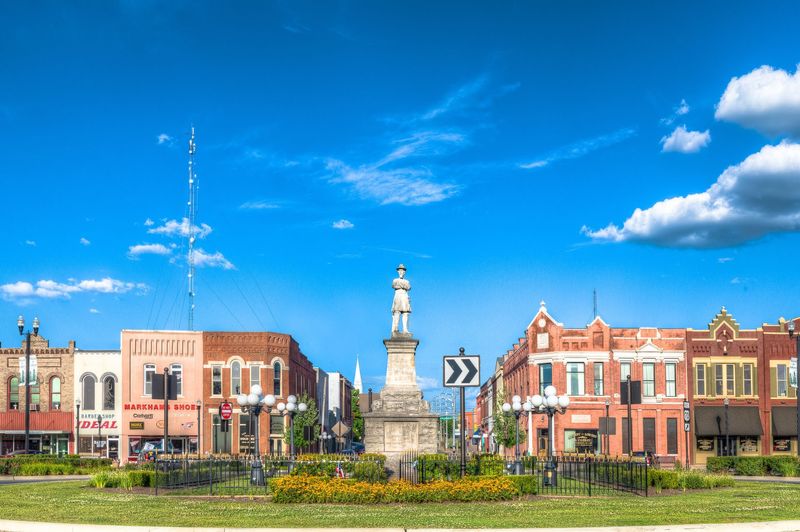
Your favorite road-trip breakfast stop has roots in this town. The first Cracker Barrel opened in Lebanon in 1969, and the company still keeps its headquarters here.
Lebanon serves as the county seat of Wilson County. It sits along Interstate 40, roughly 30 miles east of Nashville.
The name comes with a story. Early settlers saw the area’s red cedar trees and thought of the cedars of Lebanon from the Bible.
Those trees still star at Cedars of Lebanon State Park, just south of town. The park offers hiking trails, campsites, and cabins set among cedar forests.
Higher education has a long history here, too. Cumberland University was founded in Lebanon in 1842 and still sits close to downtown.
Downtown centers on a historic public square lined with shops and restaurants. It’s an easy place for a slow Saturday stroll.
Late summer brings a crowd-pleaser. The Wilson County Fair, known today as the Tennessee State Fair, takes over the James E. Ward Agricultural Center each August.
Expect livestock shows, carnival rides, and plenty of fair food. Pace yourself on the funnel cakes.
Neighboring Mt. Juliet shares the same county, so lake days are a short drive away.
Old Hickory and Percy Priest Lakes are both within reach.
Lebanon blends old Tennessee roots with growing neighborhoods. And you’ll never be far from a biscuit.
9. Spring Hill
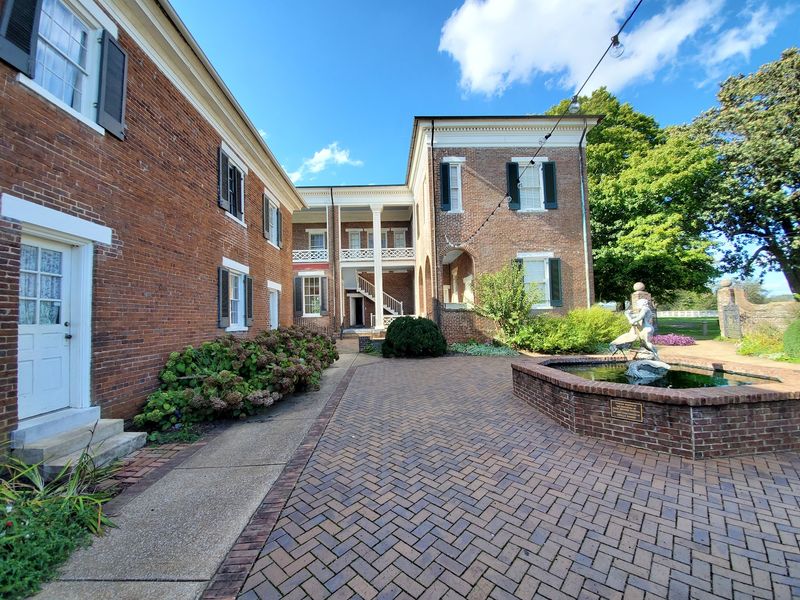
A spring on a hill gave this city its name, which might be the most honest town name around. Settlers arrived in 1808, and the city was established a year later.
Spring Hill stretches across Maury and Williamson counties, about 30 miles south of Nashville. It ranked as the fourth fastest-growing city in Tennessee in a 2024 Census estimate.
Cars helped put it on the map. The Saturn plant built vehicles here from 1990 to 2007, and it now runs as General Motors Spring Hill Manufacturing.
History buffs should book a tour at Rippa Villa, a Greek Revival home from 1855. It served as headquarters for both Union and Confederate troops during the 1864 Battle of Spring Hill.
Nearby, the Spring Hill Battlefield Trail winds 0.8 miles past historical markers. The American Battlefield Trust preserves over 195 acres there.
Got a sweet tooth? Early’s Honey Stand has sold honey, jams, and old-fashioned candy since 1925, making it Williamson County’s oldest retailer.
Homebuyers will find plenty of newer subdivisions, with median home sale prices around $532,000 in mid-2026, generally lower than neighboring Franklin.
Because Spring Hill spans Williamson and Maury counties, property tax rates and school assignments can differ depending on the exact address.
Families should carefully check school zoning before purchasing, while Nashville commuters need to consider the traffic along Interstate 65 during peak hours.
10. Cookeville
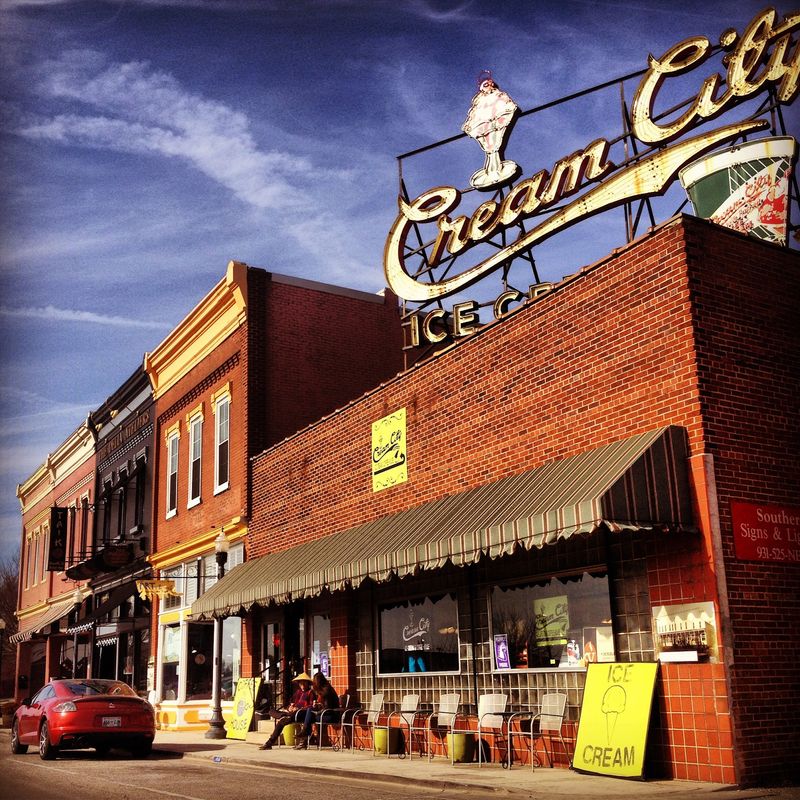
Over 150 waterfalls splash within 40 miles of this town. That’s how Cookeville landed the nickname World Capital of Waterfalls.
Five of those falls are fully accessible, which is great news for strollers and wheelchairs. Burgess Falls drops 136 feet, and Cummins Falls is the state’s eighth-largest by volume.
Right in town, Cane Creek Park spans 300 acres around a 56-acre lake. You can hike, fish, camp, and catch the Cane Creek Cascades.
Cookeville sits on the Cumberland Plateau, about halfway between Nashville and Knoxville. It’s the largest of Tennessee’s 20 micropolitan areas and serves as a regional hub.
Train lovers, this one’s for you. The Cookeville Depot Museum, built in 1909, displays a 1913 Baldwin steam engine and a classic red caboose, with free admission.
The Tennessee Central Trail starts near the depot and runs 4.23 paved miles to Algood. It follows an active rail line, so keep your ears open.
Tennessee Tech brings brainpower to town with its focus on science, technology, engineering, and math. More than 11,000 students attend.
Downtown and the WestSide district feature locally owned shops, art galleries, and studios. The area counts over 100 restaurants, so dinner decisions may take a while.
Coffee fans can try Soul Craft Coffee or Vertical Coffee Company. The free Cookeville History Museum fills in the backstory.
It’s also a popular spot for retirees. Waterfalls on speed dial will do that.
11. Dickson
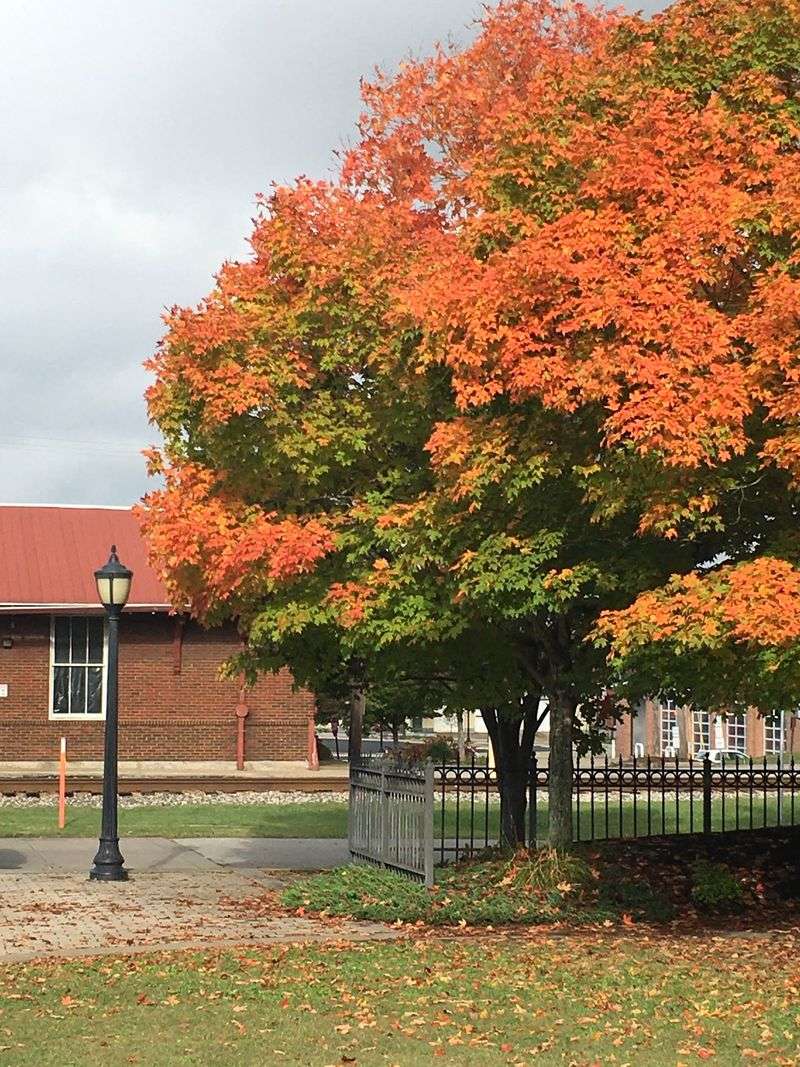
A future governor was born inside a railroad hotel in this town, and that hotel is now a museum. Frank G. Clement entered the world at the Halbrook Hotel in 1920.
Today the building operates as the Clement Railroad Hotel Museum. It tells the story of the governor and the railroad that helped Dickson grow.
Dickson serves as the county seat of Dickson County in western Middle Tennessee. It sits near Interstate 40, roughly 40 miles west of Nashville.
With median home sale prices around $313,000 in mid-2026, Dickson is among the more affordable communities on this list.
Interstate 40 connects residents to Nashville’s employment market, although the roughly 40-mile commute makes rush-hour travel times an important consideration.
Downtown’s historic Main Street holds local shops and places to eat. It’s the kind of street where a quick errand can turn into an afternoon.
Arts and learning have a home at the Renaissance Center. The campus hosts classes, theater, and community events for kids and adults.
Outdoor fans have a big backyard nearby. Montgomery Bell State Park offers lakes, hiking trails, camping, and a golf course just east of town.
The park is named for an early iron industry leader in the region. Iron once powered much of this area’s economy.
Fishing, paddling, and quiet woodland walks can easily fill a weekend. Many residents treat the park like an extension of town.
Dickson mixes railroad history with room to breathe. It’s a solid pick if you want Nashville nearby but not next door.