
This Hidden Tennessee Folk School Lets You Learn Old-Fashioned Skills You Thought Were Lost
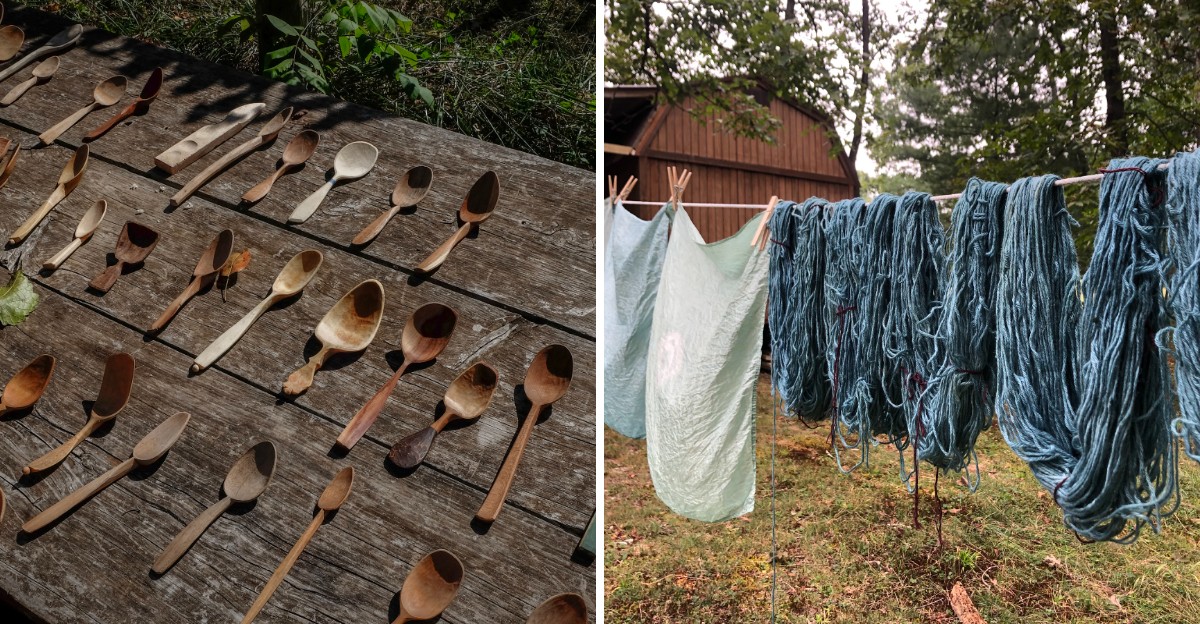
Somewhere in Tennessee, people spend a day weaving baskets out of kudzu. Yes, that kudzu, the vine famous for swallowing barns whole.
The same school teaches broom making, beeswax candles, Shaker boxes, and fresh indigo dyeing. In one class, students pick indigo leaves from the field that morning and turn them into dye.
Many workshops include a farm-fresh meal, and classes take place on a working farm. I have to admit, that sounds like the kind of day my phone would never forgive me for.
I find that especially appealing because the skills are real and useful. You leave with something you made, plus the know-how to make another.
Old Crafts Get A Second Life On A Working Farm
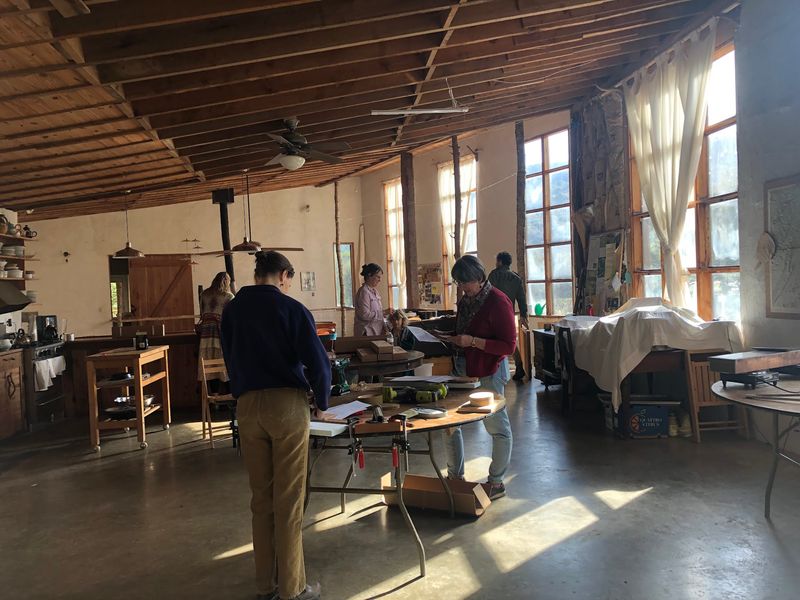
Cumberland Folk School exists for one clear reason. Its mission is to preserve, teach, celebrate, and commune around traditional crafts and skills.
Classes happen at the Studio on Sequatchie Cove Farm, a working farm in a scenic cove of the Cumberland Plateau. That means your classroom neighbors might include pastures, gardens, and the folks who actually grow food for a living.
The lineup changes with the seasons, so no two calendars look exactly alike. One month might feature woodworking, while another leans toward fermentation, herbs, or birds.
It keeps things fresh, and it gives you a reason to check back often.
Most workshops are built as a full experience rather than a quick lesson. You learn a skill, share a farm meal, and spend the day with other curious people.
That combination is the whole point here.
Small class sizes help, too. Instructors can actually watch your hands and fix that wobbly stitch before it turns into a wobbly quilt.
Think of it as school without the homework stress. The only test is whether you go home proud of what you made, and that bar feels pleasantly reachable.
Kudzu Finally Has A Job, And It Makes Great Baskets
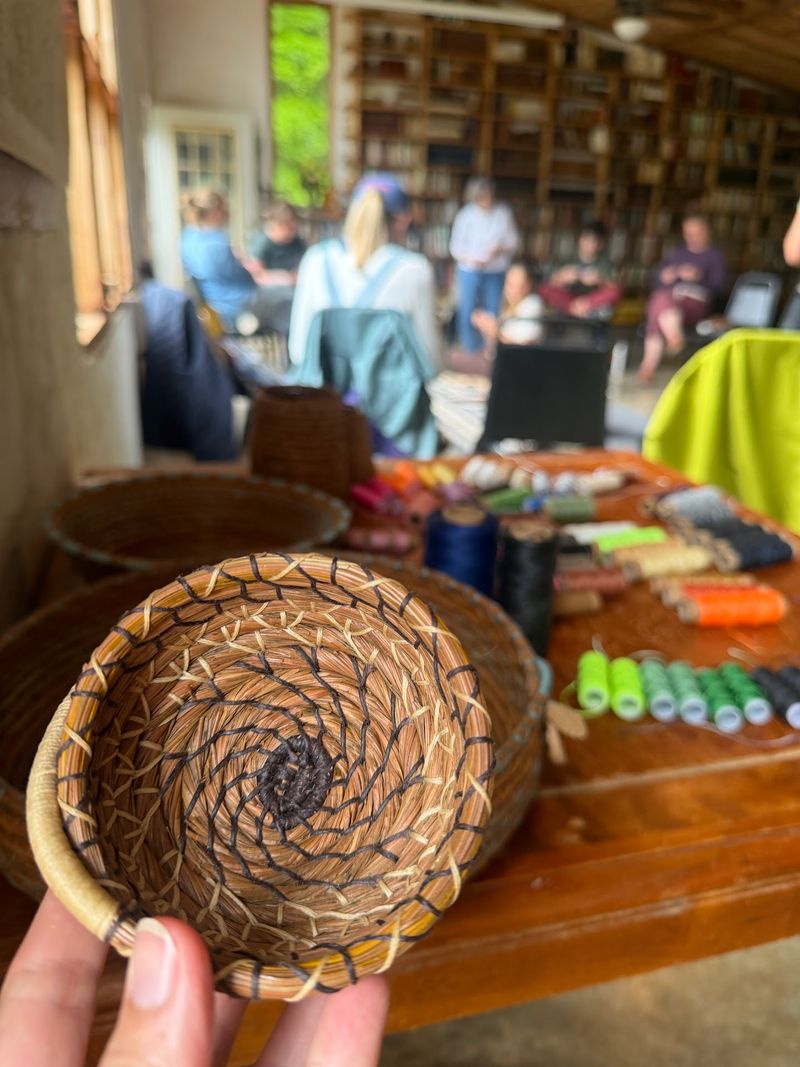
Southerners have spent decades fighting kudzu. At this folk school, the famously pushy vine gets turned into handsome, sturdy baskets instead.
Kudzu basket weaving has shown up on the class schedule more than once. It’s a clever twist on an old craft, using a plant that grows almost everywhere you look in the region.
Basketry here doesn’t stop at vines, either. Pine needle basket weaving has also been offered, which calls for patience and a steady rhythm.
Each method teaches its own feel for materials and shape.
Weaving is one of those skills that looks simple until you try it. Then you realize every row depends on the one before it.
A good instructor makes that learning curve feel less like a cliff.
The best part might be the bragging rights afterward. Few souvenirs beat a basket made from the plant your neighbor keeps complaining about.
A practical tip: these classes fill quickly. If a basketry date catches your eye, sign up early instead of waiting to think it over.
Hesitation is how people end up admiring baskets rather than carrying their own.
Sawdust, Spoons, And A Very Satisfying Shaker Box
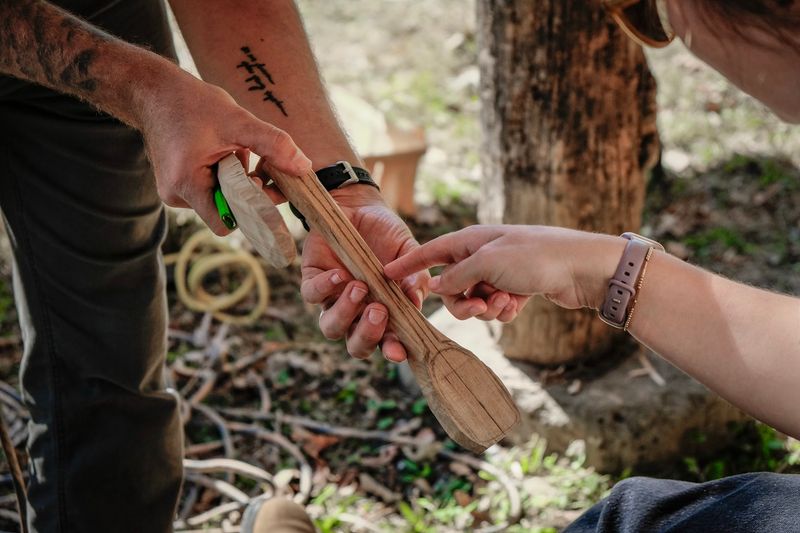
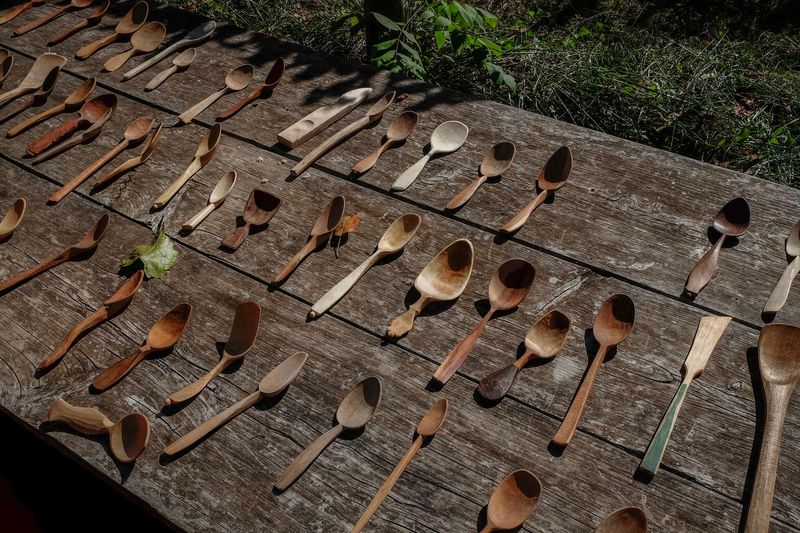
Wood shavings on your shirt are a fair trade for a spoon you carved yourself. Spoon carving is one of the woodworking classes that has appeared at Cumberland Folk School.
Carving teaches you to read grain, handle sharp tools safely, and slow down. Your first spoon might look a little rustic.
That’s part of its charm, and it still stirs soup just fine.
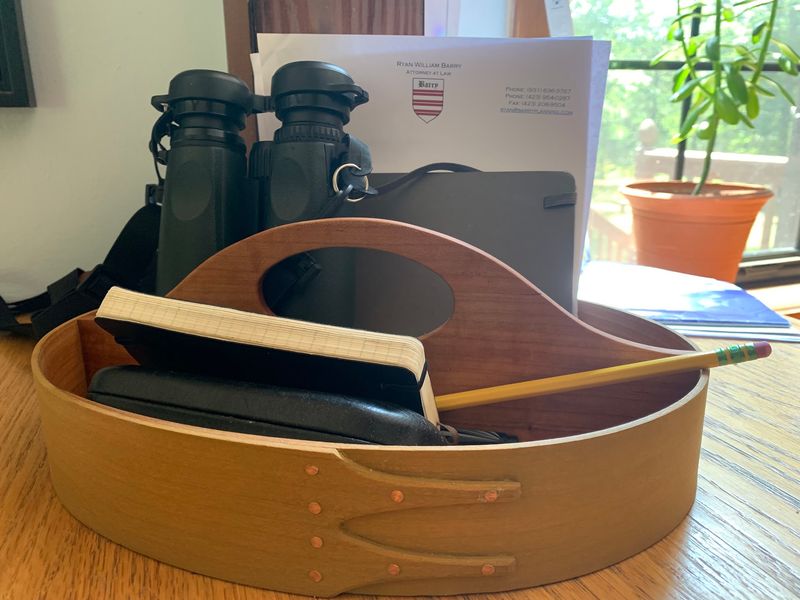
Shaker boxes are another favorite on the schedule. The school has offered classes on the classic oval box and a Shaker divided carrier, both rooted in a tradition known for clean, useful design.
Furniture projects have joined the lineup too, including a Cumberland foot stool. Building something you can actually sit on is a different kind of confidence boost.
Woodworking can feel intimidating if you’ve never held a carving knife. These workshops are designed to walk beginners through each step, one careful cut at a time.
Here’s a smart move: keep your first project somewhere you’ll see it daily. A handmade spoon in the kitchen crock is a quiet reminder that you can make things.
That small nudge might lead you right back for the next class.
Blue Fingers Are The Badge Of A Good Indigo Day
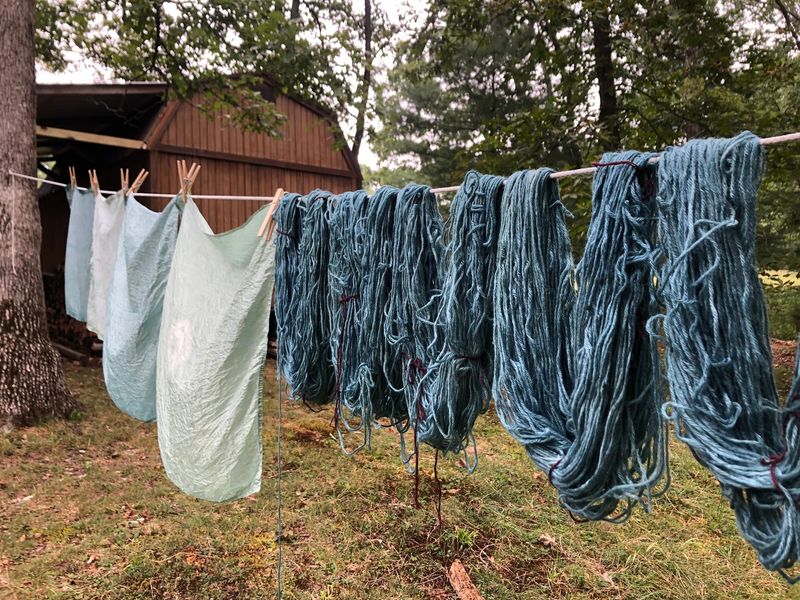
Picking your dye straight from a field sounds like something out of an old storybook. In the fresh indigo dyeing class, students have gathered indigo leaves in the morning and turned them into dye.
Natural dyeing is a big thread running through Cumberland Folk School. Classes cover plant-based color, indigo, and botanical printing, where leaves and flowers leave their shapes on fabric.
Students in these classes have gone home with scarves they dyed themselves. That’s a wearable souvenir, and it starts better conversations than any gift-shop T-shirt.
Textiles don’t end with dye pots. The school has also offered quilting, creative mending, and textile design, plus long stitch bookbinding for folks who like paper projects.
Mending might be the most practical skill of the bunch. A torn favorite shirt becomes a chance to add visible, colorful stitches instead of a trip to the trash bin.
Wear clothes you don’t mind marking up on dye days. Indigo has strong opinions about where it belongs.
If a little blue sticks around on your hands, consider it proof you showed up and did the work.
Bread, Kraut, And Kitchen Wisdom Worth Saving
Grandma’s kitchen skills are back on the menu. Cumberland Folk School offers culinary and food preservation classes that help home cooks feel more capable.
Fermentation is a standout topic. Workshops have covered making kraut and kimchi, and well-known fermentation expert Sandor Katz has taught there.
That’s a big name for a small farm classroom in Tennessee.
Baking gets serious attention as well. Classes have explored bread making, freshly milled grains, and einkorn, an ancient grain with a long story behind it.
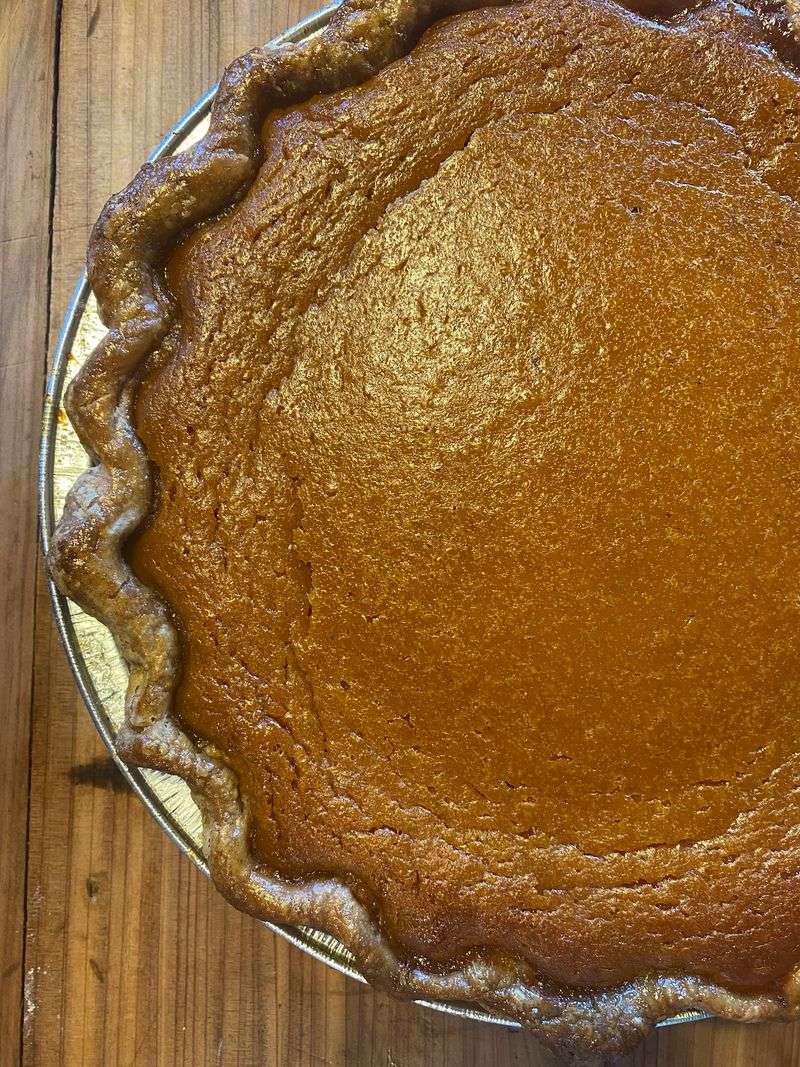
Pie skills and seasonal galettes have also been on the schedule. Those flaky crusts are much less scary once someone shows you how cold butter behaves.
For the truly ambitious, the school has offered whole hog butchering. It’s a hands-on lesson in using an entire animal with care and respect.
Foraging and cooking with wild ingredients round things out. Practical advice: bring a cooler on cooking days.
Fermented projects and farm goodies travel home better that way. Then the lesson keeps going in your own kitchen, one bubbling jar at a time.
Your Ears Might Become Your Best Birding Tool
Some of the best classes don’t involve a single tool. Nature study at Cumberland Folk School sends students outdoors to learn the land around Sequatchie Cove.
Birding has a strong place on the schedule. One class focuses on birding by ear, which trains you to identify species by song.
Another has explored fall migration, when the skies get extra busy.
Mushroom foraging offers a careful introduction to identifying fungi. Tree identification and plant ecology classes help you put names to the green blur along any trail.
Herbal medicine has been covered too. Workshops on winter wellness and starting an apothecary garden connect old plant knowledge with modern backyard life.
These classes change how a simple walk feels. Once you know a few bird calls, every morning starts sounding like a guessing game you can actually win.
Dress for the weather and wear sturdy shoes on outdoor days. Bring a notebook, because new names slip away fast.
The surprising part is how long these skills stay with you, popping up every time you step outside in Tennessee or anywhere else.
Farm-Fresh Lunch Is Part Of The Experience
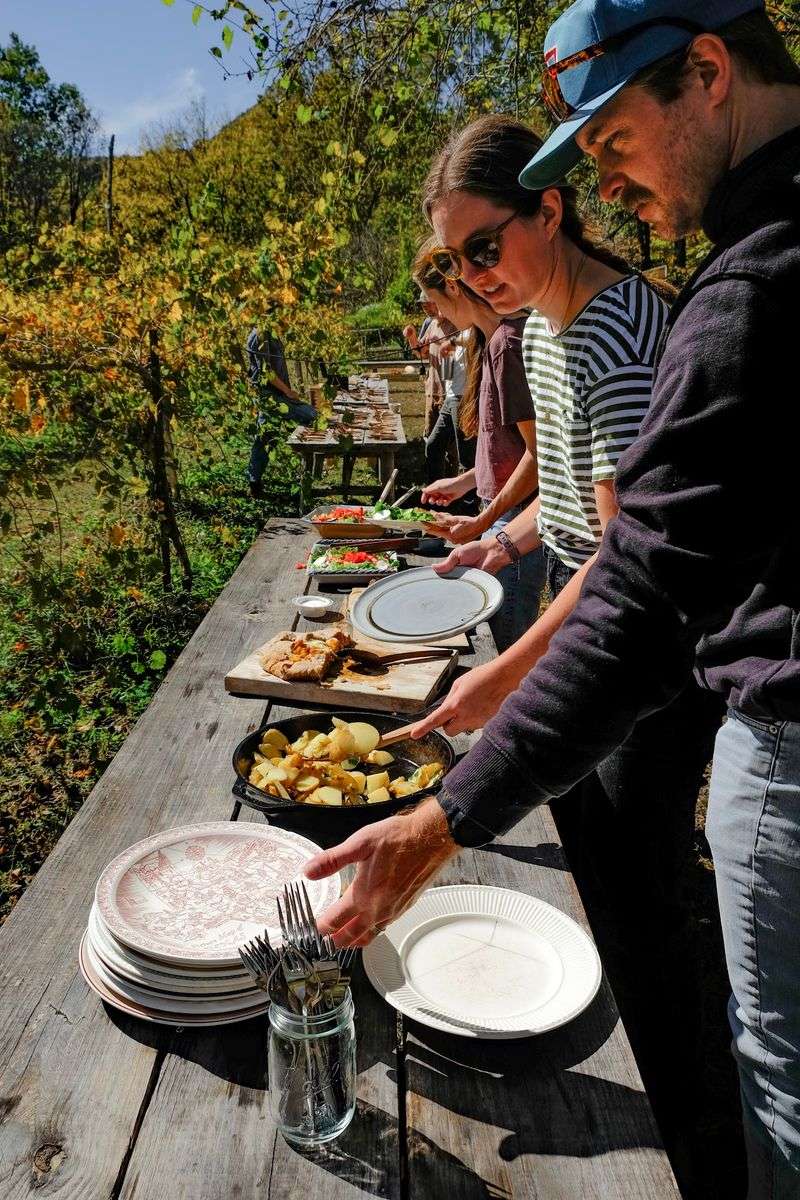
Learning works up an appetite, and the school plans for that. Many Cumberland Folk School workshops include a farm-fresh meal, while some shorter sessions provide refreshments instead.
Much of the food connects to Sequatchie Cove Farm, the working farm where classes take place. Some meals have also included dishes from local restaurants and chefs, keeping the spread rooted in the region.
Shared meals do more than fill you up. They give classmates a chance to swap stories, compare projects, and realize their oddly specific hobbies aren’t so odd after all.
After class, the fun doesn’t have to stop at the classroom door. The Sequatchie Cove Farm Trading Post sells pasture-raised meats, eggs, vegetables, cheeses, and other farm products.
That’s another great reason to pack a cooler before you leave home. If the Trading Post is open during your visit, you can pick up farm products before heading home.
Check the class details for meal information, especially if you have dietary needs. Reaching out ahead of time is always smart.
Good luck sticking to your shopping list once you see that farm cheese case.
Stay Overnight Under The Plateau Stars
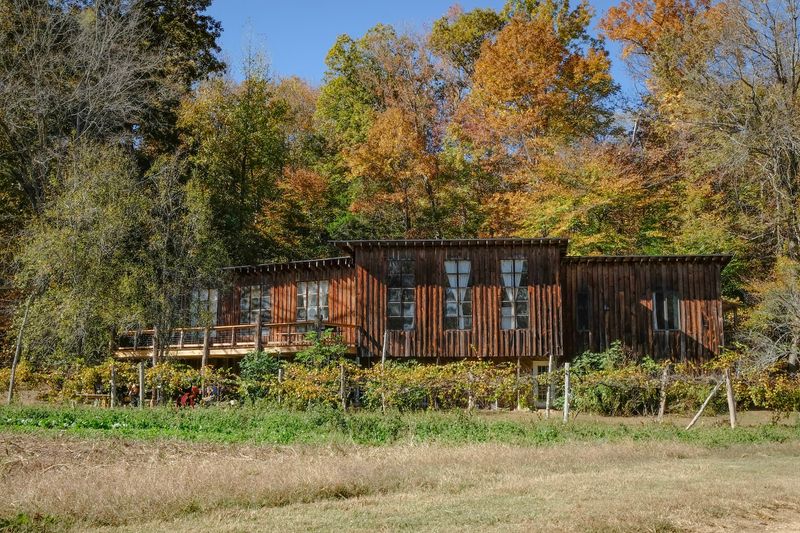
Multi-day classes are easier when your bed is a short stroll away. Students can reserve a primitive campsite about a five-minute walk from the classroom.
Primitive really means primitive here. The site offers an outhouse and fire rings, so bring your own gear, a good lantern, and a sense of adventure.
Prefer walls and a roof? There are typically one or two rooms available for rent inside the Studio building, where classes are held.
That’s about the shortest commute in Tennessee.
If those fill up, Fireside Camp and Lodge sits within roughly a fifteen-minute drive. It offers cabins, houses, and camping options for different comfort levels.
The school’s full address is 320 Dixon Cove Rd, Sequatchie, TN 37374. Rural roads and spotty signal are common in farm country, so download directions before you head out.
Staying overnight turns a class into a mini retreat. Evenings by a fire ring give your tired hands a rest.
Mornings start without a long drive, which means more energy for the next round of whittling, weaving, or kneading.
Two Friends Built It, And Their Roots Run Deep
A friendship sits at the heart of this whole operation. Cumberland Folk School was founded by Ashley and Carroll, two friends who share a love of traditional skills.
Ashley spent time at the Sequatchie Valley Institute learning natural building, permaculture, and wild foraging. She later built more experience at the well-known John C. Campbell Folk School in North Carolina.
Carroll grew up surrounded by makers. Her mother was a potter, and her father was a woodworker and antique furniture conservator.
Craft wasn’t a hobby in that house. It was simply daily life.
Together, they shaped a place where people connect with nature and with each other. Their belief is simple: making things by hand matters for human well-being.
The pair also brings in skilled guest instructors, which keeps the class lineup varied. One season might bring a fermentation legend, while another brings a basket weaver or birder.
That vision makes Cumberland Folk School feel personal rather than polished. It’s a Tennessee spot built by people who care.
Maybe that’s why the old skills here feel less lost and more like they’re waiting for you.