
A Nevada Raptor Experience Where Visitors Meet Majestic Hawks And Owls Up Close
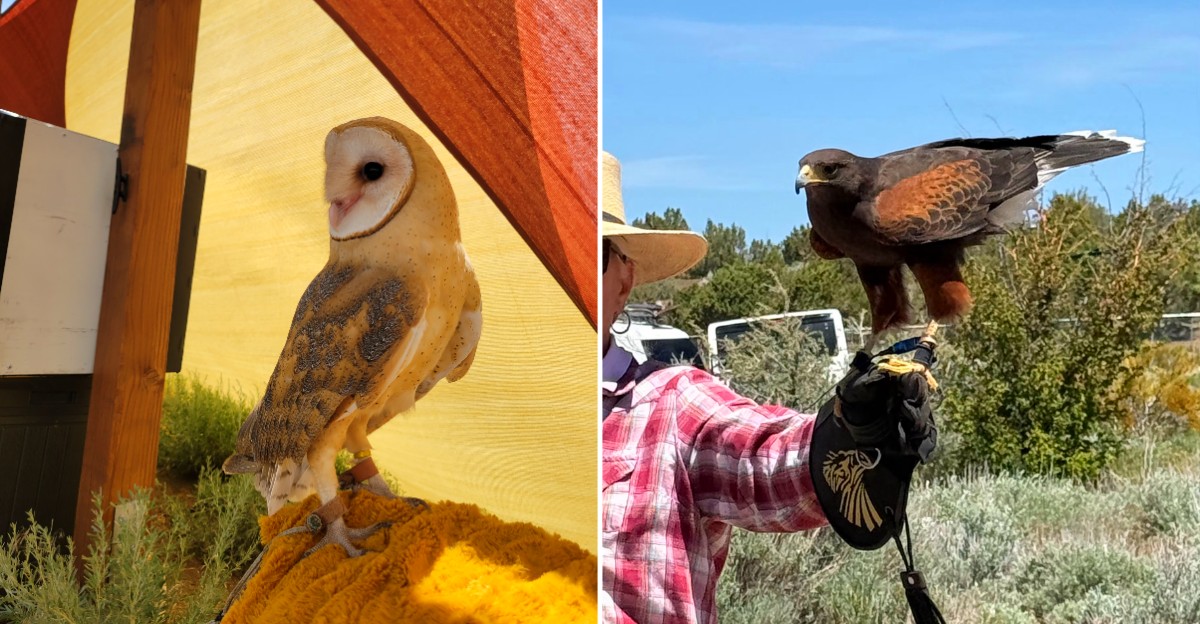
A trained hawk can launch from your gloved arm, swoop through the desert air, and land right back on the falconer’s glove. That’s the whole idea here, and I can’t decide which part sounds better.
The guides teach you how raptors hunt, see, and survive. Then they hand you a leather gauntlet and let the birds do the talking. The setting is high desert in Northern Nevada, about 5,500 feet up. Groups stay small, so nobody gets stuck squinting from the back row.
I appreciate that the birds stay the stars, not a gift shop or a ticket line.
I have a feeling most people expect a quick photo op. Then they meet an owl up close, and their plans for the afternoon suddenly feel very small. Ready to see what happens next?
Your Arm Is About To Become A Landing Strip
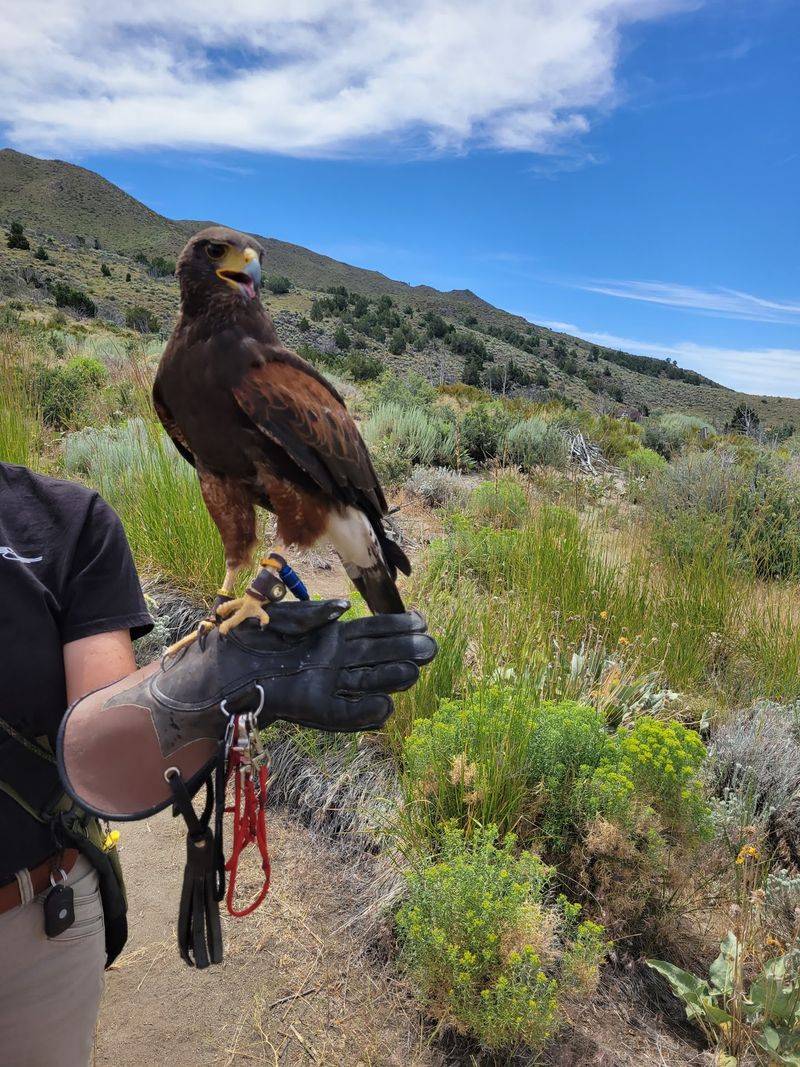
Raptor Adventures offers one of the most hands-on bird encounters in the Reno area. The main event is simple and thrilling: a trained hawk lands on your arm.
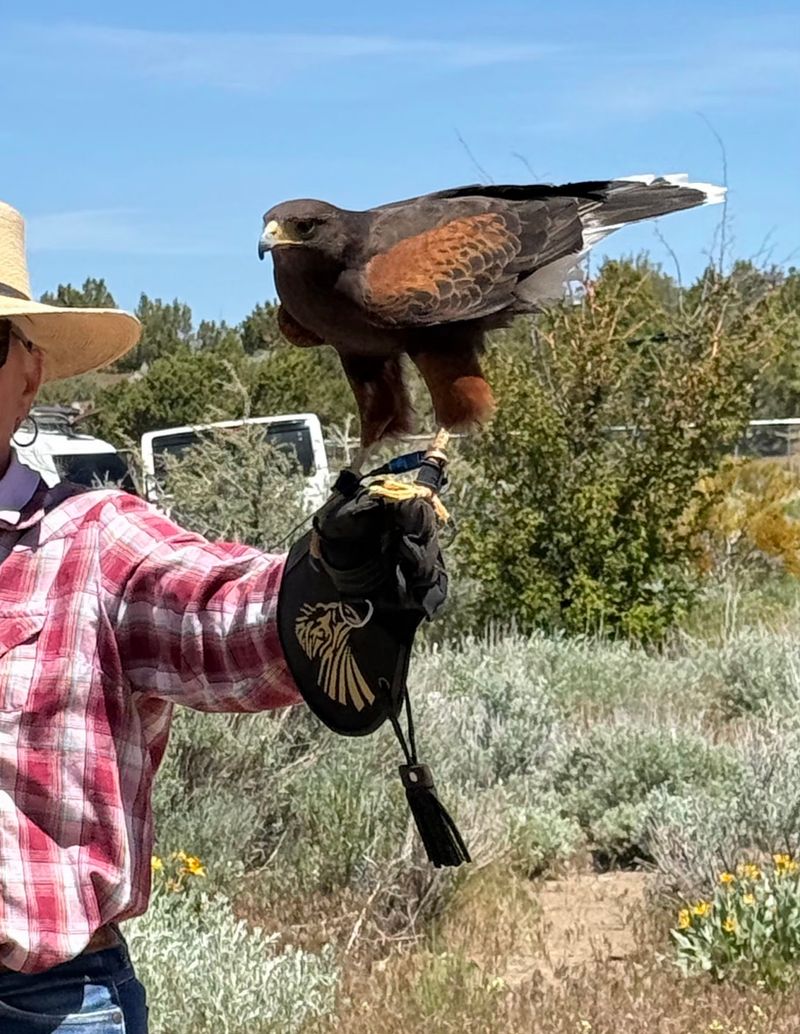
First comes a short lesson from a licensed falconer. After that, you get fitted with a falconer’s gauntlet, a thick leather glove built for sharp talons.
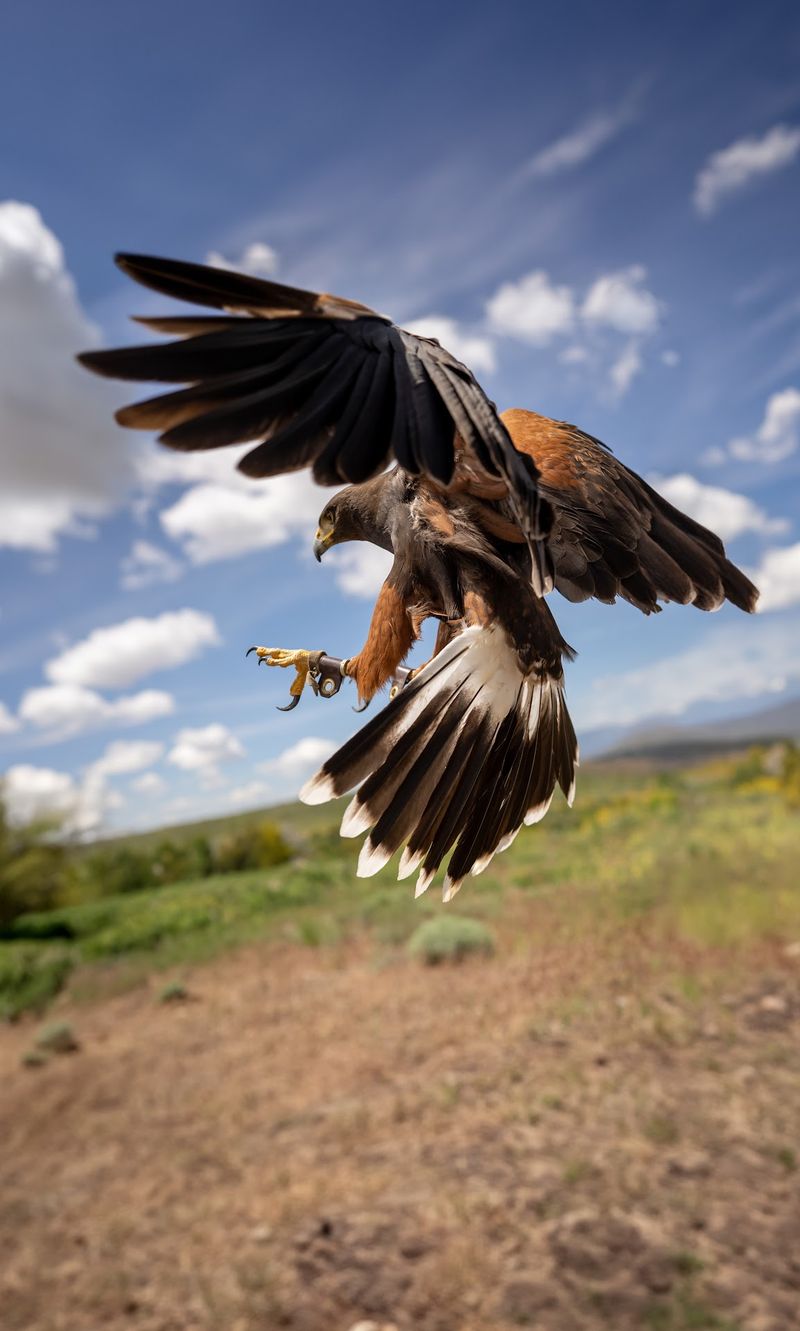
Then the real fun starts. You join a trained hawk on a short walk while it flies from perch to perch. It swoops back to the falconer’s glove, showing off the agility that makes raptors such skilled hunters.
Watching a hawk fly in a nature film is one thing. Feeling it settle onto your own arm is a whole different story.
You may even get the chance to meet several raptors up close during the visit. That means more than one species, more than one personality, and more than one jaw-drop moment.
Good advice? Keep your arm steady and your camera handy. You’ll want proof later when friends don’t quite believe you. The experience mixes learning with doing in a way few attractions manage. It feels less like a show and more like a lesson from the sky itself.
A Hawk, A Falcon, And An Owl Walk Into The Desert
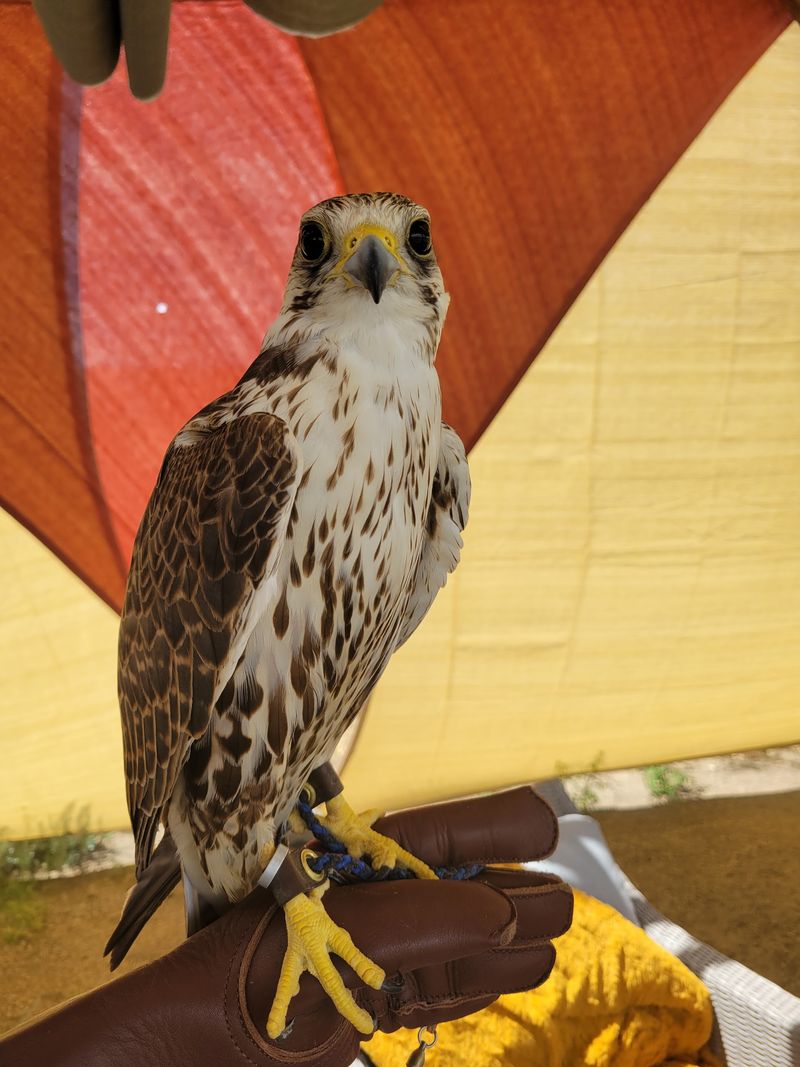
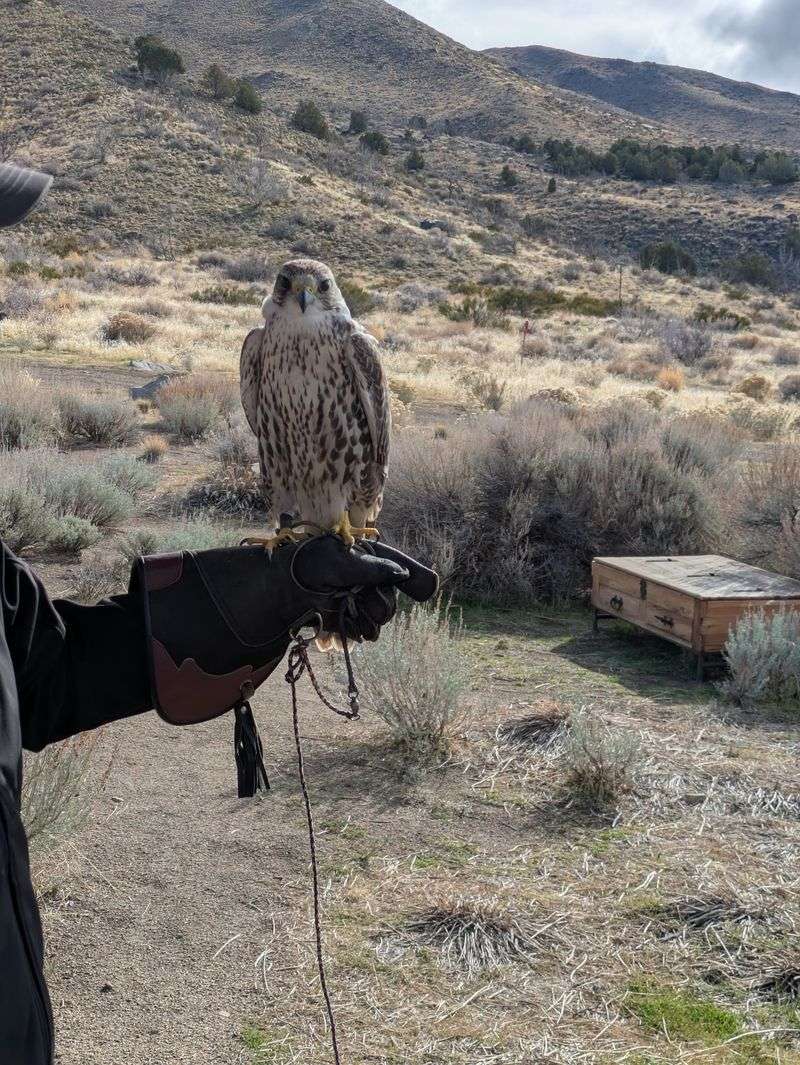
Three very different birds share the spotlight here. The experience is built around up-close time with a hawk, a falcon, and an owl. Each one brings its own style. Hawks are agile flyers that work their way between perches with impressive control.
Falcons are famous for speed and sleek, pointed wings built for fast pursuit. Owls, meanwhile, are the quiet mysteries of the group. Their soft feathers help them fly almost silently, which is a big advantage when hunting at night.
Comparing them side by side is half the fun. You start noticing how their eyes, beaks, and wing shapes match the way they hunt.
The falconer explains raptor traits, behaviors, and natural history as you go. You also learn field identification tips, which can make your next hike a lot more interesting. Suddenly that bird circling over the highway isn’t just a bird. It’s a puzzle you might actually be able to solve.
Kids and adults alike can enjoy this kind of learning. It sticks because the teacher has feathers and talons. Hard to zone out when a falcon is staring right back at you.
The People Holding The Gloves Know Their Birds
Expertise runs deep at Raptor Adventures. The program is led by falconry expert Kathleen Tigan, with Jim Tigan also featured in the organization’s background.
Jim brings decades of hands-on work with raptors. He has more than 30 years of experience handling birds of prey and has been a licensed Master Falconer for 27 years.
His résumé includes a big one. He is credited with founding the Alaska Raptor Rehabilitation Center in Sitka, Alaska. He also founded Tactical Avian Predators, a company that uses trained falcons commercially.
Kathleen’s background leans toward wildlife care and training. She has experience with the Rowena Wildlife Clinic and the Raptor House Rehabilitation Center.
She also completed basic wildlife rehabilitation seminars and interned with the Oregon Zoo’s raptor program. That’s a lot of feathers in one career.
Why does this matter to you? A knowledgeable guide turns a cool moment into a memorable lesson. Questions get real answers instead of guesses.
It also matters for the birds. Falconry is heavily regulated in the United States, because raptors are protected by both federal and state law. Licensed experts are exactly who you want running the show.
Small Groups Mean Nobody Gets Stuck In The Back
Crowds and birds of prey don’t mix well. That’s one reason the experience runs in small groups. Fewer people means more time with each bird. It also means more chances to ask the questions you’ve secretly wondered about for years.
How sharp are those talons? Why do owls turn their heads like that? With a small group, you can actually ask and get a full answer. Individual attention also helps nervous first-timers. Having a large bird on your arm can feel a little intense at first.
A guide who has time to coach you makes all the difference.
The pace feels relaxed instead of rushed. You won’t be shuffled along like you’re in line at an amusement park.
This setup works well for couples, families with older children, and serious bird lovers. Small groups give participants plenty of opportunities to enjoy the birds up close.
Tip: think of a few questions before you arrive. Once a hawk lands on your glove, your brain might go a little blank. That happens when a predator is sitting inches from your face.
Fifty-Five Hundred Feet Of Big Sky
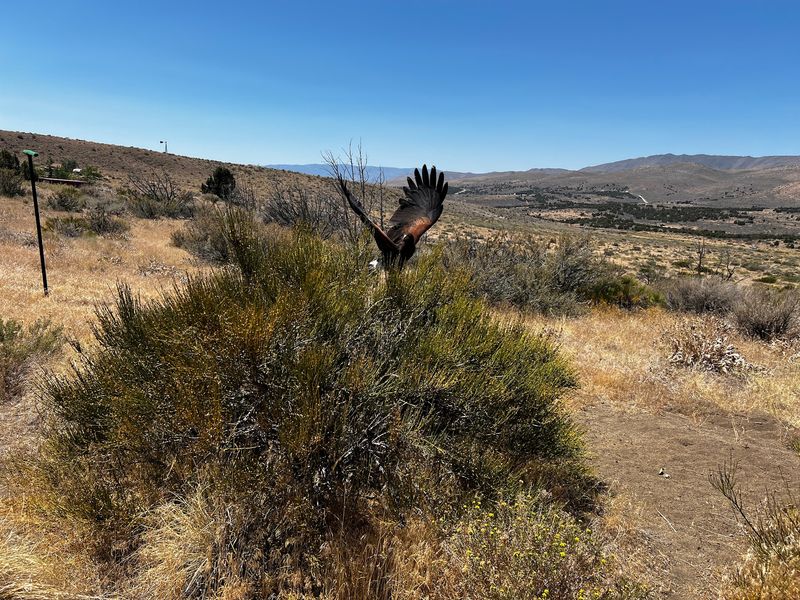
Elevation plays a starring role here. Raptor Adventures sits in the high desert of Northern Nevada at about 5,500 feet. You’ll find it at 1265 Deerlodge Rd, Reno, NV 89508. The setting is open and wild, which gives the birds a natural stage for flying.
High desert air can feel different from the city below. Sun feels stronger, and the wind can pick up without much warning. For raptors, this landscape makes sense. Open ground and wide skies are exactly where hawks and falcons like to hunt.
For visitors, it means a chance to see these birds in a setting that fits them. Flights look even more impressive against hills and sagebrush instead of walls. Plan your drive ahead of time, since this isn’t a downtown attraction. The trip out is part of the adventure.
It’s also a nice change from the busier side of Reno. Out here, the loudest thing might be a hawk’s call or the wind sweeping across the hills. Not a bad soundtrack for an afternoon in Nevada.
Dress Like The Weather Can’t Make Up Its Mind
Desert weather loves a plot twist. That’s why the team advises dressing in layers for changeable conditions. A sunny morning can turn breezy fast at higher elevations. Layers let you adjust without feeling too hot or too chilly.
Shoes matter too. Good footwear is a must, and open-toed shoes are not allowed. You’ll be walking a short path, so sandals simply won’t cut it.
Bring water to stay hydrated. Sunblock is also a smart pick, since the high desert sun doesn’t play around. Weather affects the birds as well. High heat, cold, strong wind, heavy rain, or snow can keep them from flying safely.
In those rare cases, vouchers are provided. It’s a way to protect the birds while giving visitors another opportunity to enjoy the experience. Think of it as packing for a short hike with very special company. A hat, a jacket, sturdy shoes, and a water bottle cover most bases.
Snacks are included too, which is a nice touch. Your arm may be busy, but at least your stomach won’t complain.
Book First, Then Practice Your Steady Arm
Spontaneous drop-ins won’t work here. Raptor Adventures operates by reservation only. Experiences are typically offered Friday, Saturday, and Sunday at 11 AM and 1 PM. Schedules can shift by season, so confirm your time before you head out.
The season matters too. Operations close during the colder months, generally December through March, depending on weather. That makes spring through fall the time to plan. Booking early helps, especially if you’re visiting Reno on a tight schedule.
Changes need some notice. Cancellations or rebooking must be requested at least 48 hours before your scheduled visit, or the payment may be forfeited. A few house rules keep things running smoothly. Pets aren’t allowed, and neither are unpaid observers or smoking.
The pet rule makes perfect sense. A curious dog and a hungry hawk would be a stressful combo for everyone involved. Treat this like a reserved show with very feathery performers. Lock in your date, set a reminder, and plan your day around it.
Everything else in your Reno trip can be flexible. This part should not be.
Owls Steal Hearts Without Making A Sound
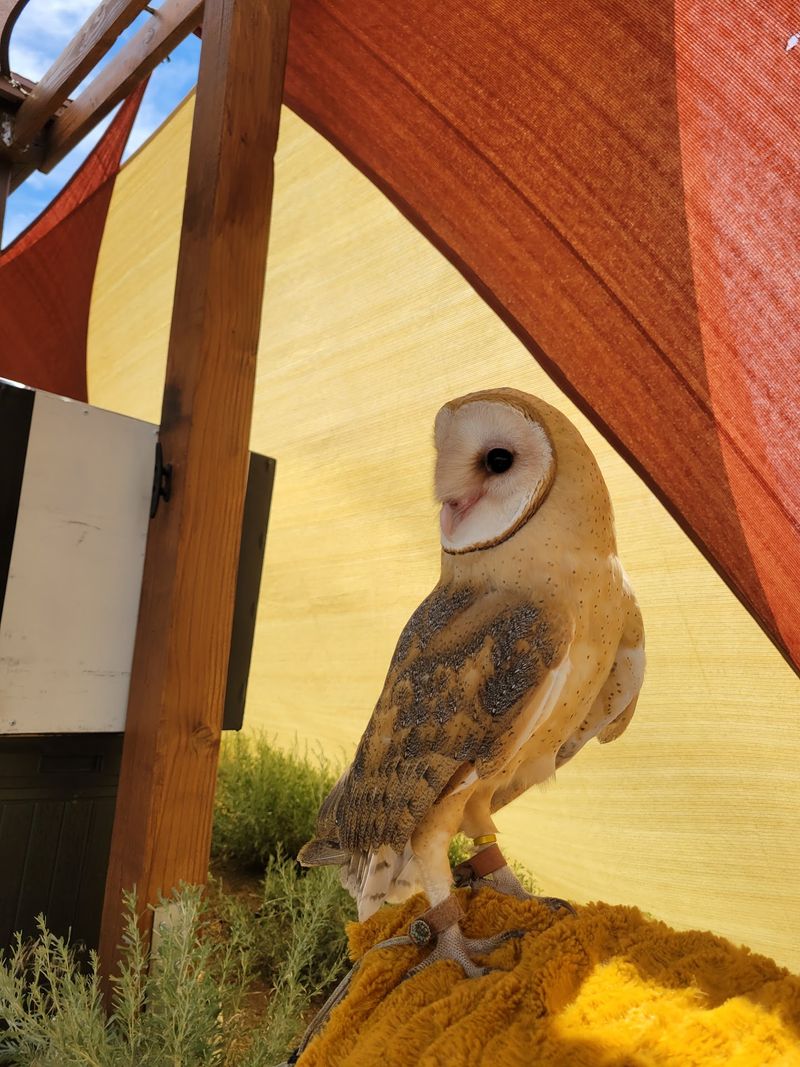
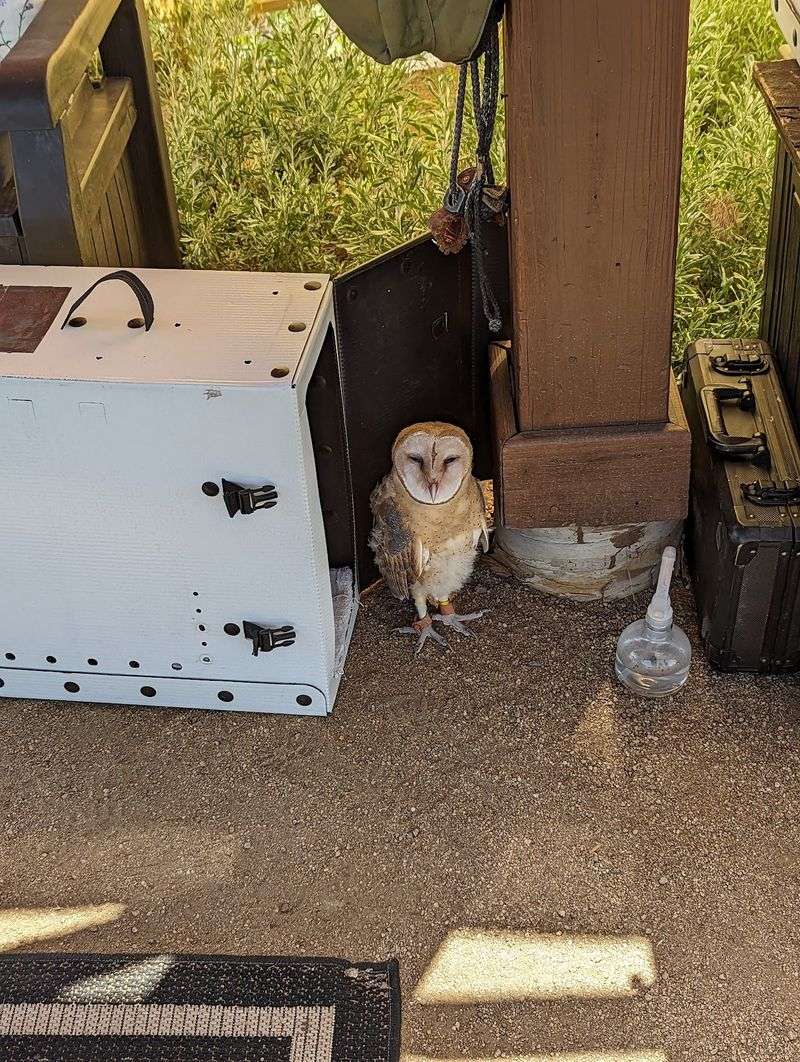
Big orange eyes can win anyone over. Owls are a highlight for many visitors, and it’s easy to see why. Hawks get the dramatic flights, but owls bring a calm, curious charm. Seeing one up close gives you a fresh appreciation for how they’re built.
Their faces work almost like satellite dishes. The round shape helps guide sound toward their ears, which is how they find prey in the dark.
Fun fact: owls can’t move their eyes the way people can. Instead, they turn their heads a long way to look around. Soft feather edges help them fly quietly. That’s handy when your dinner has very good hearing.
The falconer explains these traits as part of the lesson. Learning the why behind each feature makes the birds feel even more amazing. Owl lovers will want extra camera space for this part. Those serious faces somehow look wise, grumpy, and adorable all at once.
It’s a reminder that nature doesn’t do boring. Every feather, eye, and talon has a job, and the owl wears it all very well.
You’ll Look At The Sky Differently On The Drive Home
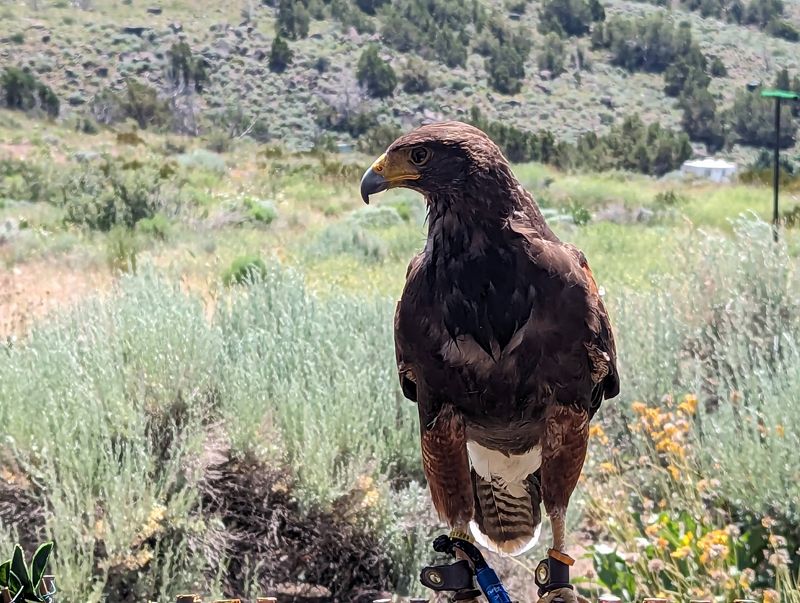
Conservation sits at the heart of the lesson. Visitors learn why raptors matter and why protecting them is worth caring about. Birds of prey help keep nature in balance. They control rodents and other small animals, which affects the whole ecosystem.
Knowing this changes how you see them. A hawk on a fence post suddenly looks less like scenery and more like a hard worker on duty. Raptors are protected at both federal and state levels. That’s why falconry is so carefully regulated across the country.
Learning from licensed experts also shows how much care goes into working with these birds. It’s training, patience, and respect all rolled together. That kind of lesson tends to stick. Long after the gauntlet comes off, you might catch yourself scanning power lines and treetops.
Nevada has plenty of open sky, and now you’ll know what to look for. Identification tips from the visit can turn any road trip into a quiet bird-spotting game. Raptor Adventures doesn’t just give you a cool afternoon. It hands you a new way to notice the wild world overhead.