
This Unique Pennsylvania Bridge With A Backstory You Won’t Believe

Prepare to have your jaw do a double take, because this towering legend in Pennsylvania is not your average scenic overlook.
The Kinzua Bridge went from record breaking railway marvel to skywalking showstopper, and the plot twist could fill a whole miniseries.
You will stroll into a peaceful state park and end up walking through time, engineering, and a tornado’s fury.
Ready to step onto a glass floor and stare straight into history’s dramatic cliffhanger?
It Was Once The Tallest Railway Bridge In The Entire World

When the Kinzua Bridge debuted in 1882, trains tiptoed across the gorge like steel tightrope walkers, proudly claiming the title of the tallest railway bridge in the world.
Locomotives chugged over an iron giant while the valley below hummed with wind and wonder, its staggering stats serving as bragging rights stamped in rivets.
That early ambition still lives in the towers that remain standing today.
Walk the surviving span and you can feel that confidence underfoot as the valley parts like a curtain and history seems to whisper through the rails.
Built In Just 94 Days Using Only 19th-Century Tools
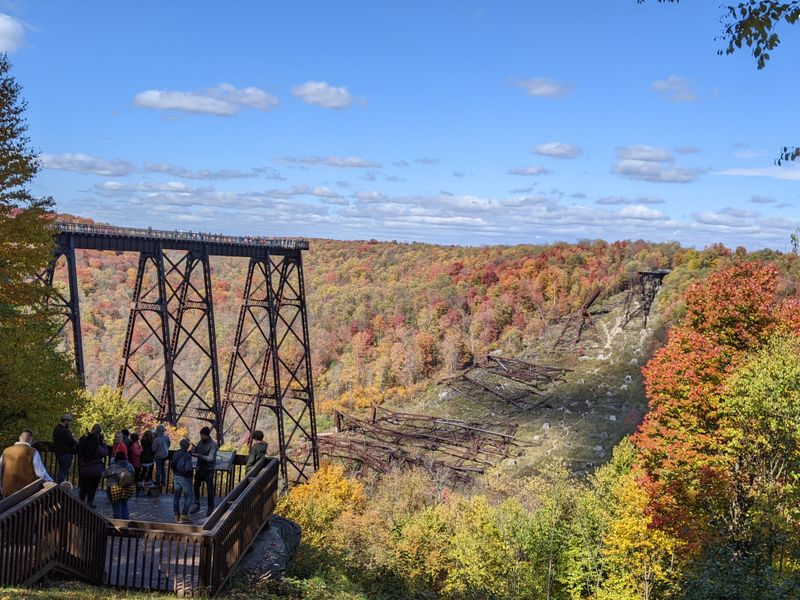
Kinzua’s original build was speed dating for bridges, a whirlwind of iron, muscle, steam, and grit that produced a towering trestle in just 94 jaw-dropping days.
No lasers or drones—just sweat, slide rules, and crews moving in precise choreography as materials arrived like clockwork and hammers rang out their metallic chorus.
Each tower rose with a can-do urgency that would make modern schedules blush.
Reading the exhibits today, you can almost hear that tempo echo through the valley, the structure’s very bones still bragging about the feat.
An Engineering Mystery: Why The Bridge Had To Be Completely Rebuilt
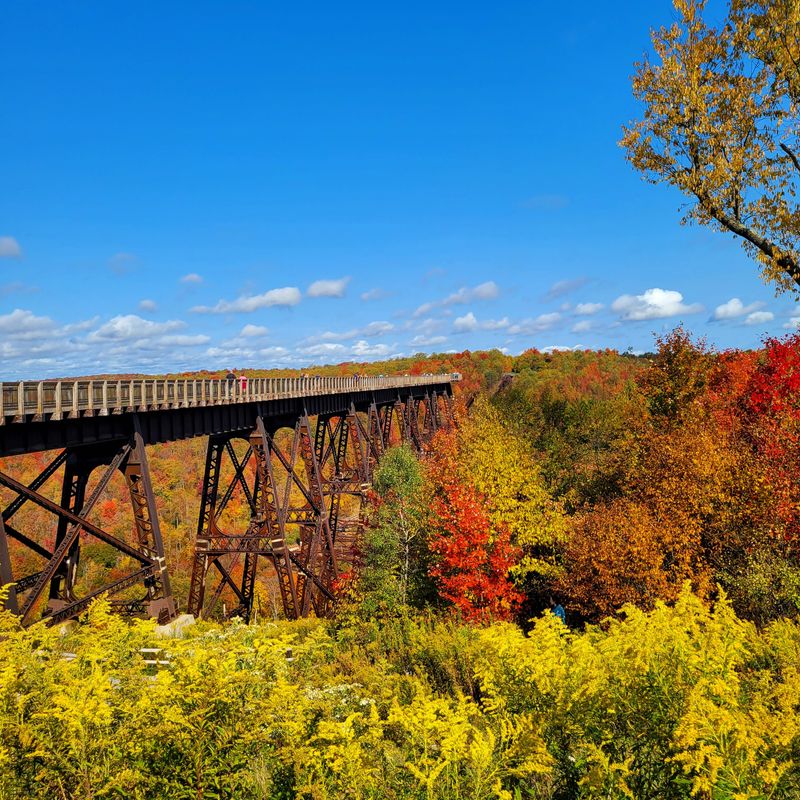
The original iron giant eventually met heavier trains and stricter safety standards, prompting a full steel rebuild in 1900—a structural glow-up with more muscle and smarter bracing.
Engineers replaced brittle iron with stronger steel and reinforced the foundations, racing physics and fatigue to keep the trestle both relevant and safe, creating a structure that looked familiar but flexed with new strength.
Walking the span today, you’re literally standing on lessons learned the hard way, and the museum tells that story plainly—because in this gorge, progress wears rivets and means business.
The Real Shock: A Single Tornado Destroyed Half The Bridge In Minutes
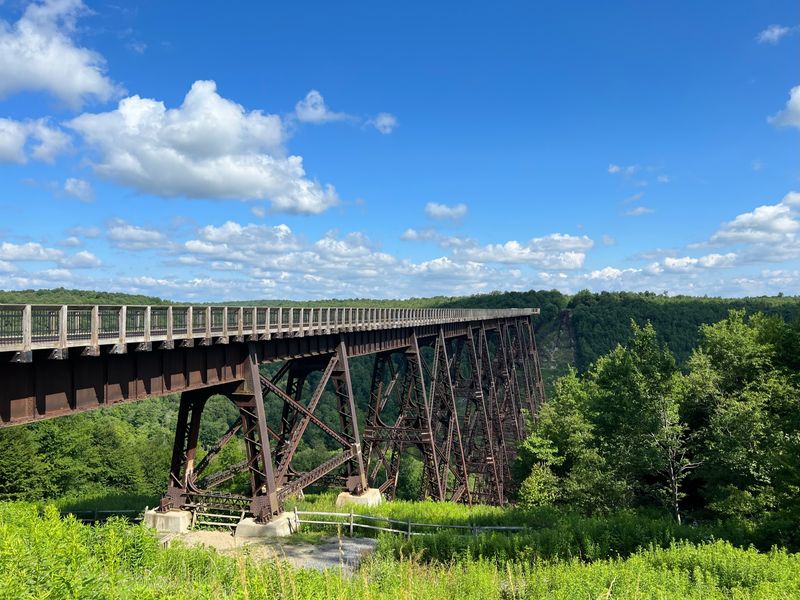
Plot twists don’t usually arrive at 90 miles per hour, but this one did.
In 2003, an F1 tornado tore through the valley and peeled half the bridge from its towers in minutes—no negotiation, just rearrangement.
What remained clung to the landscape like a steel cliffhanger, while fallen towers crumpled into the gorge with a sound witnesses described as thunder tangled with tearing metal.
Stand on the skywalk today and you can still feel that abrupt ending; the view may be breathtaking, but the memory carries sharp edges—a reminder that wind writes edits humans can’t undo.
Investigators Later Found Hidden Corrosion That Predicted The Collapse
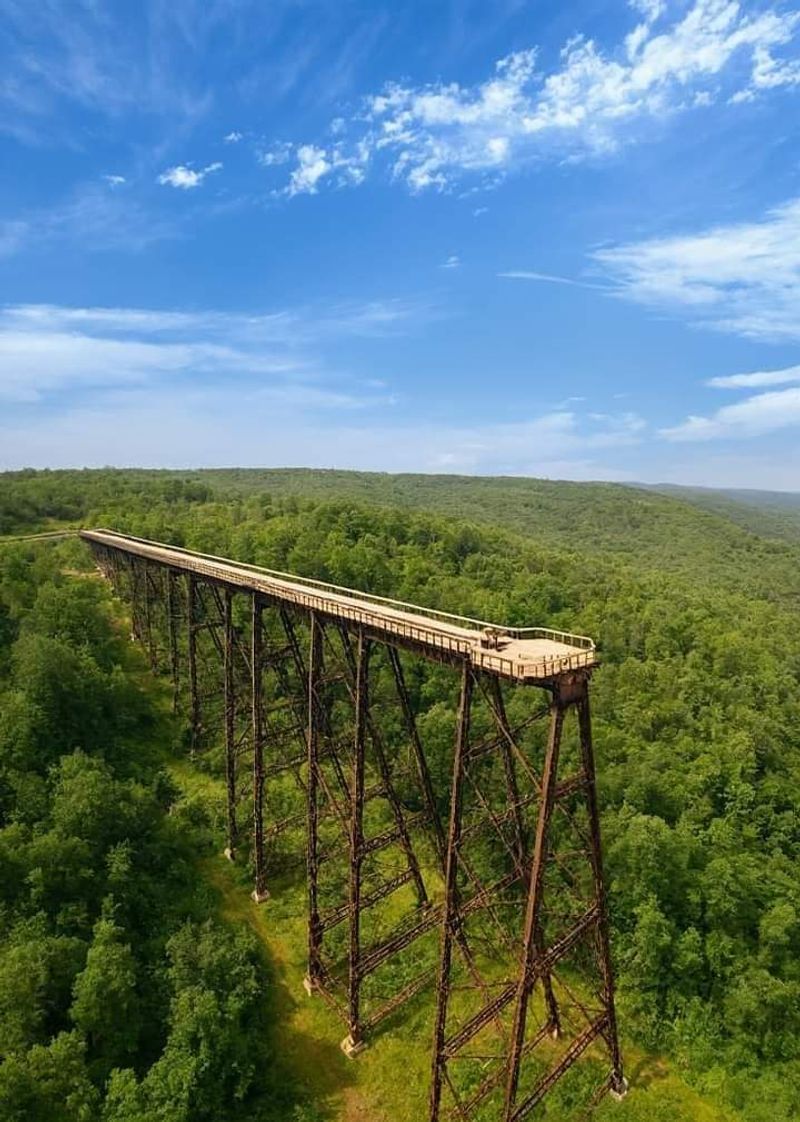
Detective work followed the storm, and the clues were hiding in plain rust.
Investigators discovered corrosion eating away at anchor bolts and base plates, quietly weakening the legs long before the tornado ever showed up—the wind was just the final shove after decay opened the door.
Reports read like a cautionary tale about maintenance, materials, and the relentless patience of time, with moisture creeping into joints and stealing strength in silence.
The photos and diagrams make the case unmistakably clear, offering a humbling reminder that steel may be tough, but chemistry always plays the long game.
The Fallen Portion Was Left Exactly Where It Landed—On Purpose
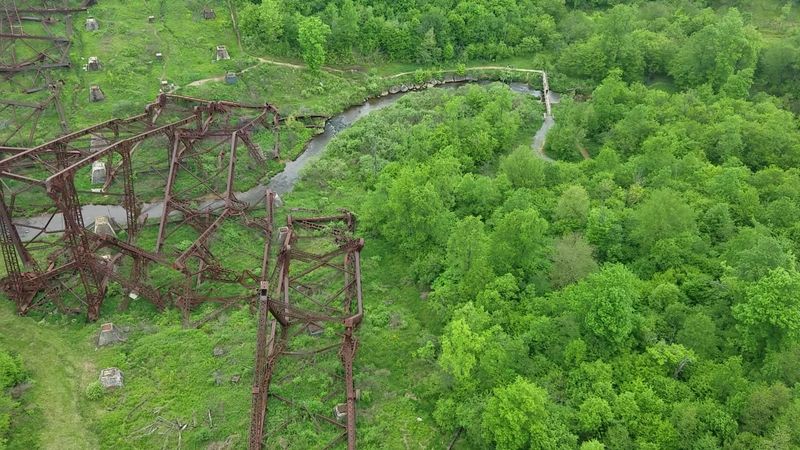
Curators don’t usually decorate with disaster, but here the collapsed towers remain in the gorge—a rust-red sculpture garden shaped by physics and honesty.
Leaving them in place transformed tragedy into an outdoor classroom, where each twisted beam tells a chapter about force, failure, and design.
From above, the fallen geometry almost reads as abstract art, while down on the trail it feels visceral, gritty, and unmistakably real.
The decision anchors history exactly where it fell, making the story impossible to forget.
Today The Bridge Lives On As a Skywalk With a Transparent Glass Floor
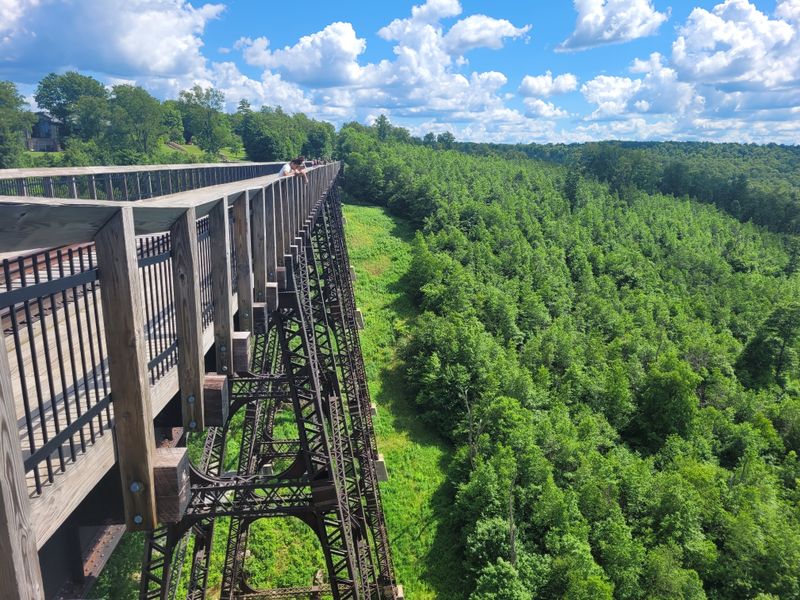
Adrenaline comes standard with the skywalk, and the glass floor is the exclamation point that dares you to look straight down as your knees negotiate with your courage.
The remaining span becomes a promenade of awe, with railings framing vistas of layered hills and river threads that stretch into a living postcard on clear days.
Photos can’t quite capture the drop, but your heartbeat will.
The nearby visitor center adds context and confidence, sending you back out to walk farther—with glass underfoot, history overhead, and sky in every direction.
Wildlife And Nature Have Reclaimed The Wreckage In Stunning Ways
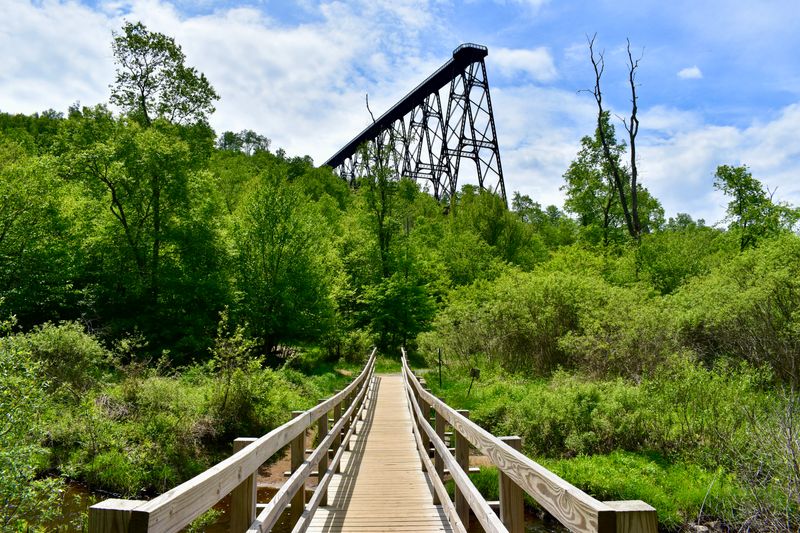
Nature is the ultimate upcycler, and the gorge proves it with effortless beauty as ferns, moss, and wildflowers stitch themselves through rusted steel like living embroidery.
The wreckage has become habitat as much as history, filled with birdsong and the quiet movement of small creatures.
Seasons repaint the beams in shifting palettes—from spring greens to autumn fire—softening even the shadows where iron meets ivy.
Walk the trail and you’ll witness resilience in slow motion, a hopeful contrast of decay and bloom that makes it feel as if the valley gave the bridge a second career.
Kinzua Became a Symbol Of Engineering Ingenuity… And Fragility

Symbols are earned, and Kinzua’s comes with equal parts pride and humility.
The remaining span declares human ingenuity, while the fallen half quietly reminds us of limits, creating an unspoken dialogue between ambition and reality.
Engineers study it, travelers photograph it, and storytellers can’t help but interpret it—you’ll find your own meaning somewhere between the rivets and the clouds, because the place invites reflection without preaching.
Stand still and let the wind carry the lesson: strength matters, but so does awareness.
It’s a landmark that teaches without ever giving a lecture.
It’s Now One Of Pennsylvania’s Most Photographed (And Unexpected) Landmarks
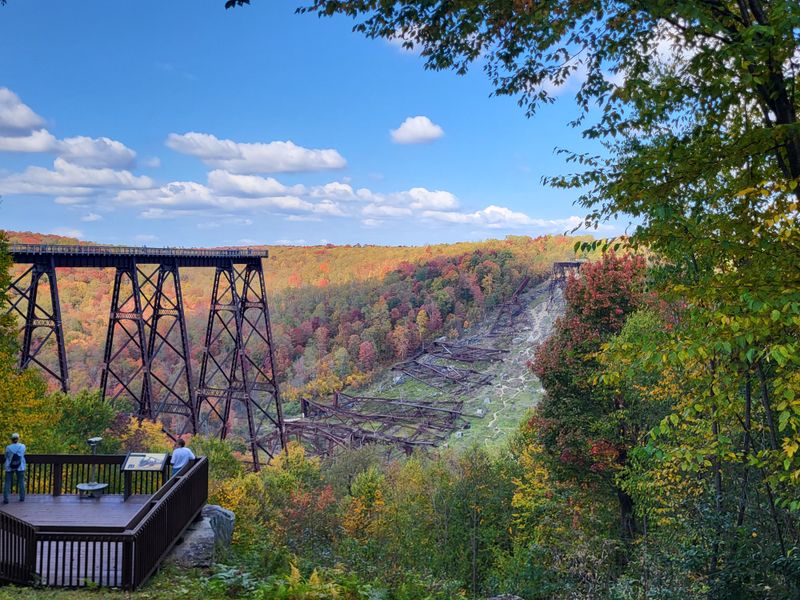
Instagram may not have built it, but it definitely handed Kinzua a well-deserved second spotlight.
The skywalk’s clean lines and the valley’s layered backdrop create effortless drama—every frame feels like a travel poster waiting to happen.
Morning fog adds mystery, autumn color goes full fireworks, and angles abound from the glass floor to the overlook; tripods help, but curiosity is the real equipment.
Come early for quiet or late for gold-tinted glow—either way, this landmark refuses to be a one-time photo op, always ready to surprise the next click.