
11 Colorado Mountain Towns Too Pricey For Locals After Tourism Exploded
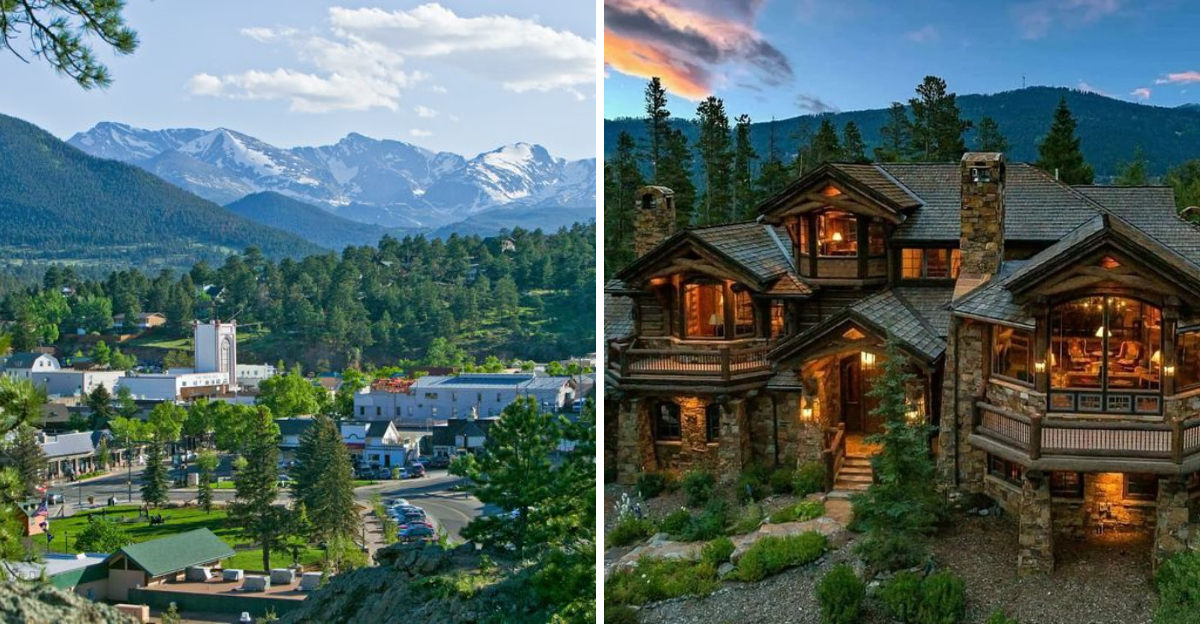
Colorado’s mountain towns have always been beautiful, but something changed when tourists discovered their charm.
What used to be affordable communities where locals could live and work have transformed into luxury destinations with sky-high prices.
Housing costs have soared so dramatically that many longtime residents can no longer afford to stay in the places they’ve called home for generations.
The tourism boom brought prosperity, but it also pushed out the very people who made these towns special in the first place.
1. Aspen
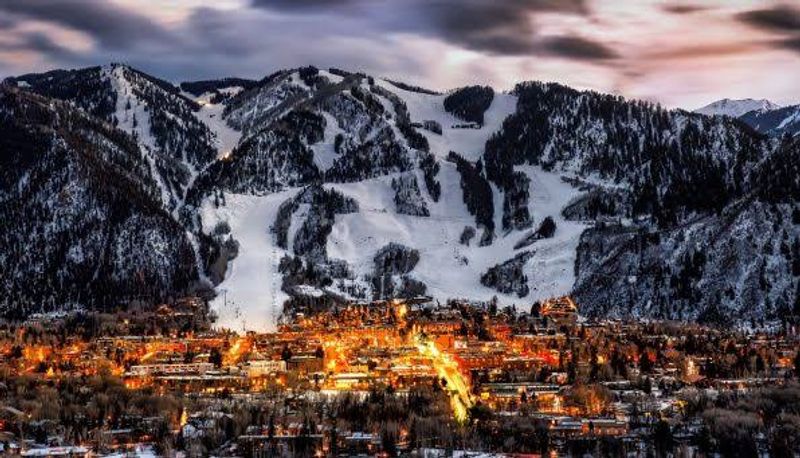
Billionaires bought out the millionaires here, and now Aspen wears the crown as Colorado’s priciest playground.
The median home price exceeds $10 million, making it virtually impossible for teachers, nurses, or restaurant workers to live anywhere near their jobs.
Most service workers commute over an hour from affordable valleys just to keep the town running.
The glitz and glamour attracted celebrities and CEOs, but everyday folks got priced out faster than you can say “champagne powder.”
2. Vail
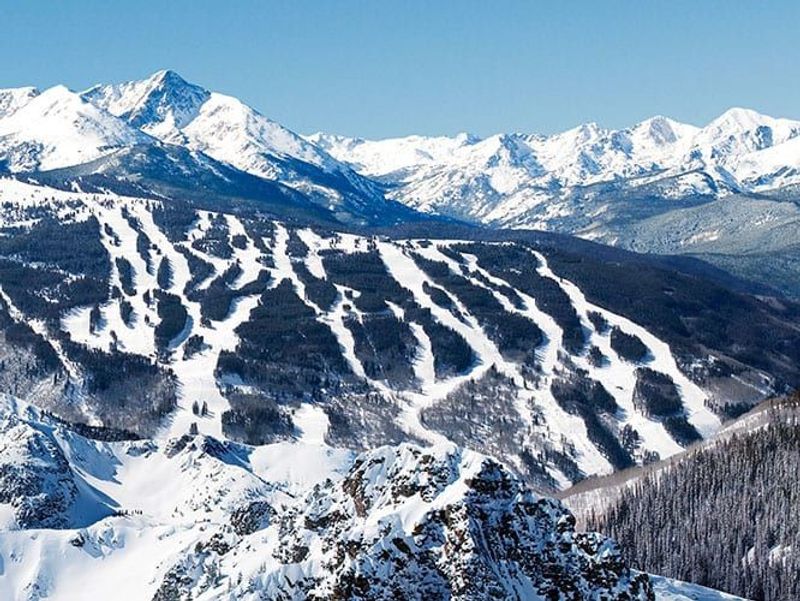
Picture a European alpine village dropped into Colorado, then multiply the prices by ten.
Vail’s reputation as a world-class ski destination turned it into a real estate goldmine where condos sell for millions.
Local families who built this town from scratch now watch from afar as their childhood homes become vacation rentals.
The resort’s expansion brought jobs, sure, but those jobs don’t pay enough to afford living within 30 miles.
Workers pile into shared apartments in neighboring towns, sacrificing comfort just to stay employed in paradise.
3. Avon
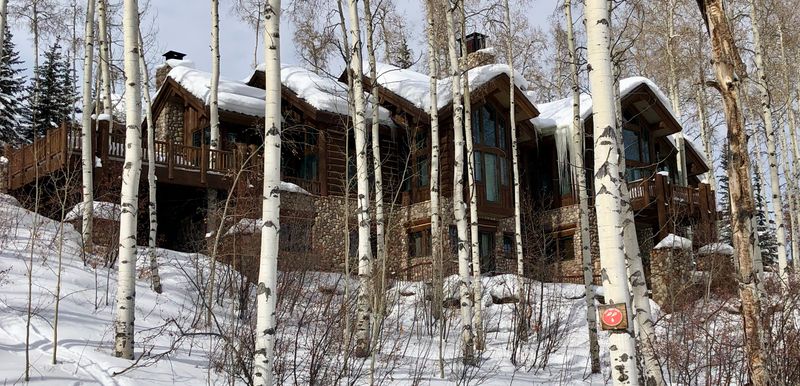
Nestled beside Beaver Creek, Avon seemed like the affordable alternative until tourism spilled over and gobbled up every bargain.
Developers transformed modest neighborhoods into luxury condo complexes faster than snow melts in July.
Families who moved here seeking mountain life without Vail’s price tag watched their property taxes triple within a decade.
The town became a bedroom community for wealthy second-home owners who visit maybe three weeks annually.
Meanwhile, year-round residents struggle to find rentals under $2,500 monthly for a basic two-bedroom apartment.
4. Edwards
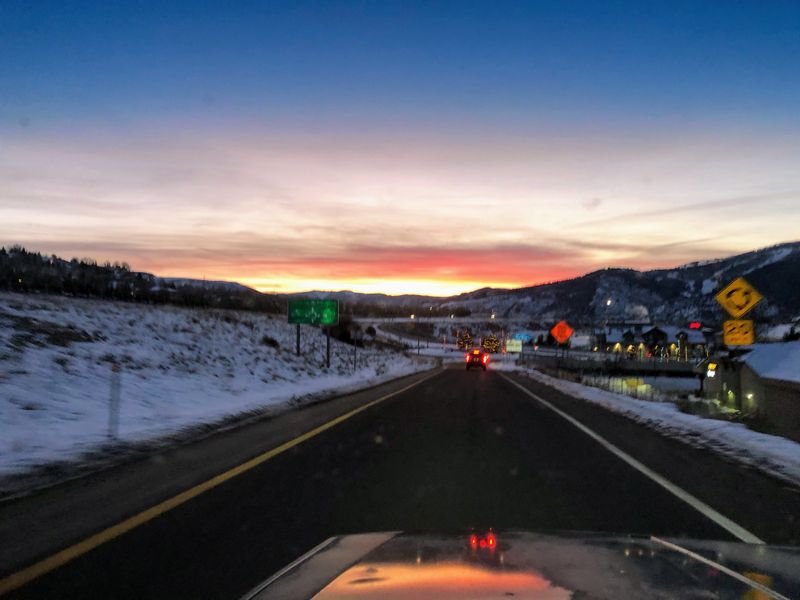
Once considered the working-class neighbor to Vail’s glittering wealth, Edwards couldn’t escape the tourism tidal wave either.
Real estate investors recognized its potential and swooped in, transforming affordable housing into premium properties.
The median home price jumped over 150% in just fifteen years, leaving longtime residents feeling like strangers in their own ZIP code.
Local businesses can’t find employees because nobody can afford to live close enough to work there.
Edwards became another casualty of Colorado’s tourism gold rush, where profit trumped community.
5. Breckenridge
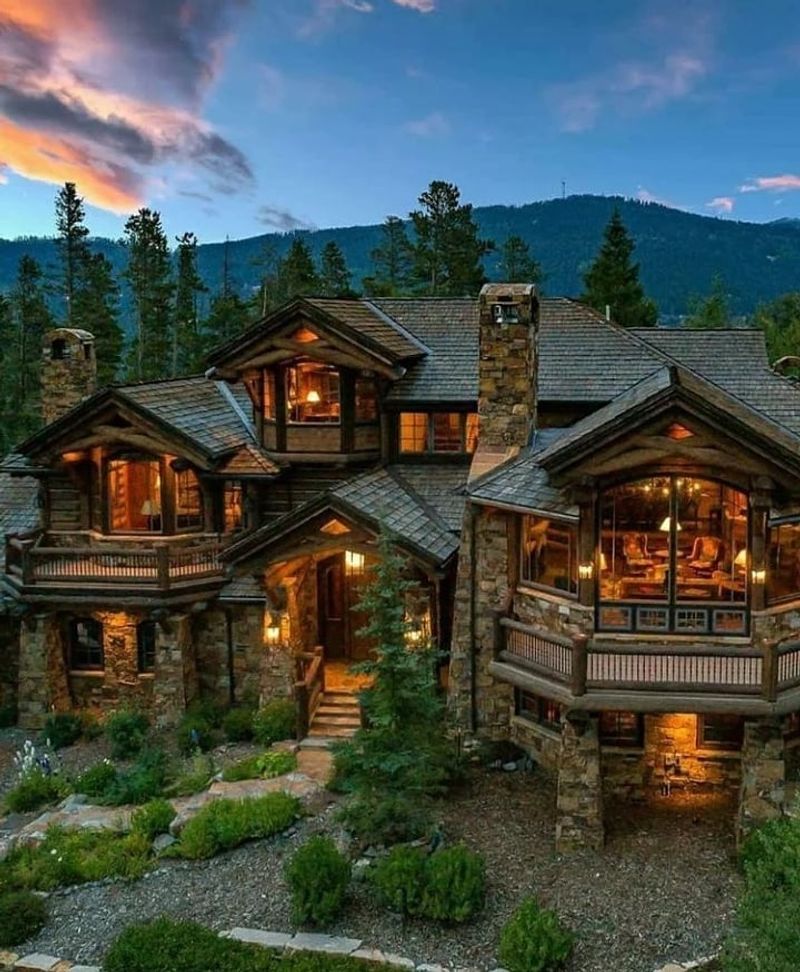
This former mining town struck gold again, but this time it’s tourist dollars instead of precious metals.
Breckenridge’s charming Victorian downtown and epic skiing attracted visitors who eventually decided to buy instead of rent.
Average home prices soared past $1.5 million, forcing locals down the mountain to communities like Leadville or Fairplay.
Seasonal workers live in cramped employee housing or pack into shared rentals with multiple roommates.
The town’s soul slowly faded as chain stores replaced family businesses and wealthy part-timers outnumbered full-time residents.
6. Steamboat Springs
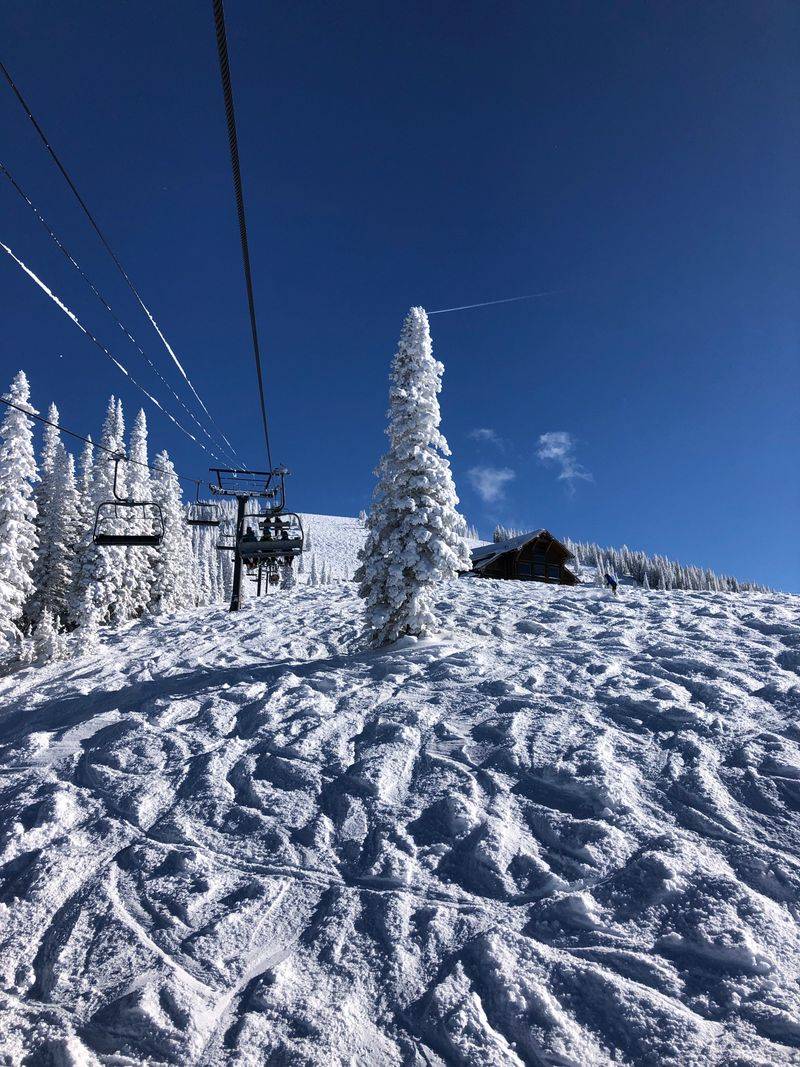
“Ski Town USA” earned its nickname through authentic Western charm and champagne powder, but that authenticity came with a hefty price tag.
Cowboys and ranchers who defined this community for generations now compete with tech millionaires for housing.
Ranch land gets carved into luxury subdivisions while housing costs climb higher than the Rockies themselves.
Teachers and nurses qualify for affordable housing programs because market-rate rentals exceed their entire salaries.
The rodeo still happens, but fewer locals can afford tickets to their own town’s traditions anymore.
7. Crested Butte
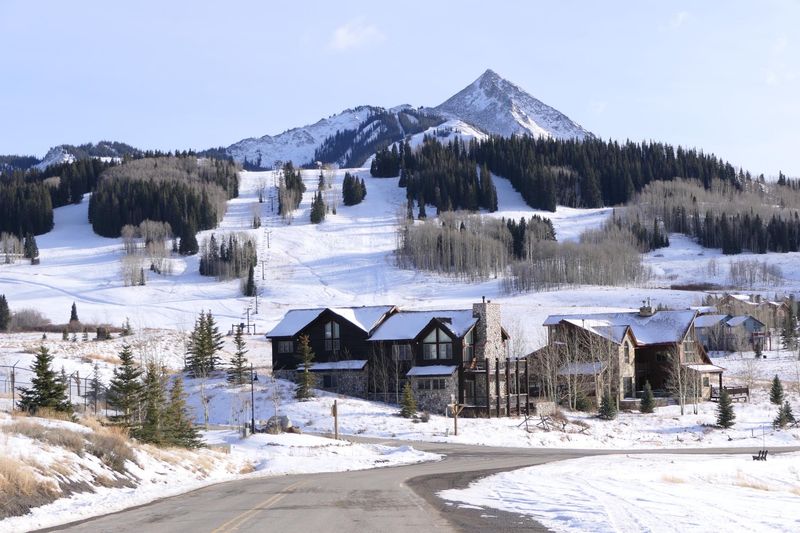
Known as the “last great Colorado ski town,” Crested Butte fought hard to maintain its funky, artistic vibe.
Unfortunately, even quirky mountain culture couldn’t withstand the tourism tsunami that washed affordability away.
Artists and outdoor enthusiasts who gave this town its character now live in vans or move away entirely.
Home prices tripled within two decades, and rentals vanished as owners converted them to lucrative short-term vacation properties.
The community’s creative soul struggles to survive when the people who created it can’t afford to stay.
8. Telluride
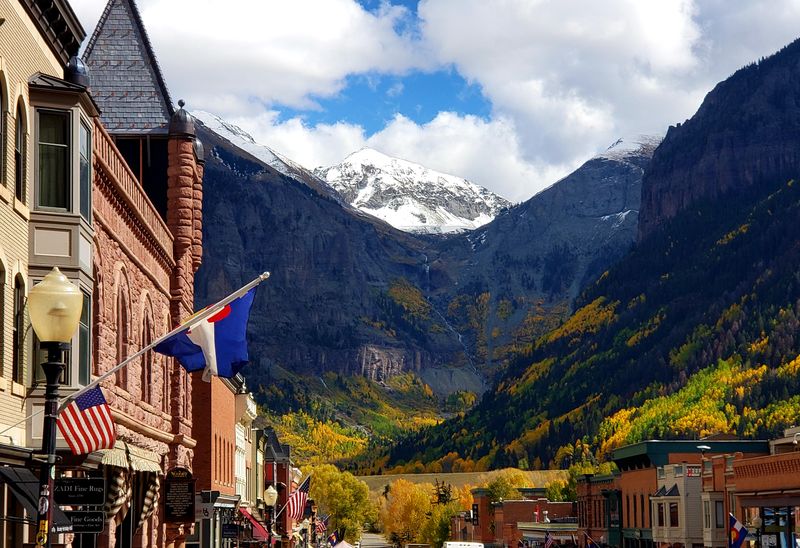
Tucked into a breathtaking box canyon, Telluride’s isolation once kept prices reasonable and tourism manageable.
Then celebrities discovered this hidden gem, and the secret was out for good.
Now it rivals Aspen for outrageous real estate prices, with homes routinely selling for $5 million or more.
Festival season brings hordes of visitors but few affordable housing options for the workers who make those events possible.
Locals joke that you need a trust fund just to rent a studio apartment, and sadly, that’s barely an exaggeration anymore.
9. Winter Park
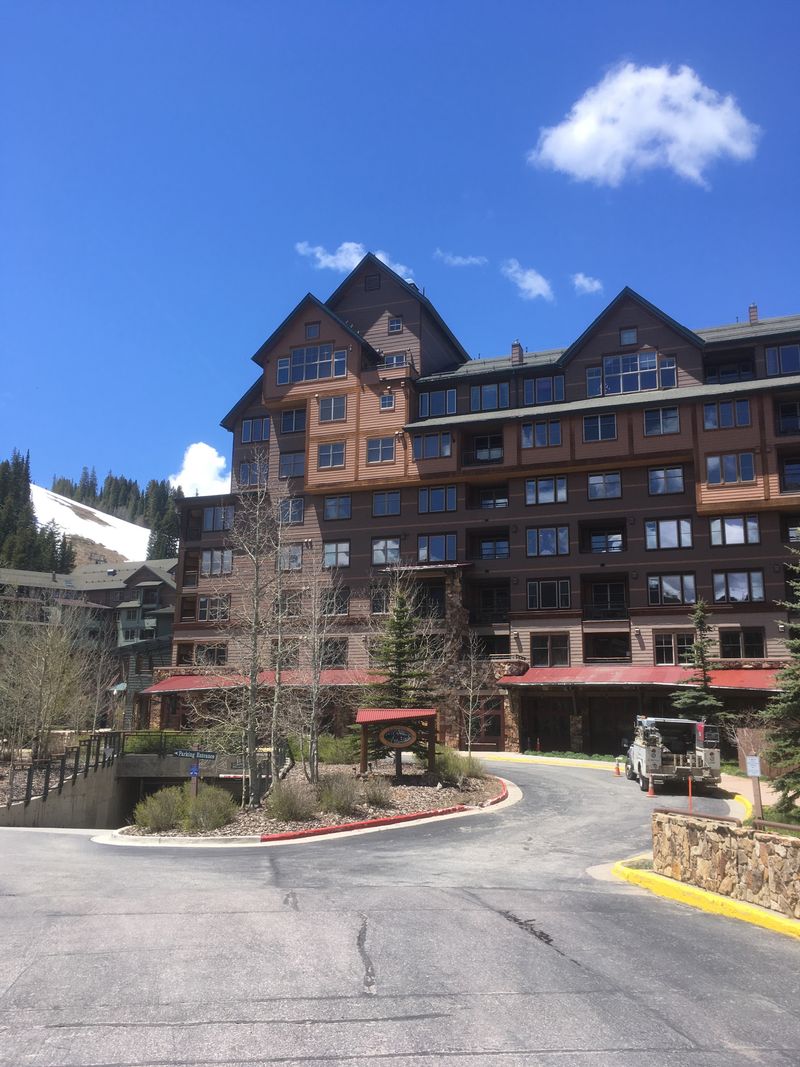
Denver’s closest major ski resort seemed destined to remain the accessible option for Front Range residents.
Then investors recognized its potential and Winter Park joined the exclusive expensive club.
Property values skyrocketed as wealthy buyers snatched up everything from condos to cabins, pricing out families who’d vacationed here for decades.
The new train connection made access easier but also accelerated gentrification and development.
Workers now commute from Grand County towns or Fraser, where affordability hangs by a thread as prices creep upward there too.
10. Snowmass
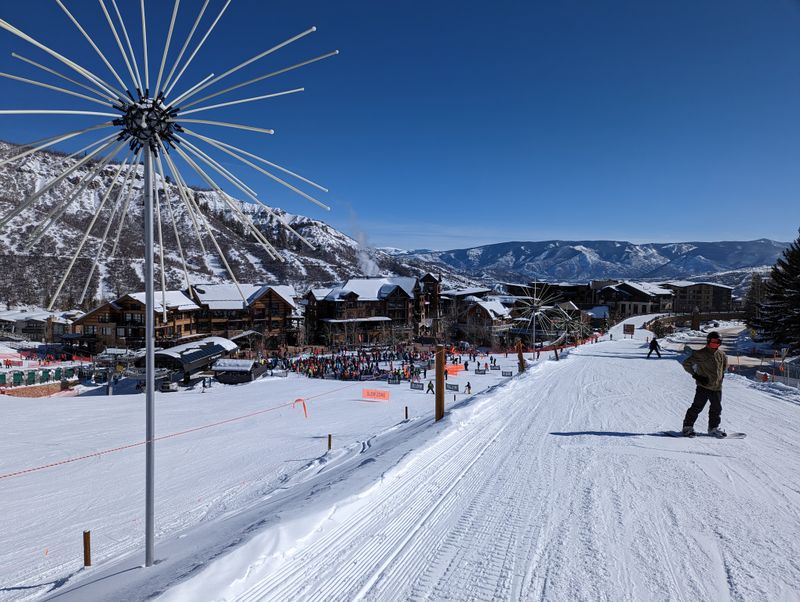
Living in Aspen’s shadow didn’t save Snowmass from becoming ridiculously expensive too.
This purpose-built resort village prioritized tourists and second-home owners from day one, leaving little room for working-class residents.
Massive resort expansion brought jobs but not housing that employees could actually afford on service-industry wages.
Many workers commute from Carbondale or even Glenwood Springs, spending hours in their cars just to serve wealthy vacationers.
The village feels empty most of the year, occupied mainly by seasonal visitors rather than vibrant year-round community members.
11. Estes Park
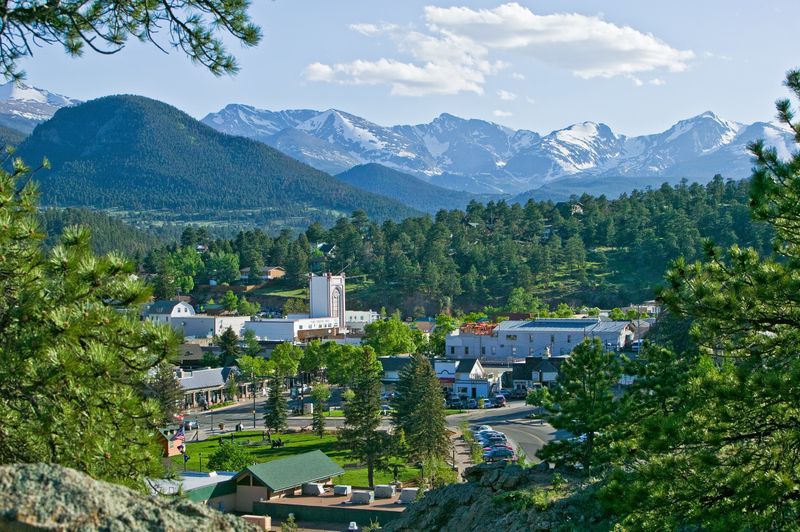
Gateway to Rocky Mountain National Park, Estes Park welcomed millions of visitors annually who fell in love with its stunning location.
That love translated into real estate purchases that squeezed out longtime locals.
Vacation rentals proliferated as property owners chased tourism dollars instead of providing housing for residents.
Workers serving tourists often live 45 minutes away in Loveland or Longmont because Estes Park rentals disappeared or became unaffordable.
The elk still wander through town, but the humans who once called this place home have largely wandered away for good.