
North Carolina Outer Banks Villages Locals Barely Recognize Anymore
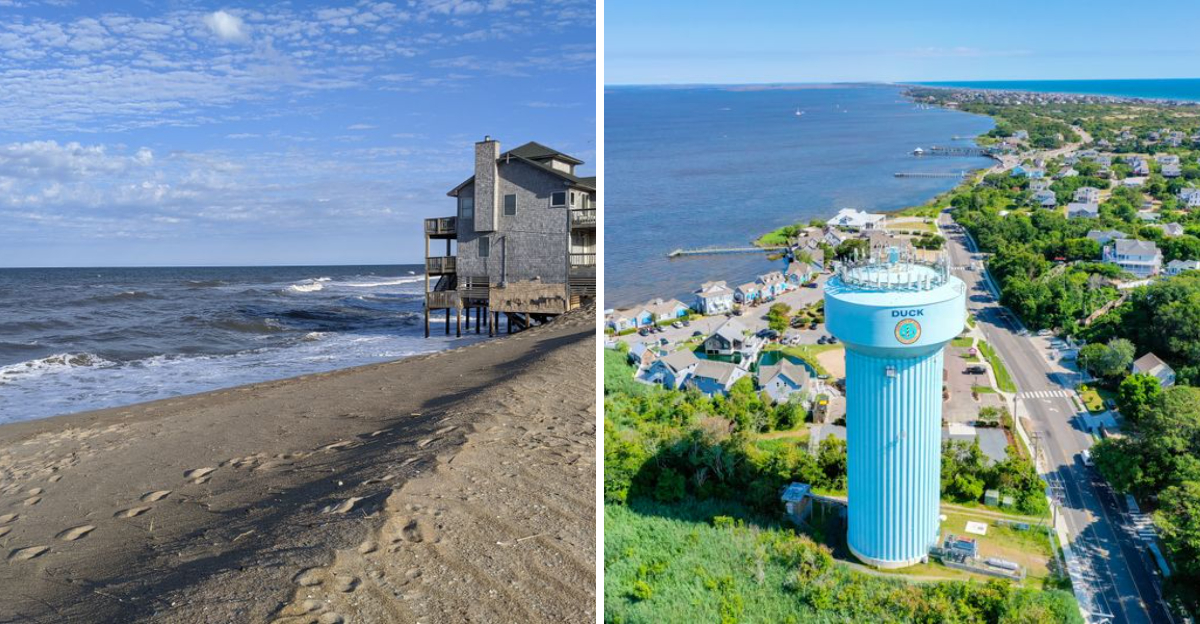
The Outer Banks has changed more in the past few decades than most longtime residents ever imagined possible.
Quiet fishing villages have transformed into bustling tourist destinations, and sleepy beach towns now boast luxury developments that would make your grandparents do a double-take.
If you grew up visiting these barrier islands, prepare for a serious dose of nostalgia as we explore how tourism, development, and Mother Nature herself have reshaped these coastal communities beyond recognition.
1. Rodanthe
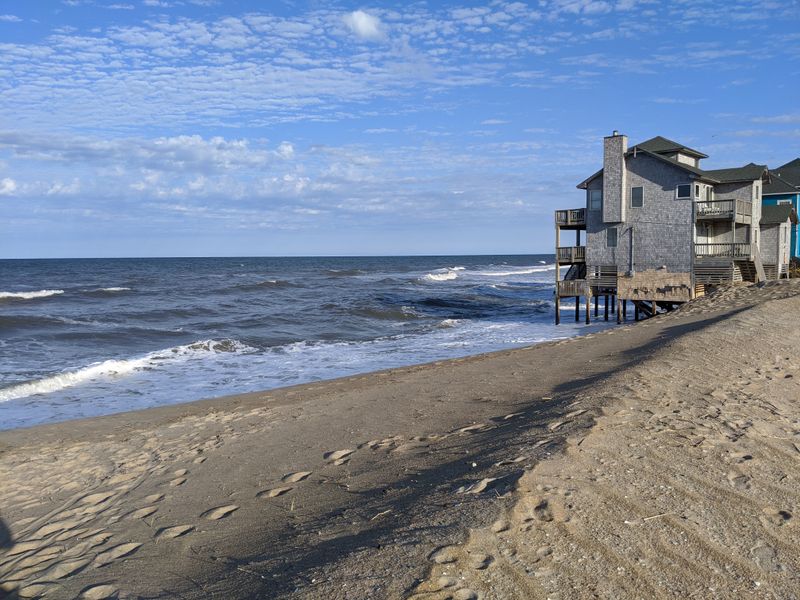
Beach erosion has literally moved Rodanthe’s coastline hundreds of feet inland, swallowing homes that once sat safely behind protective dunes.
Highway 12 now regularly floods and washes out, forcing expensive repairs that seem endless.
The famous “Serendipity” house from the Nicholas Sparks movie collapsed into the ocean in 2022, symbolizing how temporary these structures have become.
What locals remember as a quiet fishing hamlet now feels like a battleground between human development and an angry Atlantic Ocean.
2. Buxton
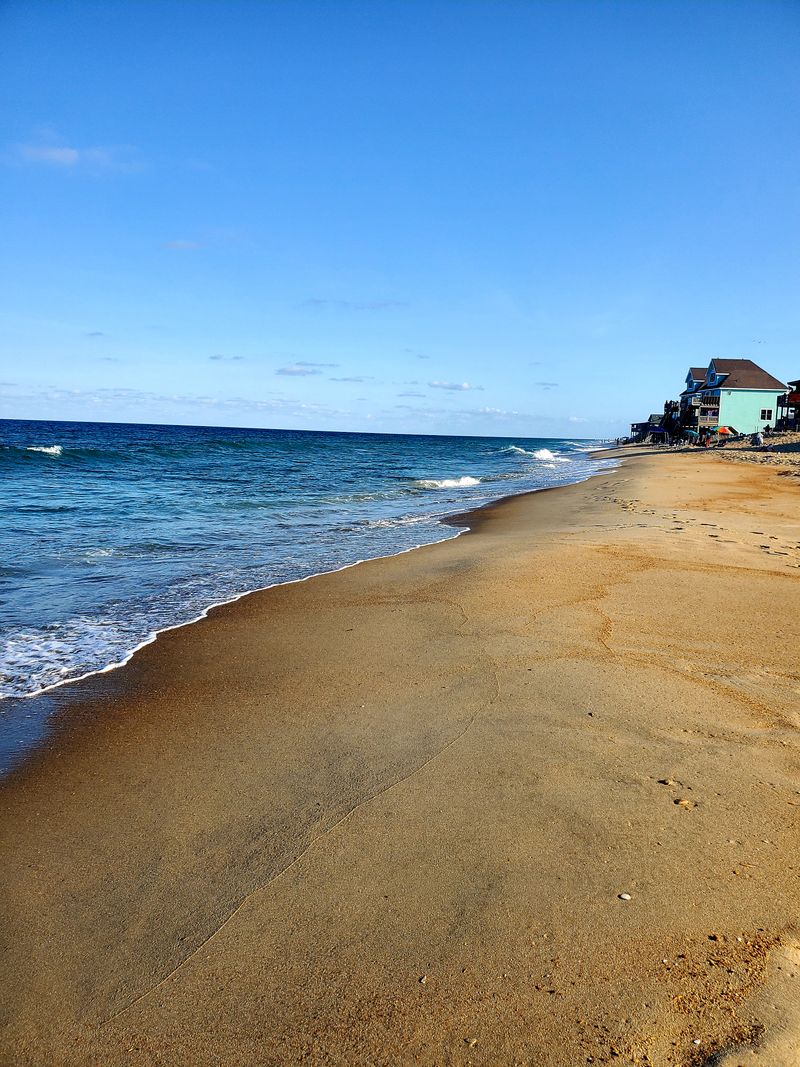
Cape Hatteras Lighthouse used to stand as Buxton’s quiet guardian, visited by curious travelers but never overrun.
Now it’s a full-blown tourist attraction with gift shops, crowded parking lots, and selfie-snapping visitors year-round.
The tiny village that once catered mainly to surfers and fishermen has exploded with vacation rental properties.
Old fishing families have sold their modest cottages to developers who’ve replaced them with towering beach mansions that rent for thousands per week during summer season.
3. Avon
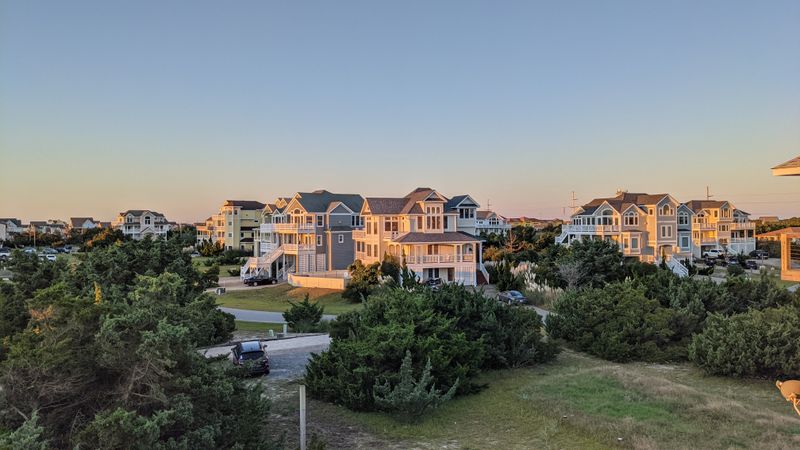
Avon has morphed from a blink-and-you’ll-miss-it village into Hatteras Island’s commercial hub, complete with chain stores that feel completely out of place.
The Food Lion and dollar stores have replaced mom-and-pop grocers that knew every customer by name.
Traffic now backs up during summer weekends, something absolutely unthinkable two decades ago.
Waterfront property values have skyrocketed so high that working-class families who built this community can no longer afford to live here, fundamentally changing the village’s character and soul.
4. Nags Head
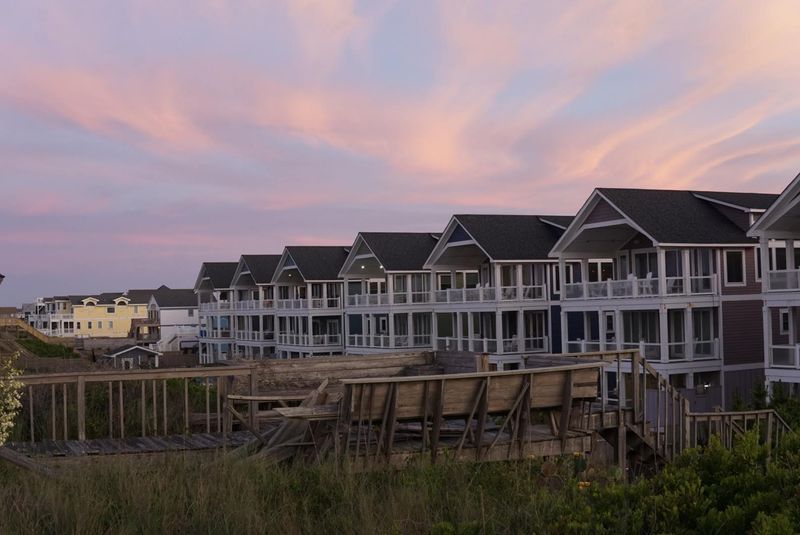
Remember when Nags Head meant windswept dunes and a handful of weathered beach cottages?
Those days vanished faster than sandcastles at high tide.
Today’s Nags Head features towering condos, bumper-to-bumper traffic on Beach Road, and enough mini-golf courses to make you dizzy.
The charming “Unpainted Aristocracy” cottage row still exists, but it’s now surrounded by massive rental properties that dwarf these historic homes.
What was once the Outer Banks’ most prestigious yet understated address has become a neon-lit tourist corridor that older locals barely recognize.
5. Kill Devil Hills
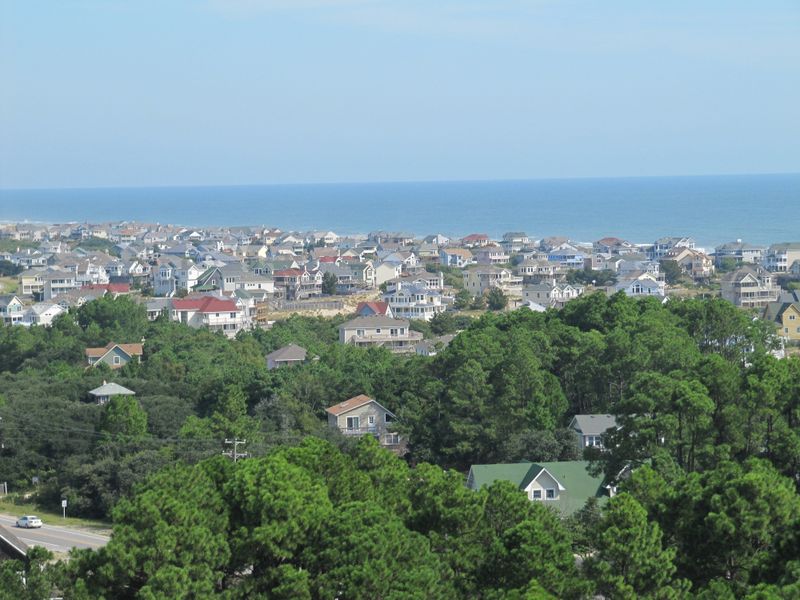
Kill Devil Hills has traded its quiet residential charm for strip mall sprawl that stretches for miles along the Bypass.
Where modest beach bungalows once dotted the landscape, cookie-cutter vacation rentals now pack every available lot.
The Wright Brothers Memorial still stands proudly, but it’s now surrounded by Walmart, countless restaurants, and traffic lights—lots of traffic lights.
Longtime residents joke that they need GPS to navigate their own hometown because new developments pop up faster than summer thunderstorms, erasing familiar landmarks almost overnight.
6. Duck
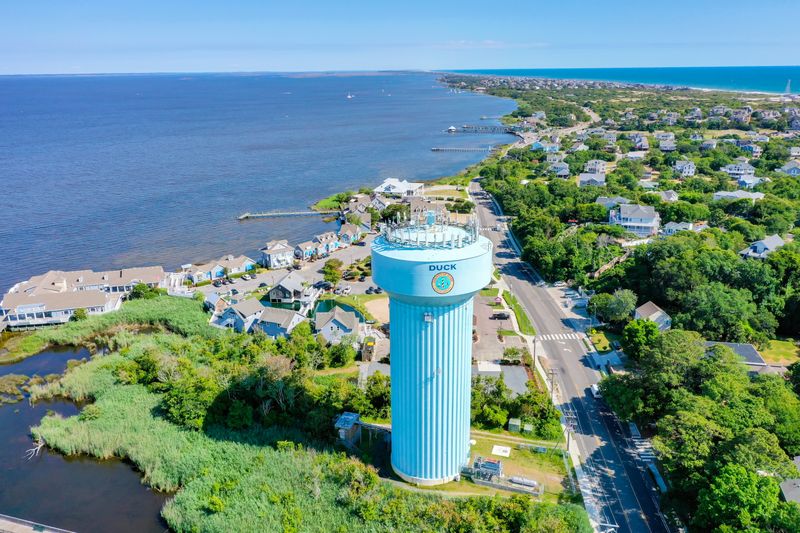
Duck transformed from a sleepy village with more actual ducks than people into the Outer Banks’ answer to Martha’s Vineyard.
The charming boardwalk and upscale boutiques attract well-heeled tourists who wouldn’t have given this place a second glance thirty years ago.
Million-dollar homes line every street, and the village has implemented strict regulations to maintain its newfound sophisticated image.
Old-timers remember when Duck didn’t even have a traffic light, and the biggest excitement was watching waterfowl migrate—now it’s watching expensive sports cars cruise through town.
7. Kitty Hawk
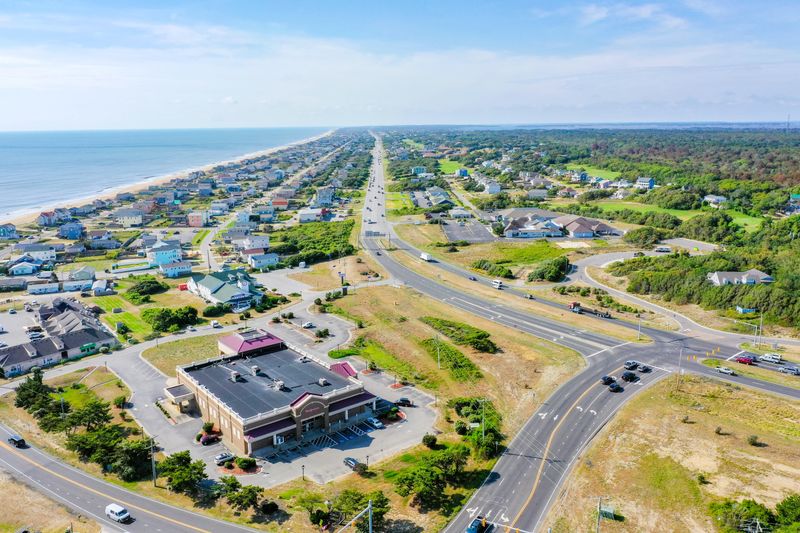
Kitty Hawk’s transformation reads like a textbook case of unchecked coastal development gone wild.
What began as a quiet residential community has exploded into a confusing maze of subdivisions, shopping centers, and vacation rental behemoths.
The historic Kitty Hawk Pier remains, but it’s now surrounded by development that would shock the Wright Brothers themselves.
Local kids who grew up riding bikes on empty roads now face traffic that rivals any suburban nightmare.
Maritime forests that once provided natural beauty have been cleared for yet another “luxury coastal living” development with a nautical-themed name.
8. Hatteras Village
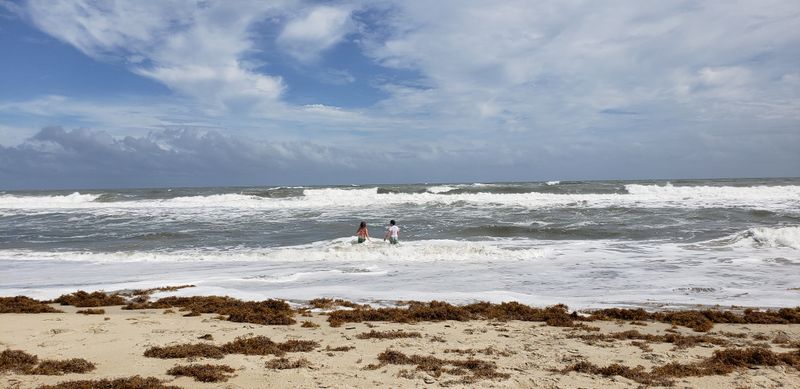
Hatteras Village built its reputation as the sport fishing capital of the world, but even this authentic fishing community hasn’t escaped dramatic change.
The harbor that once served primarily working watermen now caters overwhelmingly to wealthy sport fishermen and their expensive charter boats.
Waterfront property that fishing families owned for generations has been sold and redeveloped into high-end vacation rentals.
The village still smells like fish and salt air, but the economic reality has shifted from commercial fishing to tourism dollars, fundamentally altering the community’s identity and daily rhythms.
9. Ocracoke Village
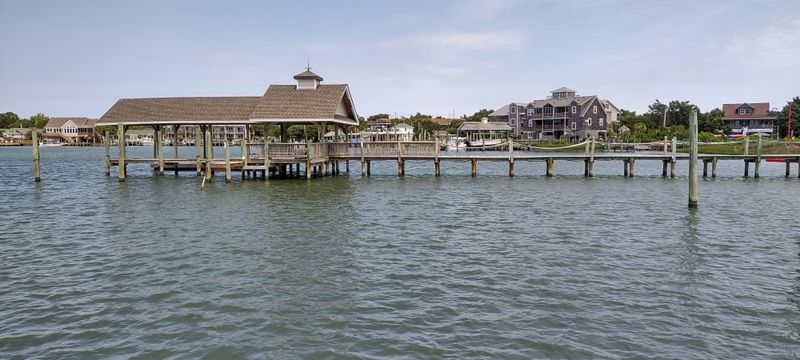
Ocracoke’s isolation once protected it from overdevelopment, but ferry improvements and growing fame have changed everything.
The quirky island vibe remains somewhat intact, but vacation rentals have replaced year-round residences at an alarming rate.
Hurricane Dorian’s 2019 devastation accelerated changes that were already underway, as many longtime residents chose not to rebuild.
The village that once felt like stepping back in time now features modern amenities that tourists demand but that fundamentally alter the island’s character.
Blackbeard would definitely need a treasure map to recognize his old stomping grounds today.
10. Southern Shores
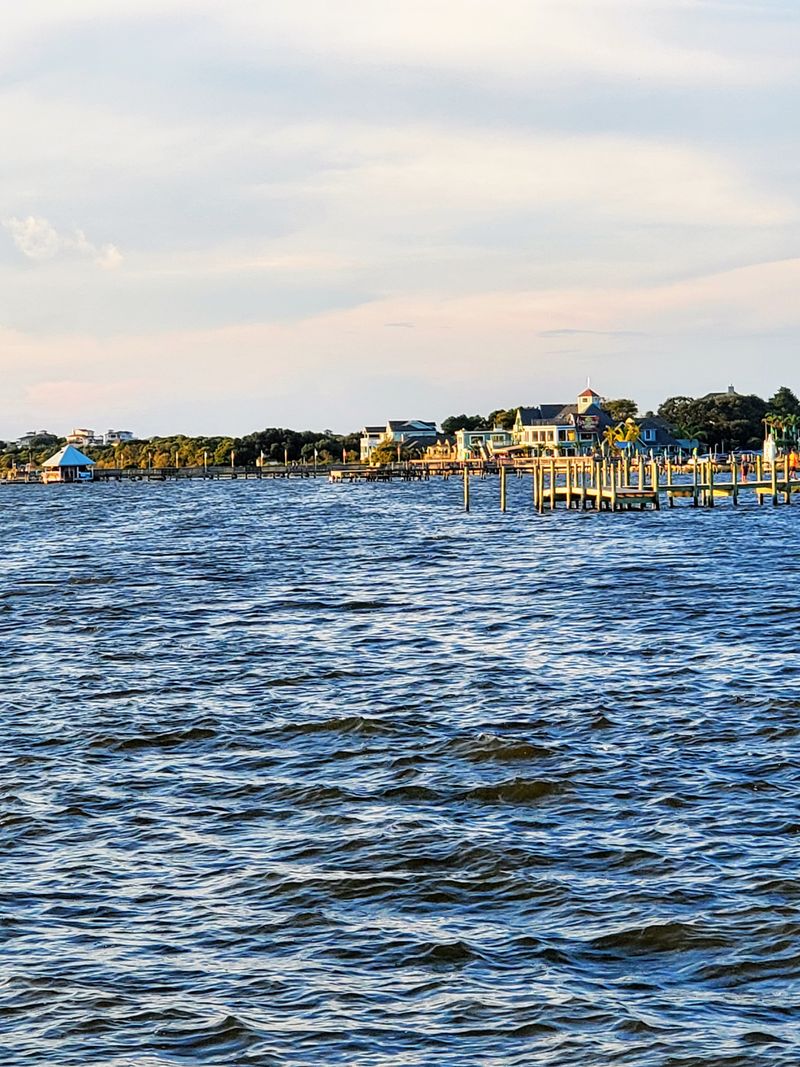
Southern Shores was deliberately planned as an upscale residential community, but even its founders couldn’t have predicted today’s mega-mansion explosion.
Modest beach cottages that defined the village’s early character have been demolished and replaced with architectural statements that scream wealth.
The maritime forest that once made Southern Shores feel secluded and natural has been carved up to accommodate ever-larger homes on smaller lots.
What was designed as a tasteful escape for families seeking quiet beach living has become a showcase for conspicuous coastal consumption that changes the community’s entire atmosphere.
11. Corolla
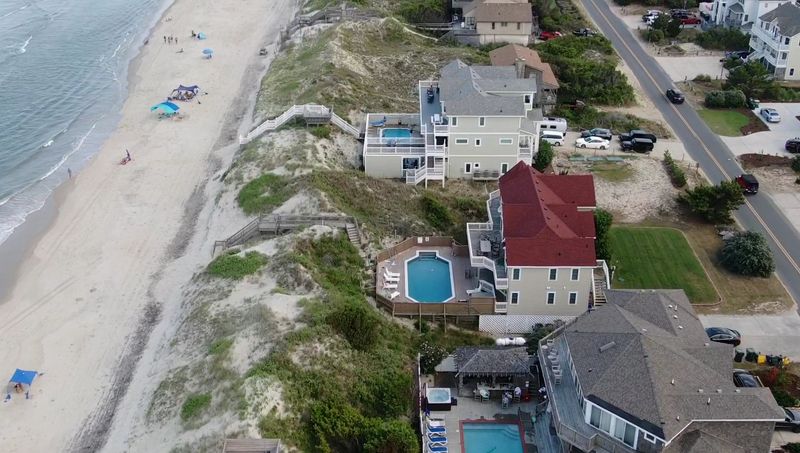
Corolla went from literally being the end of the road to becoming one of the Outer Banks’ hottest destinations practically overnight.
The wild horses still roam, but they now share their habitat with massive vacation homes that look like small hotels.
When Highway 12 was finally paved all the way through in the 1980s, development exploded faster than anyone anticipated.
The historic Currituck Lighthouse now stands amid a tourist village that didn’t exist a generation ago.
Locals joke that the wild horses are the only remaining residents who remember when Corolla was truly wild and gloriously empty.