
Pennsylvania’s Revolutionary Towns That Feel Frozen In Time
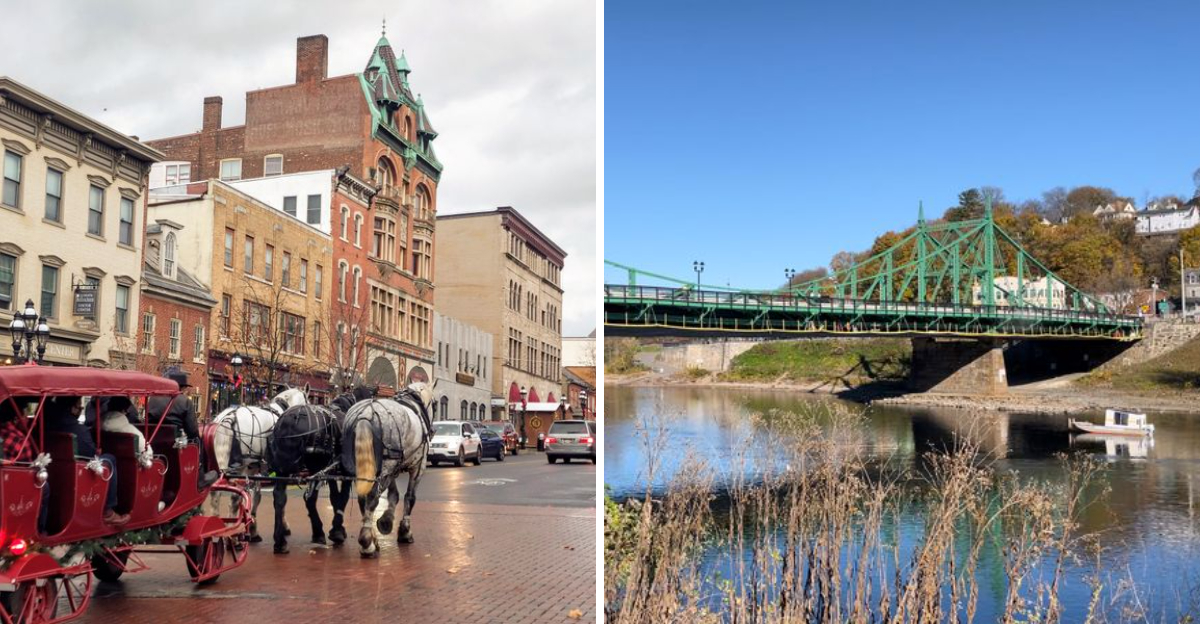
Pennsylvania holds pockets of history where the present feels like an unexpected guest.
Walk a few streets in these Revolutionary-era towns and the modern world loosens its grip, brick lanes whisper old debates, tavern signs creak with stories, and courthouse squares echo with footsteps that once shaped a nation.
Nothing here tries too hard to impress; the past simply lingers in the woodwork, the river bends, and the quiet rhythm of small-town life.
For travelers chasing places that feel paused between centuries, these towns are living reminders that some chapters in American history never really close.
1. York
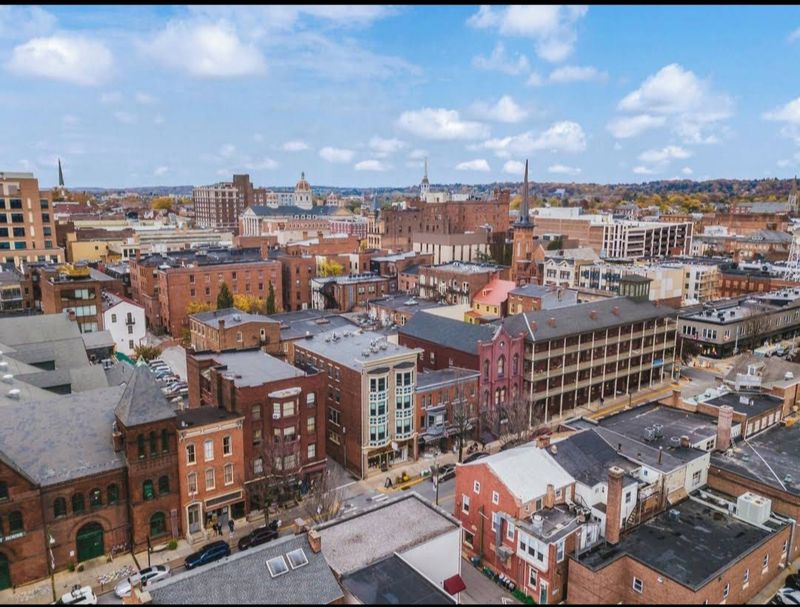
Once upon a time, York served as America’s capital when Congress fled Philadelphia in 1777.
The Articles of Confederation were adopted right here, making this town more than just a pretty face with old buildings.
Continental Square remains the heart of downtown, surrounded by structures that witnessed our nation’s shaky first steps.
History practically seeps from the brickwork along Market Street.
Museums and preserved colonial homes invite visitors to experience Revolutionary-era life firsthand, complete with period furnishings and costumed guides.
2. Easton
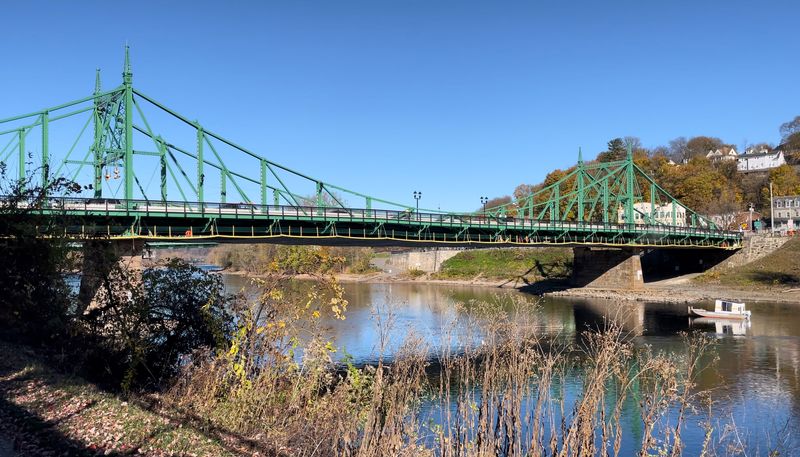
Easton earned bragging rights as one of only three places where the Declaration of Independence received its first public reading in July 1776.
Talk about being fashionably early to the independence party!
The town square, Centre Square, still hosts reenactments where actors dramatically proclaim freedom to gathered crowds.
Original Georgian buildings frame the plaza, creating an authentic colonial atmosphere.
Crayola’s headquarters might be Easton’s modern claim to fame, but Revolutionary history colors this town’s true identity.
3. Carlisle
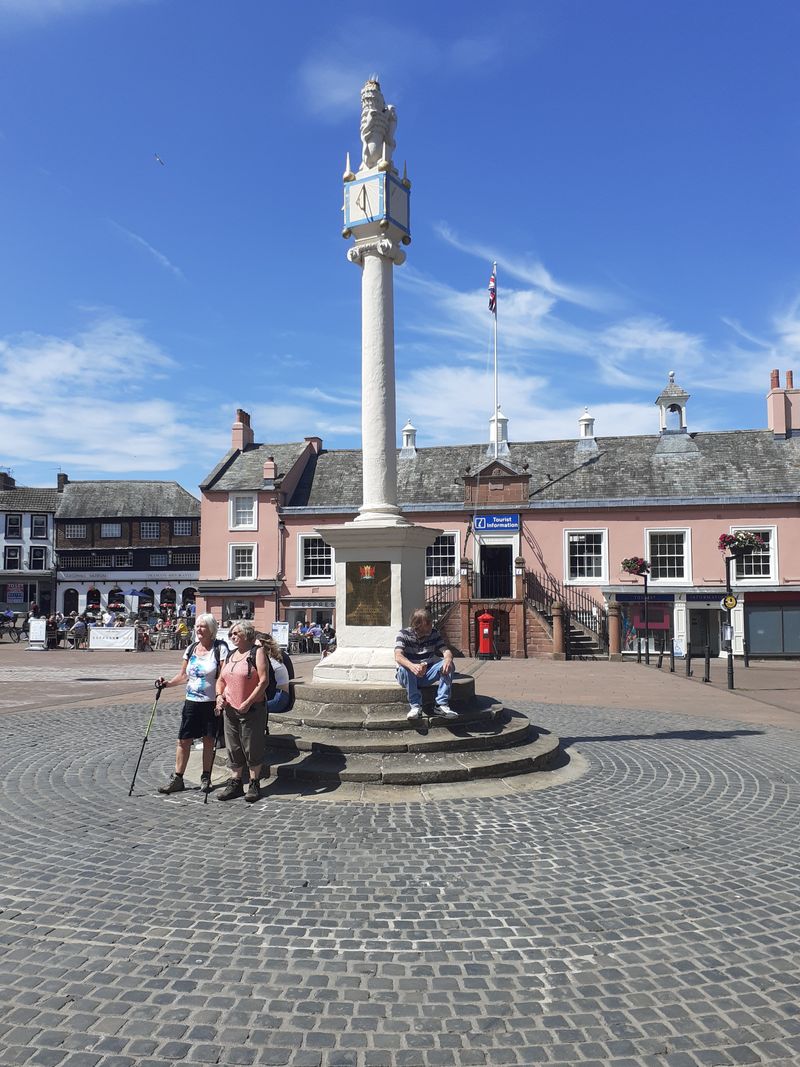
Carlisle’s military roots run deeper than a drill sergeant’s voice, dating back to when it supplied Continental Army troops during the Revolution.
The old Carlisle Barracks, established in 1757, remains one of America’s oldest active military installations.
Downtown Carlisle showcases beautifully maintained Federal and Georgian architecture that transport visitors backward through centuries.
Walking tours reveal stories of Molly Pitcher and other Revolutionary heroes connected to this strategic location.
History buffs find themselves spoiled with choices here.
4. Washington Crossing
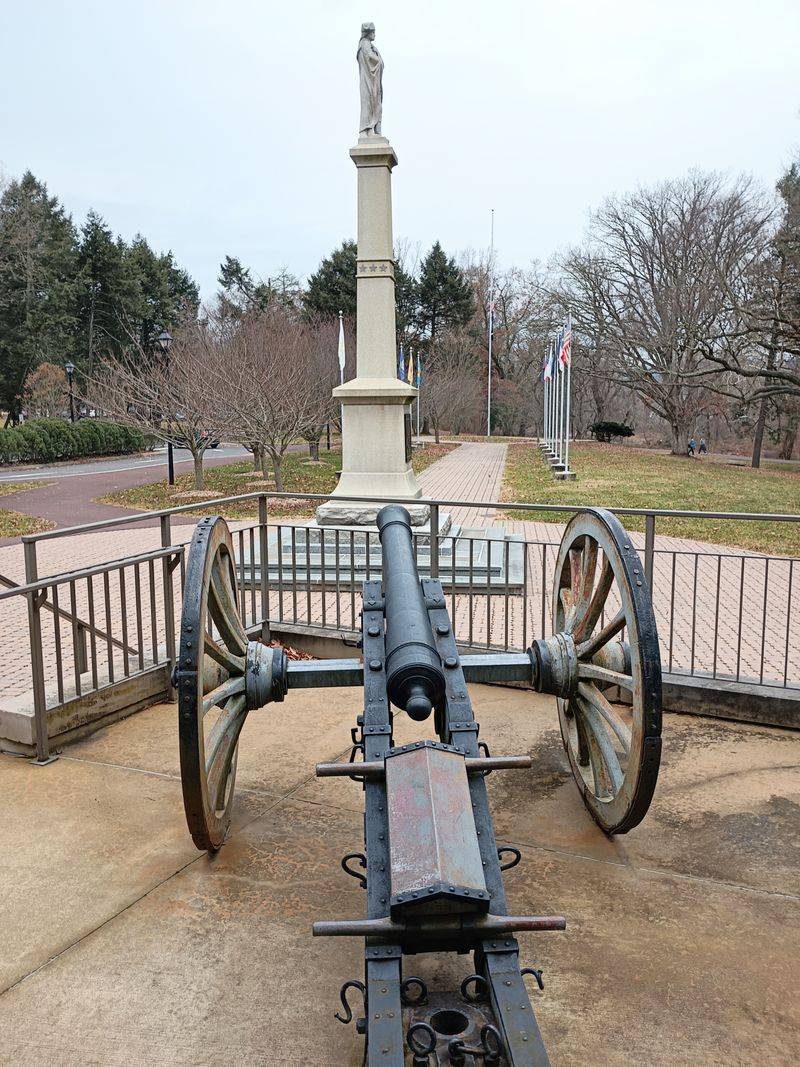
Christmas night 1776 witnessed George Washington’s legendary Delaware River crossing from this exact spot—arguably the most famous boat ride in American history.
The preserved park commemorates that desperate, freezing journey that changed the war’s trajectory.
Historic buildings dot the landscape, including the Thompson-Neely House where officers planned the audacious Trenton attack.
Annual reenactments draw thousands who brave December cold to watch history repeat itself.
Standing riverside, you can almost hear oars cutting through icy water.
5. Bethlehem
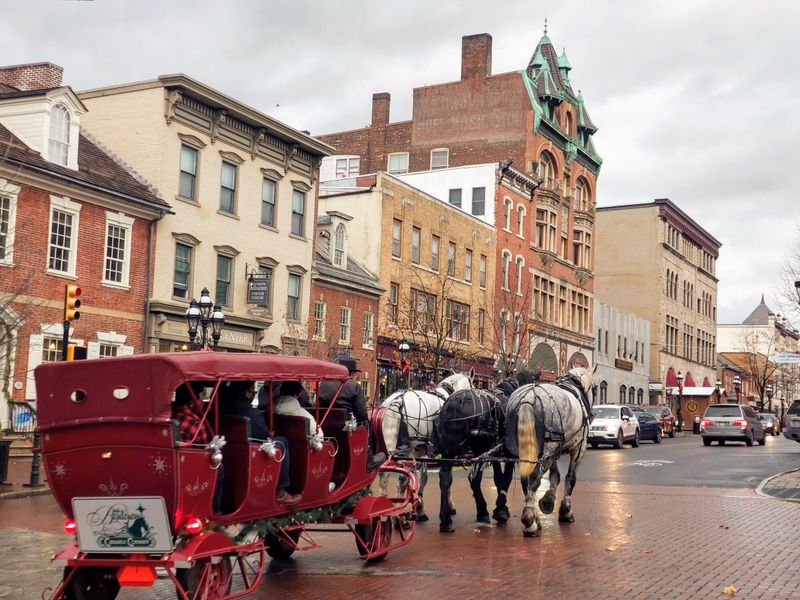
Moravian settlers founded Bethlehem on Christmas Eve 1741, creating a community that miraculously survived intact through Revolutionary chaos.
Their distinctive stone buildings, built to last centuries, still dominate the historic district with Germanic precision.
The Sun Inn hosted Revolutionary luminaries including George Washington, John Adams, and the Marquis de Lafayette.
Colonial industrial sites like the waterworks showcase innovative 18th-century engineering that powered early America.
Bethlehem blends religious heritage with Revolutionary significance beautifully.
6. New Hope
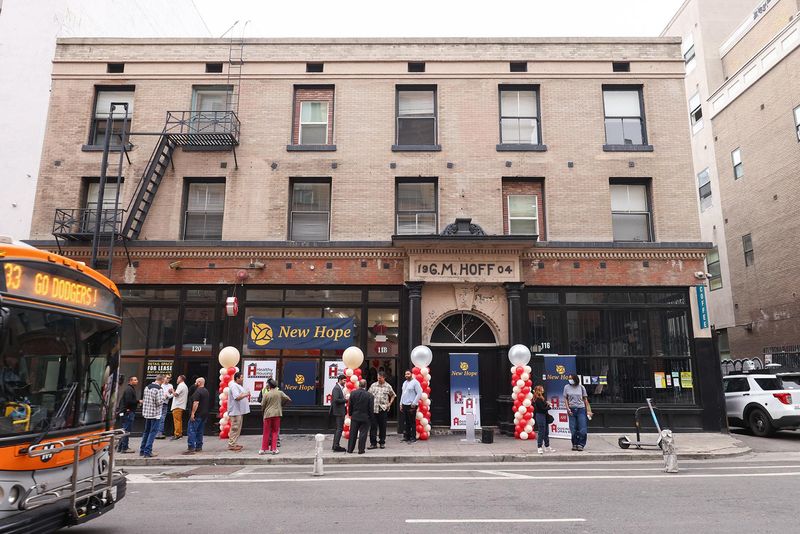
New Hope rose from Revolutionary ashes after British troops torched the original settlement during their 1776 rampage.
Rebuilt with determination, the town earned its optimistic name and never looked back.
The Delaware Canal, though constructed later, follows paths Revolutionary soldiers once marched.
Stone buildings lining Main Street maintain their colonial character despite housing modern galleries and restaurants.
Artists discovered New Hope’s timeless charm decades ago, but history discovered it first, leaving permanent marks throughout.
7. Lancaster
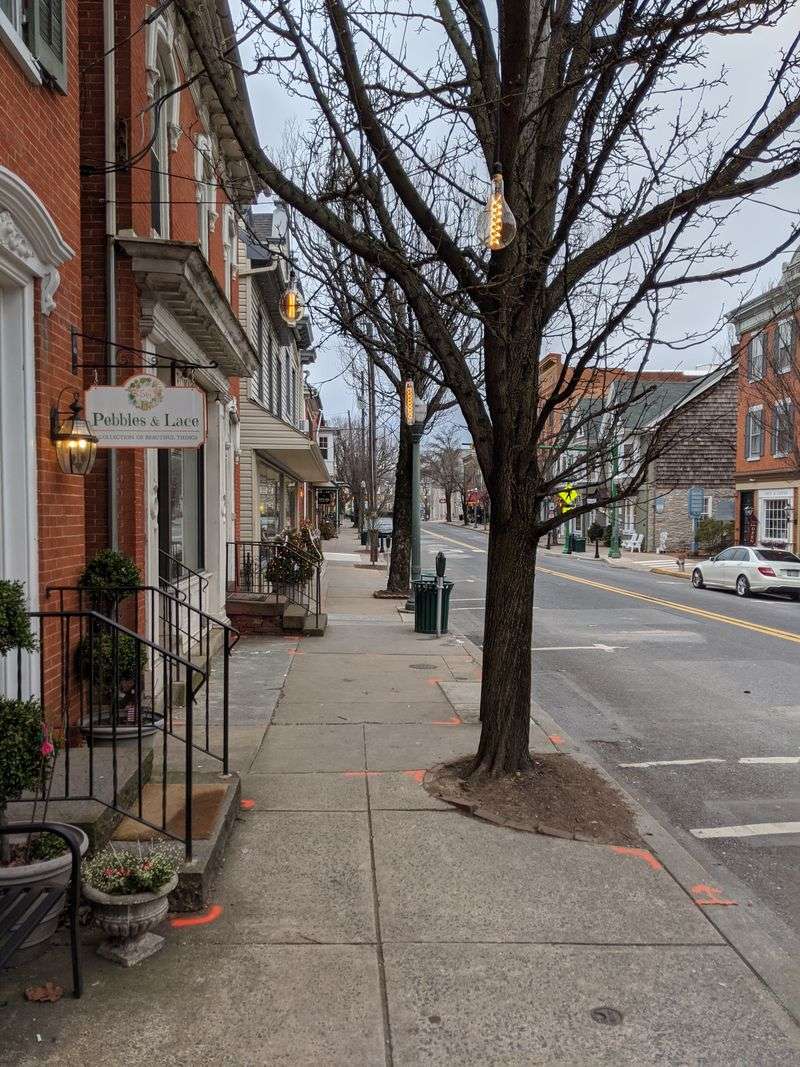
Lancaster briefly held the honor of U.S. capital for exactly one day in September 1777 when Congress stopped here during their Philadelphia evacuation.
Short-lived fame, perhaps, but historically significant nonetheless!
The city’s Central Market, operating since the 1730s, stands as America’s oldest continuously running farmers market.
Colonial-era buildings surrounding Penn Square create an architectural time capsule that modern development somehow missed.
Lancaster’s Pennsylvania Dutch heritage adds unique cultural flavor to its Revolutionary credentials.
8. Gettysburg
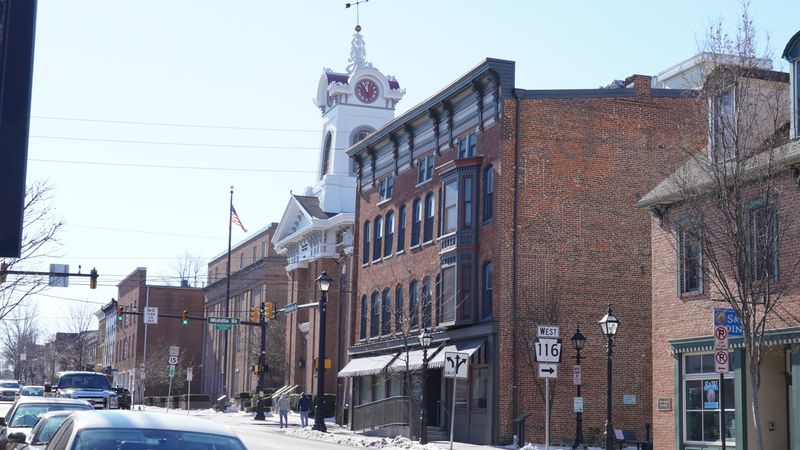
While Gettysburg’s Civil War fame overshadows everything else, the town actually dates back to the 1780s with colonial architecture predating that famous 1863 battle.
Lincoln Square anchors downtown with buildings that witnessed both Revolutionary aftermath and Civil War carnage.
Many structures still bear Civil War bullet scars, but their foundations were laid by Revolutionary-era settlers.
The Dobbin House Tavern, built in 1776, served as an Underground Railroad station decades later.
History layered upon history here.
9. Valley Forge
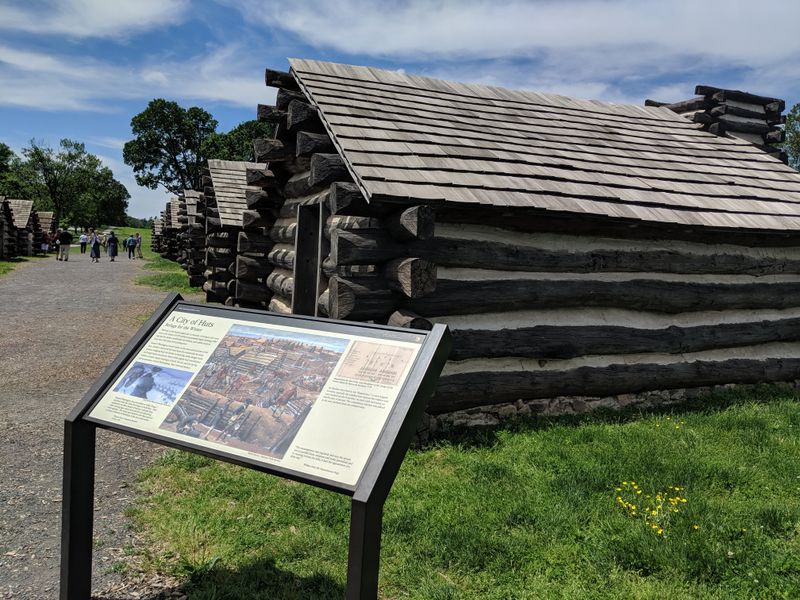
Valley Forge represents American perseverance like nowhere else—the brutal 1777-78 winter encampment where Washington’s army nearly froze and starved but emerged stronger.
Walking these grounds evokes profound respect for Revolutionary soldiers’ sacrifices.
Reconstructed log cabins, Washington’s headquarters, and original earthworks preserve the encampment’s layout.
The National Historical Park protects over 3,500 acres of Revolutionary landscape.
This isn’t just frozen in time; it’s frozen in memory, honoring those who endured unimaginable hardship for independence.
10. Chadds Ford
The Battle of Brandywine unfolded across Chadds Ford’s rolling hills in September 1777, making it the Revolution’s largest single-day battle.
Though Americans lost, the fight delayed British advancement toward Philadelphia.
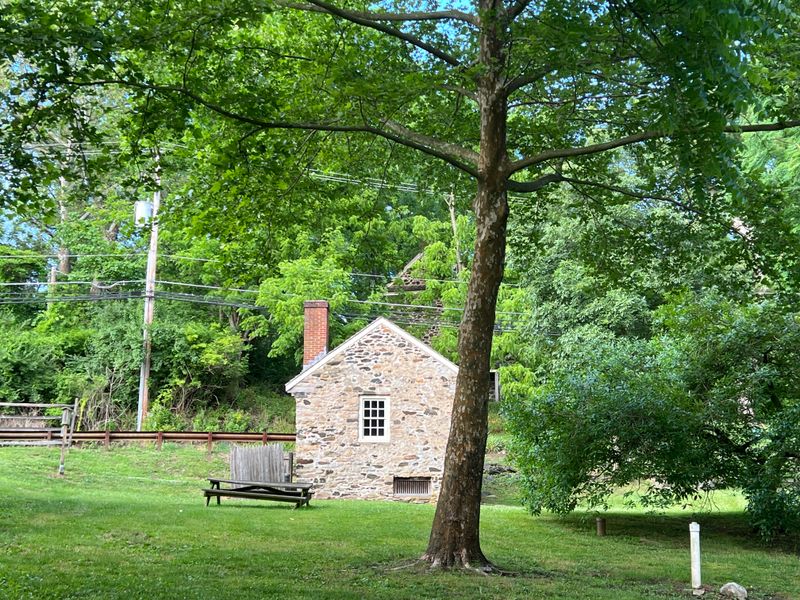
Historic homes like the Barns-Brinton House and John Chads House still stand as silent witnesses to that bloody day.
The Brandywine Battlefield Park preserves Washington’s headquarters and interprets the complex battle.
Later, the Wyeth family of artists immortalized Chadds Ford’s timeless landscape through paintings.