
The California Gold Rush Town That’s Not On Any Tourist Map
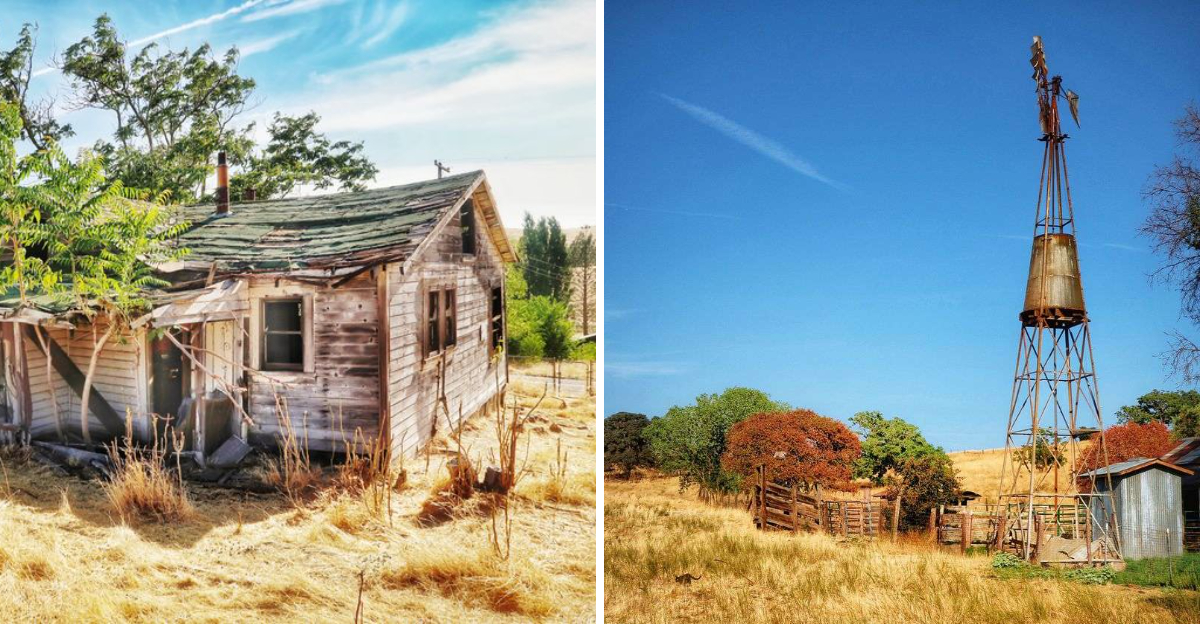
Tucked into the dry folds of Mariposa County, Hornitos sits quiet enough to hear history breathe, and that hush pulls you in like a whispered dare.
You are not going to find souvenir shops or bus tours here, only sun baked adobe, crumbling stone, and a plaza that acts like a stage where ghosts refuse to take their final bow.
The fewer footsteps you share the streets with, the louder the past starts talking, and it tells stories that feel both gritty and strangely tender.
Keep going, because this forgotten dot holds more gold in its silence than most places do in their shouting.
From Wild Gold Rush Boomtown To 50-Person Hideout
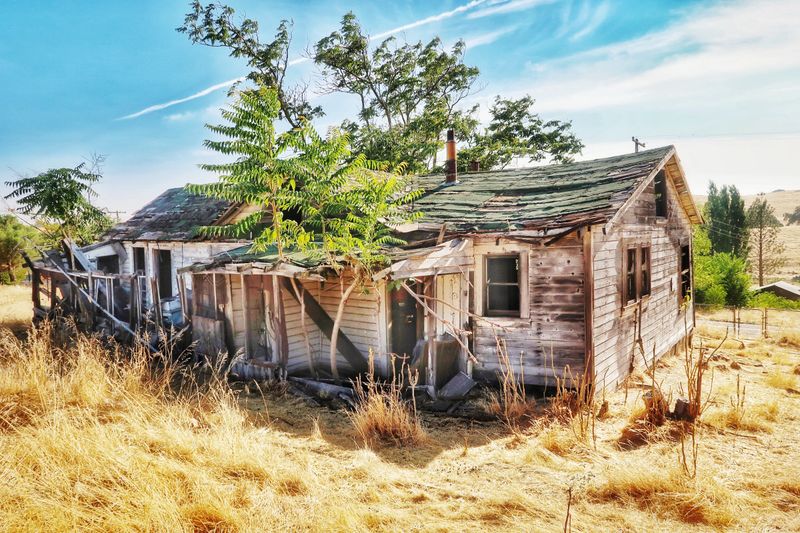
Once the clatter of picks and the rattle of dice filled Hornitos, and you can almost hear the echoes ricocheting off the adobe walls if you pause long enough to notice the hush.
The boomtown swagger shrank over the decades into a pocket sized community where a few porches still keep watch like old timers who have seen every trick.
Today the population could ride a single school bus with seats to spare, and that tiny scale makes every creak of a door feel momentous.
You are not gawking at exhibits, you are meeting a place that kept its soul when the noise packed up and left. It is small, sure, but the stories do not respect square footage.
Mexican Miners, Outlaws & Outlaws’ Lore: The Shadow History Of Hornitos
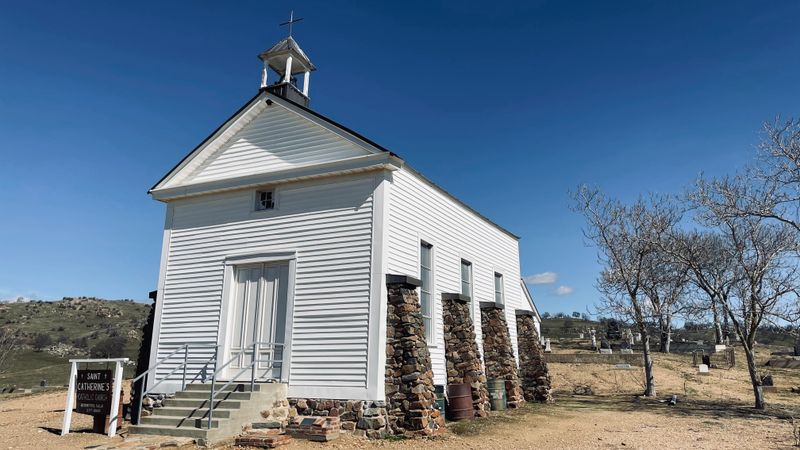
Hornitos grew under the grit of Mexican miners who worked claims with fierce skill, and their legacy lingers like campfire smoke curling between the stones.
You find rumors of outlaws sidestepping the law as if the streets were a chessboard and every move could cost a night of freedom.
The spooky part is how the line between legend and ledger blurs the longer you listen.
Ask around, and the tales roll out in half smiles and sideways glances that hint at deals struck after sundown. You can sense the unprinted chapters in the way the town squares its shoulders against the sky.
The lore here does not need neon signs, because it wears dust like a badge.
Adobe Walls & Crumbling Facades: Walking Through 19th-Century Remains
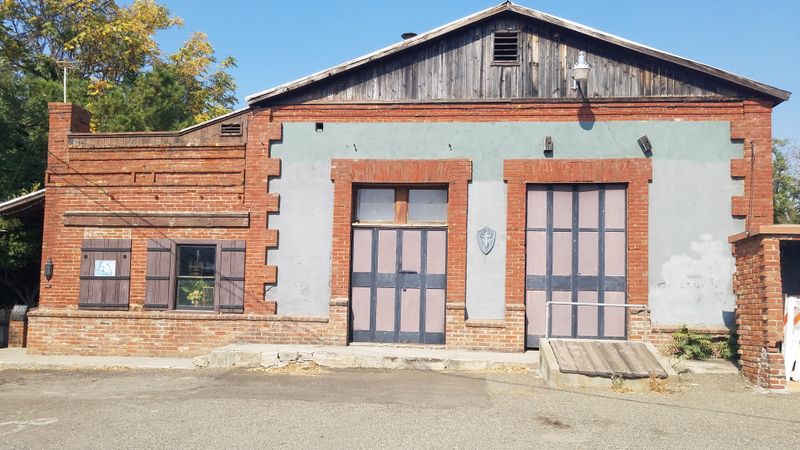
The buildings in Hornitos keep their posture with stubborn pride, even while time nibbles at their edges and paints everything in sun scorched browns.
You run a hand along a wall and feel it give a little, like a memory that wants to be told but not shouted.
Every doorway frames a slice of sky that looks older than the calendar says.
Walking these blocks is less sightseeing and more archaeology of mood, where each shadow acts like a footnote.
You are moving through a rough draft of California, and the edits are written in cracks and fallen bricks.
No Strip Malls, No Hotels – Just a Main Plaza With More Dust Than Tourists
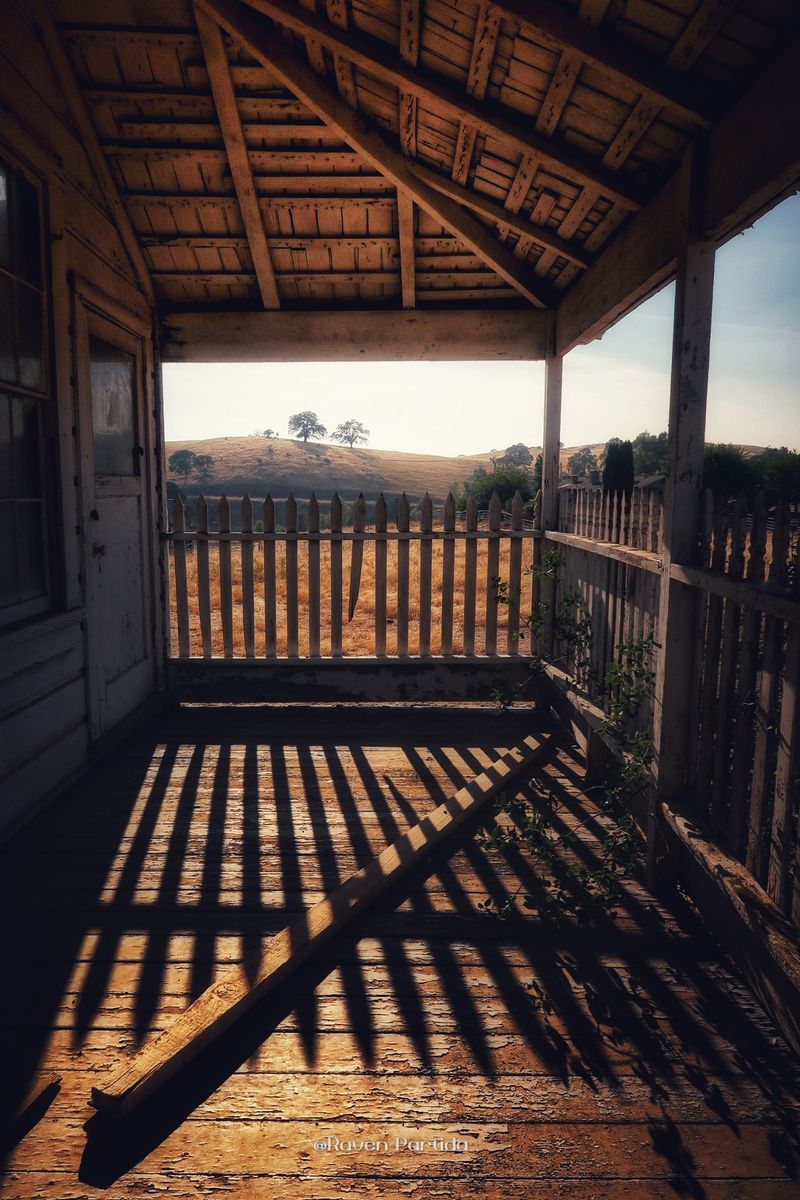
The main plaza looks like it shook hands with the 1800s and decided not to let go, which is exactly why you will love it.
You can stand in the center and spin a slow circle without bumping into selfie sticks or menu hawkers.
The breeze carries dust that glitters in the light like tiny souvenirs you do not have to buy.
There is no chain coffee, no neon promises, and definitely no rush to be anywhere else.
You feel your heartbeat drop to the town’s tempo, which is somewhere between unhurried and almost still.
Cemetery Overlook & Ghost Stories: When The Past Keeps Its Secrets
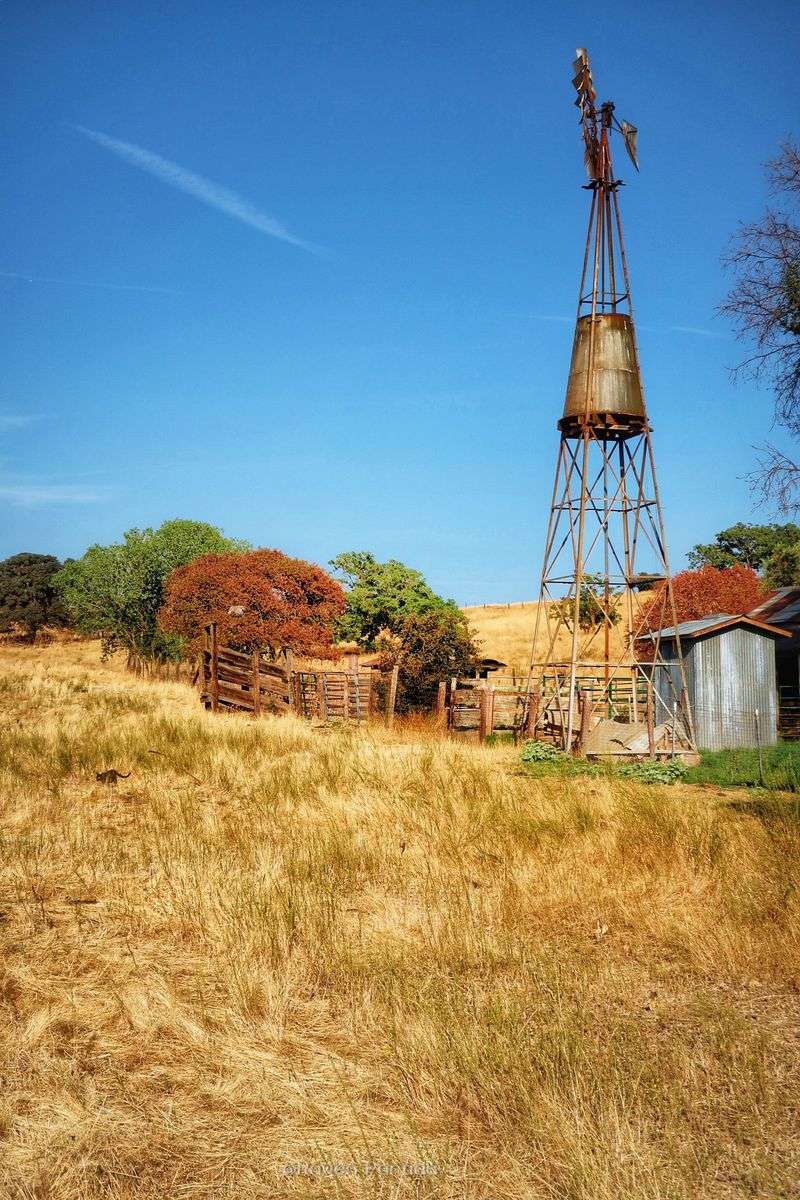
The cemetery sits on a rise like a thoughtful observer, looking down on the town with an expression you cannot quite read.
You tread softly among weathered markers, and the wind edits your thoughts into shorter sentences. It is not creepy so much as respectful, like a library that happens to have a view.
Locals share stories that refuse to end, and you might catch yourself nodding at nothing as if someone just finished a punchline.
The quiet here is rich, not empty, and it makes you listen more closely to your own footsteps.
Off The Highway, Under The Radar: Why Hornitos Doesn’t Show On Most Maps
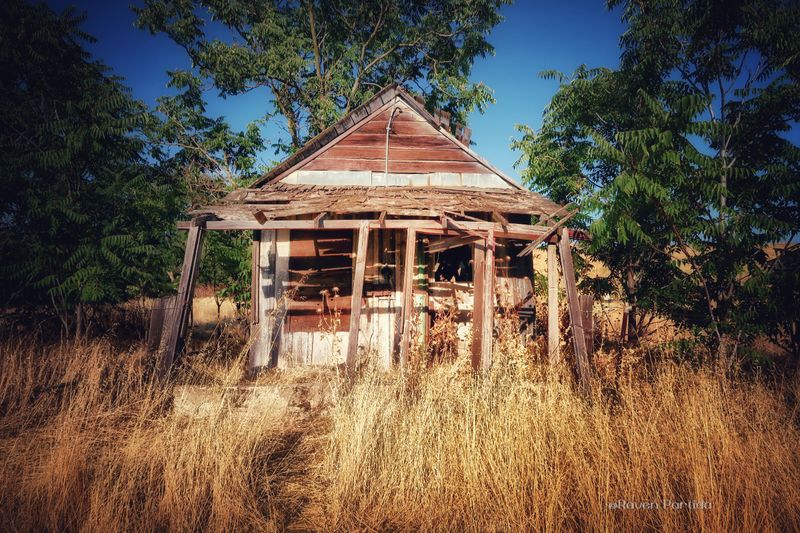
You leave the highway and the noise falls away so quickly you can hear your thoughts do a double take.
The road to Hornitos is a ribbon that refuses to be straight, and that twisty approach is half the charm.
It feels like the place is intentionally misplacing itself so only the patient find it.
Big guides skip it, which is your win, because discovery tastes better when you earn it.
You arrive a little dusty and a lot curious, and the town meets you with a shrug that somehow reads like welcome.
Local Lives Among Ruins: Real People, Real Stories, Real History
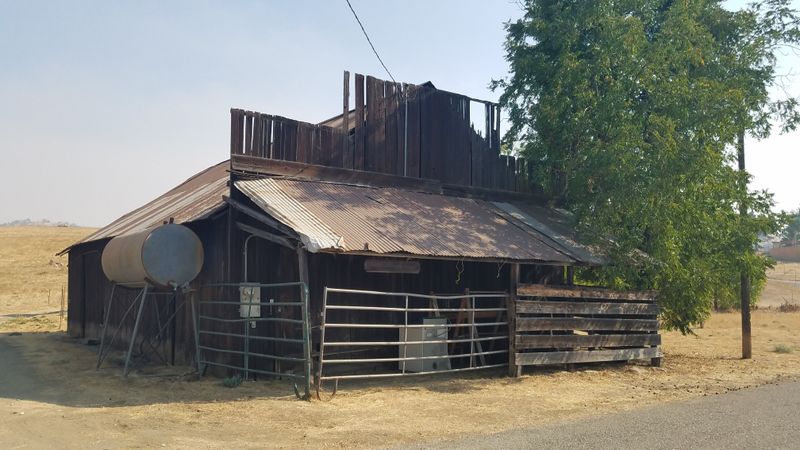
People actually live here among the ruins, and that mix makes the streets feel like a living scrapbook that refuses to close.
You might catch a neighbor waving from a truck or swapping news beside an adobe wall that has seen more seasons than a calendar store.
The present is not an afterthought, it is the frame holding everything together.
Conversations unfold at the speed of trust, and you learn more from a nod than some towns share in brochures.
The community is small but anchored, with pride that shows up in small fixes and big patience.
Where Silence Outweighs Gold – And That’s Exactly the Point
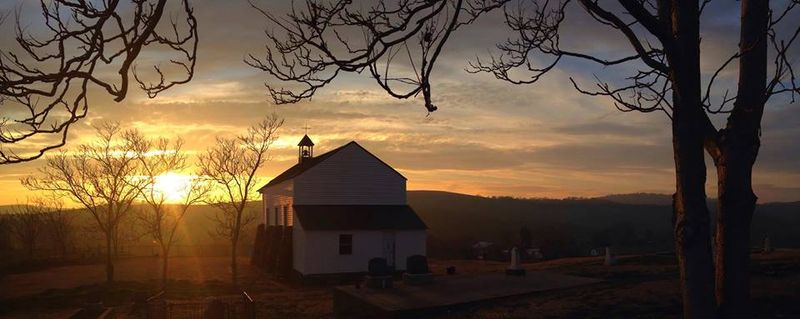
The payoff in Hornitos is not a nugget, it is the deep quiet that settles around you until your shoulders drop and your grin loosens.
You find value in the way the sun drapes everything in bronze and the shadows stretch like contented cats.
The town is not trying to impress you, which somehow impresses you more.
After a while the silence starts to narrate, and the plot is slow but satisfying with no need for cliffhangers.
You leave with dust on your shoes and a story that does not demand an exclamation point.