
10 Virginia Villages That Keep Their Charm By Avoiding Tourists
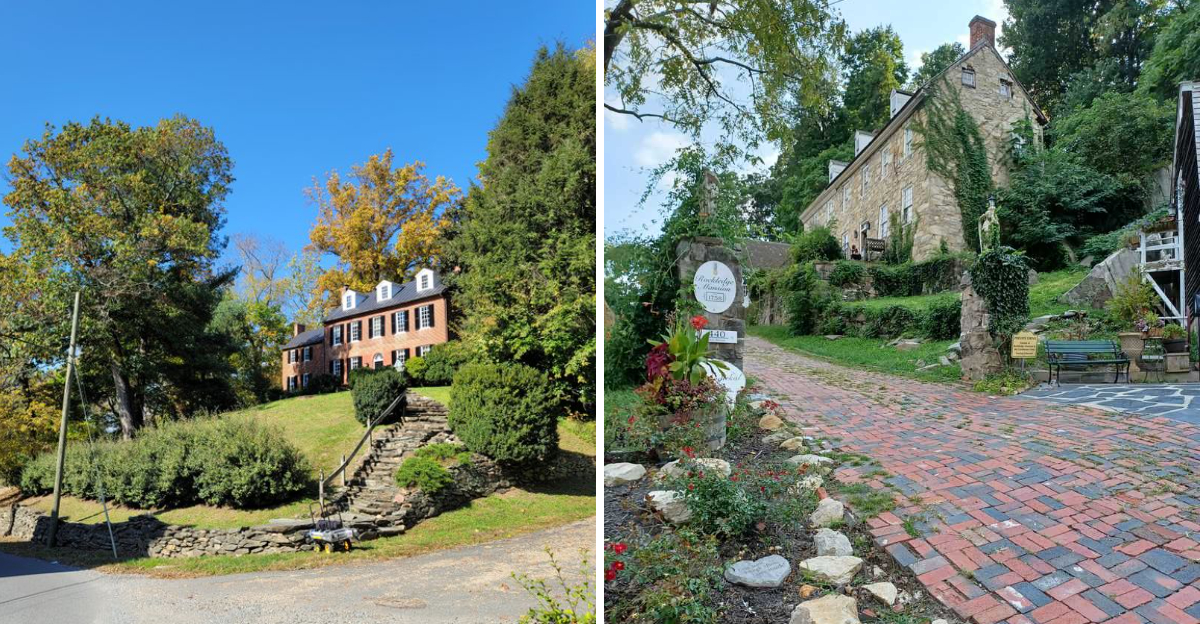
Virginia holds secrets in its rolling hills and quiet corners, where villages refuse to trade authenticity for tourist dollars.
These communities preserve their character through deliberate choices, keeping chain stores at bay and maintaining traditions that span generations.
While popular destinations overflow with visitors snapping identical photos, these hidden gems quietly thrive with local shops, historic architecture, and residents who actually know each other’s names.
1. Middleburg
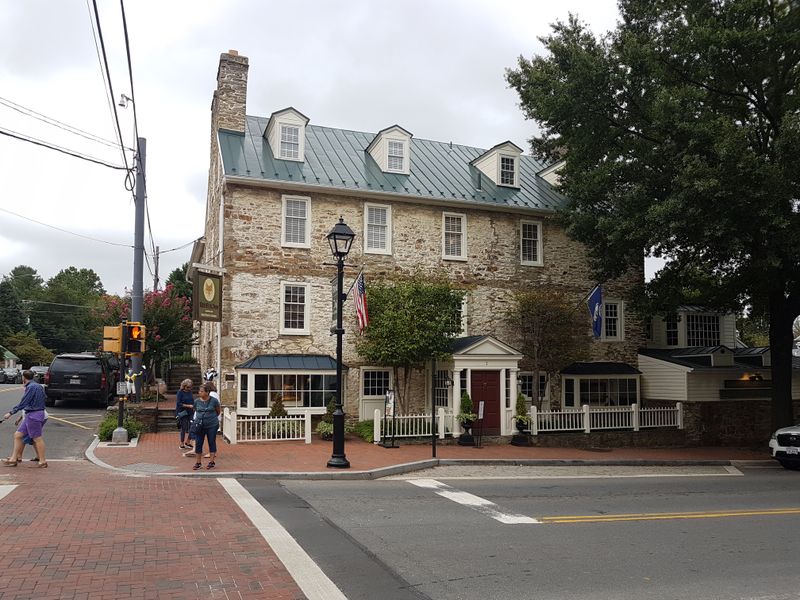
Horse country elegance meets small-town sensibility in this foxhunting haven where residents value privacy over publicity.
Red brick sidewalks wind past boutiques and restaurants that cater to locals rather than tour buses, creating an atmosphere money can’t manufacture.
Equestrian culture runs so deep here that you’ll spot more riding boots than sneakers on any given Saturday.
The village has mastered the art of welcoming visitors without becoming a visitor trap, maintaining its soul while others sell theirs for souvenir dollars.
2. Sperryville
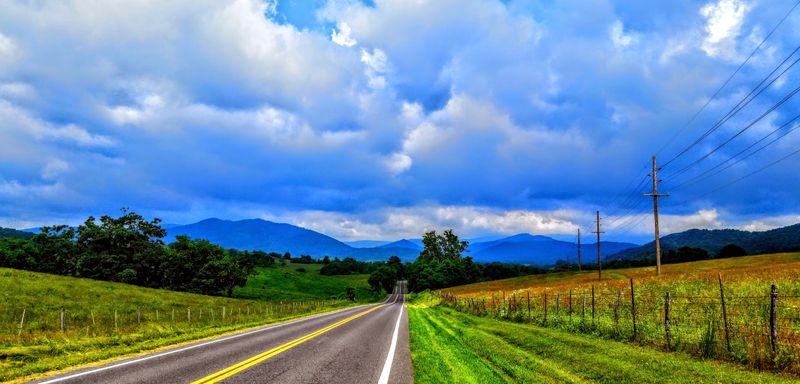
Tucked against the Blue Ridge foothills, this artistic enclave refuses to shout about its galleries and farm-to-table dining scene.
Main Street feels like stepping into a postcard your grandmother might have sent, complete with genuine friendliness that tourism hasn’t commercialized.
Local artists outnumber gift shops selling mass-produced trinkets, giving the village an authentic creative pulse.
Weekend farmers markets showcase actual farmers, not vendors reselling produce, keeping agricultural traditions alive without turning them into theme park attractions.
3. Gordonsville
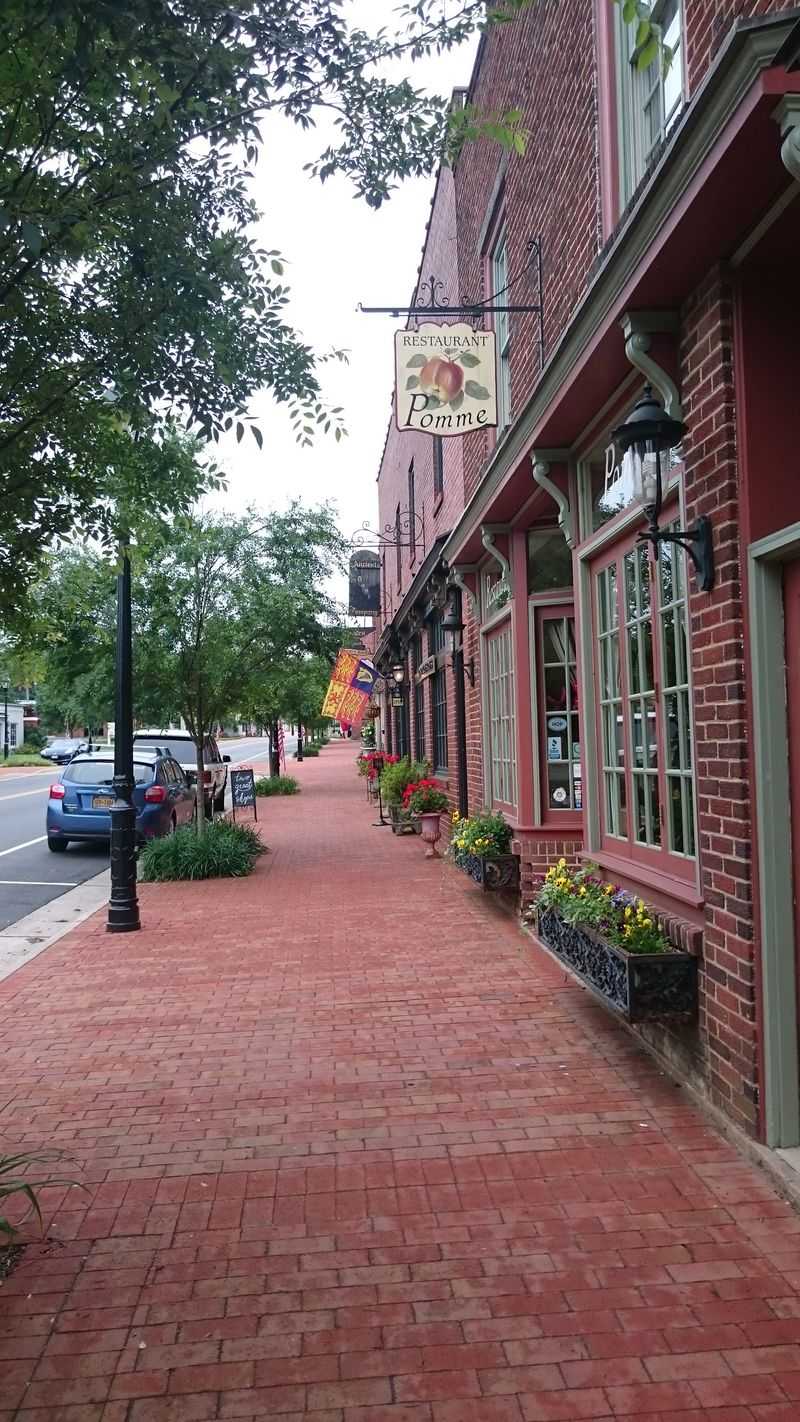
Railroad history whispers through streets where fried chicken once made this junction famous among hungry travelers.
The Exchange Hotel stands as a Civil War museum without the overcrowded tour groups that plague larger historical sites.
Antique shops here stock genuine finds rather than manufactured nostalgia, rewarding browsers who appreciate discovery over Instagram moments.
Locals still gather at the same diners their grandparents frequented, maintaining community rhythms that tourist traffic would disrupt.
4. Cape Charles
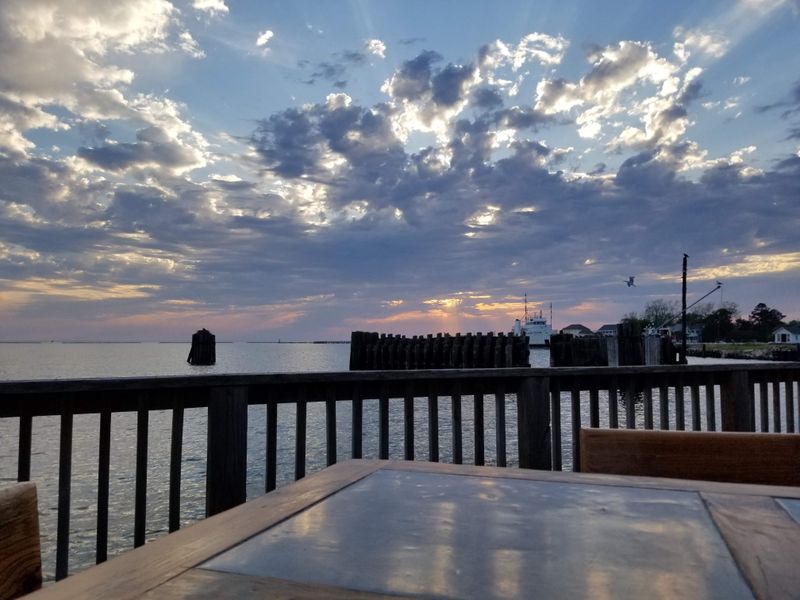
Chesapeake Bay breezes cool this Victorian treasure where beaches remain blissfully uncrowded compared to oceanfront madness elsewhere.
Wide porches and gingerbread trim tell stories of railroad boom times, preserved by residents who chose restoration over demolition.
The public beach offers sand and sunset views without boardwalk carnival chaos or parking nightmares.
Local seafood restaurants serve catches from boats you can actually see docked nearby, connecting plates to place in increasingly rare fashion.
5. Clifton
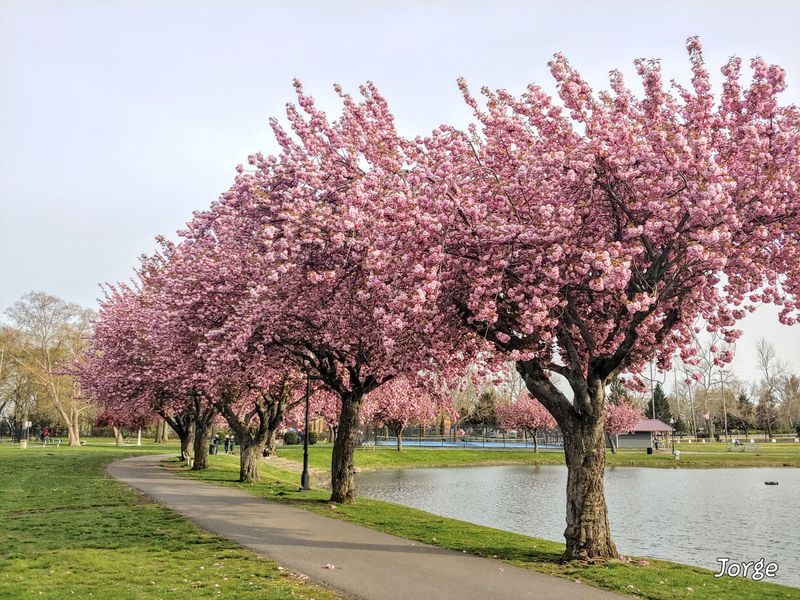
Somehow this hamlet survived suburban sprawl by simply refusing to participate in modern madness.
Main Street measures barely two blocks, yet packs more character than shopping centers ten times its size.
The same families run businesses their ancestors established generations ago, creating continuity that franchise operations can’t replicate.
Weekend visitors from nearby cities come to remember what community feels like, then leave without demanding the village change to accommodate their expectations.
6. Occoquan
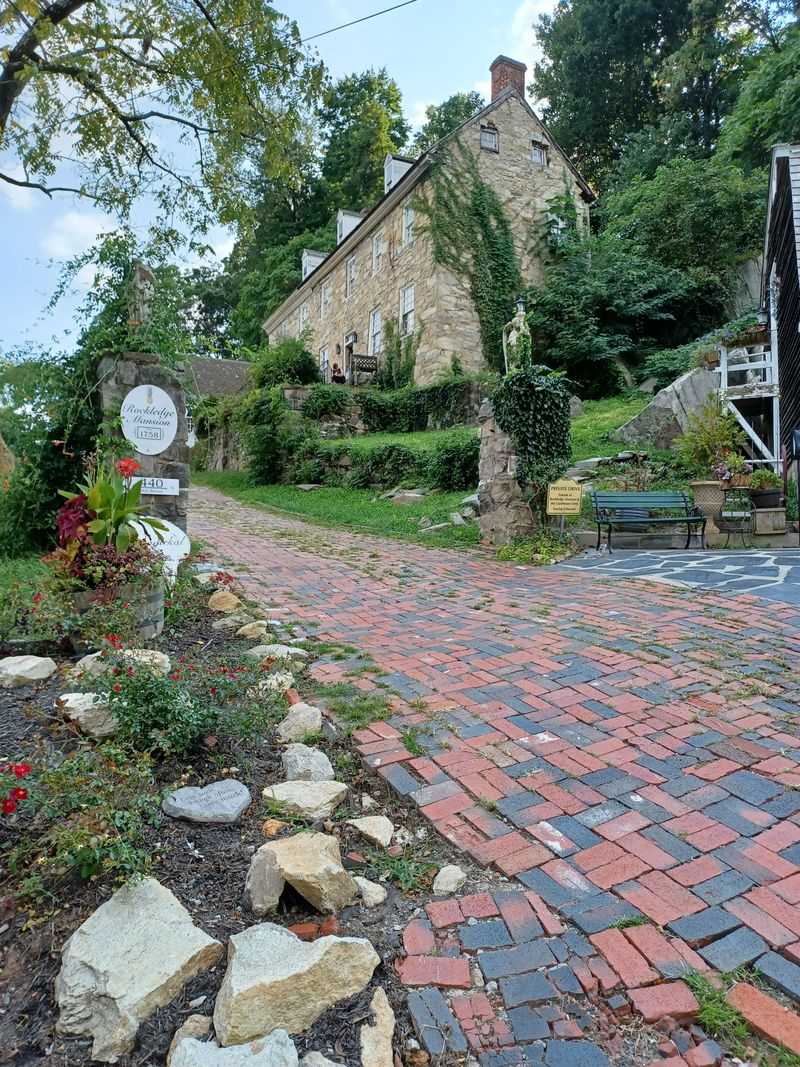
Mill town heritage meets riverside charm where independent shops outnumber chains by magnificent margins.
Brick walkways follow the Occoquan River past galleries and cafes that survived by serving quality over quantity.
Artisans actually create their wares in back rooms rather than importing mass-produced merchandise labeled “handcrafted.”
The village celebrates its industrial past without turning history into a gimmick, letting authentic architecture speak louder than fabricated themes.
7. Colonial Beach
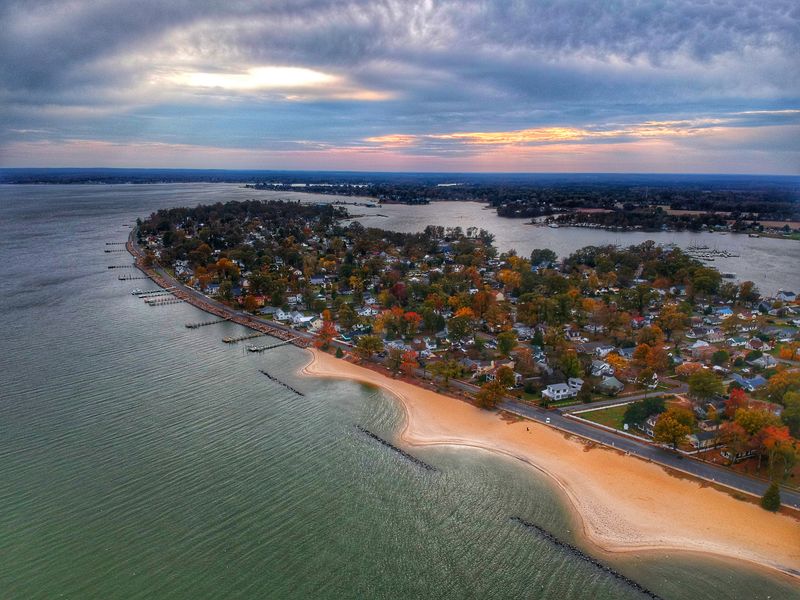
Potomac River shores cradle this retro beach town where time moves slower than anywhere else in Northern Virginia.
Vintage motels and mom-and-pop shops resist modernization pressure that transformed other waterfronts into condo canyons.
Locals fish from the pier where their parents and grandparents cast lines, maintaining traditions tourism boards elsewhere abandoned for profit.
Summer crowds remain manageable because the town never built infrastructure to handle masses, accidentally preserving its laid-back soul.
8. Clifton Forge
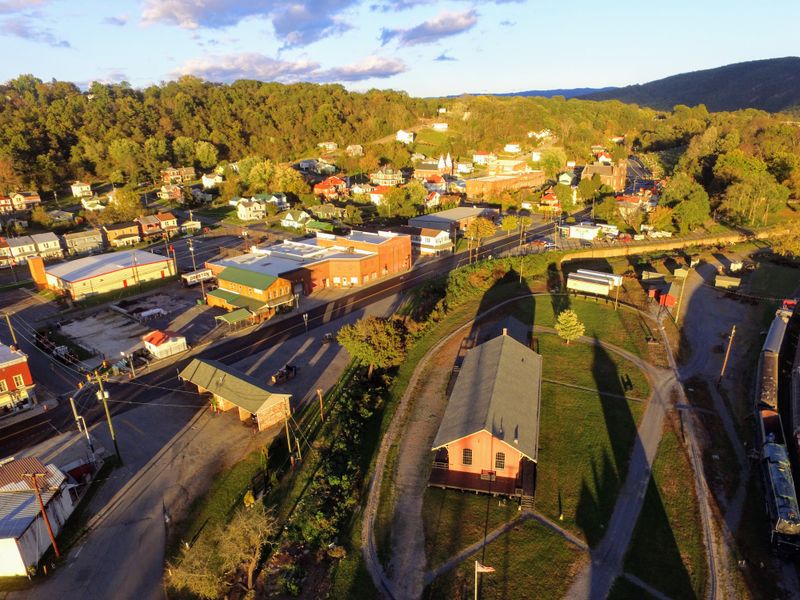
Allegheny Mountain ridges embrace this railroad town where industrial heritage hasn’t been sanitized into tourist entertainment.
Steam locomotive history lives in museums run by volunteers who actually worked the rails, not actors reading scripts.
Downtown buildings wear their age honestly, with restoration efforts focused on stability rather than Instagram appeal.
The community celebrates its working-class roots without apology, offering authenticity that gentrified destinations lost chasing upscale demographics.
9. Waterford
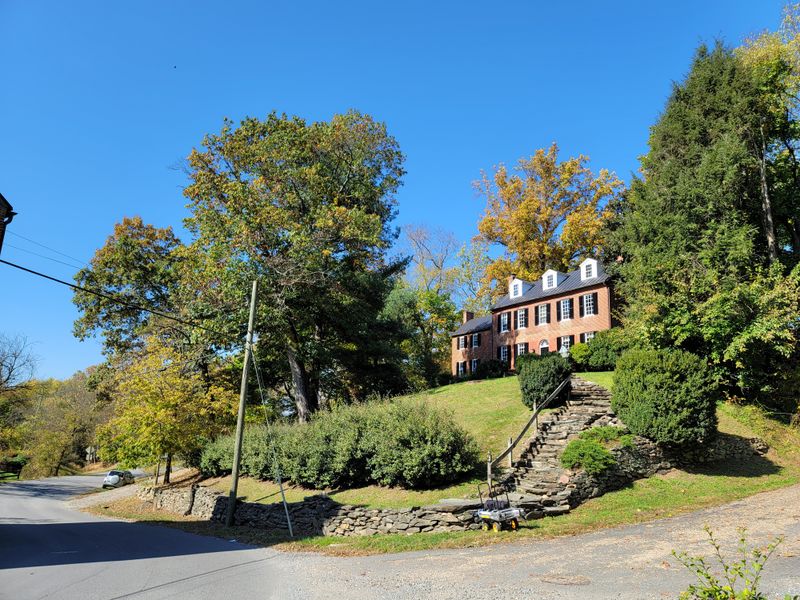
Eighteenth-century Quaker settlers would recognize streets where preservation means living history rather than performing it.
National Historic Landmark status protects this village from development pressures that erased countless similar communities.
Residents inhabit centuries-old homes as actual residences, not museum pieces, maintaining architectural integrity through daily use.
Annual craft fairs showcase traditional skills without commercializing them, attracting visitors who respect rather than consume the village’s character.
10. Irvington
Rappahannock River tides set the rhythm in this Tidewater hamlet where watermen still outnumber weekend sailors.
Crab pots and oyster boats line docks that serve working purposes rather than scenic backdrops for vacation photos.
The village maintains its fishing heritage without becoming a maritime theme park, letting authentic culture persist naturally.
Local establishments cater to year-round residents first, ensuring the community survives off-season when fair-weather tourists disappear.