
The North Carolina Village That Feels Frozen In Time
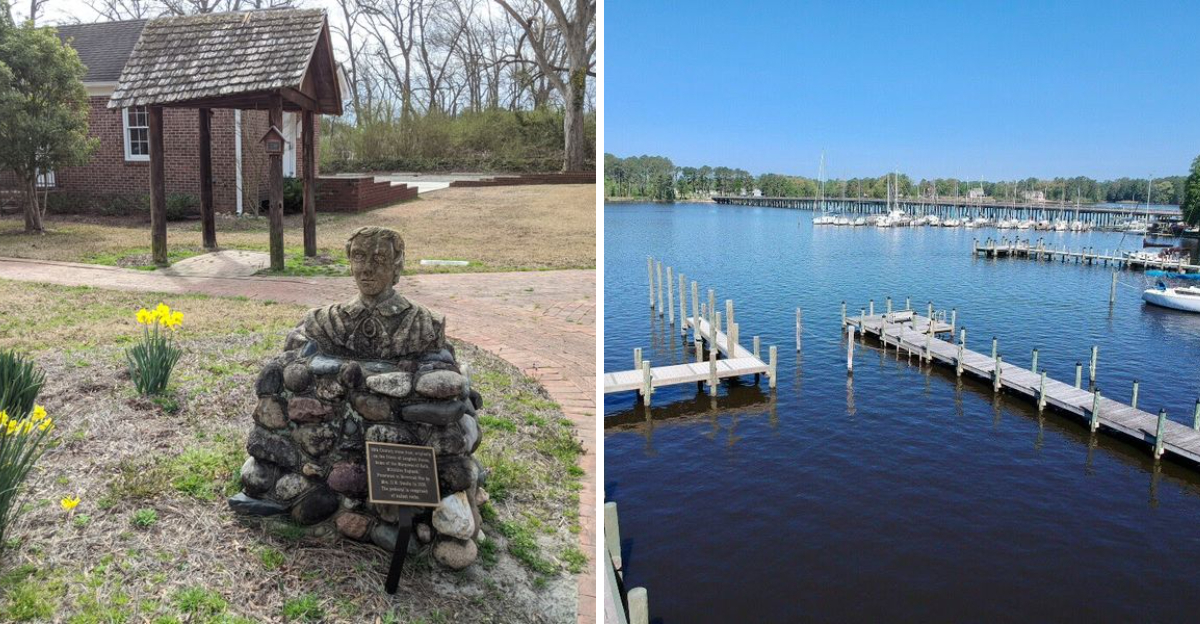
Tucked along the banks of the Pamlico River, Bath stands as North Carolina’s oldest town, chartered way back in 1705.
Walking these quiet streets feels like stepping into a time machine, where colonial-era homes and centuries-old churches still stand watch over the waterfront.
This tiny village of just 245 residents has somehow managed to preserve its early-American charm while the rest of the world rushed headlong into modernity.
North Carolina’s Oldest Town Still Wears Its Colonial Roots Proudly
Before Charlotte became a banking hub or Raleigh claimed capital status, Bath was already stamping passports and collecting port taxes.
Chartered on March 8, 1705, this waterfront settlement earned the distinction of being North Carolina’s very first official town.
That’s not just a dusty footnote in a history textbook—it’s a living reality you can still touch and explore today.
Walking through Bath feels like flipping through your great-great-great-grandparents’ photo album, except you’re actually standing in the pictures.
Historic Homes And Churches Stand Much As They Did Three Centuries Ago
Architectural time travel doesn’t require a DeLorean in Bath—just a pair of walking shoes and a sense of wonder.
The town boasts structures that have weathered three centuries of storms, wars, and changing fashions without losing their original character.
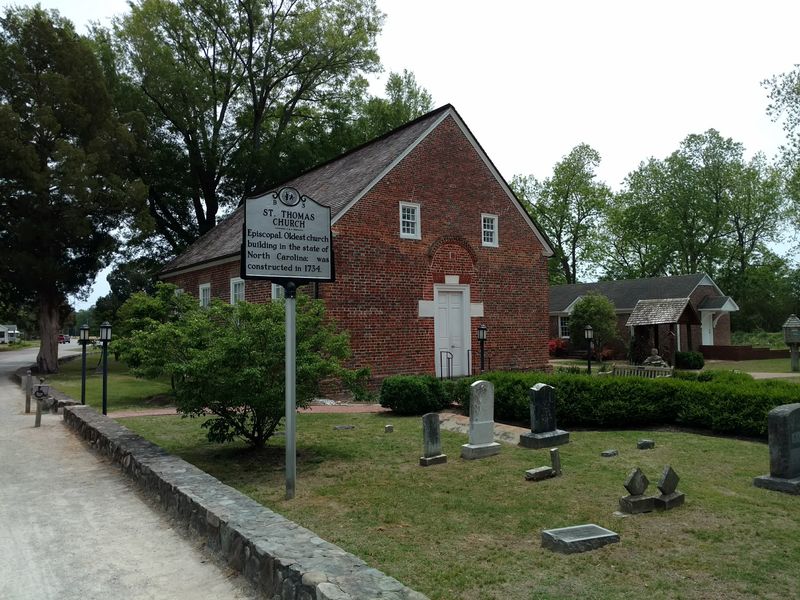
St. Thomas Episcopal Church, built in 1734, still holds services in a building that predates the American Revolution.
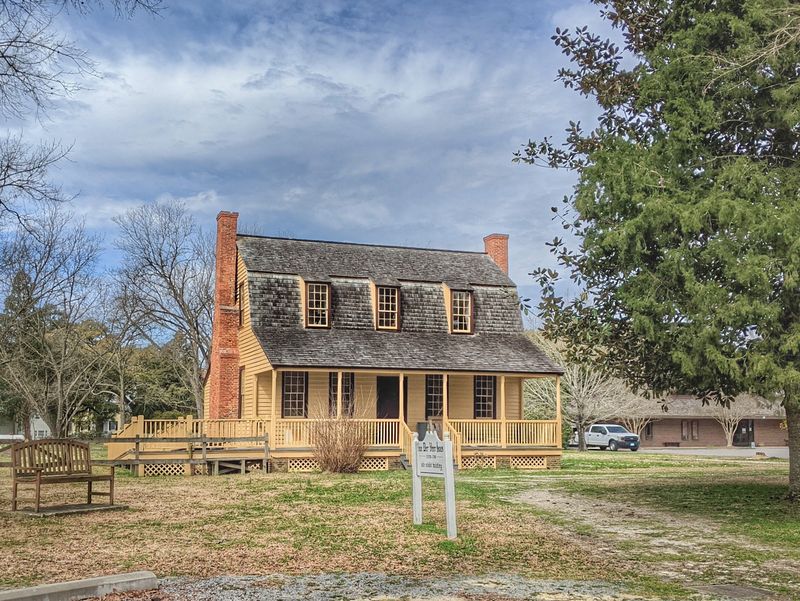
The Palmer-Marsh House and Bonner House showcase colonial craftsmanship that modern builders study with admiration.
These aren’t museum replicas or historical recreations—they’re the genuine article, standing sturdy and proud.
Quiet Waterfront Views Reflect A Slower Port Town Rhythm
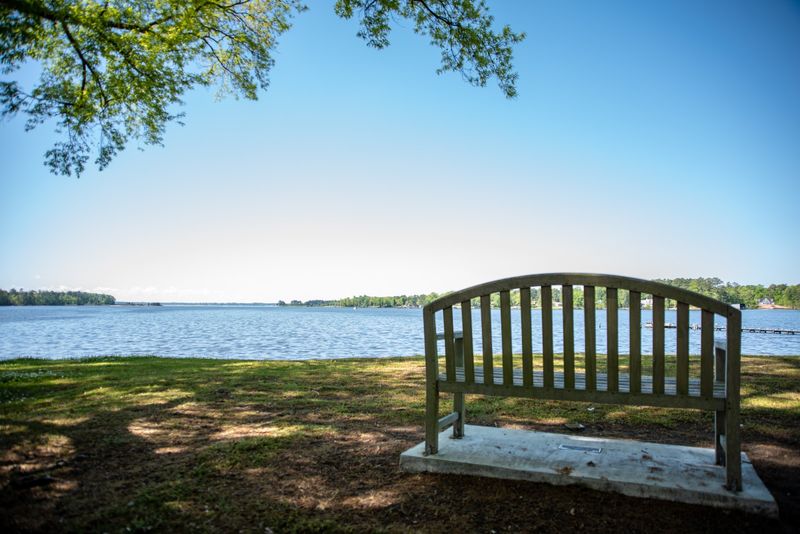
Once upon a time, Bath’s waterfront bustled with sailors unloading tobacco, naval stores, and fur pelts from merchant vessels.
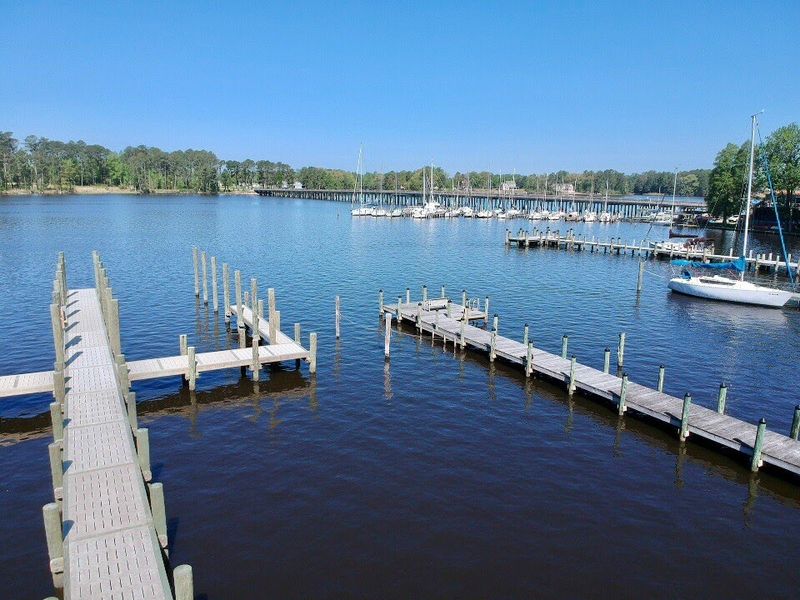
Today, the Pamlico River flows past with the same gentle persistence, but the frantic commerce has given way to peaceful contemplation.
Watching the water lap against the shoreline, you’ll understand why early settlers chose this spot for Carolina’s first port of entry.
The views haven’t changed much—just the pace of life surrounding them.
Modern visitors find the waterfront perfect for quiet reflection rather than commercial transaction.
Stories Of Pirates And Planters Still Drift Through The Village Streets
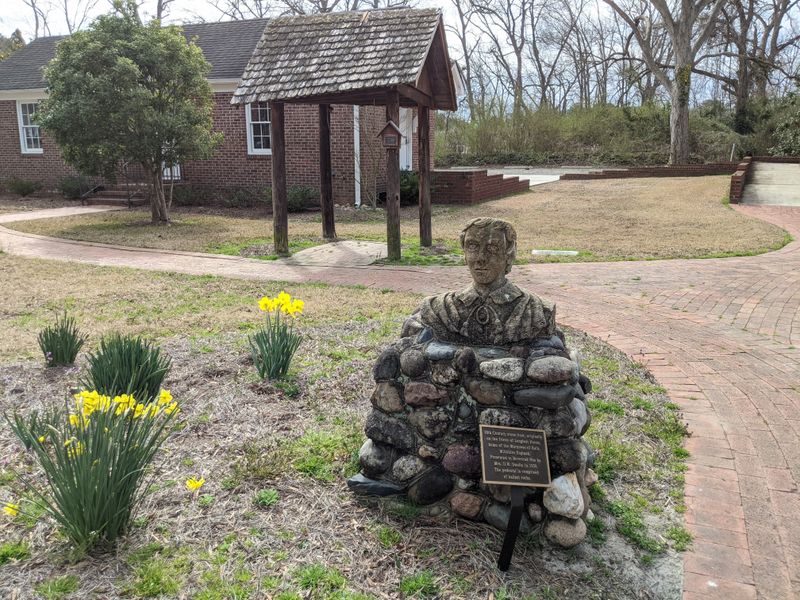
Legend has it that the notorious pirate Blackbeard himself spent time in Bath, possibly even getting married here before meeting his violent end nearby.
Whether you believe in his lingering ghost or not, the town’s pirate connections add delicious intrigue to every shadowy corner.
Beyond swashbuckling tales, Bath’s streets whisper stories of colonial planters, native traders, and ambitious settlers who built Carolina’s first urban foothold.
Every weathered brick and ancient tree has witnessed history most textbooks only summarize.
The past isn’t past here—it’s practically a neighbor.
A Walkable Historic District Invites Visitors Into Living History
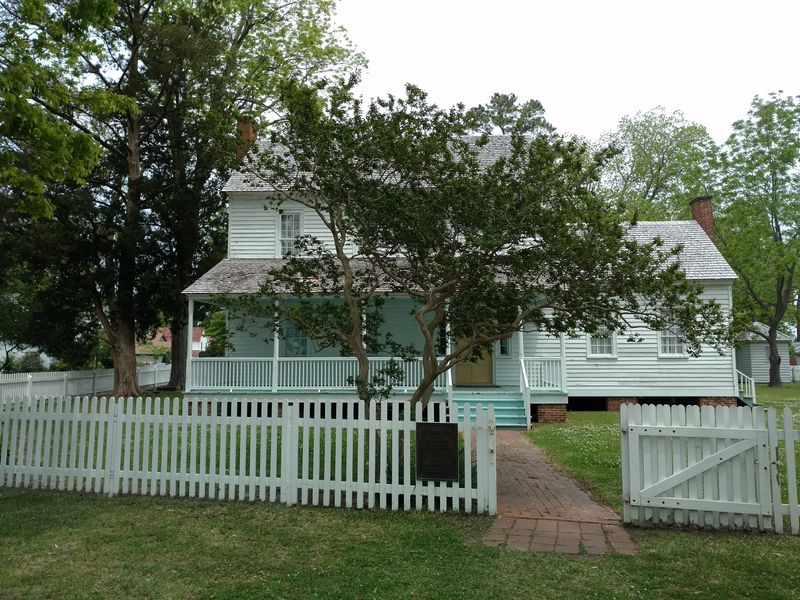
Forget sprawling theme parks and crowded tourist traps—Bath’s entire historic district can be explored on foot in an afternoon.
The compact layout means you’re never more than a few minutes from the next historical marvel or architectural gem.
Interpretive markers guide curious visitors through centuries of stories without overwhelming them with information overload.
You can touch the same doorframes that colonial merchants touched, walk the same paths that Blackbeard might have strutted down.
History here doesn’t hide behind velvet ropes—it invites you to come closer and linger awhile.
The Town’s Unhurried Pace Makes Modern Time Feel Optional
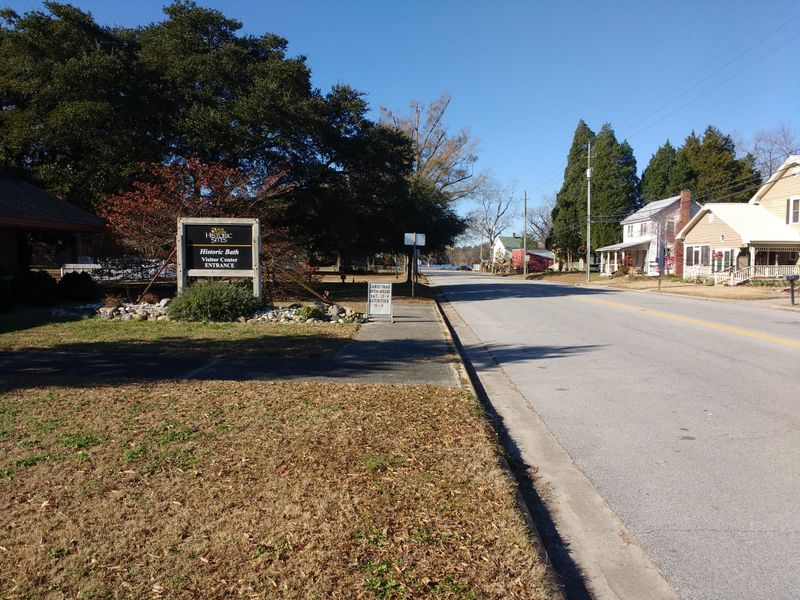
In Bath, nobody’s checking their smartwatch anxiously or rushing to beat traffic lights—mainly because there aren’t any traffic lights to beat.
With a population hovering around 245, this village operates on what locals might call “river time,” flowing steadily but never frantically.
Neighbors actually know each other’s names and stop to chat without scheduling appointments.
Visiting Bath reminds you that hurry itself is a relatively modern invention, and not necessarily an improvement over the alternative.
Nature And History Intertwine Along Bath’s Tree-Lined Roads
Ancient oaks drape Spanish moss like nature’s curtains over streets that predate the United States itself.
Bath’s landscape seamlessly blends human history with natural beauty, creating an environment where both seem equally timeless.
The town’s location along the Pamlico River means water, woods, and wildlife form constant companions to the historical architecture.
You can’t separate Bath’s natural setting from its historical significance—they’ve grown together like roots and soil.
Evenings Glow Softly Over A Village That Never Lost Its Early-American Soul
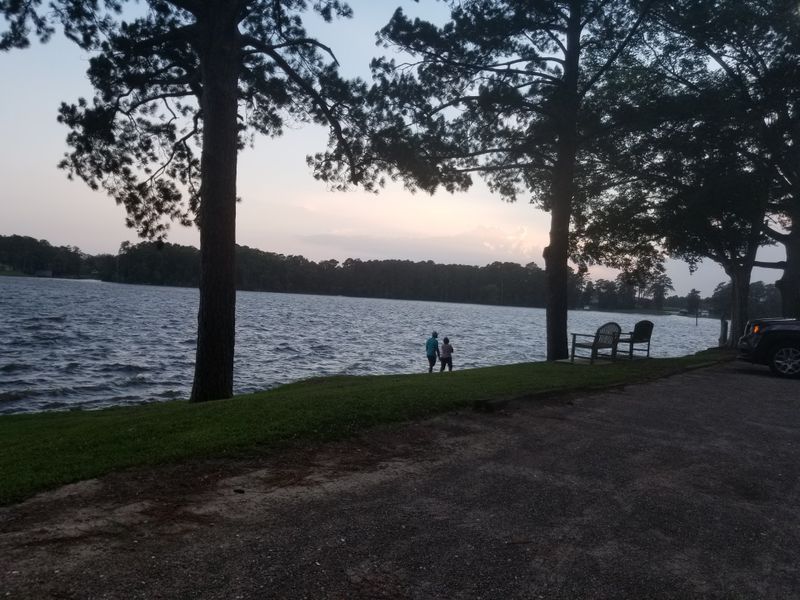
As daylight fades over Bath, the village takes on an almost ethereal quality that would look perfectly natural in a colonial painting.
Modern streetlights are few and far between, allowing the soft glow of sunset to illuminate historic buildings much as candlelight once did.
There’s something profoundly peaceful about evening in a place where time moves differently.
The river reflects the dimming sky while crickets provide the soundtrack—a scene virtually unchanged for three hundred years.