
The Remote Ohio Villages That Feel Frozen In Time
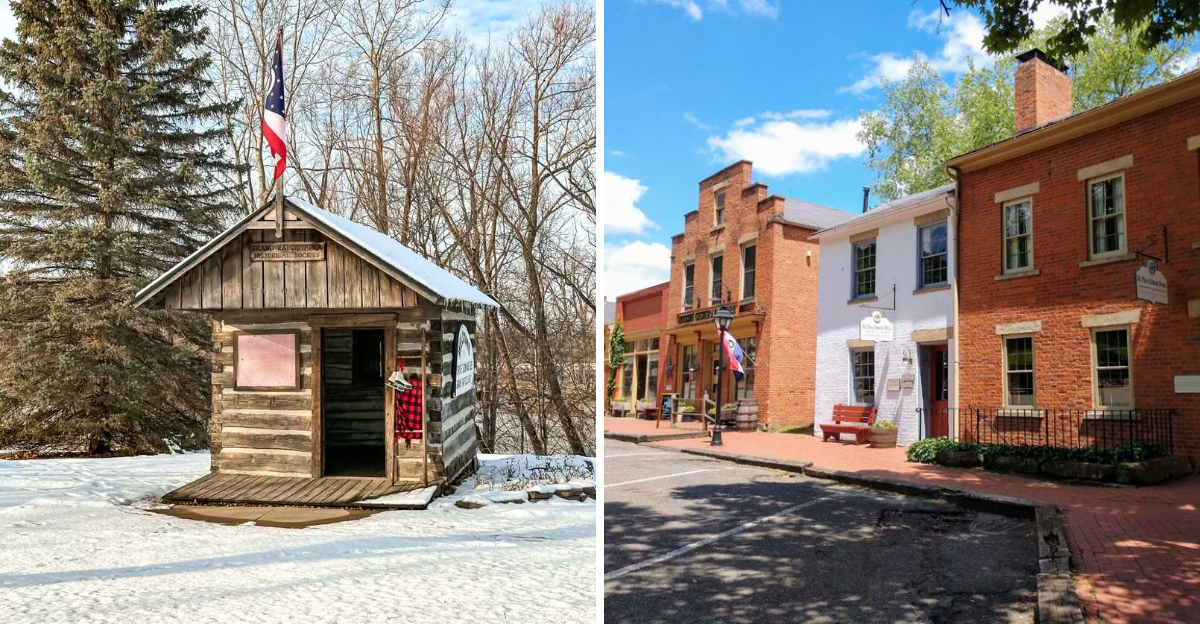
Ohio hides some remarkable treasures in its countryside, where tiny villages preserve the past like living museums.
These charming communities offer glimpses into simpler times, with historic buildings, old-fashioned shops, and streets that haven’t changed much in decades.
Visiting these places feels like stepping through a time portal, where modern life takes a backseat to tradition and heritage.
Get ready to explore ten incredible Ohio villages where time seems to stand still.
1. Zoar Village
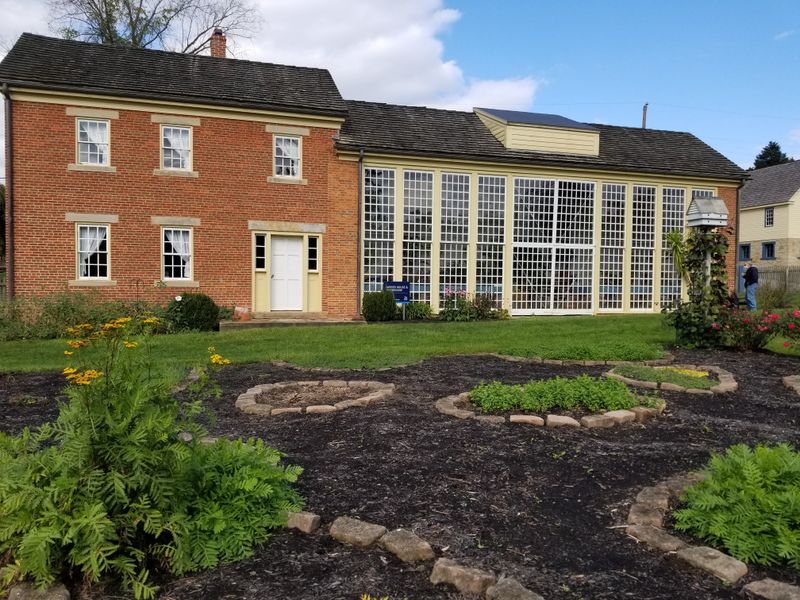
Founded by German religious separatists in 1817, Zoar Village keeps its communal living heritage alive through meticulously preserved buildings and gardens that would make any historian weep with joy.
The entire village operates as a living history museum where the past isn’t just remembered—it’s actively celebrated daily.
Stroll past the original bakery, tin shop, and garden where community members once grew food for everyone.
The orderly street layout reflects the group’s organized approach to life, creating a peaceful atmosphere that modern suburbs can only dream about achieving.
2. Historic Roscoe Village
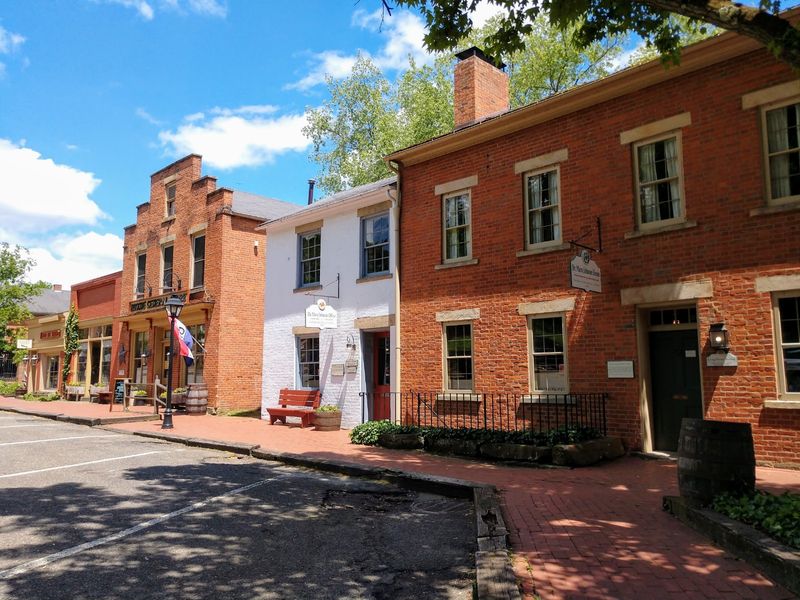
Wandering through this restored canal town feels like crashing a party from the 1800s, except everyone’s invited and nobody judges your modern sneakers.
Historic Roscoe Village brings the Ohio and Erie Canal era back to life with costumed interpreters, working craftsmen, and buildings that actually remember when horses were the main transportation.
The village offers horse-drawn canal boat rides that’ll make you grateful for air conditioning, even as you appreciate the slower pace.
Blacksmiths hammer away at glowing metal while weavers create textiles using techniques your great-great-grandparents would recognize instantly.
3. Grand Rapids
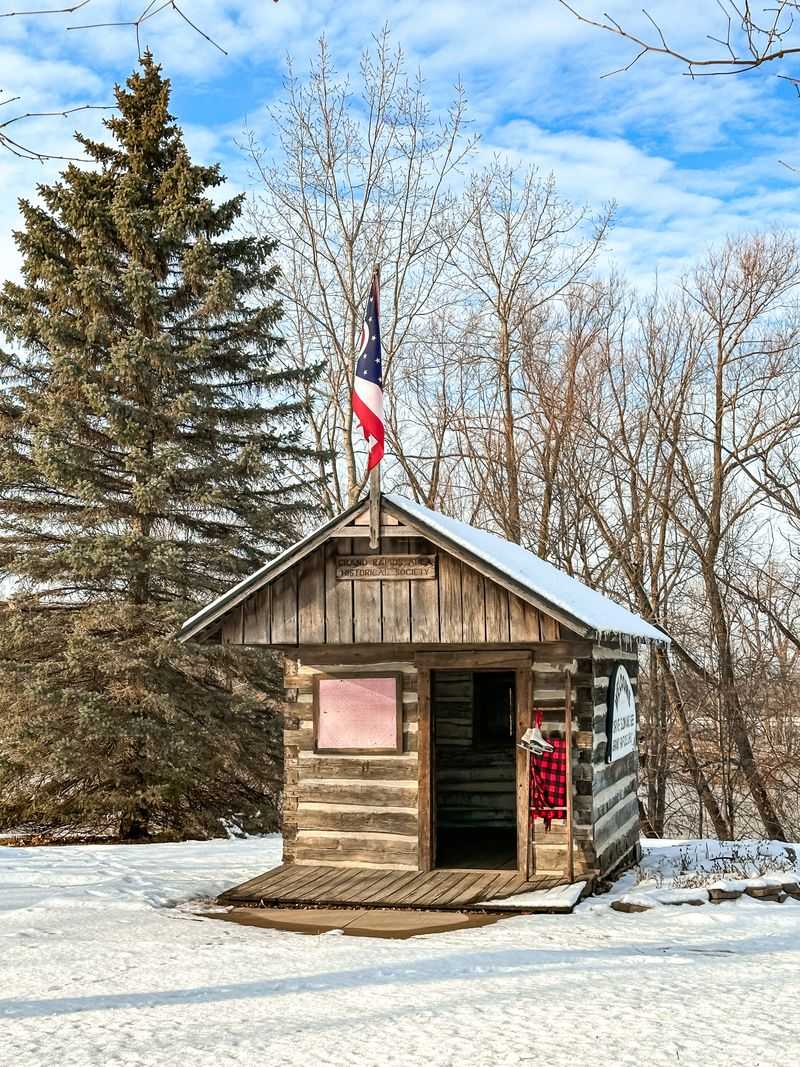
Tucked along the Maumee River, this pint-sized village serves up nostalgia with a side of antiques and a generous helping of small-town charm.
Grand Rapids earned its name from the river rapids that once powered local mills, though today the water flows more peacefully past historic storefronts.
Antique hunters flock here like bargain-seeking pilgrims, combing through shops packed with treasures from decades past.
The village maintains its 19th-century character through careful preservation, making every visit feel like flipping through your grandparents’ photo album—except you can actually buy the furniture.
4. Canal Fulton

With a name that basically screams “we’re serious about our canal history,” Canal Fulton doesn’t disappoint anyone seeking authentic 19th-century vibes.
The village preserves its Ohio and Erie Canal heritage with pride, offering authentic canal boat rides aboard the St. Helena III that transport visitors back to transportation’s golden waterway era.
Downtown buildings showcase architectural styles from the 1800s, while the towpath trail invites modern explorers to walk where mules once pulled heavy cargo boats.
It’s history you can touch, walk through, and actually experience firsthand.
5. Granville

Someone apparently picked up a slice of New England and plopped it right into central Ohio, creating Granville’s impossibly charming streetscape.
Founded by settlers from Granville, Massachusetts in 1805, this village maintains its colonial character through stunning Greek Revival architecture and a picture-perfect town square.
White church steeples pierce the sky while historic homes line streets shaded by mature trees that witnessed generations of village life.
Denison University adds youthful energy without compromising the timeless atmosphere that makes visitors feel like they’ve wandered onto a movie set.
6. Waynesville
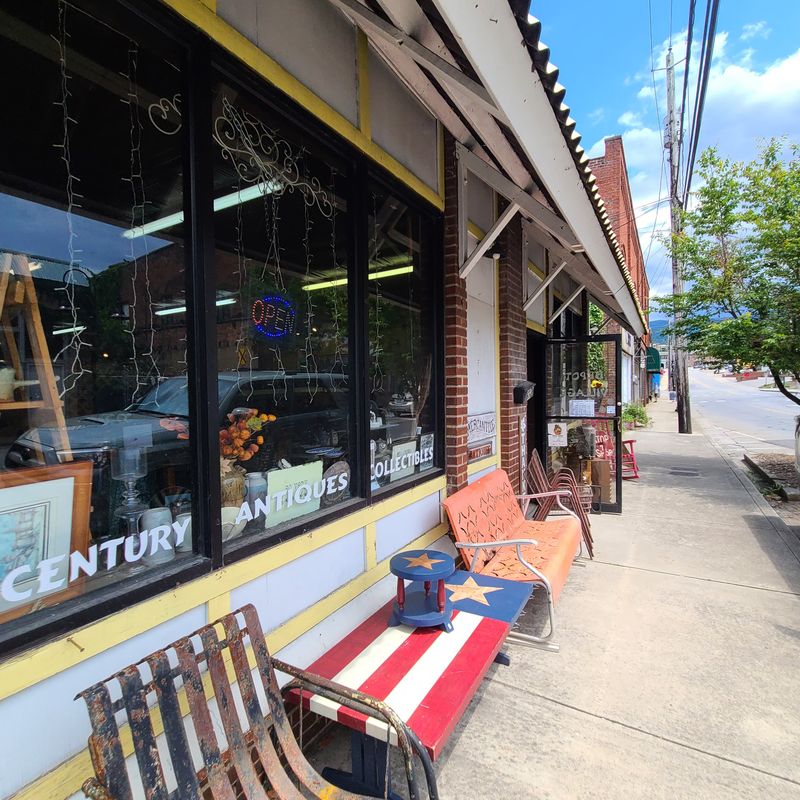
Dubbed Ohio’s Antique Capital, Waynesville takes its vintage reputation seriously, with more antique shops per capita than most towns have coffee shops.
The village’s historic district features beautifully preserved 19th-century buildings housing treasures from every era imaginable, creating a paradise for collectors and history enthusiasts alike.
Beyond the antiques, Waynesville maintains authentic small-town charm through community festivals, locally-owned businesses, and residents who actually know their neighbors’ names.
Walking these streets feels like visiting a beloved aunt’s house—comforting, familiar, and full of interesting stories.
7. Historic Downtown Millersburg
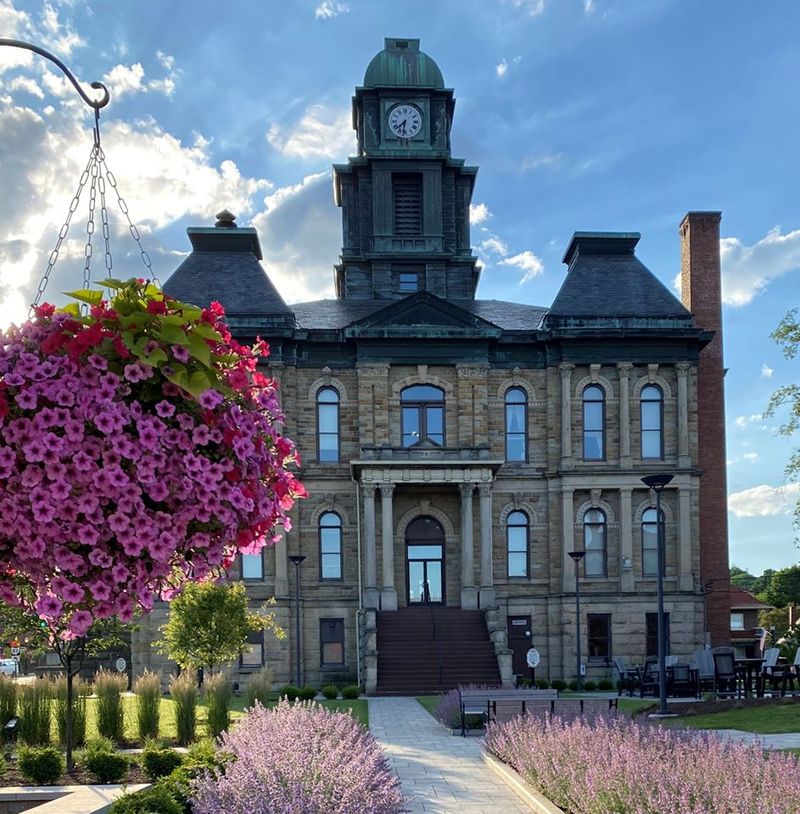
Nestled in the heart of Amish country, Millersburg’s downtown district preserves Victorian-era charm while horse-drawn buggies clip-clop past historic storefronts.
The juxtaposition of Amish traditions and preserved 19th-century architecture creates an atmosphere where multiple timelines seem to exist simultaneously, all peacefully coexisting.
Local shops sell everything from handcrafted furniture to homemade cheese, maintaining traditions that mass production tried hard to erase.
The Victorian House Museum and historic courthouse anchor a downtown that refuses to sacrifice character for convenience or heritage for progress.
8. Berlin
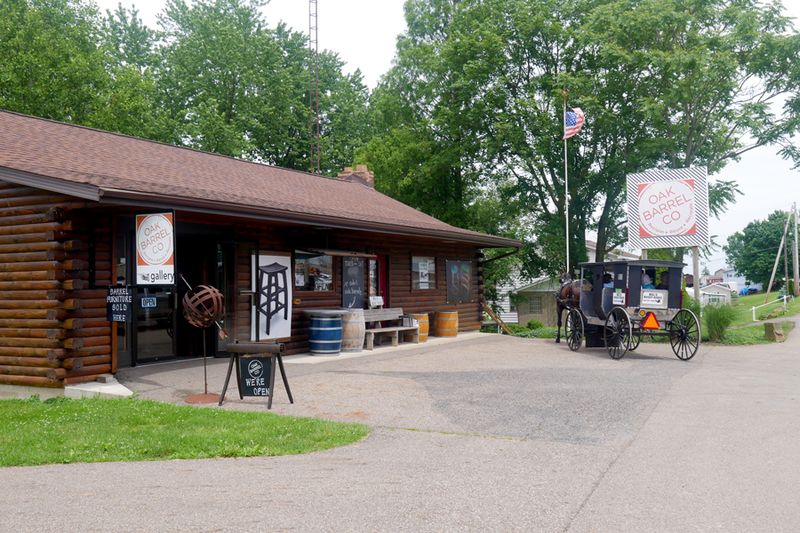
Berlin operates on two speeds: slow and slower, which happens when your neighbors prefer horsepower that actually eats hay and wears horseshoes.
This Amish community hub preserves traditional lifestyles alongside historic buildings that house family-run businesses passed down through generations like treasured recipes.
Visitors discover authentic craftsmanship in every shop, from handmade quilts to custom furniture built without power tools.
The village atmosphere remains genuinely unhurried, offering a refreshing antidote to modern life’s relentless pace and constant digital notifications demanding attention.
9. Gnadenhutten

Few villages carry history as heavy as Gnadenhutten, where a Moravian mission settlement met tragedy in 1782 during the Revolutionary War.
Today, the reconstructed mission commemorates the peaceful Christian Delaware Indians and missionaries who lived here, preserving their story through careful historical interpretation and maintained grounds.
The village maintains a quiet, reflective atmosphere appropriate for its significant past, with historic buildings and monuments telling stories that textbooks often overlook.
Visiting here offers profound lessons about tolerance, faith, and the complicated history woven throughout Ohio’s settlement era.
10. Chagrin Falls
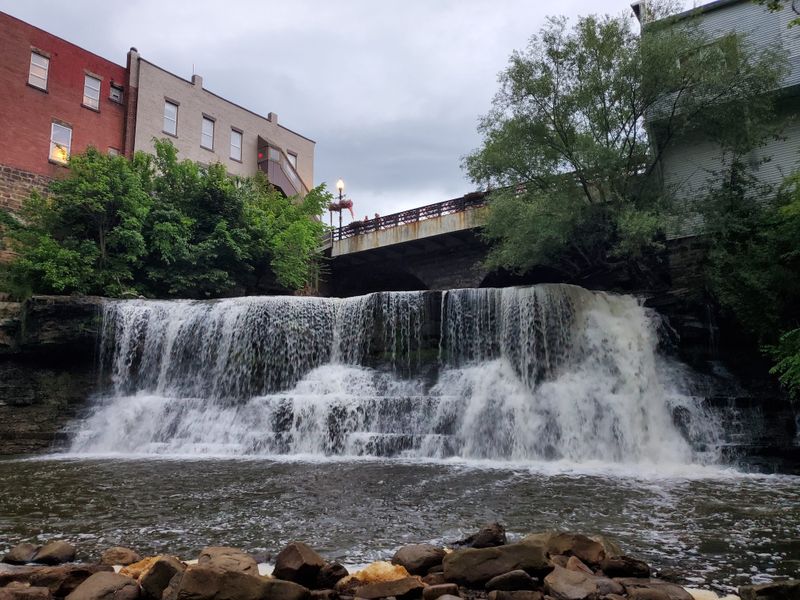
A genuine waterfall tumbling through downtown makes Chagrin Falls instantly memorable, like nature decided to photobomb the village’s historic main street.
Victorian-era buildings surround the falls, creating postcard-worthy scenes that Instagram influencers would sell their filters to capture authentically.
Stroll through through locally-owned shops, historic architecture, and a tight-knit community that values preservation over development.
Popcorn shops, ice cream parlors, and cozy restaurants occupy buildings that remember when horse-drawn carriages were cutting-edge transportation technology.