
Why Residents In Vermont’s Small Forest Hamlet Won’t Tell Tourists About Their Trails
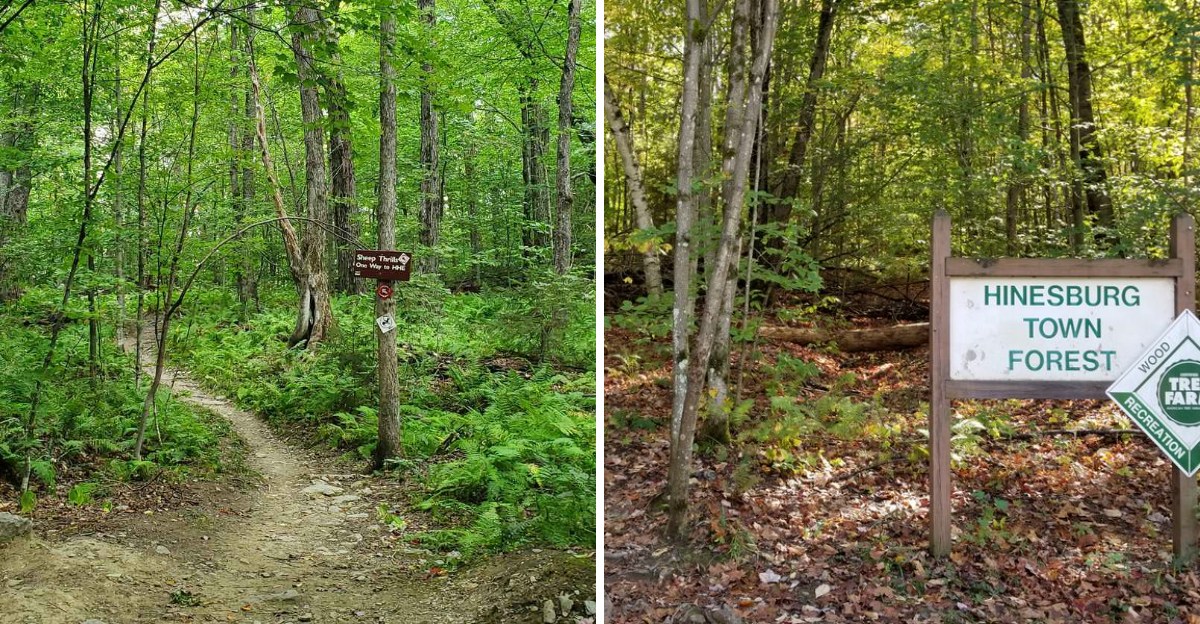
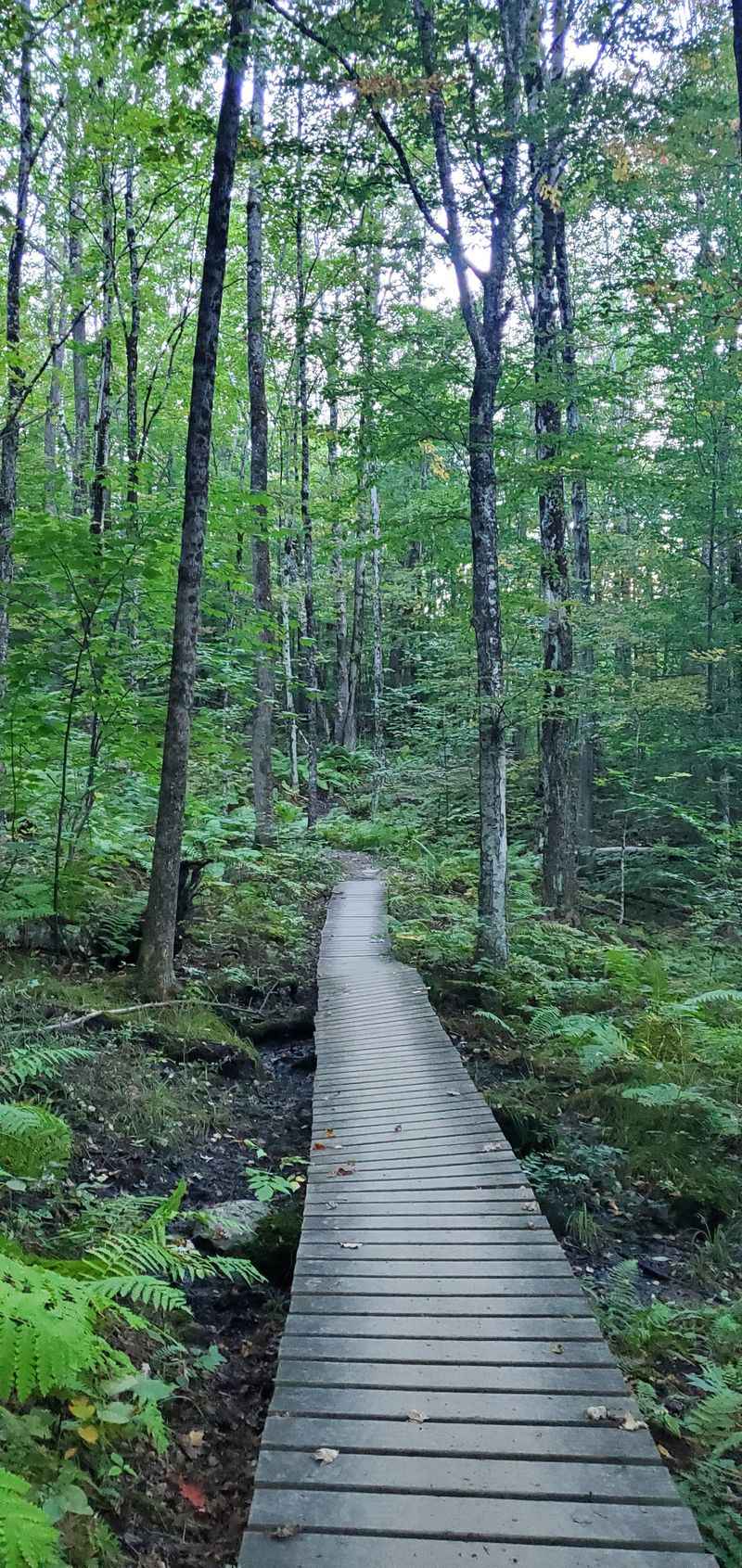
Hinesburg Town Forest sits quietly along Hayden Hill Road, a 750-acre woodland sanctuary that locals prefer to keep under the radar.
Residents of this small Vermont hamlet have learned to cherish the forest’s eighteen miles of trails without broadcasting their existence to the wider world.
The reasons behind this protective silence reveal much about the delicate balance between sharing natural beauty and preserving it for future generations.
Overcrowding Threatens The Forest’s Peaceful Character
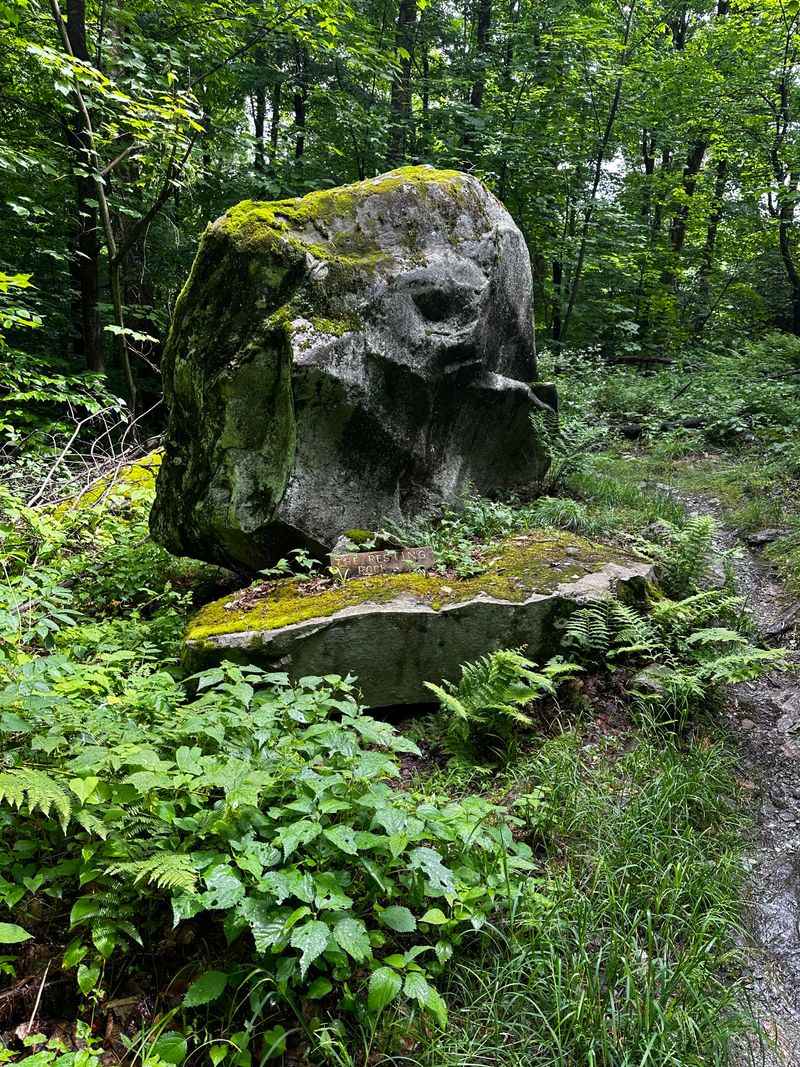
Locals remember when the trails belonged to morning joggers and afternoon dog walkers who nodded in passing.
Mass tourism changes the rhythm of a place, turning solitary woodland walks into crowded sidewalks beneath the canopy.
Hinesburg residents have watched other Vermont destinations struggle with visitor overflow.
They prefer their forest to remain a place where birdsong drowns out human conversation, not the other way around.
Protecting this tranquility requires a certain discretion about where the best trails lead and when to visit them.
Trail Erosion From Heavy Foot Traffic Damages Ecosystems
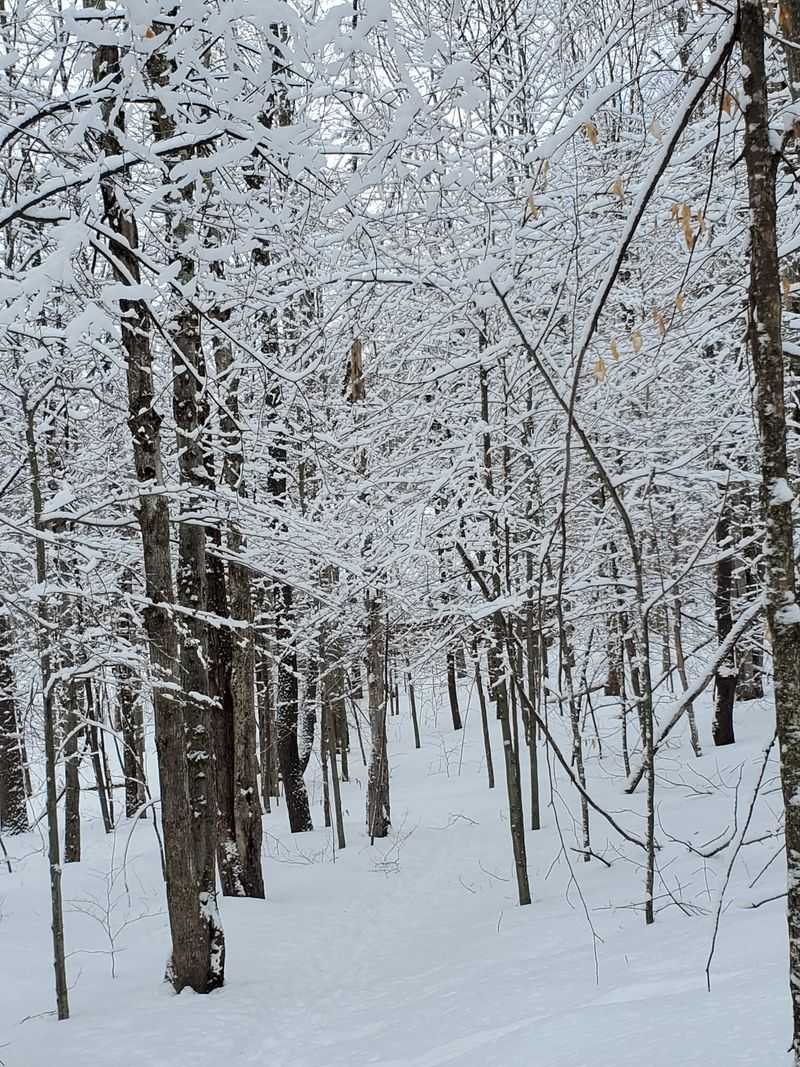
Eighteen miles of trails wind through Hinesburg Town Forest, maintained largely through volunteer effort and careful stewardship.
Heavy foot traffic accelerates erosion, creating muddy channels that widen with each passing season.
Root systems become exposed, making trees vulnerable to disease and toppling.
Widened paths fragment wildlife habitat and alter drainage patterns throughout the forest.
Residents understand that every additional hiker multiplies the maintenance burden on an already stretched volunteer network serving the community at 1442 Hayden Hill Road West.
Wildlife Disturbance Increases With Tourist Presence
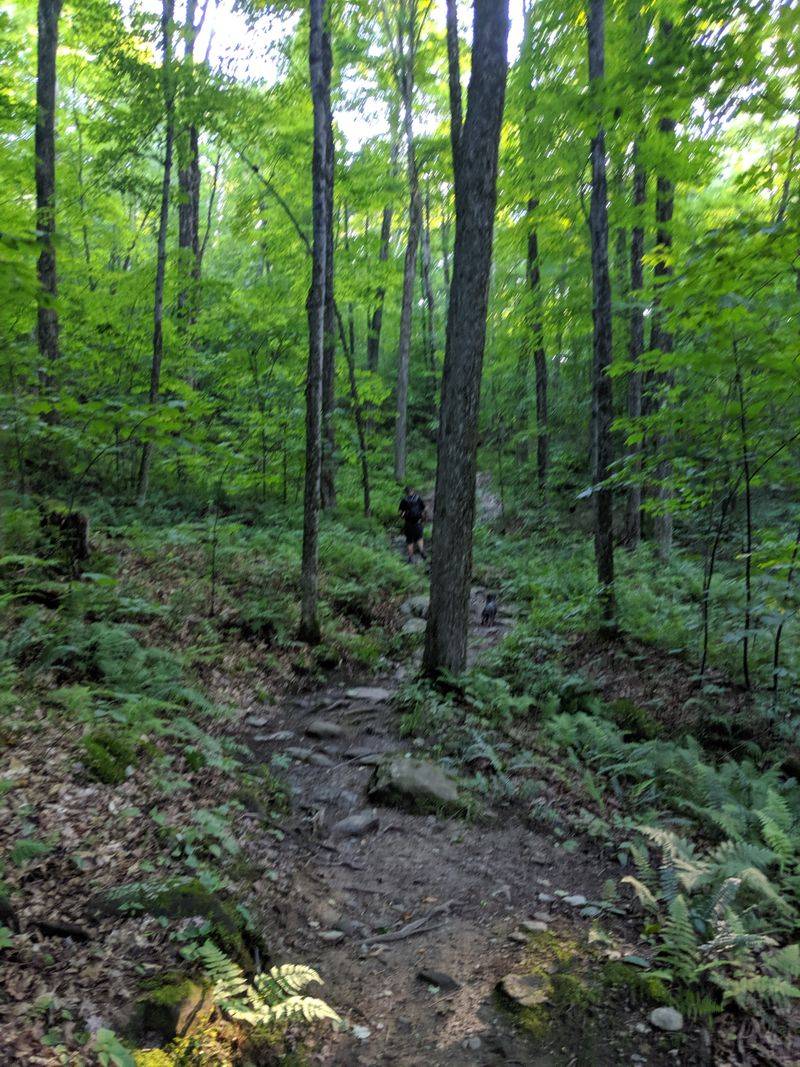
White-tailed deer, black bears, and fisher cats navigate Hinesburg Town Forest according to patterns established over decades.
Increased human presence disrupts breeding cycles, feeding routines, and migration corridors that wildlife depends upon for survival.
Nesting birds abandon sites when trails become too busy during spring months.
Locals have observed these changes in other popular Vermont hiking areas and wish to spare their forest the same fate.
Silence and patience reward those who know when to visit.
Parking Infrastructure Cannot Handle Large Visitor Numbers
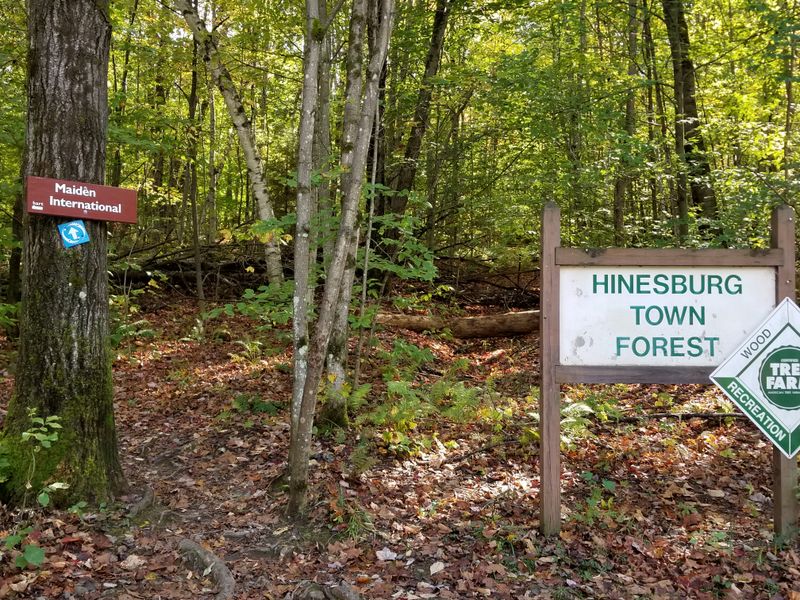
Hinesburg Town Forest features limited parking designed for neighborhood access rather than regional tourism.
When word spreads about hidden trails, vehicles line rural roads not built for such congestion.
Emergency vehicle access becomes compromised, and neighbors find their driveways blocked by visitors unfamiliar with local courtesy.
The town lacks funding to expand parking facilities without raising taxes on residents who already contribute to trail maintenance.
This practical limitation makes discretion the wisest policy for those who call Hinesburg home.
Litter And Waste Management Becomes Overwhelming
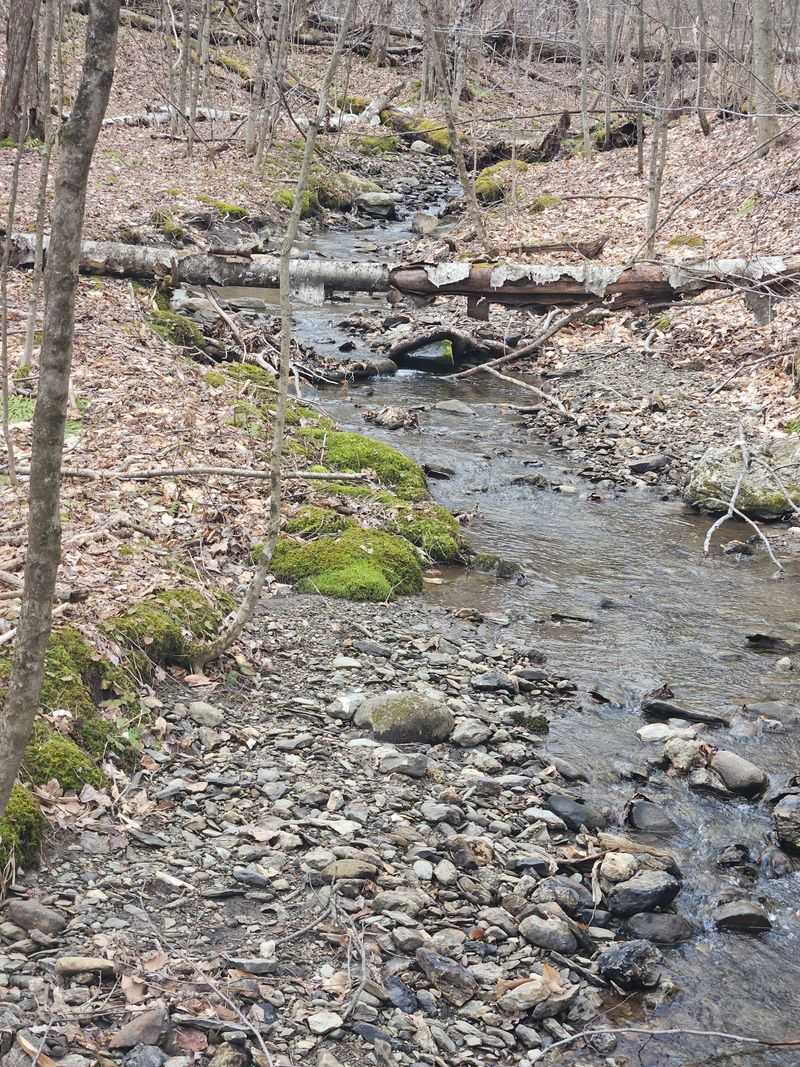
Hinesburg Town Forest operates without staffed facilities or waste collection services.
The forest remains pristine because users carry out everything they carry in, a practice that breaks down when visitor numbers surge.
Discarded water bottles, food wrappers, and dog waste bags appear along trails that once remained spotless through community pride alone.
Volunteers spend weekends collecting trash rather than maintaining trails or monitoring wildlife.
Residents question whether sharing their sanctuary is worth the cleanup burden that inevitably follows increased visitation.
Seasonal Mud Season Requires Trail Closures Tourists Ignore
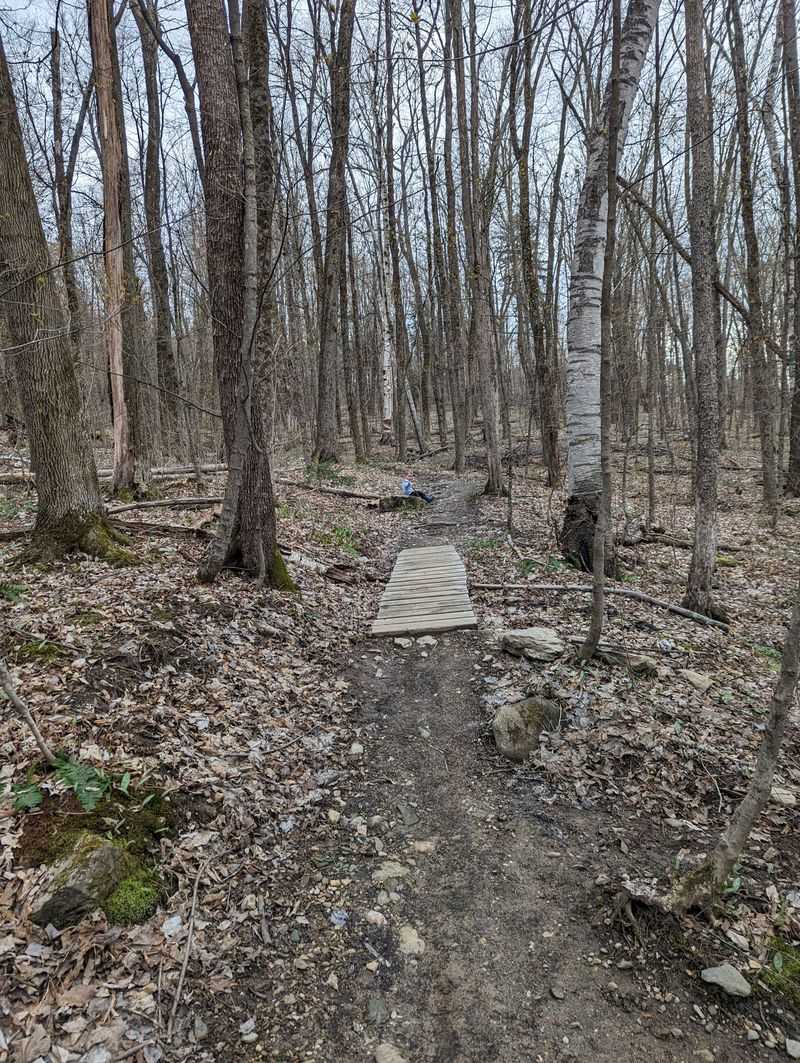
Vermont’s mud season transforms trails into fragile landscapes where a single footstep can cause lasting damage.
Locals know to avoid certain paths between late March and early May, allowing the ground to recover from winter frost heaves.
Tourists unfamiliar with these seasonal rhythms ignore closure signs or simply remain unaware of the ecological consequences.
Deep ruts carved during mud season take years to heal and redirect water flow in destructive patterns.
This knowledge comes from living with the land rather than visiting it occasionally.
Local Children Use The Forest As Outdoor Classroom
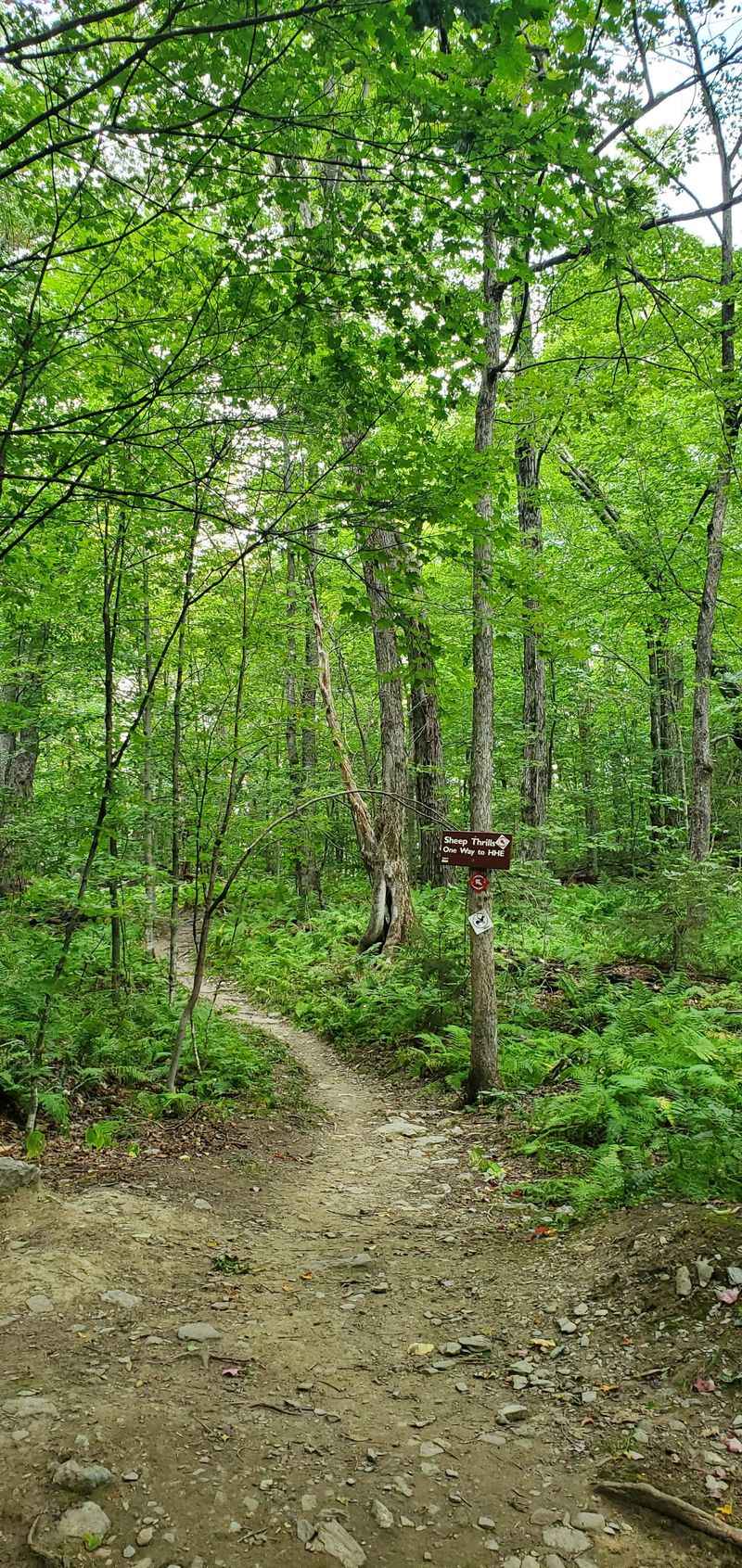
Hinesburg families treat the town forest as an extension of their backyards, a place where children learn to identify trees, track animals, and navigate without electronic devices.
School groups conduct nature studies along trails that feel safe because they remain relatively empty.
Parents worry that increased tourism would compromise this educational resource and the freedom children currently enjoy exploring independently.
The forest’s open twenty-four-hour access serves the community precisely because it remains a local secret rather than a regional attraction.
Property Values And Community Character Face Transformation
Hinesburg residents chose this hamlet partly for its quiet character and access to undiscovered natural spaces.
Tourist traffic transforms neighborhoods, bringing noise, congestion, and commercial pressure that changes the fundamental nature of small-town life.
Property values may rise, but so do property taxes, pushing out longtime residents who maintain the trails and forest culture.
The town’s 4.6-star rating reflects appreciation from those who stumble upon it, but locals fear what five-star fame might bring to their peaceful corner of Vermont.