
The North Carolina Lakeside Village That Still Feels Undiscovered
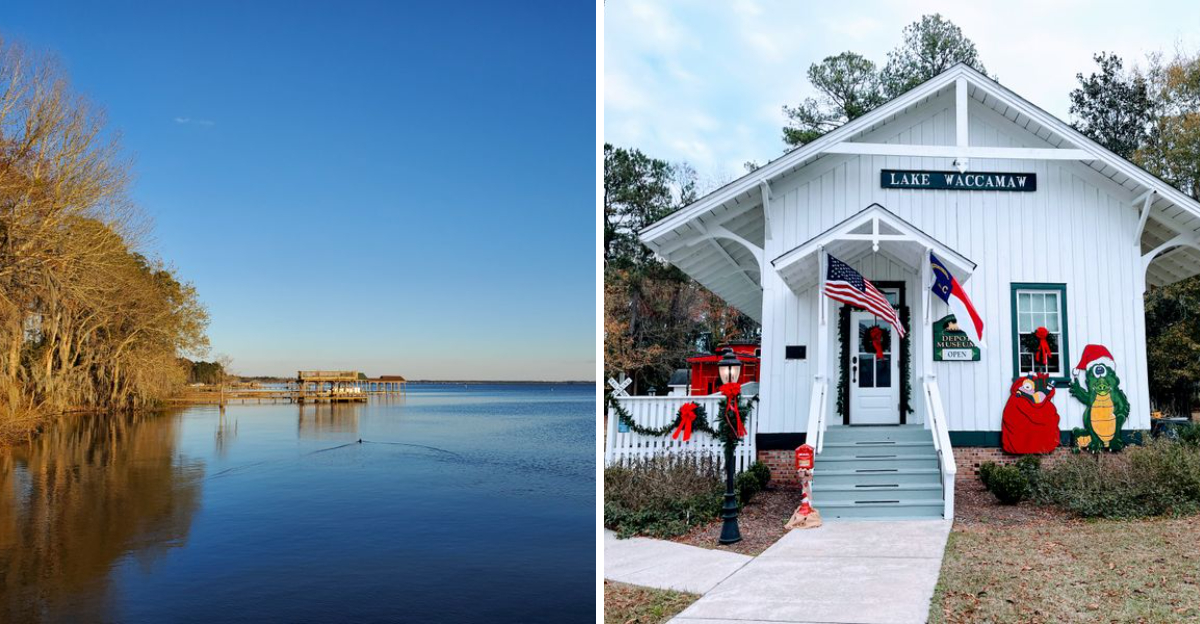
Lake Waccamaw sits tucked away in southeastern North Carolina, a place where the water stays calm and the crowds stay gone.
Most travelers speed past Columbus County on their way to busier beaches or mountain towns, but this lakeside village moves at its own quiet rhythm.
The lake itself is a geographic oddity, and the town that shares its name feels more like a memory than a destination.
If you’re looking for somewhere that hasn’t been discovered by everyone else yet, this is it.
The Lake That Looks Like an Oval Secret On The Map
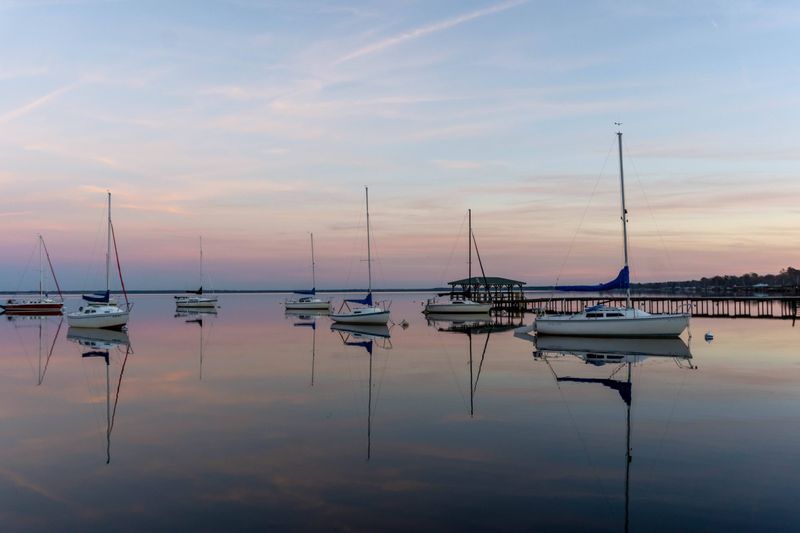
Lake Waccamaw stretches across more than 9,000 acres, making it one of the largest natural lakes in North Carolina.
Its shape is unmistakable from above: a near-perfect oval carved into the coastal plain like someone drew it with a compass.
Geologists believe a meteor impact or underground collapse formed the basin thousands of years ago.
The water is dark, tea-colored from tannic acid, and unusually alkaline compared to surrounding wetlands.
Standing on the shore, you won’t see the far side clearly.
It’s big enough to feel expansive but small enough that you’re never truly lost on it.
This “Village On The Water” Feels Like It Hit Pause On Time
The town of Lake Waccamaw, located at 34.3221252, -78.522195, has a population just over 1,200 people.
Main Street doesn’t bustle; it hums quietly with a post office, a few local shops, and homes that have been in families for generations.
There are no chain restaurants or souvenir stands lining the waterfront.
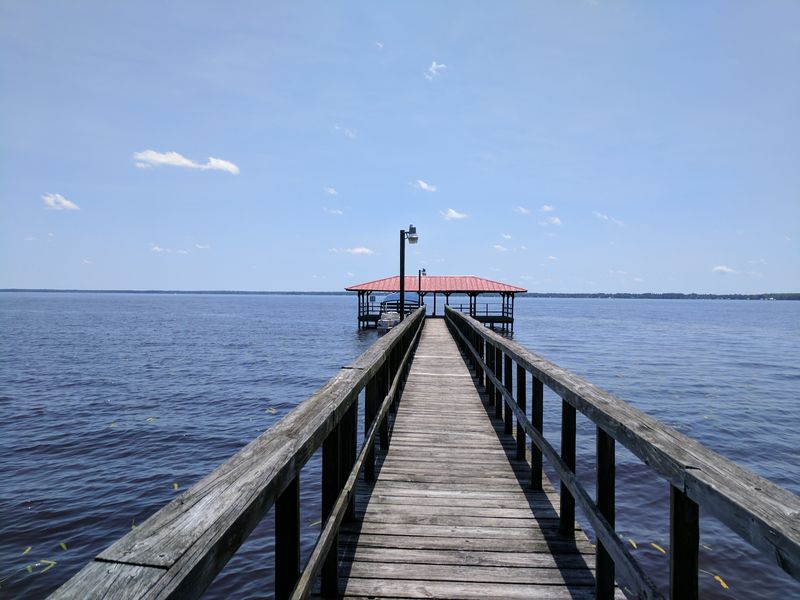
What you will find are screened porches, boat docks, and neighbors who wave when you drive past.
The town exists for the people who live in it, not for the tourists passing through, and that’s exactly why it feels so genuine.
A State Park That’s Quiet, Easy, And Shockingly Pretty
Lake Waccamaw State Park sits on the lake’s southern shore and offers access without the chaos.
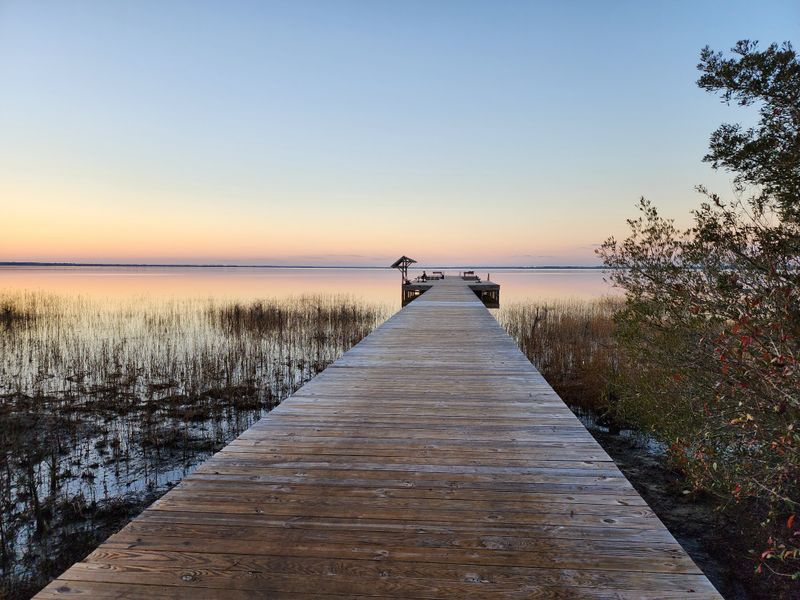
The park includes a sandy swimming area, picnic shelters, and a boardwalk trail that winds through cypress swamps and longleaf pine forests.
You won’t fight for parking or elbow through crowds to see the view.
On weekdays, you might have entire sections to yourself.
The trails are flat and manageable, perfect for families or anyone who prefers a gentle walk over a strenuous hike.
Admission is free, and the facilities are clean and well-maintained without feeling overly manicured.
Where Sunrise Feels Like You’ve Got The Whole Lake To Yourself
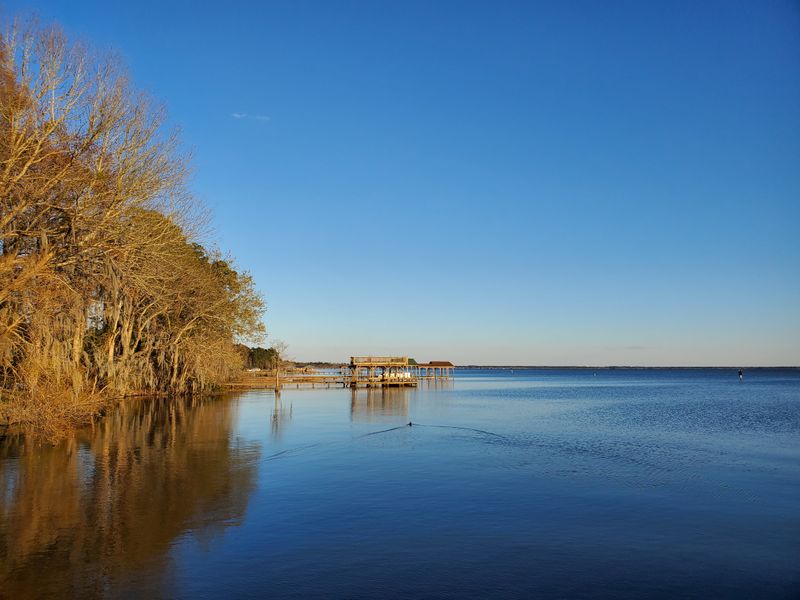
Early morning at Lake Waccamaw is when the place reveals its best self.
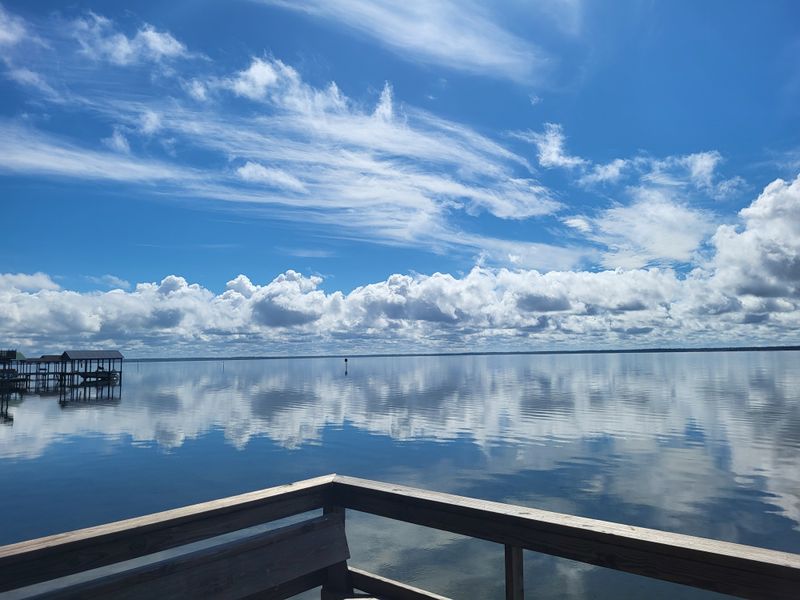
The water sits glassy and still, reflecting the pines and sky in perfect symmetry before the wind picks up.
Fishermen launch their boats quietly, and the only sounds are birds waking up and the occasional splash of a bass breaking the surface.
There’s no sunrise rush, no Instagram crowd jockeying for position.
If you bring a thermos of coffee and sit at the public access area, you’ll watch the light change without interruption.
It’s solitude without loneliness, space without emptiness.
The Wildlife Here Isn’t Just “Nice” — It’s Genuinely Different
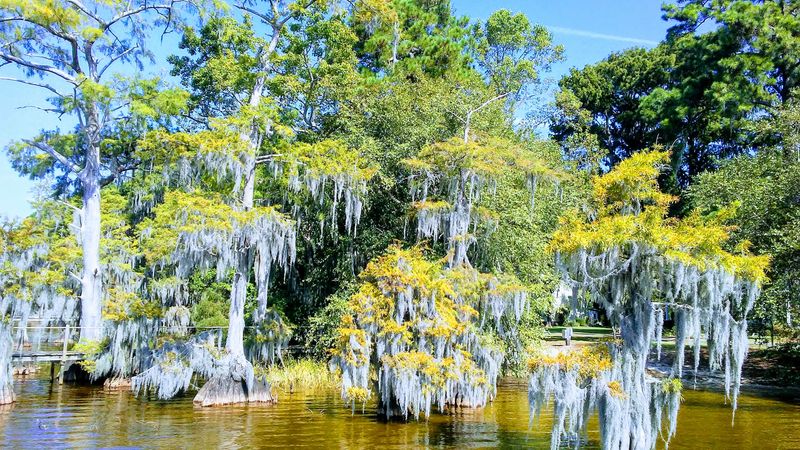
Lake Waccamaw supports a rare ecosystem found almost nowhere else.
The lake’s unique water chemistry has produced endemic species, including the Waccamaw silverside fish and several types of mollusks that exist only here.
You’ll also spot alligators, ospreys, herons, and turtles basking on logs near the shore.
The surrounding wetlands host black bears, though they tend to keep their distance.
Birdwatchers bring binoculars and field guides, hoping to check off species they won’t see at more popular Carolina lakes.
The biodiversity isn’t loud or showy, but it’s scientifically significant and quietly thrilling.
The Best Way To See Lake Waccamaw: Get On The Water, Not The Road
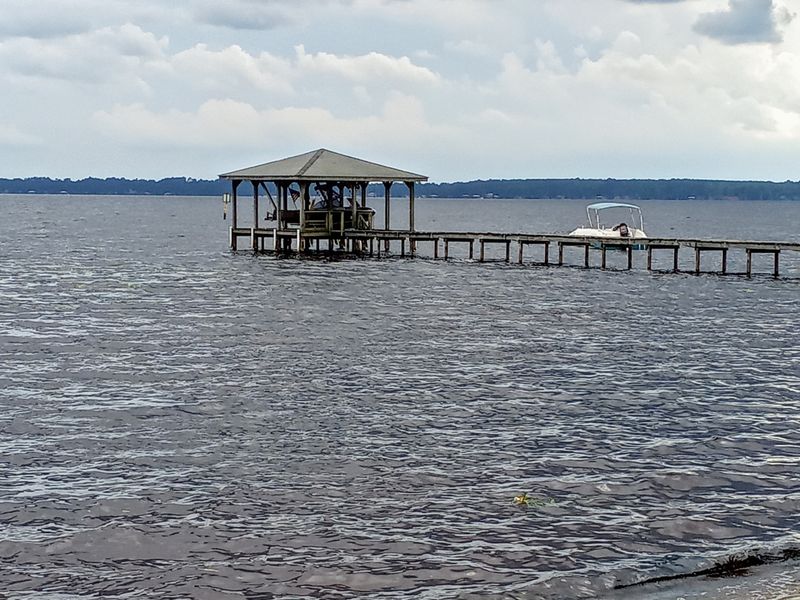
Driving around the lake gives you glimpses, but paddling across it gives you the full picture.
Kayaks and canoes are the ideal vessels here—the lake is generally calm, and motorboats are allowed but not overwhelming in number.
Launch from the state park or one of the public access points, and you can explore coves, cypress groves, and stretches of shoreline that feel untouched.
The water is shallow near the edges, perfect for beginners.
Largemouth bass, catfish, and crappie are common catches, and the fishing pressure is light compared to more trafficked lakes.
A Coastal-Plain Escape That Doesn’t Feel Like The Coast
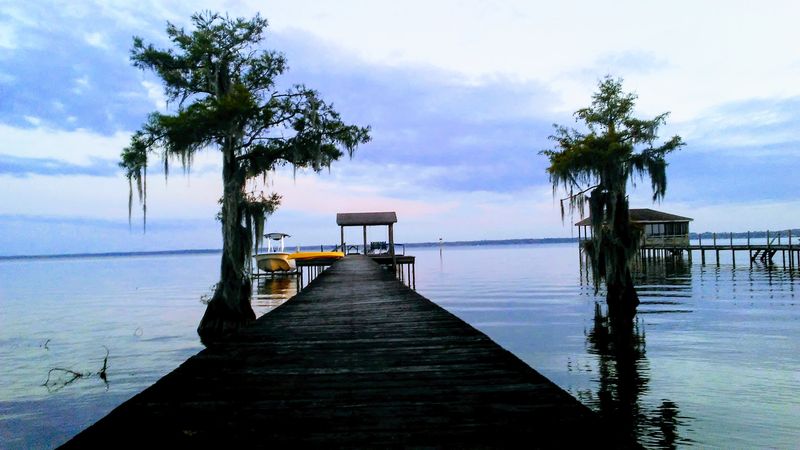
Lake Waccamaw occupies a middle ground that’s easy to overlook.
It’s about an hour from Wilmington and the Atlantic beaches, but it doesn’t have the salt, sand, or tourist infrastructure of the coast.
It’s also far from the Blue Ridge peaks and hiking culture of western North Carolina.
What it does have is flatland forest, blackwater wetlands, and a lake that feels more like the Deep South than the Outer Banks.
If you’re tired of beach crowds or mountain traffic, this is the Carolina landscape that gets skipped over—and that’s precisely its charm.
The Uncrowded Carolina Lake Day
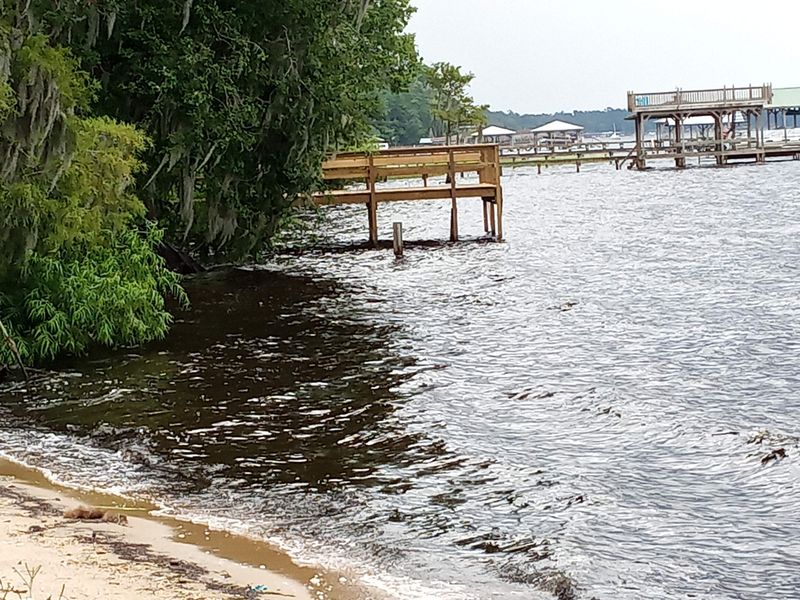
A perfect day here doesn’t require elaborate planning.
Start with a walk along the boardwalk trail, where you’ll get a feel for the swamp ecology without getting your feet wet.
Next, rent or bring a kayak and paddle out for an hour or two, exploring the shoreline and watching for wildlife.
When you’re done, pull up to one of the picnic areas and eat lunch under the pines.
Repeat as necessary.
There’s no pressure to pack your schedule or hit a checklist of attractions.
The rhythm is slow, intentional, and refreshingly simple.
Why It Still Feels Hidden: Nature Protection Keeps It That Way
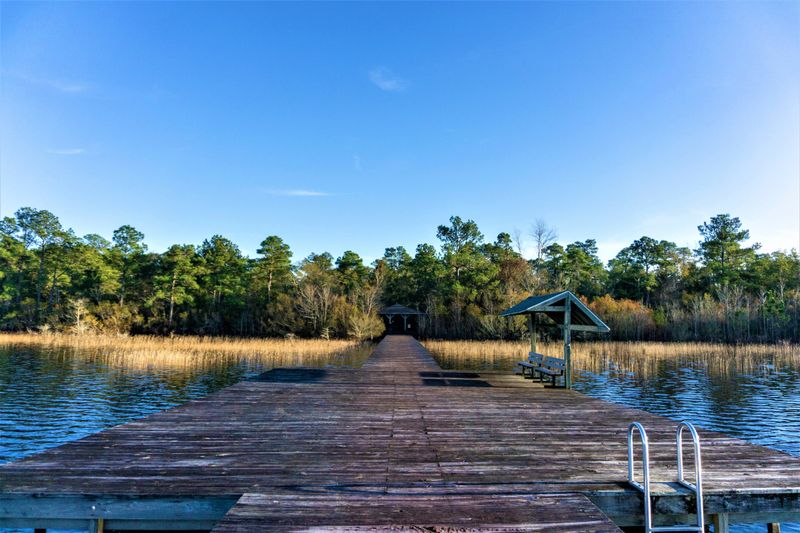
Much of the land surrounding Lake Waccamaw is protected by state ownership or conservation easements, which limits development and keeps the shoreline largely undeveloped.
That’s intentional, and it’s why the lake hasn’t turned into a resort destination.
The Waccamaw Siouan people, descendants of the area’s original inhabitants, maintain cultural ties to the region and advocate for preservation.
European settlers arrived in the 18th century, but the lake never became a commercial hub.
The lack of marinas, condos, and waterfront sprawl is what makes the place feel like a secret.
Golden Hour Here Is A Cheat Code For Photos
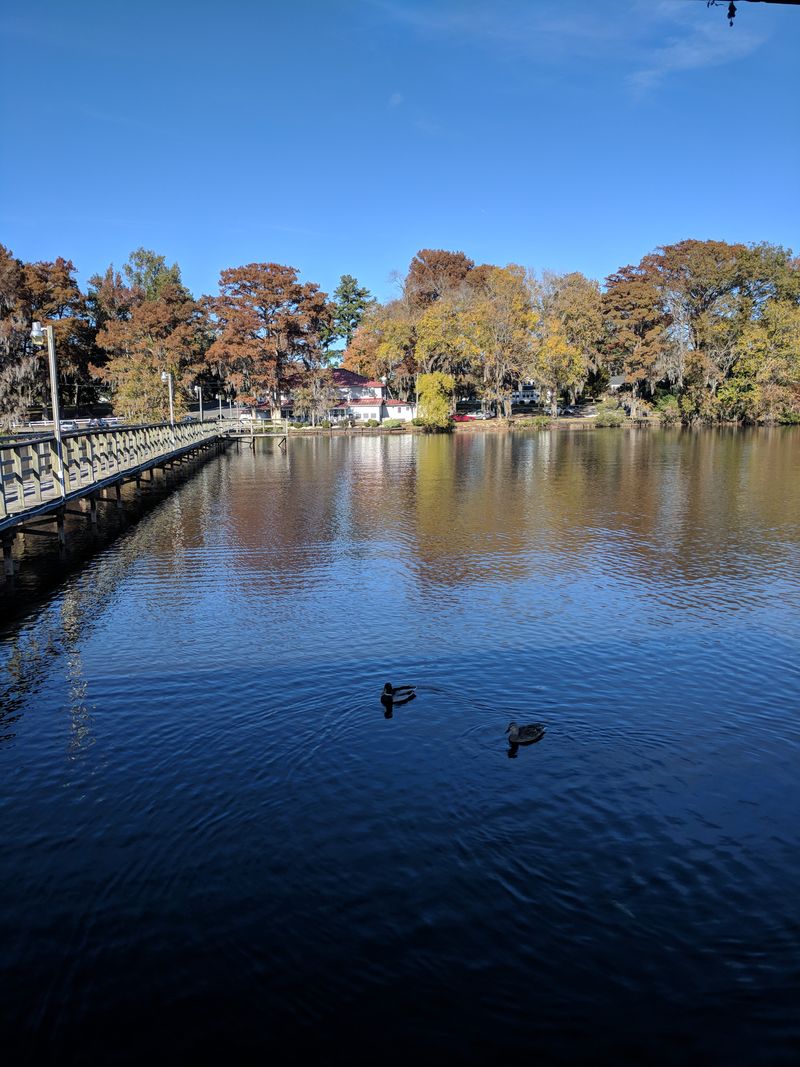
Late afternoon light does something special to Lake Waccamaw.
The low sun filters through the pines and sets the water glowing, turning the tea-colored surface into amber and copper tones that photograph beautifully.
Shadows stretch long across the boardwalk, and the cypress knees create dramatic silhouettes against the sky.
You don’t need professional gear or filters to capture something memorable.
Even a phone camera will pull in the warmth and depth of the scene.
The lake’s natural color palette and lack of visual clutter make every shot feel composed, even if you’re just pointing and clicking.
Before You Go: The 5 Things That Make The Trip Smoother
First, bring bug spray—mosquitoes and biting flies are active near the water, especially in warmer months.
Second, pack your own food and drinks; dining options near the lake are limited, and the closest grocery stores are in Whiteville, about 15 minutes away.
Third, check the weather and water conditions if you plan to paddle; the lake can get choppy on windy days.
Fourth, wear water shoes if you’re swimming; the lake bottom is sandy but has occasional sticks and roots.
Finally, visit the town’s website for updates on park hours and local events before you make the drive.
The Small Museum That Tells The Lake’s Whole Story

The Lake Waccamaw Depot Museum sits in a restored train depot near the center of town and offers a quiet look into the area’s past.
Exhibits cover the Waccamaw Siouan heritage, the arrival of European settlers, and the logging industry that once thrived here.
You’ll also find displays on the lake’s unique ecology and the species that make it scientifically important.
The museum is small, free, and staffed by volunteers who know the history firsthand.
It’s not a must-see in the traditional sense, but if you have 30 minutes and curiosity about the place, it’s worth stepping inside.