
The Quiet North Carolina River Town That Locals Keep To Themselves
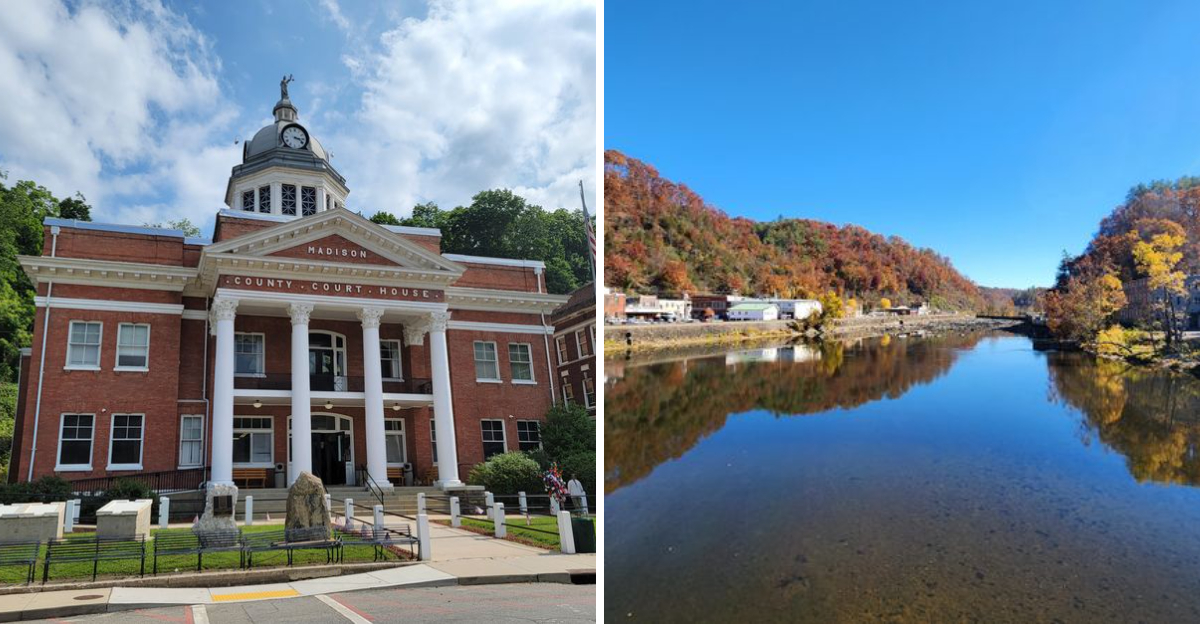
Tucked between steep ridges where the French Broad River bends, Marshall is a small North Carolina town that operates on its own quiet schedule.
Population 777, it’s the kind of place where Main Street hugs the riverbank and a single clock tower keeps time for everyone.
Locals know it well, but most travelers speed past on their way to Asheville, never realizing what they’re missing.
A River Town Where Main Street Literally Runs Along The French Broad
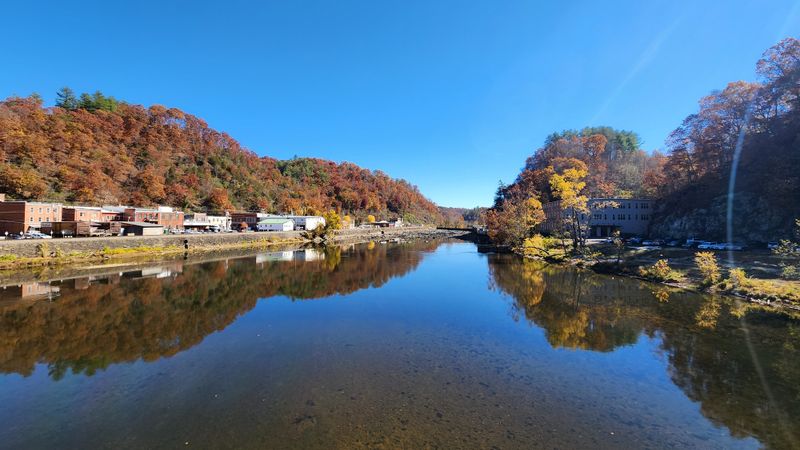
Marshall’s layout defies the usual mountain town grid.
Main Street doesn’t climb a hillside or circle a square—it stretches right alongside the French Broad River, pressed between water and rock face.
Buildings line up shoulder to shoulder on one side, their backs practically touching the cliffs.
On the other, the river rolls past, wide and unhurried, carrying kayakers and the occasional heron downstream.
Walking the street feels less like touring a town and more like following a corridor carved by geography itself.
Everything essential sits within a few blocks, and parking happens wherever there’s room between the current and the stone.
A National Historic District You Can Walk In 10 Minutes
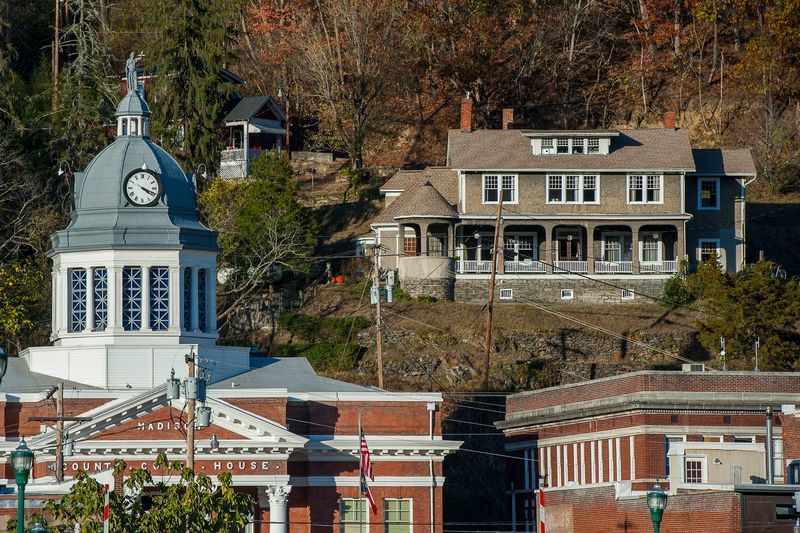
Marshall earned its place on the National Register of Historic Places without needing sprawl or spectacle.
The entire district is compact enough to cover on foot before your coffee gets cold.
Buildings date mostly from the early 1900s, their brick facades and tall windows intact.
Some house shops now, others offices, a few sit empty but upright, waiting.
There’s no guided tour or visitor center pushing brochures.
You simply walk, look up occasionally, and notice the details—cornerstones, old signage, the way the architecture reflects a time when this riverbank mattered more than it does on modern maps.
It’s preservation by persistence, not performance.
The Courthouse With The Clock Tower Is The Town’s Anchor
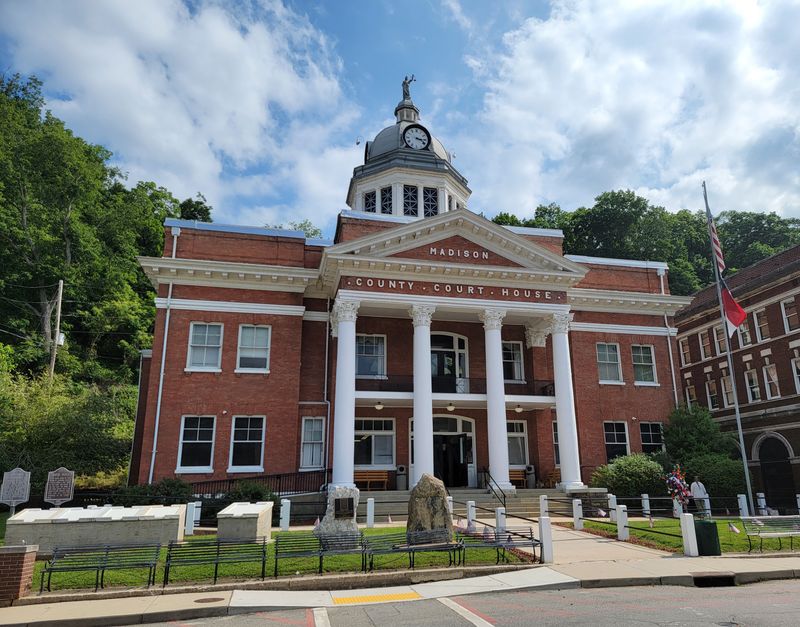
Madison County’s courthouse stands at the heart of Marshall, its clock tower visible from most angles in town.
Built in 1907, the building commands attention without trying too hard—red brick, white trim, and that clock face keeping reliable time above it all.
It’s not just symbolic.
This is where county business happens, where locals show up for meetings, licenses, and the occasional trial.
The building anchors the town visually and practically, giving Marshall a sense of order and permanence.
When people give directions here, they often start with the courthouse.
Small Town, Big Arts Energy—And It’s Not Just A Vibe
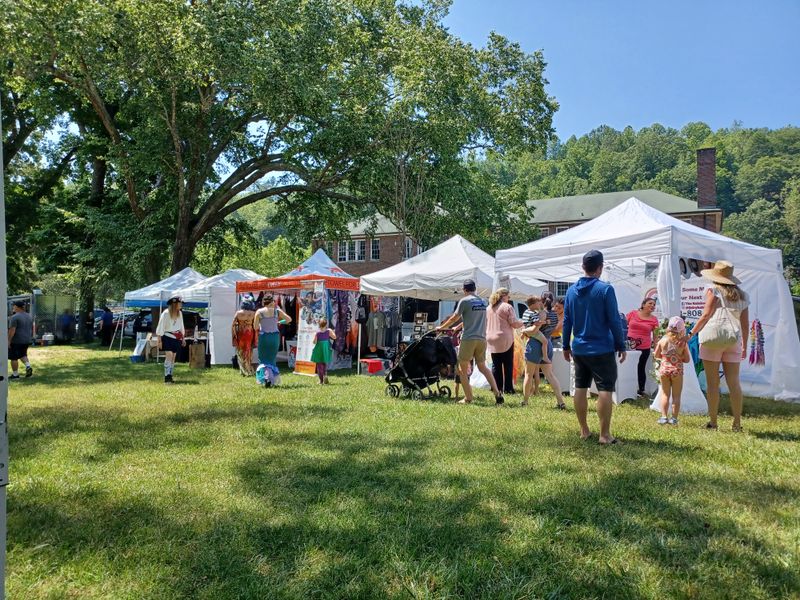
Marshall punches above its weight when it comes to creativity.
For a town of 777, there’s an unusual concentration of working artists, galleries, and studios tucked into storefronts and repurposed spaces.
You’ll find pottery, painting, fiber arts, and metalwork—not as tourist bait, but as actual production.
Artists live and work here, drawn by affordable rent and the kind of quiet that allows focus.
Monthly art walks bring people out, but even on regular days, you can spot new murals, window displays, and handmade goods for sale.
The arts scene isn’t manufactured for visitors; it’s organic, sustained by people who chose this place deliberately.
The Coffee Shop Locals Use As A Meeting Place
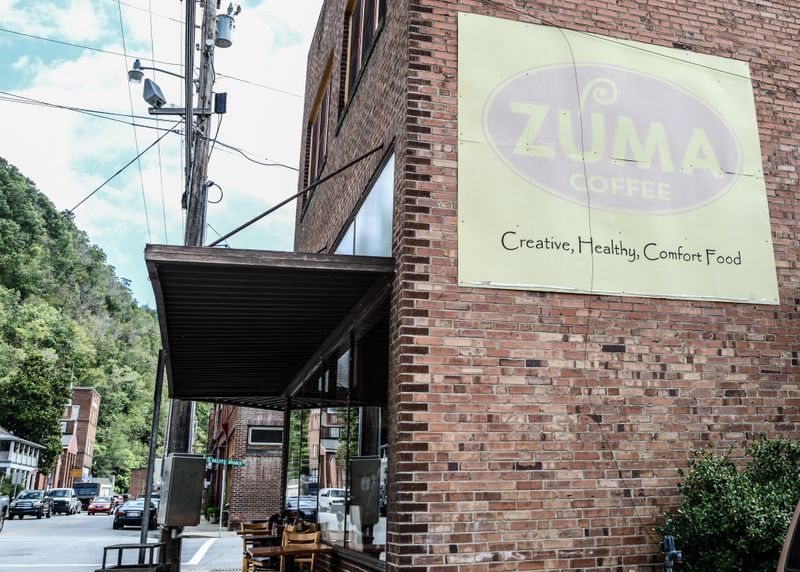
Marshall has a coffee shop that doubles as the town’s unofficial living room.
Locals stop in for their morning cup and often stay longer than planned, pulled into conversation or simply settling in with a book.
The space is modest—a few tables, mismatched chairs, a chalkboard menu.
But it functions as a hub where regulars catch up, newcomers get oriented, and information circulates faster than it does online.
It’s the kind of place where baristas know orders by heart and overhearing a good story is part of the experience.
Community happens here, one pour-over at a time.
The Brewery That Turns A Quiet Afternoon Into A Plan
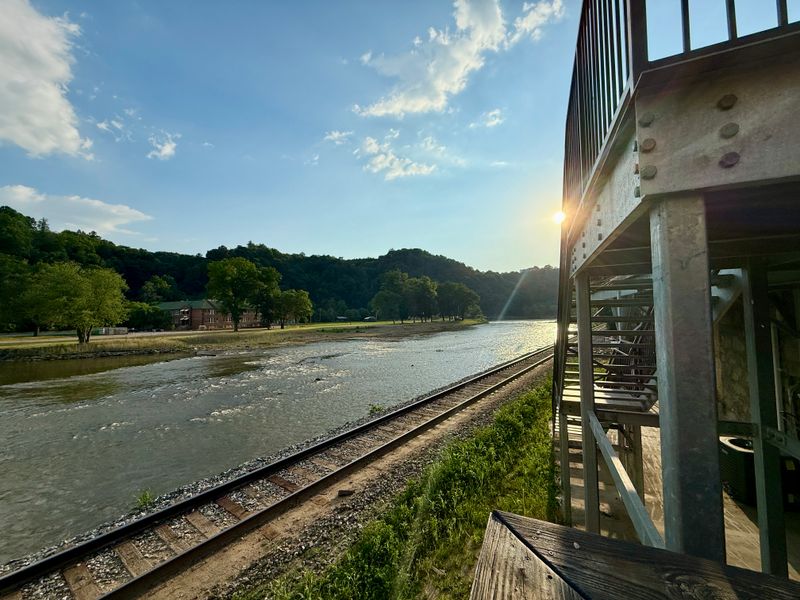
Marshall’s brewery sits near the river, offering craft beer and a casual outdoor setup that invites lingering.
It’s the kind of spot where an hour turns into three without anyone noticing or minding.
The beer list rotates but stays rooted in local ingredients and straightforward brewing.
No gimmicks, just solid pints served in a space where conversation flows easily.
Live music happens sometimes, but the real draw is the unhurried pace and the fact that nobody’s in a rush to close out their tab.
The Island Park Everyone Mentions—And Why It’s Complicated Right Now
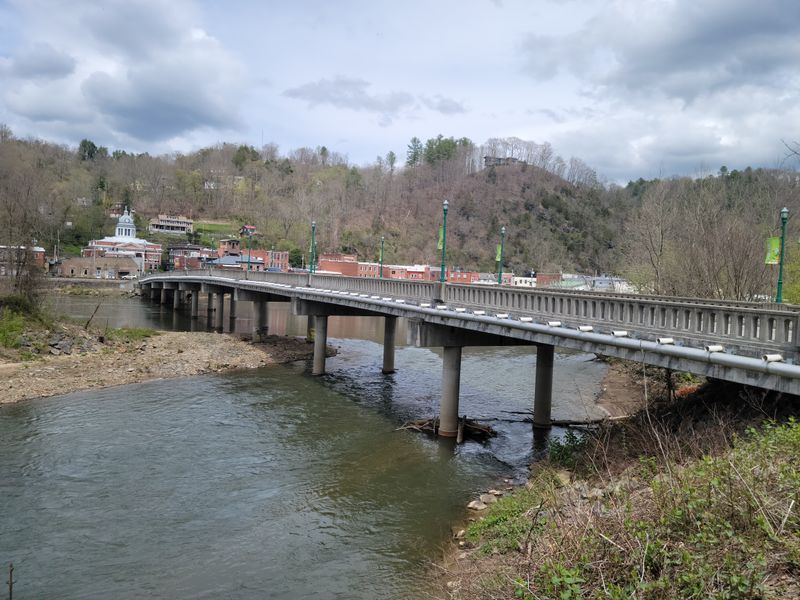
Blannahassett Island sits in the French Broad just off Main Street, a small green space accessible by footbridge.
For years, it served as Marshall’s go-to gathering spot—picnics, festivals, lazy afternoons by the water.
Then flooding hit, and the island took the brunt of it.
Repairs have been slow, funding uncertain, and access restricted at times.
Locals still mention it fondly, and you’ll hear hopeful updates about restoration plans.
Right now, though, it’s more a reminder of the river’s power than a functional park.
The Art Studios In An Old School Building By The River
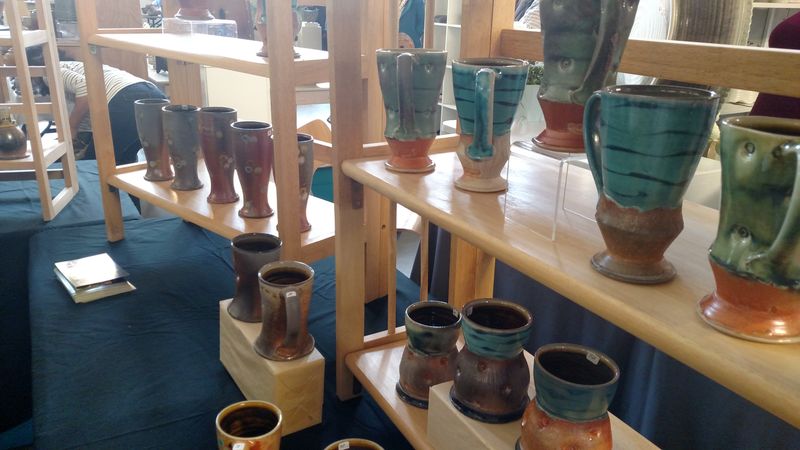
An old school building near the river now houses a collective of artist studios, its classrooms transformed into workspaces for painters, sculptors, and craftspeople.
The bones of the building remain—high ceilings, big windows, worn wooden floors—but the purpose has shifted entirely.
Artists open their doors during scheduled events, letting visitors watch works in progress and browse finished pieces.
It’s informal, intimate, and refreshingly free of commercial polish.
The location, right by the water with mountains rising behind, adds to the appeal.
Creativity thrives here not despite the building’s age, but maybe because of it.
A Scenic River Drive That Locals Take Instead Of The Fast Route

Locals know a river road that parallels the French Broad, offering a slower, prettier alternative to the main highway.
It curves with the water, passing farms, old barns, and stretches where the current picks up speed over rocks.
Speed limits drop, and the scenery rewards attention—ridges stacked against the sky, morning mist rising off the river, the occasional fishing spot tucked into a bend.
Tourists tend to stick to the interstate, which suits the regulars just fine.
This drive belongs to people who’ve learned that getting somewhere slower often means seeing more along the way.
Where The French Broad Turns Into A Real Adventure River
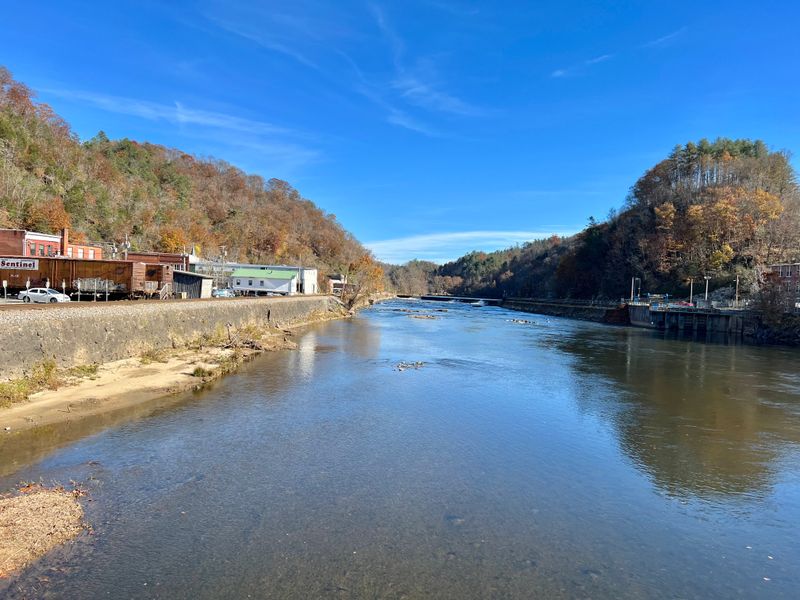
The French Broad changes character as it flows through Marshall.
Upstream, it’s calm and wide; here, it picks up energy, carving through narrow channels and over rock shelves that create rapids worth respecting.
It’s technical enough to demand attention but accessible enough for intermediate boaters willing to read the water carefully.
The riverbanks rise steep on both sides, giving the corridor a remote feel even though town is just minutes away.
This is where the French Broad stops being a lazy float and starts offering real adventure, the kind that requires gear, skill, and a healthy respect for current.
Yes, You Can Do Whitewater (Or Zipline) From Marshall
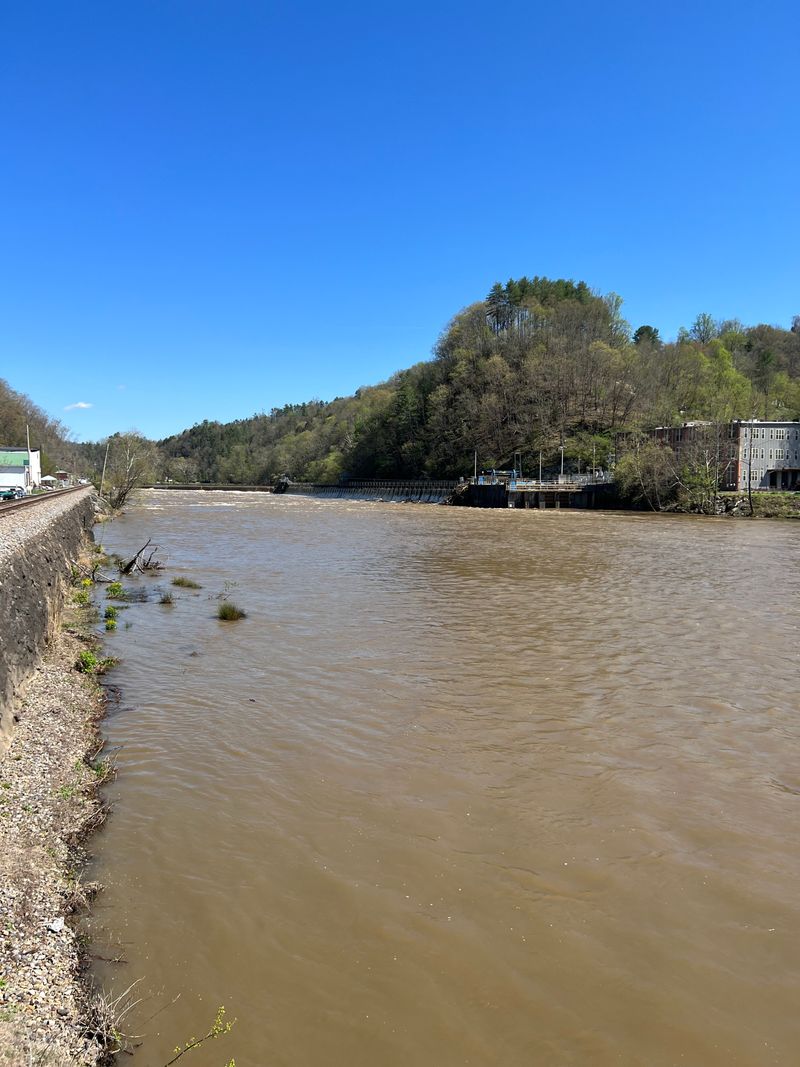
Marshall may be quiet, but it’s not passive.
Several outfitters operate from town, offering guided whitewater trips on the French Broad and zipline courses strung through the surrounding forest.
The rafting ranges from mellow floats to Class III rapids, depending on the season and water levels.
Guides know the river intimately, pointing out landmarks and wildlife between stretches of paddling.
Zipline tours take advantage of the steep terrain, launching riders over treetops with views that stretch across ridges.
Both activities attract visitors, but they’re run by locals who live here year-round, not seasonal operators chasing trends.
The ‘Quiet Town’ Secret: It’s Close To Asheville, But It Doesn’t Feel Like Asheville
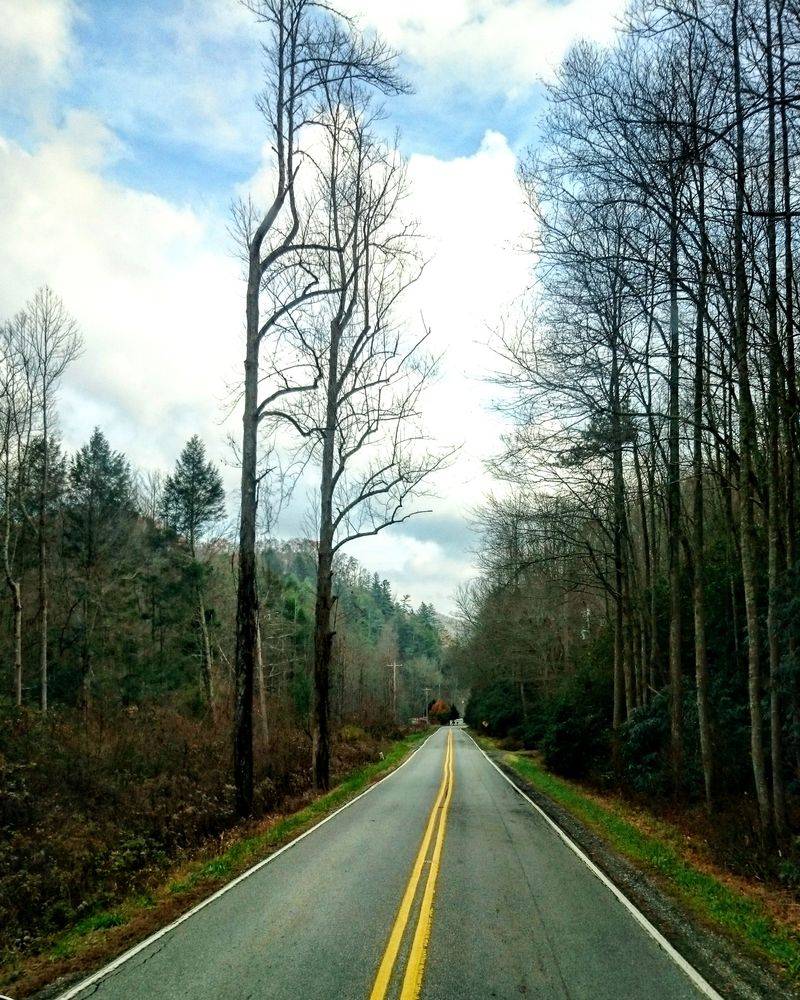
Marshall sits just 20 miles from Asheville, close enough for an easy drive but worlds apart in pace and personality.
Where Asheville buzzes with tourists, traffic, and constant development, Marshall remains stubbornly itself—unhurried, uncrowded, and largely uninterested in chasing growth.
They can reach Asheville’s amenities when needed, then retreat to a town where parking is free and strangers still make eye contact.
It offers access without the chaos, mountain beauty without the marketing.
For now, at least, it remains the kind of place people discover by accident and remember on purpose.