
10 Arizona High-Desert Hamlets With Night Skies Tourists Keep Missing
Arizona’s high desert holds secrets that most visitors never discover.
While crowds flock to the Grand Canyon and Sedona’s red rocks, tiny towns scattered across the state’s elevated terrain offer something even more magical: pristine night skies bursting with stars.
These quiet hamlets sit far from city lights, creating perfect conditions for stargazing that rivals any planetarium.
1. Oracle
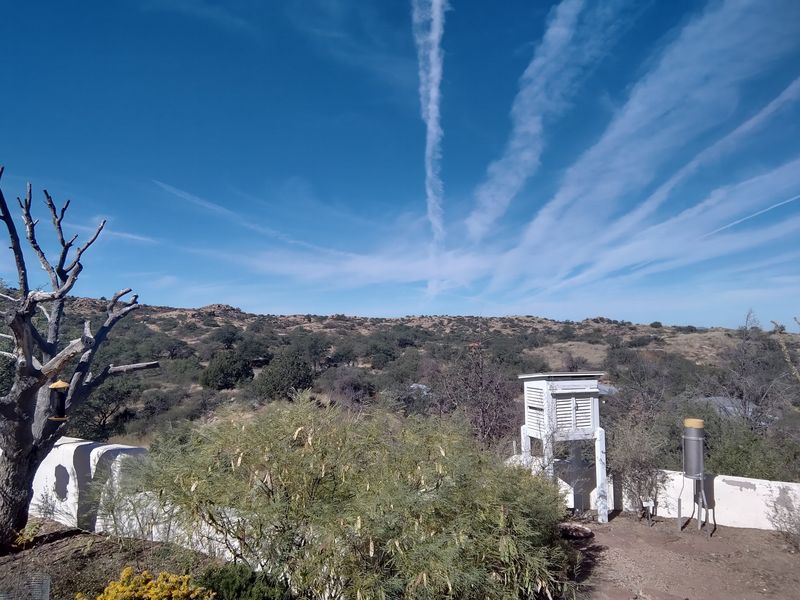
Tucked into the foothills northeast of Tucson, this mountain community sits at 4,500 feet where astronomers have built serious telescopes for good reason.
The air stays dry and clear most nights, making every constellation pop against the darkness.
Locals joke that there are more stars than streetlights here.
You can drive just minutes outside town and find yourself surrounded by pure desert silence under a canopy of light.
Biosphere 2 sits nearby if you want science with your stargazing adventure.
2. Benson
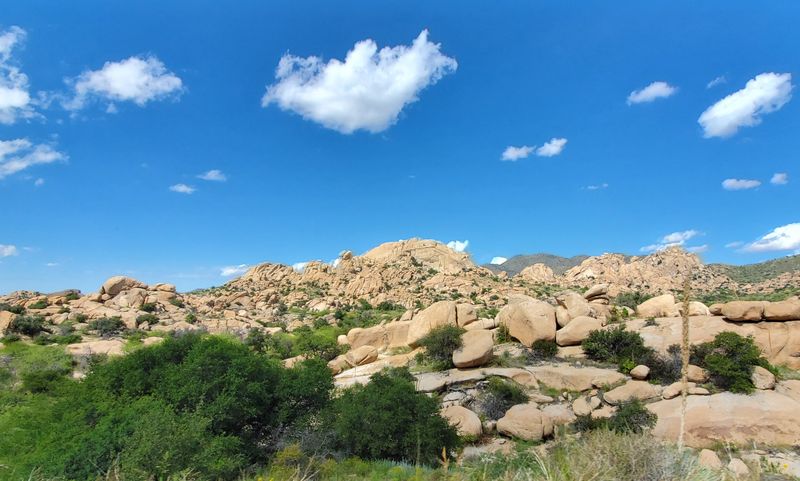
Railroad history meets cosmic wonder in this unassuming town along Interstate 10.
Most travelers zip past on their way elsewhere, missing the spectacular darkness that falls once the sun dips behind the Whetstone Mountains.
Kartchner Caverns lies just south, but the real treasure appears overhead after twilight. P
ark anywhere outside the small downtown and watch satellites drift past Jupiter.
The elevation keeps things comfortable even during summer stargazing sessions when lower deserts become unbearable ovens.
3. Tusayan
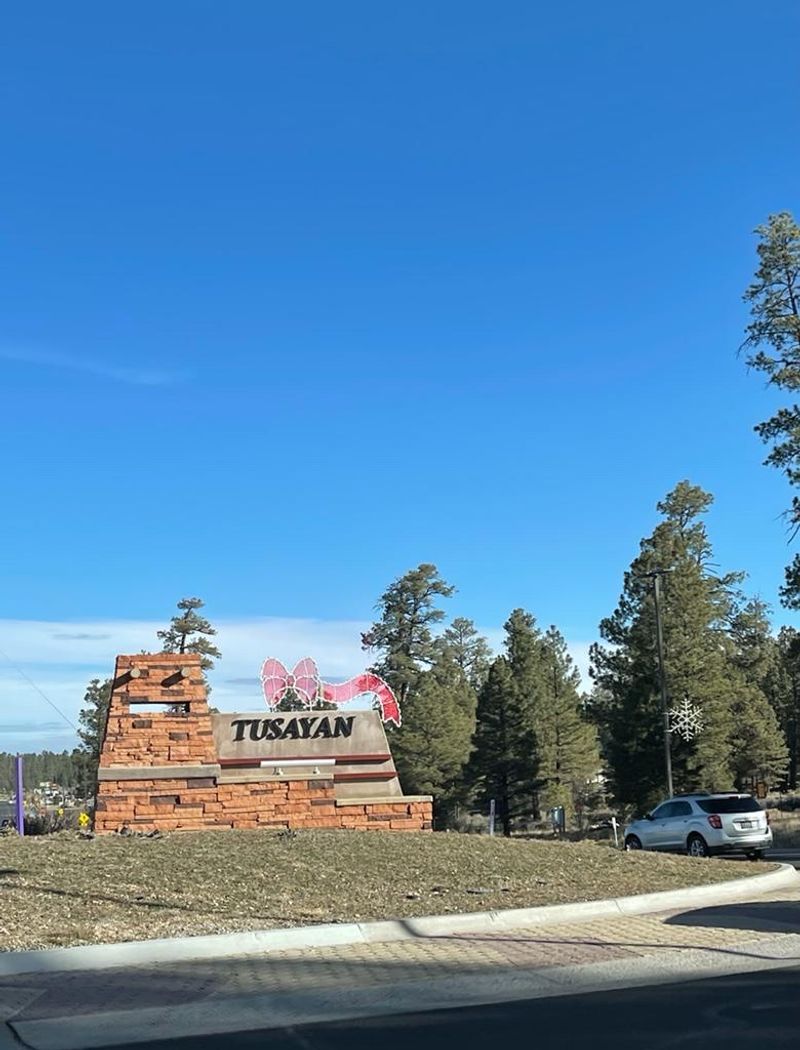
Gateway to the Grand Canyon’s South Rim, this tiny community transforms after tour buses depart and day-trippers head home.
What remains is a sky so packed with stars you’ll understand why ancient peoples saw stories written in the heavens.
At nearly 7,000 feet elevation, the thin air offers crystal-clear views year-round.
Ponderosa pines frame the celestial show perfectly.
Grab coffee in the morning and ask locals where they watched the Perseids last August—they’ll share their favorite spots generously.
4. Holbrook
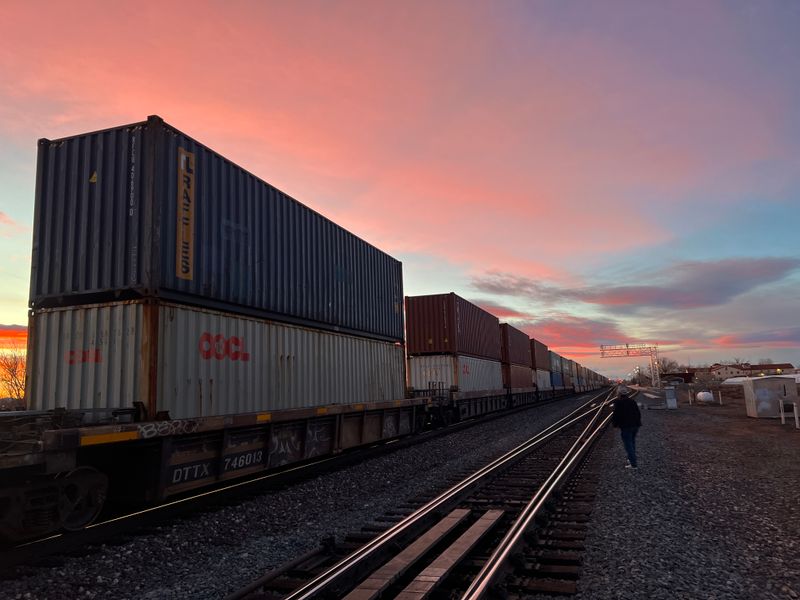
Route 66 nostalgia meets astronomical perfection in this Navajo County town where wigwam motels still welcome guests.
Petrified Forest National Park sits minutes away, but stick around after closing time for the real magic.
Zero humidity and minimal light pollution create conditions that professional photographers dream about.
The Milky Way stretches overhead like spilled milk across black velvet.
Winter nights get cold here, but that crisp air makes stars shine even brighter.
Bring blankets and hot chocolate for an unforgettable evening under the cosmos.
5. Big Park / Village Of Oak Creek
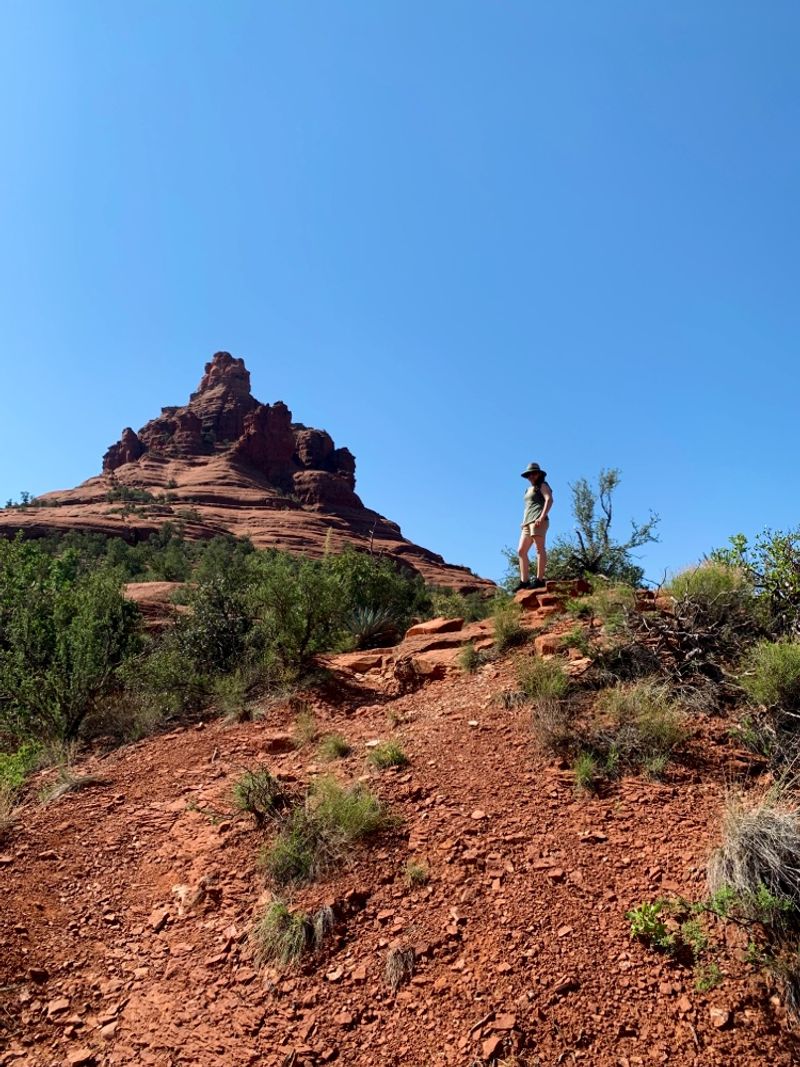
Sedona’s quieter neighbor offers red rock views without the tourist chaos or excessive lighting.
Sitting in a valley surrounded by stunning formations, this community has worked to preserve dark skies while growth happened elsewhere.
Bell Rock and Courthouse Butte create dramatic silhouettes against the star-filled backdrop.
Photographers set up tripods here regularly, chasing that perfect shot of earth meeting space.
The Verde Valley’s elevation and dry climate combine beautifully, giving you front-row seats to celestial events throughout the year.
6. Camp Verde
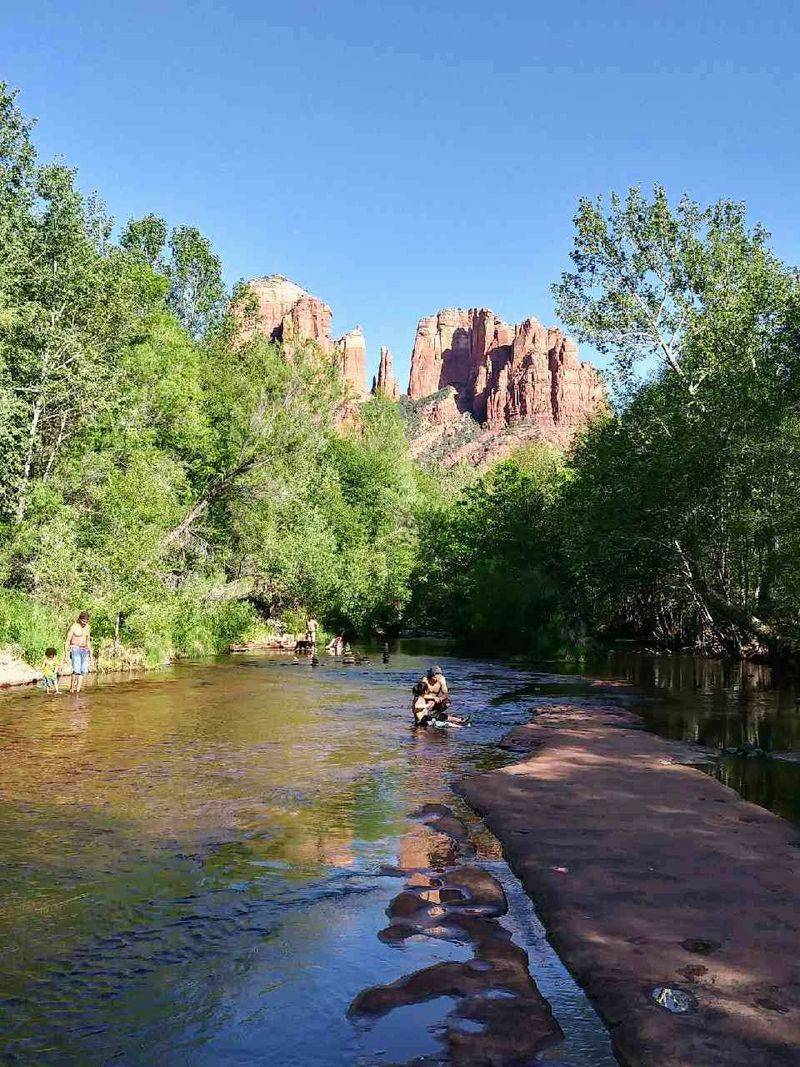
Ancient Sinagua cliff dwellings at Montezuma Castle remind visitors that humans have gazed upward from this valley for centuries.
The Verde River brings life to the high desert, creating a unique ecosystem that stays comfortable during stargazing season.
Distance from Phoenix’s glow gives this town an advantage many don’t appreciate until darkness falls.
Cottonwood trees rustle in evening breezes while constellations wheel overhead.
Fort Verde State Historic Park closes at sunset, but the sky opens up for business right afterward with a show worth the drive.
7. Tubac
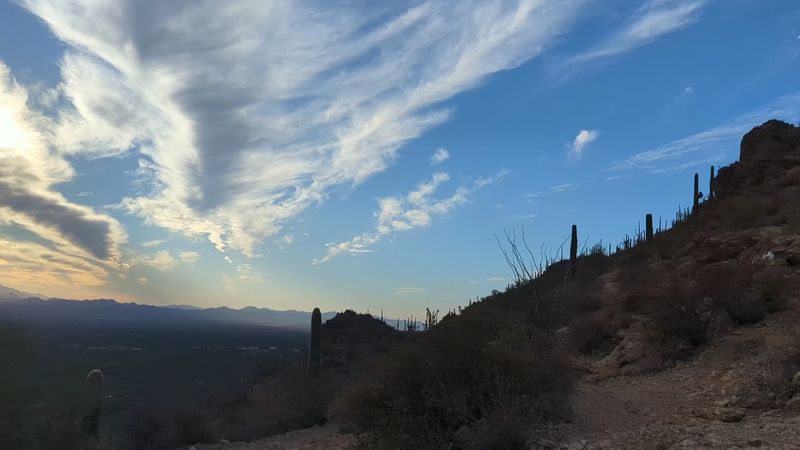
Arizona’s oldest European settlement now thrives as an artist colony where creativity extends beyond gallery walls into the night sky.
The Santa Cruz Valley cradles this village in darkness that painters and sculptors find as inspiring as any canvas.
Spanish colonial history whispers through the streets while meteors streak overhead.
Elevation around 3,200 feet keeps temperatures pleasant for evening strolls that turn into impromptu astronomy lessons.
Gallery openings happen during the day, but the universe hosts its own exhibition nightly, admission free to anyone who looks up.
8. Tumacácori
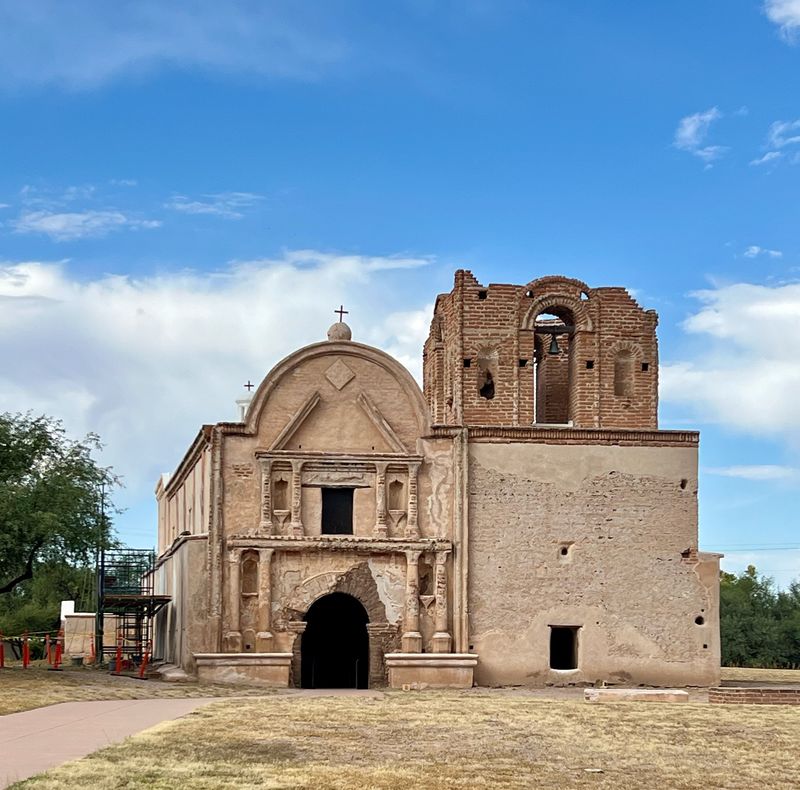
Spanish mission ruins stand as silent witnesses to centuries of human wonder at the heavens above this tiny community.
Franciscan friars once studied the stars here for religious calendars; now visitors can experience that same cosmic connection.
The national historical park closes at dusk, but surrounding desert offers plenty of viewing spots.
Mountains frame the valley perfectly, blocking distant city lights while channeling your gaze upward.
Mesquite and ocotillo add desert character to nighttime silhouettes that make every photograph feel timeless and mysterious.
9. Moccasin
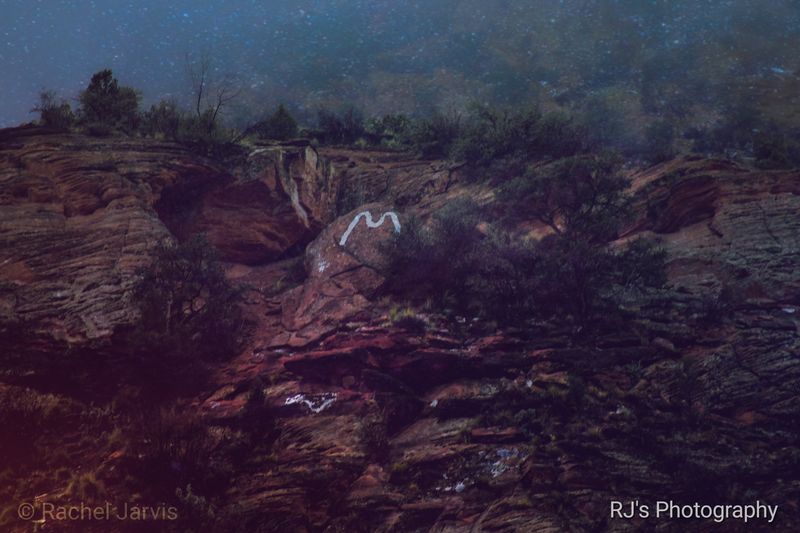
Way up on the Arizona Strip between the Grand Canyon and Utah border, this impossibly remote hamlet offers darkness so complete your eyes need time to adjust.
Fewer than 100 people call this place home, meaning light pollution simply doesn’t exist.
Pipe Spring National Monument preserves frontier history nearby, but the real frontier stretches infinitely overhead.
Elevation around 5,000 feet and bone-dry air create textbook stargazing conditions.
Getting here requires commitment, but serious astronomy enthusiasts consider it pilgrimage-worthy for views that rival any designated dark sky park.
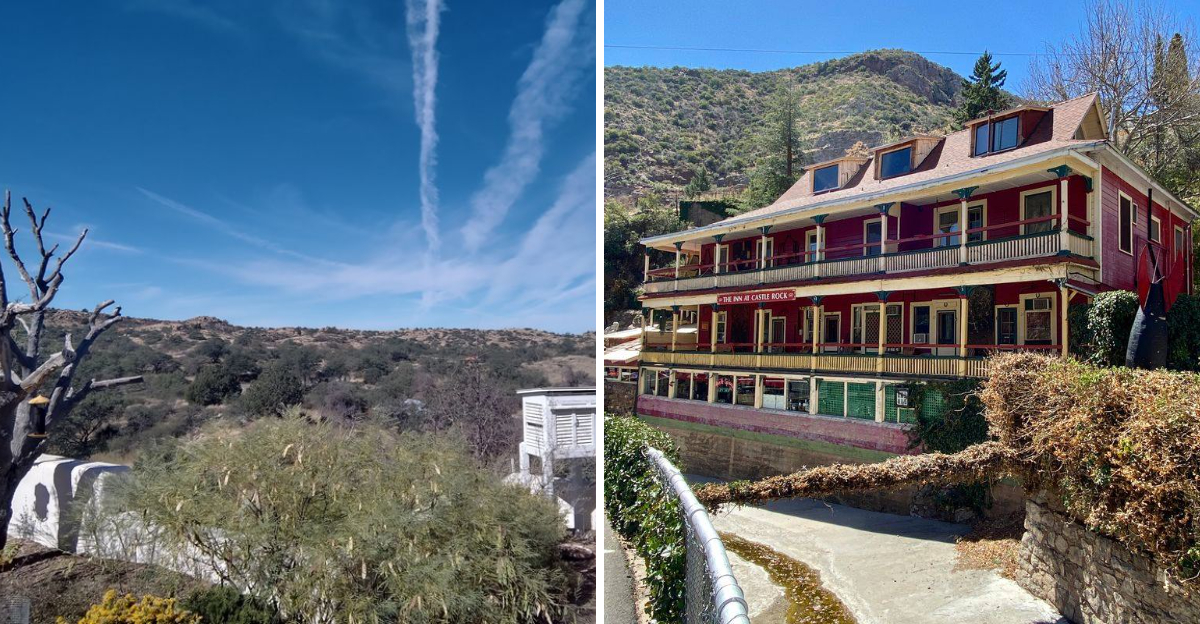
10. Bisbee
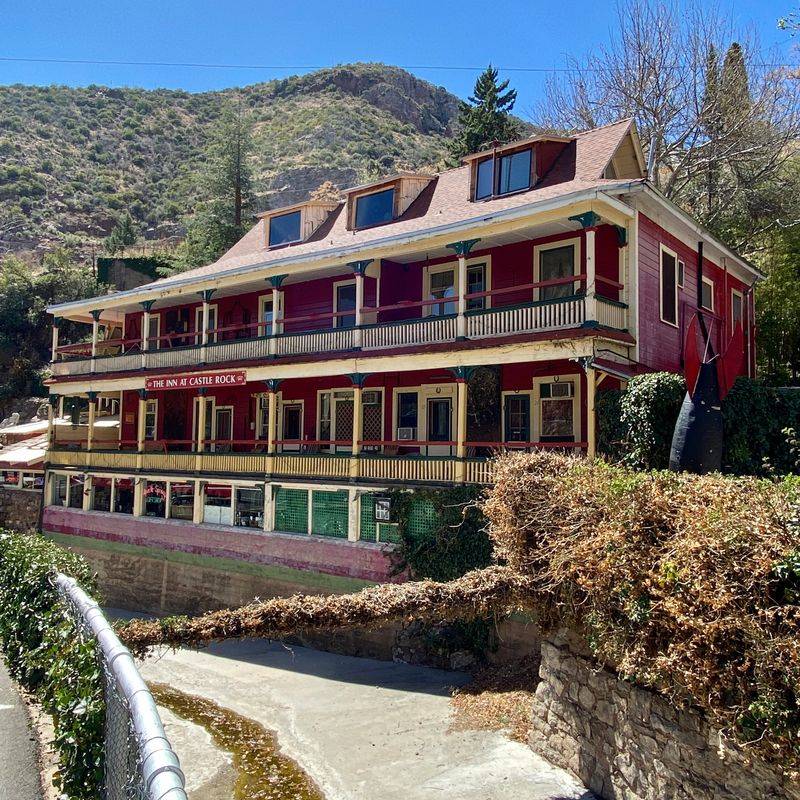
Copper mining built this quirky mountain town, but artistic souls have transformed it into something wonderfully eccentric.
Victorian houses cling to steep hillsides at 5,300 feet elevation, creating natural amphitheaters for celestial observation.
The Mule Mountains shelter Bisbee from light pollution while providing dramatic foregrounds for astrophotography.
Old mine tunnels and vintage architecture add character that generic dark sky sites can’t match.
Coffee shops and galleries keep the town lively, but step outside after midnight and the universe reminds you why humans have always looked upward in awe.