
The Montana Prairie Town With A Main Street That Time Forgot
Malta sits quietly on the northern Montana prairie where US Routes 2 and 191 cross paths, a small railroad town that has held onto its past with remarkable stubbornness.
Walking down its main street feels like stepping back seventy years, when grain elevators towered over downtown storefronts and cowboys still rode in on Saturday nights.
The buildings remain largely unchanged, the pace unhurried, and the sense of authenticity refreshingly intact.
For travelers seeking a genuine slice of Old West Montana, Malta delivers without pretense or polish.
Railroad Roots, 1887
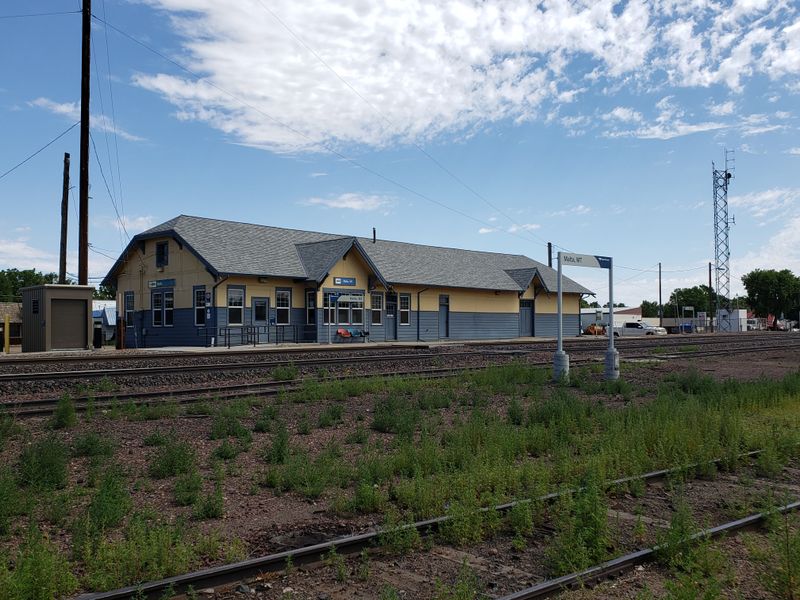
Malta owes its existence entirely to the Great Northern Railway, which laid tracks through this stretch of prairie in 1887.
The town sprang up as a division point where crews changed shifts and locomotives took on water.
Without the railroad, this spot would have remained empty grassland grazed by cattle and antelope.
Even today, freight trains rumble through town several times daily, a reminder of the iron lifeline that birthed the community.
The original depot is long gone, but the tracks still define the town’s northern edge, splitting Malta from the open rangeland beyond.
Named By Finger-On-A-Globe Luck
Legend holds that a railroad official named the town by closing his eyes and pointing randomly at a globe, landing on the Mediterranean island of Malta.
Whether true or embellished over time, the story captures the casual, almost whimsical way many Western towns received their names.
No grand meaning, no indigenous heritage, just a finger and a spinning globe in some forgotten office.
The name stuck, odd as it seemed for a windswept prairie outpost thousands of miles from any sea.
Malta, Montana became official, and nobody questioned it much after that.
Old Hi-Line Cowboy Saturday Nights
Saturday nights once brought ranchers and cowhands into Malta from miles around, filling the bars and cafes with noise, laughter, and occasional trouble.
Those days have quieted considerably, but the tradition hasn’t vanished entirely.
A few establishments still draw locals on weekends, keeping alive a social rhythm that defined rural Montana for generations.
The crowds are smaller now, the music different, but the impulse remains the same.
After a long week of work on the range, people gather, talk, and unwind in town, just as their grandparents did decades before.
Main Street At The Crossroads: US 2 + US 191
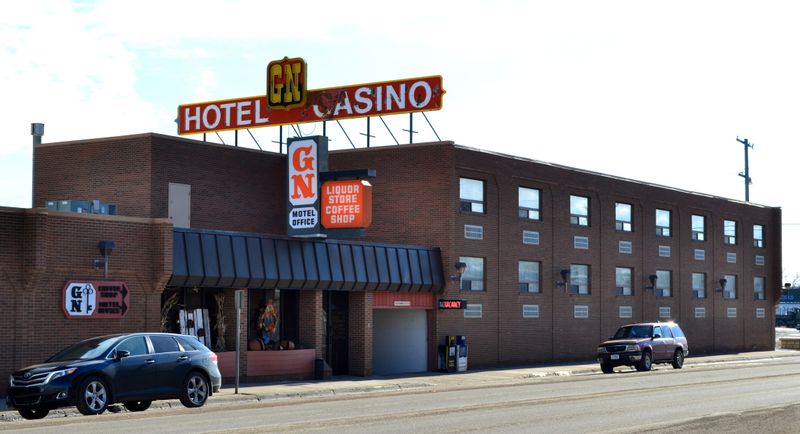
Malta sits at the junction of two major cross-country routes: US Highway 2, which runs east-west across the Hi-Line, and US Highway 191, stretching north-south from Canada to Mexico.
This crossroads location gave the town strategic importance for travelers and commerce alike.
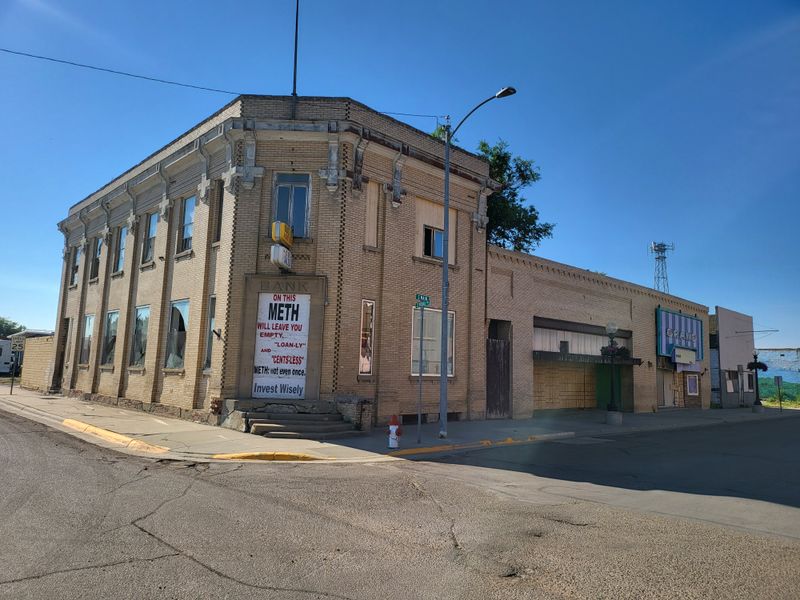
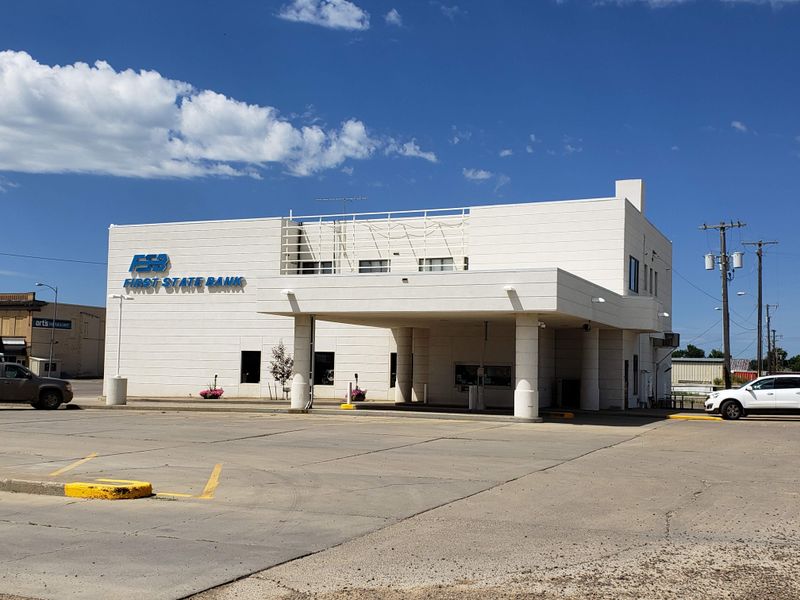
Main Street follows the path of US 2 directly through downtown, lined with brick buildings that have watched countless road-trippers pass by.
The intersection remains Malta’s geographic and economic heart, a place where long-distance truckers, tourists, and locals all briefly share the same pavement before continuing their separate journeys across the vast Montana landscape.
Arrive By Train: Amtrak Empire Builder Stop
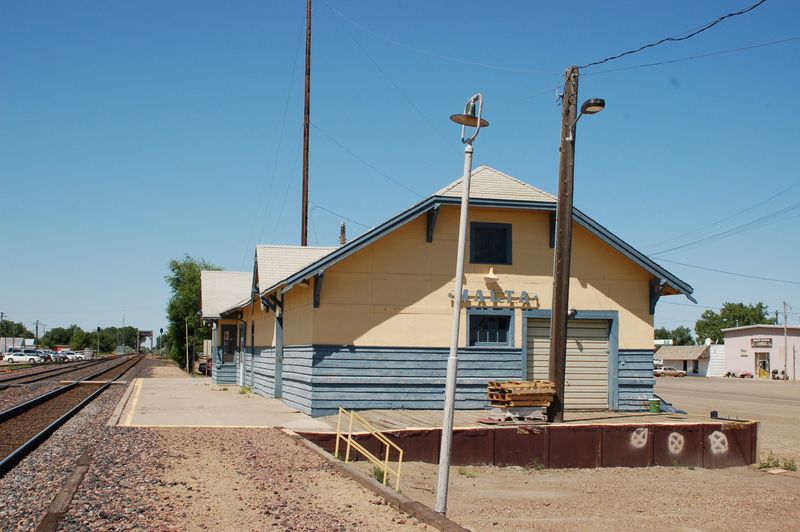
Malta remains one of the few small Montana towns still served by passenger rail, with the Amtrak Empire Builder stopping here on its daily runs between Chicago and the Pacific Northwest.
Arriving by train offers a perspective few visitors experience anymore, rolling into town at track level rather than highway speed.
The station itself is modest, but the connection to a broader rail network feels almost anachronistic in an age of air travel and interstates.
Stepping off the train onto Malta’s platform evokes an earlier era of American travel, when trains were the primary link between isolated prairie towns and the wider world.
Two Museums, One Block
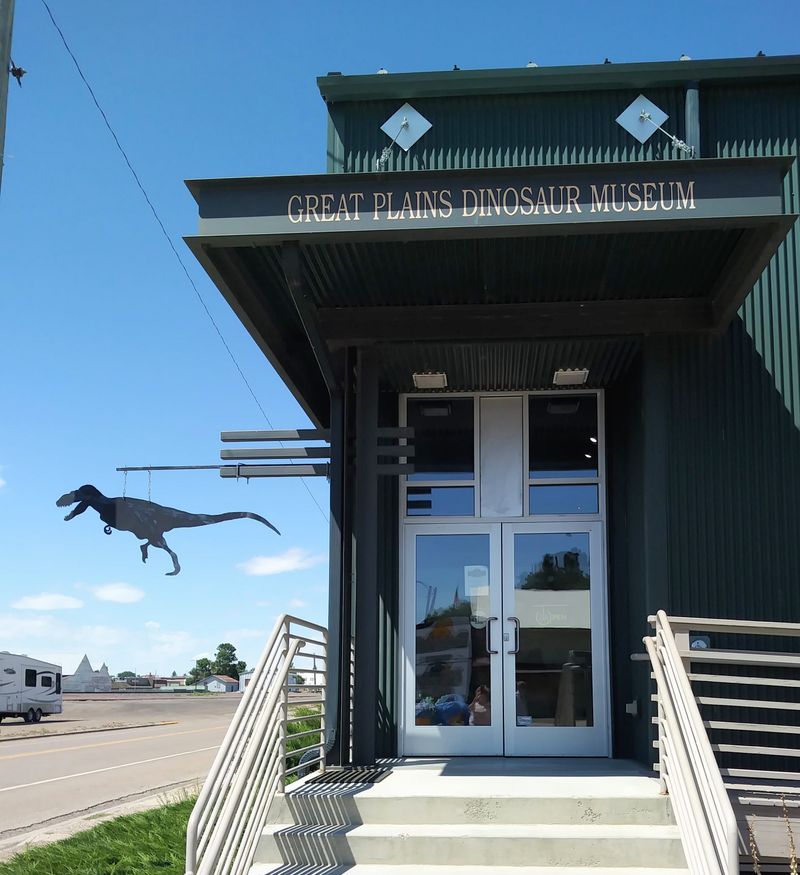
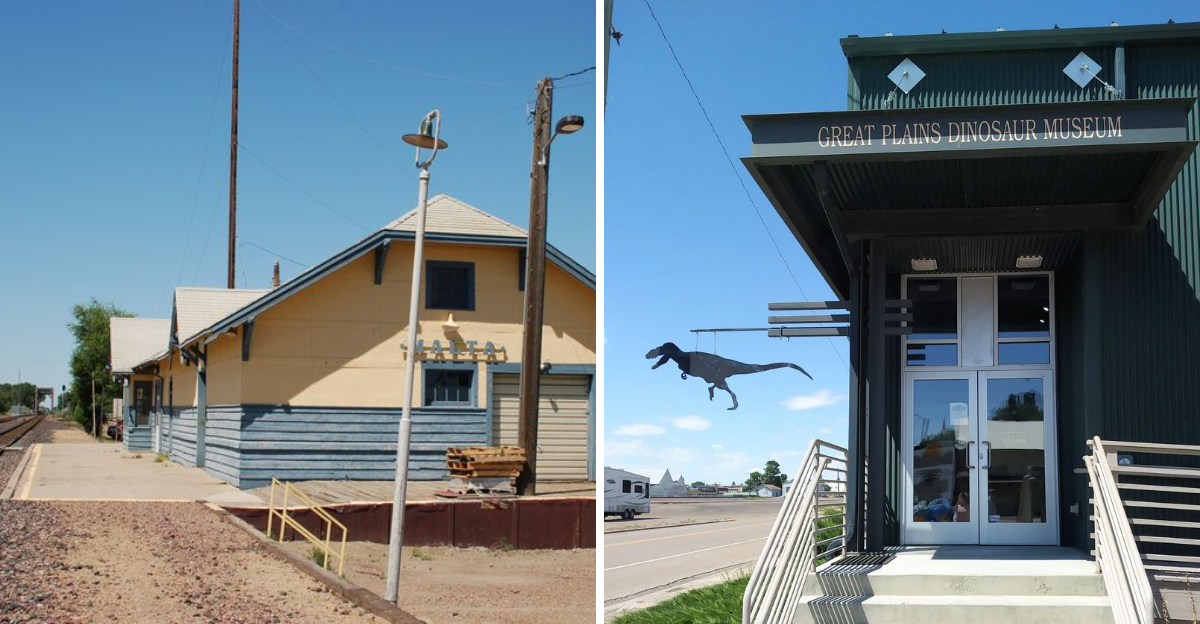
Malta packs an impressive amount of history into a single downtown block, where both the Phillips County Museum and the Great Plains Dinosaur Museum sit within easy walking distance.
The former preserves local ranching, railroad, and homesteading heritage, while the latter showcases paleontological treasures pulled from surrounding badlands.
Together, they tell two complementary stories: one of human settlement and survival on the prairie, the other of ancient life that roamed here millions of years earlier.
Visitors can move between cowboys and dinosaurs in a matter of minutes, an odd but fitting pairing for a town surrounded by both ranch land and fossil beds.
Meet Leonardo The Mummy Dinosaur
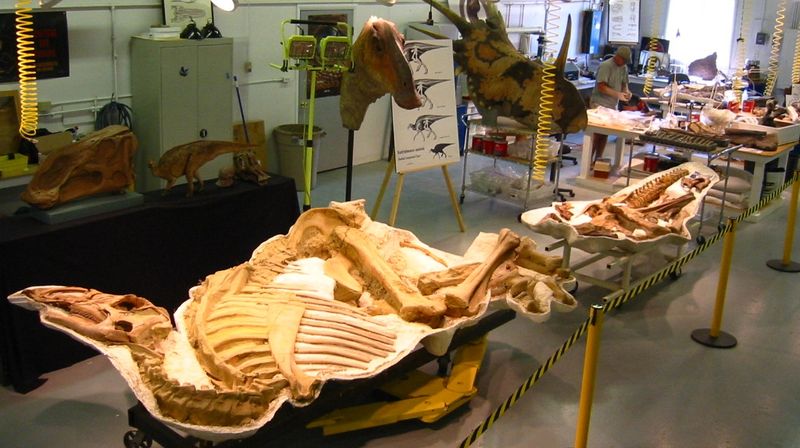
Leonardo, a remarkably preserved juvenile Brachylophosaurus discovered near Malta in 2000, stands as one of the most complete dinosaur fossils ever found.
His nickname comes from graffiti scrawled on a nearby rock, not any resemblance to Renaissance genius.
What makes Leonardo extraordinary is the fossilized soft tissue and skin impressions visible across much of his body, offering scientists rare insight into dinosaur anatomy.
The Great Plains Dinosaur Museum houses a cast of Leonardo, allowing visitors to study details usually lost to deep time.
Standing before him, the Cretaceous Period feels suddenly closer, the ancient prairie landscape almost imaginable beneath the present one.
Bowdoin NWR: The Quiet Prairie Detour
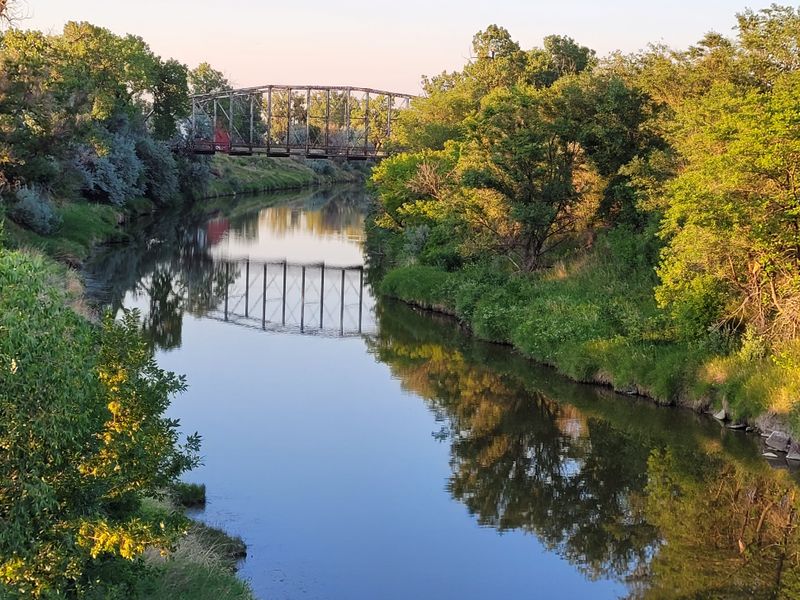
Just east of Malta lies Bowdoin National Wildlife Refuge, a sprawling preserve of prairie wetlands and grasslands that attracts hundreds of bird species throughout the year.
The refuge offers a stark contrast to the surrounding agricultural land, a reminder of what the original prairie ecosystem looked like before plows arrived.
Driving the loop road, visitors encounter pelicans, cranes, ducks, and shorebirds in startling abundance, especially during migration seasons.
The silence and scale of the place feel almost overwhelming after even a short time in town.
Bowdoin provides context for Malta itself, showing the wild landscape that once surrounded every prairie settlement before settlement changed everything.