
The Louisiana Bayou Village Where Mornings Move At A Different Pace

Nestled where the Atchafalaya Basin meets St. Martin Parish, Henderson is a Louisiana bayou village where mornings unfold at their own pace.
Before dawn, fishermen glide their boats into the misty waters, the air thick with the scent of cypress and the promise of a slow day ahead.
Here, time doesn’t rush; it meanders with the river, and the locals wouldn’t have it any other way.
This quiet corner of the bayou is a reminder that in nature, as in life, some things are meant to take their time.
Gateway To The Atchafalaya, Not A Tourist Set
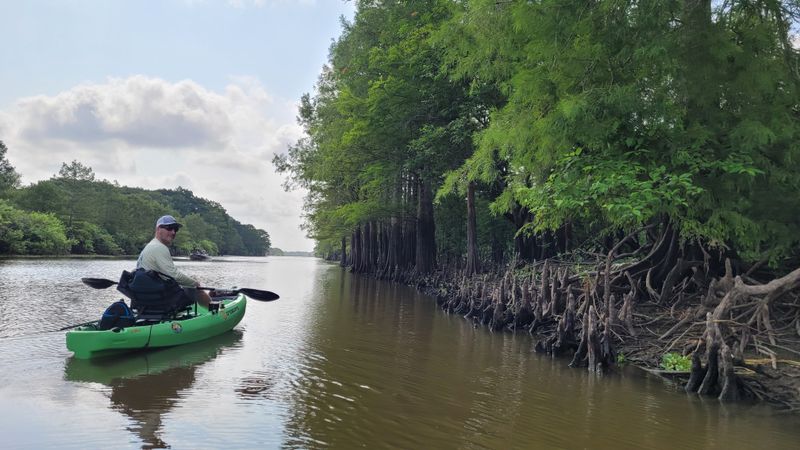
Henderson occupies a rare position along Interstate 10, serving as the working entrance to America’s largest river swamp.
Most travelers speed past without stopping, but those who pull off discover something more authentic than curated experience.
The town itself sprawls modestly between the highway and Henderson Lake, home to boat launches, crawfish docks, and repair shops that service real working vessels.
Commercial fishermen outnumber tour guides here, and morning conversations lean toward water levels and bait prices rather than visitor attractions.
Henderson Lake: A Man-Made Swamp That Looks Like Nature
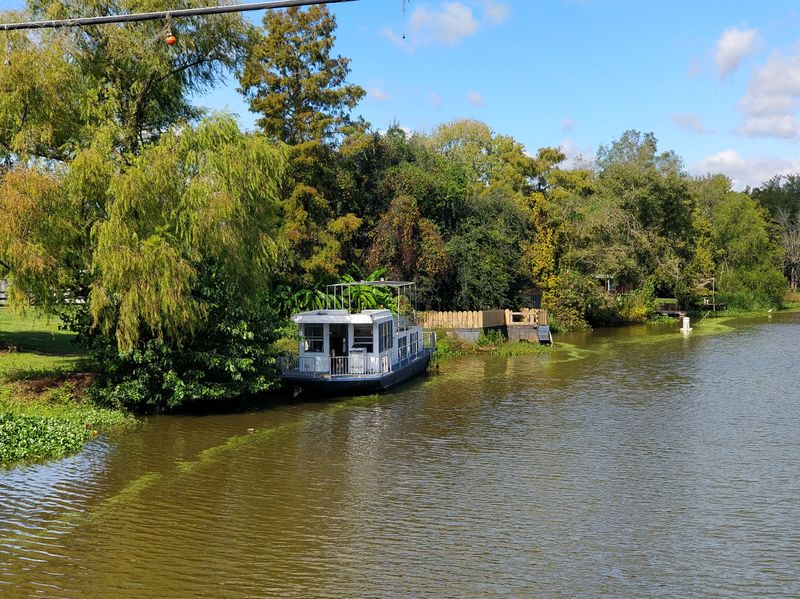
Henderson Lake came into being through levee construction rather than geological patience, yet it blends seamlessly with the surrounding wetlands.
Cypress trees stand in shallow water, their knees breaking the surface like sculptures placed by someone with impeccable taste.
Locals treat the lake as both workplace and recreation ground, launching before dawn to check crawfish traps or simply drift through channels where egrets hunt and alligators sun themselves on logs.
The boundary between engineered waterway and wild swamp has long since disappeared beneath Spanish moss and lily pads.
The Levee Morning Routine: Launch Before The Heat Wakes Up

Levee Road runs parallel to the water, and by six in the morning, trucks with empty trailers line the shoulder while their boats already dot the lake.
Launching early isn’t about beating crowds—it’s about working with the temperature and the fish.
Men in rubber boots move with practiced efficiency, backing trailers down ramps slick with algae, securing gear without wasted motion.
Conversation stays brief and functional: where you headed, what you’re running, see you back here around noon. Nobody lingers once the boat touches water.
A New Boat Ramp Built For Real Locals And After-Hours Launches
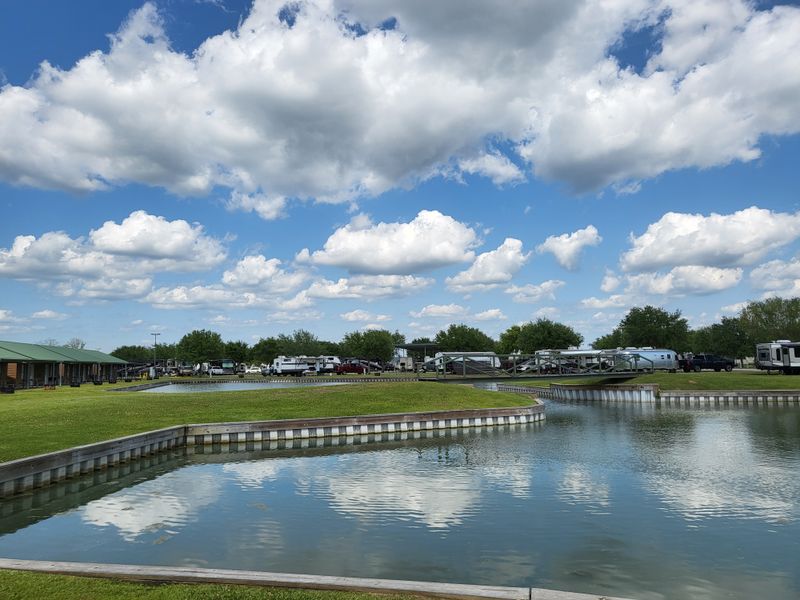
Henderson’s newest boat ramp opened with little fanfare but immediate appreciation from those who use it most.
Built with wider lanes and better lighting, it accommodates the irregular schedules of commercial fishermen who don’t punch clocks.
The ramp stays accessible around the clock, which matters when crawfish season dictates your hours or when you need to check traps before the afternoon storms roll in.
Concrete replaced the old crumbling asphalt, and the grade angle makes launching possible even when water levels drop during dry spells in late summer.
The 9 A.M. Swamp Tour That Sets The Whole Day’s Pace
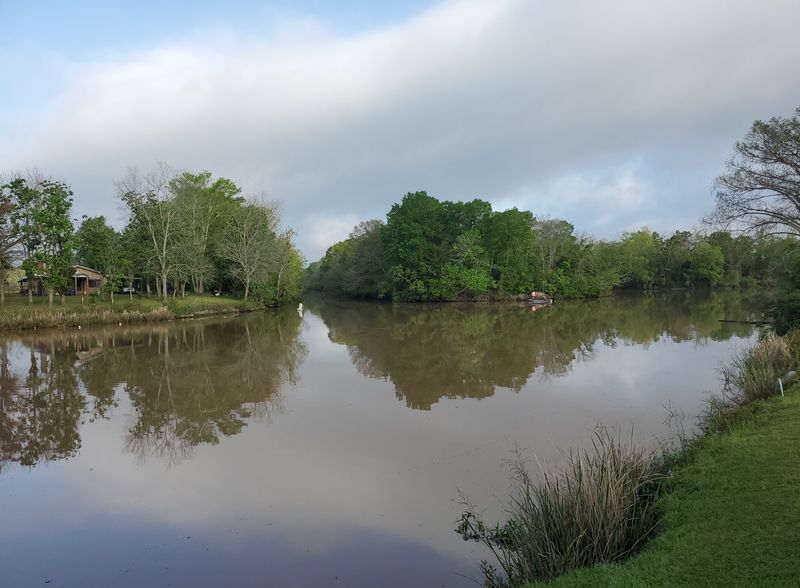
Several outfitters in Henderson run morning swamp tours, but the nine o’clock departure has become something of an institution among repeat visitors.
Launching after the fishermen clear out but before the sun climbs too high, these tours move through channels where wildlife remains active and the light still slants through cypress branches at flattering angles.
Guides point out alligator nests, explain how crawfish traps work, and navigate through floating prairies of water hyacinth.
The tour lasts about ninety minutes, leaving the rest of the day open for lunch and exploration along the levee.
Covered Airboats Make The Wild Feel Easy And Still Exciting
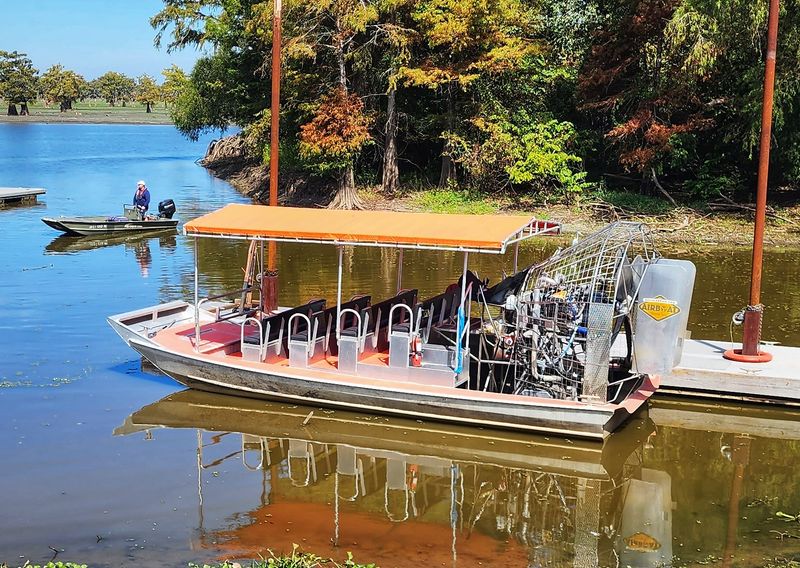
Henderson’s tour operators favor covered airboats—flat-bottomed vessels with canopies that shield passengers from sun and occasional rain.
The covering doesn’t diminish the experience; it extends it, allowing tours to run even when weather turns uncertain.
Airboats skim across shallow water and through thick vegetation where traditional propeller boats can’t follow.
The noise level stays manageable under the canopy, and guides can still speak without shouting.
Speed comes in bursts rather than sustained runs, punctuated by slow glides through narrow channels where turtles stack themselves on floating logs.
Lunch On The Levee Is Basically A Tradition Here

By noon, trucks return to the levee parking areas, and coolers emerge from boat compartments.
Fishermen eat standing up or sitting on tailgates, trading observations about the morning’s catch and water conditions.
This informal gathering happens daily without planning or announcement—just the natural rhythm of people who started work before sunrise and need food before heading back out.
Sandwiches wrapped in foil, cold drinks from gas station ice, and occasionally a shared bag of boiled crawfish make up the menu.
Tourists sometimes join in, drawn by the easy camaraderie and the view.
Pat’s Since 1948: Where Slow Mornings Turn Into Long Lunches
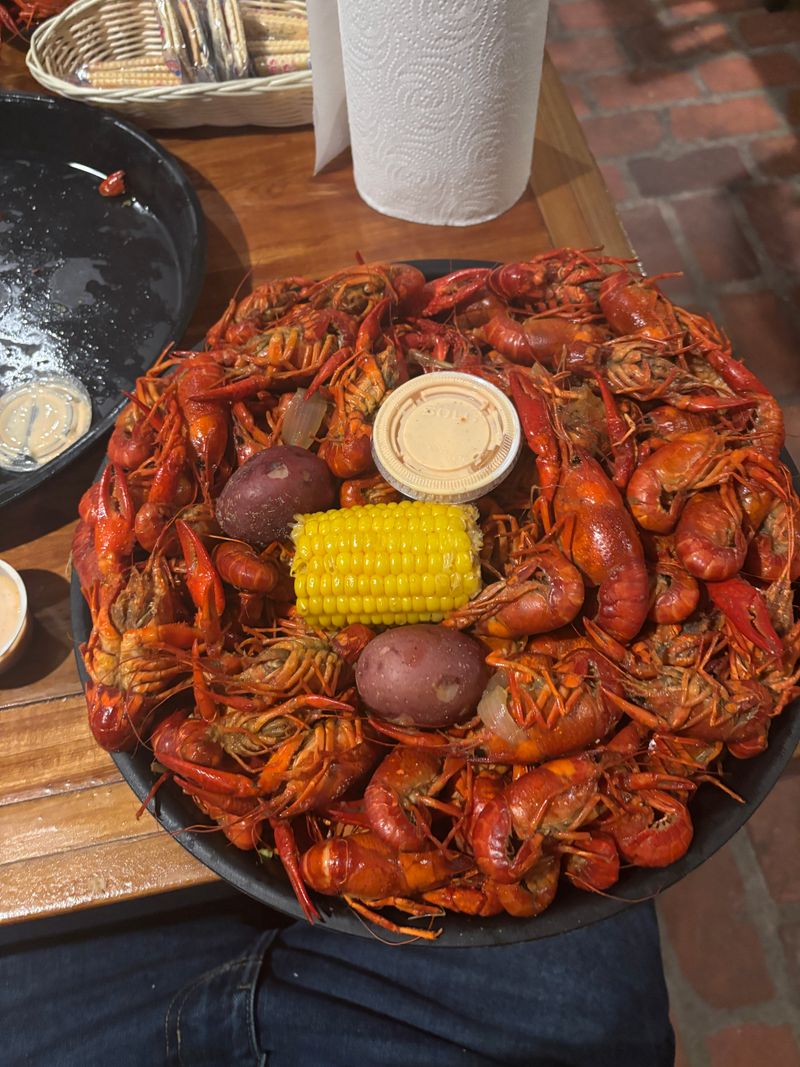
Pat’s Restaurant has anchored Henderson’s dining scene since Harry Truman occupied the White House, serving fried catfish, crawfish étouffée, and other Cajun staples to generations of locals and travelers.
The building sits right along the Levee Road with views of Henderson Lake through large windows.
Breakfast runs late here, bleeding into lunch service without much distinction, and nobody minds if you linger over coffee while watching boats come and go.
The menu hasn’t changed dramatically in decades, which regulars consider a feature rather than a flaw.
Portions remain generous, and the seafood comes from nearby waters.
Your Quiet Backup Plan: Lake Fausse Pointe Opens At 6 A.M.
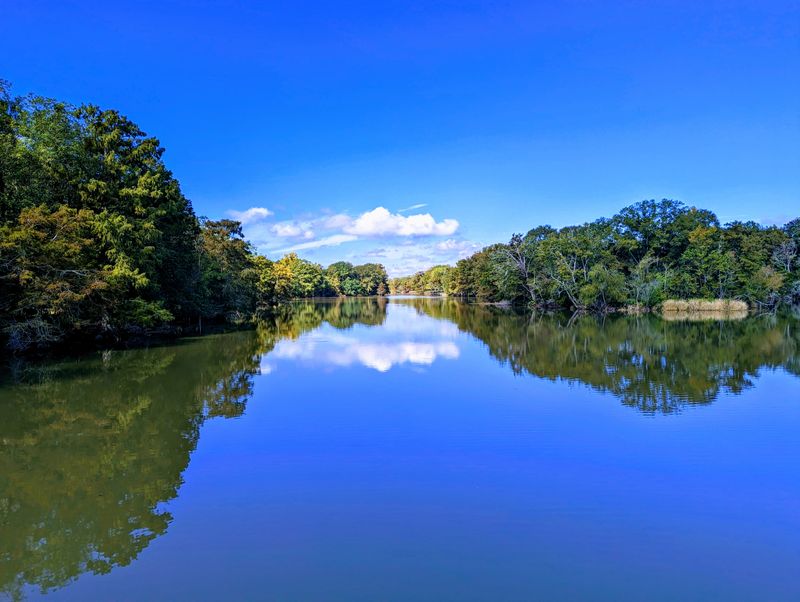
Lake Fausse Pointe State Park lies just south of Henderson, offering a more structured alternative to the informal boat launches along the levee.
Gates open at six in the morning, and the park provides camping, cabins, and marked water trails through eighteen square miles of protected swampland.
Canoes and kayaks work better than motorboats here, and the pace slows accordingly.
Paddlers navigate through channels where the only sounds come from bird calls and paddle strokes.
The park sees fewer visitors than Henderson’s main tourist areas, making it ideal for those seeking solitude.
A National Heritage Landscape In Your Backyard
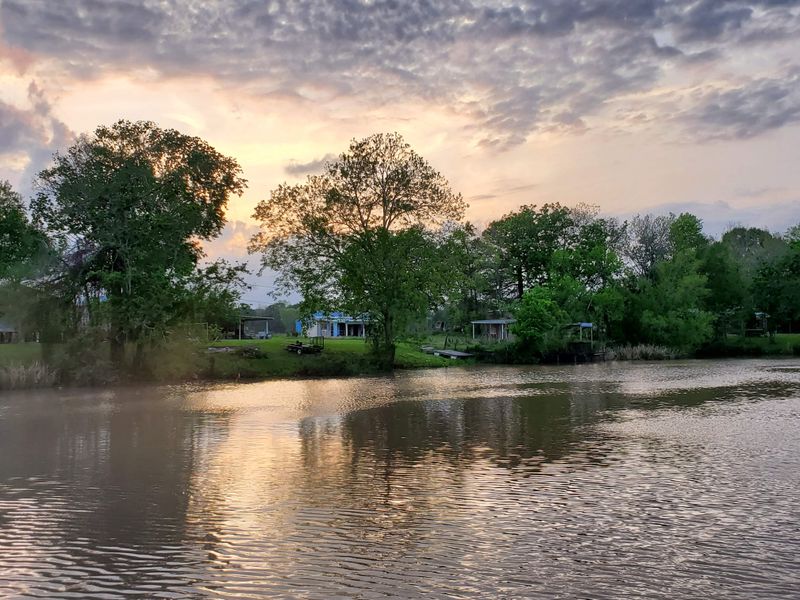
The Atchafalaya National Heritage Area surrounds Henderson, encompassing fourteen parishes and representing one of the most significant wetland ecosystems in North America.
This designation recognizes the cultural and natural importance of the basin, where Cajun traditions, commercial fishing, and wildlife conservation intersect.
Henderson functions as an unofficial gateway to this heritage landscape, where visitors can access the swamp without extensive planning or specialized equipment.
The heritage designation doesn’t mean restrictions—commercial activity continues alongside conservation efforts, maintaining the working character that defines the region.
Interpretive programs run periodically, explaining how people and wetlands coexist here.
Basin Bridge Views: The Trailer Before You Even Arrive
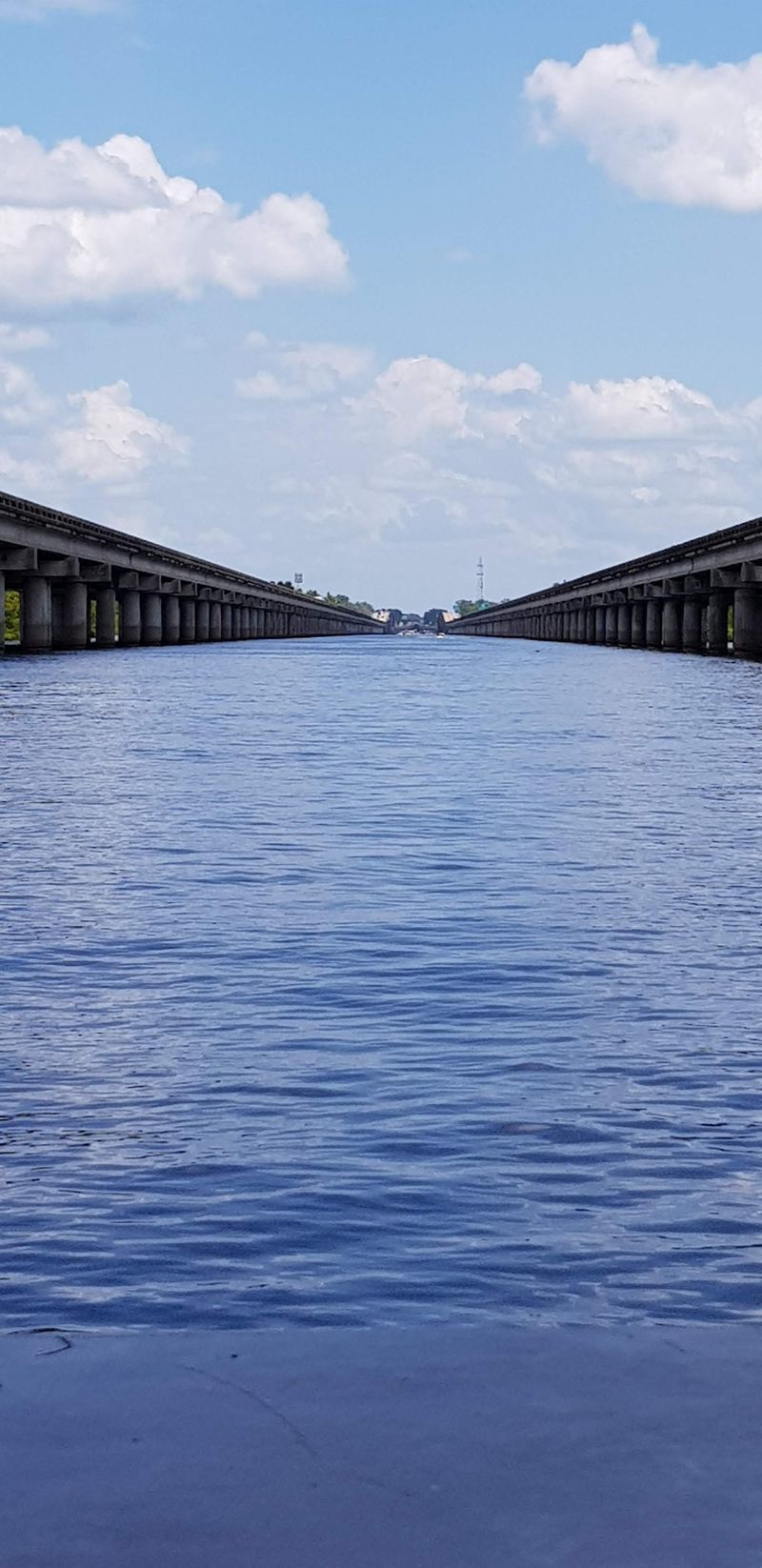
Interstate 10 crosses the Atchafalaya Basin on an elevated bridge spanning nearly eighteen miles, and the section near Henderson offers the first dramatic views of the swamp below.
Cypress trees stretch toward the horizon, and water glints between them like scattered mirrors.
Drivers often pull off at the Henderson exit simply because the bridge views convinced them to investigate further.
The elevated perspective reveals the basin’s true scale—not just a swamp but an inland sea of vegetation and waterways.
This aerial preview sets expectations that the town itself delivers on at ground level.
The Local Rule: Let The Water, Not The Clock, Run The Day
Henderson operates on a schedule dictated more by tides, fish behavior, and weather patterns than by conventional business hours.
Restaurants open when they’re ready, boat launches see activity whenever conditions favor it, and plans remain flexible by necessity.
This fluid approach to time initially confuses visitors accustomed to rigid schedules, but most adapt quickly once they realize the advantages.
Fishing improves at certain water levels, tours work better before afternoon heat sets in, and sometimes the best plan involves simply waiting for conditions to improve.
Locals have perfected the art of productive patience, and the rhythm proves contagious.