
The Indiana Covered-Bridge Village That Still Feels Undiscovered
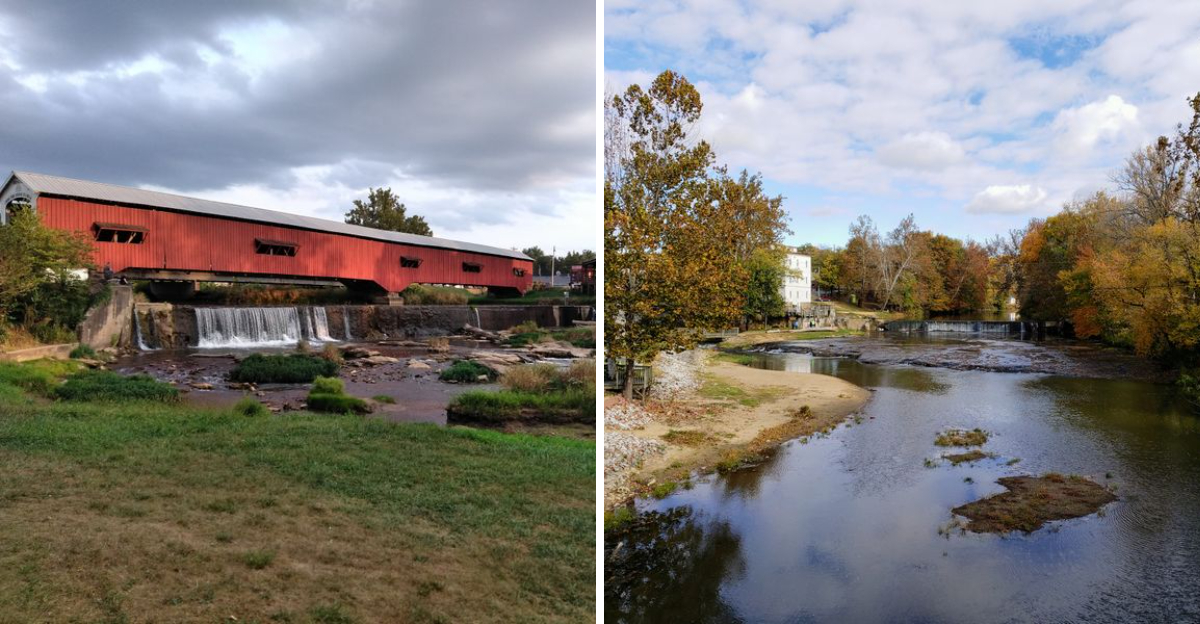
Tucked into the wooded hills of Parke County, Mansfield feels like a place the modern world simply forgot to update.
This tiny unincorporated village has no traffic lights, no chain stores, and barely a handful of buildings that still stand from its 19th-century heyday.
What it does have is one of Indiana’s oldest covered bridges, a working roller mill, and the kind of quietness that makes you wonder if you’ve driven back in time.
Mansfield Is Home To One Of Indiana’s Oldest Covered Bridges (1867)
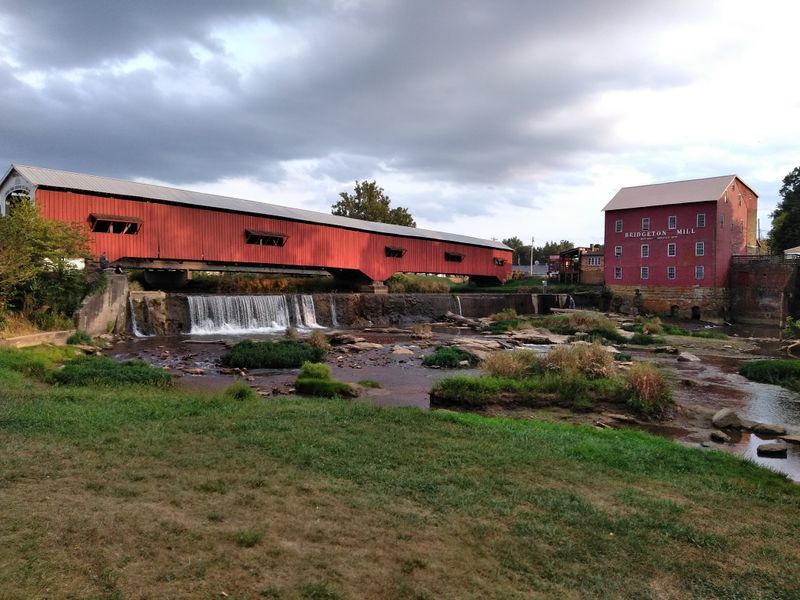
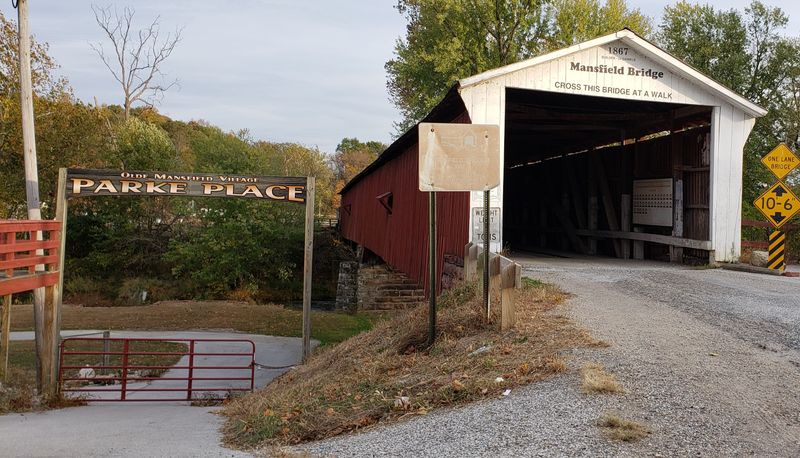
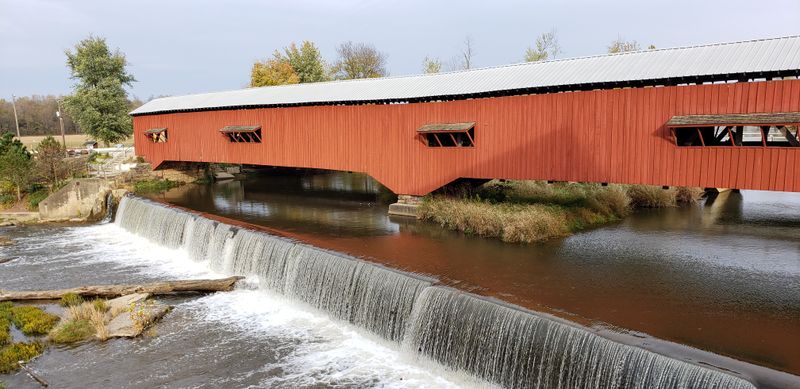
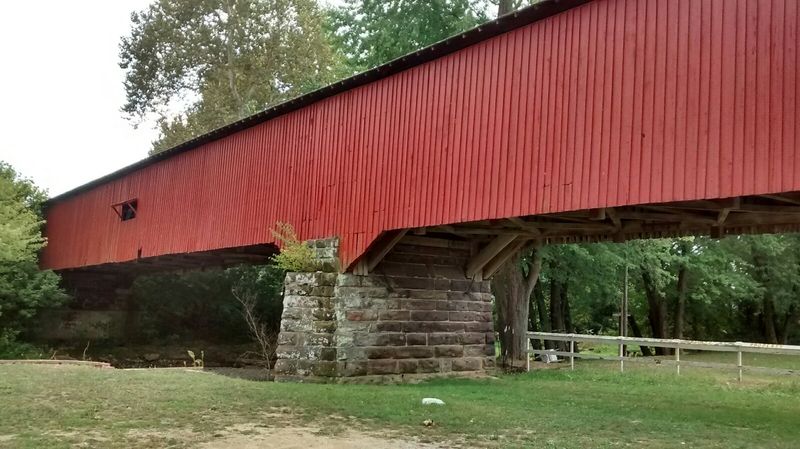
The Big Raccoon Creek covered bridge stretches across the water just outside the village center, its weathered red planks and timber frame dating back to 1867.
Joseph J. Daniels designed this Burr arch truss structure, and it remains one of the most photographed spans in all of Parke County.
Standing 245 feet long, the bridge still carries light vehicle traffic today, though most visitors stop midway to admire the view downstream.
Sunlight filters through the openings at either end, casting long shadows across the wooden floor.
Located in Jackson Township near IN 47872, the bridge anchors Mansfield’s identity as a covered-bridge village worth seeking out.
The Village Grew Around Water Power, Not Railroads
Most Indiana towns owe their growth to the railroad boom of the late 1800s, but Mansfield took a different path.
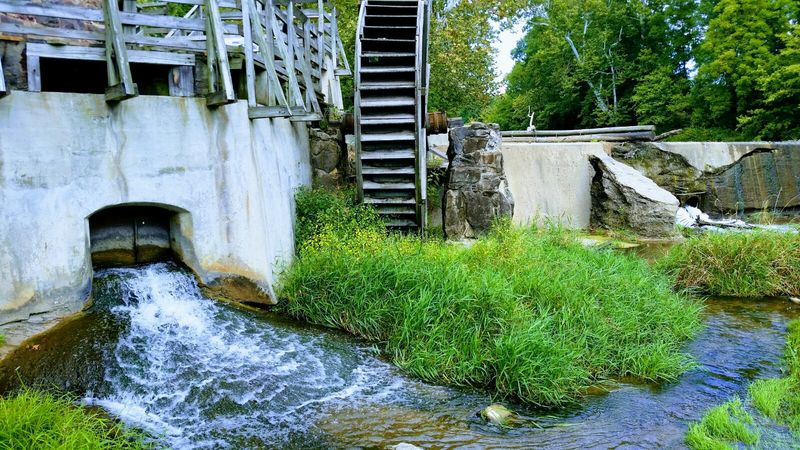
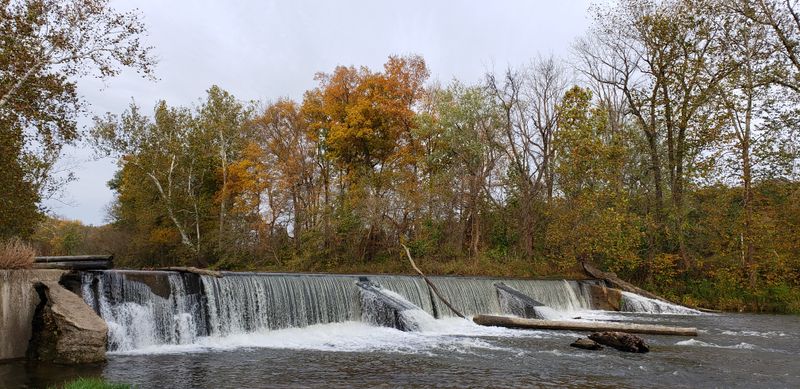
Big Raccoon Creek provided the mechanical energy needed to run mills, and entrepreneurs built their operations along its banks instead of waiting for steel rails to arrive.
Water-powered sawmills and gristmills defined the local economy for decades.
Farmers hauled grain from surrounding townships, and the village hummed with activity tied entirely to the creek’s flow.
When railroads bypassed Mansfield in favor of flatter terrain, the village never experienced the explosive growth that transformed other communities into bustling county seats.
The Mansfield Roller Mill Still Operates During Special Events
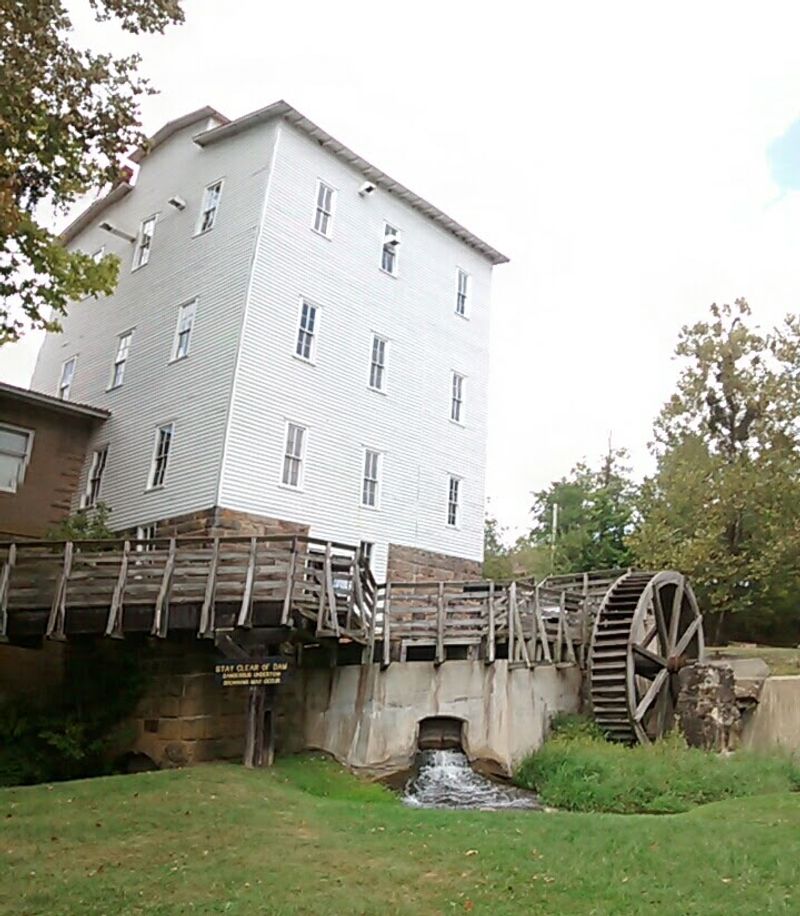
Built in the 1880s, the Mansfield Roller Mill stands as one of the few remaining operational mills in the Midwest.
Its massive grinding stones and belt-driven machinery still produce stone-ground cornmeal and flour during festival weekends and special demonstrations.
Volunteers fire up the equipment and walk visitors through the milling process, explaining how grain becomes flour without modern electricity.
The scent of fresh-ground corn fills the building, and you can purchase small bags of meal as a souvenir.
Outside festival season, the mill sits quiet, its wooden siding and tin roof blending into the surrounding forest like a relic waiting patiently for its next awakening.
Mansfield Feels Undiscovered Because It’s Bypassed By Modern Highways
State Route 59 and U.S. 41 carry most regional traffic through Parke County, but neither one comes within miles of Mansfield.
Travelers heading to Rockville or Turkey Run State Park rarely notice the narrow county roads that lead into this village.
That geographic isolation has preserved Mansfield’s character in ways that zoning laws never could.
No gas stations or fast-food franchises have reason to build here, and the handful of residents seem content with the arrangement.
You have to want to find Mansfield, and that intentionality keeps the village feeling like a secret shared among those who appreciate unhurried places.
Fall Turns Mansfield Into One Of Indiana’s Most Photographed Villages
Every October, Parke County hosts its annual Covered Bridge Festival, and Mansfield becomes a focal point for leaf-peepers and amateur photographers.
Maples and oaks surrounding the village explode into shades of amber, crimson, and gold, framing the covered bridge in a way that seems almost too perfect.
Visitors arrive by the carload, tripods in hand, hoping to capture the quintessential Midwestern autumn scene.
The mill, the bridge, and the creek form a composition that appears on countless postcards and social media feeds.
Once November arrives and the leaves fall, the crowds disappear, leaving Mansfield to its usual silence.
The Village Sits At The Edge Of Turkey Run’s Rugged Landscape
Just a few miles southwest of Mansfield, Turkey Run State Park offers some of the most dramatic terrain in Indiana.
Deep sandstone gorges, laddered trails, and Sugar Creek’s rushing waters attract hikers and nature enthusiasts year-round.
Mansfield serves as a quieter counterpoint to the park’s rugged beauty, providing a glimpse of how settlers lived in this region before it became a recreational destination.
Many visitors combine a morning hike through Turkey Run with an afternoon stop in Mansfield to see the covered bridge and mill.
The proximity to such wild landscape adds context to the village’s history, reminding you that this was once genuine frontier country.
Mansfield Has No Downtown Strip—Only A Handful Of Historic Buildings
Unlike most Indiana towns, Mansfield never developed a traditional Main Street lined with storefronts and civic buildings.
What remains today is a loose collection of structures scattered near the creek and the covered bridge.
The mill, a few old homes, and the bridge itself represent nearly the entire village.
There’s no post office, no general store open for daily business, and no central gathering place where locals congregate.
This absence of commercial infrastructure contributes to Mansfield’s undiscovered feel, as there’s simply nothing here designed to attract casual visitors or serve passing traffic.
You come to see history, not to shop or dine.
Local Festivals Temporarily Reawaken The 19th-Century Village
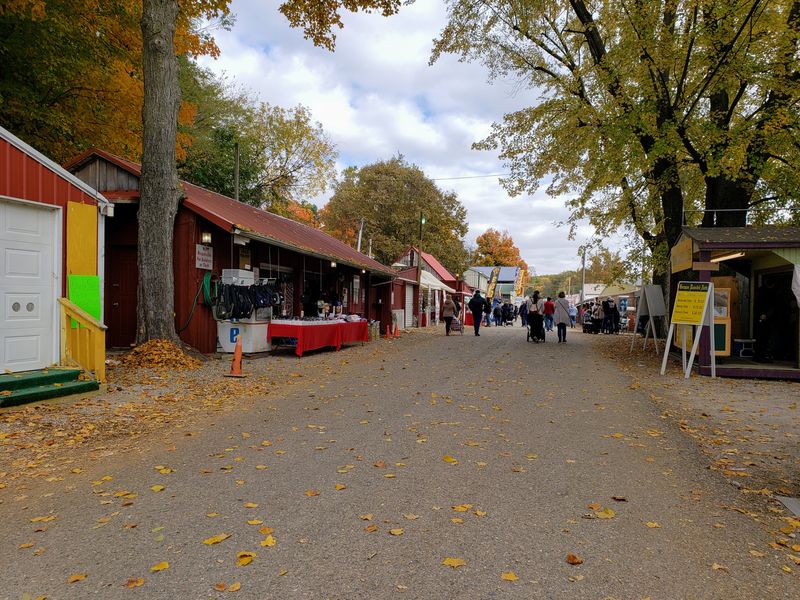
During the Covered Bridge Festival each October, Mansfield transforms from a near-ghost town into a living history exhibit.
Volunteers dress in period clothing, the mill grinds corn, and craft vendors set up tables near the bridge.
The atmosphere shifts dramatically as thousands of visitors pour in, eager to experience a slice of rural Indiana heritage.
Demonstrations of blacksmithing, quilting, and other traditional crafts fill the hours, and the scent of kettle corn drifts through the trees.
By the following Monday, the tents come down, the volunteers go home, and Mansfield returns to its usual state of suspended animation.
Mansfield Is Part Of Parke County’s 31 Covered Bridges
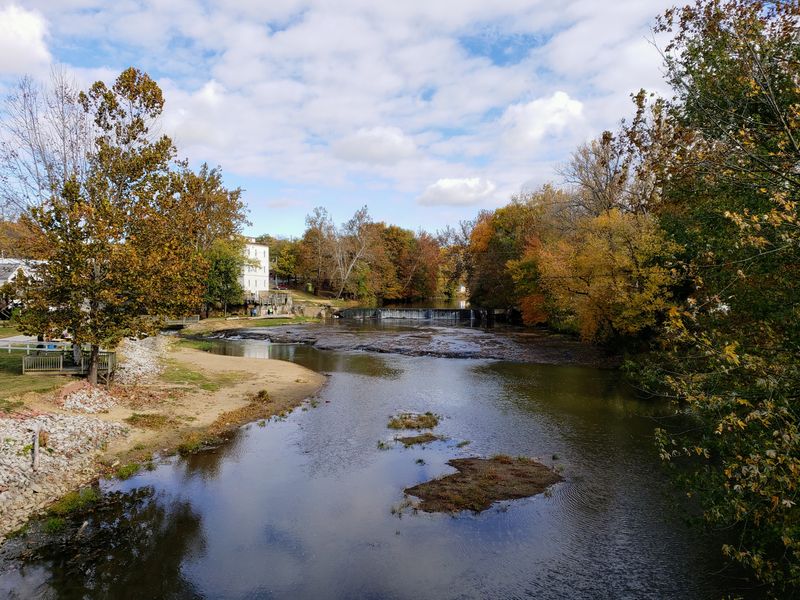
Parke County proudly claims the title of Covered Bridge Capital of the World, with 31 historic spans still standing across its rural townships.
Mansfield’s bridge is just one stop on a sprawling self-guided tour that can take an entire day to complete.
Each bridge has its own character and history, from single-span crossings over narrow creeks to longer structures like the one in Mansfield.
Enthusiasts armed with maps and cameras crisscross the county, checking off bridges and comparing their favorites.
Mansfield benefits from this broader network, as bridge hunters often linger here longer than elsewhere, captivated by the village’s intact 19th-century feel.
Outside Of Festival Weekends, Mansfield Is Nearly Silent
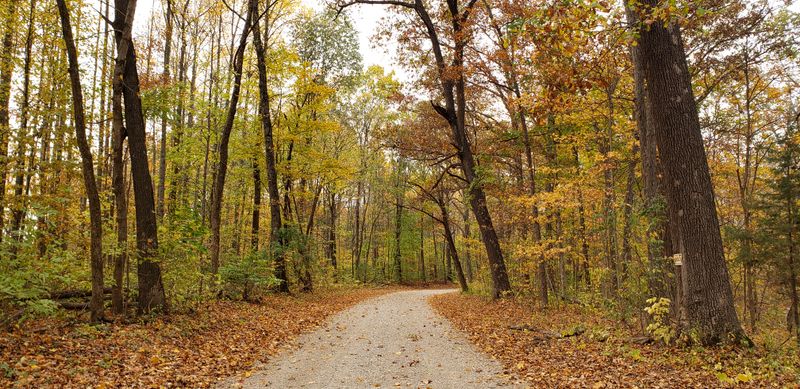
Visit Mansfield on a random Wednesday in June, and you might not see another soul for an hour.
The mill sits locked, the bridge stands empty, and the only sounds come from the creek and the wind moving through the trees.
This profound quietness is part of what makes the village feel undiscovered, even though it’s technically accessible to anyone with a car and a map.
Without businesses to generate foot traffic or residents to create neighborhood activity, Mansfield exists in a state of peaceful dormancy.
For those seeking solitude and a break from the noise of modern life, this silence is precisely the point.