
8 Forgotten Abandoned Theaters In New York That Are Eerily Beautiful
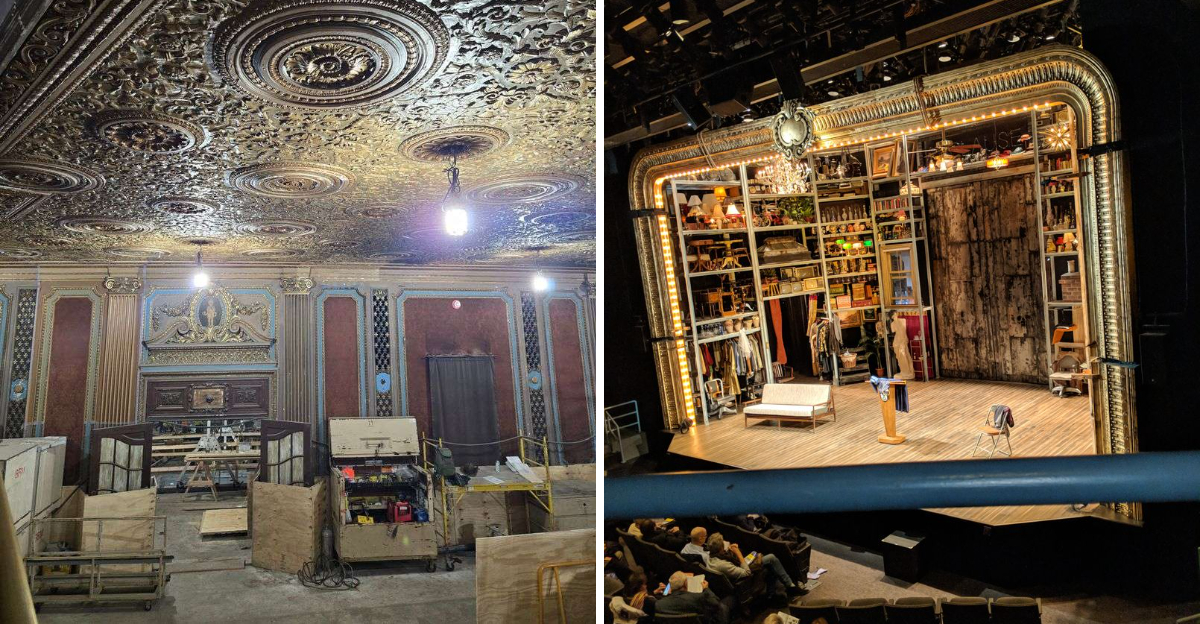
New York City once glowed with the magic of grand theaters, where velvet curtains opened to reveal dreams on stage and silver screens flickered with timeless stories.
But as decades passed, many of these cultural treasures were left behind, their ornate interiors slowly surrendering to dust and decay.
Today, these forgotten spaces hold a haunting beauty that whispers of their glamorous past, inviting us to imagine the laughter and applause that once filled their halls.
1. Loew’s Pitkin
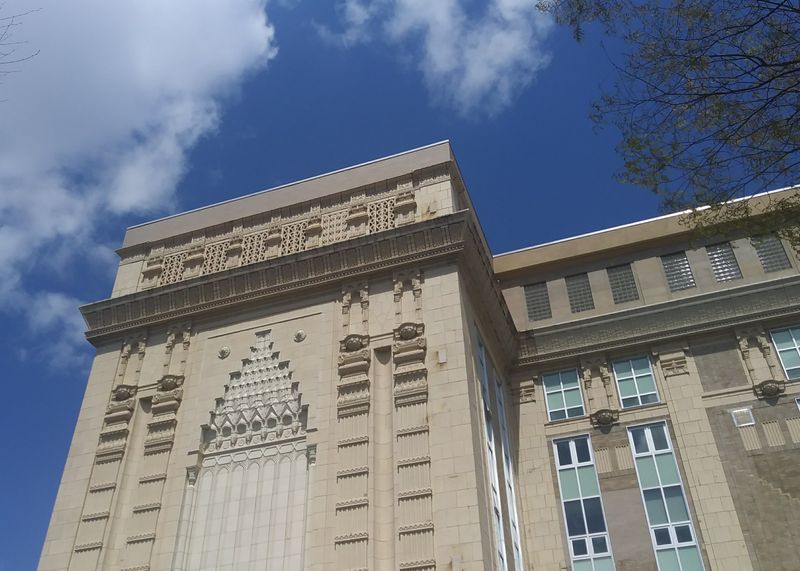
Brooklyn’s Brownsville neighborhood once boasted this architectural marvel, which opened in 1929 as a palace of entertainment for working-class families.
Gothic and Moorish details blend together in unexpected harmony throughout the sprawling interior.
The lobby’s marble floors are now cracked and stained, but the grandeur remains unmistakable.
Massive columns rise toward a ceiling where plaster angels watch over empty spaces.
Though plans for restoration surface occasionally, the theater continues its slow dance with decay, offering urban explorers glimpses of forgotten elegance.
2. Loew’s Canal Street Theatre
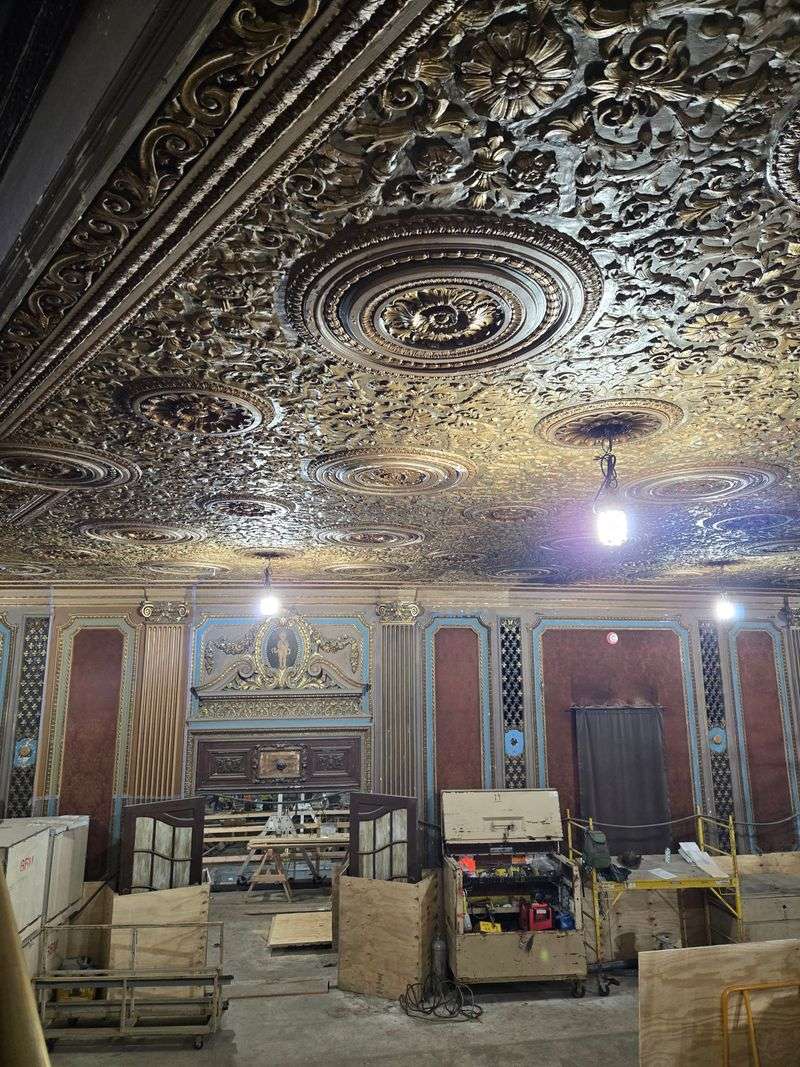
Walking through Chinatown, you might never guess that beneath the bustling streets lies one of Manhattan’s most spectacular ruins.
Built in 1927, this movie palace once seated nearly 2,200 guests beneath a ceiling that mimicked a starlit sky.
Ornate plasterwork still clings to the walls, telling stories of jazz-age glamour.
The theater closed in the 1960s and has remained frozen in time ever since.
Vines creep through cracks while chandeliers dangle precariously overhead, creating an atmosphere that feels both magical and melancholy.
3. Loew’s 46th Street Theatre
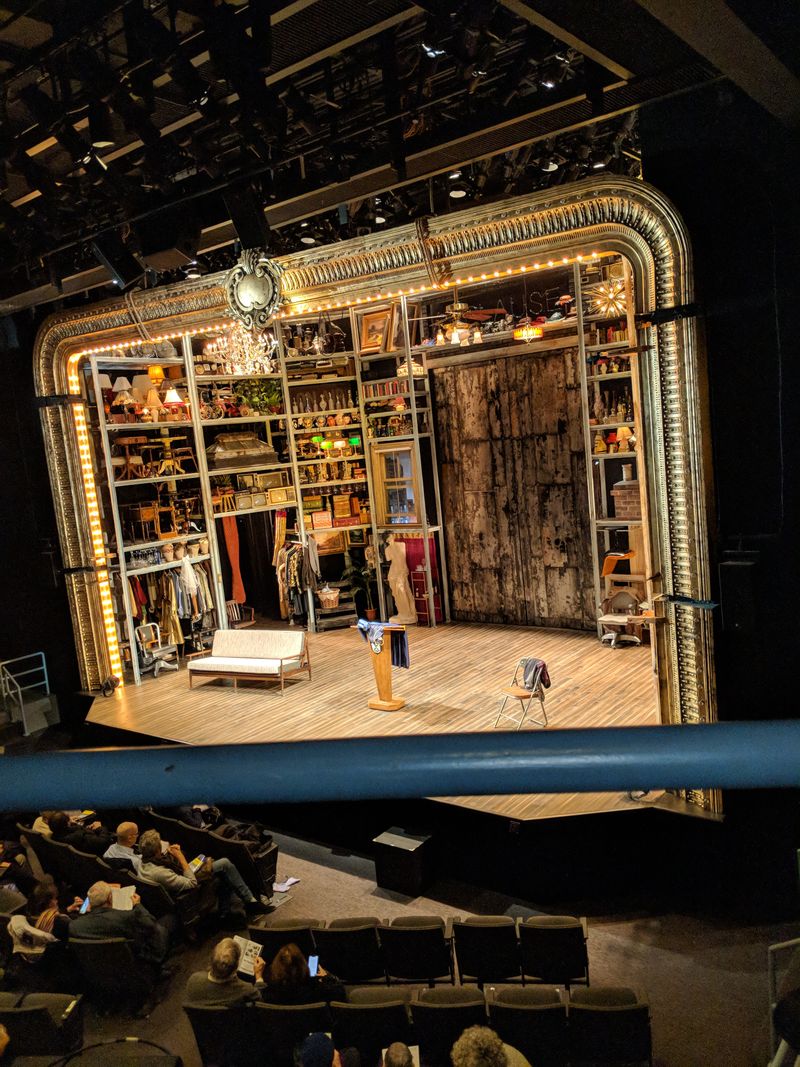
Right in the heart of Times Square, this forgotten gem hides behind modern storefronts and neon lights.
Opened in 1912, it entertained generations before falling silent in the 1990s.
Peeling gold leaf and faded murals reveal the craftsmanship that once made this venue legendary.
The balcony sags slightly, and pigeons have claimed the projection booth as their roost.
Standing inside feels like stepping into a time capsule where Broadway dreams came to life before television stole the spotlight away from neighborhood cinemas.
4. Sattler Theatre / Broadway Theatre
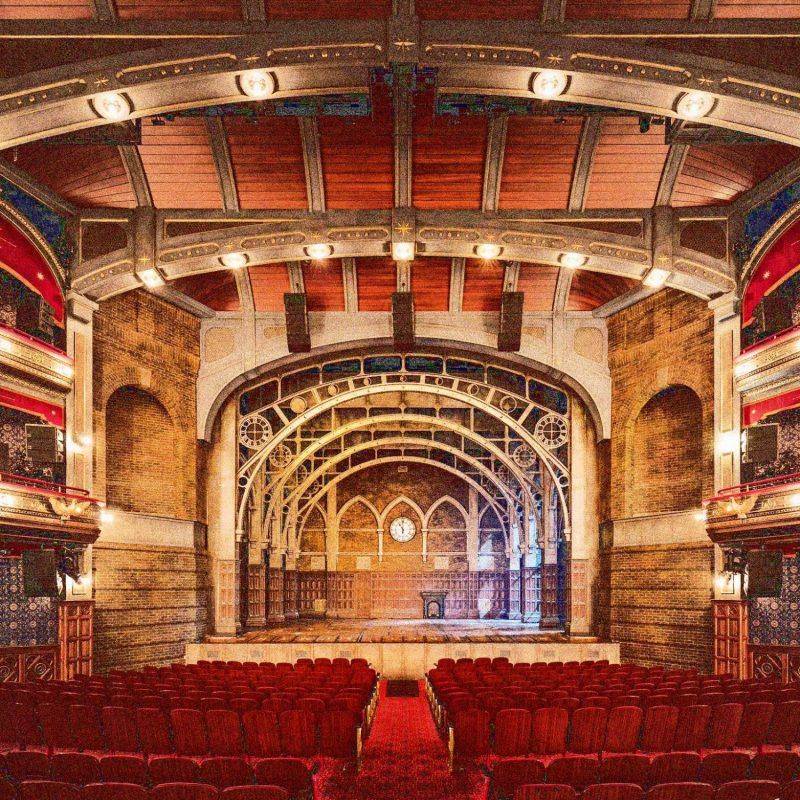
Buffalo’s Broadway district holds this stunning relic, which first opened its doors in 1926 as the Sattler Theatre.
Art Deco flourishes compete with classical elements throughout the three-story structure, creating a visual feast even in ruin.
The stage still stands, though the curtain has long since rotted away.
Water damage has created abstract patterns on walls that once hosted vaudeville acts and silent films.
Local historians fight to preserve what remains, hoping future generations might experience its magic restored rather than demolished.
5. Proctor’s Theater
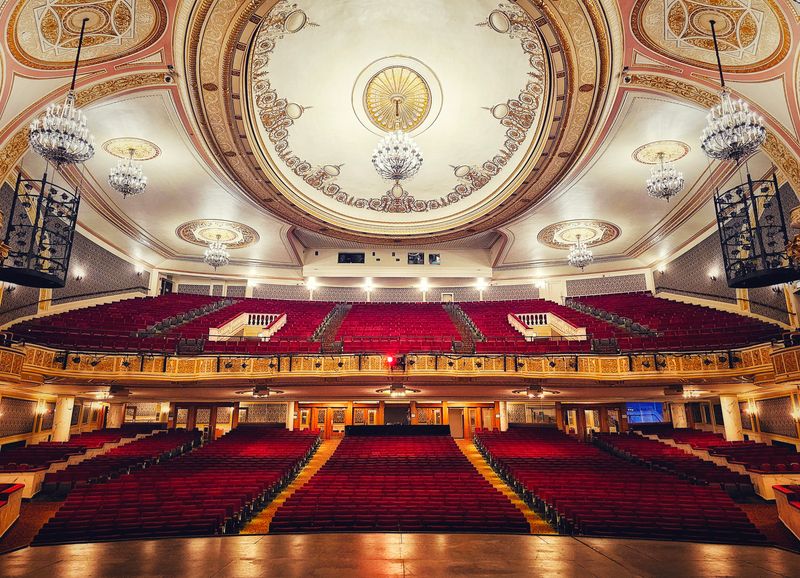
F.F. Proctor built this vaudeville empire starting in 1906, creating a chain of theaters across New York State. Several locations now sit abandoned, their interiors slowly crumbling despite their historical significance.
Elaborate box seats overlook stages where legends once performed. The orchestra pits are filled with debris, and dressing rooms hold forgotten costumes and makeup mirrors.
Each Proctor’s location tells a unique story of entertainment history, from the golden age of vaudeville through the decline of neighborhood theaters in the television era.
6. American Theatre
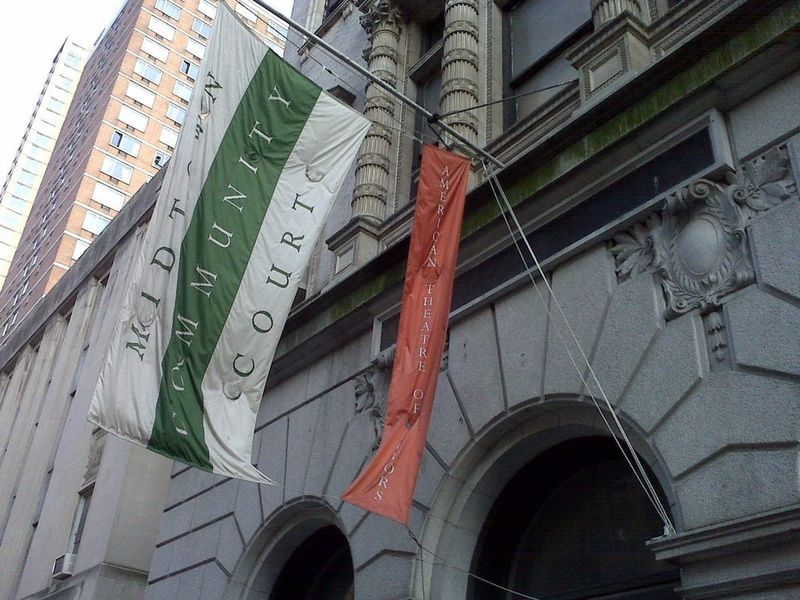
This Bronx landmark opened in 1913 and quickly became a community gathering place where neighbors shared laughter and tears on the big screen.
The facade still bears faded lettering that advertises long-forgotten films.
Seats have been stripped away by scavengers, leaving only bolts protruding from concrete floors.
Despite its deterioration, the bones of the building reveal exceptional craftsmanship.
Terracotta details and pressed tin ceilings remind visitors of an era when even neighborhood theaters were built to inspire awe.
7. Spa Little Theater
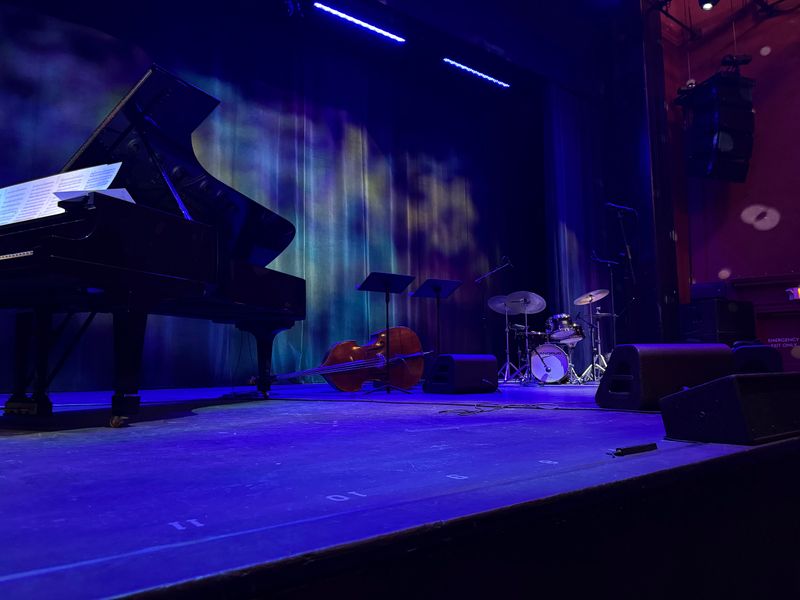
Saratoga Springs’ cultural scene once revolved around this intimate venue, which opened in the 1920s as a destination for sophisticated entertainment.
Unlike massive movie palaces, this theater offered an up-close experience with performers and films alike.
The compact auditorium retains its cozy charm despite years of neglect.
Original light fixtures dangle from water-stained ceilings, and the ticket booth still stands sentinel at the entrance.
Local preservationists dream of bringing this little gem back to life, recognizing its potential as a community arts space once again.
8. Valencia Theatre
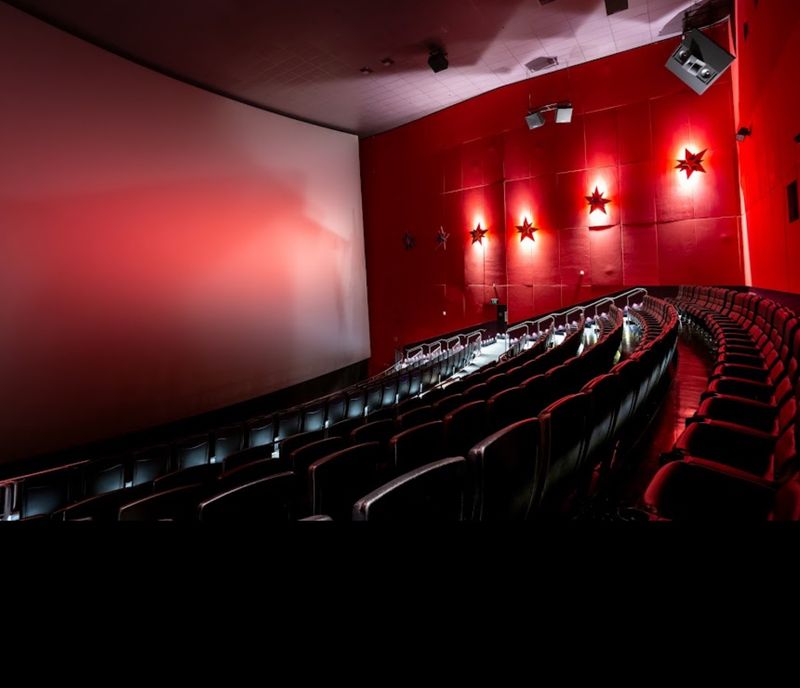
Queens’ Jamaica neighborhood treasures this 1929 Spanish Revival masterpiece, though it has stood empty for decades.
Elaborate tilework and wrought iron details transport visitors to a romantic Mediterranean fantasy world.
The auditorium once seated over 3,500 patrons beneath a ceiling designed to resemble an open courtyard under Spanish skies.
Twinkling stars and projected clouds created an immersive experience that television could never replicate.
Advocacy groups continue pushing for landmark status and restoration funding, hoping to save this architectural treasure from the wrecking ball that has claimed so many of its peers.