
The Hidden North Carolina River Town That’s Perfect For A Peaceful Getaway
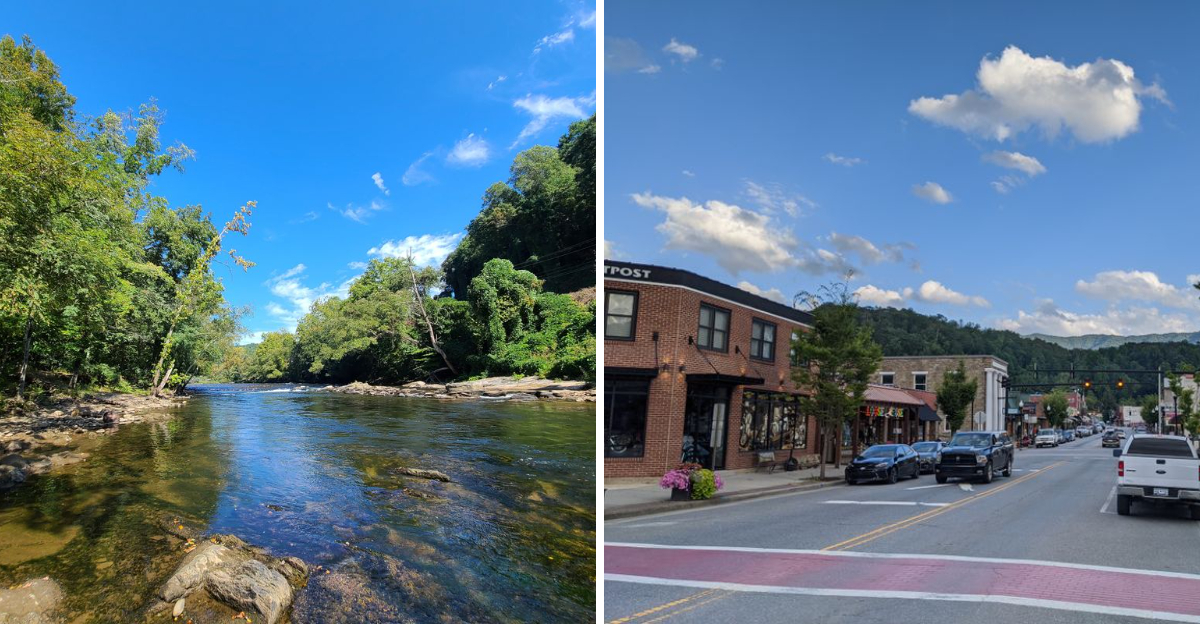
Bryson City sits tucked away in the mountains of North Carolina, where the Tuckasegee and Nantahala Rivers carve through green valleys and the pace of life slows to match the current.
Most travelers rush past on their way to bigger destinations, but those who stop discover a town that hasn’t traded its character for crowds.
If you’re looking for a place to unplug, breathe deeply, and remember what quiet feels like, this small mountain community delivers without trying too hard.
A Quiet Mountain Town Where Two Rivers Meet
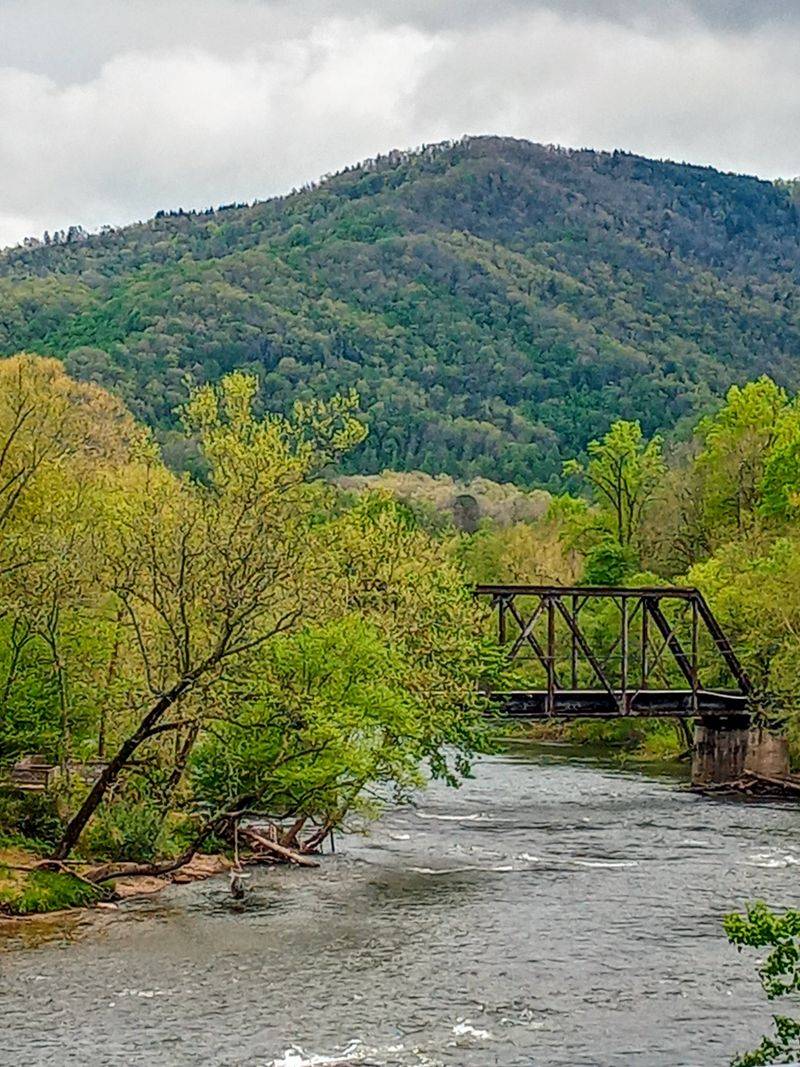
Bryson City rests at the confluence of the Tuckasegee and Nantahala Rivers, a geographic feature that shaped its history and continues to define its character.
The rivers don’t just flow through town—they anchor it, offering a constant reminder of why people settled here in the first place.
Water moves steadily past Main Street, visible from several overlooks and accessible by short trails that wind down from the sidewalks.
The sound of current becomes part of the background, a natural soundtrack that replaces traffic noise.
Locals fish from the banks in the early morning, and visitors wade in by afternoon, drawn by water that stays cool even in summer.
River Life Is Part Of Daily Routine Here
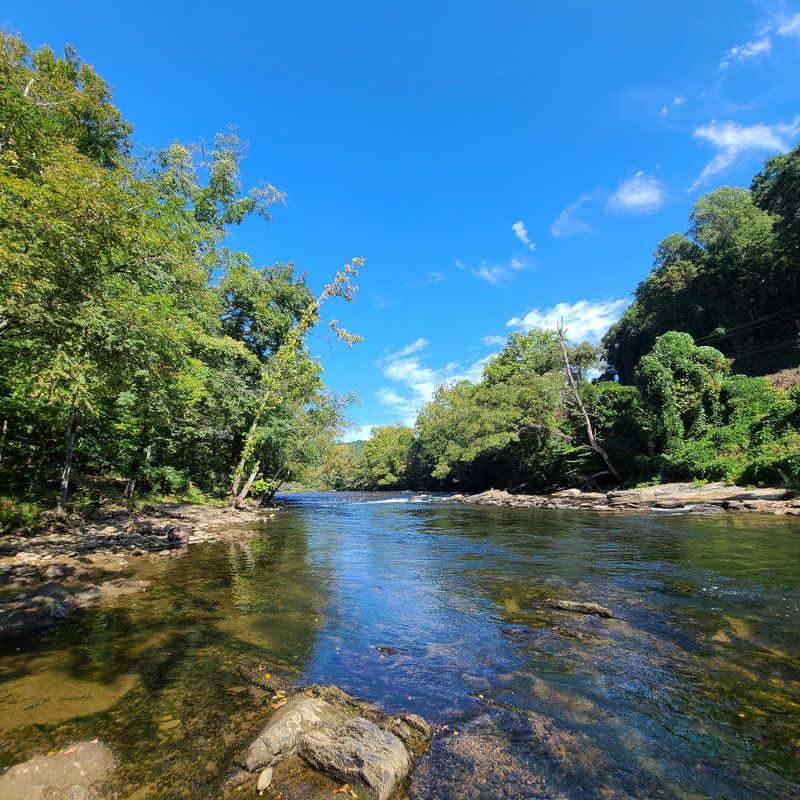
The Tuckasegee River runs right through the center of town, and residents treat it like an extension of their backyard.
You’ll see kayakers launching from public access points before breakfast, and families setting up picnics along the grassy banks by lunchtime.
Outfitters line the main road, renting tubes and rafts to anyone willing to float a few miles downstream.
The water stays calm enough for beginners but lively enough to keep things interesting.
After a morning on the river, most people walk back into town still damp, stopping for sandwiches or ice cream without bothering to change.
Great Smoky Mountains National Park Begins At The Town’s Edge
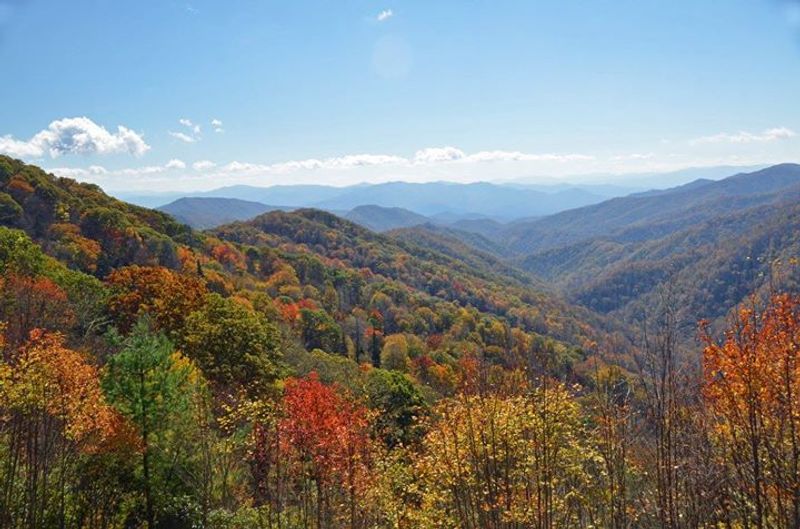
Bryson City sits at one of the quieter gateways to Great Smoky Mountains National Park, offering access without the crowds that pack the main entrances.
From downtown, it’s less than ten minutes to trailheads that lead deep into old-growth forests and up to ridgelines with views that stretch across state lines.
The Deep Creek section of the park lies just north of town, known for waterfalls, swimming holes, and trails that range from easy strolls to all-day climbs.
Wildflowers bloom in waves from April through October, and sections of the Appalachian Trail wind through the area.
You can hike all morning and still make it back for lunch.
The Downtown Is Walkable And Unrushed
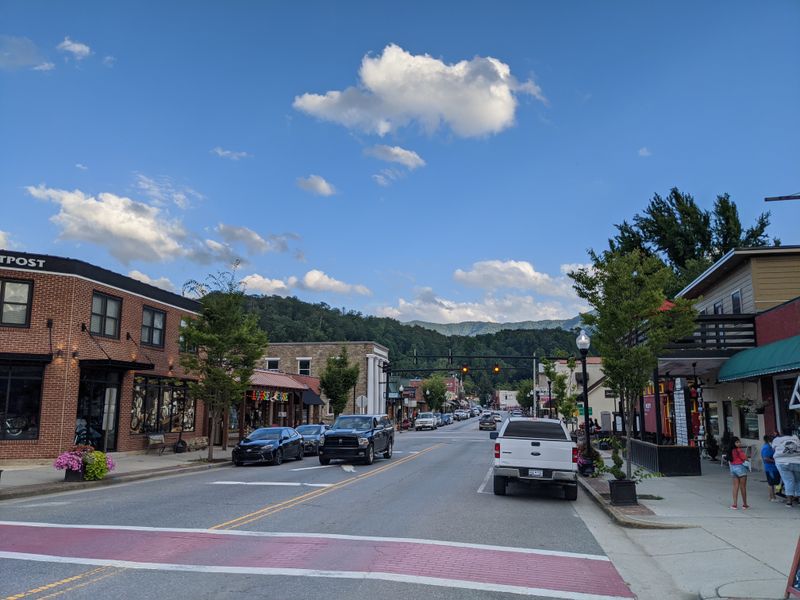
Downtown Bryson City spans just a few blocks, small enough to cover on foot in twenty minutes if you’re moving quickly. Most people don’t.
The storefronts mix practical businesses—a hardware store, a pharmacy—with galleries, bookshops, and cafes that encourage lingering.
There’s no chain presence to speak of, which gives the streets a homemade quality that feels deliberate rather than accidental.
Benches face the river, and the sidewalks stay wide and level.
Parking is free and plentiful, though most visitors end up leaving their cars and walking everywhere once they realize how compact and pleasant the layout is.
Scenic Train Rides Replace Busy Highways
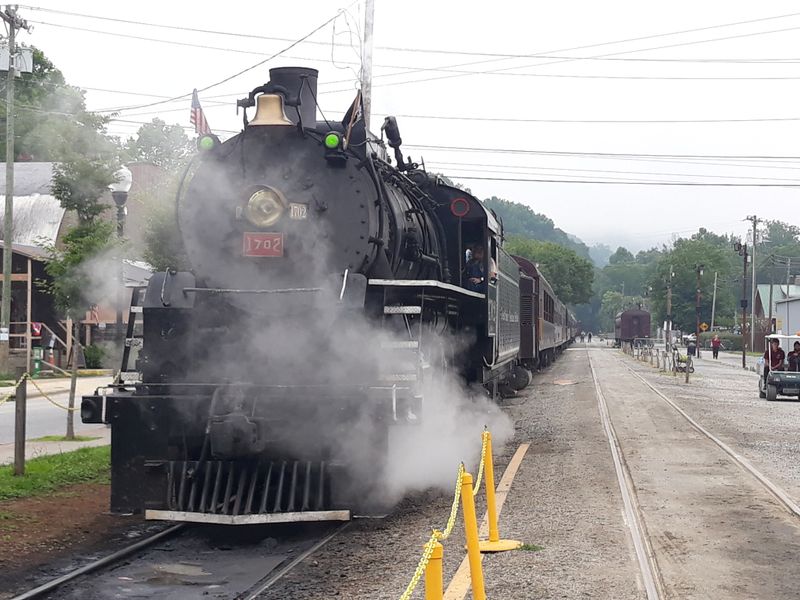
The Great Smoky Mountains Railroad runs excursions from Bryson City’s historic depot, offering a slower way to see terrain that highways can’t reach.
The trains follow the Tuckasegee and Nantahala Rivers, threading through gorges and crossing trestles that date back more than a century.
Passengers sit in restored cars with windows that open, letting in mountain air and the rhythmic clatter of the rails.
The routes vary by season, with some trips stopping at waterfalls or small depots where you can stretch your legs. It’s not fast, but that’s the point.
The Smoky Mountain Trains Museum sits next to the depot, displaying model railroads and vintage equipment for anyone curious about the region’s railroad history.
Even Peak Seasons Feel Manageable
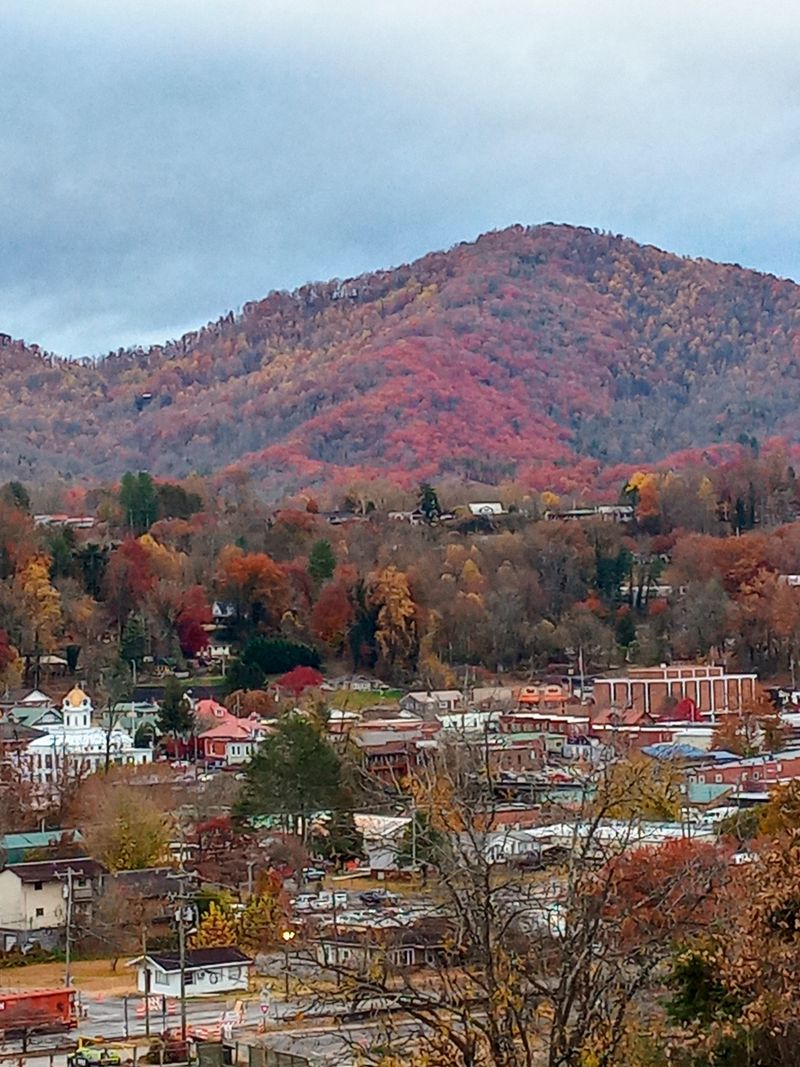
Bryson City sees visitors year-round, especially during fall when leaf-peepers flood the mountains. But the town never feels overrun.
The infrastructure stays modest, which naturally limits how crowded things can get, and most tourists head straight to the national park without spending much time in town.
Restaurants might have a short wait on Saturday nights, and the river access points fill up by midday in July, but there’s always another spot a quarter-mile downstream.
The town lacks the traffic jams and parking struggles that plague other mountain destinations.
Even during peak weekends, you can still find quiet corners and open trails if you’re willing to walk a bit.
Fly Fishing And Tubing Keep Things Simple
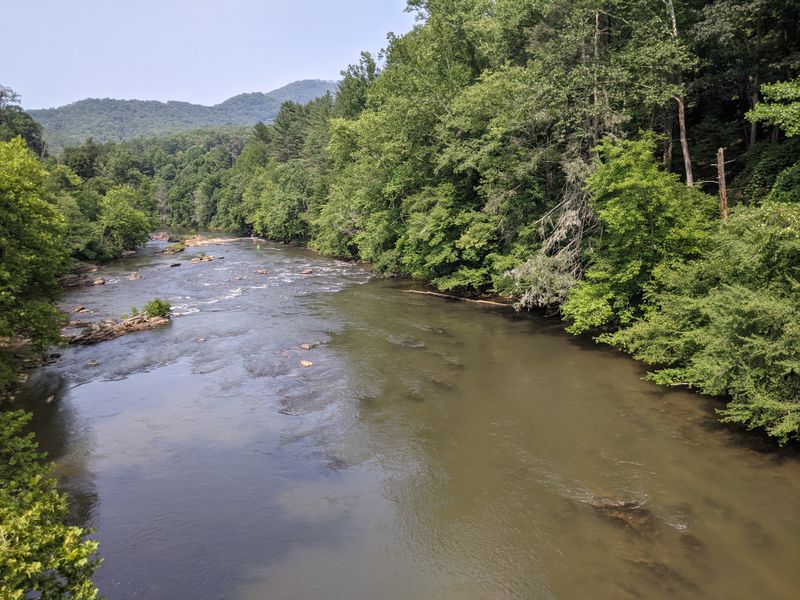
The rivers around Bryson City offer two very different ways to spend a day on the water, both equally popular with locals and visitors.
Fly fishing draws serious anglers to the Tuckasegee, where trout hold in the riffles and pools just outside of town.
The Fly Fishing Museum of the Southern Appalachians preserves the region’s angling history, displaying vintage rods from the 1800s and handmade flies that still catch fish today.
Tubing requires less skill and even less gear—just rent a tube, ride the current for a few miles, and catch a shuttle back to your car.
Both activities share the same water, the same views, and the same unhurried pace.
Nights Are Dark And Quiet
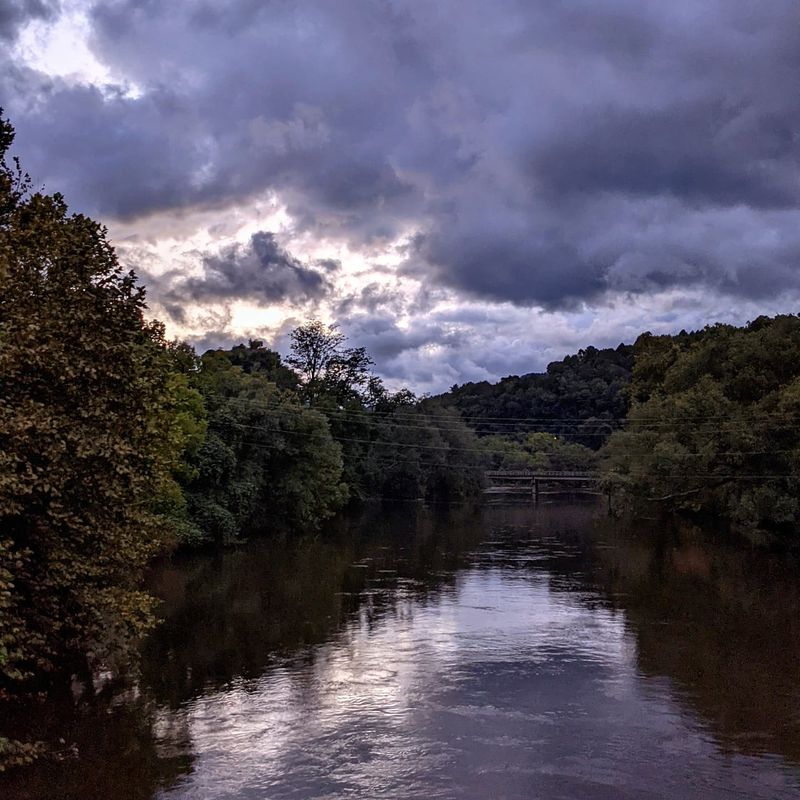
Bryson City shuts down early, and the lack of streetlights means the stars come out in full force once the sun drops behind the ridges.
There’s no nightlife to speak of, no late-night diners or bars that stay open past ten.
The quiet can feel startling if you’re used to city noise, but most visitors adjust quickly.
Sitting on a cabin porch at night, you’ll hear crickets, the occasional owl, and not much else.
The darkness is genuine, the kind that lets your eyes adjust enough to see the Milky Way without binoculars.
For people looking to reset their sleep schedule or simply enjoy a night without artificial light, this town delivers.
Local Lodging Focuses On Cabins And Small Inns
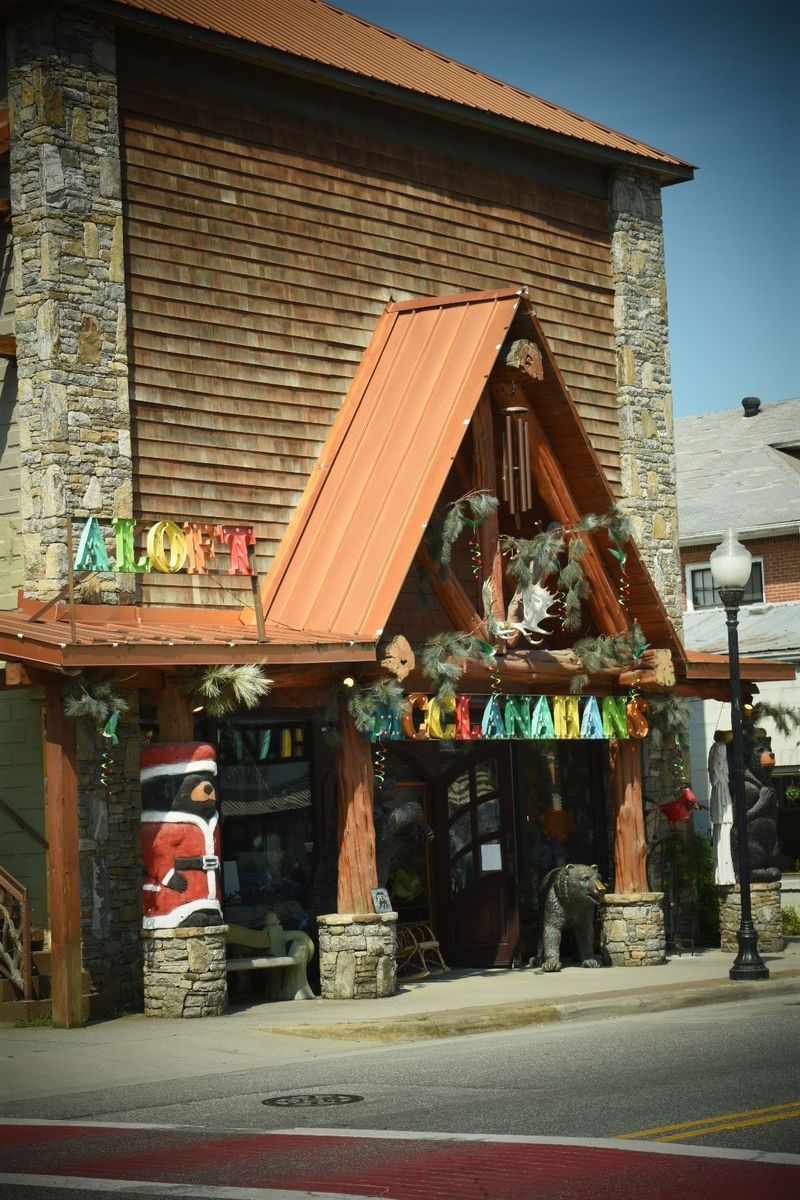
Bryson City doesn’t have big hotels or resort complexes, which keeps the lodging options personal and low-key.
Most visitors stay in cabins scattered along the hillsides outside of town, ranging from bare-bones rentals to well-appointed retreats with stone fireplaces and wraparound porches.
The cabins tend to sit far enough apart that you won’t see your neighbors, surrounded by trees and the occasional deer.
Downtown, a handful of small inns and bed-and-breakfasts offer rooms within walking distance of shops and restaurants.
The owners tend to live on-site, offering local advice and stories about the area.
Reservations fill up during peak seasons, but the town never feels overbooked.
The Town Still Feels Like A Local Secret
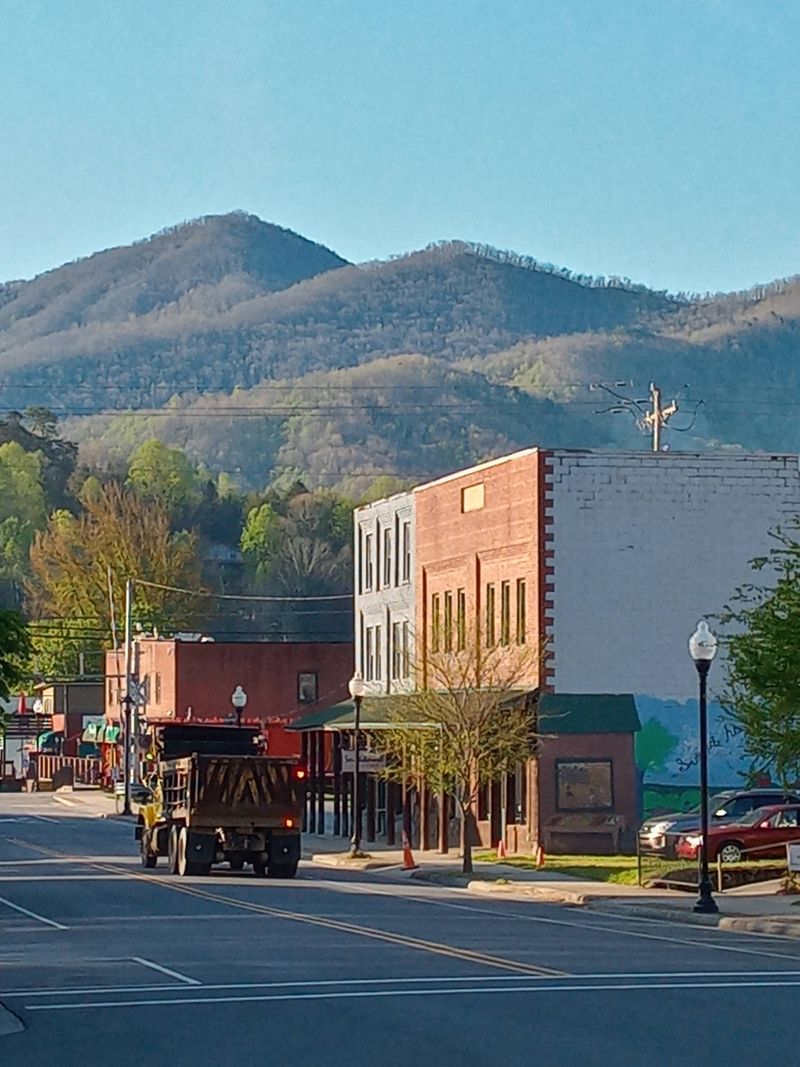
Despite its proximity to one of the most-visited national parks in the country, Bryson City remains relatively unknown outside the region.
Most travelers heading to the Smokies pass through without stopping, drawn to the busier towns on the Tennessee side.
That oversight works in the town’s favor, preserving a character that hasn’t been smoothed over by tourism.
Locals still outnumber visitors most days, and the businesses cater to both groups without leaning too heavily in either direction.
The town hasn’t been discovered in the way that ruins places, and residents seem content to keep it that way.
It’s the kind of spot that rewards those who take the time to look beyond the highway signs.