
This Cozy Indiana Town Where Time Slows Down And Simple Living Reigns
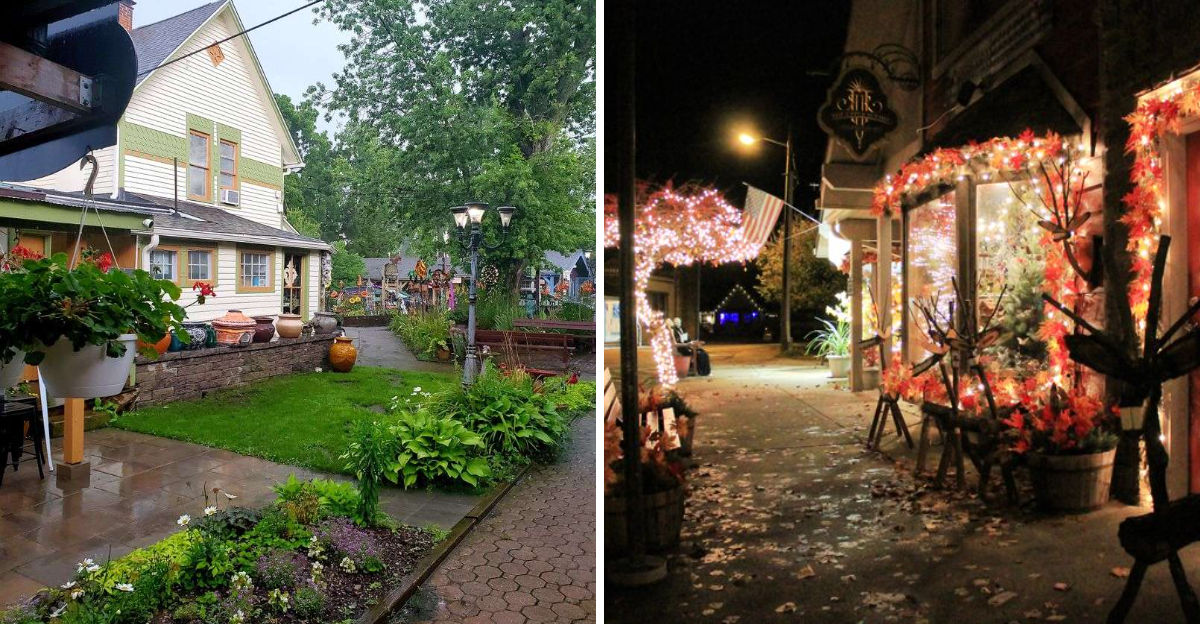
Nashville, Indiana sits quietly in the rolling hills of Brown County, far removed from the rush of highways and strip malls.
Here, life follows a slower rhythm built around art galleries, state park trails, and front porch conversations.
For anyone weary of noise and hurry, this small town offers something increasingly rare: a place where simplicity still feels like enough.
It’s the kind of place where days stretch a little longer and moments are meant to be savored rather than rushed.
Nashville Is A Small Hill Town Tucked Inside Brown County
Nestled among forested ridges and winding backroads, Nashville occupies a pocket of southern Indiana where the landscape refuses to flatten.
The town itself holds fewer than a thousand residents, most of whom live in homes scattered across the hillsides or clustered along Van Buren Street.
Getting here requires intention, a deliberate turn off State Road 46 that leads you past weathered barns and split-rail fences.
The address, Washington Township, IN 47448, marks a place shaped more by geography than ambition.
Life In Nashville Revolves Around Art, Not Industry
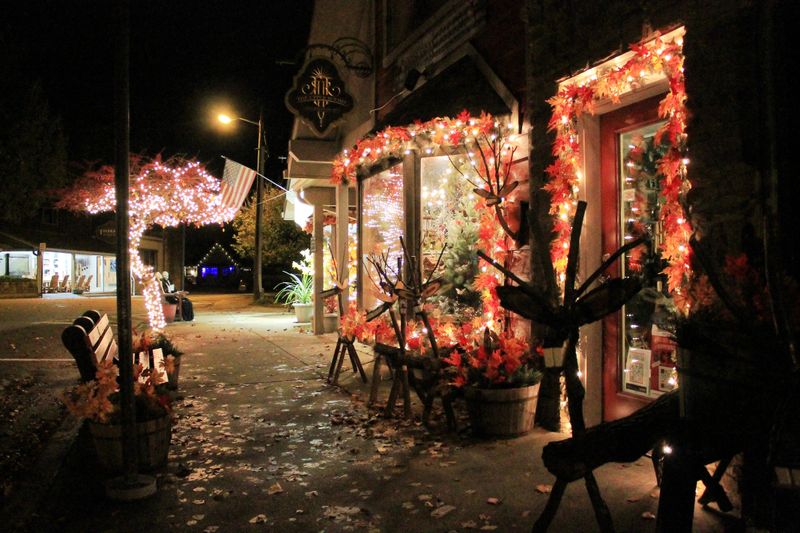
Walk through downtown and you will notice something unusual: nearly every storefront houses a gallery, studio, or craft shop run by someone who actually makes what they sell.
No factories hum in the distance. No corporate offices anchor the economy.
Instead, painters, potters, woodworkers, and jewelers form the backbone of daily commerce.
This arrangement has persisted for over a century, ever since artists first arrived seeking inspiration in the surrounding hills.
The result is a town where creativity functions as both livelihood and culture, shaping everything from architecture to conversation.
Brown County State Park Acts As The Town’s Backyard
Just beyond the edge of Nashville lies Indiana’s largest state park, a sprawling 16,000-acre preserve of hardwood forest, fire towers, and trail networks.
Locals treat it less like a tourist destination and more like an extension of their own property.
Families pack lunches and head to the ridgeline overlooks without fanfare.
The park shapes the town’s identity in quiet but undeniable ways, offering solitude and scenery that change dramatically with each season, from spring wildflowers to October’s blaze of color.
Downtown Is Walkable And Free Of Chain Stores
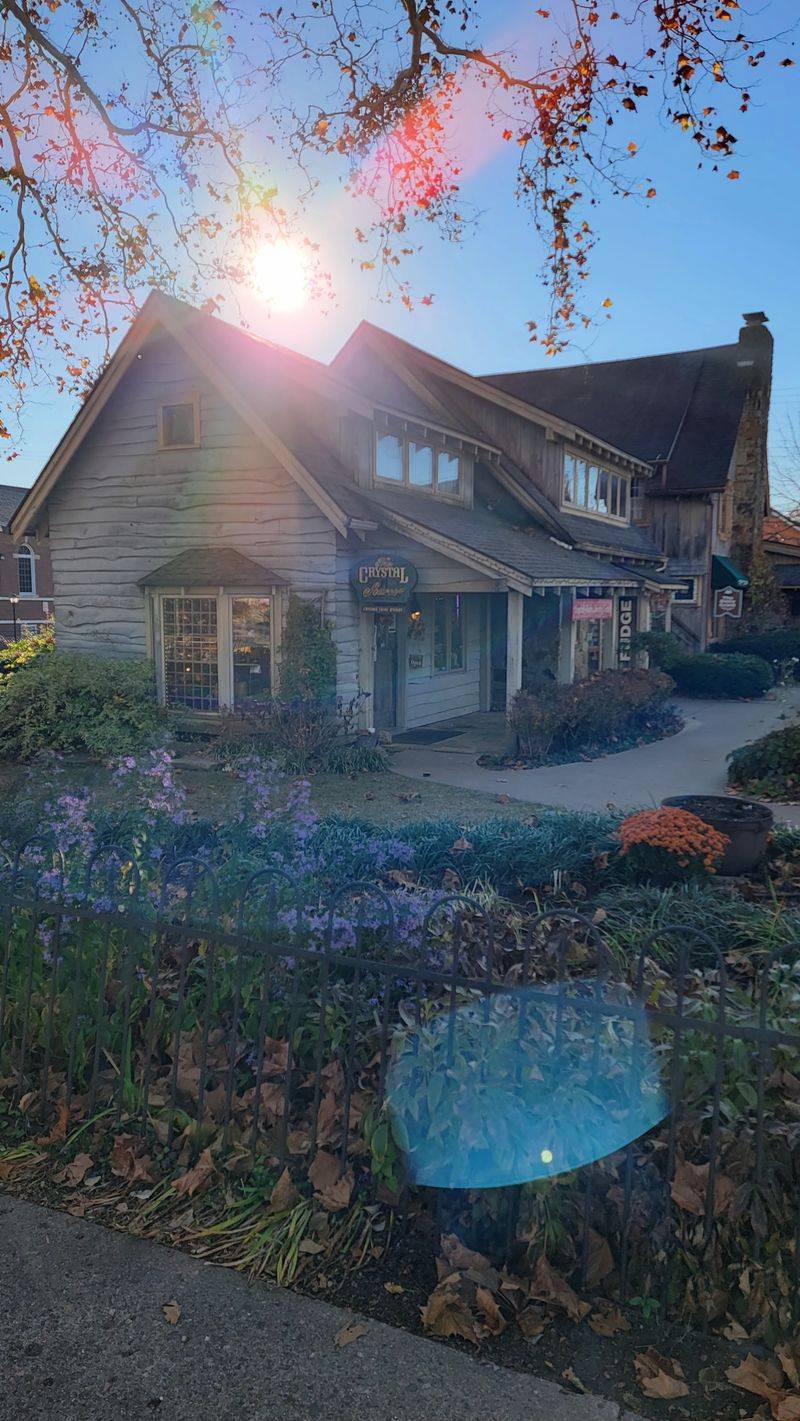
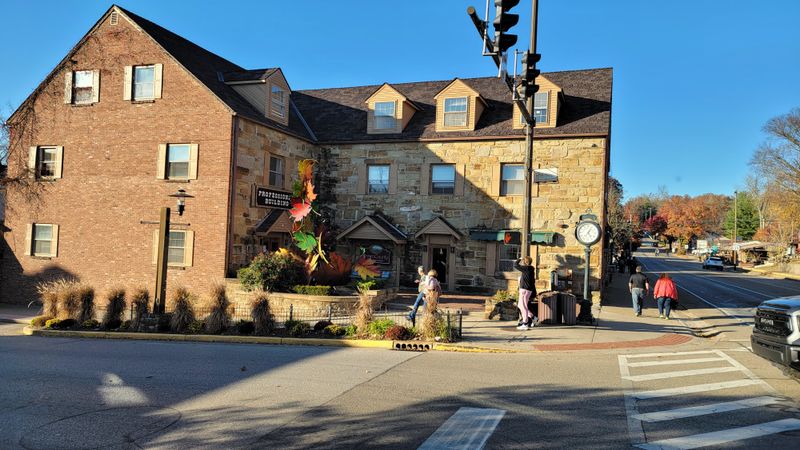
Van Buren Street, the town’s main corridor, stretches only a few blocks but contains everything essential: galleries, cafes, antique shops, and a handful of restaurants serving comfort food with local ingredients.
Every business is independently owned.
You will not find a single franchise logo or corporate storefront anywhere in the historic district.
This absence feels deliberate, a collective decision to preserve character over convenience.
Parking is easy, sidewalks are wide, and you can cross from one side of town to the other in under ten minutes on foot.
Seasons Shape The Rhythm Of Life
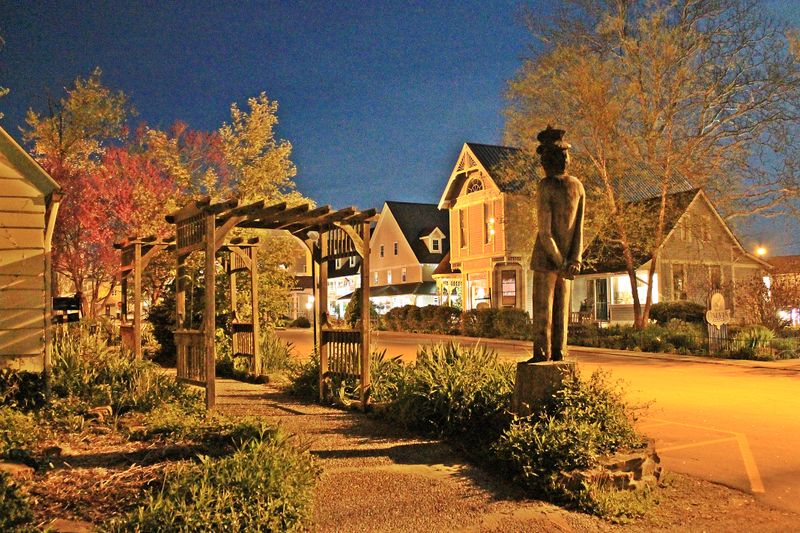
Spring brings busloads of visitors eager to see dogwood and redbud blooming across the hillsides.
Summer slows things down, with humid afternoons best spent on shaded porches or creekside trails.
Autumn transforms Nashville into one of the Midwest’s premier leaf-watching destinations, drawing crowds that fill every parking lot and sidewalk.
Winter empties the town again, leaving only residents and the occasional photographer documenting snow-covered cabins.
Each season dictates not just the weather but the entire social calendar, from art fairs to quiet hibernation.
Historic Homes And Cabins Outnumber New Development
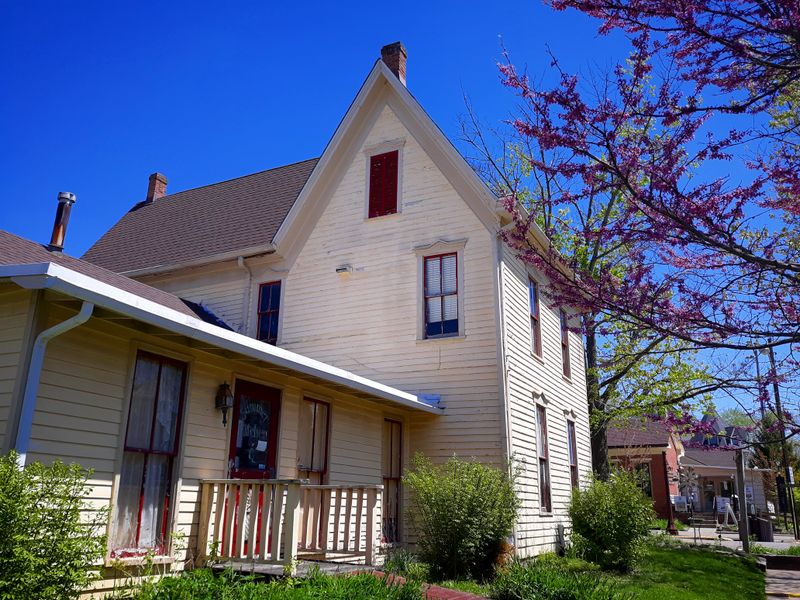
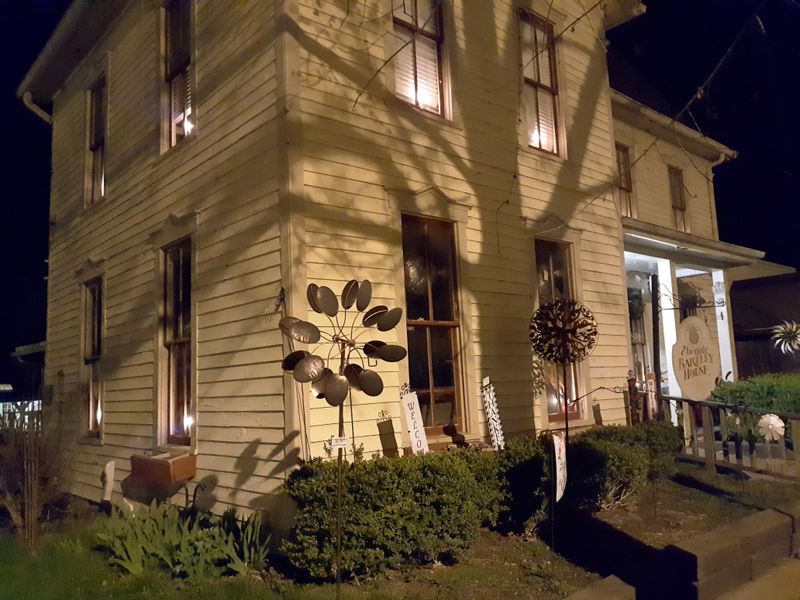
Drive through Nashville’s residential areas and you will notice an abundance of log cabins, century-old farmhouses, and cottages with stone foundations and hand-split shingles.
New construction exists but remains the exception rather than the rule.
Most homes were built decades ago, restored carefully by owners who value patina over polish.
Additions and renovations tend to respect original materials and proportions.
This continuity lends the town a visual coherence that modern subdivisions rarely achieve, reinforcing the sense that Nashville has chosen preservation over expansion.
Simple Pleasures Replace Busy Itineraries
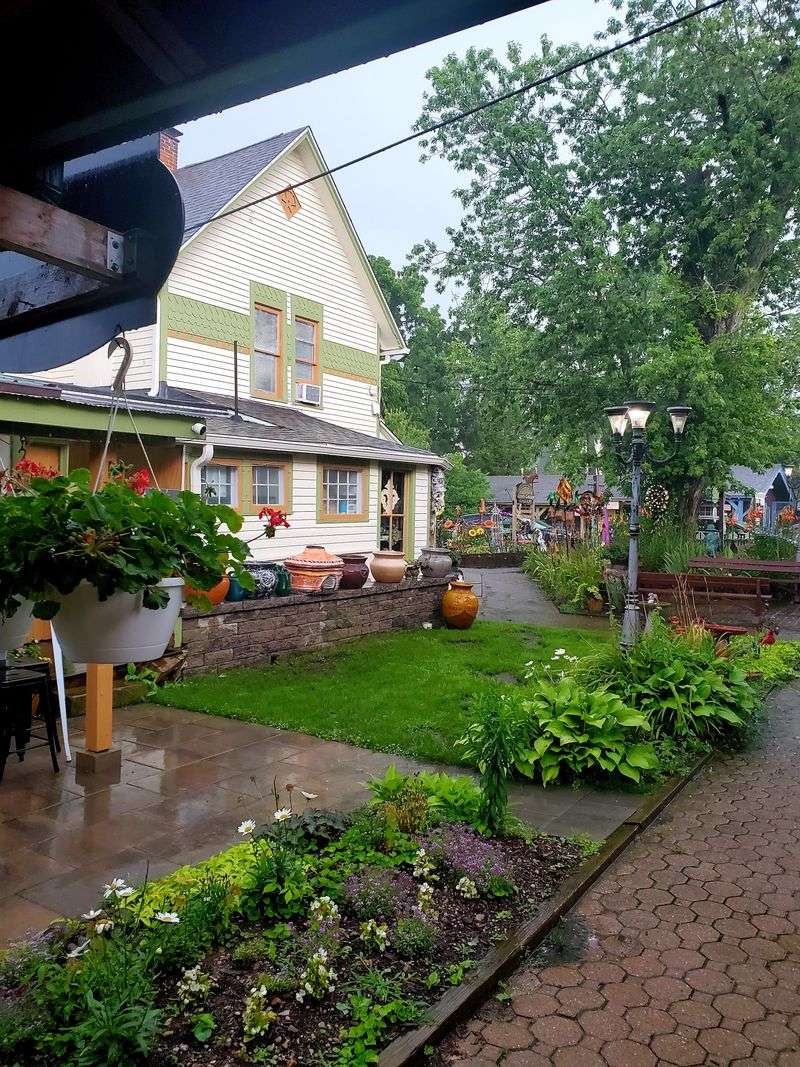
Visitors often arrive expecting a packed schedule of attractions and leave realizing the point is to do less, not more.
A morning might consist of coffee on a gallery porch, an afternoon hike to Hesitation Point, and an early dinner followed by nothing in particular.
There are no theme parks, no shopping malls, no entertainment complexes demanding your attention.
Instead, Nashville offers the rare luxury of unstructured time, where boredom becomes a feature rather than a flaw.
Artists Have Been Drawn Here For Nearly A Century
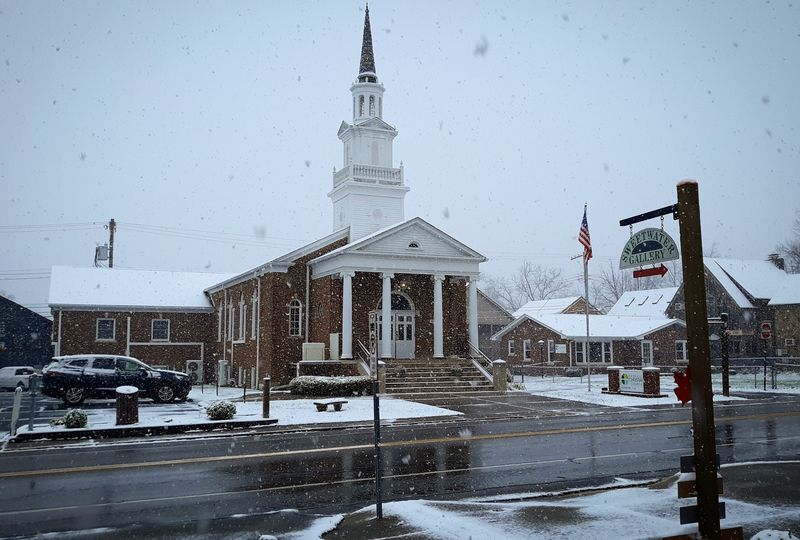
The Brown County Art Colony began in 1907 when painter T.C. Steele built a home and studio on a nearby hilltop, drawn by the region’s unspoiled landscapes and quality of light.
Other artists followed, establishing Nashville as a creative hub long before tourism became an industry.
Today, the T.C. Steele State Historic Site preserves his home and gardens, offering a glimpse into the movement that shaped the town’s identity.
Galleries throughout Nashville still showcase plein air paintings, pottery, and fiber arts rooted in that original tradition.
Evenings Are Quiet, Dark, And Unrushed
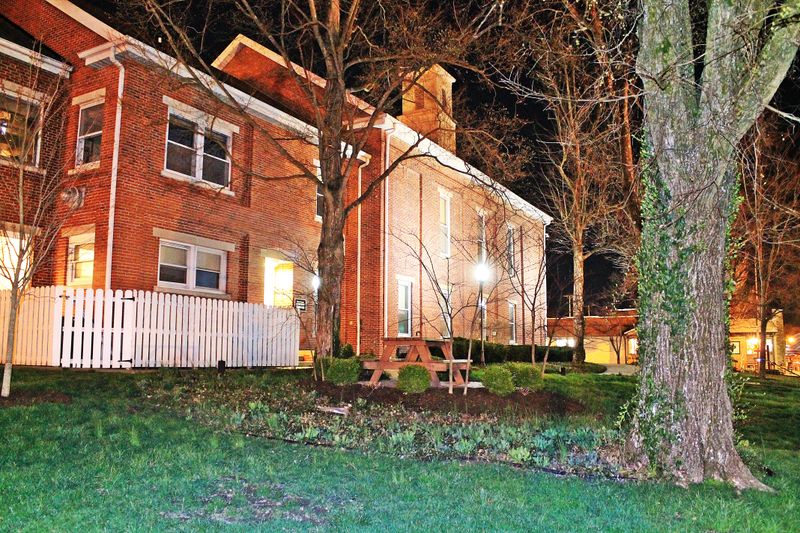
After sunset, Nashville transforms into a place of remarkable stillness.
Streetlights are sparse, allowing stars to appear in numbers rarely visible near cities.
Most shops close by early evening, and restaurants wind down shortly after.
There are no bars blaring music, no late-night distractions competing for attention.
Instead, people retreat to their cabins and porches, where the loudest sounds are crickets and the occasional distant train.
For those accustomed to urban noise, the silence can feel almost disorienting at first, then deeply restorative.
Nashville’s Appeal Comes From What It Has Chosen Not To Add
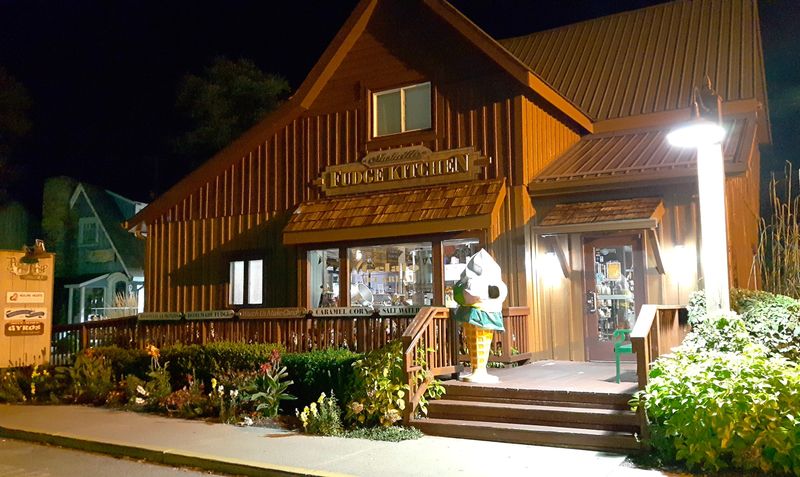
Many towns chase growth, courting developers and franchises in hopes of boosting tax revenue and visibility.
Nashville has done the opposite, resisting pressures to modernize or expand beyond its natural limits.
There are no big-box stores, no fast-food chains, no sprawling subdivisions creeping into the forest.
This restraint has preserved the town’s character but also required sacrifice, including limited services and higher costs.
Yet for residents and regular visitors, the tradeoff feels worthwhile.
What Nashville lacks in convenience, it more than compensates for in authenticity and peace.