
11 Iconic National Parks In Utah You Must Visit
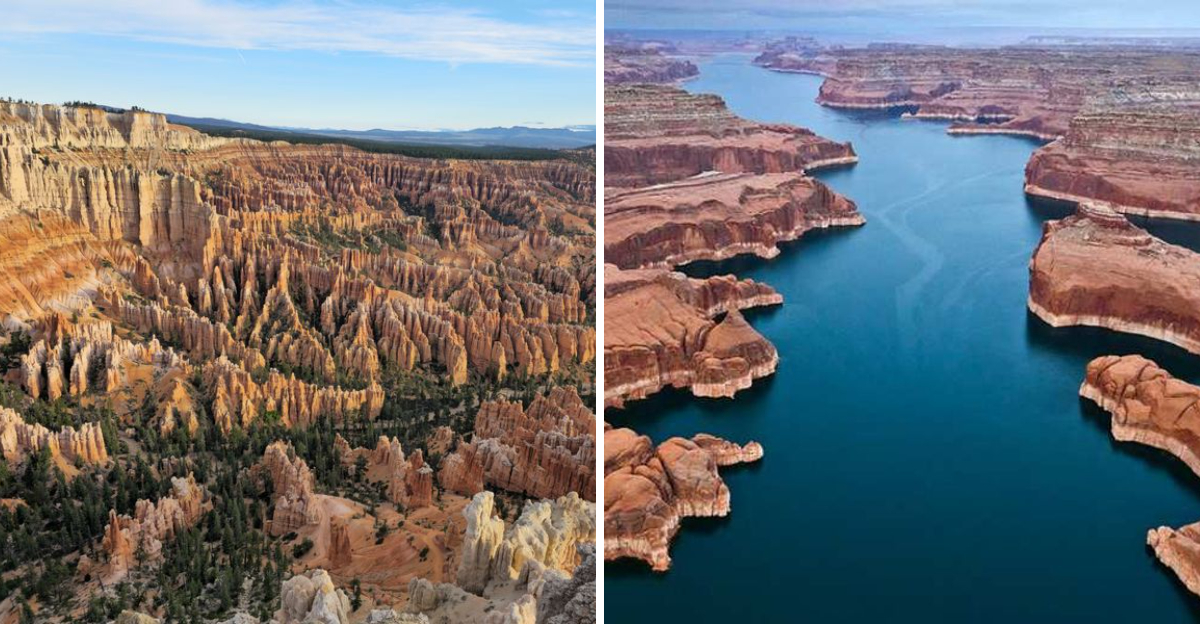
Utah is home to a remarkable collection of natural wonders that can leave anyone breathless.
Towering red rock formations and ancient geological masterpieces fill the landscape, packing more stunning scenery per square mile than almost anywhere else in America.
No matter if you’re an adventure seeker or someone who simply enjoys soaking in jaw-dropping views, Utah’s national parks and monuments offer experiences you’ll remember forever.
1. Zion National Park
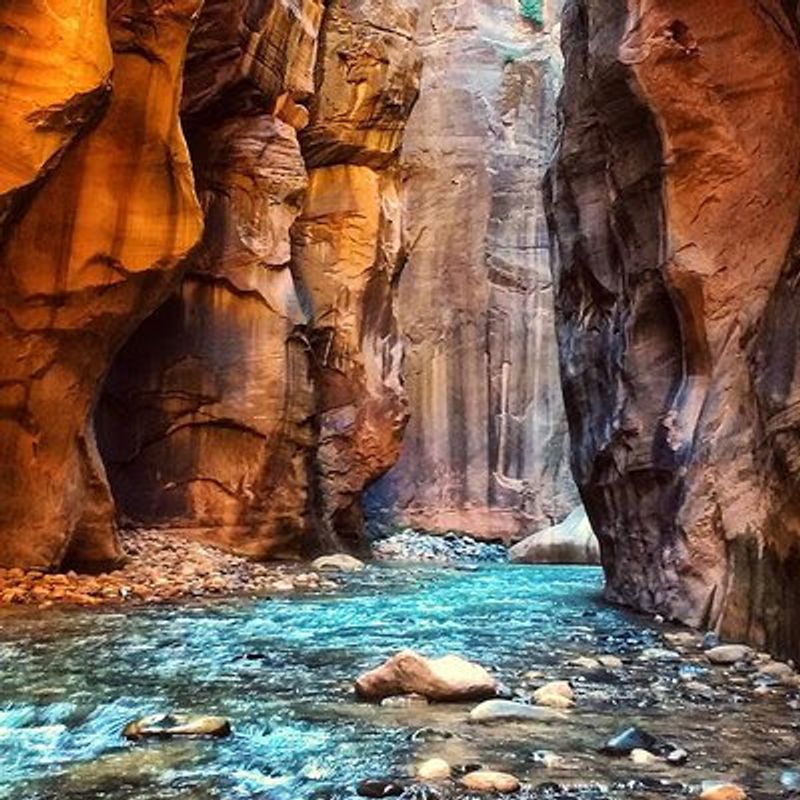
Picture yourself standing at the bottom of a canyon so massive that the walls seem to touch the sky.
Zion’s towering sandstone cliffs glow in shades of red, pink, and cream, creating a natural cathedral that feels almost sacred.
The Virgin River carved this masterpiece over millions of years, and today you can hike through the famous Narrows, where the river flows between walls that rise a thousand feet above you.
Angels Landing offers one of the most thrilling hikes in America, with chain-assisted climbs and views that make your heart race.
2. Bryce Canyon National Park

Walking along the rim of Bryce Canyon feels like peering into another planet.
Thousands of hoodoos—those bizarre, tower-like rock formations—stand like a frozen army in shades of orange, red, and white.
Sunrise here is absolutely magical, when the first light sets the entire amphitheater ablaze with color.
You can descend into the hoodoo forest on trails like Queen’s Garden or Navajo Loop, weaving between these geological wonders.
At over 8,000 feet elevation, the air is crisp and the night skies sparkle with more stars than you ever imagined possible.
3. Arches National Park
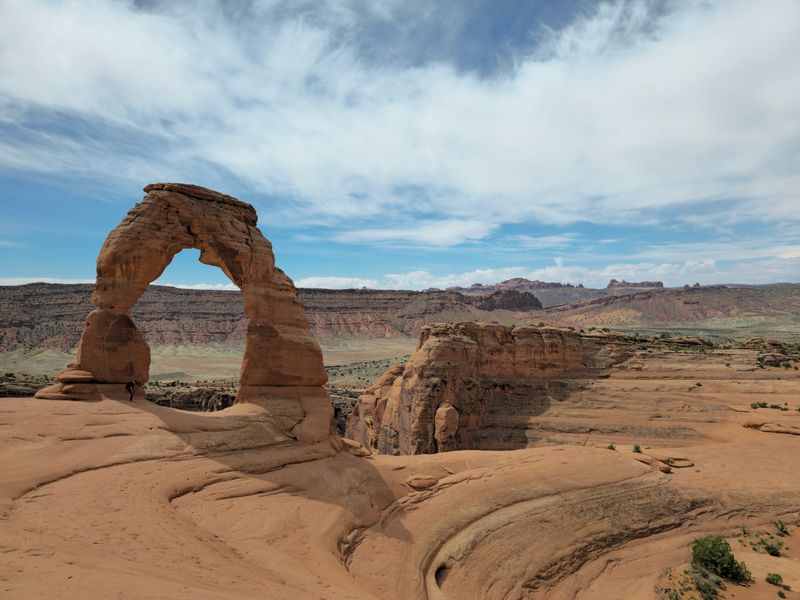
More than 2,000 natural stone arches dot this surreal landscape, each one a testament to the power of erosion and time.
Delicate Arch, Utah’s most famous landmark, stands alone on a slickrock bowl, especially stunning when bathed in golden sunset light.
The park feels like nature’s sculpture garden, with formations bearing names like Balanced Rock, Double Arch, and Landscape Arch.
Spring and fall offer the best weather for exploring, though summer sunsets paint the red rocks in colors you won’t believe.
4. Canyonlands National Park
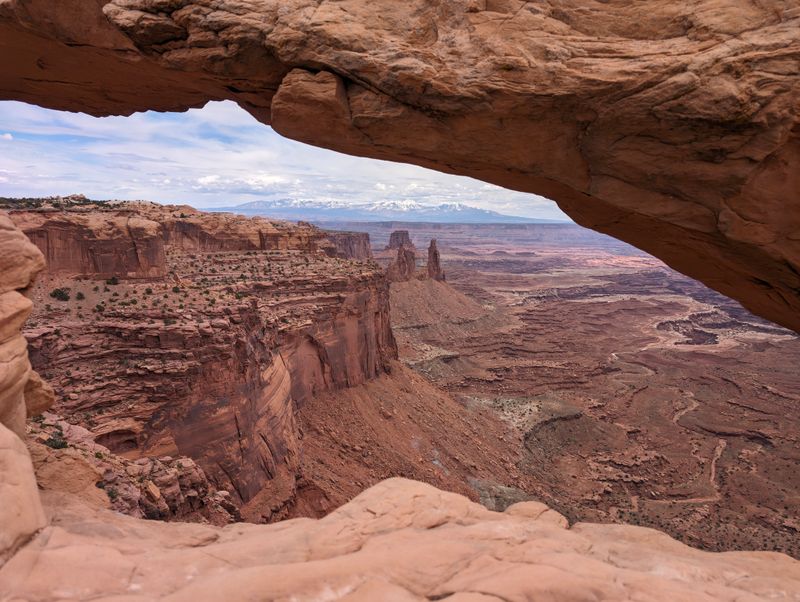
Vast doesn’t even begin to describe Canyonlands.
This is Utah’s largest national park, divided into four distinct districts by the Colorado and Green Rivers.
Island in the Sky offers mind-blowing overlooks where you can see for miles across layered canyons and mesas.
Mesa Arch at sunrise is a photographer’s dream, with the morning light glowing through the arch like fire.
The Needles district features colorful spires and excellent backpacking, while the remote Maze challenges even experienced adventurers.
This park rewards those willing to explore beyond the main roads.
5. Capitol Reef National Park
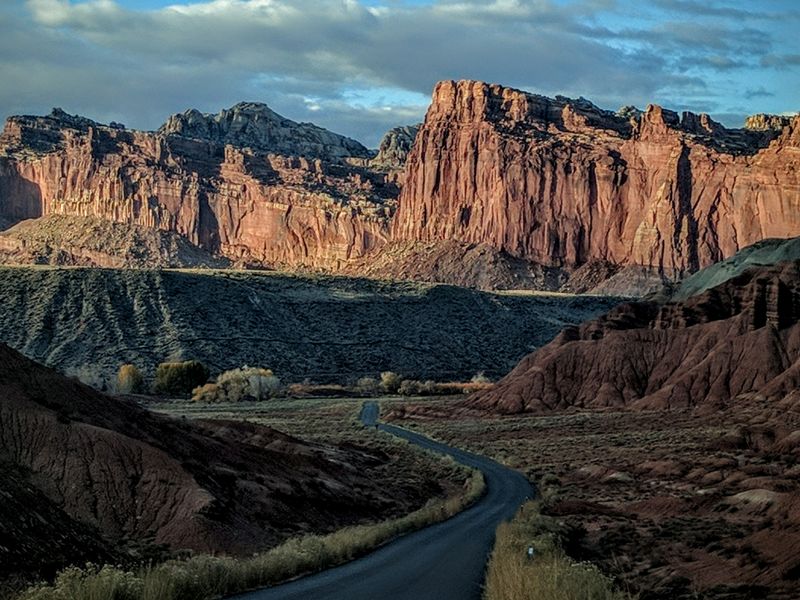
Often called Utah’s hidden gem, Capitol Reef doesn’t get the crowds of its famous neighbors, but it absolutely should.
The Waterpocket Fold, a 100-mile wrinkle in the Earth’s crust, creates a landscape of domes, cliffs, and canyons that seem to change color by the hour.
Historic orchards planted by Mormon pioneers still produce fruit you can pick seasonally.
The scenic drive through Capitol Gorge takes you between towering walls, and petroglyphs left by ancient Fremont people add mystery to your adventure.
6. Glen Canyon National Recreation Area
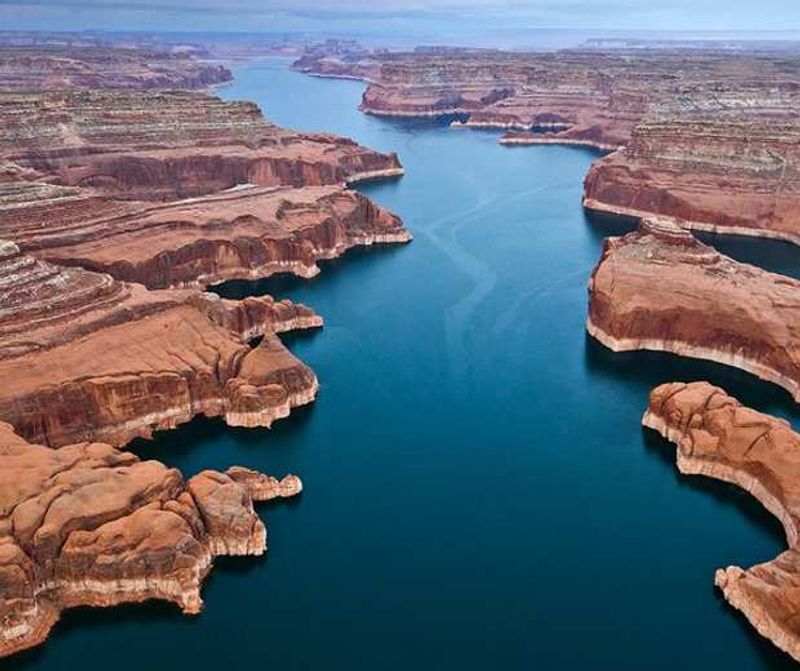
Where water meets rock, magic happens.
Lake Powell’s impossibly blue waters wind through red sandstone canyons for nearly 2,000 miles of shoreline.
Houseboating here is legendary—imagine waking up in a hidden cove surrounded by glowing canyon walls.
Rainbow Bridge, one of the world’s largest natural bridges, hides in a remote side canyon accessible by boat.
Kayaking, paddleboarding, and fishing offer endless ways to explore.
The contrast between the turquoise water and burnt-orange rocks creates photographs that look almost too perfect to be real.
7. Cedar Breaks National Monument
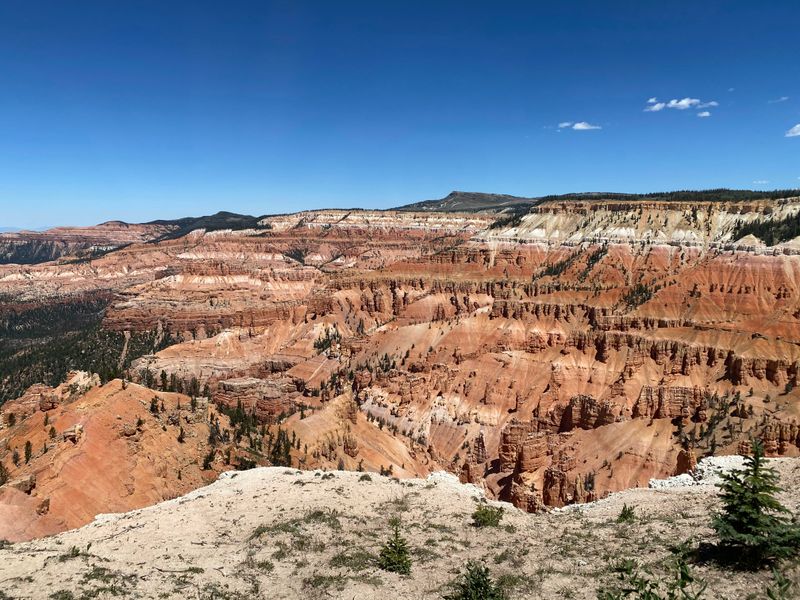
Think of Cedar Breaks as Bryce Canyon’s higher, wilder cousin.
Perched at over 10,000 feet, this natural amphitheater drops away in a dizzying display of colors—red, orange, yellow, and purple layers create a painter’s palette in stone.
Summer brings carpets of wildflowers to the alpine meadows surrounding the rim.
The high elevation means cooler temperatures and spectacular star-gazing opportunities.
Snow closes the main road in winter, but that transforms the monument into a peaceful wonderland for snowshoeing and cross-country skiing enthusiasts.
8. Natural Bridges National Monument
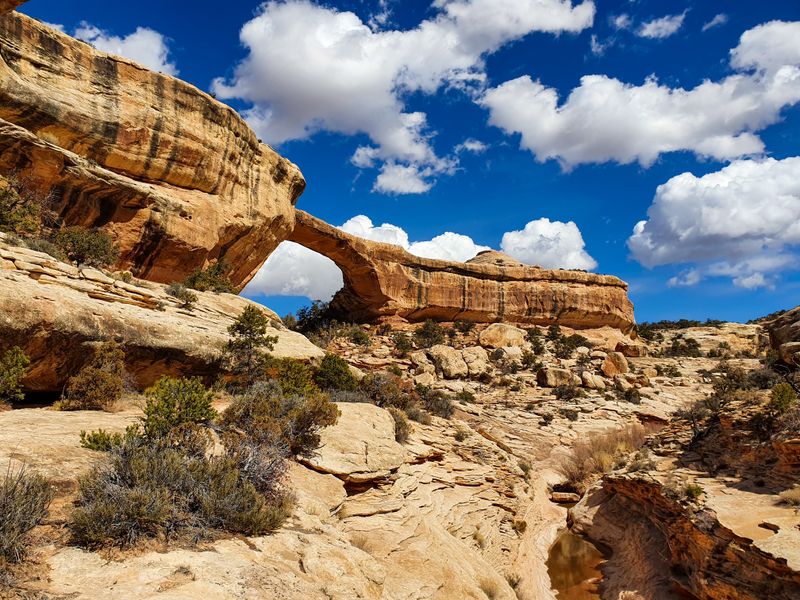
Three magnificent bridges—Sipapu, Kachina, and Owachomo—span the canyons here, carved by flowing water over countless millennia.
Sipapu Bridge ranks as the second-largest natural bridge in the world, an architectural wonder created entirely by nature.
A scenic loop drive connects overlooks of all three bridges, though hiking down into the canyons offers the most rewarding perspectives.
As the first International Dark Sky Park, Natural Bridges provides some of America’s best stargazing, with the Milky Way stretching brilliantly overhead on clear nights.
9. Hovenweep National Monument
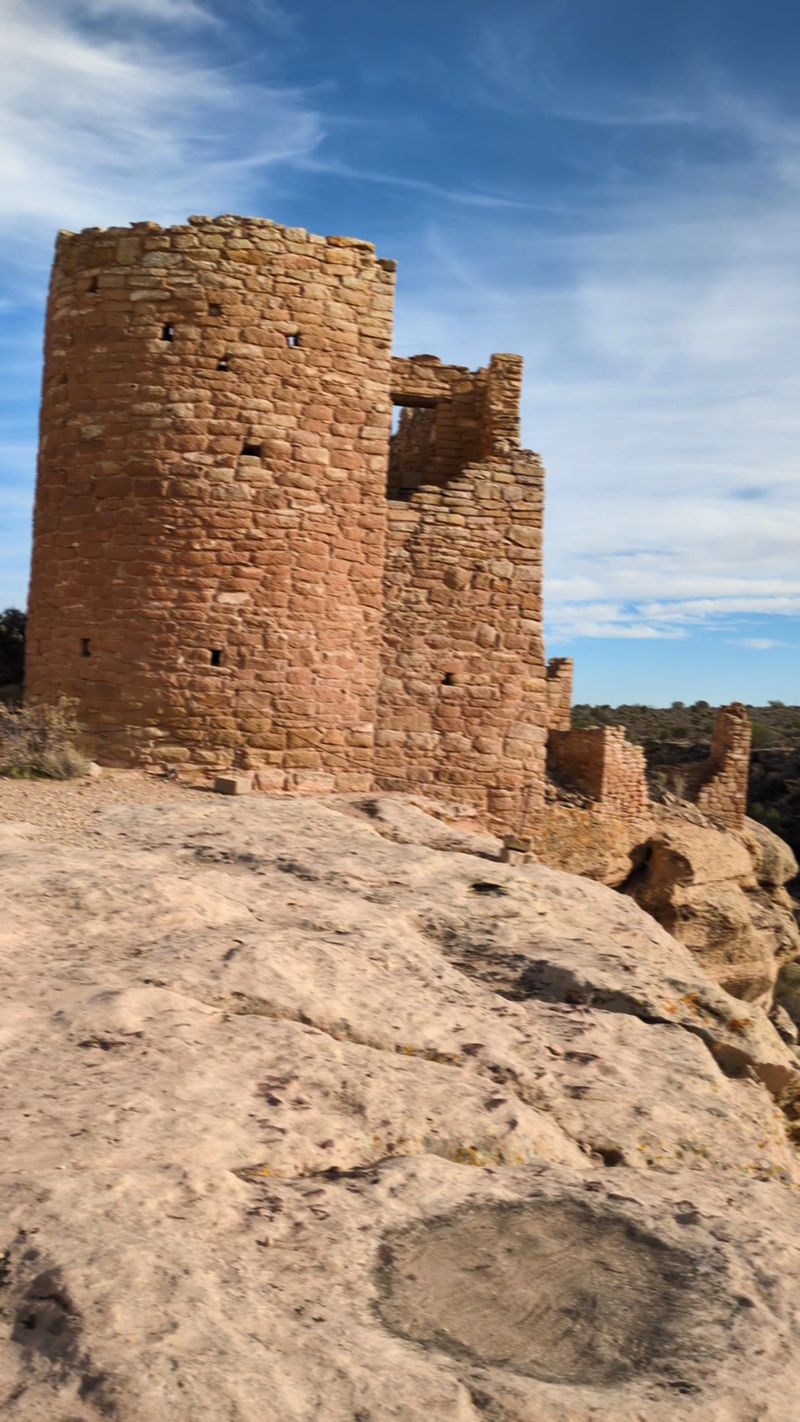
Mystery hangs in the air at Hovenweep, where ancient towers built by Ancestral Puebloans still stand after 700 years.
These multi-story stone structures perch dramatically on canyon rims and boulders, their exact purpose still debated by archaeologists.
Were they astronomical observatories, defensive fortifications, or ceremonial buildings?
Walking among these ruins connects you directly to the ingenious people who thrived in this harsh desert environment.
The remote location means fewer visitors, giving you space to contemplate these architectural marvels in peaceful solitude.
10. Dinosaur National Monument
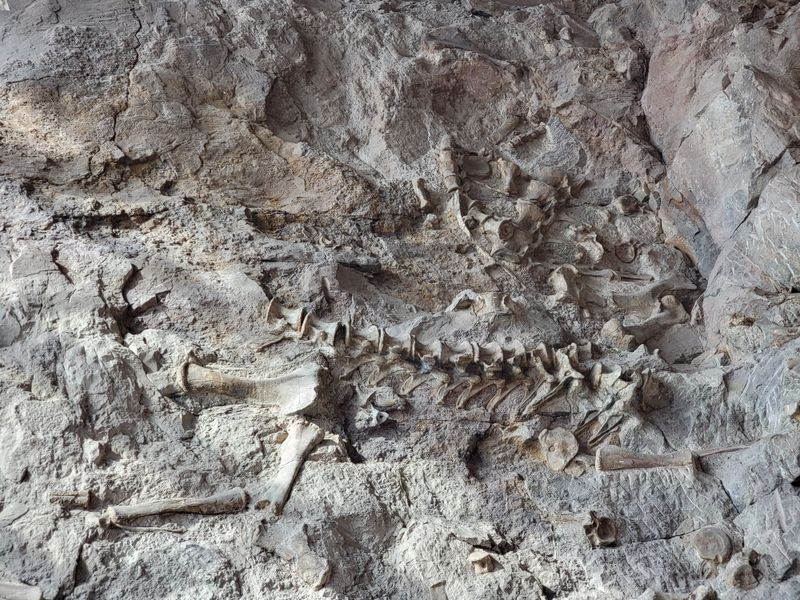
Dinosaurs once roamed here, and their bones still remain embedded in the rocks.
The Quarry Exhibit Hall protects a cliff face containing over 1,500 dinosaur fossils—you can literally touch bones that are 149 million years old.
Beyond the fossils, the monument encompasses stunning canyon country where the Green and Yampa
Rivers carved deep gorges through ancient rock layers.
Petroglyphs left by the Fremont culture add another layer of history.
River rafting through Split Mountain Canyon combines thrilling whitewater with geological time travel.
11. Golden Spike National Historical Park
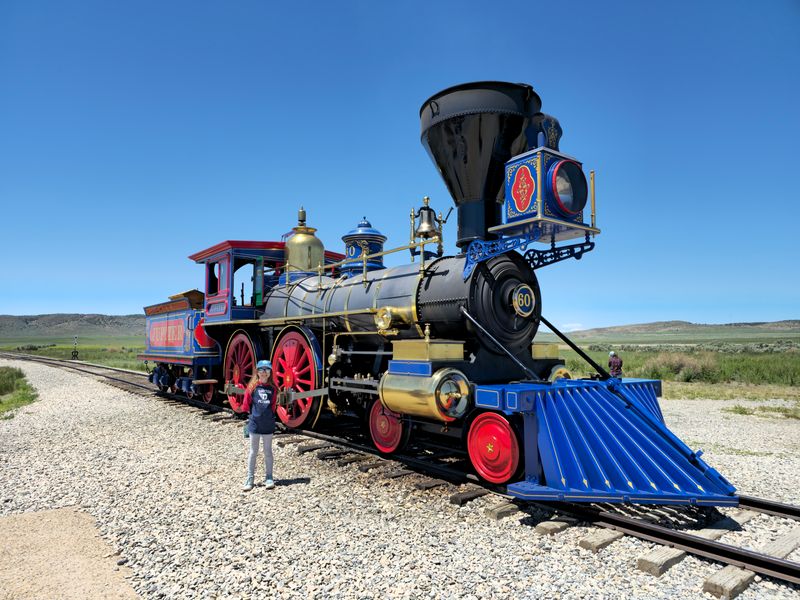
History came alive on May 10, 1869, when the final spike connected America’s first transcontinental railroad right here.
Two locomotives met nose-to-nose, linking the nation from coast to coast for the first time.
Today, beautifully restored steam engines reenact that momentous meeting during summer months, their whistles echoing across the Utah desert.
The visitor center tells the incredible story of the thousands of workers, including many Chinese and Irish immigrants, who built this engineering marvel.
Standing on this historic ground, you can almost hear the cheers that changed America forever.