
10 Remote Villages In Alaska To Add To Your Travel List
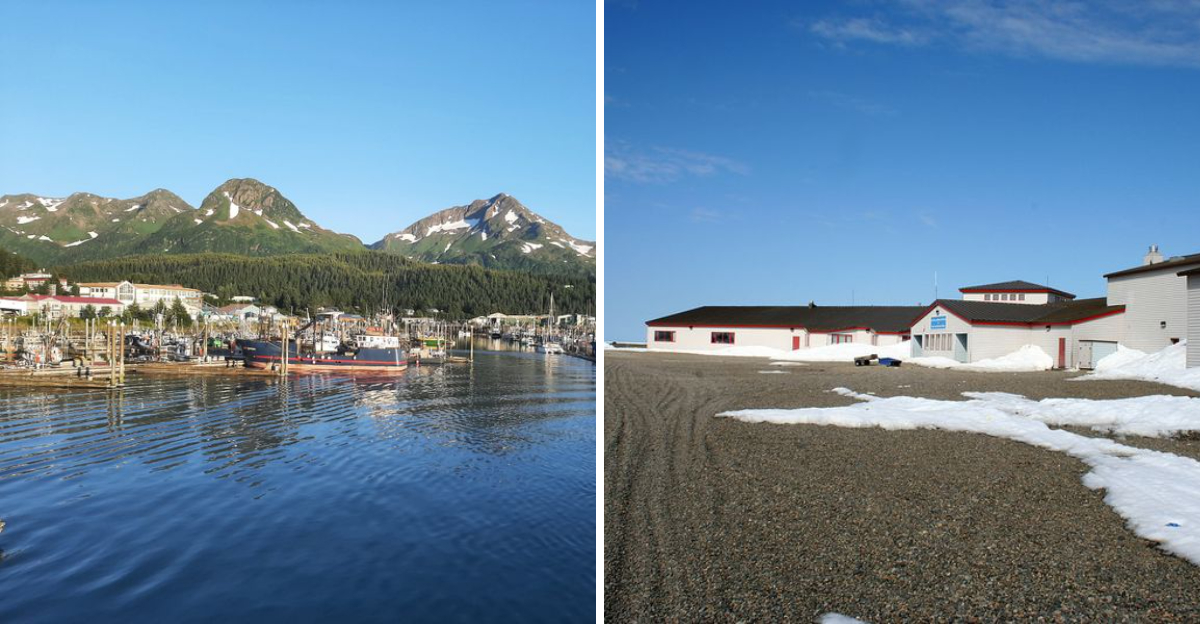
Alaska holds some of the most isolated and fascinating villages on Earth, where ancient traditions meet breathtaking wilderness.
Visiting these remote communities offers a rare chance to experience authentic Native cultures, stunning Arctic landscapes, and wildlife encounters you won’t find anywhere else.
These villages may be hard to reach, but the journey rewards you with unforgettable memories and perspectives that will change how you see the world.
1. Kaktovik
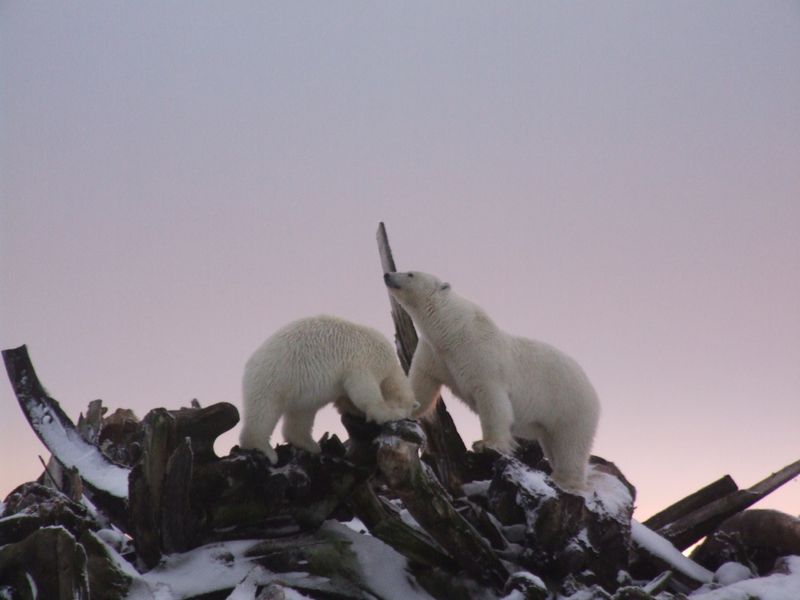
Perched on Barter Island along the Beaufort Sea, this tiny village offers something extraordinary: polar bear viewing like nowhere else.
Every autumn, these magnificent creatures gather near the shore to feast on whale remains left by local hunters.
Only about 250 people call this place home, mostly Iñupiat residents who maintain their subsistence lifestyle.
The Arctic National Wildlife Refuge surrounds the area, creating endless opportunities for spotting caribou, muskoxen, and Arctic foxes.
Getting here requires a small plane from Fairbanks or Deadhorse, but witnessing polar bears in their natural habitat makes every effort worthwhile.
2. Shishmaref
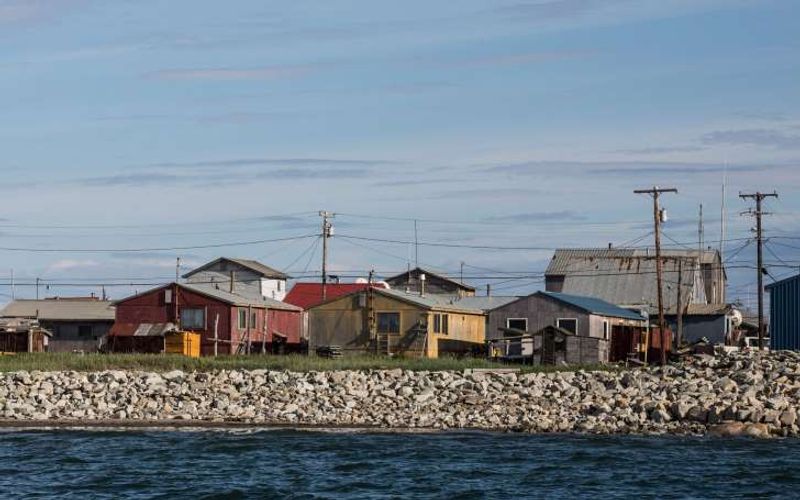
Sitting on a narrow barrier island in the Chukchi Sea, this Iñupiat community faces one of climate change’s most dramatic effects.
Coastal erosion threatens homes each year, making this village a powerful symbol of environmental transformation.
Despite these challenges, around 600 residents continue their traditions of hunting seals, walrus, and fishing for salmon.
The village has no roads connecting it to the mainland, so supplies arrive by plane or barge during brief summer months.
Visiting here offers profound insight into Arctic resilience and adaptation.
3. Gambell
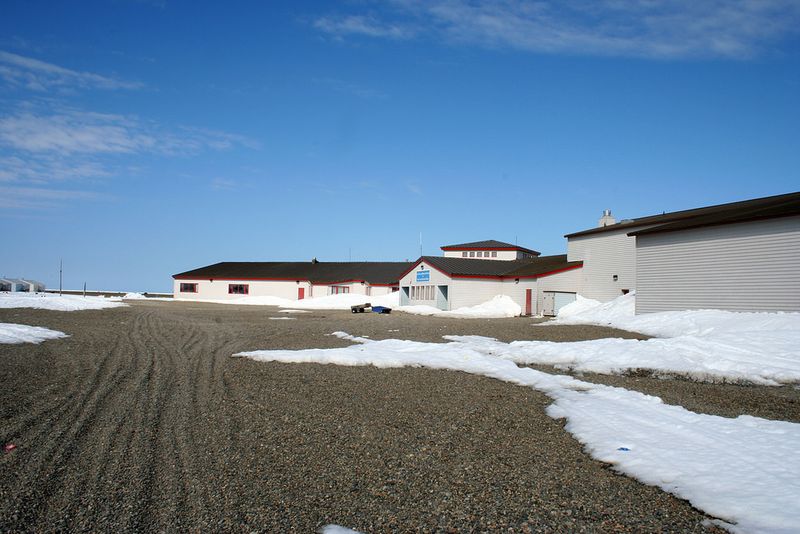
Located on St. Lawrence Island’s northwest tip, this Siberian Yupik village sits just 36 miles from Russia.
On clear days, you can actually see Siberian mountains across the Bering Strait, creating an incredible geographic connection.
Whaling remains central to life here, with ancient whale bones scattered across the landscape like outdoor museums.
About 700 residents practice subsistence hunting and maintain cultural ties with relatives still living in Siberia.
Birdwatchers flock here during migration seasons to spot rare Asian species rarely seen elsewhere in North America.
4. Savoonga
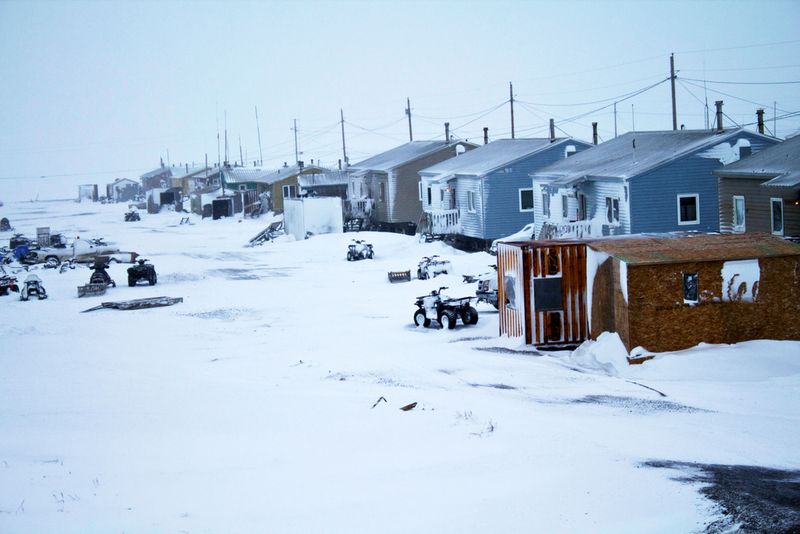
Sharing St. Lawrence Island with Gambell, this Siberian Yupik community sits on the island’s northern coast.
Archaeological treasures regularly emerge from the permafrost here, including ancient ivory carvings and tools dating back thousands of years.
Walrus hunting defines the rhythm of life, providing food, materials, and cultural continuity for approximately 670 residents.
The village operates on a cash-and-subsistence economy, where traditional practices blend with modern necessities.
Strong winds sweep across the treeless tundra year-round, creating a harsh but stunningly beautiful environment that shapes everything.
5. Utqiaġvik
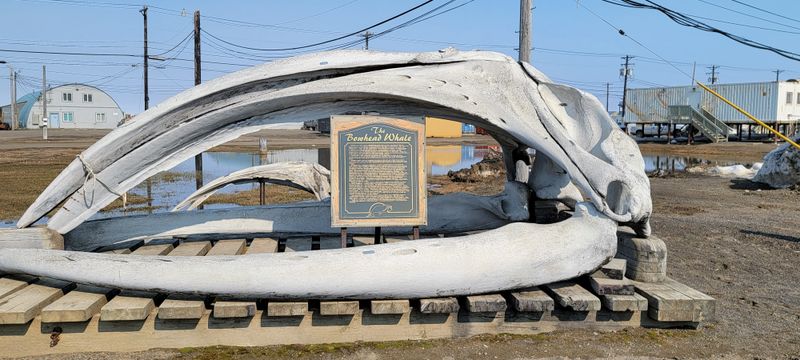
Formerly known as Barrow, this is America’s northernmost community, where the sun doesn’t set for 82 days during summer or rise for 65 days in winter.
Experiencing the midnight sun or polar night creates an otherworldly sensation that challenges your sense of time.
Around 4,400 residents, predominantly Iñupiat, balance modern amenities with whaling traditions stretching back millennia.
The Iñupiat Heritage Center showcases incredible artifacts, traditional dancing, and blanket toss demonstrations.
Temperatures can plunge to negative 50 degrees Fahrenheit, making proper preparation absolutely essential.
6. Kotzebue
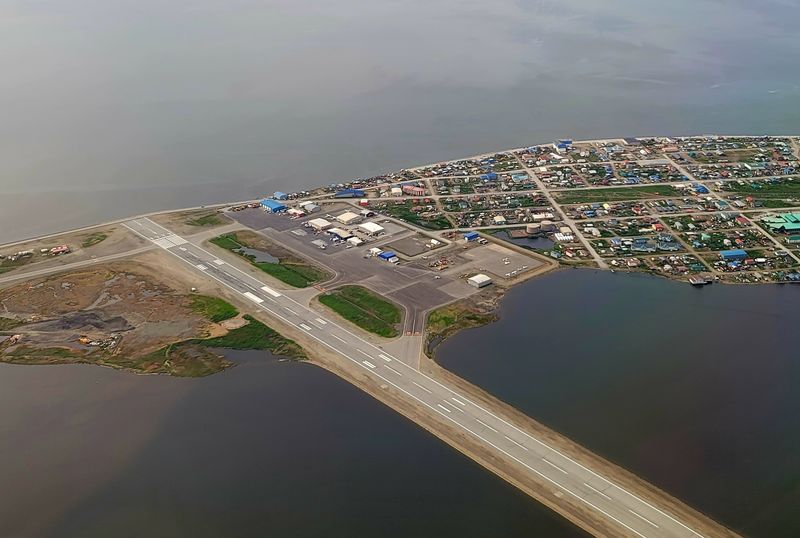
Built on a gravel spit jutting into Kotzebue Sound, this regional hub serves as the gateway to northwest Alaska’s wilderness.
Nearly 3,200 people live here, making it one of Alaska’s larger Native communities, predominantly Iñupiat.
The Northwest Arctic Heritage Center offers fascinating exhibits on local culture, wildlife, and the stunning landscapes surrounding the area.
Summer brings 24-hour daylight and opportunities for fishing, while winter showcases spectacular aurora displays dancing across endless darkness.
Small plane services connect Kotzebue to surrounding villages and Anchorage, maintaining vital supply lines.
7. Bethel
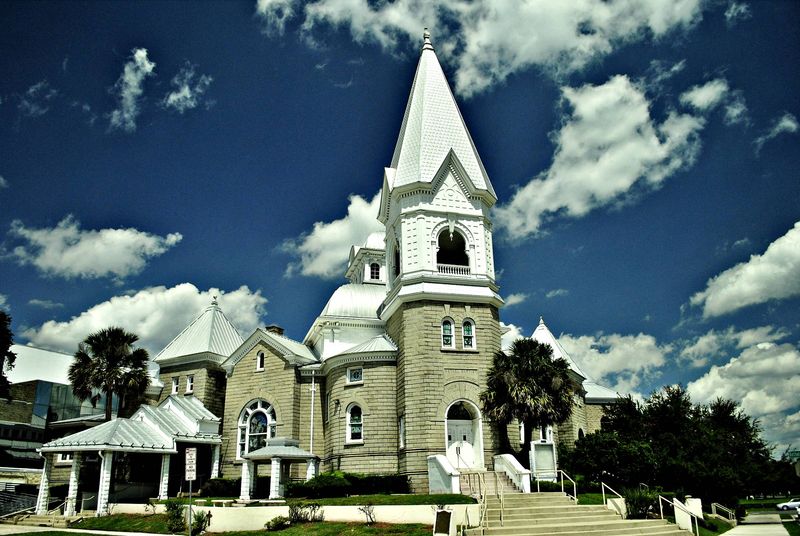
Positioned where the Kuskokwim River meets vast tundra, this Yupik community serves as the Yukon-Kuskokwim Delta’s commercial center.
Approximately 6,400 residents make this Alaska’s eighth-largest city, though it remains completely roadless and accessible only by air or river.
Salmon fishing dominates summer activities, with families processing catches using methods passed down through generations.
The Yupiit Piciryarait Cultural Center preserves language, dance, and traditional knowledge through engaging programs and exhibits.
Winters bring dog mushing, ice fishing, and temperatures that regularly drop below zero.
8. Fort Yukon
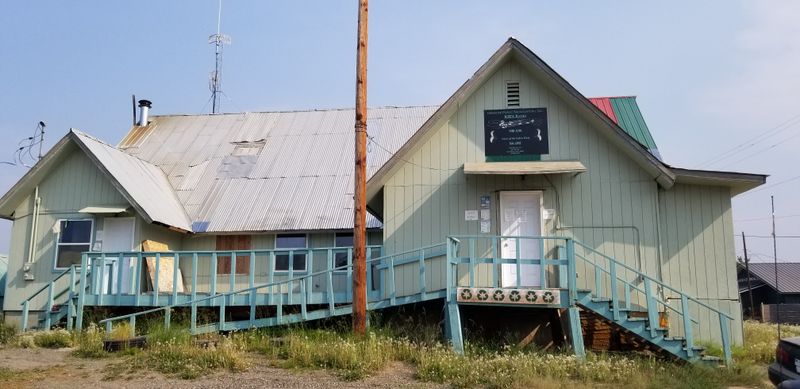
Nestled where the Yukon and Porcupine Rivers converge, this Gwich’in Athabascan village lies eight miles north of the Arctic Circle.
Despite its northern location, Fort Yukon holds Alaska’s record high temperature of 100 degrees Fahrenheit, recorded in 1915!
About 580 residents maintain strong connections to caribou hunting traditions that have sustained their ancestors for countless generations.
The Yukon Flats National Wildlife Refuge surrounds the area, creating prime habitat for millions of migrating waterfowl.
Summer offers endless daylight for fishing and exploring the mighty rivers.
9. Cordova
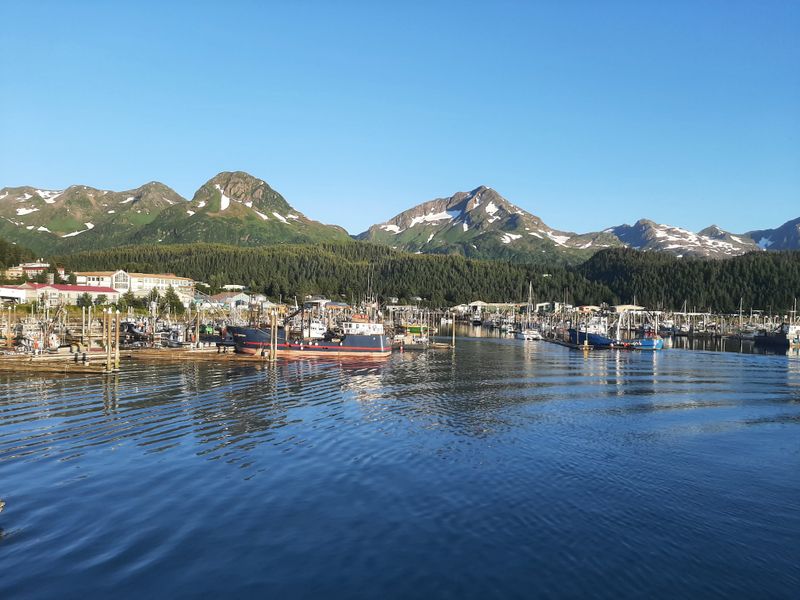
Tucked against Prince William Sound’s eastern shore, this fishing village combines stunning mountain scenery with rich maritime heritage.
Around 2,200 people live here, their livelihoods tied to some of Alaska’s most productive fishing grounds.
The Copper River salmon fishery draws worldwide attention each spring, with these prized fish commanding premium prices at restaurants globally.
No roads connect Cordova to the outside world, preserving its authentic character and tight-knit community feel.
Millions Glacier Highway offers breathtaking views of glaciers, wildlife, and pristine wilderness just minutes from town.
10. Gustavus
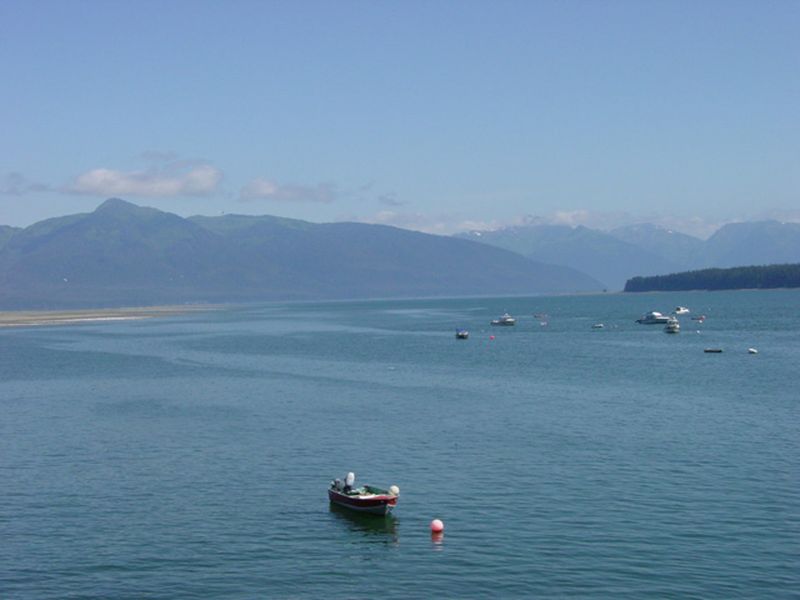
Serving as Glacier Bay National Park’s gateway, this tiny community of about 450 residents offers incredible access to one of Earth’s most spectacular landscapes.
Massive tidewater glaciers, breaching humpback whales, and dense temperate rainforests surround the area.
Unlike many remote Alaskan villages, Gustavus attracts adventurous travelers seeking wilderness experiences without sacrificing basic comforts.
Local lodges, restaurants, and tour operators provide excellent services while maintaining the area’s peaceful, unhurried atmosphere.
Fishing, kayaking, and wildlife watching opportunities here rank among Alaska’s absolute best.