
13 Beautiful Desert Landscapes To Explore In Arizona
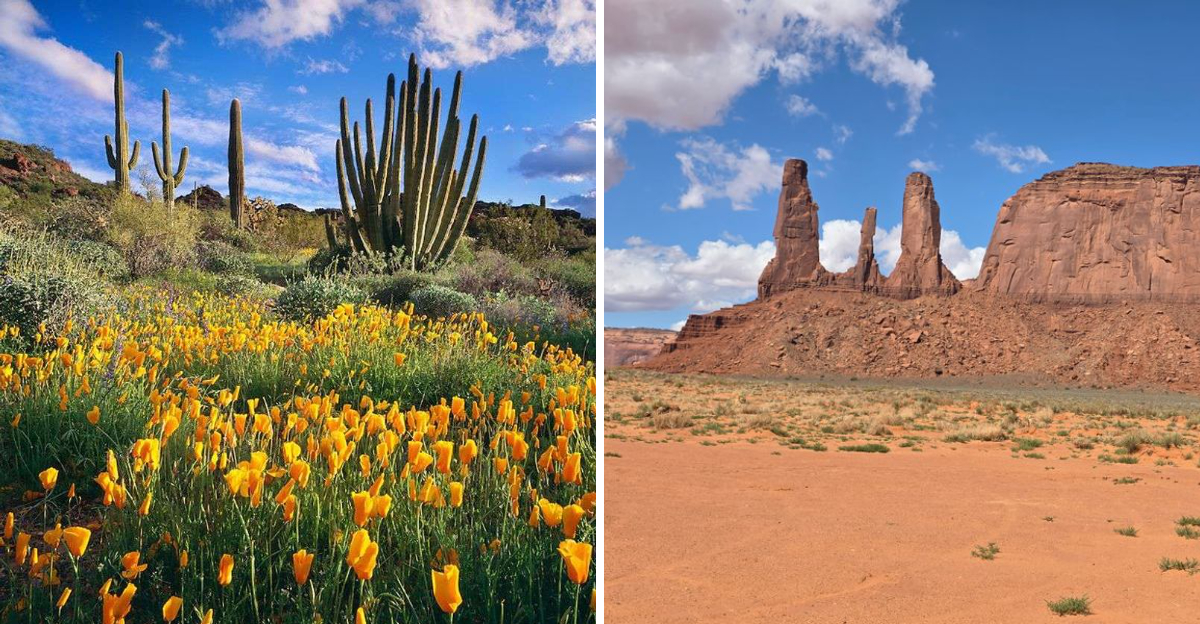
Arizona’s deserts feel like nature’s own open-air gallery, where sculpted rock, soaring cacti, and endless skies come together in dramatic fashion.
From forests of towering saguaros to fiery red canyons carved over millions of years, the landscapes here are bold, raw, and unforgettable.
Every mile reveals a new contrast, soft sand against jagged stone, silence broken only by wind and wildlife.
Whether you’re watching the sun melt into the horizon or hiking across ancient lava fields, the Grand Canyon State offers awe-inspiring moments at every turn.
It’s a place where adventure, beauty, and timeless geology collide in spectacular ways.
1. Saguaro National Park
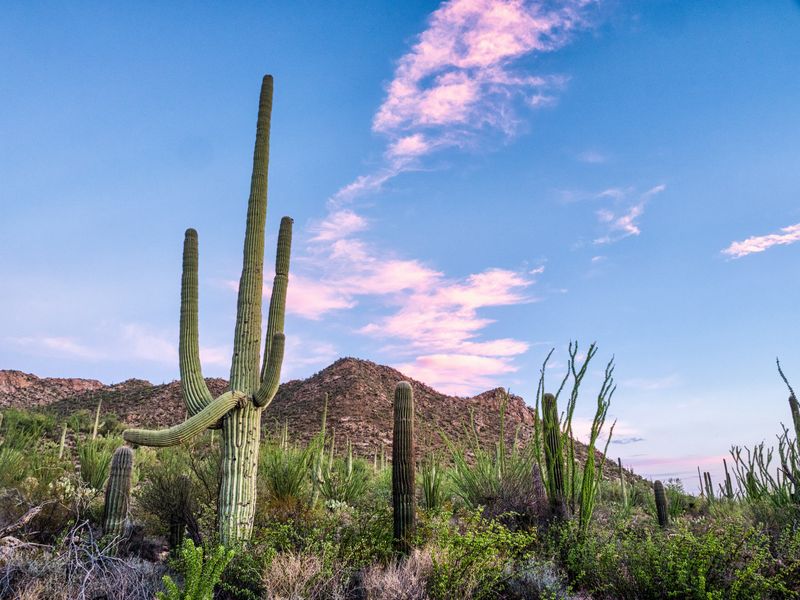
Picture thousands of giant cacti standing like sentinels across the Sonoran Desert, their arms reaching toward brilliant blue skies.
Saguaro National Park protects these iconic symbols of the American Southwest, some towering over 40 feet tall and living for more than 200 years.
Split into two districts east and west of Tucson, this park offers incredible hiking trails that wind through dense cactus forests.
You’ll spot wildlife like roadrunners, javelinas, and Gila woodpeckers making homes in these prickly giants while soaking in views that define Arizona’s desert beauty.
2. Organ Pipe Cactus National Monument
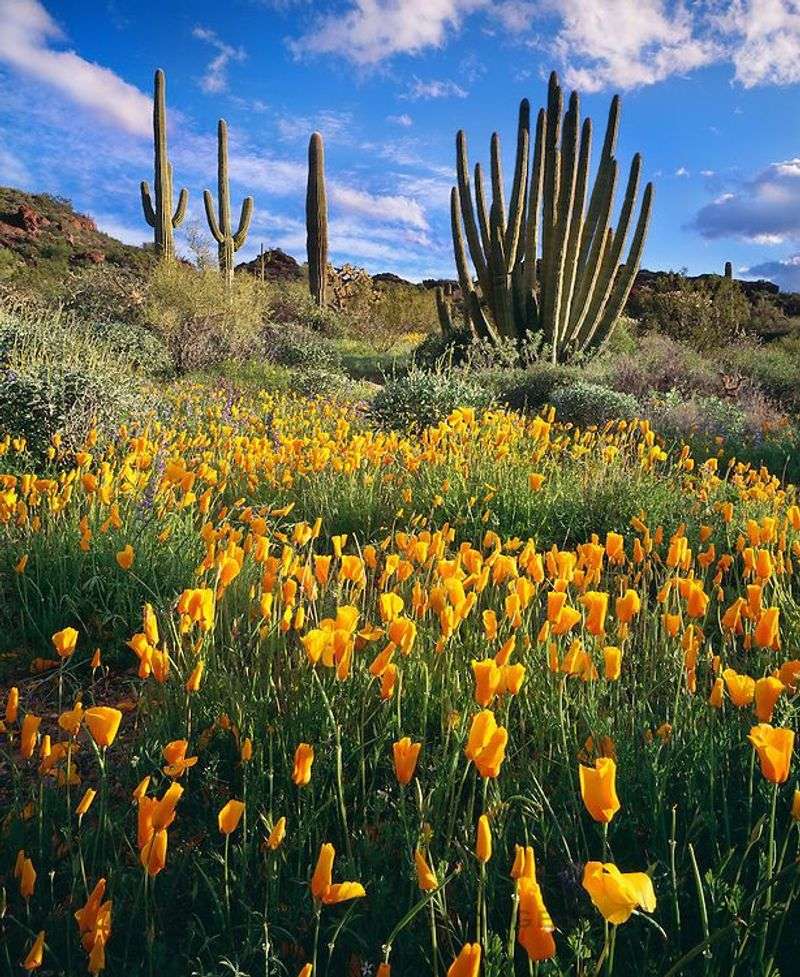
Along Arizona’s border with Mexico lies a desert wonderland where rare organ pipe cacti thrive in their northernmost habitat.
Unlike their saguaro cousins, these cacti grow multiple stems from a single base, resembling the pipes of a massive church organ rising from the sandy ground.
The 21-mile Ajo Mountain Drive takes you through stunning valleys filled with these unusual plants, ocotillos, and palo verde trees.
Spring transforms this landscape into a wildflower paradise, painting the desert floor in vibrant purples, yellows, and oranges that contrast beautifully against rust-colored mountains.
3. Sonoran Desert National Monument
Stretching across nearly 500,000 acres southwest of Phoenix, this monument showcases the incredible biodiversity of the Sonoran Desert ecosystem.
Ancient volcanic peaks pierce the horizon while bajadas slope gently downward, covered in a tapestry of cacti, shrubs, and desert wildflowers that bloom spectacularly after winter rains.
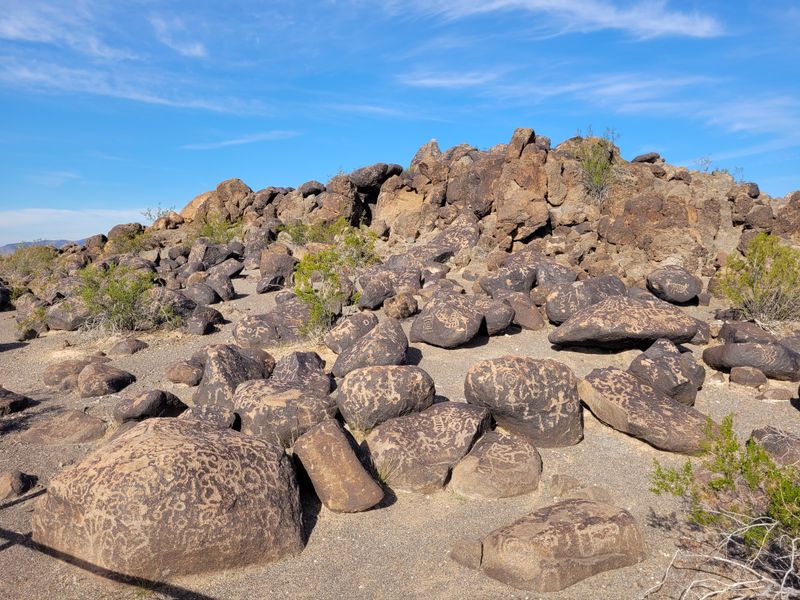
Petroglyphs left by the Hohokam people dot the landscape, telling stories from centuries past.
Adventurous visitors can explore remote washes, discover hidden springs, and witness sunsets that set the entire desert ablaze in shades of orange, pink, and gold.
4. Kofa National Wildlife Refuge
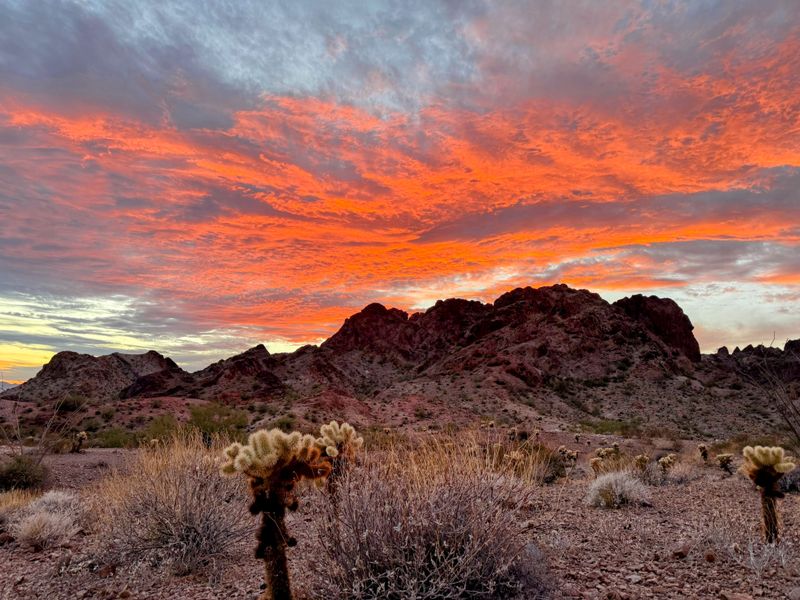
Jagged mountain ranges rise dramatically from flat desert plains in this remote refuge established to protect desert bighorn sheep.
The Kofa Mountains create an otherworldly landscape of twisted rock formations, steep canyons, and hidden palm groves that seem impossible in such an arid environment.
Palm Canyon Trail leads to one of Arizona’s few native palm oases, where California fan palms survive in a narrow gorge fed by seeping groundwater.
Photographers love capturing the golden light that illuminates these rugged peaks at sunrise, creating shadows that dance across ancient volcanic rock formations throughout the day.
5. Picacho Peak State Park
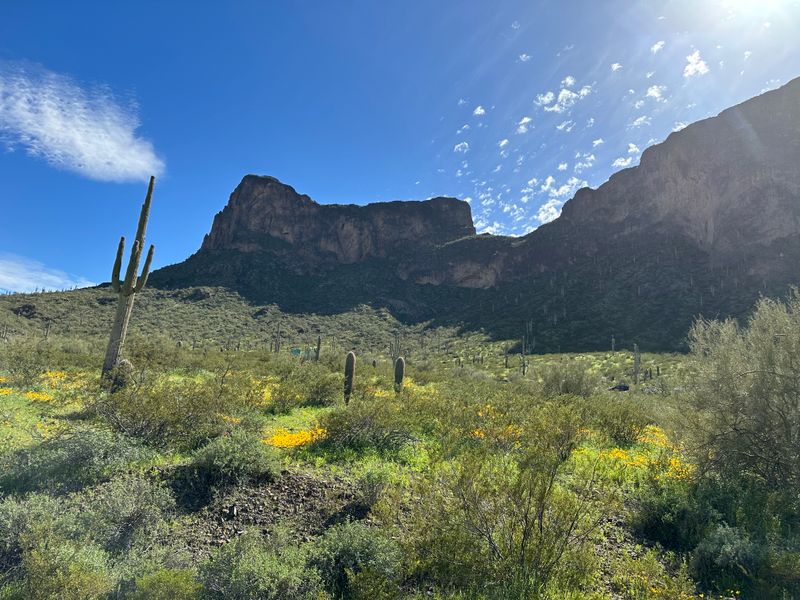
Rising 1,500 feet above the desert floor between Phoenix and Tucson stands a volcanic spire that’s visible for miles in every direction.
Picacho Peak’s distinctive pointed summit has served as a landmark for travelers for centuries, from Native Americans to Spanish explorers to modern road-trippers cruising Interstate 10.
Challenging trails equipped with steel cables lead adventurous hikers to the summit, rewarding them with panoramic desert views stretching to distant mountain ranges.
Each spring, the surrounding desert explodes with California poppies, creating carpets of brilliant orange that attract visitors from around the world.
6. Antelope Canyon
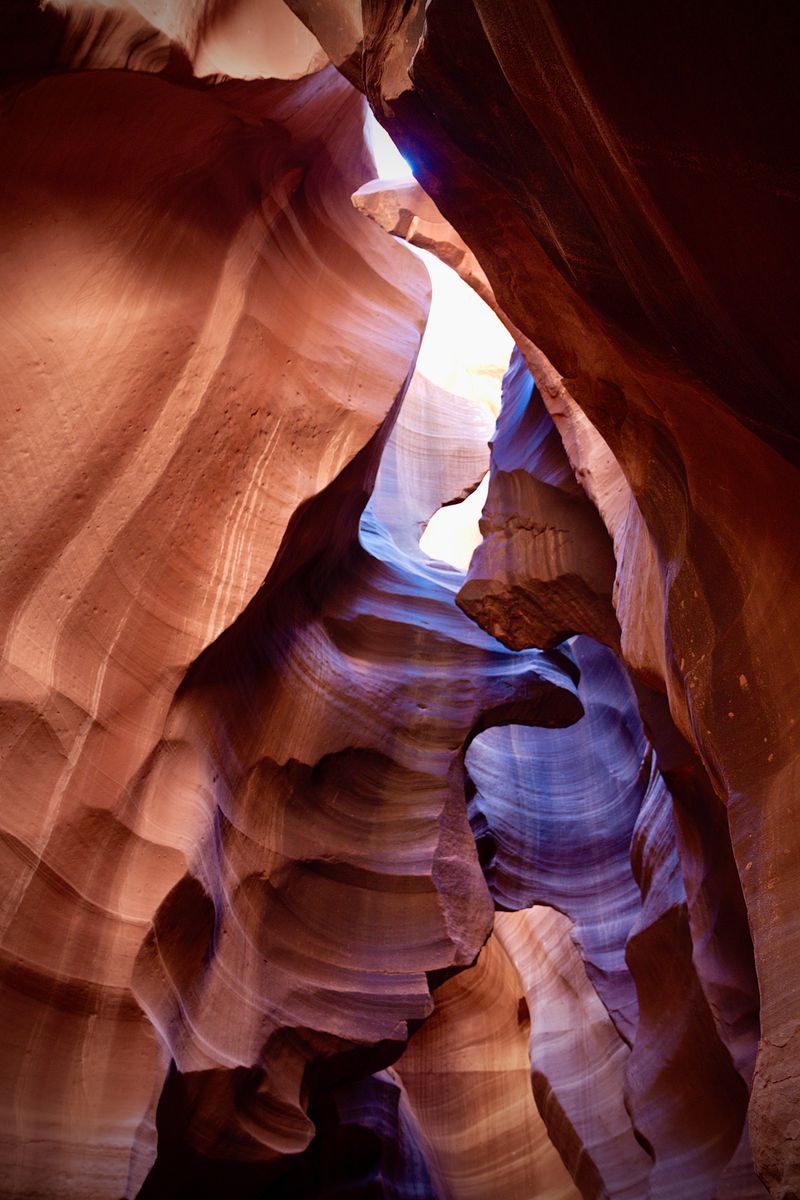
Flowing water has carved one of Earth’s most photographed natural wonders into Navajo sandstone near Page, Arizona.
Antelope Canyon’s narrow passageways twist and turn through rock that glows in shades of orange, red, and purple as sunlight filters down from above, creating an almost supernatural atmosphere.
Upper Antelope Canyon is famous for those magical light beams that pierce the darkness during summer months, while Lower Antelope Canyon offers a more intimate experience through even narrower corridors.
You’ll need a Navajo guide to explore these sacred slots, where every turn reveals new curves and colors sculpted over millennia.
7. Monument Valley Navajo Tribal Park
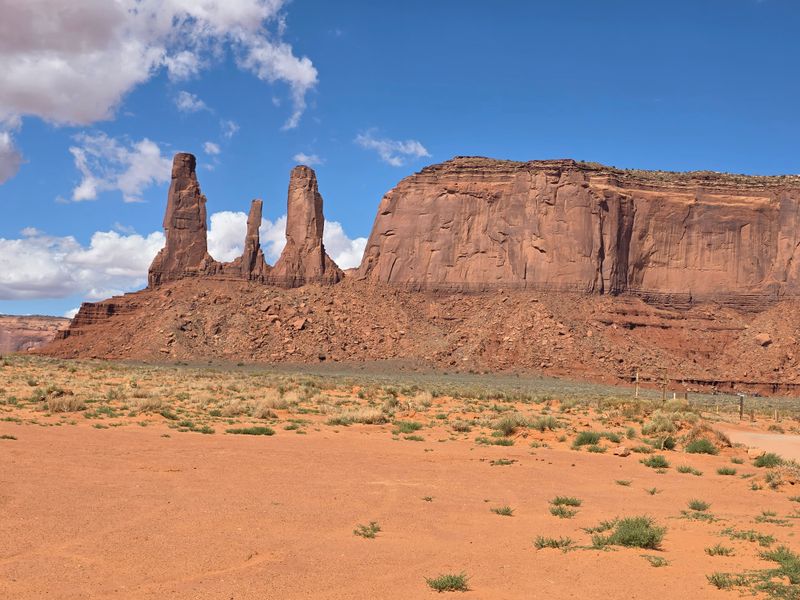
Nothing says Wild West quite like the towering sandstone buttes that dominate Monument Valley’s horizon.
These massive formations, including the famous Mittens and Merrick Butte, rise up to 1,000 feet from the valley floor, creating silhouettes that have defined countless Western films and photographs.
Driving the 17-mile dirt loop through Navajo lands feels like stepping into a John Ford movie, with red sand, scattered juniper trees, and rock monuments glowing brilliantly at sunrise and sunset.
Local Navajo guides offer deeper access to hidden arches, petroglyphs, and viewpoints that reveal why this landscape remains sacred to indigenous people.
8. Petrified Forest National Park (Painted Desert)
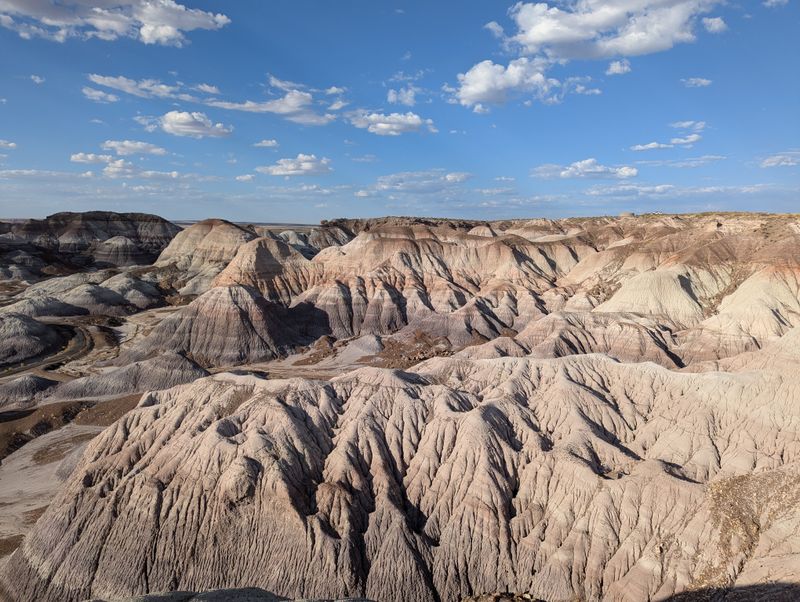
Badlands painted in rainbow hues stretch across the northern portion of this unique national park, where 225-million-year-old trees have turned to stone.
The Painted Desert section showcases layers of bentonite clay in shades of lavender, gray, red, and cream that shift constantly depending on the angle of sunlight and recent rainfall.
Ancient petrified logs scattered throughout the park sparkle with crystallized quartz, while petroglyphs and pueblo ruins remind visitors that humans have marveled at this landscape for thousands of years.
Route 66 even passes through the park, adding vintage Americana to prehistoric wonders.
9. Vermilion Cliffs National Monument
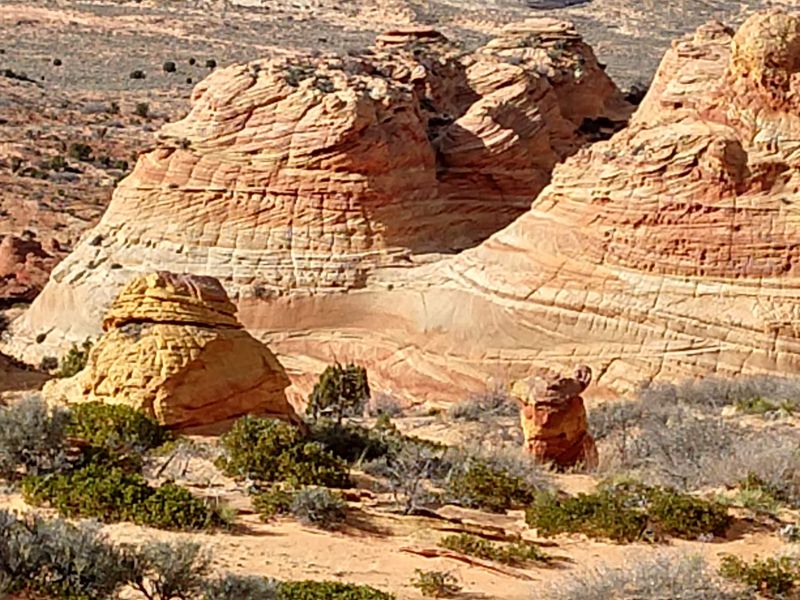
Massive escarpments blaze in shades of crimson and orange across nearly 300,000 acres of remote northern Arizona wilderness.
Vermilion Cliffs National Monument protects some of the most pristine desert landscapes in the Southwest, where California condors soar above towering cliffs that seem to glow from within.
The famous Wave formation lies within this monument, though permits are notoriously difficult to obtain through the daily lottery system.
Even without accessing that specific feature, the monument offers countless opportunities to explore colorful sandstone formations, ancient sand dunes frozen in stone, and vast desert vistas unmarred by development or crowds.
10. Paria Canyon–Vermilion Cliffs Wilderness
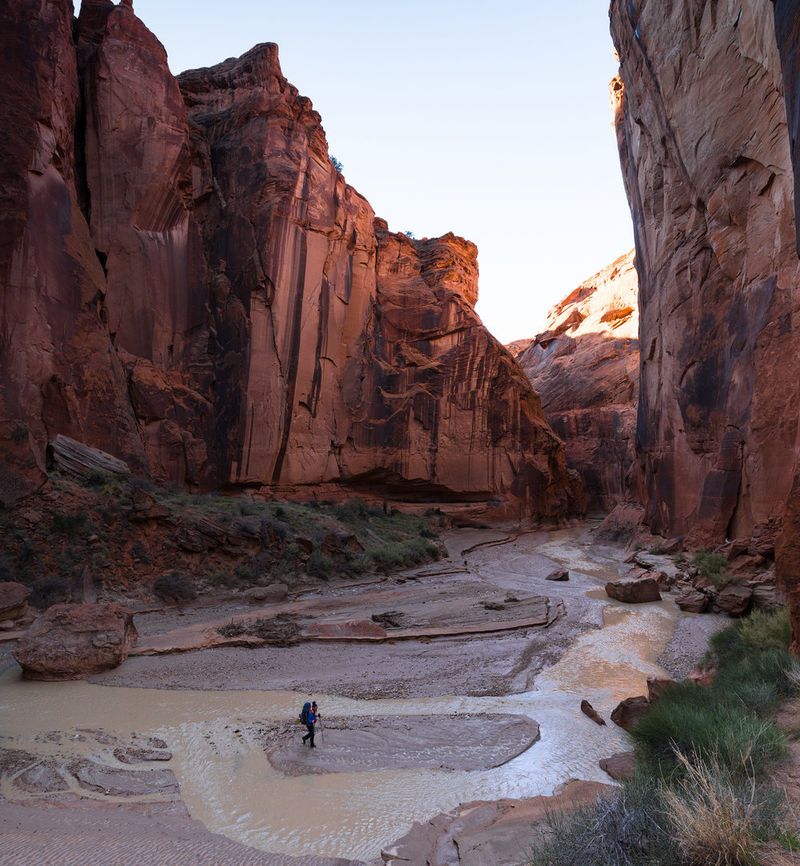
Carved by the Paria River, this remote wilderness area contains some of Arizona’s most challenging and rewarding backpacking routes.
Narrow canyon walls rise hundreds of feet on either side of the shallow river, displaying incredible geology in swirling patterns of red, orange, yellow, and white sandstone layers.
Multi-day permits are required for the full 38-mile trek through Paria Canyon to Lees Ferry, where hikers wade through water, scramble over boulders, and camp on sandy beaches beneath towering cliffs.
Side canyons reveal hidden alcoves, seeps supporting lush vegetation, and rock art left by ancestral Puebloans centuries ago.
11. Horseshoe Bend
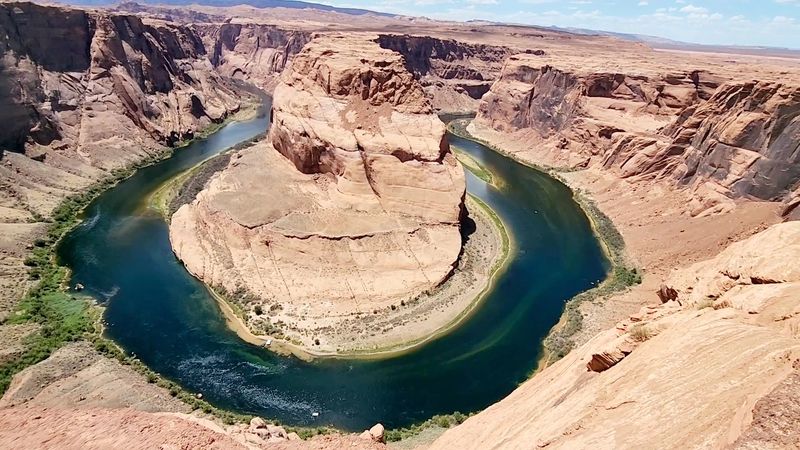
The Colorado River makes a spectacular 270-degree turn around a massive sandstone escarpment just outside Page, creating one of the most recognizable landscapes in the American Southwest.
From the overlook 1,000 feet above, the emerald-green river contrasts dramatically against burnt-orange cliffs in a view that seems almost too perfect to be real.
A short but steep three-quarter-mile trail from the parking area leads to the rim, where protective railings now help visitors safely photograph this natural wonder.
Sunset brings out the deepest colors in the rock, while the river below reflects the changing sky in shades of blue, pink, and gold.
12. Grand Canyon National Park
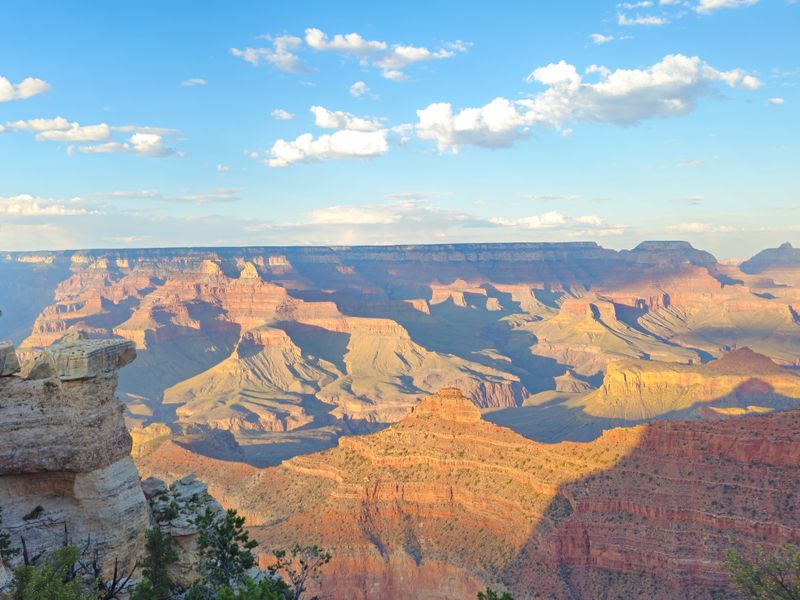
No list of Arizona desert landscapes would be complete without mentioning this geological masterpiece carved by the Colorado River over millions of years.
Stretching 277 miles long, up to 18 miles wide, and over a mile deep, the Grand Canyon reveals two billion years of Earth’s history in its colorful layered walls.
South Rim offers year-round access with numerous viewpoints, while the North Rim provides a quieter, higher-elevation experience with different perspectives.
Whether watching sunrise paint the canyon in shades of pink and gold or hiking down into the abyss itself, this wonder delivers a humbling reminder of nature’s incredible power and patience.
13. Sunset Crater Volcano National Monument
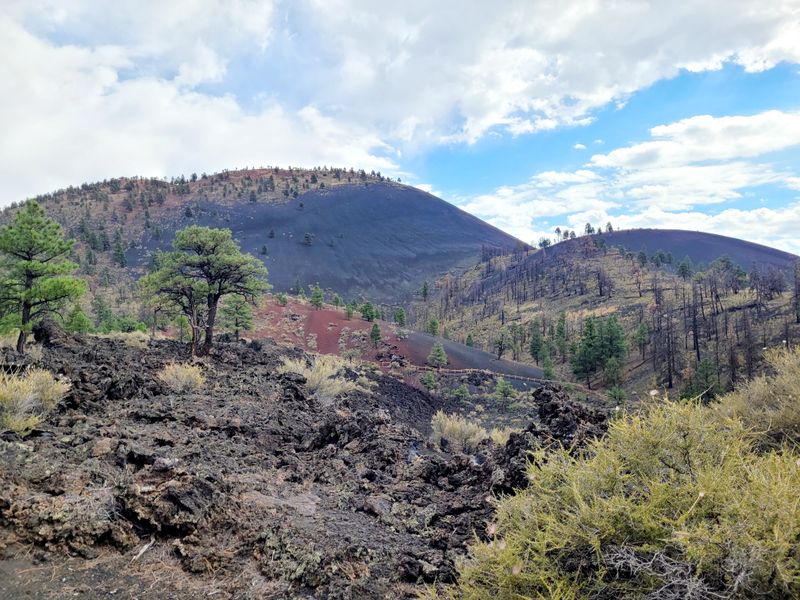
Nearly 1,000 years ago, volcanic eruptions transformed this landscape into a surreal terrain of black cinder cones, lava flows, and ash fields.
Sunset Crater’s symmetrical cone rises 1,000 feet above the surrounding desert, its rim stained red and orange by oxidized minerals that inspired its colorful name.
The one-mile Lava Flow Trail winds through a frozen river of jagged basalt where hardy plants like ponderosa pines and wildflowers somehow find purchase in the harsh volcanic rock.
Bonito Vista Trail offers panoramic views of the crater and surrounding San Francisco Peaks, showcasing how volcanic activity shaped northern Arizona’s unique desert-meets-mountain environment.