
How A Quiet North Carolina Town Became A Secret Retreat For Artists
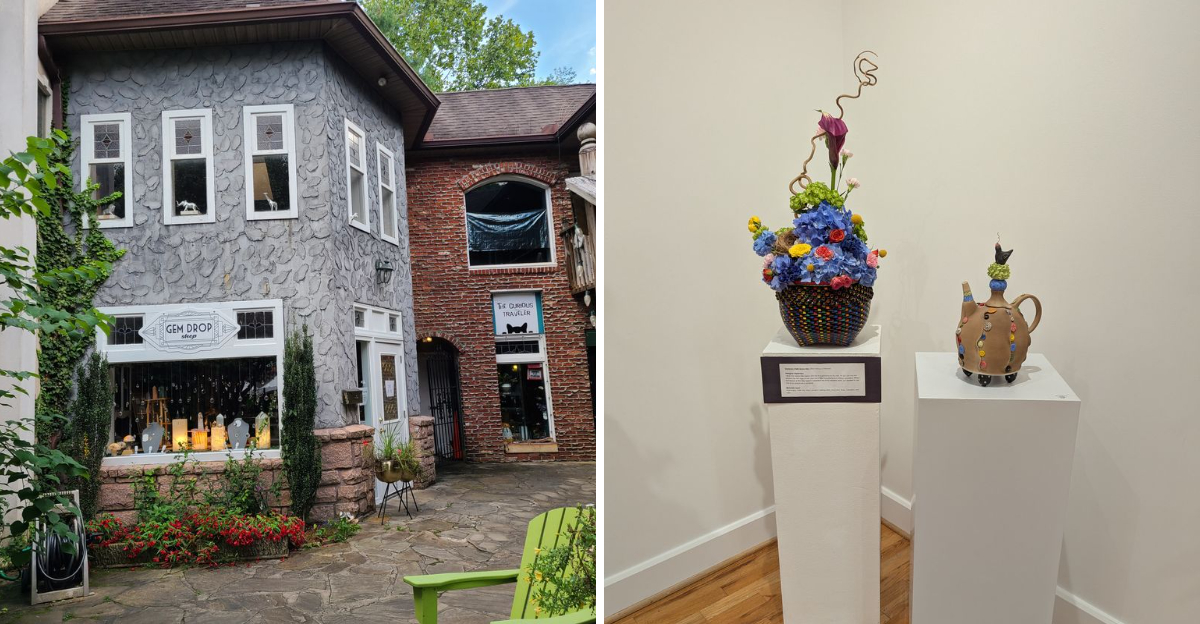
Tucked into the foothills just east of Asheville, Black Mountain has quietly become one of North Carolina’s most genuine artist havens.
This small town of about 8,400 residents has managed something rare: it built a thriving creative community without losing its soul to tourism.
What started as a trickle of painters and musicians seeking affordable space has grown into a full-fledged artistic identity, one that values working creators over gallery spectacle.
Black Mountain Offers An Arts Scene Without Asheville’s Crowds
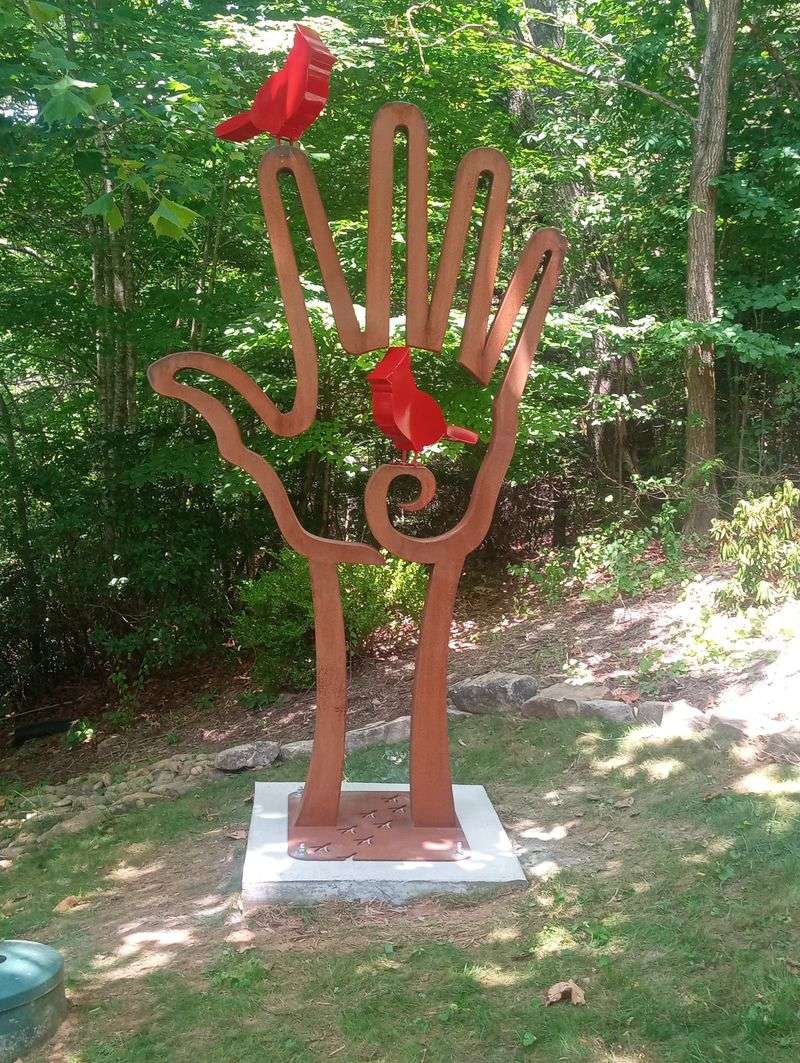
Artists began arriving in Black Mountain precisely because it wasn’t Asheville. While the larger city attracted tourists and developers, this smaller neighbor remained largely overlooked.
That anonymity became its greatest asset.
Painters and sculptors found they could work without the pressure of constant foot traffic or inflated expectations.
The town provided access to mountain beauty and cultural energy without the noise.
Studios stayed affordable, streets stayed manageable, and creativity flourished in the margins.
A Walkable Downtown Made It Easy For Artists To Settle In
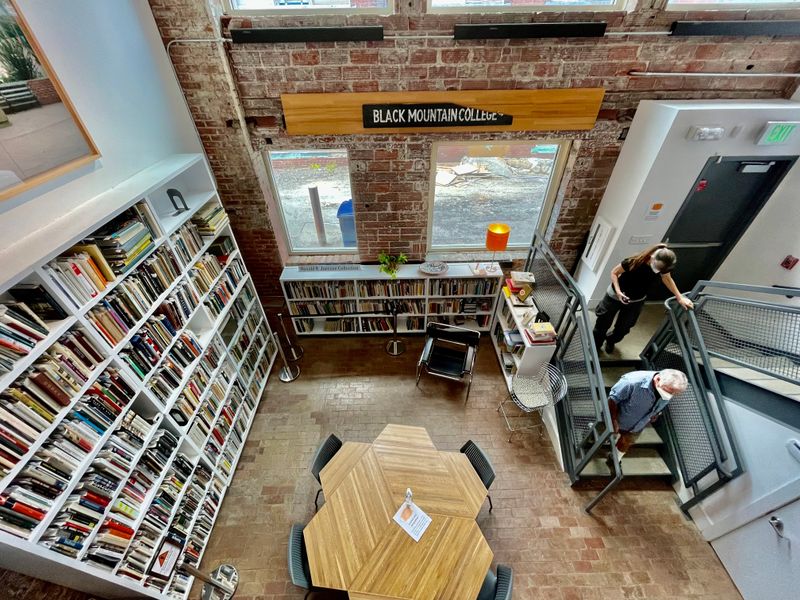
Black Mountain’s compact downtown spans just a few blocks, but those blocks hold everything an artist needs.
Coffee shops, supply stores, performance venues, and galleries all sit within easy walking distance. No car required.
This layout encouraged spontaneous collaboration and conversation.
Artists bumped into each other at the post office or the hardware store, traded ideas over lunch, and built networks without formal effort.
Proximity bred community, and community bred opportunity.
Local Arts Organizations Became The Backbone Of The Community
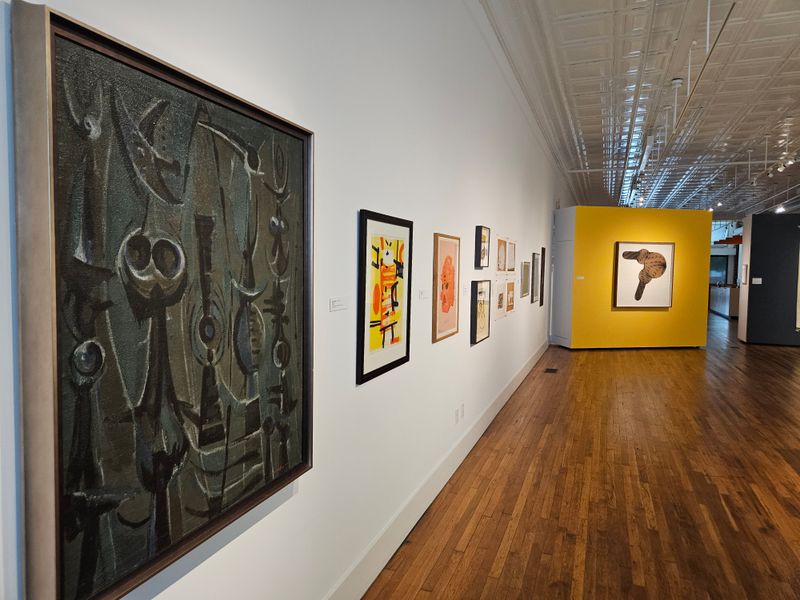
Organizations like the Swannanoa Valley Fine Arts League and LEAF Community Arts didn’t just host events—they provided structure.
Workshops, open studios, and collaborative projects gave artists reasons to stay engaged. Members weren’t passive attendees; they were active participants.
These groups also connected newcomers with long-time residents, bridging gaps that might have otherwise widened.
Funding, mentorship, and exhibition opportunities flowed through these networks, turning isolated creators into a cohesive creative force.
Historic Buildings Were Repurposed Into Creative Spaces
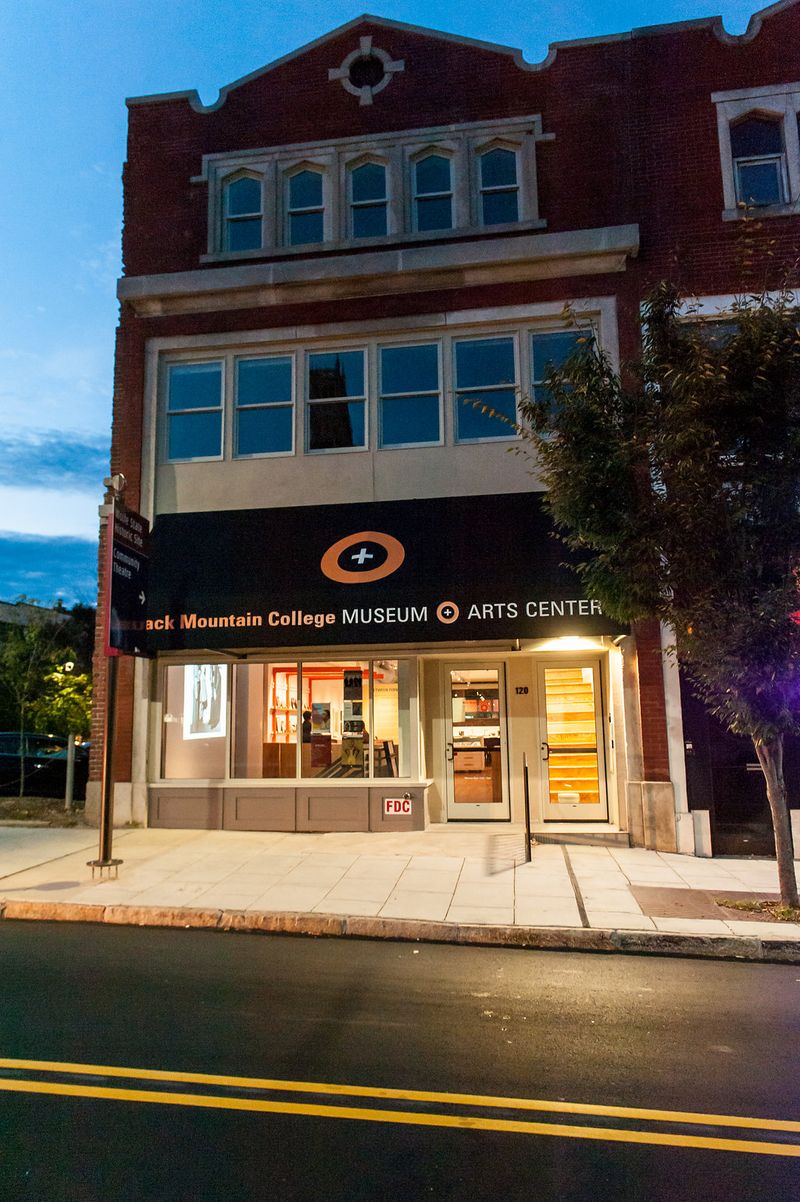
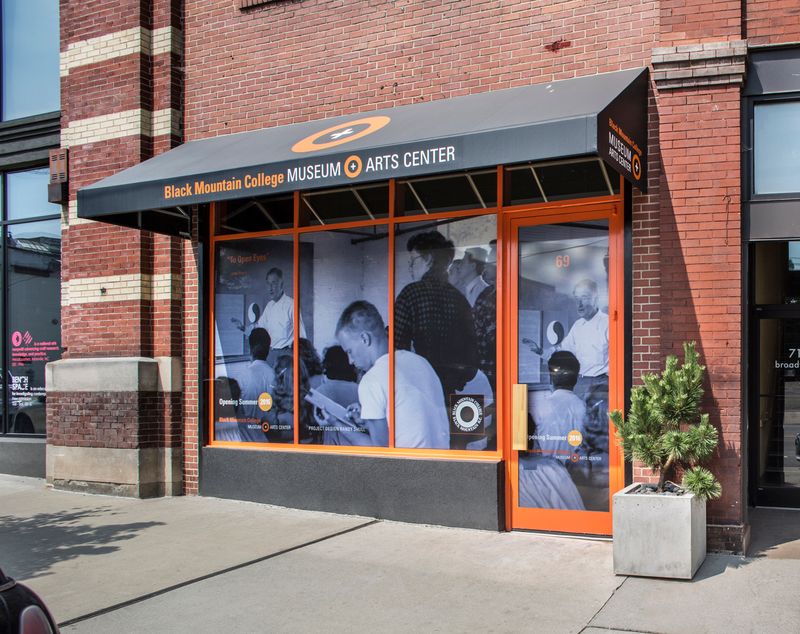
Old storefronts and warehouses found new life as studios and galleries.
Rather than tearing down aging structures, the town allowed artists to move in and transform them.
Brick walls, wooden beams, and large windows became backdrops for contemporary work.
This repurposing preserved Black Mountain’s character while making room for its future.
Artists appreciated the affordability and charm of older spaces, and the town benefited from renewed activity in buildings that might have otherwise sat empty.
The Town Embraced Working Artists, Not Just Art Tourism
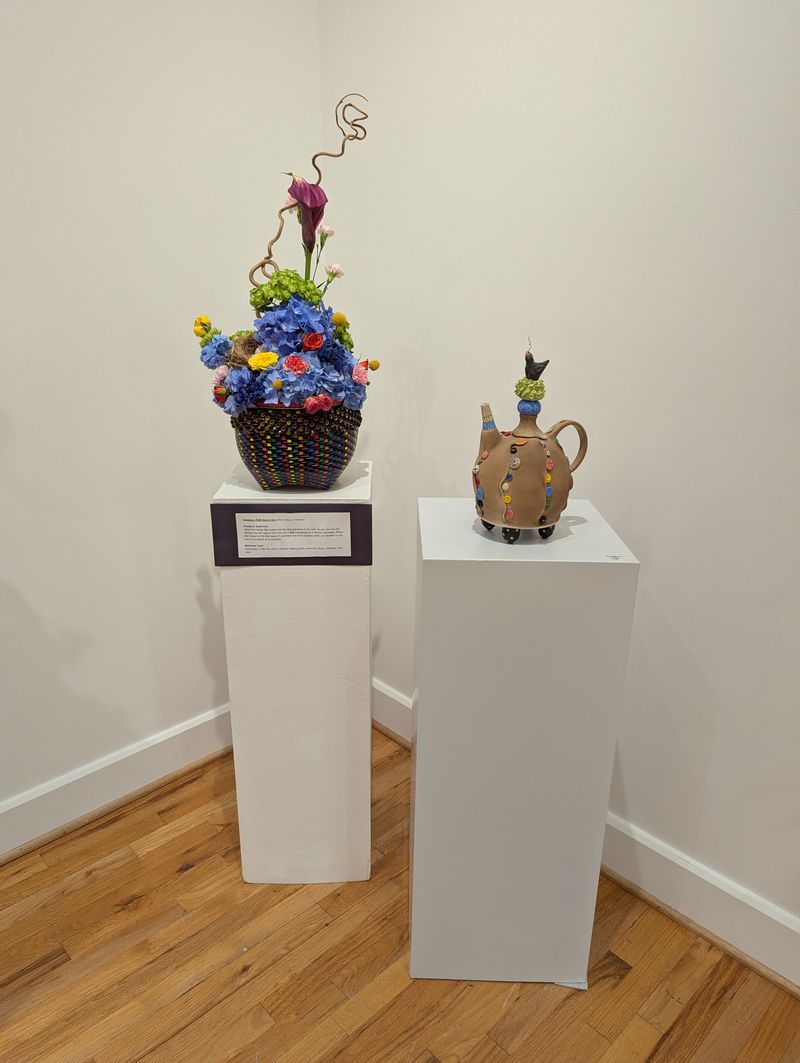
Black Mountain didn’t chase the gallery-and-wine-bar model.
Instead, it welcomed artists who wanted to make things, not just sell them.
Zoning allowed home studios, and neighbors tolerated the occasional kiln or welding torch.
Local government and residents understood that supporting working artists meant accepting a bit of messiness.
The result was a town where creativity happened in real time, not behind polished storefronts.
Artists could afford to stay, experiment, and fail without losing their footing.
Natural Surroundings Offered The Quiet Inspiration Artists Seek
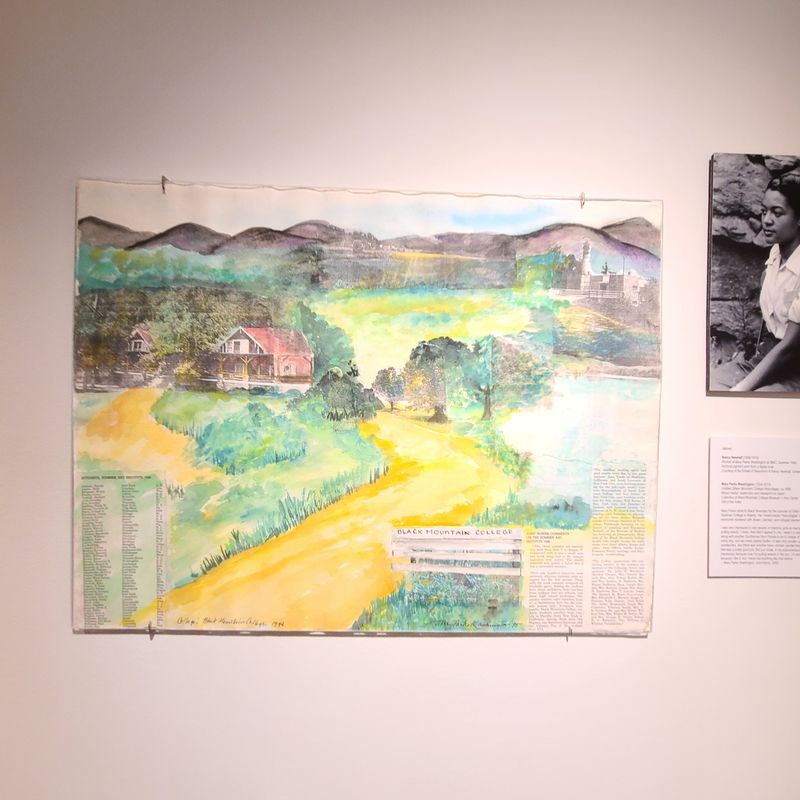
The Blue Ridge Mountains frame Black Mountain on all sides, offering trails, streams, and ridgelines within minutes of downtown.
Artists seeking solitude or subject matter found both in abundance.
Light shifted with elevation, seasons transformed the palette, and silence was easy to come by.
This access to nature became a daily resource rather than an occasional escape.
Painters studied the way fog settled in valleys.
Affordable Space Helped Artists Stay Long-Term
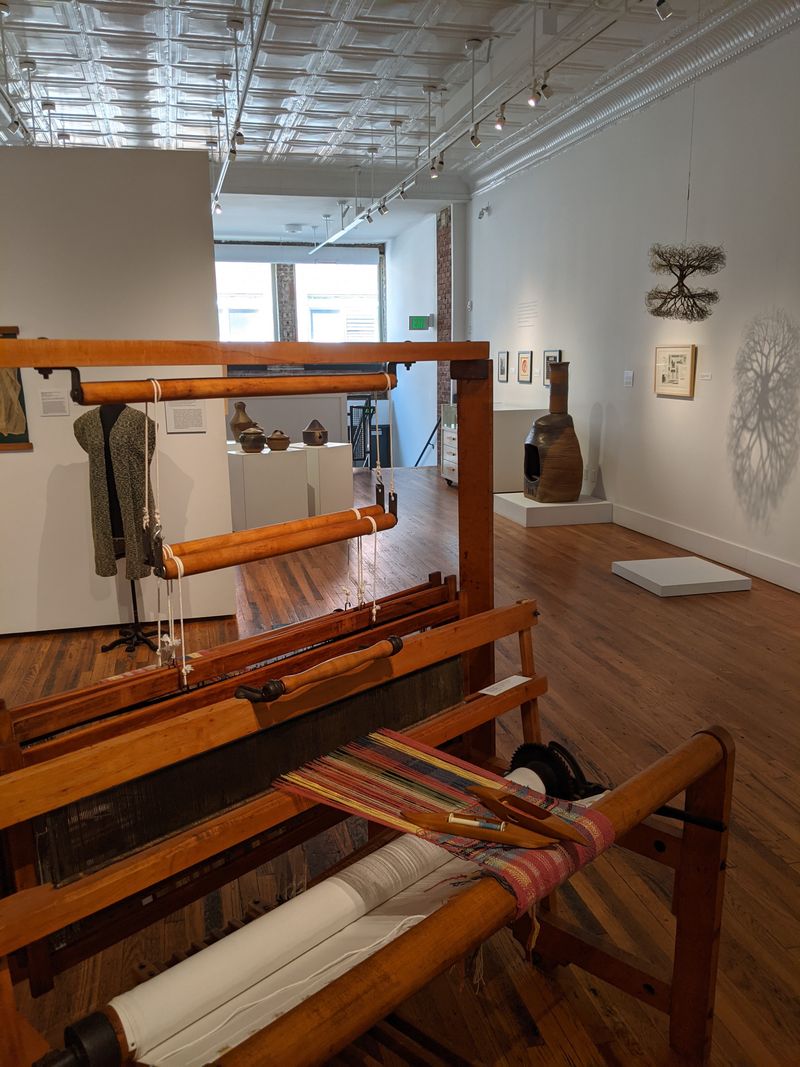
Rent in Black Mountain remained reasonable even as nearby Asheville climbed out of reach.
Artists could lease studio space, buy modest homes, or convert garages without draining their savings.
Financial breathing room meant more time to create and less time hustling for survival.
Long-term residency allowed deeper roots.
Artists invested in the community, joined boards, taught classes, and mentored newcomers.
Stability replaced transience, and the town’s creative culture matured as a result.
Music And Performance Expanded The Town’s Creative Identity
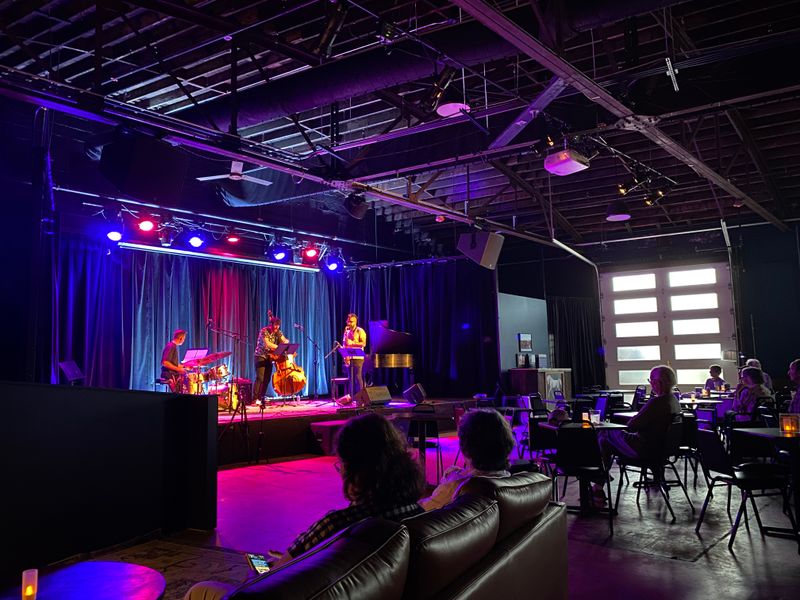
Visual arts laid the foundation, but musicians and performers broadened Black Mountain’s reputation.
Small venues like the White Horse and The Silver Fox hosted bluegrass, folk, and experimental acts.
Open mic nights drew locals and travelers alike.
Performance added energy to the town’s creative rhythm.
Concerts brought people together, festivals filled the streets, and live music became as much a part of Black Mountain’s identity as pottery or painting.
The arts scene wasn’t singular—it was plural.
Community Support Turned Creativity Into A Shared Identity

Residents didn’t just tolerate artists—they celebrated them.
Businesses displayed local work, schools invited artists to teach, and neighbors attended openings and performances.
This support wasn’t performative; it was genuine.
Artists responded by contributing to town life beyond their studios.
They organized festivals, volunteered, and participated in civic discussions.
Creativity became woven into the fabric of Black Mountain, not an add-on or tourist attraction.
Word-Of-Mouth, Not Marketing, Spread Black Mountain’s Reputation
Black Mountain never launched a branding campaign or hired consultants.
Its reputation spread through studio visits, festival experiences, and conversations between artists.
One creator told another, who told another, and the network expanded organically.
Artists arrived with realistic expectations, not glossy brochures.
They came because someone they trusted vouched for the place, and that trust carried weight. Authenticity attracted authenticity.
The Town Balanced Growth Without Losing Its Quiet Character
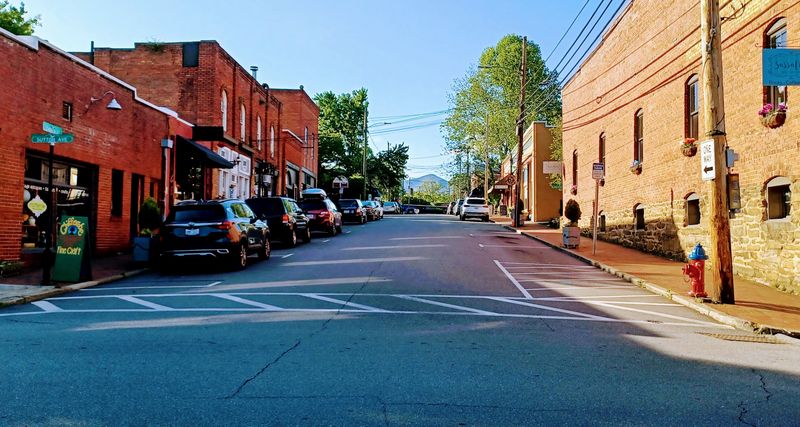
As Black Mountain’s reputation grew, so did the risk of overdevelopment.
Yet the town resisted the urge to capitalize too aggressively.
Zoning remained protective, chain stores were kept at bay, and local character took priority over profit.
This restraint preserved what made Black Mountain appealing in the first place.
Artists continued to find affordability and calm.
Growth happened, but it happened slowly, thoughtfully, and with the town’s identity firmly in mind.
Black Mountain Became A Place To Work, Not Just Visit
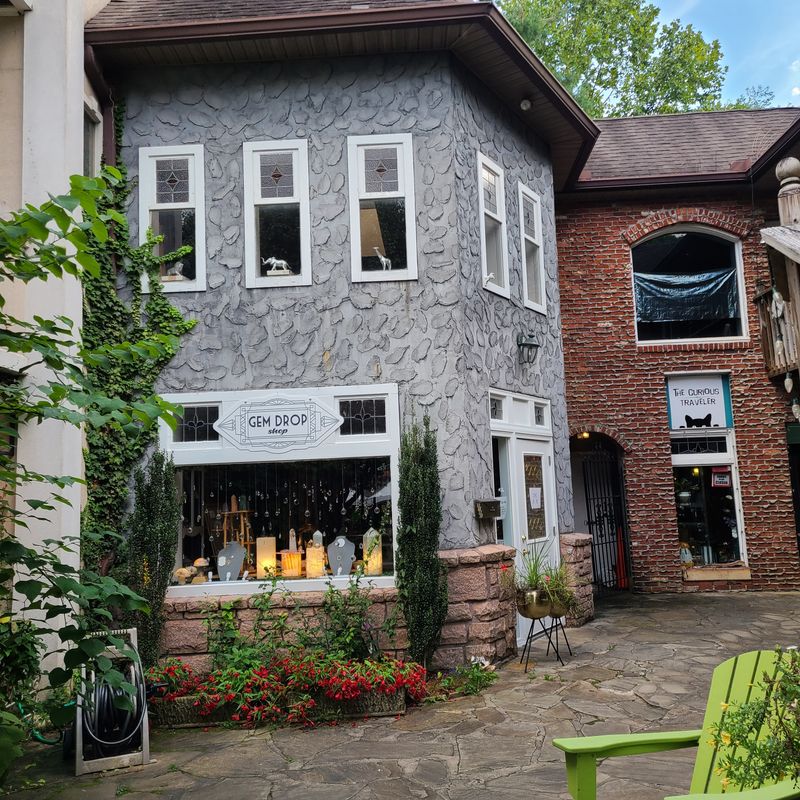
Unlike artist colonies that function as seasonal retreats, Black Mountain became a place to build a life.
Artists raised families, bought property, and invested decades.
The town offered more than inspiration—it offered sustainability.
This distinction mattered. Visitors pass through; residents shape culture.
Black Mountain’s artistic identity endures because the people creating it aren’t leaving.
They’re staying, evolving, and continuing to make the town what it is: a working creative community, not a postcard.