
Why This Alabama Forest Is A Local’s Favorite For A Peaceful Weekend
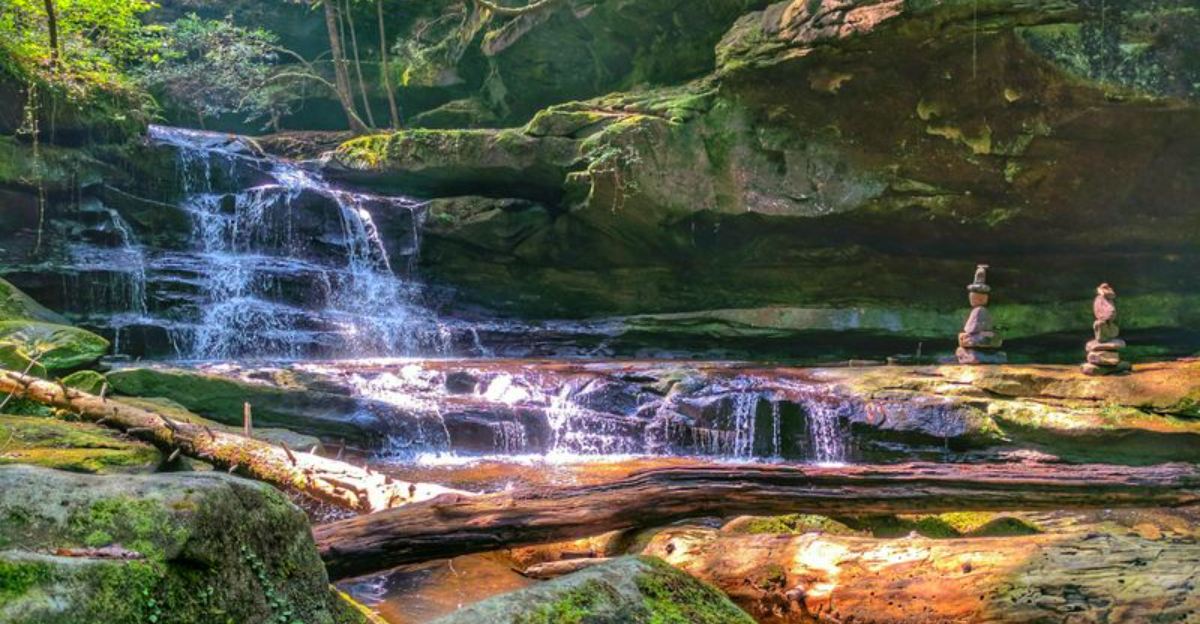
Some places invite a quiet kind of attention, and Sipsey Wilderness does it without fuss.
Tucked inside William B. Bankhead National Forest, the valleys and sandstone bluffs hold onto cool air and soft light in a way that calms the pace.
You notice the hush first, then the steady chorus of the Sipsey Fork and the scatter of waterfalls.
Spend a weekend here and you will leave lighter, with mud on your boots and a mind that finally feels unhurried, shaped by creek crossings, fern-lined trails, campfire evenings, and nights where darkness arrives gently and sleep comes easy.
Finding The Rhythm At The Trailhead
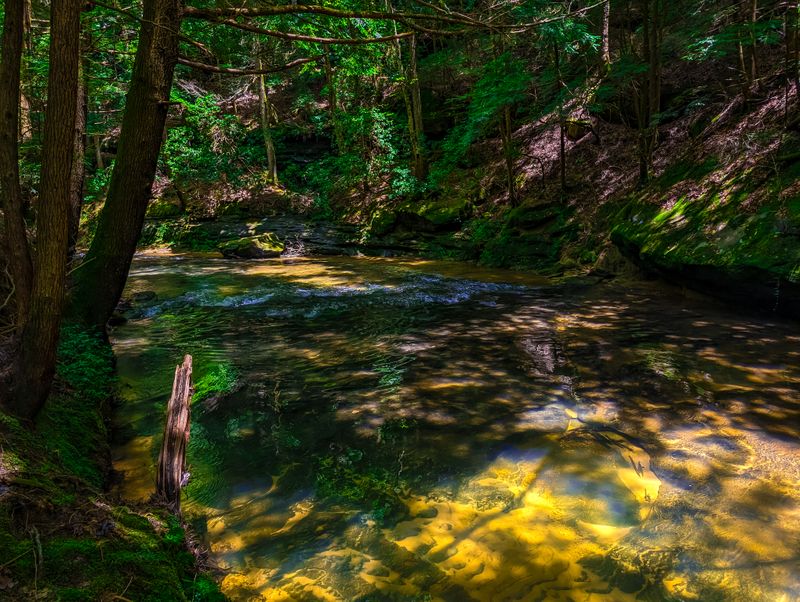
Morning in Sipsey starts with a low haze that slips between the hardwoods and lingers above the creek.
A simple wooden sign marks the boundary, and you cross it like a threshold that resets your weekend.
The gravel crunches underfoot while chickadees announce the light, and you tune your steps to their small percussion.
Trail 200 eases you in along the Sipsey Fork, letting you study sycamore bark and the clean lines of beech trunks.
Roots web across the path, not menacing but insistent, asking for your attention with each stride.
You will appreciate the modest grade that loosens shoulders and legs without demanding bravado.
Maps feel useful here, yet the land teaches faster.
Sandstone bluffs rise to your left, roofed with hemlock and laurel, and you sense how water carved this corridor.
A pocket of shadow cools the air even when the parking area felt warm.
By the first footbridge, the day takes on a deliberate tempo, neither hurried nor idle.
You pause because the water invites it, clear and lightly tannic, sliding over cobbles that look set by hand.
A weekend unwinds best when the first hour is unambitious, and this trailhead understands that.
Practical notes spare future trouble.
The Sipsey Wilderness sits near Mt Hope, AL 35651, and the main lots fill early on fair Saturdays.
Arrive before nine, carry a paper map, and expect cell service to fade fast.
Waterfalls That Reward Patience
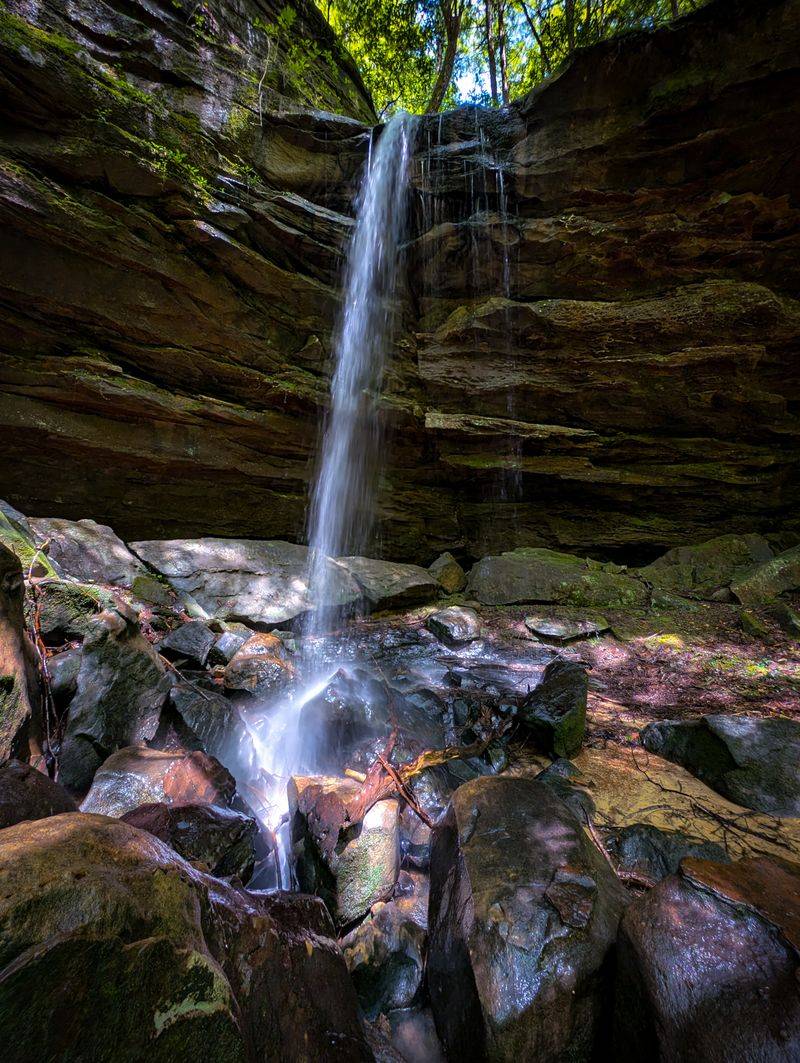
Water defines Sipsey, and its waterfalls speak in many registers,
from blunt cascades to thin veils that stitch the rock.
Kinlock and Caney areas draw attention, but offshoots along Trail 209 reward anyone willing to follow the sound rather than the crowd.
Spray hangs in the air like new weather, faint but insistent on skin and sleeves.
Reaching a falls is less about miles than steady footing.
The sandstone ledges can be slick with fern mist, and creek crossings shift with recent rain.
You will notice how the forest gathers here, hemlock leaning over the plunge and rhododendron bracketing the pool with patient greenery.
Photography favors the overcast, when the canyon acts like a natural softbox.
A two second exposure turns the whitewater to silk, though the eye prefers the crisp edges of turbulence.
Stand back a pace and you will see small trout holding in the current, balancing like barometers of clarity.
Sound becomes a metronome that steadies thought.
Conversation drops to a murmur, replaced by a measured curiosity about where each rill begins.
The weekend feels longer when you let the falls dictate pauses.
Leave with only what you brought, since popular spots show wear after heavy weekends.
Rock stacks confuse natural lines and belong in photos, not in practice.
Check flow conditions with the Bankhead District office at +1 205-489-5111 before committing to deeper crossings.
Canyon Quiet On Trail 209
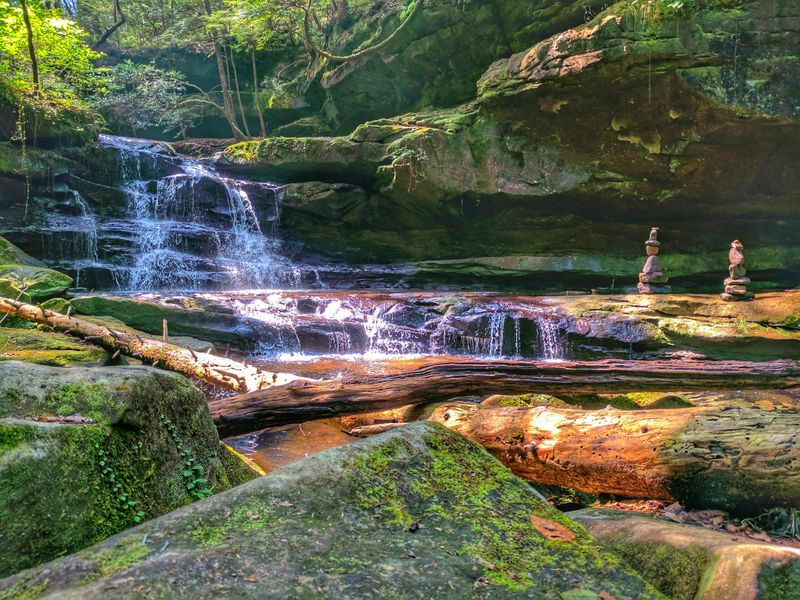
Trail 209 runs like a thoughtful sentence along the Sipsey Fork, unspooling from the trailhead into layered canyon country.
Bluffs tower above at measured intervals, their ledges framed with dripping moss and wintergreen.
Your pace adjusts to the terrain, and the creek sets a calm cadence that outlasts conversation.
The tread varies from loam to sandstone, with occasional patches of roots that ask for careful footwork.
In wet weather you will meet mud that behaves like fresh clay, so poles pay for their weight.
The reward comes as windows through the trees where the canyon opens, wide enough to feel the sky.
History lies in fragments.
Old roadbeds appear, now softened by leaf litter, and you sense the earlier forest economy without needing a plaque.
The wilderness designation protects this character, keeping motors out and letting water and wind carry the main narrative.
Wildflowers sharpen the mood in spring.
Trillium nod under beech, bluets freckle the margins, and the canopy stays graciously high.
Even in summer, cool pockets remain where rock walls funnel breezes.
Hours slide by with little effort when the route makes decisions for you.
Lunch on a flat boulder turns into a study of minnows and clouds, and returning feels optional until shadows lengthen.
Mark turnarounds generously, because daylight runs shorter than intentions in these folds.
Old-Growth Echoes In The Hemlocks
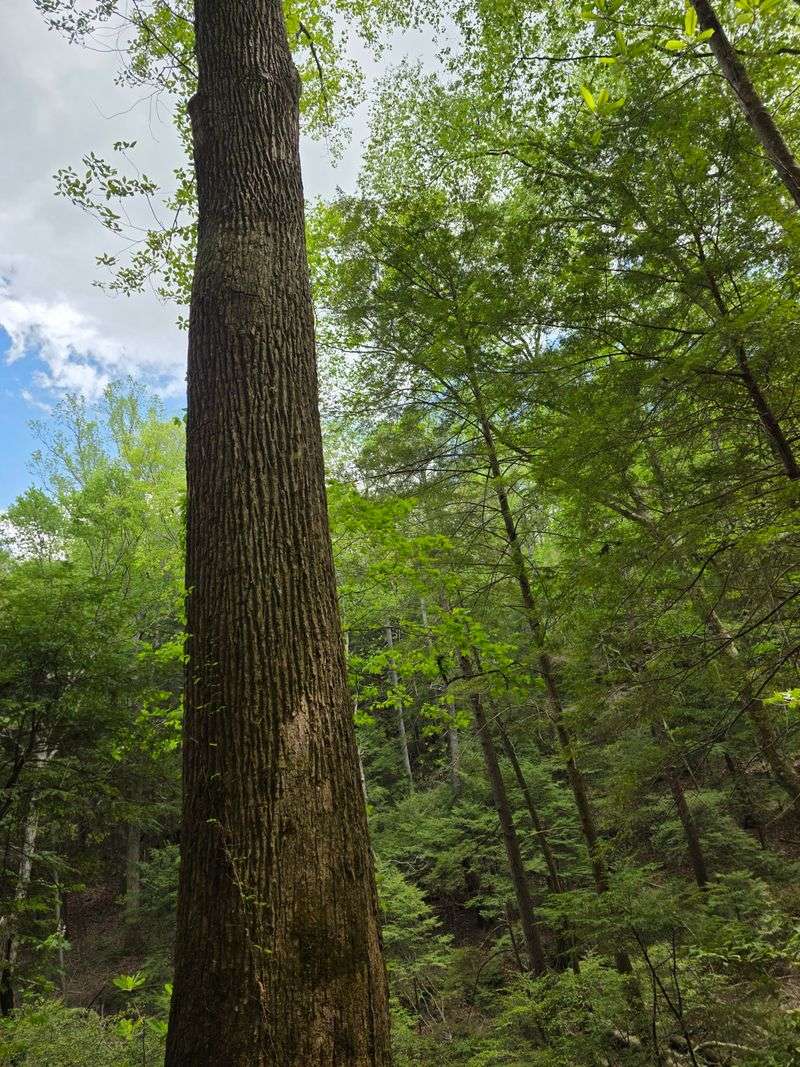
Hemlocks gather in the deeper pockets of Sipsey like an unhurried congregation.
Their shade cools the path even in July, and needles soften the ground into something that forgives missteps.
You feel posture relax under that ceiling, as if the trees asked for a quieter gait.
These stands hint at old growth, with trunks that show the long patience of undisturbed years.
Look for nurse logs feathered with moss and bracket fungi, each one hosting saplings with quiet persistence.
The composition reads as deliberate, though no hand arranged it beyond time and weather.
Birdlife uses the vertical space well.
Black-throated green warblers sew the canopy with song, while wood thrushes throw their fluted phrases from the midstory.
If you pause long enough, a salamander may claim a damp crevice near your boot.
Concerns about hemlock woolly adelgid belong here too, even if infestations remain patchy.
Staying on trail reduces stress on roots and the thin mats that hold these slopes together.
Water rests differently in this shade, making crossings colder than expected.
Weekends support a simple rhythm in these groves.
Bring a light layer even on warm afternoons and let the stillness refine the conversation.
You will leave with resin on your clothes and a steadier mood than you carried in.
The Sipsey Fork As Weekend Companion
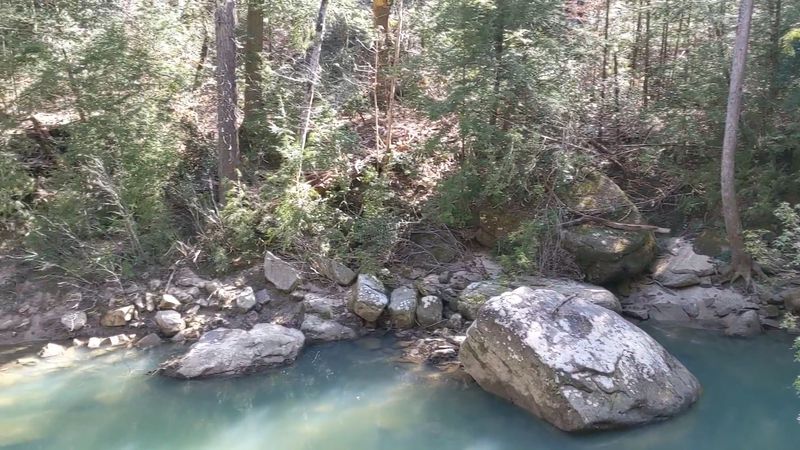
The Sipsey Fork keeps you oriented, even when side trails thread away like suggestions.
Its water runs clear with a faint tea tint, catching sky and leaf in a slow conversation.
You follow bends that feel earned, each one revealing another clean gravel bar.
Fishing is modest but satisfying, with bream and small bass lingering in deeper pockets near undercut banks.
Casts land better when you sit on a kneeling rock and keep motion low.
You will notice how the river approves of patience, returning small rewards at a steady rate.
Swimming proves bracing except in late summer.
Shallow shelves offer safe entry, though slick algae insists on careful steps.
The opposite bank often holds cooler air, and crossing becomes a small ritual that resets attention.
Evening light improves the scene without theatrics.
A great blue heron may take the far channel with unhurried authority, and you will step aside as if it owned the corridor.
The river shows you how to share space without fuss.
Leave no trace extends beyond trash to include sound and camping distance.
Keep sites two hundred feet from water when possible, and let fires stay small and efficient.
A quiet river repays the courtesy by carrying you into sleep.
Stone Arches And Subtle Landmarks
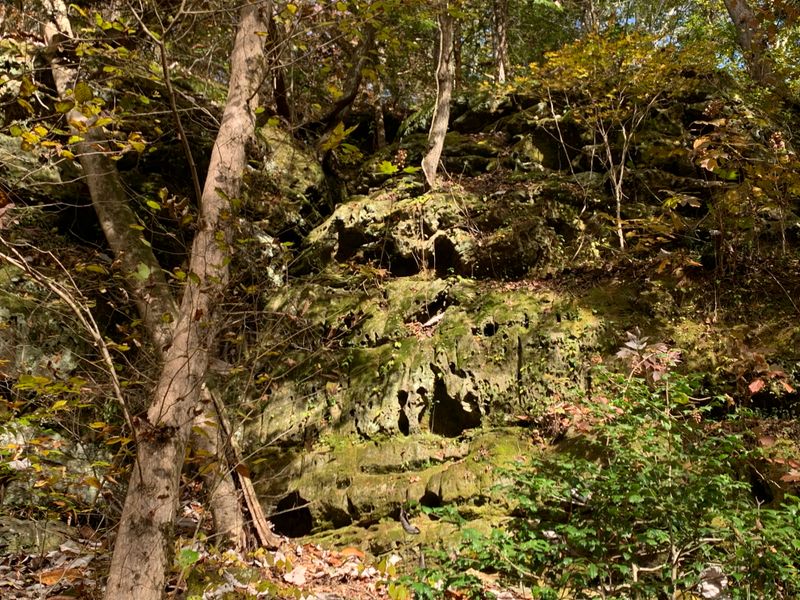
Sandstone works with water and time here, and the results appear as arches and alcoves that feel discovered rather than showcased.
Official maps name a few, while others sit off trail as delicate surprises.
You approach them with a slow step because the rock seems to ask for measured respect.
The geometry rewards careful looking.
Thin fins catch light along their edges, and small ferns root in improbable seams.
You will sense a shared etiquette: touch lightly, linger briefly, and leave everything as you found it.
Navigation improves when you learn the cues of the land.
Drainages angle toward the Sipsey Fork like spokes, and bluffs define corridors that guide or block movement.
A compass and paper map hold value when the GPS drifts under canopy.
Photographs improve with a human figure for scale.
Place a partner at the base and the arch gains context without crowding the frame.
Overcast conditions tame contrast and protect color from glare.
Weekend goals sometimes shrink to a list of small finds, and that works here.
One arch, one alcove, one quiet lunch under a rock eave makes a complete day.
On the walk out, you will feel the land has shared enough while still keeping secrets.
Campfire Evenings Under A Patient Sky
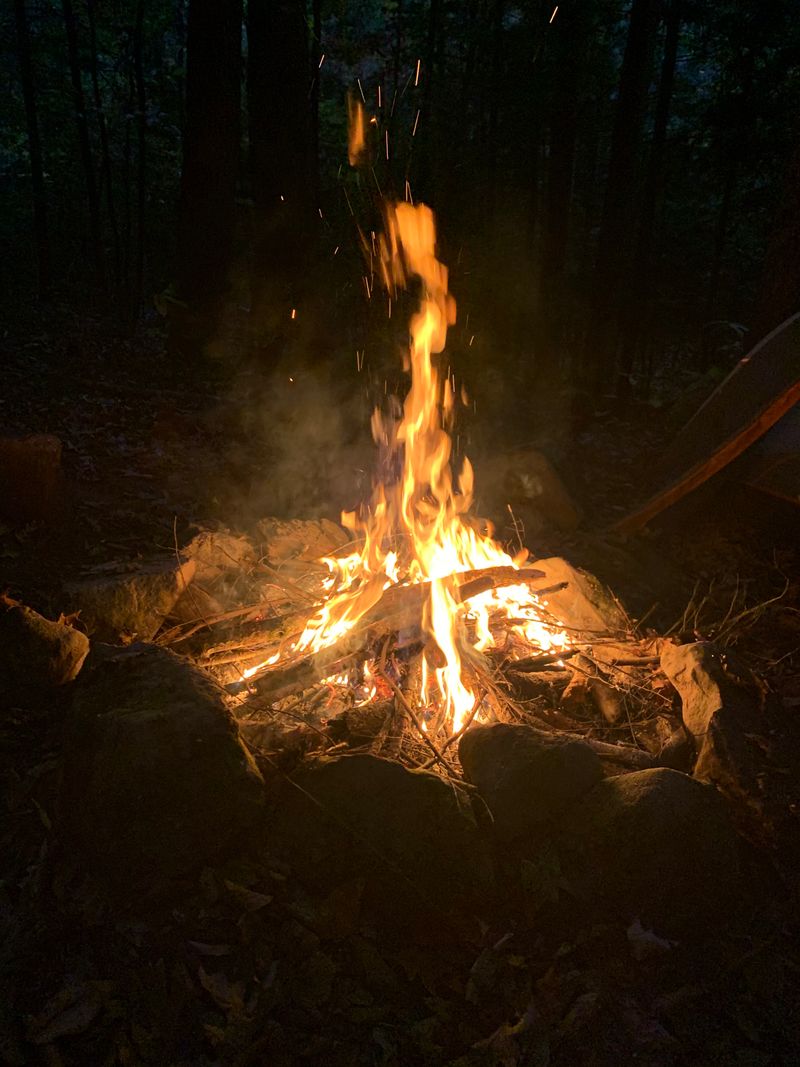
Camp builds slowly in Sipsey, guided by the same calm that shapes the hikes.
You look for durable surfaces, a safe distance from water, and a natural windbreak against the bluffs.
A small fire settles the evening, throwing a steady glow that makes simple meals taste better.
Star viewing slips through the canopy in clean patches.
Owls trade calls across the hollow, and you find yourself whispering without a reason.
Sleep comes early because the day has emptied its noise.
Gear choices tilt toward practical.
A groundsheet pays dividends on damp loam, and a compact filter handles the tannic flavor of creek water.
You will thank a headlamp with a red setting when the night preserves its depth.
Etiquette keeps the place welcoming.
Pack out foil, stray twine, and stubborn microtrash that hides near logs.
The forest reads traces quickly, but it remembers burned roots and sprawl.
Morning draws a soft line at the edge of the tarp, and steam curls off the mug with unfussy contentment.
You break camp without hurry and notice how the site recovers as each piece leaves.
A peaceful weekend often hinges on this gentle exit.
Practical Notes For A Calm Weekend
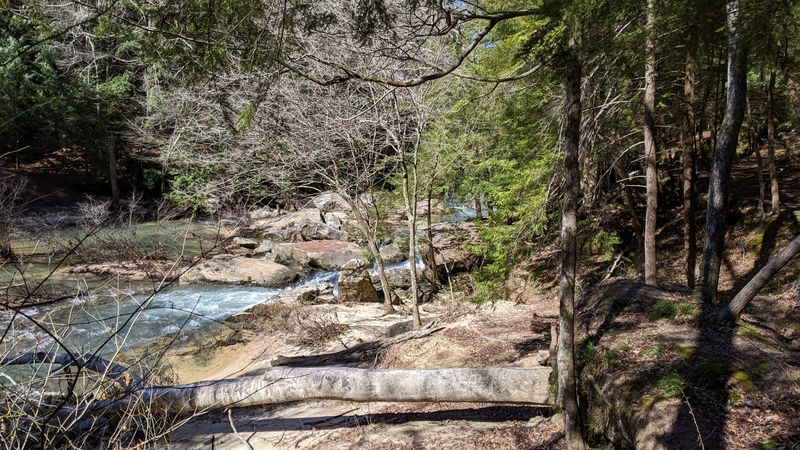
Planning for Sipsey is straightforward when you favor clarity over clutter.
The wilderness sits near Mt Hope, AL 35651, with access via County Road 60 and popular lots by the bridge.
Hours are simple, open all days except a noted Tuesday closure on some listings, though trails themselves remain unguarded.
Weather swings across seasons with quiet conviction.
Spring brings high water that complicates crossings, while summer heat asks for early starts and steady hydration.
You will find autumn generous with color, and winter clear enough to extend views through the leafless canopy.
Navigation works best with redundancies.
Bring a printed map, a compass you actually trust, and a phone that you keep in airplane mode to save battery.
Trail junctions can hide in plain sight where the footpath braids around blowdowns.
Safety reads as thoughtful pacing rather than fear.
Tell someone your route, set a turnaround time, and treat every creek crossing like a decision.
Ticks and slick rock are predictable hazards with obvious remedies.
Local resources help. The Bankhead District office at +1 205-489-5111 maintains current notices, and the Forest Service website lists closures and maps.
With these pieces in place, your weekend will move with the same quiet purpose as the river.