
9 Incredible Wildlife Sanctuaries You Won’t Believe Are In Florida
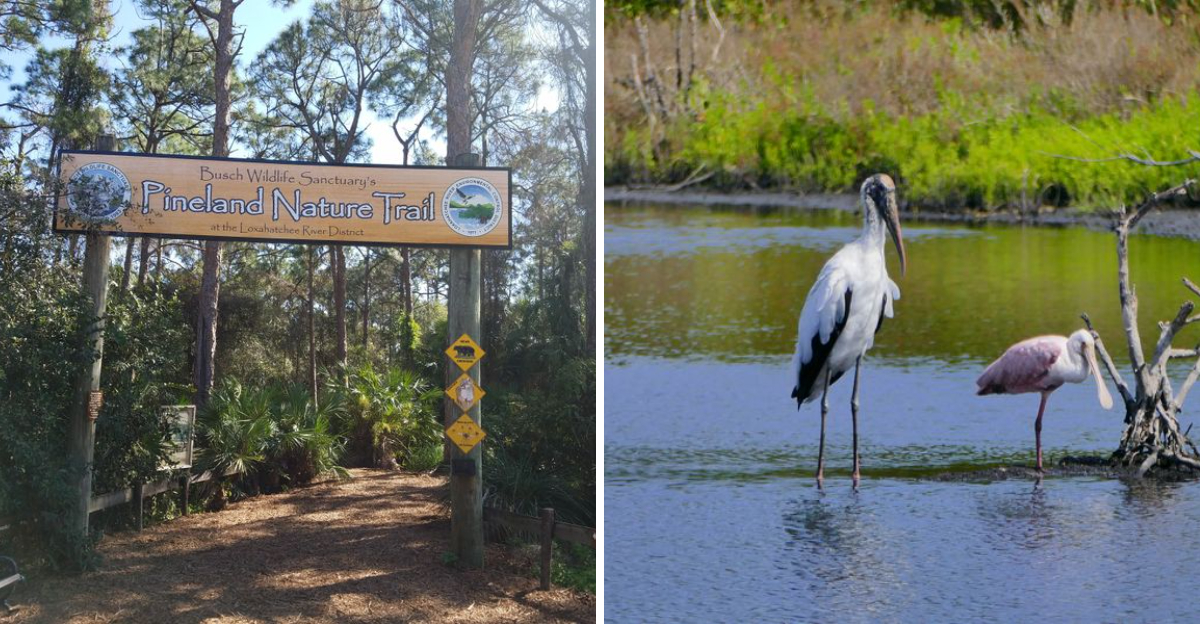
Beyond its famous coastlines and thrill-filled attractions, Florida hides an impressive network of wildlife sanctuaries filled with natural wonder.
Gentle manatees drifting through clear springs and graceful wading birds roaming vast wetlands create unforgettable moments in these protected landscapes.
Perfect for nature lovers and travelers seeking tranquility, these sanctuaries showcase breathtaking scenery and remarkable biodiversity at every turn.
1. Audubon Corkscrew Swamp Sanctuary (Naples)
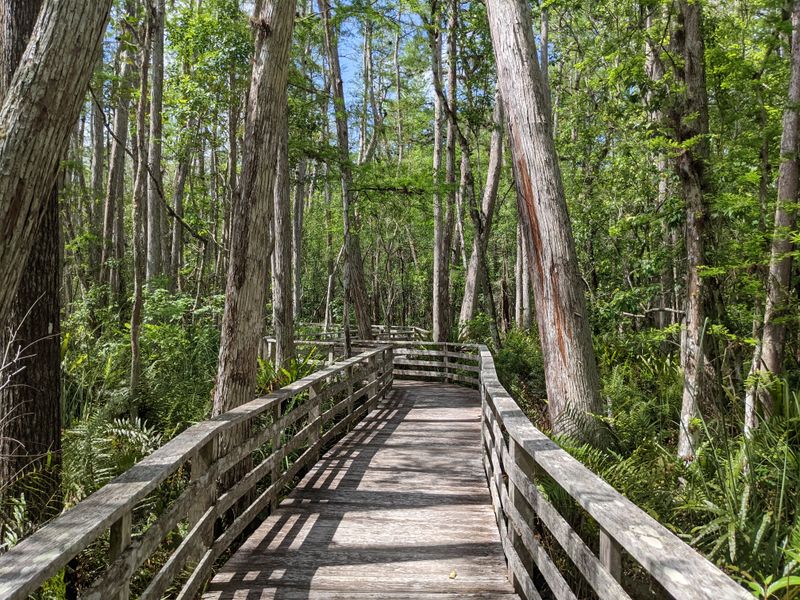
Ancient cypress trees tower overhead like natural skyscrapers as you wander along a 2.25-mile boardwalk that feels like stepping into prehistoric times.
Some of these giants are over 500 years old, creating a cathedral-like atmosphere that takes your breath away with every step.
Alligators sunbathe on logs while painted turtles slip quietly into the water below.
During winter months, wood storks nest in massive colonies, filling the air with their prehistoric calls and creating unforgettable photo opportunities.
2. Busch Wildlife Sanctuary (Jupiter)
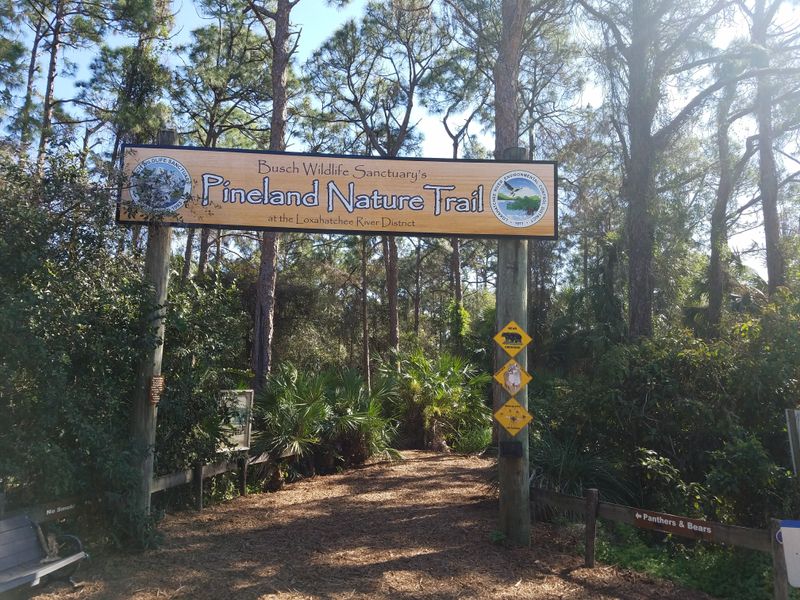
Injured animals find hope and healing at this remarkable rescue center where dedicated staff work tirelessly to rehabilitate native Florida wildlife.
You’ll witness birds of prey soaring during educational programs and meet permanently disabled animals who now serve as ambassadors for their species.
The sanctuary operates entirely on donations and volunteers, making every visit meaningful.
Walking the shaded trails, you’ll discover tortoises, bobcats, and hawks while learning about conservation efforts that protect Florida’s precious ecosystems from ongoing threats.
3. Crystal River National Wildlife Refuge (Crystal River)
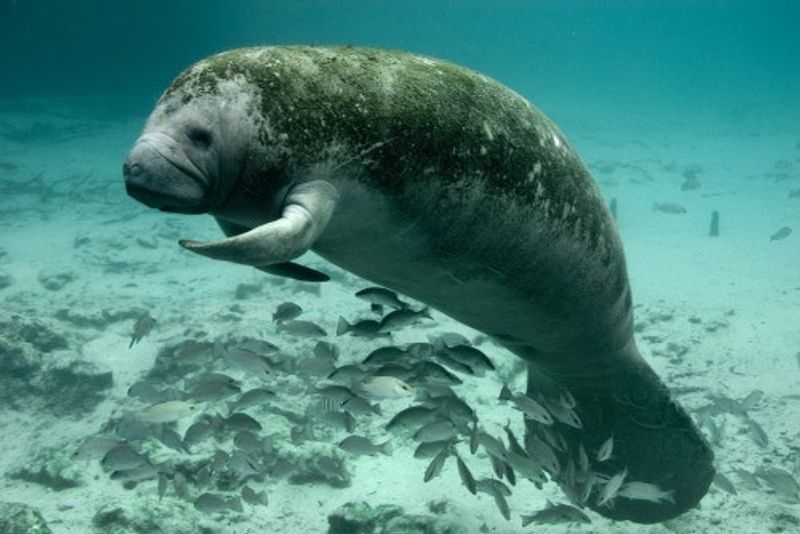
Swimming alongside manatees in their natural habitat is pure magic, and this refuge protects the largest concentration of these gentle giants in the United States.
Over 600 manatees gather here during winter, seeking warmth in the 72-degree spring waters that flow year-round.
Snorkeling tours let you observe these curious creatures up close while following strict guidelines that ensure their protection.
The experience creates memories that last forever, especially when a playful manatee decides to investigate your snorkel gear with innocent curiosity.
4. Three Sisters Springs Center (Crystal River)
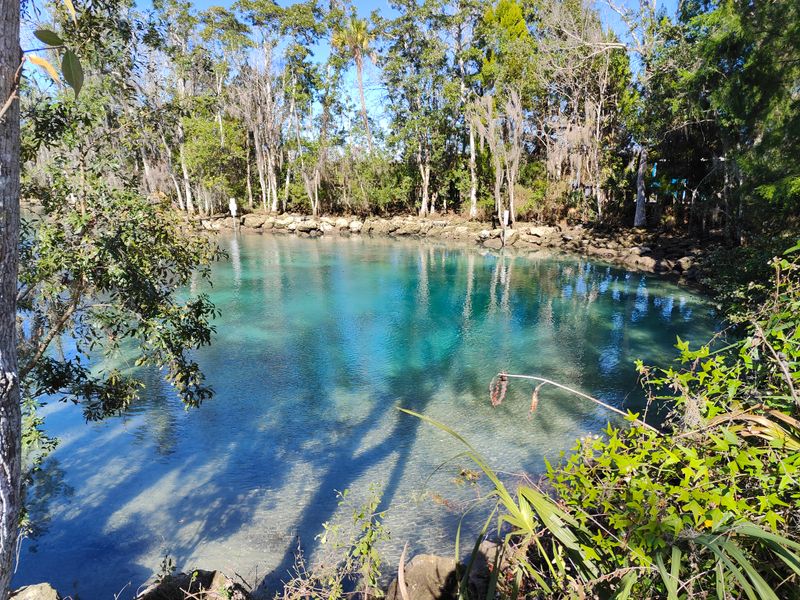
Imagine peering into water so clear you can count every whisker on a manatee’s face from the elevated boardwalk above.
Three Sisters Springs offers this incredible viewing experience without even getting wet, making it perfect for families with young children or anyone who prefers staying dry.
The springs pump out 60 million gallons of fresh water daily, creating an aquatic paradise.
Educational displays teach visitors about manatee biology and conservation while highlighting the importance of protecting these vulnerable marine mammals.
5. J.N. “Ding” Darling National Wildlife Refuge (Sanibel)
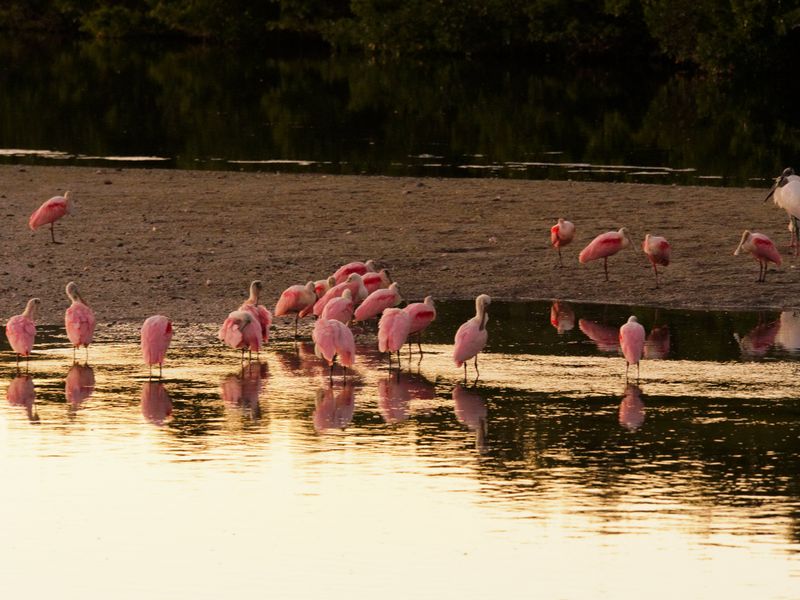
Named after a Pulitzer Prize-winning cartoonist who championed conservation, this refuge spans over 6,400 acres of mangrove forests and wetlands teeming with life.
Roseate spoonbills paint the landscape pink while alligators cruise silently through shallow waters hunting for their next meal.
A four-mile wildlife drive lets you explore from your car, though biking or kayaking offers more intimate encounters.
Early morning visits reward you with spectacular bird activity as hundreds of species begin their daily routines.
6. Merritt Island National Wildlife Refuge (Titusville)
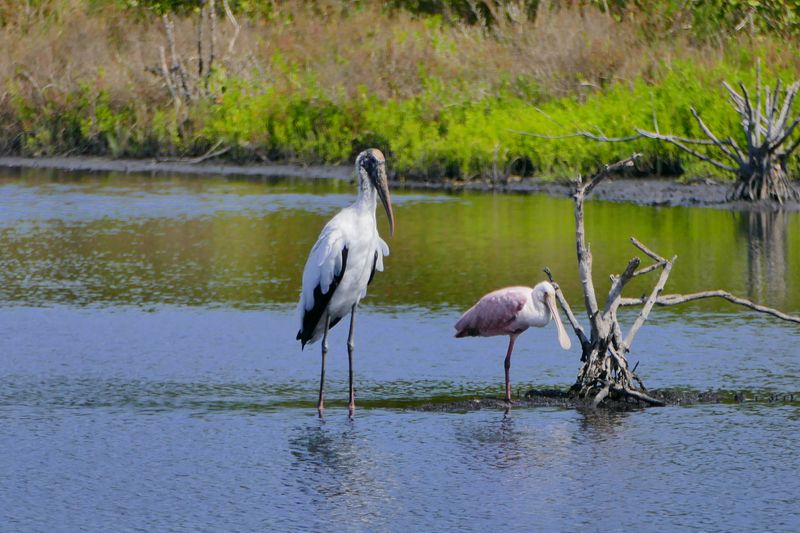
Sharing space with NASA’s Kennedy Space Center creates a surreal juxtaposition where rocket launches happen mere miles from nesting sea turtles and feeding dolphins.
Over 1,500 plant and animal species call this 140,000-acre refuge home, making it one of the most biodiverse areas in North America.
Black Point Wildlife Drive offers seven miles of stunning scenery where manatees, dolphins, and countless bird species appear around every bend.
Bring binoculars because the wildlife viewing opportunities here are absolutely extraordinary year-round.
7. St. Marks National Wildlife Refuge (St. Marks)
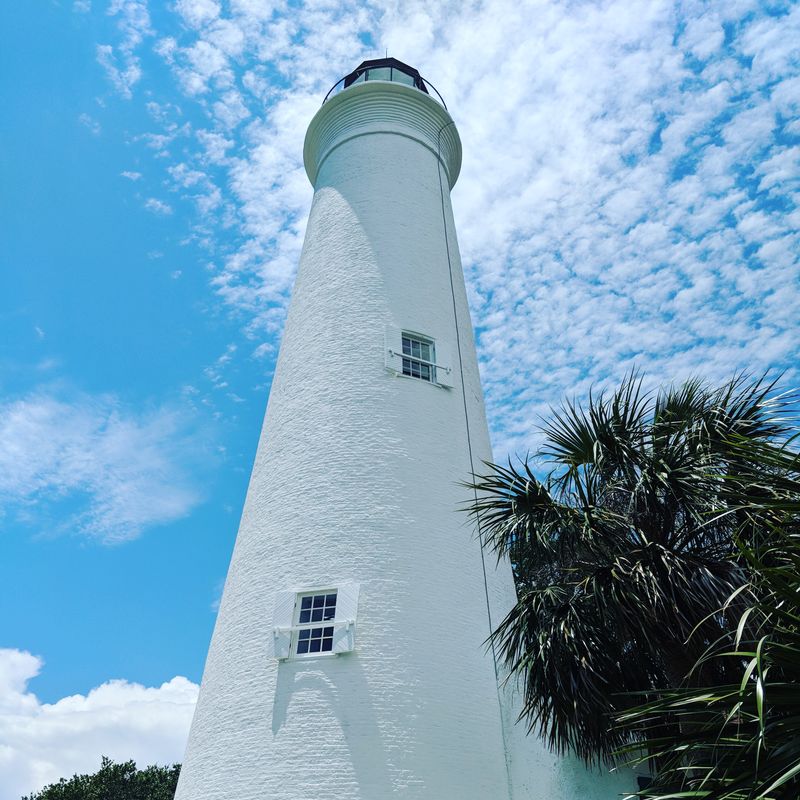
A historic lighthouse from 1831 still stands guard over this coastal paradise where freshwater marshes meet the salty Gulf of Mexico.
This unique mixing zone creates incredibly rich habitats that support everything from tiny fiddler crabs to massive alligators patrolling the waterways.
Monarch butterflies stop here by the thousands during fall migration, transforming trees into living orange sculptures.
Hiking trails wind through pine flatwoods and along the coast, offering peaceful solitude and spectacular sunset views that photographers absolutely adore.
8. Pelican Island National Wildlife Refuge (Vero Beach)
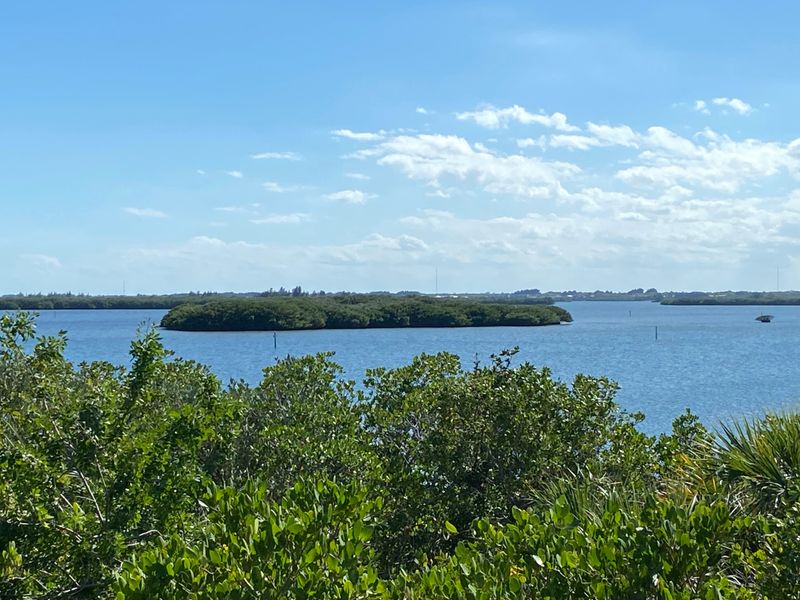
President Theodore Roosevelt established this as America’s very first national wildlife refuge in 1903, protecting a small island where brown pelicans nested in massive colonies.
Though the island itself is closed to visitors for nesting protection, an observation tower provides incredible views across the Indian River Lagoon.
Kayaking around the refuge perimeter lets you spot dolphins, manatees, and countless bird species while appreciating the historic significance of this groundbreaking conservation effort that started an entire movement protecting wildlife nationwide.
9. Arthur R. Marshall Loxahatchee National Wildlife Refuge (Boynton Beach)
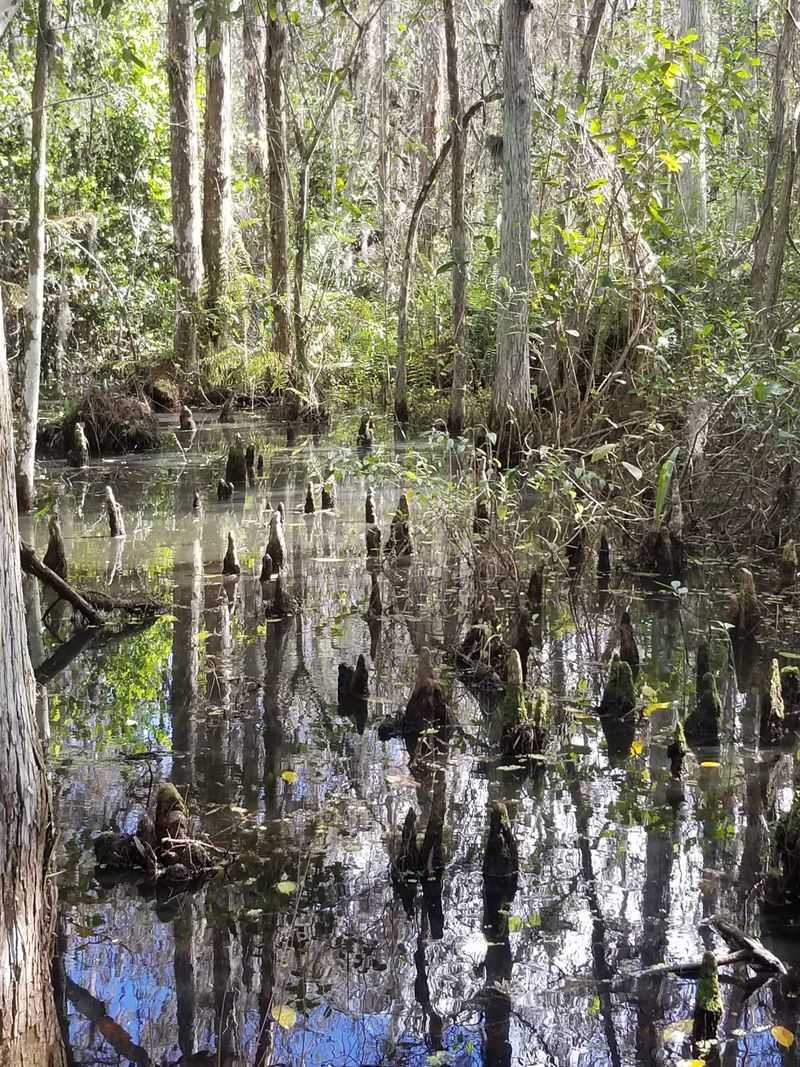
The northern Everglades ecosystem thrives here across 147,000 acres of sawgrass marshes, wet prairies, and cypress swamps that represent what South Florida looked like before development changed everything.
Alligators are everywhere—seriously, you’ll see dozens basking along canals and lurking in shallow waters.
Canoeing the five-mile cypress swamp trail immerses you in primordial wilderness where sounds of civilization fade away completely.
Fishing, photography, and wildlife observation opportunities abound, making this refuge a local favorite for nature lovers seeking authentic Everglades experiences.