
This Little-Known Arizona Mountain View Is One Of The State’s Best-Kept Secrets
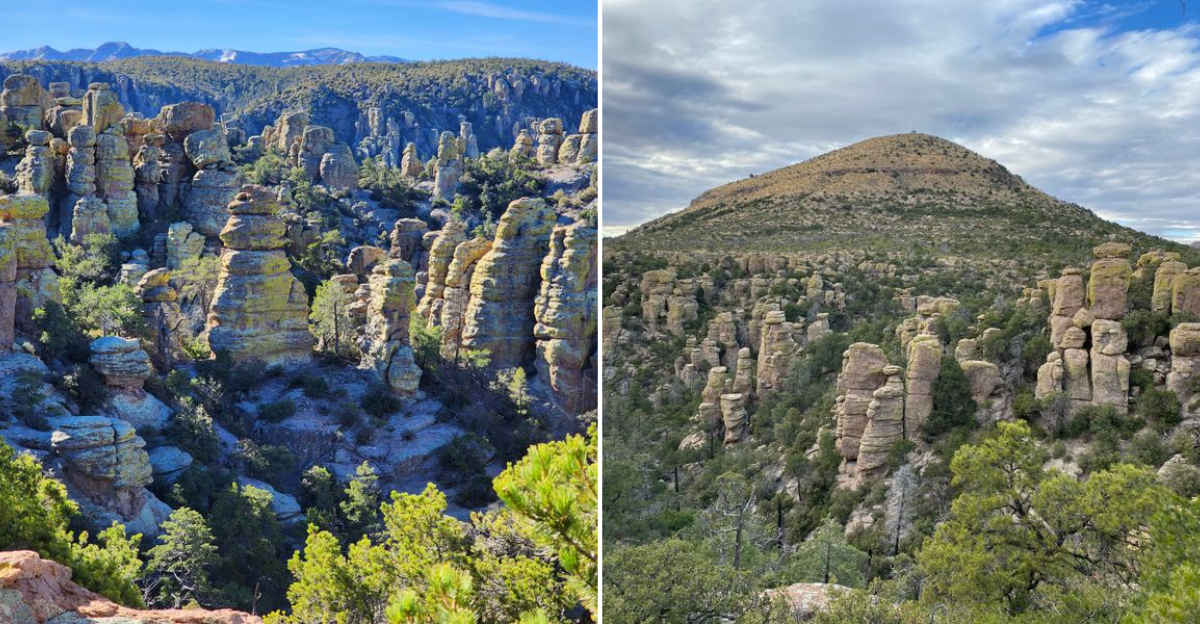
There is a pocket of Arizona where rock towers rise like a quiet crowd, and the view feels earned rather than advertised.
Chiricahua National Monument waits beyond ranchland and sky, offering a landscape that rewards patient walkers and curious eyes.
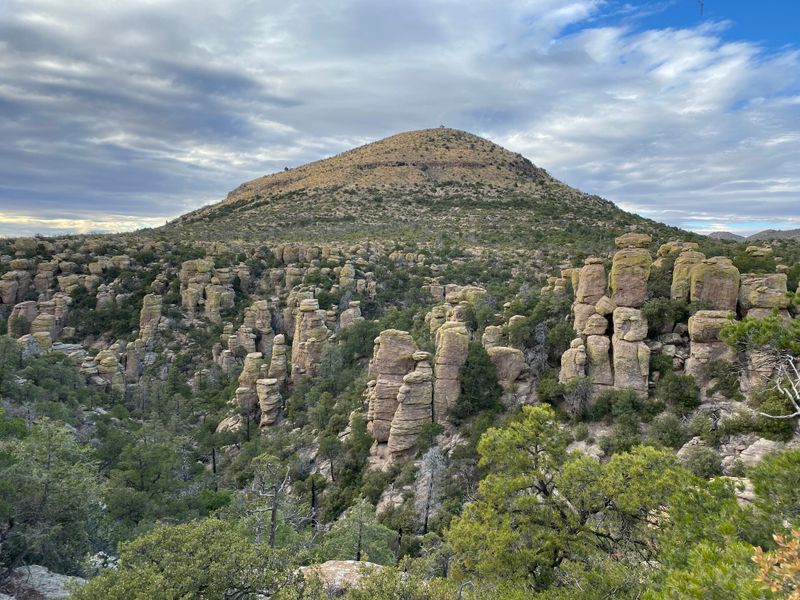
The first glimpse across the balanced spires hints at a world assembled by time and fire, set now in thoughtful stillness.
Trails thread between hoodoos, shadows lengthen, and silence sharpens perception.
Keep going, pause often, and let the day slow.
The best angles and most generous light reveal themselves only to the unhurried, attentive traveler.
Echo Canyon Pinnacles At First Light

Morning comes gently to Echo Canyon, and the rock pinnacles seem to breathe in the new light.
The first steps along the trail pass oak and juniper, their scent lifting off the cool soil.
A hush settles in the ravine, interrupted only by the soft crunch of gravel and the distant call of a canyon wren.
The path contours along the cliffs, and each bend opens a fresh register of stone and sky.
Balanced rocks lean into improbable poise, their surfaces pitted and freckled by centuries of weather.
You pause because the view asks for it rather than demands it.
The sunlight moves like a practiced usher, guiding attention to edges, seams, and stacked silhouettes.
Far peaks slip in behind the spires, lending the scene a sense of breadth without losing intimacy.
Trail signs are discreet, and footing is sure if you mind the steps.
Photographers favor the early hour, though even a phone camera catches satisfying lines here.
A thermos of coffee feels right on a tucked ledge, where a breeze carries faint resin and dust.
The quiet is not empty but sustained, like the hall after a symphony’s last note.
Practical notes help the moment endure once you leave.
Parking fills later near the Echo Canyon lot, so earlier arrivals leave room for unrushed wandering.
Interpretive panels back at the visitor center explain the rhyolite story, shaped by ancient eruptions and time’s patient hand.
The memory, like the light, lingers longer than expected.
Heart Of Rocks Loop And The Improbable Balances

The Heart of Rocks Loop reads like a catalog of geological wit, where names match forms with rare accuracy.
Duck on a Rock tips its beak toward a narrow corridor, and Big Balanced Rock perches with calm authority.
The route threads through a maze of fins, windows, and sudden overlooks that keep your pace attentive.
You will find yourself slowing, not out of fatigue, but because every turn composes a new sentence of stone.
Trail builders left tidy steps where the slope steepens, and the rhythm of up and down keeps the body honest.
Afternoon light sharpens contrasts, so textures show like fine etching on the rock faces.
Lichens appear as careful brushwork, lending a quiet green to the tawny rhyolite.
Even the silence has contour here, broken by wind writing its brief notes in the pines.
Wayfinding is sound, though carrying a simple map adds comfort in the loops and junctions.
Water is not optional in warm months, and shade can be a sparse companion.
A hat and measured pace turn the outing from effort into ease.
Casual humor arrives when a formation truly looks like its name, and the grin feels earned.
Back at the start, the loop’s memory arranges itself into clear vignettes.
A doorway of stone frames a distant ridge, and a thin bridge narrows to the width of a thought.
You carry the specific names like souvenirs that weigh nothing.
They prove handy when persuading a friend to lace up and come see.
Massai Point’s Wide Quiet
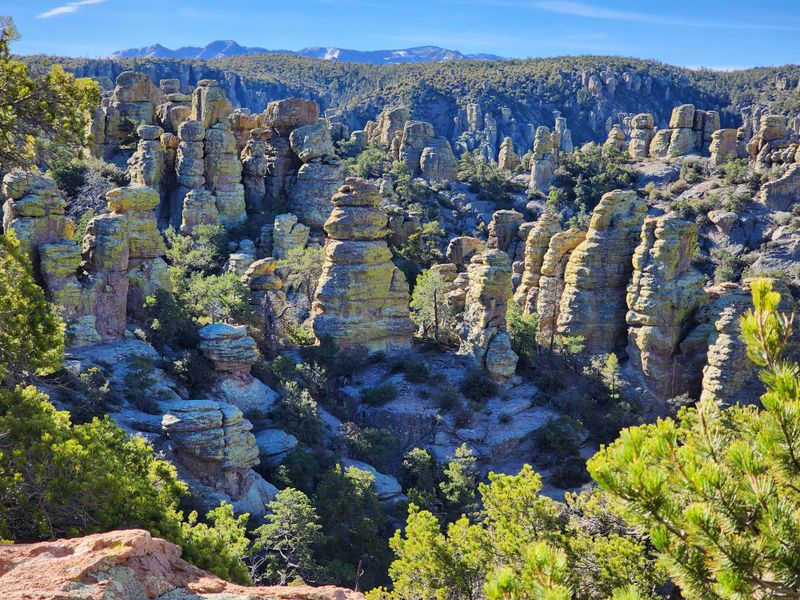
Massai Point sits at the end of the scenic drive, a natural balcony with patient views.
The observation shelter provides context without stealing the show.
From here the hoodoo forest stretches in deliberate ranks, and the distant ranges arrange themselves like measured stanzas.
The air feels higher and cleaner, the kind that straightens posture without comment.
Short paths around the point yield slightly different compositions with minimal effort.
Late day light warms the spires and lays gentle shadows across the gullies.
A camera lens wide enough to breathe is handy, yet even a casual glance compresses the grandeur into something understandable.
You realize the scale only when a raven crosses and seems unhurried in the span.
Interpretive panels tell a concise story of volcanic tuff hardened into rhyolite, then sculpted by frost and rain.
The explanation carries weight because the proof stands in rows ahead of you.
A bench invites measured sitting, the better kind of sightseeing.
The pause lets the eye choose details rather than chase them.
Practical matters remain straightforward at this terminus.
The road is paved, with pullouts for sudden enthusiasms, and winter can bring ice that favors caution.
Even on calm days, the breeze can nip at fingers, so a light layer proves wise.
When you leave, the last look affirms the place’s calm confidence.
Rhyolite Canyon Trail And The Murmur Of Water
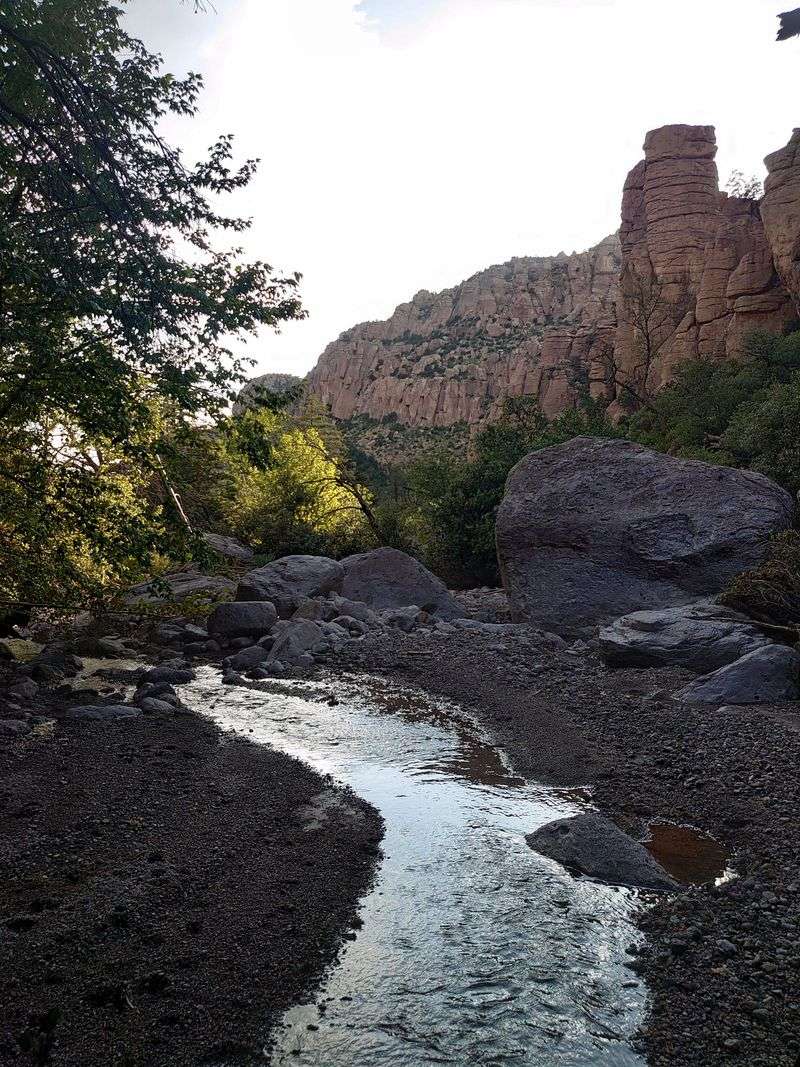
Rhyolite Canyon holds a modest creek that speaks in careful syllables after snowmelt or spring rain.
The trail folds in and out of shade, touching sycamore, oak, and the occasional pine.
Birdsong brightens the corridor, and the ground carries the sweet scent of damp leaves.
You fall into a steady cadence that encourages small observations and unhurried talk.
Stone steps descend to crossings where water gathers in clear pockets.
The sound is never loud, just persistent enough to mark distance without a clock.
Insects hover like punctuation, and a soft breeze moves the understory with spare economy.
You come to appreciate how the canyon narrows sound into something companionable.
Footing remains reasonable, though rocks polished by water invite attention.
Spring is kindest, yet autumn lays a subtle gold across the slopes that suits the mood.
A simple lunch finds the right home on a flat boulder near the flow.
Keep crumbs tidy, and the scene retains its clean lines.
As the trail rises to connect with upper routes, the water fades and the wind resumes its role.
Views open with polite timing, never rushing their entrance.
A return walk carries a little more certainty, as landmarks now present themselves like acquaintances.
You end with a good thirst and an appetite for the next turn of the map.
Sugarloaf Mountain Lookout And A Skyward Pause
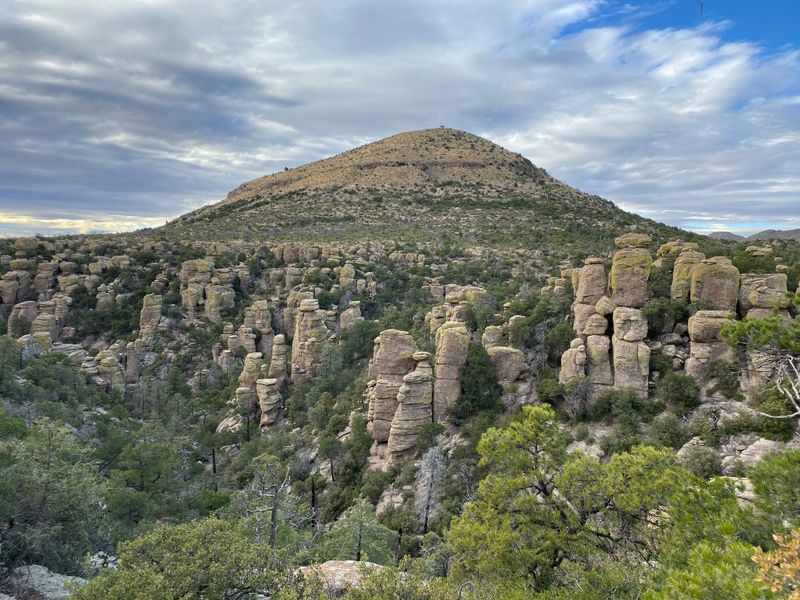
The climb to Sugarloaf Mountain’s fire lookout is brief but pleasingly direct.
Stone steps rise with a sense of purpose, and the tower appears in measured intervals above the ridge.
Views widen with each switchback, gathering distant ranges and the broad quilt of forest below.
The air carries that high country clarity that keeps thoughts uncluttered.
The lookout itself speaks to careful workmanship,
with masonry that has endured wind and season.
Windows frame the surrounding country like a practical gallery, and the catwalk gives an honest sense of exposure.
On a quiet day, you can hear the low creak of timbers adjusting to the breeze.
A logbook sometimes waits with signatures spaced like respectful footprints.
Photography favors the late afternoon, when the tower softens against a blue field.
Carry a layer, because gusts arrive without ceremony on the exposed summit.
The setting encourages a measured tone of voice, as if sound should travel only as far as needed.
You stay longer than planned because the bench insists without speaking.
Directions are simple from the main drive, and the path is well marked for steady shoes.
The return offers reverse angles that feel freshly drawn.
Rangers at the visitor center can share recent notes on conditions or seasonal closures.
The memory of the steps stays with you, counted first by legs and later by mind.
Faraway Ranch And The Human Thread

Faraway Ranch sits quietly in Bonita Canyon, a reminder that landscapes also carry human chapters.
The homestead buildings rest among grass and cottonwoods, their lines modest and sturdy.
Interpretive signs sketch the Erickson family’s story with a light hand, leaving space for imagination.
The walk between structures moves at an easy pace, and the setting encourages plain conversation.
History here feels close enough to touch without becoming nostalgic.
Photographs and small objects anchor the narrative, adding texture to names and dates.
You sense how ranch life adapted to the surrounding stone country with practical ingenuity.
The ranch broadens the monument’s scope, grounding the geologic in daily chores and steady aim.
Tours run seasonally with ranger guidance that favors clarity over flourish.
Even without a tour, the grounds reward attentive wandering, where details surface in hinges, fences, and worn thresholds.
Children often map their own routes between shade patches, and the place tolerates that freedom well.
A meadow breeze keeps the air moving, softening the sun’s insistence.
From the ranch, trails lead back toward the canyon with renewed context.
The hoodoos feel less remote once a family’s timeline sits beside them.
Parking is straightforward, and the distance from the visitor center allows a simple detour.
You leave with a sense that the landscape knows both work and wonder.
Visitor Center Essentials And A Quiet Exit
The visitor center near the park entrance offers a useful first stop before the scenic drive.
Exhibits explain the violent origins of the rhyolite and the patient work of erosion that followed.
Rangers answer questions with practiced calm, and the relief map shapes the day’s plan with refreshing clarity.
A few minutes here remove guesswork from the rest of the visit.
Maps and current trail conditions sit near the desk, along with notes on wildlife and seasonal closures.
A small shop stocks field guides and simple necessities that save a second trip to town.
Water fountains and restrooms make final adjustments easy, smoothing the start of any hike.
You walk out better prepared, which is its own quiet comfort.
Location details come into focus if you like bearing lines.
The address at 12856 East Rhyolite Creek Road in Willcox affirms you are in the right fold of the mountains.
Coordinates and the park website provide reliable references for later planning at home.
Hours read as open now most days, though weather still writes the last word.
Ending the day, the center’s porch offers a last look at the ridge before the road unwinds.
A soft tiredness pairs well with a final drink of water and a glance at the trail register.
The drive out feels slower, partly by design. You keep the view in the mirror a little longer than necessary.