
The Cozy Virginia Backroad Town That Never Makes The Travel Lists
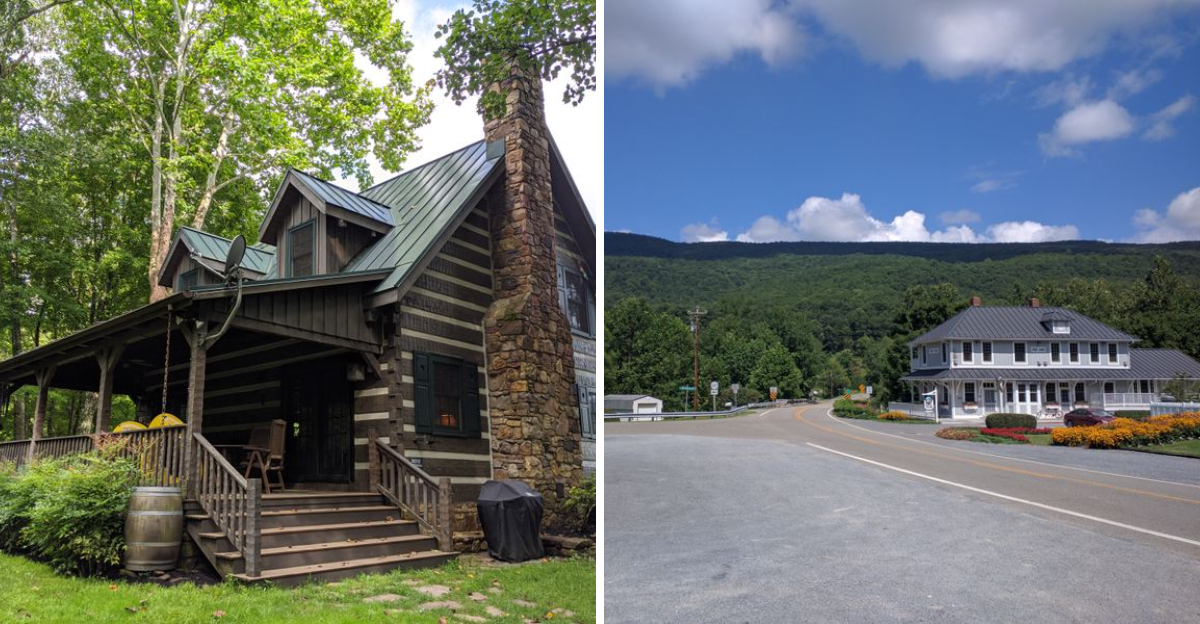
Paint Bank sits where two state routes cross in northern Craig County, tucked between Potts Mountain and Peters Mountain in a part of Virginia most travelers never think to visit.
With fewer than a hundred residents and no commercial noise to distract from the landscape, it remains one of those rare places that refuses to sell itself.
You won’t find it mentioned in glossy magazines or weekend getaway guides, and that’s exactly what makes it worth knowing about.
A Virginia Town With Fewer Than A Hundred Residents — And No Crowds
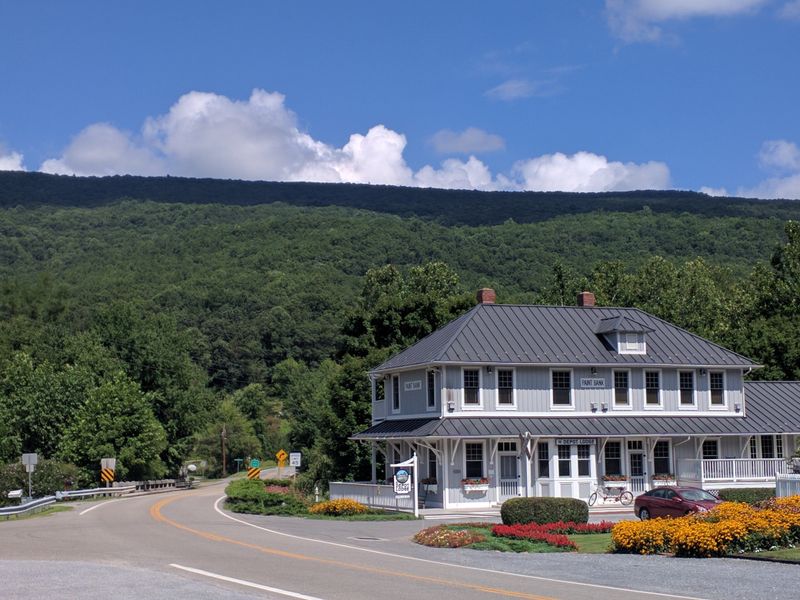
Population counts here don’t reach triple digits, and that fact alone shapes everything about how Paint Bank feels when you arrive.
There’s no downtown district to navigate, no parking meters, no weekend tourists clogging sidewalks with selfie sticks.
What you get instead is a crossroads settlement where State Route 18 meets State Route 311, surrounded by forested ridges and farmland that hasn’t changed much in generations.
People wave from porches.
Cars slow down not because of speed bumps, but because there’s no reason to hurry.
Where One Restaurant Is Also The Heart Of The Town
The Swinging Bridge Restaurant stands as the social center of Paint Bank, serving breakfast and lunch to locals, hikers, and the occasional lost motorist who stumbled onto Route 311 by accident.
It’s the kind of place where the menu doesn’t change much and nobody minds.
Eggs come with toast and coffee refills arrive without asking.
Conversations happen across tables, and if you sit long enough, someone will ask where you’re headed or tell you about the trout they caught last week.
The Buffalo Herds That Surprise First-Time Visitors
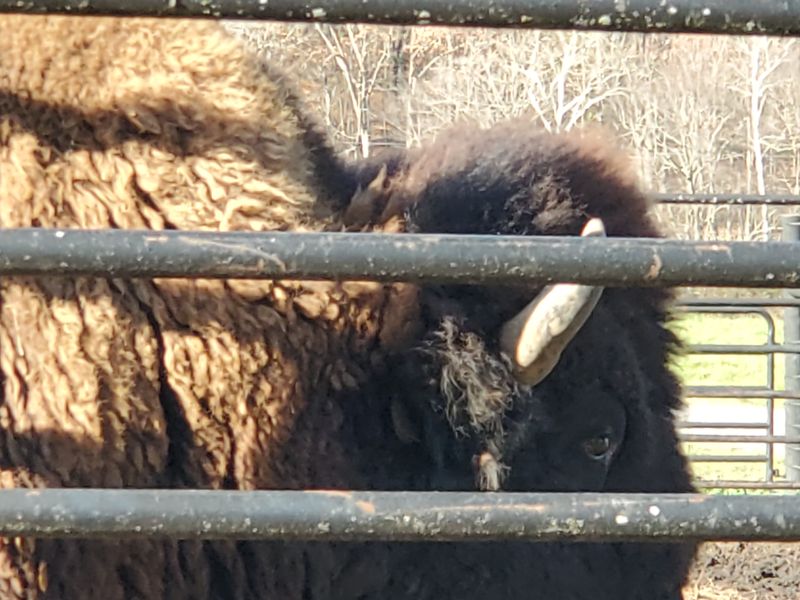
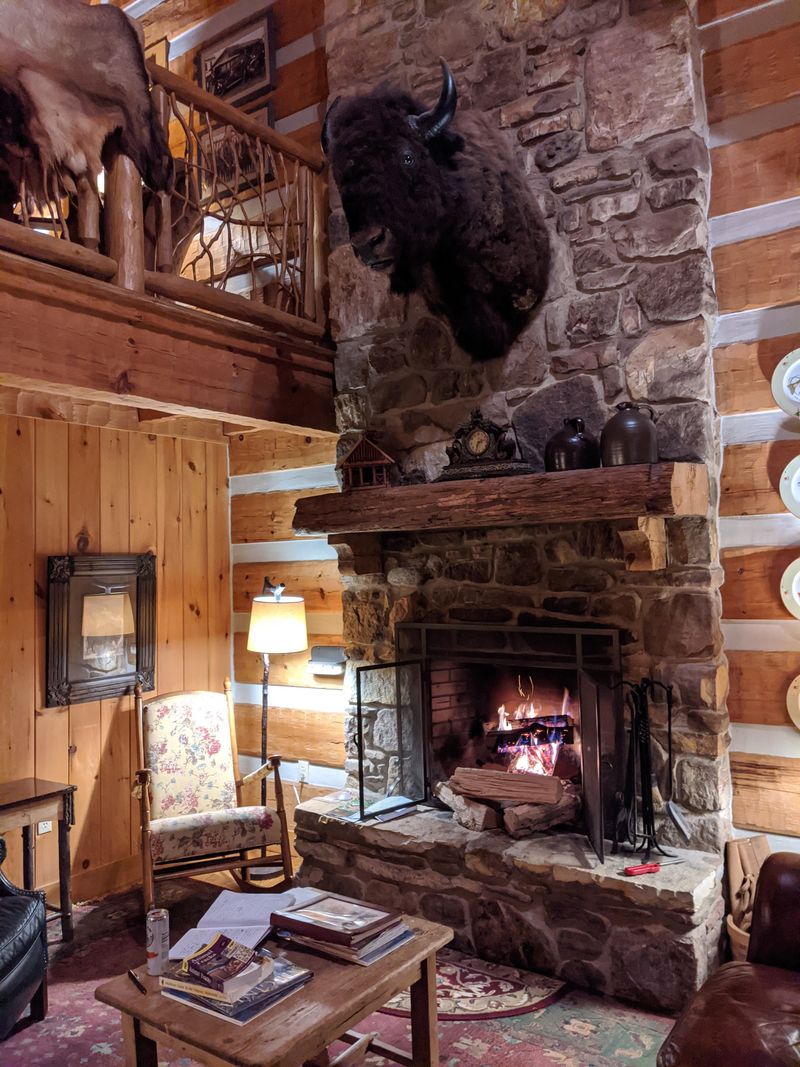
Driving along the backroads near Paint Bank, you might catch sight of something that doesn’t belong in Virginia’s forested highlands: a herd of American bison grazing behind split-rail fencing.
Several farms in the area raise buffalo, and seeing them against the backdrop of Potts Mountain feels oddly right, even if it’s unexpected.
They’re not tourist attractions with admission fees.
They’re working livestock, part of the agricultural patchwork that keeps this corner of Craig County alive and functional.
A General Store Stop That Still Feels Like A Necessity, Not A Souvenir
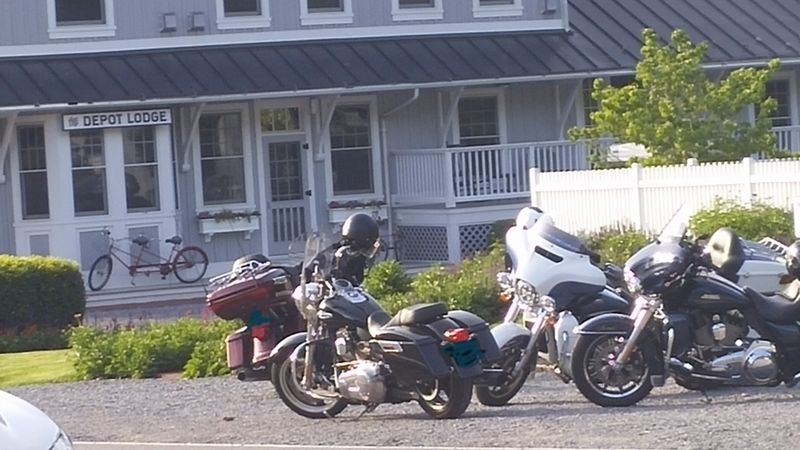
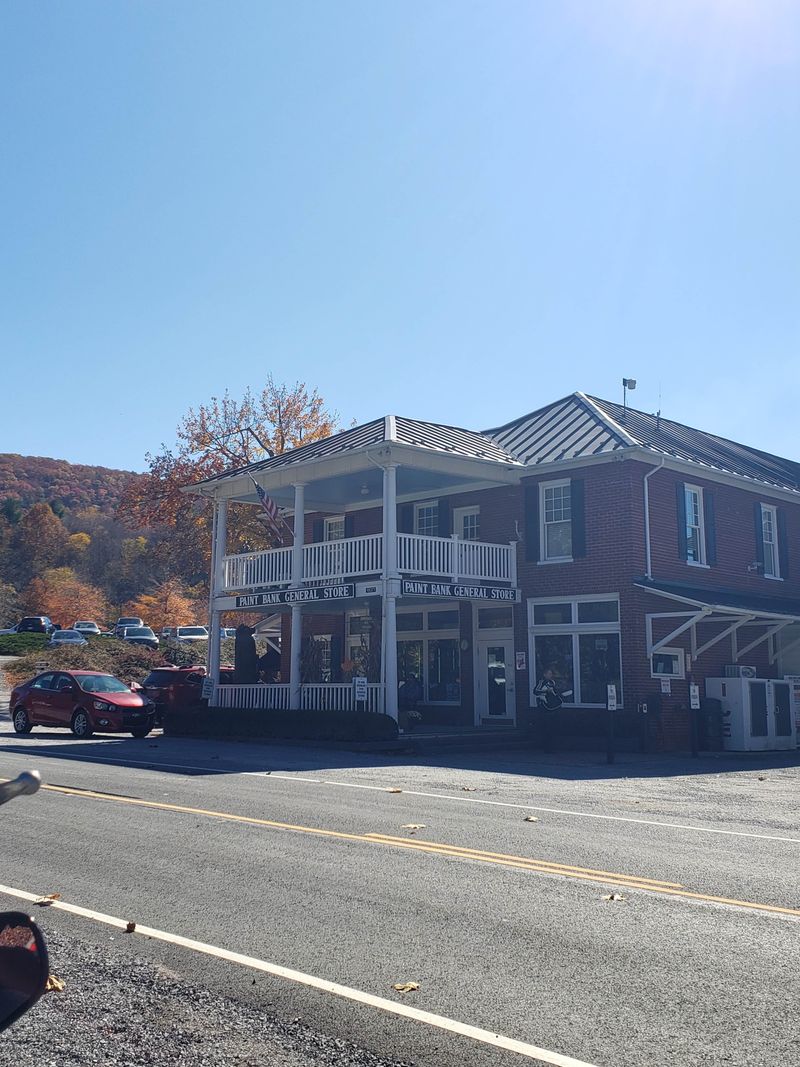
Paint Bank General Store operates as an actual store, not a curated experience designed to sell nostalgia to weekenders.
You can buy fishing licenses, bait, canned goods, work gloves, and cold drinks without wading through displays of decorative mason jars or scented candles shaped like barns.
The building itself has been serving the community for decades, and its survival depends on locals who need hardware and hikers who need snacks, not on Instagram photo ops.
It’s refreshingly functional.
A Restored Train Depot That Became A Place To Stay The Night
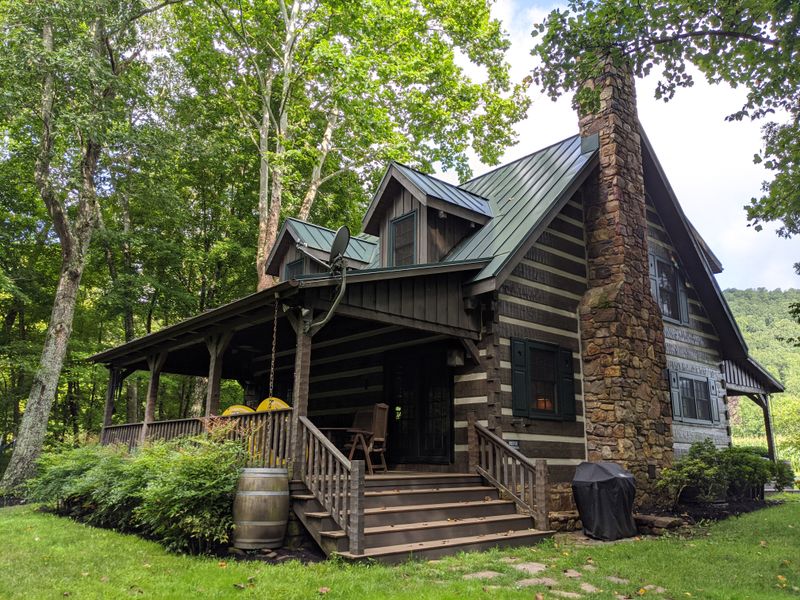
The old Potts Valley Railroad depot in Paint Bank has been converted into lodging, offering travelers a chance to sleep in a piece of the town’s rail history.
It’s small, straightforward, and located right where trains once stopped to load timber and livestock bound for markets farther east.
The restoration respects the building’s original purpose without turning it into a theme park.
You won’t find luxury amenities, but you will find quiet, and a view of the mountains that made this depot necessary in the first place.
The Quiet Mill That Tells The Story Of The Town’s Past
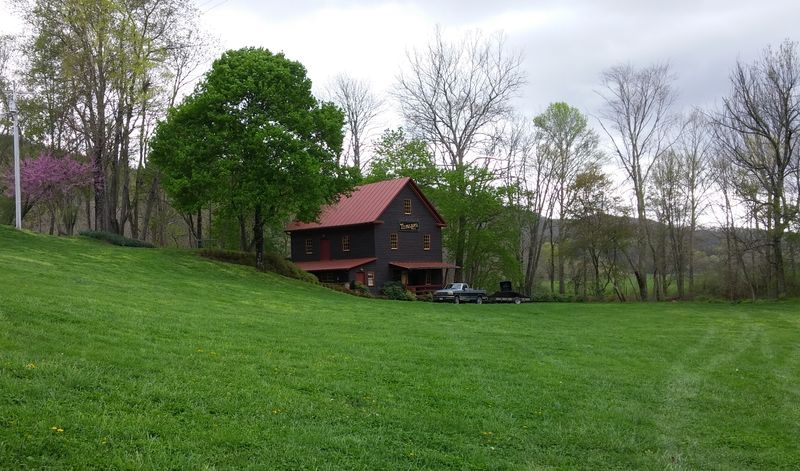
Paint Bank’s name comes from the red clay banks along Potts Creek, which Native Americans and early settlers used to make pigment.
Mills once dotted the creek, grinding grain and sawing timber for families who lived in the hollows and ridges nearby.
Most of those structures are gone now, but traces remain if you know where to look.
Old foundations, rusted equipment half-buried in moss, and stories passed down by families who still live on the same land their great-grandparents farmed.
A Trout Hatchery That Brings Statewide Importance To A Tiny Place
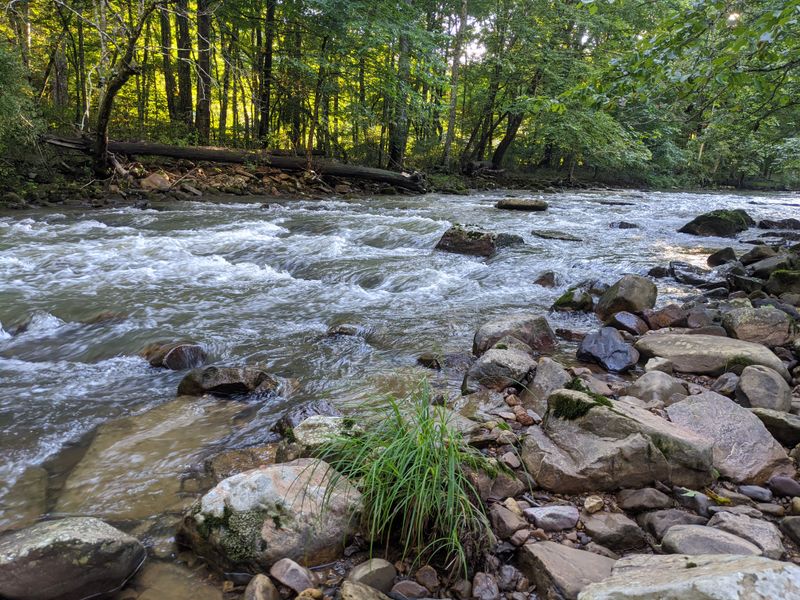
The Coursey Springs Trout Hatchery operates just outside Paint Bank, raising thousands of trout each year to stock rivers and streams across Virginia.
It’s one of several state-run facilities, but this one benefits from the cold, clean spring water that flows down from the surrounding mountains.
Visitors can stop by to watch the fish in their concrete raceways, learn about the stocking process, and understand why this remote location matters to anglers statewide.
It’s functional, educational, and surprisingly engaging.
Backroad Driving That’s The Destination, Not Just The Route
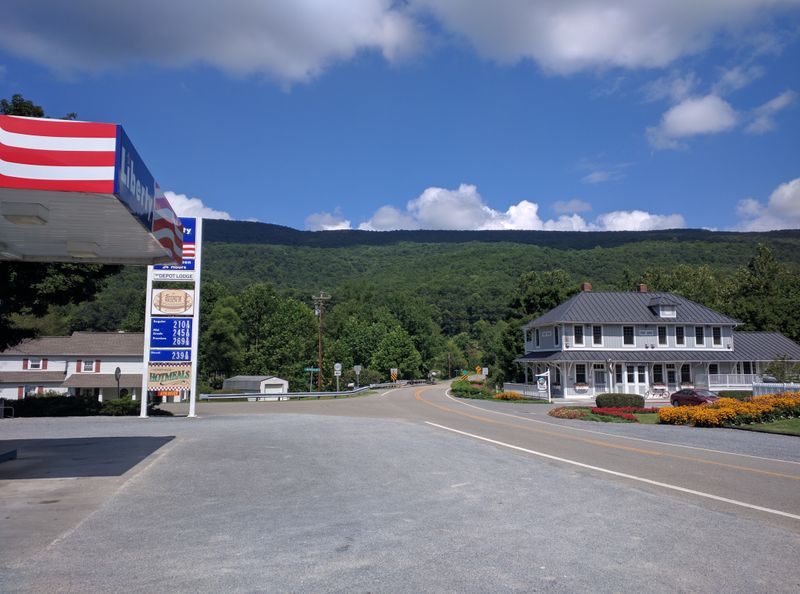
State Route 18 and State Route 311 wind through Paint Bank, offering some of the most scenic and least-traveled mountain roads in western Virginia.
The pavement curves along ridgelines, dips into creek valleys, and climbs through hardwood forests that explode with color every October.
Motorcyclists know these roads well, but most car travelers miss them entirely, sticking to interstates that promise speed over experience.
Here, the drive itself is the point, and Paint Bank is the quiet center of it all.
No Traffic Lights, No Chain Stores, No Rush
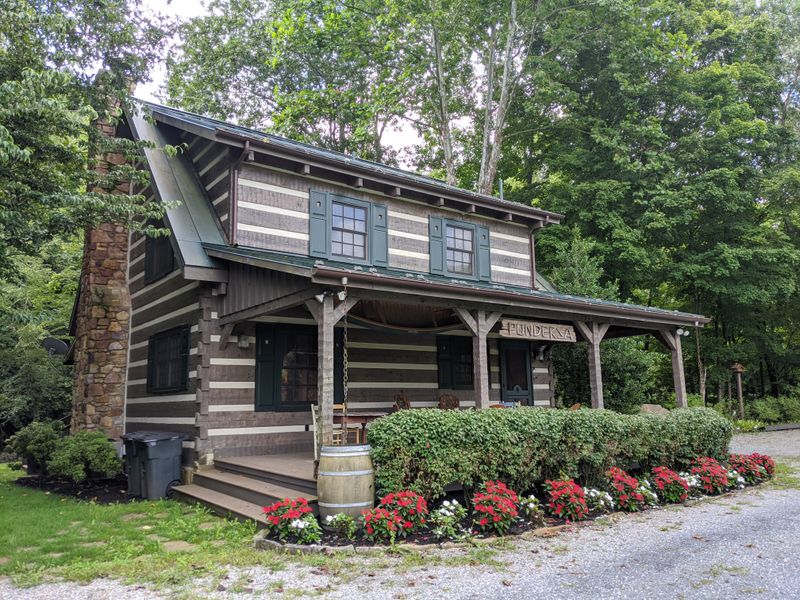
Paint Bank has none of the infrastructure that usually signals development.
There are no traffic signals, no franchise restaurants, no big-box retailers, and no plans to build any.
What remains is a community that operates on handshake agreements, word-of-mouth recommendations, and the understanding that bigger isn’t always better.
Life here moves at a pace dictated by weather, seasons, and the rhythms of farming and fishing rather than quarterly earnings reports or tourist season calendars.
A Basecamp For Exploring Virginia’s Least-Visited Mountain Country
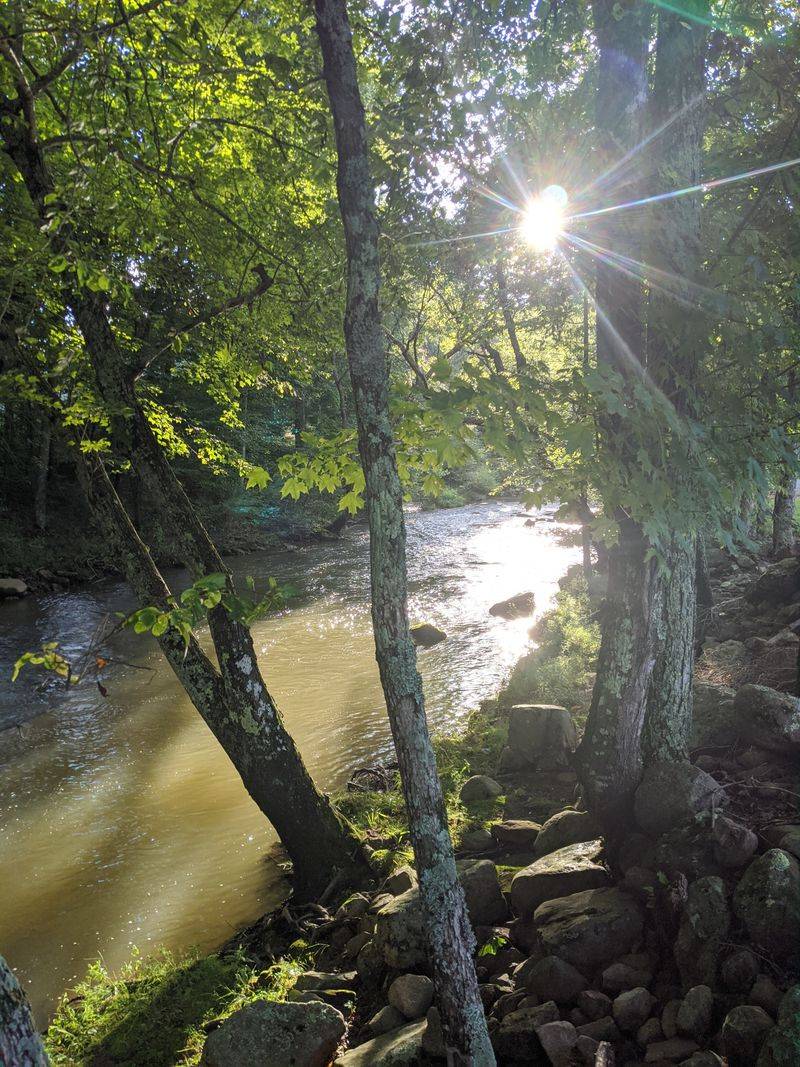
Paint Bank sits at the edge of the Jefferson National Forest, with trails, streams, and ridges stretching in every direction.
Potts Mountain and Peters Mountain flank the valley, offering hiking routes that see far fewer boots than the crowded paths near Roanoke or Charlottesville.
Anglers come for the trout streams.
Hunters return each fall.
Backpackers use the town as a resupply point on longer through-hikes, appreciating the lack of fanfare and the availability of cold beer at the general store.
Why Paint Bank Rarely Appears On Best Of Lists — And Why That’s A Good Thing
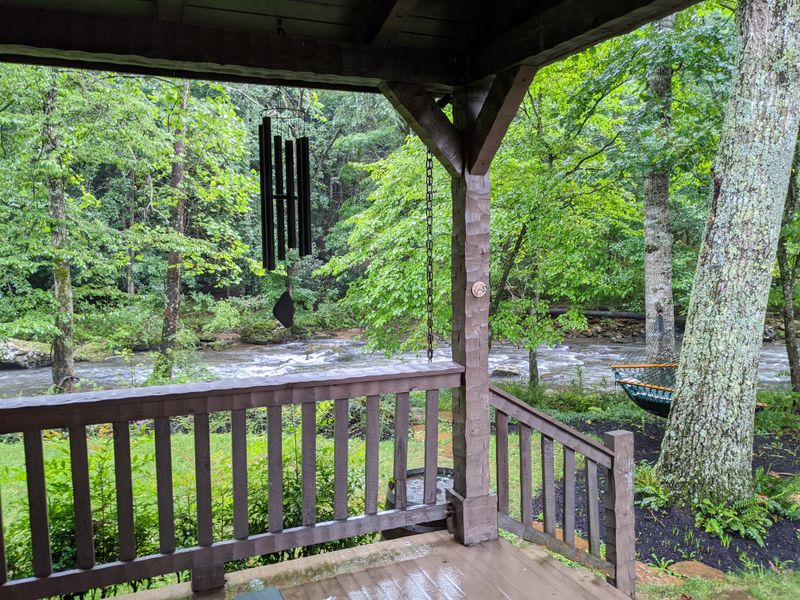
Travel writers tend to favor places with amenities, activities, and enough infrastructure to fill a weekend itinerary.
Paint Bank offers none of that, which means it gets passed over in favor of towns with breweries, boutique hotels, and farmers markets.
But that absence of polish is precisely what protects it.
Without the pressure to perform for visitors, Paint Bank remains a place where people live and work rather than a stage set designed to charm outsiders with money to spend.
The Kind Of Town You Discover Once — And Then Tell No One About
There’s a certain type of traveler who finds Paint Bank, enjoys it, and then keeps quiet about it.
Not out of selfishness, but out of respect for the fact that some places function best when they’re not overrun.
You might mention it to a close friend who understands the difference between a destination and a discovery.
But you won’t post it online with a pin drop and a caption urging everyone to visit before it changes, because you’d rather it didn’t change at all.