
11 Uncharted Beaches In Florida You Should Visit Before They’re Overrun
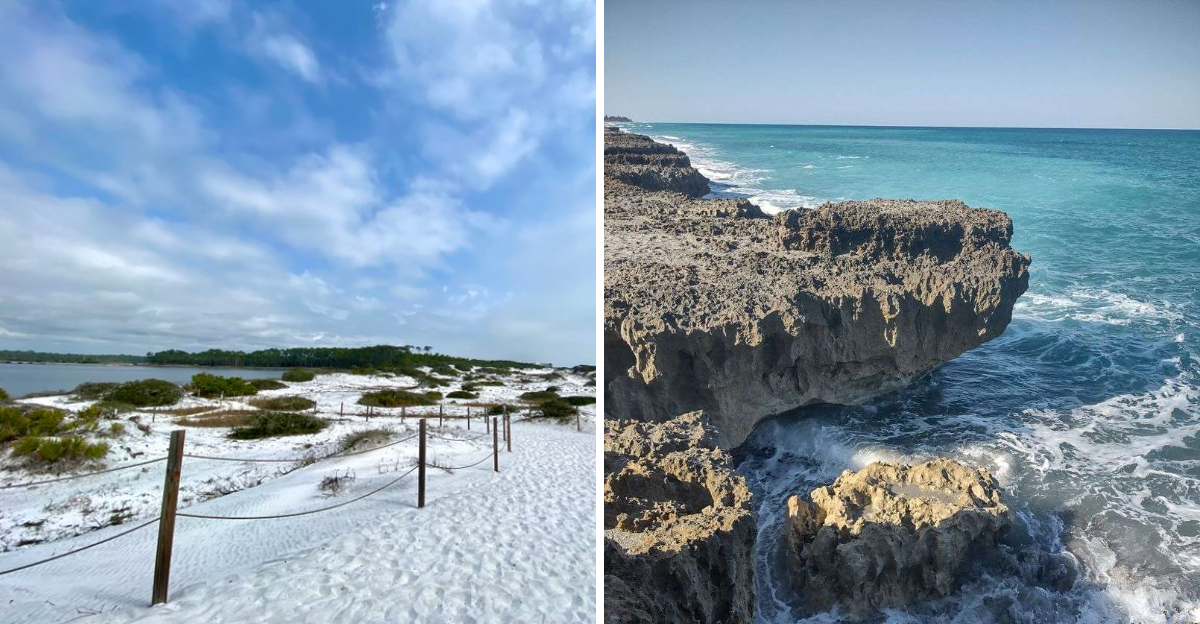
Florida’s coastline stretches over 1,300 miles, but most tourists flock to the same crowded hotspots year after year.
Hidden between the theme parks and resort towns lie pristine stretches of sand that few people know about—yet.
Before Instagram influencers and tour buses discover these secret gems, you have the chance to experience Florida’s wild, untouched beauty.
Pack your sunscreen and sense of adventure, because these eleven beaches won’t stay hidden forever.
1. Caladesi Island State Park (Dunedin / Clearwater Area)
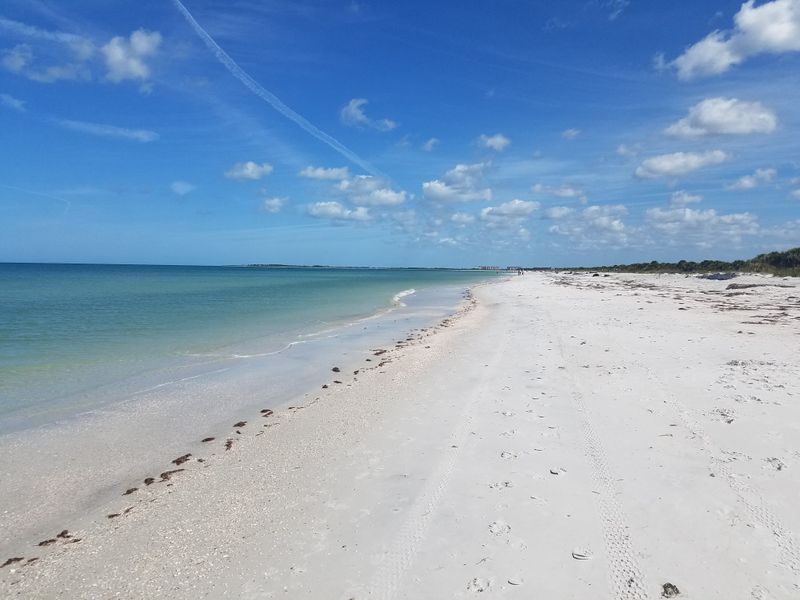
Accessible only by boat or ferry, this barrier island feels like stepping into another world entirely.
White powdery sand squeaks beneath your feet as you walk along three miles of undeveloped coastline. Crystal-clear Gulf waters lap gently at the shore, and you might spot dolphins playing in the distance.
The journey here keeps the crowds away—no bridges connect this paradise to the mainland.
You’ll need to catch the ferry from Honeymoon Island or paddle your own kayak across.
Once you arrive, nature trails wind through mangrove forests where hermit crabs scuttle across the path.
Bring a picnic because the limited concessions close early, and cell service is practically nonexistent.
That digital detox is exactly what makes Caladesi special.
Consistently ranked among America’s best beaches, it somehow remains blissfully uncrowded most weekdays.
2. Cayo Costa State Park (Near Cape Coral / Boca Grande)
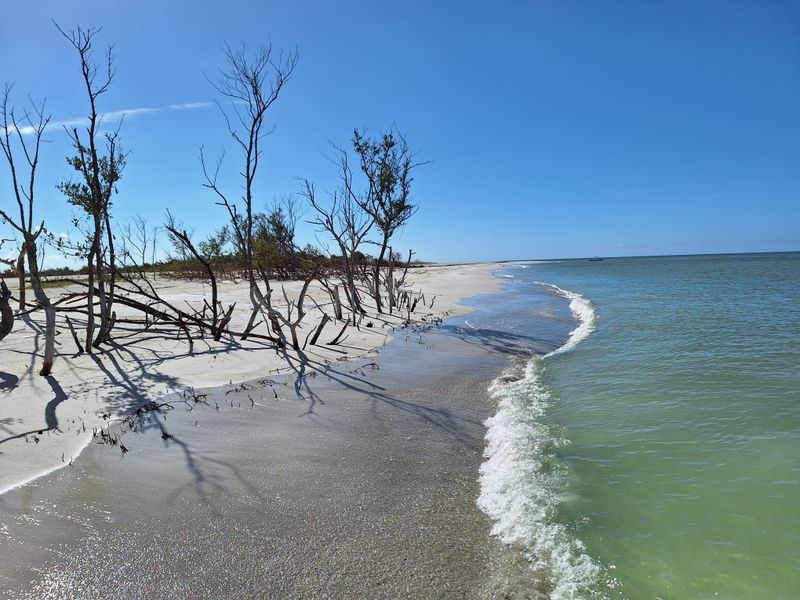
Shell collectors dream about places like this—nine miles of completely undeveloped beach where treasures wash ashore daily.
Getting here requires planning since there’s no bridge access whatsoever.
Passenger ferries depart from nearby Captiva Island and Pine Island, or you can hire a water taxi.
The effort pays off immediately when you step onto shores littered with lightning whelks, sand dollars, and fighting conchs.
Wild pigs occasionally wander the interior pine forests, descendants of Spanish explorers’ livestock from centuries ago.
Primitive cabins are available for overnight stays if you want the full castaway experience.
Just remember to pack everything you need—there are no stores, restaurants, or WiFi to distract you.
Sunset here paints the sky in impossible shades of orange and pink.
As darkness falls, stars emerge in numbers city dwellers rarely witness.
3. Dr. Julian G. Bruce St. George Island State Park (Apalachicola Area)
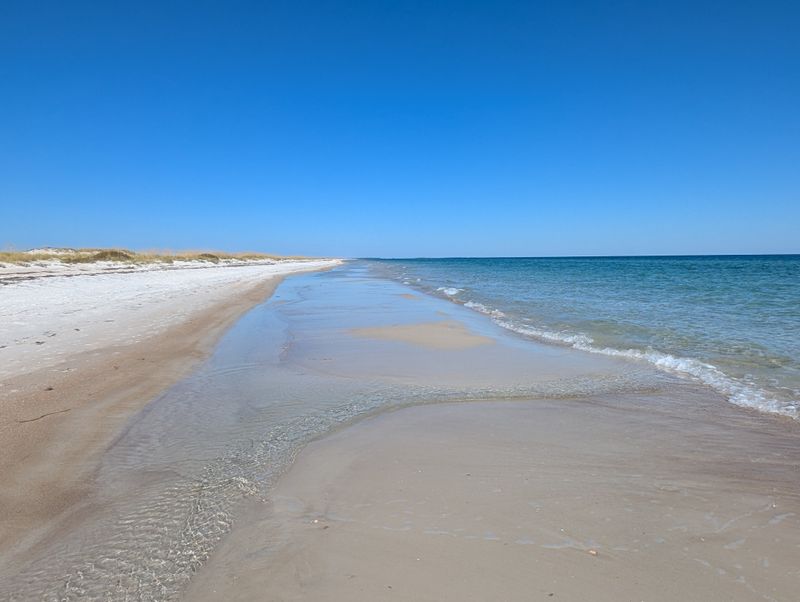
Tucked away in Florida’s forgotten Panhandle, this nine-mile stretch feels worlds apart from the spring break chaos of nearby Panama City.
Sugar-white sand dunes rise like gentle hills, held together by swaying sea oats that rustle in the constant breeze.
The water here glows an almost unreal shade of emerald green on sunny days.
Located at the island’s eastern tip, the park protects a fragile barrier island ecosystem.
Loggerhead sea turtles nest here during summer months, leaving distinctive tracks in the sand overnight.
Fishing enthusiasts cast lines from the bay side, hoping to hook redfish or speckled trout.
The Gulf side offers calmer swimming conditions than most Panhandle beaches.
Small beach towns dot St. George Island, but this state park section remains beautifully preserved.
Arrive early on summer weekends because parking fills up fast despite its remote location.
4. Grayton Beach State Park (30A / South Walton)

Sandwiched between million-dollar beach houses along famous Highway 30A, this state park preserves what the area looked like before developers arrived.
A rare coastal dune lake sits just behind the beach, creating a unique ecosystem found in only a few places worldwide.
Freshwater and saltwater mix where Western Lake occasionally breaches the sand barrier.
Towering sand dunes provide the perfect vantage point for watching Gulf sunsets.
Scrub oaks and magnolias shade the nature trails winding through the interior.
The neighboring town of Grayton Beach maintains its old Florida charm despite 30A’s growing popularity.
Funky beach shacks and art galleries line the streets instead of chain restaurants.
Camping options include both RV sites and cozy cabins nestled in the maritime forest.
Wake up to the sound of waves and birdsong rather than traffic noise, even though civilization is minutes away.
5. T.H. Stone Memorial St. Joseph Peninsula State Park (Port St. Joe / Cape San Blas)
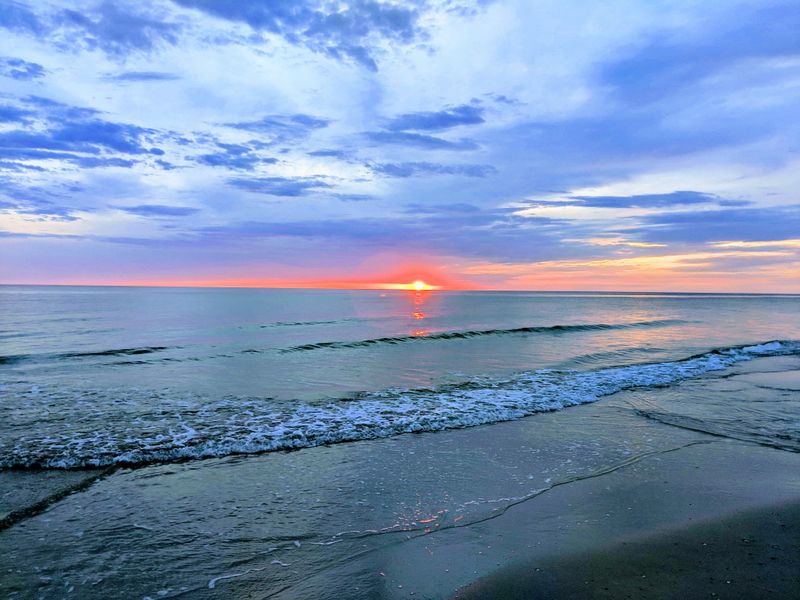
Cape San Blas curves into the Gulf like a giant fishhook, creating some of the most dramatic coastal scenery in Florida.
This narrow peninsula offers beaches on both sides—Gulf waves on one edge, calm bay waters on the other.
Walk across in some spots and you can see both bodies of water simultaneously.
Wilderness camping areas put you steps from the shoreline with nothing but sand dunes blocking the horizon.
Full-facility campgrounds accommodate those who prefer showers and electricity.
The northern tip of the peninsula remains completely undeveloped, accessible only by hiking or beach driving with proper permits.
Shorebirds outnumber humans by hundreds to one in this protected area.
Strong currents make swimming tricky in certain sections, but the fishing more than compensates.
Pompano, whiting, and flounder bite regularly from the surf, while the bay side produces redfish and trout.
6. Stump Pass Beach State Park (Manasota Key / Englewood)
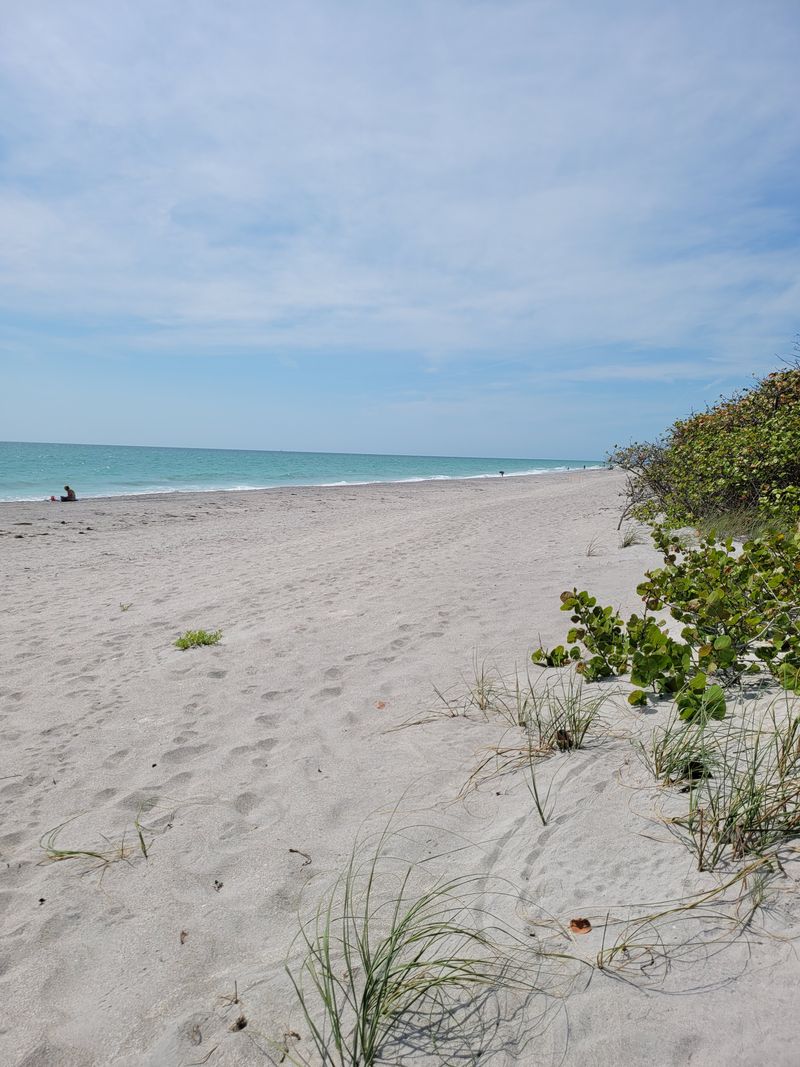
Where Manasota Key ends and Gasparilla Island begins, tidal currents rush through a natural pass that creates exceptional shelling conditions.
Strong currents carry shells from deeper waters and deposit them along the shoreline.
Serious collectors arrive at low tide with mesh bags, scanning for Scotch bonnets and alphabet cones.
The beach curves around the pass, offering views of boats navigating the inlet.
Dolphins frequently hunt in these nutrient-rich waters, sometimes coming remarkably close to shore.
Unlike many Gulf beaches, this one faces southeast, providing different light and weather patterns.
Sunrise here rivals sunset at west-facing beaches, painting the sky in brilliant pinks and golds.
Limited parking keeps crowds manageable even during peak season.
The lack of amenities means you should bring water, snacks, and anything else you might need for the day.
7. Boneyard Beach (Big Talbot Island State Park)

Massive bleached tree skeletons sprawl across dark sand like ancient ruins from a forgotten civilization.
Coastal erosion claimed the maritime forest decades ago, leaving behind this hauntingly beautiful graveyard of oaks and cedars.
Photographers flock here for the otherworldly scenery that changes with every tide.
The beach itself is narrow and rocky compared to typical Florida shores.
Black pebbles and crushed shells create a crunching soundtrack as waves retreat.
Swimming isn’t ideal here—the real attraction is exploring the twisted driftwood sculptures nature created.
Climb carefully on the larger pieces for unique photo opportunities.
Located near Jacksonville on the Atlantic coast, Big Talbot Island sees fewer visitors than its famous neighbor, Amelia Island.
Timing your visit for golden hour creates magical lighting conditions as sun filters through skeletal branches.
8. Playalinda Beach (Canaveral National Seashore)
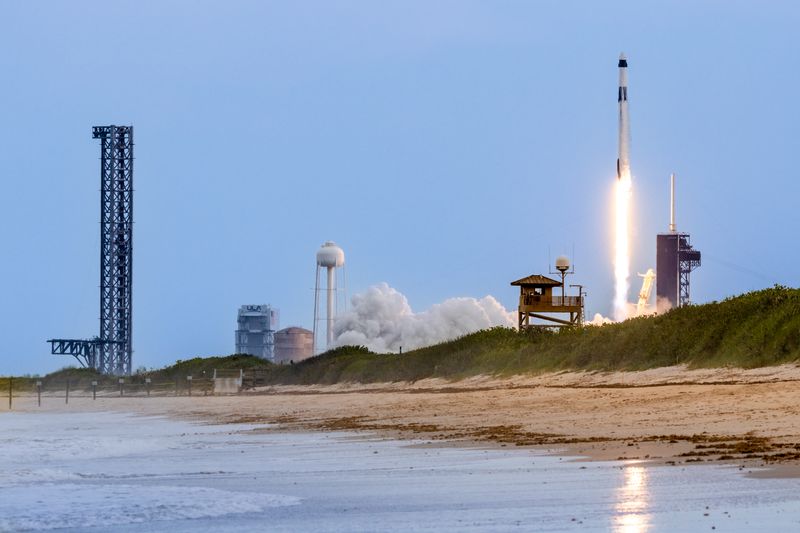
Rocket launches from Kennedy Space Center provide an unexpected backdrop to this pristine Atlantic beach.
Twenty-four miles of protected coastline remain blissfully undeveloped, bordered by Mosquito Lagoon on one side and the Atlantic on the other.
Numbered parking lots provide beach access at intervals, with the most remote sections requiring longer walks.
Sea turtle nesting season brings special restrictions to protect loggerheads, greens, and leatherbacks returning to their birthplace.
Witnessing a launch from the beach creates an unforgettable juxtaposition of nature and technology.
The southern parking lots attract clothing-optional sunbathers, while families typically stick to the northern areas.
Check ahead because the entire beach closes temporarily during rocket launches for safety.
Strong Atlantic currents demand respect from swimmers.
The reward for braving the waves? Practically empty beaches on weekdays and spectacular sunrise views that make early wake-ups worthwhile.
9. Opal Beach (Gulf Islands National Seashore)
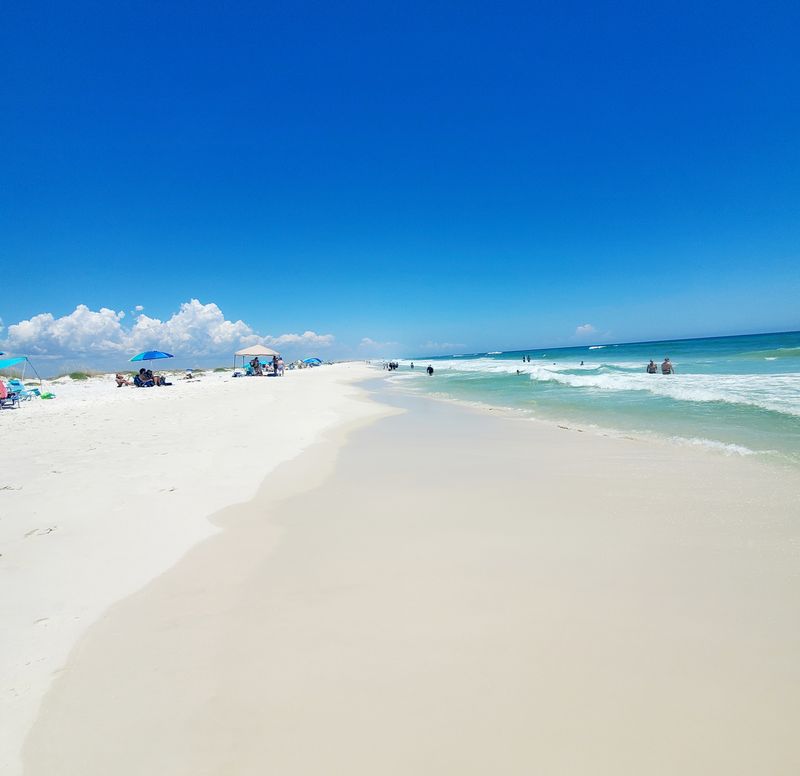
Hidden within the protected lands of Gulf Islands National Seashore, Opal Beach escaped the condo canyon fate of nearby Pensacola Beach.
Brilliant white quartz sand reflects sunlight so intensely you’ll need quality sunglasses.
The sand here is actually ancient quartz crystal ground down over thousands of years, giving the beach its signature sparkle.
Gentle waves make this spot perfect for families with young children.
The gradual slope into the water means you can walk out quite far before it gets deep.
Designated parking areas fill quickly on summer weekends, but the beach extends for miles in both directions.
Walk fifteen minutes east or west and you’ll likely have an entire stretch to yourself.
Santa Rosa Island’s narrow width means you can explore both Gulf beaches and quiet sound-side shores in one visit.
Bring binoculars because birdwatching opportunities abound in the surrounding dunes and wetlands.
10. Shell Key Preserve (Pinellas County, Off Fort De Soto)
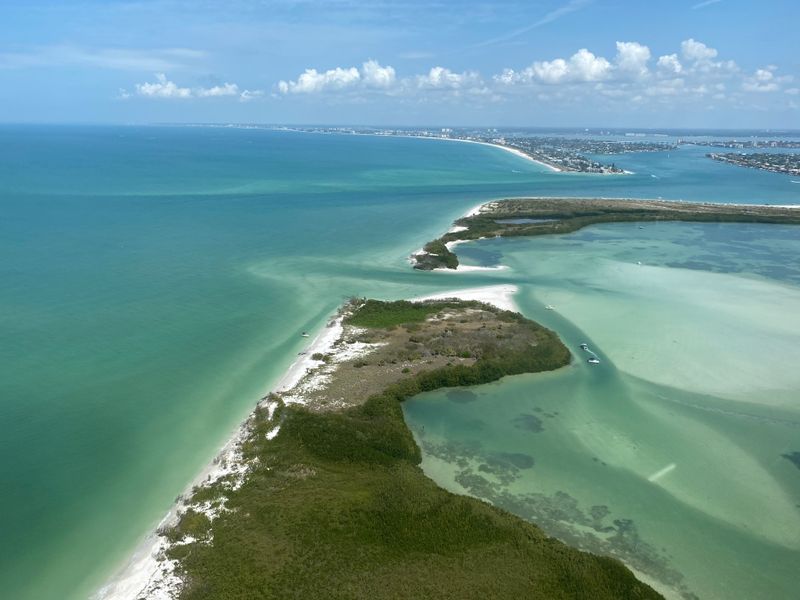
Kayakers and boaters discover this uninhabited barrier island just minutes from busy Fort De Soto Park.
No facilities exist here whatsoever—no bathrooms, no pavilions, no lifeguards.
Just 1,800 acres of pristine beach and mangrove habitat that feels miles from civilization despite being visible from the mainland.
The shallow waters surrounding Shell Key glow in shades of turquoise that rival Caribbean destinations.
Wading birds stalk the flats at low tide, hunting for small fish and crustaceans.
Guided kayak tours launch from Fort De Soto, but experienced paddlers can navigate the short crossing independently.
Check tide charts because strong currents make the channel tricky during tidal changes.
The island constantly shifts shape as storms and currents move sand around.
What existed as a wide beach last year might be underwater now, making each visit unique and slightly unpredictable.
11. Blowing Rocks Preserve (Jupiter Island / Hobe Sound)
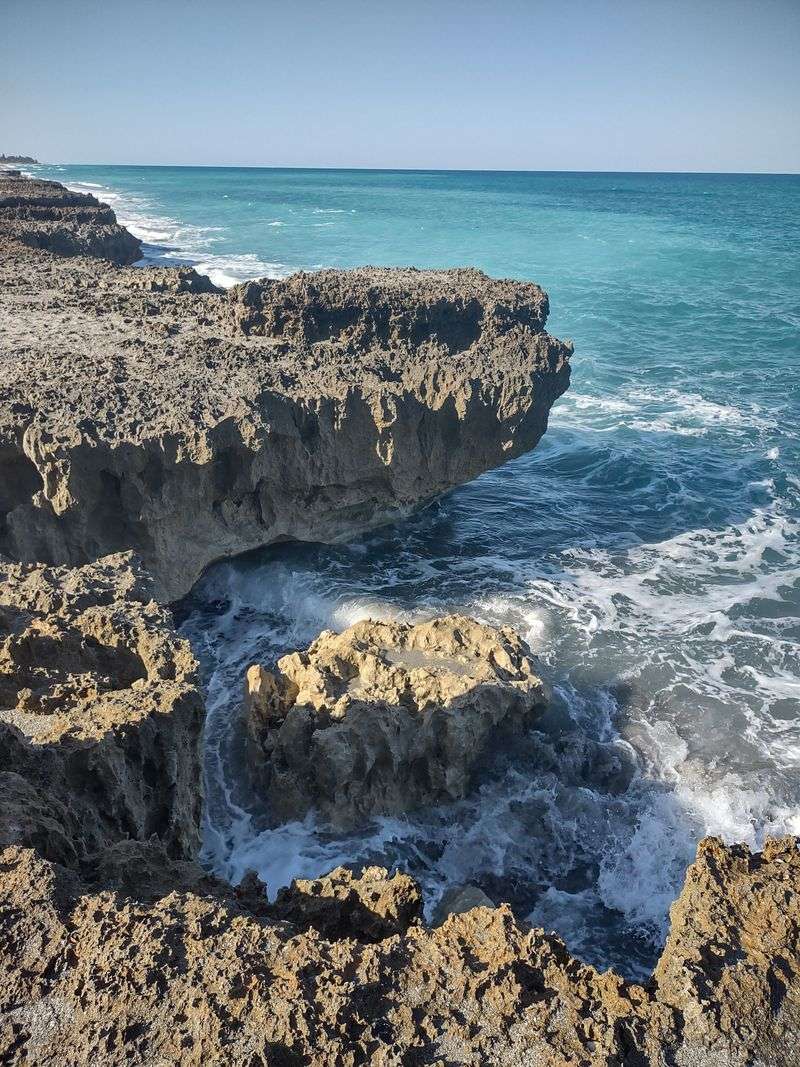
When high tide coincides with rough seas, waves explode through ancient limestone formations, sending spray fifty feet into the air.
This spectacle gives the preserve its name and creates one of Florida’s most unique beach experiences.
The Anastasia limestone outcrop is the largest on Florida’s east coast, formed from compressed shells and coral millions of years ago.
During calm conditions, tide pools form between the rocks, creating miniature aquariums filled with small fish and sea creatures.
Kids love exploring these natural windows into ocean life.
Sea turtle nesting season transforms the preserve into a vital nursery.
Volunteers patrol nightly, protecting nests from predators and artificial light.
A short nature trail winds through coastal hammock habitat behind the beach.
Native plants thrive here thanks to careful management by The Nature Conservancy, which owns and operates the preserve as a living laboratory for coastal conservation.