
New Hampshire’s Lakeside Town Locals Don’t Want You To Find

Tucked away in Rockingham County, Deerfield represents one of those rare New Hampshire communities that has managed to stay off the radar of most travelers.
While tourists flock to the state’s famous lake regions, this small town of fewer than five thousand residents quietly enjoys its ponds, forests, and the kind of peaceful atmosphere that vanishes once the crowds arrive.
Locals have grown protective of their corner of New England, not out of unfriendliness, but because they understand what happens when a place becomes too popular.
For those willing to look beyond the guidebooks, Deerfield offers something increasingly difficult to find: authentic rural character without the souvenir shops.
A Quiet Lakeside Town That Rarely Appears On Tourist Maps
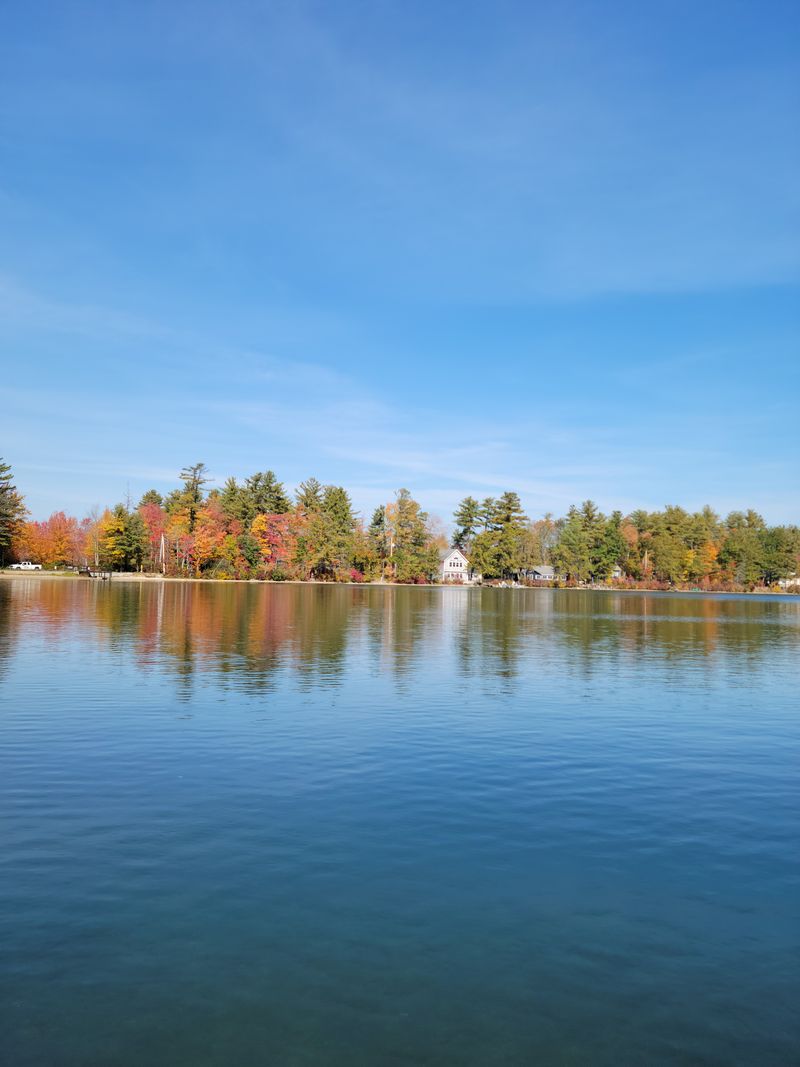
Deerfield exists in that comfortable space between obscurity and discovery, where most travelers simply pass through without stopping.
The town sits along Route 43 and Route 107, roads that connect larger destinations but rarely serve as the destination themselves.
Population figures from the 2020 census put residents at 4,855, a number that has grown modestly but never explosively.
This measured growth reflects deliberate choices rather than accident.
Local planning has favored preservation over expansion, keeping the town’s rural character intact even as nearby areas have developed rapidly.
Visitors who do arrive often come for specific reasons—the annual Deerfield Fair, family connections, or word-of-mouth recommendations from those who value quiet over convenience.
The absence of major hotels or tourist infrastructure reinforces the town’s low profile.
Deerfield remains content in its role as a place people live rather than visit, and that distinction makes all the difference.
Peaceful Ponds And Small Lakes Instead Of Crowded Waterfronts

Rather than competing with Lake Winnipesaukee or Squam Lake, Deerfield offers water on a more intimate scale.
Several small ponds dot the landscape, providing fishing, kayaking, and swimming opportunities without the boat traffic and waterfront congestion found elsewhere.
These bodies of water feel more like natural features than recreational destinations, their shores largely undeveloped and accessible primarily to those who live nearby.
The town’s location at coordinates 43.1324214, -71.2407632 places it within reach of larger lakes while maintaining its own quieter character.
Mornings here begin with mist rising off still water, the kind of scene that disappears once jet skis and tour boats arrive.
Residents use these ponds regularly, treating them as extensions of their backyards rather than public attractions.
The water remains clean precisely because it hasn’t been loved to death by thousands of visitors each summer.
This scale suits those who prefer solitude to amenities.
Rural New Hampshire Charm Preserved By Limited Development

Development patterns in Deerfield have followed a path that prioritizes space over density, resulting in a landscape that still reads as agricultural rather than suburban.
Stone walls trace property lines through woods where they once marked pasture boundaries.
Older homes sit well back from the road, their long driveways suggesting an era when privacy required physical distance.
Zoning decisions over the decades have prevented the strip mall sprawl that has transformed other New Hampshire towns into indistinguishable commercial corridors.
The town center remains modest, with essential services rather than chains or franchises dominating the landscape.
This preservation hasn’t happened by accident but through consistent choices by residents who value what they have over what they might gain through rapid growth.
The result is a place where open space still defines the visual experience.
Fields give way to forest without the interruption of housing developments or shopping plazas, maintaining the rural character that originally attracted people here.
A Slower Pace Of Life Surrounded By Forests And Water
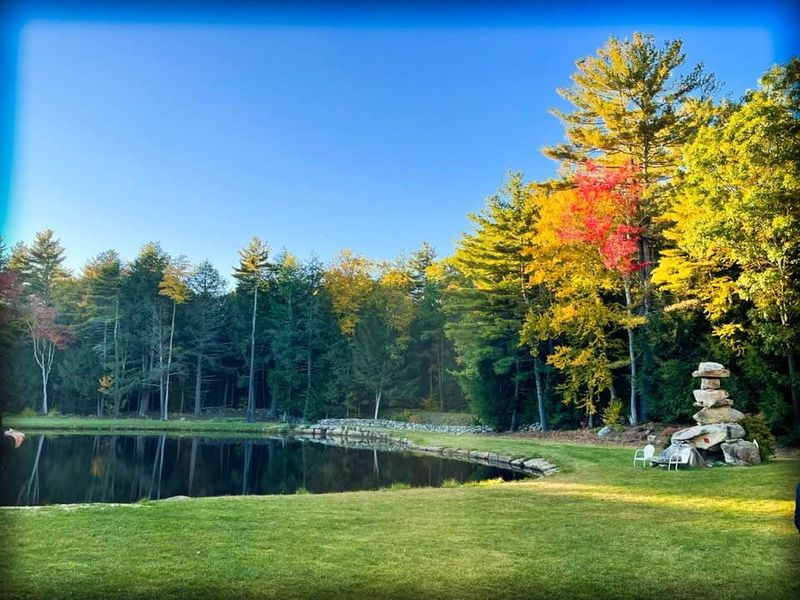
Time moves differently in places where natural features outnumber commercial ones, and Deerfield demonstrates this principle clearly.
The rhythm here follows seasons rather than schedules, with activities dictated more by weather and daylight than by business hours.
Forests cover much of the town, creating a buffer between properties and lending even short drives a sense of traveling through wilderness.
This abundance of trees means wildlife sightings are routine rather than remarkable.
Deer, turkeys, and smaller creatures move through backyards and along roadsides, their presence a reminder that humans share this space rather than dominate it.
The slower pace isn’t laziness but rather a different set of priorities, where productivity measures itself in gardens tended and wood stacked rather than meetings attended or deals closed.
Residents often mention the quiet as one of Deerfield’s greatest assets.
That quiet extends beyond mere absence of noise to include freedom from the constant stimulation that characterizes more developed areas.
Local Lakes Used More By Residents Than Visitors
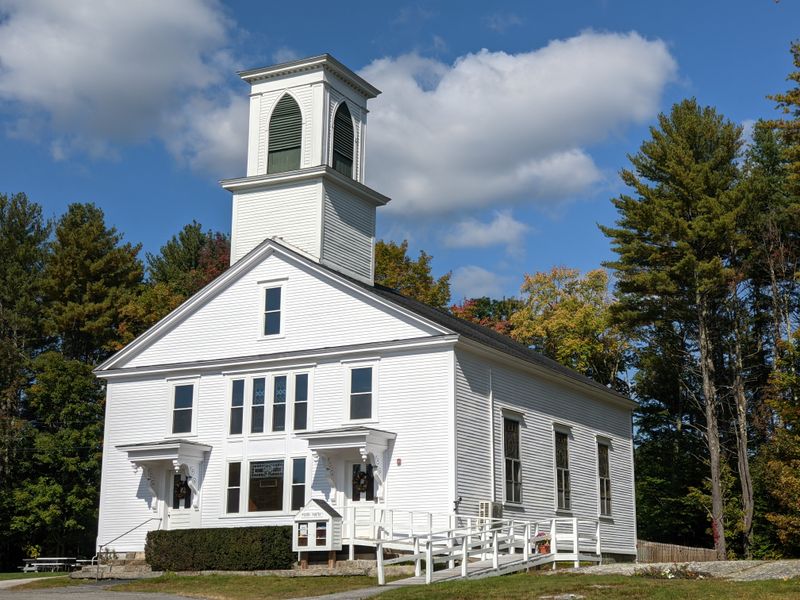
Ownership of experience matters, and in Deerfield, the water belongs primarily to those who live here year-round.
You won’t find public beaches with parking lots and concession stands, nor rental operations offering pontoon boats by the hour.
Instead, lake access remains largely private or informal, known to locals but not advertised to outsiders.
This arrangement keeps the water calm and the shores undeveloped, preserving the experience for those who appreciate it most.
Families who have lived here for generations maintain traditions around these ponds—fishing spots passed down through decades, swimming holes known by informal names that appear on no maps.
The absence of tourist infrastructure isn’t an oversight but a feature, one that residents guard carefully.
When locals use these waters, they do so with the ease of long familiarity.
There’s no performance involved, no Instagram-worthy moments staged for outside audiences.
The experience remains genuine because it hasn’t been packaged for consumption.
Scenic Nature Without The Traffic Of Popular Lakes Regions
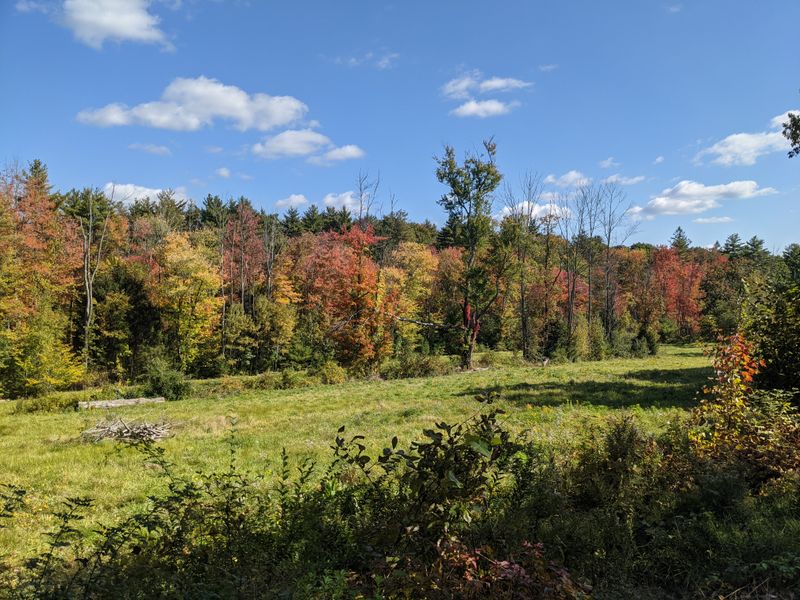
Beauty doesn’t require witnesses to exist, and Deerfield’s landscapes prove this point throughout the year.
Autumn brings foliage displays as vibrant as those found along more famous routes, but without the bumper-to-bumper traffic and crowded overlooks.
Spring arrives with wildflowers and returning birds, their appearance noted by residents rather than tour groups.
The scenery here rewards regular observation rather than quick visits, revealing subtleties that only become apparent with repeated viewing.
Trails through town-owned conservation land see steady but light use, enough to keep them maintained but never so much that the experience feels communal rather than personal.
Photographers who discover Deerfield often return, appreciating the ability to work without competing for angles or waiting for crowds to clear.
The natural world continues its cycles here largely unobserved by outsiders.
That privacy allows for a different quality of experience, one measured in quiet attention rather than captured moments.
A Close-Knit Community That Values Privacy And Calm

Communities form around shared values, and in Deerfield, those values center on maintaining the character that makes the place worth protecting.
The annual Deerfield Fair, held each fall, serves as the town’s most public face, drawing visitors from across the region for agricultural displays, carnival rides, and traditional fair activities.
Yet even this event, popular as it is, remains rooted in local tradition rather than tourist appeal.
Outside of fair week, the town returns to its quieter rhythms.
Residents know their neighbors, not through forced interaction but through the natural connections that form in small communities.
This familiarity breeds a protective instinct regarding the town’s future.
Planning meetings draw engaged participants who understand that decisions made today will shape Deerfield for decades to come.
The desire for privacy doesn’t indicate unfriendliness but rather a recognition that some places function best when they remain small and relatively unknown.
Residents welcome those who respect this balance.
Easy Access To Outdoor Recreation Without Commercial Crowds
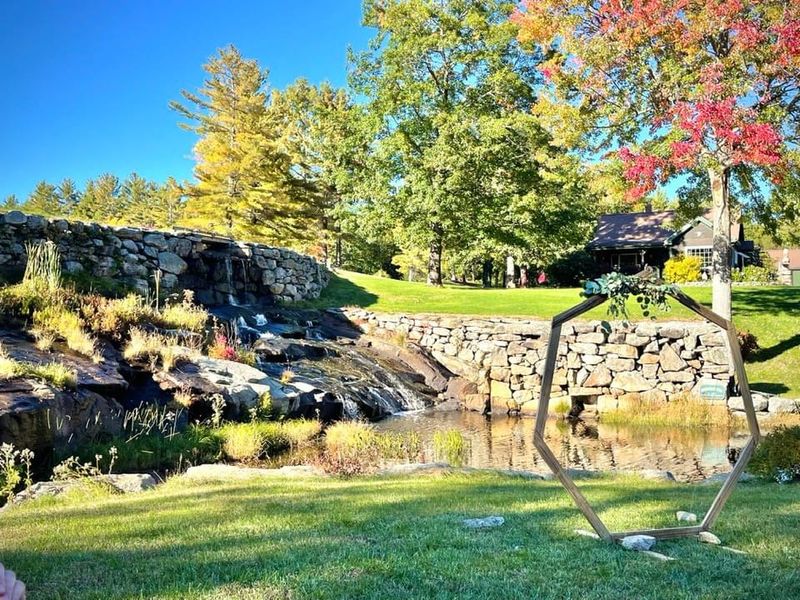
Recreation in Deerfield requires no reservations, no entrance fees, and no competition for parking spaces.
The landscape itself provides the amenities, with forests for hiking, ponds for paddling, and open spaces for whatever activities suit the season.
This informal approach means opportunities exist for those willing to explore rather than those following guidebook recommendations.
Local knowledge matters here, passed along through conversation rather than published in visitor guides.
Someone might mention a good spot for brook trout or a trail that offers views without the climb required by more famous peaks.
These recommendations come with the implicit understanding that they’re shared in confidence, not broadcast to the world.
The absence of commercial recreation operations means the experience remains unmediated.
There’s no staff to manage your expectations or infrastructure to support your comfort.
What you find depends on what you bring, both in terms of equipment and attitude, making the outdoor experience feel more genuine and less scripted.
Classic New England Scenery That Feels Untouched
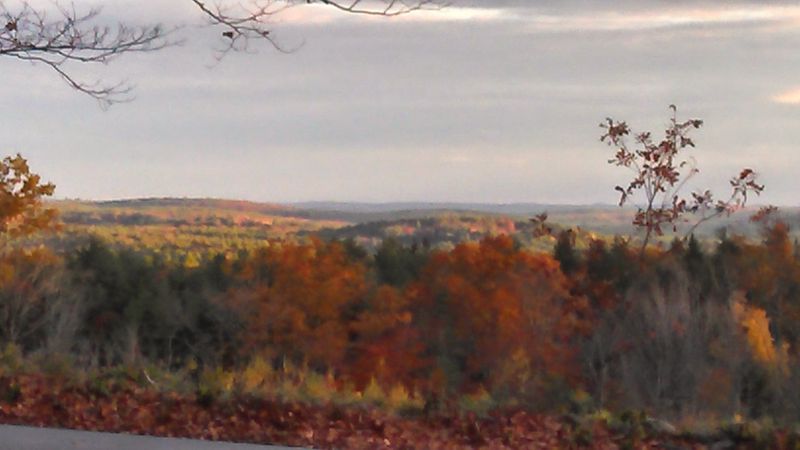
Certain landscapes carry the weight of expectation, particularly in New England where centuries of artistic representation have created specific visual associations.
Deerfield delivers these scenes without seeming to try, its roads lined with maples that flame orange each October, its older buildings maintaining the simple lines characteristic of traditional New England architecture.
Stone walls emerge from the forest floor, their careful construction still evident despite decades of neglect.
These walls once marked active farmland; now they serve as historical artifacts, reminding visitors that this landscape has been shaped by human hands even as nature reclaims it.
The scenery feels untouched not because it’s pristine but because it hasn’t been manicured for tourist consumption.
Fallen trees lie where they land until someone needs the firewood.
Fields grow wild unless they’re actively maintained.
This natural disorder creates a more authentic version of rural New England than the carefully managed vistas found in more popular destinations.
A Lakeside Setting That Prioritizes Quiet Over Attractions
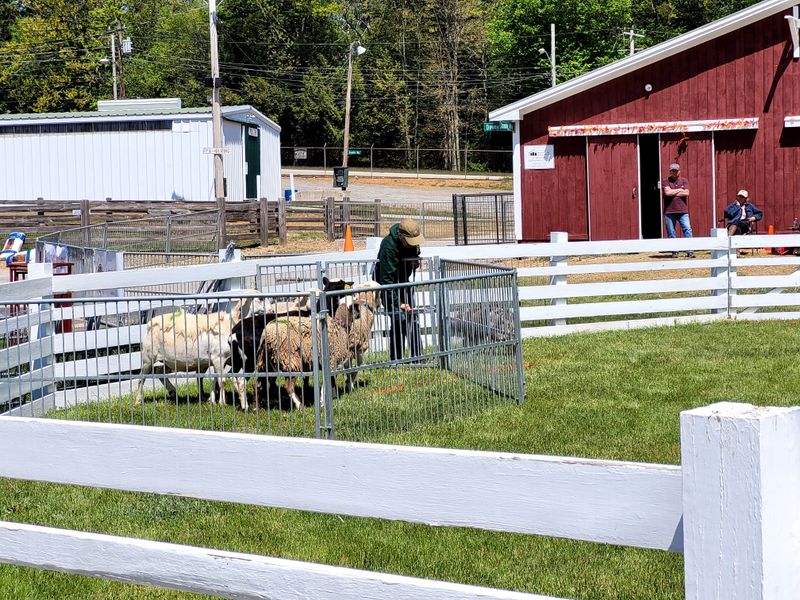
Most lakeside communities eventually face a choice between preservation and profit, and Deerfield’s decision shows clearly in what the town lacks.
There are no waterfront restaurants with boat docks, no mini-golf courses with pirate themes, no ice cream stands shaped like giant cones.
The absence of these attractions isn’t a failure of entrepreneurship but a deliberate rejection of the development pattern that has transformed other lake towns into summer entertainment districts.
What remains is the lake itself, or rather the ponds and smaller bodies of water that define Deerfield’s aquatic character.
Their shores remain largely wooded, their waters reflecting sky and trees rather than commercial buildings.
This prioritization of quiet means the town appeals to a specific type of visitor—those who find entertainment in observation rather than activity, who measure a successful day by hours of peace rather than attractions checked off a list.
The setting rewards contemplation, offering scenery without spectacle and beauty without fanfare.
Where Mornings Are Defined By Water Views And Silence
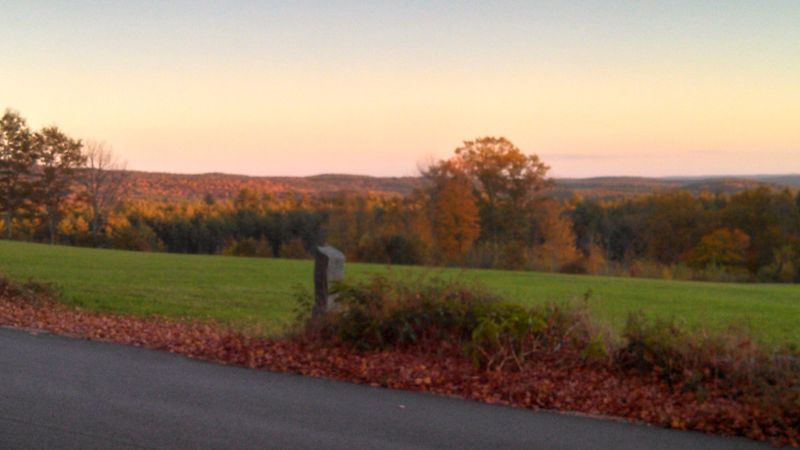
Morning light has a particular quality in places where human activity hasn’t yet disrupted the day’s beginning.
In Deerfield, dawn arrives with bird calls and the occasional splash of a fish breaking the surface, sounds that carry clearly in the absence of traffic noise or mechanical hum.
Residents who live near water often speak of these mornings as their favorite time, when the ponds lie perfectly still and mist hovers above the surface.
The silence isn’t absolute but rather the presence of natural sounds unmasked by human ones.
Wind moves through trees, water laps gently at shores, insects begin their daily drone.
These sounds create a soundscape that changes with seasons and weather but maintains a consistent character of calm.
For those accustomed to waking to alarms and traffic, the adjustment can be profound.
Time seems to expand in these quiet hours, minutes stretching to accommodate observation and reflection that normally get compressed by the day’s demands.
Morning here feels like a gift rather than a beginning.
A Hidden Alternative To New Hampshire’s Famous Lake Towns

Every popular destination creates a need for its opposite, and Deerfield serves that role for New Hampshire’s better-known lake regions.
While Wolfeboro markets itself as the oldest summer resort in America and Meredith caters to thousands of seasonal visitors, Deerfield simply continues being what it has always been—a small town where people live year-round.
This distinction matters to those seeking authenticity over amenities.
The famous lake towns offer restaurants, shops, and entertainment options that Deerfield cannot match. What Deerfield offers instead is the experience those places have lost: genuine quiet, uncrowded shores, and the sense of discovering something rather than visiting something already discovered.
Travelers who find Deerfield often do so after growing weary of the crowds and commercialization elsewhere.
They arrive looking for the New Hampshire they imagined, the one that exists more in memory and literature than in current reality.
Deerfield provides that experience, not as recreation but as actual life continuing its ordinary rhythms.