
The Quiet Mountain Valleys In New Mexico Where Time Moves Slower
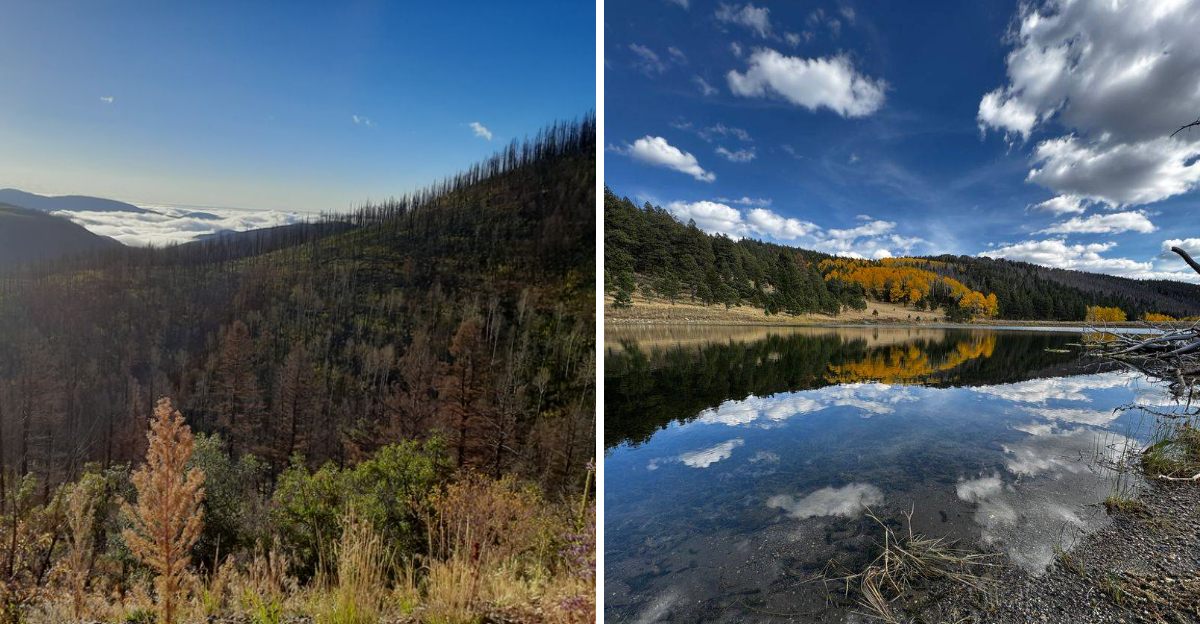
New Mexico holds secrets in its mountains that most travelers rush past without noticing.
Tucked between ancient peaks and beneath endless skies, quiet valleys exist where life still follows the rhythm of seasons rather than schedules.
These hidden pockets of peace offer something rare in our hurried world: a chance to breathe deeply, disconnect completely, and remember what it feels like when time stretches out like the long shadows of late afternoon.
Come explore these ten magical valleys where the clock seems to tick just a little bit slower.
1. Cimarron Canyon Valley
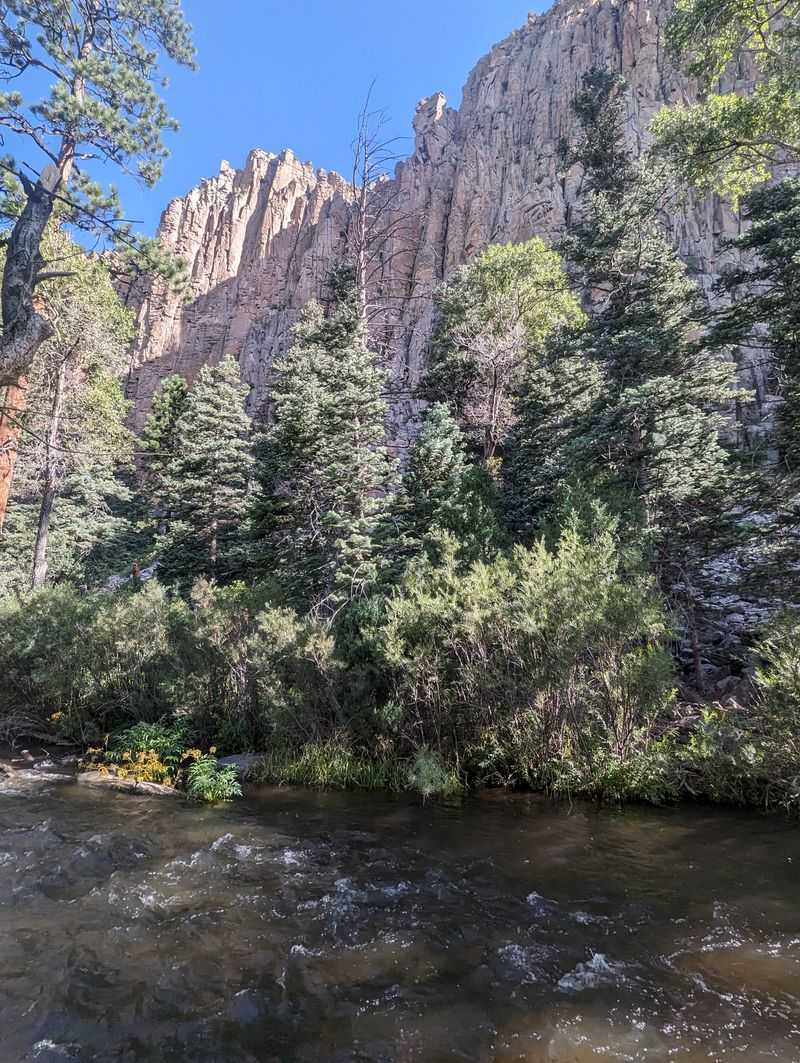
Towering granite walls rise on both sides like ancient guardians protecting a secret world below.
The Cimarron River carves through this narrow passage with a sound that drowns out every modern worry.
Ponderosa pines cling to impossible angles on cliff faces, their roots gripping stone that’s older than human memory.
Wildlife runs the show here—elk bugle at dawn, bighorn sheep navigate vertical slopes, and black bears amble through meadows without a care.
The Palisades section features rock formations so dramatic they’ve stopped countless travelers mid-stride.
Campsites along the river offer front-row seats to nature’s nightly performance of stars and silence.
Anglers find solitude casting lines in crystal-clear pools where rainbow trout dart between boulders.
Hikers discover trails that see more deer than people on any given week.
Cell service? Forget about it.
That’s exactly the point in this canyon where clocks become irrelevant and your heartbeat syncs with the river’s eternal flow.
2. Mora Valley
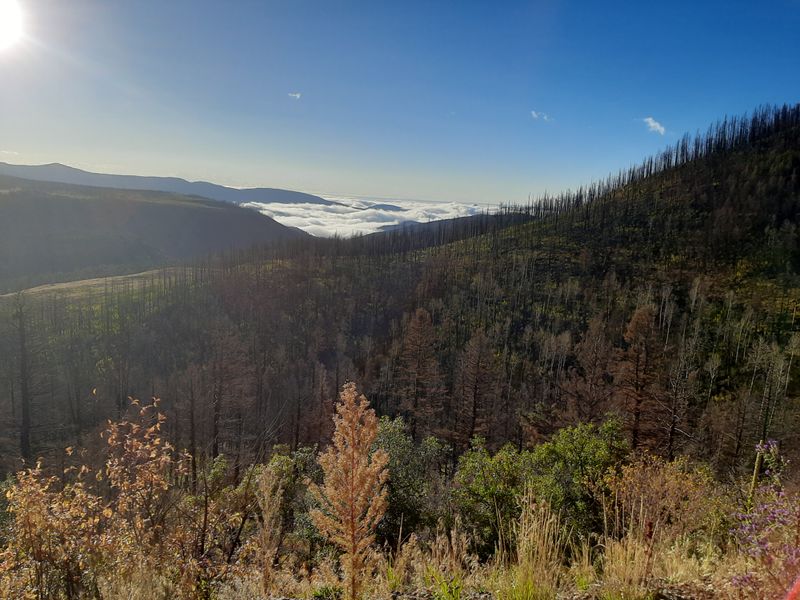
Rolling grasslands meet dense forests in this agricultural paradise that feels lifted straight from another century.
Small farms dot the landscape, their fields still worked by families whose ancestors settled here generations ago.
You’ll notice the pace immediately—folks wave from porches, conversations happen without checking phones, and the biggest decision of the day might be whether to fish or hike.
Historic villages like Mora and Cleveland preserve traditions that vanished elsewhere decades ago.
Local markets sell vegetables grown in soil that’s been tended by the same families since the 1800s.
The Mora River winds through it all, its gentle current matching the unhurried rhythm of valley life.
Come in autumn when aspen groves turn gold and the air smells like wood smoke from cozy chimneys.
Stay at a family-run inn where breakfast conversations stretch into lunch.
This valley doesn’t just slow you down—it reminds you why rushing through life never made much sense anyway.
3. Valle Vidal

Picture 100,000 acres where elk outnumber people by hundreds to one and the loudest sound is wind through grass.
This protected wilderness area remains so untouched that driving through feels like time travel to an America before fences.
Massive herds of elk graze meadows that stretch to horizons framed by jagged peaks.
No commercial development exists here—just dirt roads, primitive campsites, and endless opportunities to get wonderfully lost in beauty.
The Rio Costilla and Shuree Ponds reflect mountains so perfectly that photographers spend hours capturing mirror images.
Wildflower displays in summer transform entire valleys into living paintings of purple, yellow, and crimson.
Access requires planning since facilities are minimal and weather changes fast at these elevations.
Bring binoculars because wildlife sightings happen constantly—elk, deer, turkeys, and occasional black bears.
Visitors leave their phones in glove boxes not because they have to, but because scrolling through social media feels absurd when surrounded by this much raw, unspoiled magnificence.
4. Chama Valley
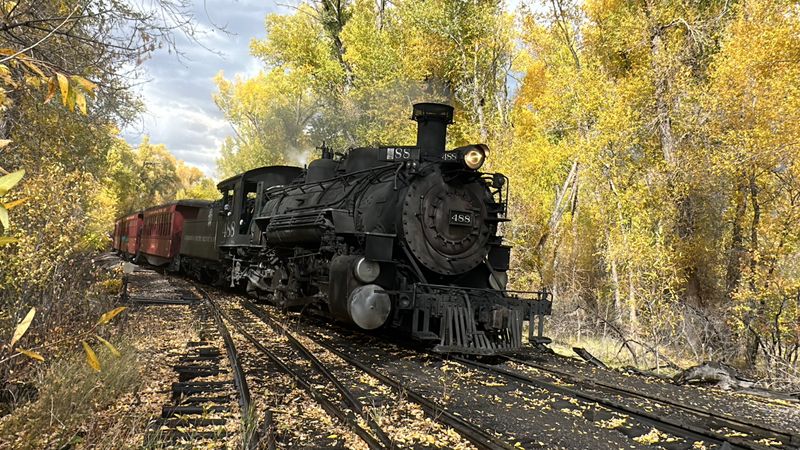
Steam whistles echo through mountains as vintage trains chug along tracks laid when railroads were the height of technology.
This valley built its identity around timber and trains, and somehow managed to preserve that heritage without turning it into a theme park.
The Chama River flows cold and clear, fed by snowmelt from peaks that tower over everything.
Downtown Chama feels authentically western—no manufactured charm, just weathered buildings and locals who remember when logging was king.
The Cumbres & Toltec Scenic Railroad carries passengers through landscapes so stunning that cameras can’t quite capture the scale.
Fishing guides know secret spots where German browns hide beneath undercut banks.
Fall transforms surrounding hillsides into explosions of gold and orange that rival anywhere in America.
Winter brings serious snow and ice fishing enthusiasts who drill holes in frozen lakes.
Summer means cool evenings perfect for campfires and storytelling.
Every season moves at its own pace here, and residents wouldn’t dream of rushing any of them.
5. Jemez Valley
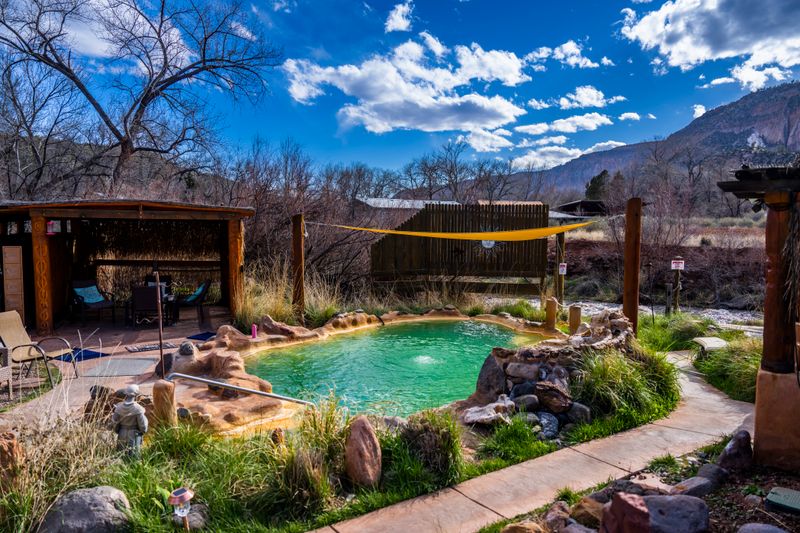
Red rock canyons cradle hot springs that have drawn people seeking healing waters for thousands of years.
The Jemez River tumbles over smooth stones, creating pools where you can soak tired muscles while canyon walls glow orange at sunset.
Ponderosa forests smell like vanilla when the sun warms their bark—a scent you’ll remember long after leaving.
Ancient pueblo ruins whisper stories of civilizations that thrived here centuries before European contact.
Small communities like Jemez Springs maintain an artistic, slightly bohemian vibe that attracts creatives and seekers.
Local spas offer treatments using mineral-rich mud and geothermal waters that bubble up from deep underground.
Hikers explore slot canyons, waterfalls, and volcanic formations that reveal this valley’s fiery geological past.
The pace here follows natural rhythms—hot during day, cool at night, busy in summer, sleepy in winter.
Coffee shops close when they feel like it, and nobody complains because everyone understands that some things matter more than rigid schedules in this healing, timeless place.
6. Valles Caldera
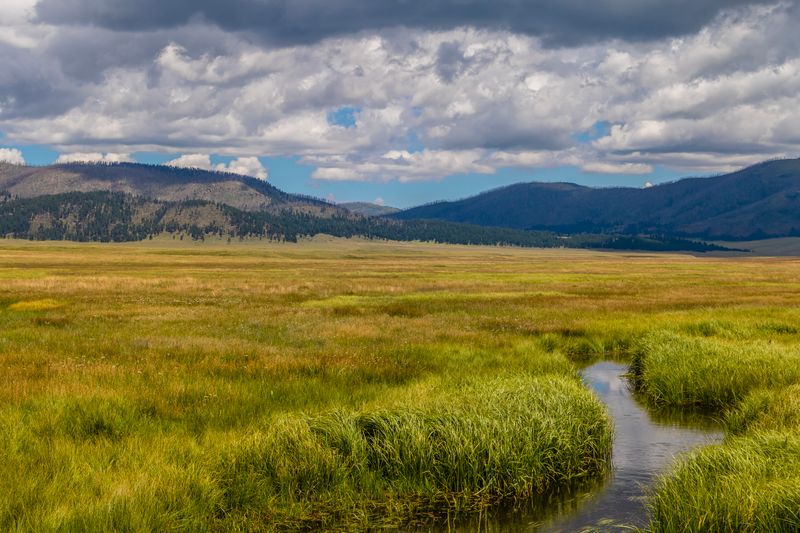
A massive volcanic crater creates a valley so perfectly circular that seeing it from above reveals Earth’s explosive past.
This 89,000-acre preserve protects grasslands where elk herds numbering in the thousands graze like they own the place—which they basically do.
Mountain peaks ring the caldera like stadium seating for nature’s grandest show.
Did you know this supervolcano erupted over a million years ago with force that reshaped the entire region?
Today it’s peaceful beyond description, with streams meandering through meadows and birds providing the only soundtrack.
Guided hikes reveal hot springs, fumaroles, and other reminders that volcanic forces still simmer beneath your feet.
Photography opportunities are endless—sunrise paints the grasslands pink, midday light makes everything crisp, sunset turns clouds into masterpieces.
Fishing permits grant access to streams where trout grow fat on abundant insects.
Winter transforms the caldera into a snow-globe scene where cross-country skiers glide through absolute silence broken only by their breathing and the swish of skis.
7. Upper Pecos River Valley
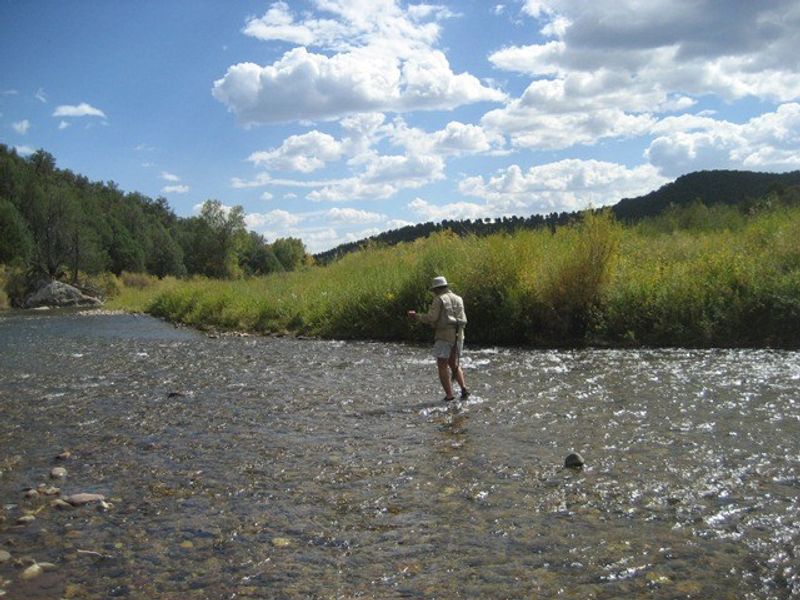
Cold, clear water rushes down from high country, creating a ribbon of life through forested mountains.
This valley serves as Santa Fe’s backyard wilderness, yet remains surprisingly uncrowded even on summer weekends.
Towering conifers shade campsites where the river’s constant song lulls you to sleep better than any meditation app.
Anglers wade into currents that test their balance while pursuing native cutthroat trout.
Hikers follow trails that climb steadily through elevation zones, each with distinct plant communities and wildlife.
The Pecos Wilderness borders the valley, offering hundreds of miles of backcountry for those seeking serious solitude.
Historic Pecos Pueblo ruins nearby remind visitors that this valley sustained communities long before recreation became a concept.
Autumn brings hunters tracking elk through golden aspen groves.
Winter access requires snowshoes or skis, rewarding the effort with landscapes so pristine they look computer-generated.
Spring runoff swells the river to roaring levels that command respect and demonstrate nature’s raw power in this timeless mountain sanctuary.
8. Truchas Valley
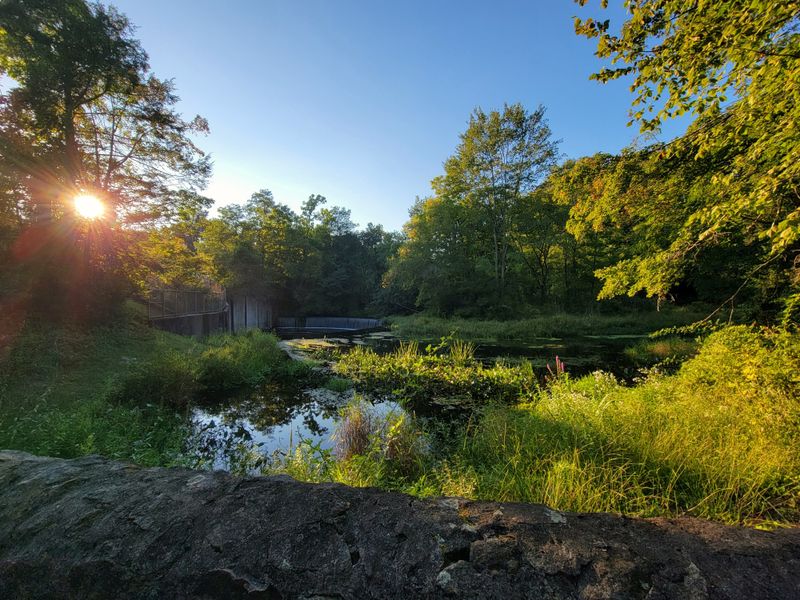
Truchas Peaks loom over this valley like protective parents watching their children play below.
Spanish settlers established communities here in the 1700s, and their descendants still farm the same land using techniques passed down through centuries.
Adobe homes blend into the landscape so naturally they seem to grow from the earth itself.
Artists discovered Truchas decades ago, drawn by light that seems to make colors more vivid than anywhere else.
Galleries and studios occupy renovated buildings where you can watch weavers, painters, and sculptors create magic.
The valley maintains a fierce pride in its cultural heritage—traditional foods, celebrations, and Spanish language thrive here.
Hiking trails lead into the Pecos Wilderness where alpine lakes reflect peaks that scrape 13,000 feet.
Local festivals celebrate harvests, saints’ days, and seasonal changes with music, dancing, and feasting.
Time moves differently when your calendar follows agricultural cycles rather than corporate quarters.
Visitors feel the difference immediately—conversations deepen, shoulders relax, and the constant urgency of modern life simply evaporates.
9. Embudo Valley

Where high desert meets river valley, an unlikely oasis produces wines, fruits, and a lifestyle that prioritizes quality over quantity.
The Rio Grande carved this passage through rock layers that tell geological stories spanning millions of years.
Vineyards cling to slopes where you’d swear nothing could grow, yet somehow produce grapes that become award-winning wines.
Small wineries and orchards invite visitors to taste their way through the valley at a pace that encourages savoring.
Roadside stands sell peaches, apples, and chiles grown in soil enriched by centuries of river flooding.
The Embudo Station serves meals on a patio where the only entertainment needed is watching the river flow and hawks circle overhead.
Artists and craftspeople occupy studios in renovated buildings, creating without deadlines or commercial pressure.
Fishing access points let you cast for trout while red-tailed hawks hunt above and cottonwoods rustle in afternoon breezes.
This valley proves that richness has nothing to do with rushing—slow growth, careful attention, and respect for natural rhythms create the best results.
10. Mimbres And Sapillo Valleys

Remote doesn’t begin to describe these twin valleys tucked into the Gila National Forest where civilization feels like a distant memory.
The Mimbres River disappears underground in places, creating a landscape of mystery where water vanishes then reappears miles downstream.
Ancient Mimbres people created pottery here over a thousand years ago that museums worldwide now treasure.
Towns like Mimbres and San Lorenzo have populations you can count on your fingers, and that’s how residents prefer it.
Ranches sprawl across valleys where cattle still outnumber people and cowboys ride horses because trucks can’t reach everywhere.
The Sapillo Valley runs parallel, equally isolated, equally stunning, with forests that shelter black bears, mountain lions, and occasional wandering wolves.
Cell service is nonexistent, forcing visitors to actually look around instead of down at screens.
Hot springs hide along creek beds, known only to locals who might share locations if they like you.
Stargazing here is profound—the Milky Way so bright you can read by it—reminding you that darkness and silence aren’t things to fear but gifts to embrace.