
North Carolina’s Mountain Towns Visitors Often Miss But Locals Love
North Carolina’s mountains hold secrets that most tourists never discover.
While crowds flock to Asheville and Boone, locals know the real magic happens in smaller towns tucked between ridges and valleys.
These hidden gems offer authentic mountain culture, stunning scenery, and experiences you won’t find in guidebooks.
I’m taking you to eleven places where the locals go when they want to escape the tourist trail and find the true heart of Appalachia.
1. Hot Springs
Perched along the French Broad River, this tiny town became famous for something bubbling beneath the surface.
Natural mineral springs drew travelers here for over a century, and you can still soak in those same healing waters today.
The Appalachian Trail runs right through downtown, making it one of the few places where thru-hikers walk past coffee shops and restaurants.
Main Street feels frozen in time, with old storefronts and a laid-back vibe that invites you to slow down.
Locals love kayaking the river, hiking to nearby waterfalls, and grabbing a meal at one of the quirky cafes.
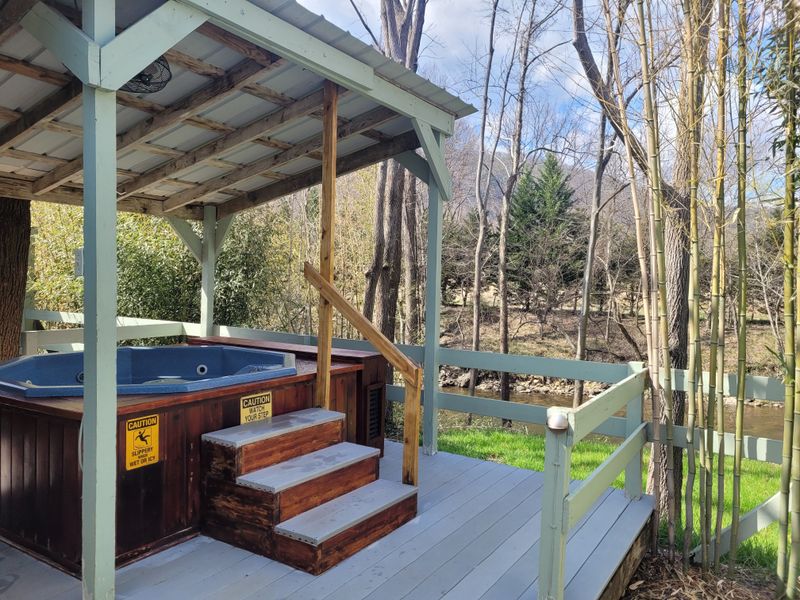
The hot springs resort offers outdoor tubs overlooking the river, where you can watch the current flow by while soaking tired muscles.
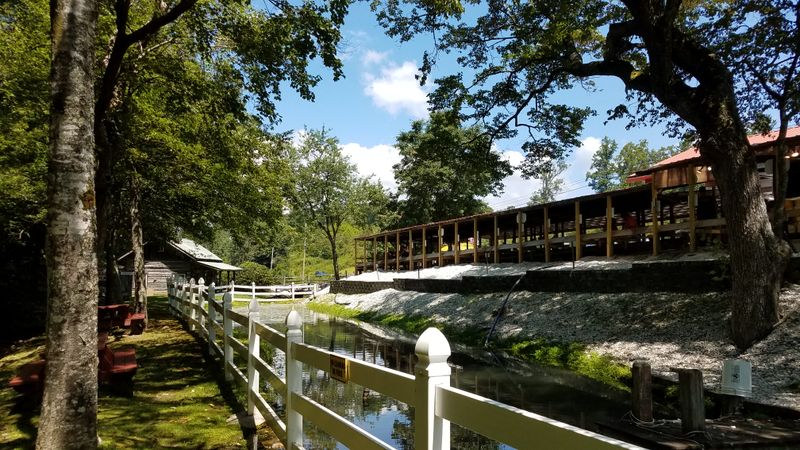
Spring Creek runs through town too, adding even more natural beauty.
This place proves that sometimes the best adventures happen in towns so small you might drive right past them.
2. Burnsville
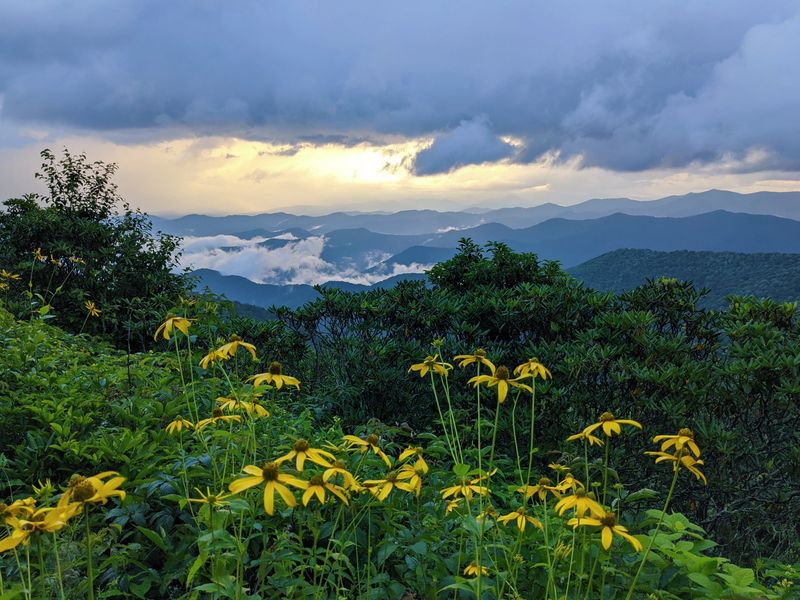
Sitting in the shadow of Mount Mitchell, the highest peak east of the Mississippi, Burnsville keeps things refreshingly real.
Artists and craftspeople have quietly made this town their home, creating a thriving creative community without the pretension.
The town square centers around a historic courthouse, and local shops sell handmade pottery, jewelry, and art that you won’t find anywhere else.
Every fall, the Toe River Arts Council hosts studio tours where you can meet artists in their creative spaces.
Locals recommend hiking in nearby South Toe River Valley or driving the scenic backroads that wind through farmland and forests.
The Nu-Wray Inn has been welcoming guests since 1833, serving family-style meals that feel like Sunday dinner at grandma’s house.
Farmers markets happen weekly during warmer months, bursting with local produce and mountain crafts.
Mount Mitchell State Park sits just minutes away, offering trails and views that stretch for miles.
3. Spruce Pine
Beneath your feet in Spruce Pine lies some of the purest quartz in the world, used in everything from smartphones to spacecraft.
This mining heritage shapes the town’s identity, and you can explore it at the Museum of North Carolina Minerals.
Gemstone mining attracts families who love sifting through buckets of dirt to find treasures, and several mines welcome visitors year-round.
Downtown has been quietly revitalizing, with new restaurants and breweries opening alongside longtime businesses.
The Orchard at Altapass sits nearby on the Blue Ridge Parkway, offering apple picking, live music, and mountain views that make you forget about everything else.
Locals gather at community events like the annual Fire on the Mountain blacksmithing festival, celebrating traditional Appalachian crafts.
Hiking trails wind through the surrounding Pisgah National Forest, leading to waterfalls and overlooks.
The town’s location makes it a perfect base for exploring the Parkway without dealing with tourist crowds elsewhere.
4. Bakersville
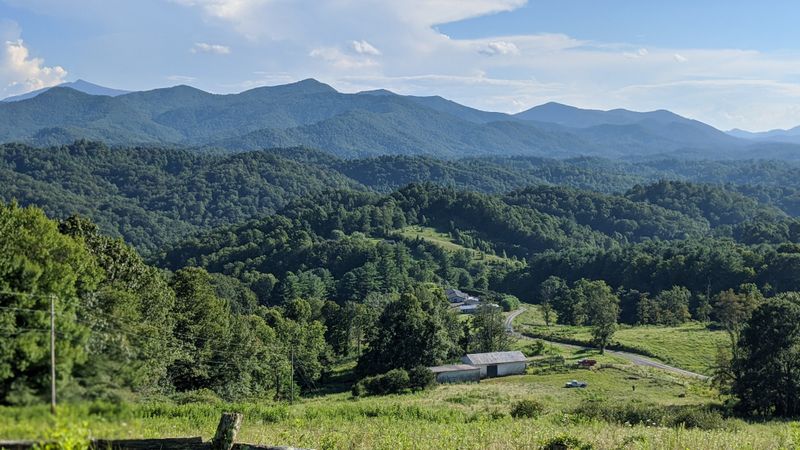
Rhododendrons bloom like pink and purple fireworks across Roan Mountain every June, and Bakersville celebrates this natural spectacle with infectious enthusiasm.
The town sits at the foot of this legendary peak, where balds stretch across the summit like a high-altitude meadow.
Artists have discovered Bakersville’s quiet charm, establishing studios and galleries throughout the historic downtown.
You’ll find everything from hand-forged iron work to delicate fiber arts created by people who chose mountain living over city hustle.
Creek Walk Park follows Town Creek through downtown, offering a peaceful stroll past old buildings and under shade trees.
Locals love the annual Rhododendron Festival, but they also treasure the quiet months when they have the trails mostly to themselves.
The downtown Historic District preserves buildings from the late 1800s, giving the whole place a timeless feel.
Nearby hiking includes the famous Roan Highlands, where views stretch across state lines and clouds drift below your feet.
5. West Jefferson
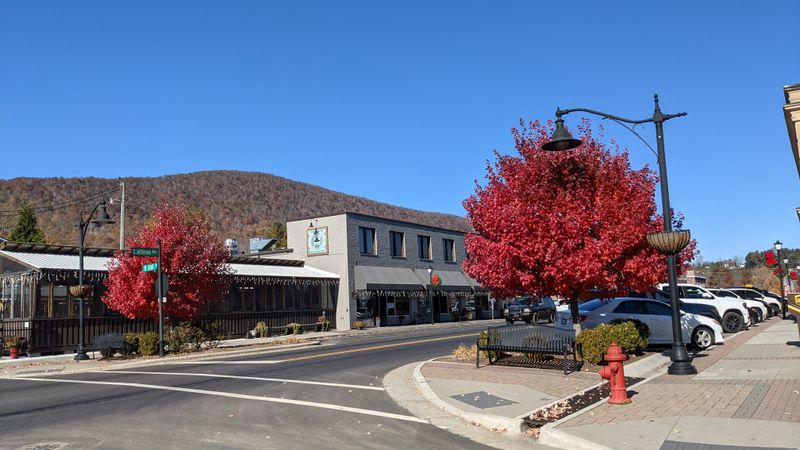
Murals transform ordinary building walls into outdoor art galleries throughout West Jefferson, making a simple downtown stroll feel like a museum visit.
Local artists and visitors from around the country have contributed to this collection, each painting telling stories about mountain life and heritage.
The town earned its place as North Carolina’s Christmas tree capital, with farms covering the surrounding hillsides in perfectly shaped evergreens.
During the holidays, the whole area smells like fresh pine and possibility.
The New River, ironically one of the oldest rivers on Earth, flows nearby and offers world-class fishing and canoeing.
Locals gather at the Ashe County Farmers Market, one of the state’s best, overflowing with vegetables, baked goods, and crafts every Saturday morning.
Downtown shops sell antiques, local art, and mountain goods without the tourist markup you’ll find in bigger towns.
Backroads lead to covered bridges, cheese factories, and scenic overlooks that locals keep mostly to themselves.
6. Valle Crucis
The Mast General Store has anchored this crossroads community since 1883, its wooden floors creaking under the weight of history and thousands of visitors.
Walking inside feels like stepping backward in time, with penny candy, old-fashioned goods, and supplies hanging from every available space.
But Valle Crucis offers more than just one famous store.
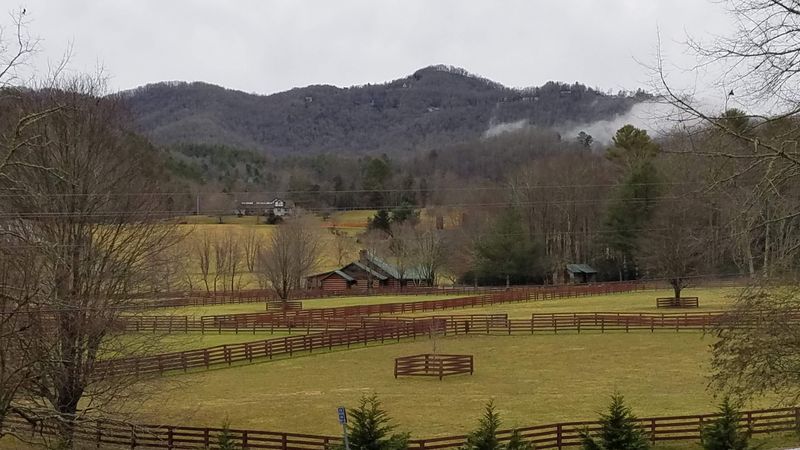
The valley itself spreads out in pastoral beauty, with the Watauga River meandering through farmland backed by mountain ridges.
A historic covered bridge crosses the river, photographed endlessly but still charming every single time.
Locals love the network of trails in nearby Pisgah National Forest, including paths to waterfalls and swimming holes that stay refreshingly cold even in summer.
The Valle Crucis Community Park hosts festivals and gatherings where neighbors actually know each other’s names.
Small farms dot the landscape, some offering pick-your-own berries or fresh eggs sold on the honor system.
This place reminds you that mountain life can be simple, beautiful, and deeply connected to the land.
7. Little Switzerland
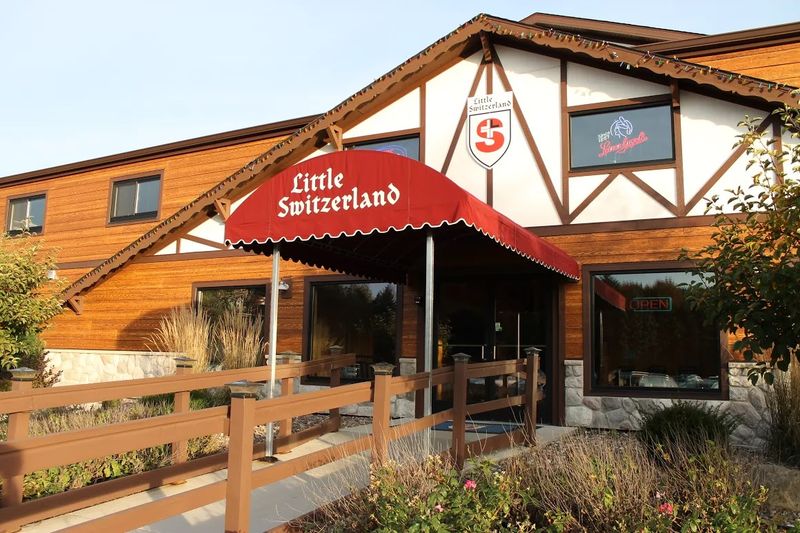
Perched at 3,500 feet elevation along the Blue Ridge Parkway, this tiny village earned its name from the dramatic mountain scenery reminiscent of the Swiss Alps.
The alpine-inspired architecture adds to the illusion, making you feel like you’ve wandered into a European mountain retreat.
Morning mist often fills the valleys below, creating a sea of clouds that stretches to the horizon.
The Switzerland Inn has welcomed travelers since 1910, offering rooms with views that make you want to cancel all your plans and just stare outside.
Locals know the nearby Linville Caverns provide a cool escape on hot summer days, with underground formations that took millions of years to create.
Gem mining operations let you search for emeralds, rubies, and other precious stones hidden in North Carolina’s mountains.
The Blue Ridge Parkway access means you’re minutes from countless hiking trails and overlooks.
Fall transforms the surrounding forests into a kaleidoscope of color that draws leaf-peepers from everywhere, but spring wildflowers offer equally stunning displays with fewer crowds.
8. Sylva
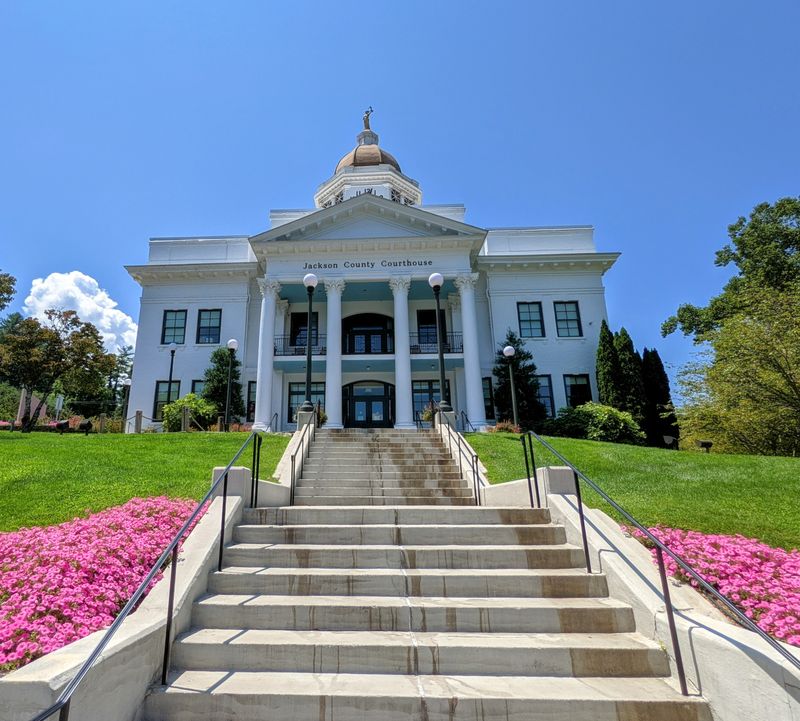
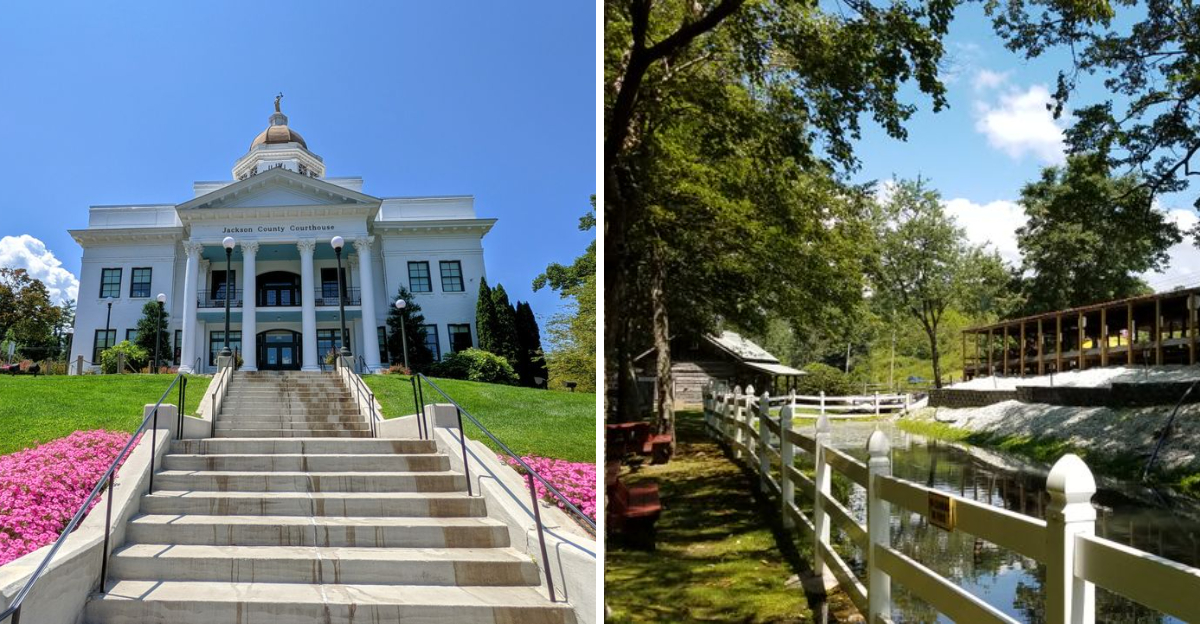
The historic courthouse crowns a hill above downtown Sylva, its white columns visible from almost everywhere in town like a beacon of mountain justice.
Main Street climbs steeply upward, lined with locally-owned shops, restaurants, and breweries that give the town a vibrant, lived-in feel.
Western Carolina University brings youthful energy to this mountain community, creating an interesting mix of college town culture and traditional Appalachian heritage.
The Tuckasegee River flows through the valley below, offering tubing, fishing, and kayaking opportunities that locals take advantage of constantly.
Bridge Park downtown provides green space right in the heart of things, hosting concerts and events throughout the year.
Nearby trails lead into the Nantahala National Forest, where waterfalls cascade down mountain slopes and old-growth forests create cathedral-like spaces.
The Great Smoky Mountains National Park sits just a short drive away, but Sylva offers a more affordable and less crowded base for exploration.
Local restaurants serve everything from traditional mountain cooking to innovative farm-to-table cuisine.
9. Marshall
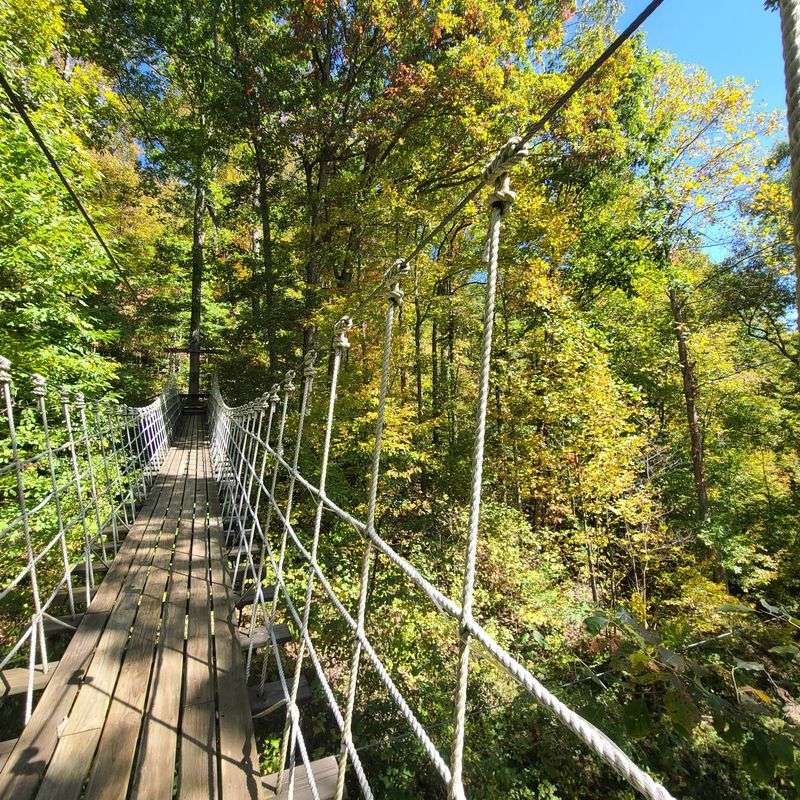
Built into a steep hillside where the French Broad River curves through the mountains, Marshall defies conventional town planning with streets stacked vertically up the slope.
The railroad runs right through the middle of downtown, and freight trains rumble past historic storefronts several times daily.
The Appalachian Trail passes directly through town, bringing hungry, tired hikers who appreciate the trail-friendly restaurants and outfitters.
Main Street clings to the hillside, with buildings seeming to lean on each other for support against gravity.
Locals love the French Broad River for tubing, fishing, and just sitting on the banks watching the water flow past.
The Madison County Courthouse, built in 1906, anchors the town with its distinctive architecture and commanding hilltop position.
Art galleries and studios have opened in recent years, attracting creative types who appreciate Marshall’s authentic, unpretentious character.
Spring Creek flows into the French Broad here, creating excellent fishing spots that locals guard somewhat jealously.
This town feels genuinely lived-in rather than preserved for tourists.
10. Old Fort
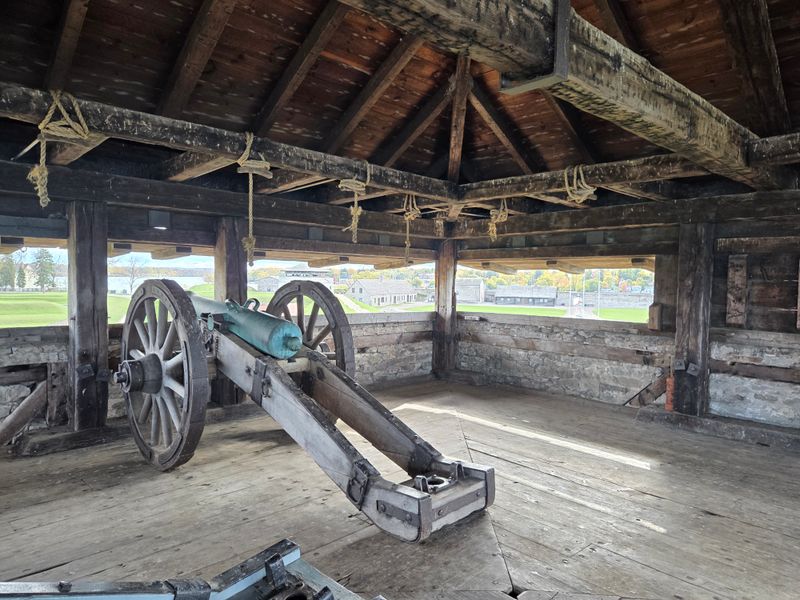
Where the Piedmont crashes into the Blue Ridge Mountains, Old Fort marks one of the most dramatic elevation changes in the eastern United States.
The railroad conquered this challenging terrain in the 1870s, and the town’s Mountain Gateway Museum tells stories of the engineering feat that connected the coast to the mountains.
Seven tunnels carved through solid rock still carry trains up the grade, a testament to human determination and ingenuity.
Downtown preserves its railroad heritage while welcoming new businesses that respect the town’s authentic character.
The Catawba River flows nearby, offering fishing and wading spots that locals visit on hot summer afternoons.
Trails lead to Catawba Falls, a stunning two-tiered waterfall that rewards hikers with cool mist and photo opportunities.
The annual Rails and Ales festival celebrates the town’s history with craft beer, live music, and community spirit.
Locals appreciate living at the gateway to the mountains, with easy access to higher elevations while avoiding the harsh winters that come with altitude.
11. Tryon
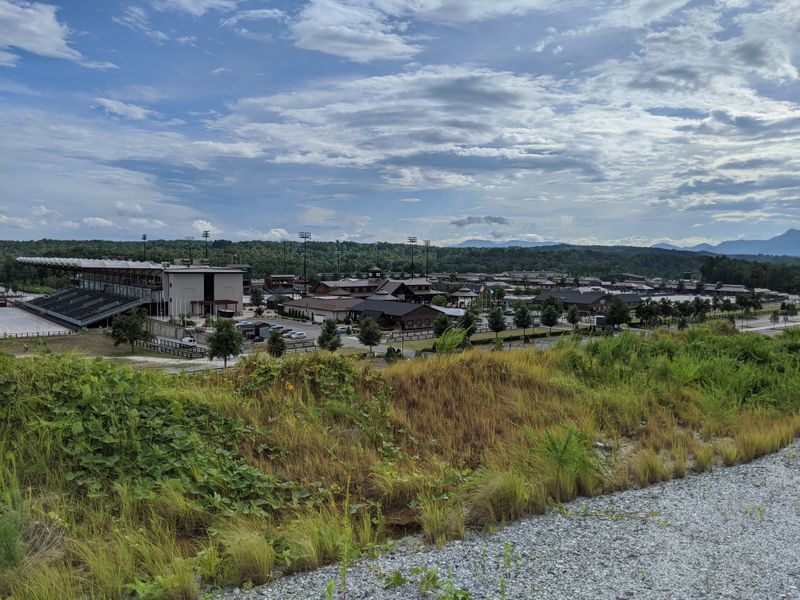
Horses define Tryon’s identity, from the world-class equestrian center that hosts international competitions to the horse farms dotting the surrounding countryside.
The town developed as a resort destination in the early 1900s, attracting wealthy families who built estates in the mild climate of the Blue Ridge foothills.
That legacy continues today with an arts scene, fine dining, and cultural events that feel surprisingly sophisticated for a town of fewer than 2,000 people.
Downtown shops sell everything from riding gear to fine art, and you’re likely to see horses and riders passing through town.
The Tryon International Equestrian Center hosts competitions year-round, drawing riders and spectators from around the world.
Locals love the extensive trail system in nearby Pearson’s Falls Glen, where a 90-foot waterfall tumbles over a rock face into a botanical wonderland.
The mild climate means outdoor activities happen year-round, and the town’s location near the South Carolina border creates a unique cultural blend.
Restaurants and cafes offer quality that exceeds what you’d expect from such a small town.