
Florida’s Quietest Beaches Travelers Rarely Discover

Florida’s famous beaches usually mean packed parking lots, blaring music, and towel-to-towel crowds that make you wonder if you accidentally landed at a rock concert instead of the coast.
But tucked away from the tourist chaos are secret stretches of sand where the only soundtrack is waves rolling in and seabirds calling overhead.
These hidden gems offer the kind of peaceful escape most travelers dream about but rarely find.
Ready to discover the Florida beaches that locals keep to themselves?
1. Cayo Costa State Park

Imagine stepping off a boat onto an island where no cars exist and nature runs the show completely.
Cayo Costa sits off Florida’s southwest coast like a forgotten paradise, accessible only by ferry or private watercraft.
The nine-mile stretch of untouched shoreline feels like something from a castaway fantasy.
Shell collectors go absolutely wild here because the beach practically glitters with treasures washed ashore daily.
You’ll find everything from lightning whelks to sand dollars scattered across the sand like nature’s own gift shop.
Pack your own food and water since there aren’t any beachside restaurants or snack bars waiting.
Primitive camping cabins dot the island if you want to extend your stay under star-filled skies.
Dolphins often cruise past while you’re wading in the calm Gulf waters.
The lack of development means you’re sharing space with gopher tortoises, ospreys, and the occasional manatee instead of spring breakers.
2. Caladesi Island State Park
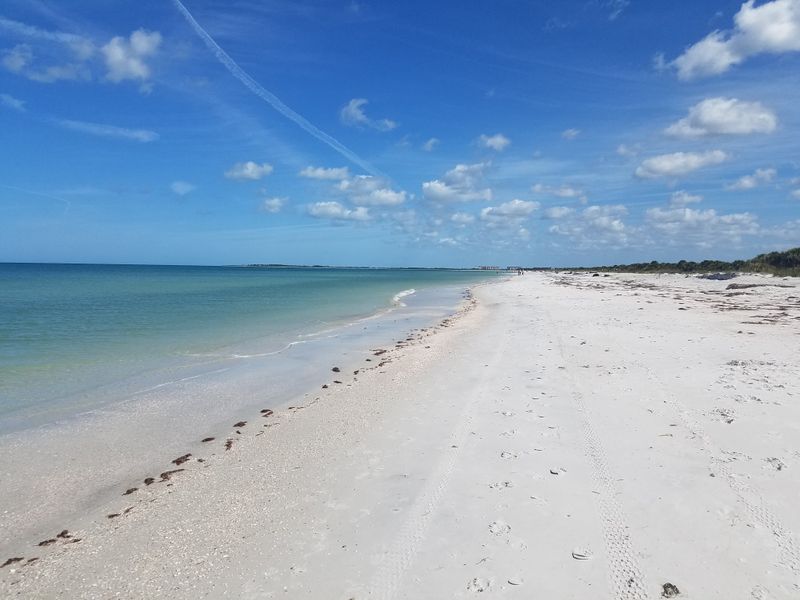
Getting to Caladesi requires a short ferry ride from Honeymoon Island, which automatically filters out the casual beach-goers who can’t be bothered.
This barrier island consistently ranks among America’s best beaches, yet it remains blissfully quiet most days.
The protected status means development stopped before anyone could ruin its natural beauty.
Three miles of sugar-white sand curve along crystal-clear waters that stay shallow for quite a distance offshore.
Kids love splashing around without parents panicking about sudden drop-offs.
A nature trail winds through the island’s interior where you might spot armadillos shuffling through palmetto scrub.
Kayak rentals let you explore the mangrove channels on the bay side, where baby fish hide among tangled roots.
The snack bar near the marina keeps things simple with basic refreshments and sandwiches.
Arrive early during peak season because the ferry limits daily visitors to preserve the island’s peaceful character.
3. St. George Island State Park

Out in Florida’s forgotten Panhandle sits a barrier island where time moves slower and crowds thin out dramatically.
St. George Island State Park occupies the eastern end of this 22-mile sliver of sand, far from the condo towers that dominate other Gulf beaches.
The water here glows that impossible emerald color that looks photoshopped but is absolutely real.
Nine miles of undeveloped beachfront mean you can walk for ages without bumping into another soul.
Sea oats wave from towering dunes that protect the island from storm surge.
Shorebirds outnumber people by about a thousand to one most days.
Gap Point offers some of Florida’s best beach camping if you’re properly equipped with permits and supplies.
The fishing here attracts serious anglers chasing redfish and speckled trout in the surrounding waters.
Summer brings nesting sea turtles who lumber ashore after dark to lay their eggs in the soft sand.
4. St. Joseph Peninsula State Park
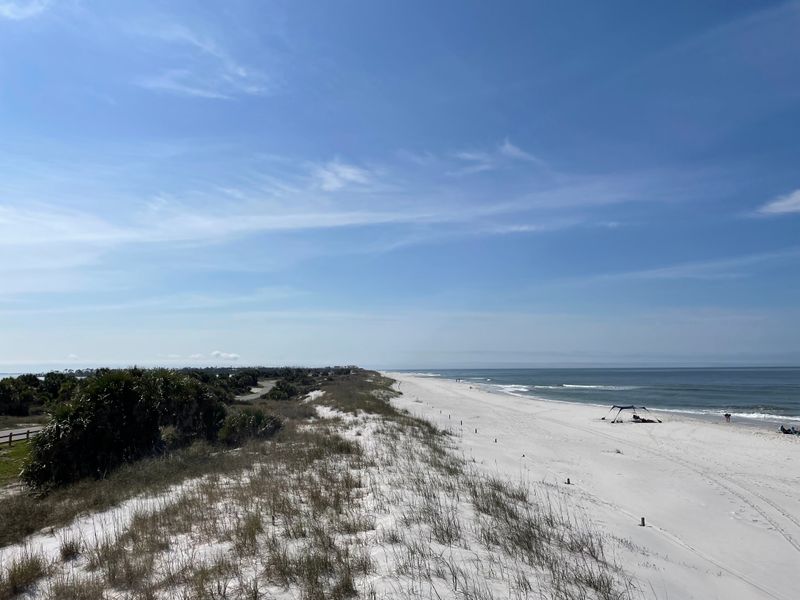
This narrow finger of land juts into the Gulf like Florida’s best-kept secret, curving for miles with barely another human in sight.
The peninsula creates a natural barrier that keeps the water calm on one side while Gulf waves roll onto the other.
Dr. Beach once named this the top beach in America, yet it remains wonderfully uncrowded.
Wilderness camping areas let you pitch a tent practically on the beach, falling asleep to wave sounds.
The bay side offers warm, shallow water perfect for families with little ones still learning to swim.
Scalloping season brings a brief influx of visitors, but they stick to the bay waters mostly.
Eight miles of pristine shoreline give you room to roam and claim your own private patch of paradise.
Bald eagles nest in the pine forests behind the dunes during winter months.
Sunrise here paints the sky in colors so vibrant they seem impossible, reflecting off water that stays remarkably clear year-round.
5. Canaveral National Seashore (Apollo District)
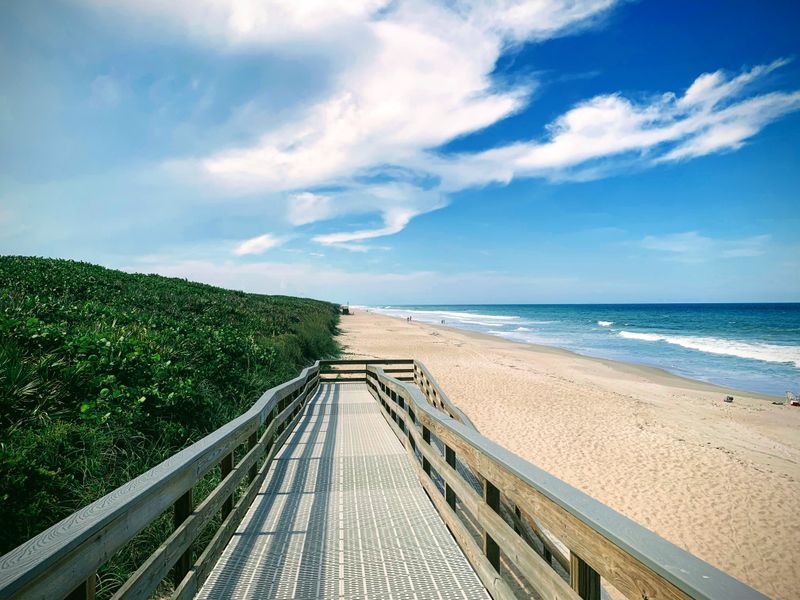
Sandwiched between Kennedy Space Center and New Smyrna Beach lies a 24-mile stretch of protected coastline that feels like stepping back to Old Florida.
The Apollo District sits at the northern end, accessible via a road that winds through scrubby coastal habitat.
No high-rises block your view here—just endless sand meeting endless ocean.
This Atlantic-facing beach gets proper waves that surfers appreciate, though the crowds stay manageable even on good swell days.
Sea turtle nesting season transforms the beach into a protected nursery where stakes and tape mark off important zones.
Rangers patrol regularly to ensure wildlife stays safe from careless visitors.
Parking areas connect to the beach via boardwalks that cross fragile dune ecosystems.
Bring everything you need because facilities stay basic—this is wilderness, not a resort.
Mosquitoes can be fierce during summer months, so pack repellent unless you enjoy becoming a buffet for hungry insects buzzing through salt marsh areas.
6. Canaveral National Seashore (Playalinda District)

At the southern end of Canaveral National Seashore, Playalinda Beach offers something truly unique: watching rocket launches from your beach towel.
The proximity to Kennedy Space Center means occasional closures during launches, but also unforgettable views when spacecraft thunder skyward.
Between launches, this remains one of Florida’s most peaceful Atlantic beaches.
Thirteen parking lots spread along the beach road, each one leading to slightly different stretches of sand.
The further south you drive, the fewer people you’ll encounter, with Lot 13 being practically deserted most days.
Strong currents and occasional rip tides mean you should respect the ocean’s power here.
Nudists have traditionally favored the southernmost sections, so don’t be shocked if you encounter some clothing-optional sunbathers.
Fishing from the beach yields whiting, pompano, and bluefish depending on the season.
Sunrise over the Atlantic here feels absolutely magical, with dolphins often surfacing just beyond the breakers as light spills across the water.
7. Shell Key Preserve

Floating in Tampa Bay near Pass-a-Grille sits an uninhabited island that most Tampa residents don’t even know exists.
Shell Key Preserve requires a kayak paddle or boat ride to reach, which keeps visitor numbers refreshingly low.
The island shifts and changes shape constantly as currents redistribute sand, making each visit slightly different.
True to its name, shells blanket sections of the beach in layers so thick they crunch underfoot.
Wading birds stalk through the shallows hunting for fish, unbothered by the few humans who make the journey.
The preserve status means no facilities exist—pack out everything you pack in.
Sandbars extend from the island at low tide, creating shallow pools perfect for spotting crabs and small fish.
Kayaking around the island’s perimeter takes about an hour and offers views of dolphins hunting in the passes.
Thunderstorms roll in quickly during summer afternoons, so watch the sky and plan your return trip accordingly to avoid getting caught in dangerous weather.
8. Egmont Key State Park
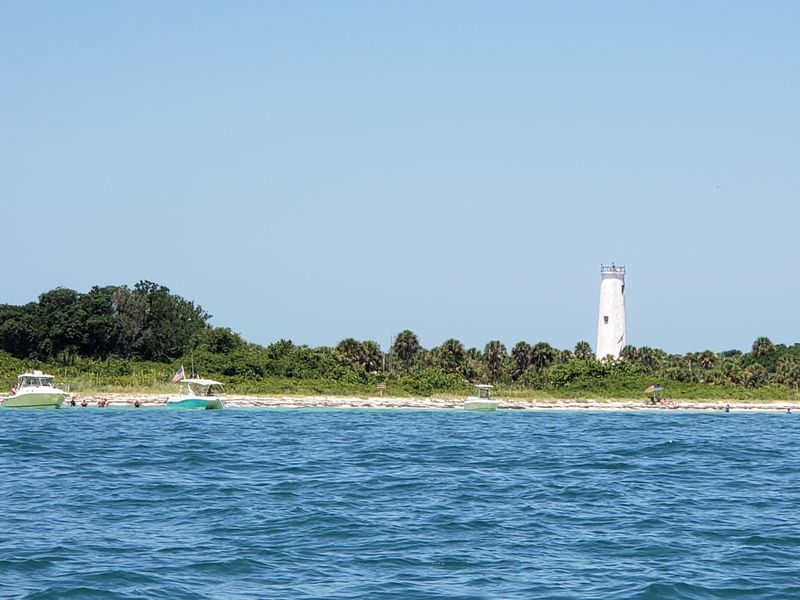
Perched at the mouth of Tampa Bay, Egmont Key combines beach solitude with fascinating history dating back to the Civil War.
The only way to reach this island is by private boat or passenger ferry from Fort De Soto Park.
A historic lighthouse still operates, guiding ships through the bay entrance like it has for over a century.
Ruins of Fort Dade crumble picturesquely among the vegetation, offering shade and exploration opportunities between beach sessions.
Gopher tortoises own this island, lumbering across paths and digging burrows in sandy soil without fear.
The beach wraps completely around the island, so you can always find a side sheltered from prevailing winds.
Snorkeling near the rock jetties reveals fish darting among submerged stones and the occasional ray gliding past.
No food or water is available on the island, so pack a cooler with everything you’ll need for the day.
The isolation feels complete here despite being visible from the mainland, creating a true island escape without traveling to the Caribbean.
9. Little Talbot Island State Park
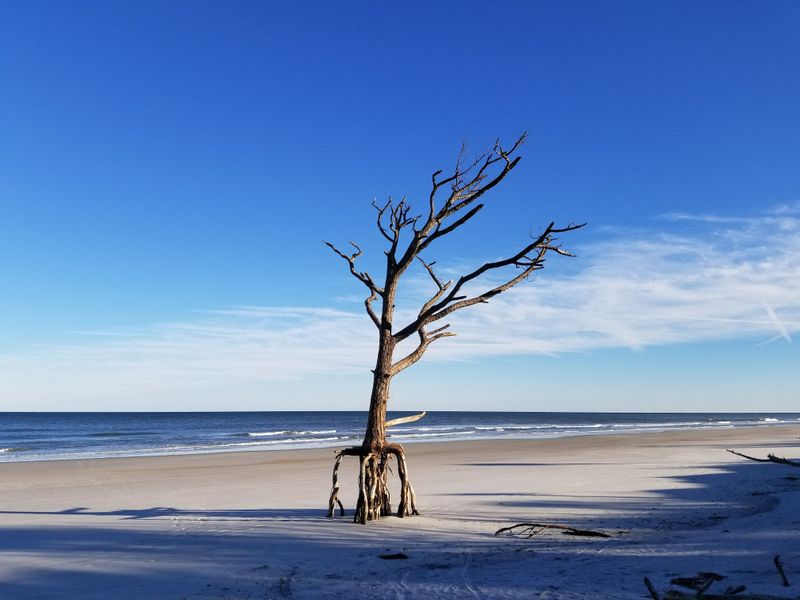
North of Jacksonville, Little Talbot Island preserves five miles of Atlantic coastline in its completely natural state.
No buildings interrupt the view—just sand, sea, and the maritime forest that characterizes
Florida’s northeastern coast.The beach slopes gently into waves that vary from calm to energetic depending on offshore weather patterns.
Driftwood scattered along the high-tide line creates sculptural shapes bleached white by sun and salt.
Shelling here produces some surprising finds, especially after storms churn up the ocean floor.
The park’s campground sits tucked in the woods, offering a proper camping experience with modern amenities nearby.
Trails wind through coastal hammock where live oaks drip with Spanish moss and resurrection ferns.
Fishing from the shore attracts locals who know when the whiting run or pompano move through.
Summer weekends bring more visitors, but the beach’s length means you can always find a quiet spot by walking a bit further from the main access points and claiming your own stretch.
10. Big Talbot Island State Park (Boneyard Beach)
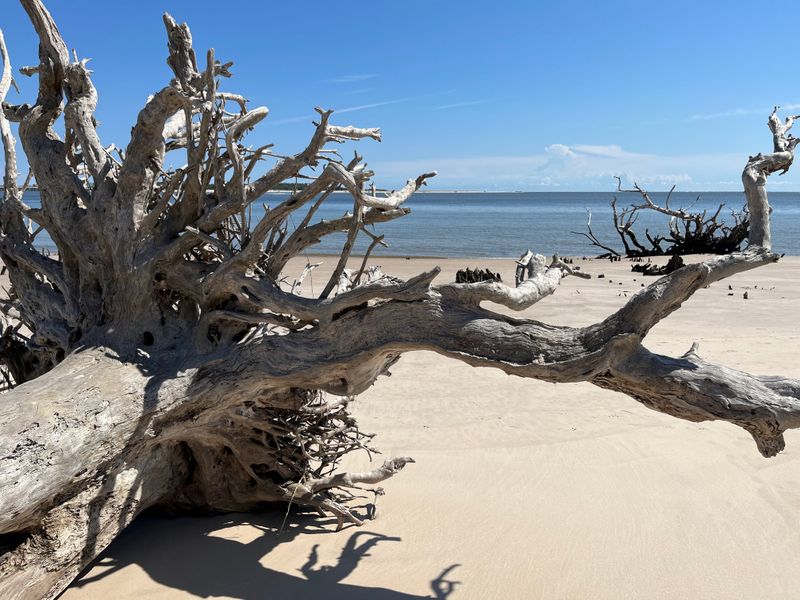
Boneyard Beach earned its haunting name from the skeletal remains of oak trees that stand like ghostly sentinels along the shore.
Coastal erosion claimed the maritime forest, leaving bleached trunks and twisted branches scattered across dark sand.
This isn’t your typical palm-tree-and-white-sand Florida beach—it’s something far more dramatic and photogenic.
Photographers flock here during golden hour when light transforms the driftwood into otherworldly sculptures.
The beach itself is small and rocky in places, better suited for exploring than extended sunbathing sessions.
Low tide reveals tidal pools teeming with crabs, snails, and small fish trapped temporarily by receding water.
Black sand mixed with shells creates an unusual color palette that contrasts sharply with the bleached wood.
Swimming here requires caution due to submerged trees and uneven footing in the water.
The eerie beauty attracts artists and nature lovers seeking something different from Florida’s typical beach experience, offering solitude and stunning natural artistry shaped by relentless coastal forces.