
Georgia’s Quiet Beaches Tourists Often Overlook
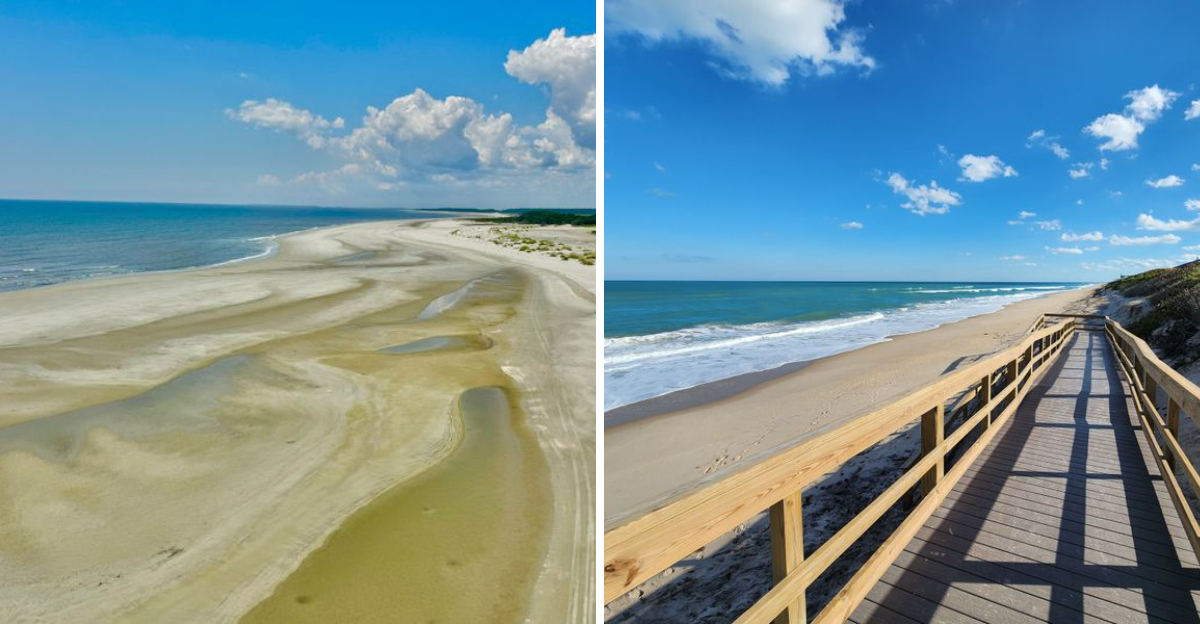
Georgia’s coastline hides treasures that most visitors never discover.
While everyone flocks to the popular spots, there are secret stretches of sand where you can actually hear the waves and feel the breeze without dodging crowds.
I’ve spent years exploring these barrier islands and tucked-away shores, and I’m excited to share the quiet beaches that locals keep close to their hearts.
Get ready to discover places where wild horses roam free, driftwood creates natural sculptures, and the only footprints in the sand might be your own.
1. Cumberland Island National Seashore (St. Marys)
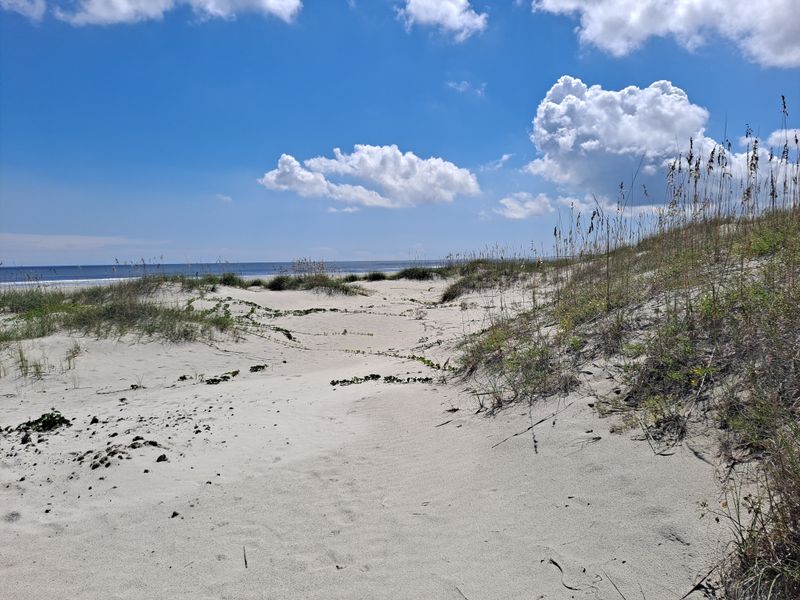
Wild horses greet you on this magical island that feels like stepping back in time.
Accessible only by ferry from St. Marys, Cumberland Island keeps crowds away naturally because you can’t just drive here.
The journey itself becomes part of the adventure as you leave the mainland behind.
Miles of undeveloped beaches stretch before you, backed by ancient maritime forests and salt marshes.
The famous wild horses descended from Spanish mustangs roam freely, sometimes wandering right onto the sand.
You might spot them grazing near the dunes or cooling off in the surf.
Pack everything you need for the day because there are no shops or restaurants on the island.
Camping is available if you want to extend your stay and experience the island’s magic after day-trippers leave.
Bring sturdy shoes for exploring the trails that wind through historic ruins and moss-draped forests between your beach sessions.
2. Driftwood Beach (Jekyll Island)
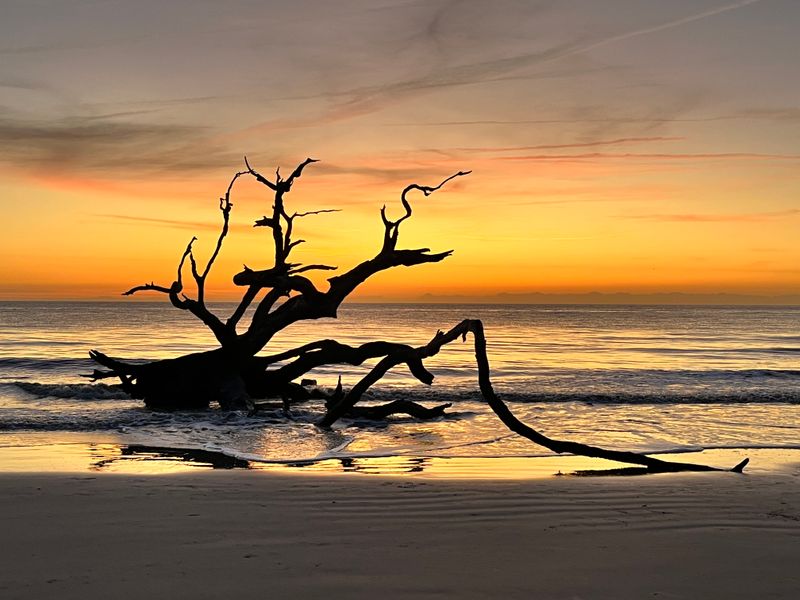
Nature created an outdoor art gallery on this haunting stretch of shoreline.
Massive oak and pine trees, stripped bare by erosion and salt, lie scattered across the sand like ancient sculptures.
Photographers arrive at dawn to capture the ethereal scene when golden light transforms the silvery wood into something otherworldly.
Located on the north end of Jekyll Island, this beach tells the story of coastal change.
What was once maritime forest has become an ever-shifting landscape where trees meet the sea.
The twisted branches and exposed root systems create perfect frames for sunset photos and endless exploration.
Climbing on the driftwood is allowed, making it a natural playground for kids and adults alike.
Low tide reveals even more formations and creates shallow pools perfect for wading.
Unlike the developed beaches nearby, this area remains blissfully quiet, with space to wander and discover your own favorite sculptural tree.
3. Gould’s Inlet (St. Simons Island)
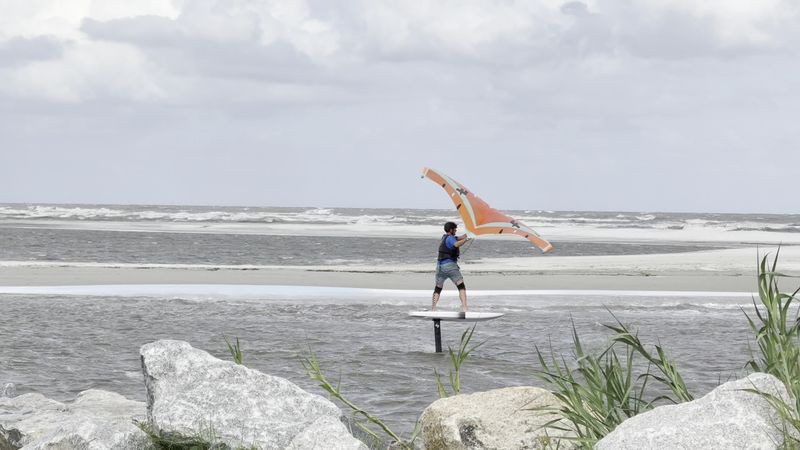
Locals consider this hidden gem their secret escape from the busier St. Simons beaches.
Tucked at the southern tip of the island, Gould’s Inlet requires a bit of a walk through maritime forest to reach.
That short hike filters out most casual beachgoers, leaving you with a peaceful paradise.
The inlet creates fascinating tidal patterns where ocean meets marsh.
Sandbars emerge at low tide, forming natural bridges and shallow pools that kids love exploring.
You’ll often spot dolphins feeding in the deeper channels and shorebirds hunting in the shallows.
Bring water shoes because the inlet bottom can be a mix of sand and oyster shells.
The current can be strong during tidal changes, so keep an eye on younger swimmers.
Sunrise here is absolutely spectacular, with the light painting the marsh grasses gold and reflecting off the calm inlet waters before the day heats up.
4. Little St. Simons Island (Glynn County)
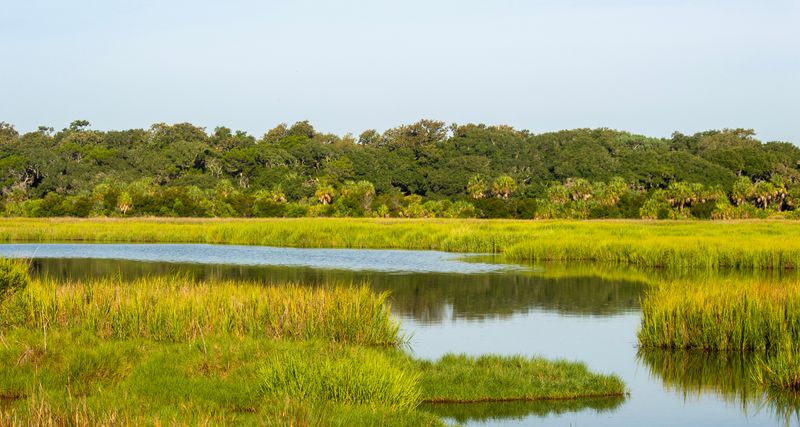
Only thirty guests at a time can experience this privately owned barrier island paradise.
Seven miles of pristine beaches remain virtually untouched because development never reached these shores.
Staying at the island’s rustic lodge is the only way to access this remarkable place, making it Georgia’s most exclusive beach escape.
No cars disturb the peace here, only bikes and your own two feet.
The island’s naturalists lead guided explorations through diverse ecosystems, from maritime forests to salt marshes.
Bird watchers go crazy here, with over 300 species recorded on this protected refuge.
The beaches feel prehistoric in their wildness, with shells, sand dollars, and shark teeth abundant.
You might walk for hours without seeing another soul, just you and the waves.
Overnight stays include meals made with local ingredients, and evenings spent stargazing from beaches with zero light pollution.
5. Sapelo Island (McIntosh County)
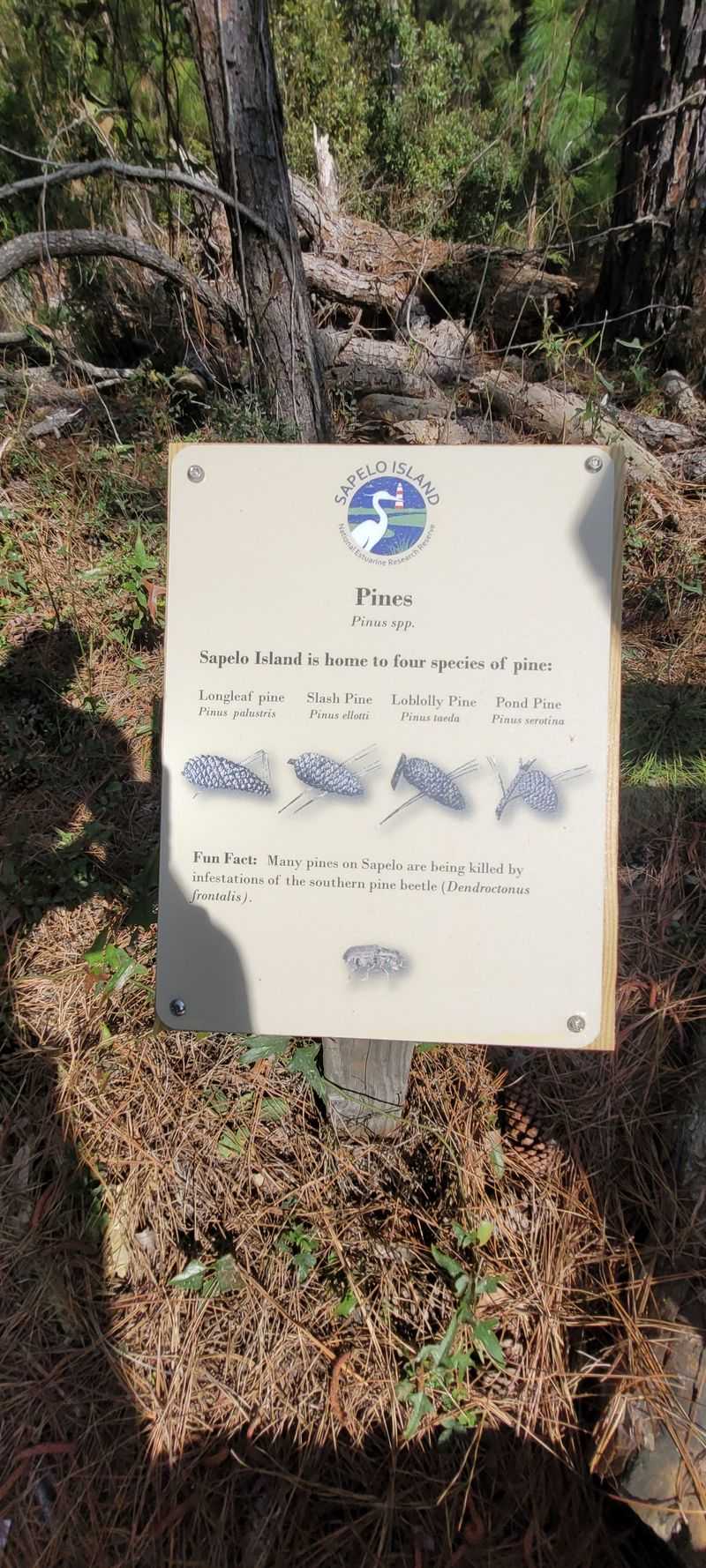
Reaching Sapelo requires commitment, which is exactly why it remains so peaceful.
A state-run ferry from Meridian departs just a few times daily, carrying visitors to this research reserve.
The Gullah Geechee community that has lived here for generations maintains their culture in the island’s small settlement.
Most of the island functions as a research reserve managed by the University of Georgia.
Guided tours take you through different ecosystems before releasing you to explore the magnificent beach.
The wide, hard-packed sand stretches for miles, perfect for long walks where your thoughts are the only company.
Cabretta Beach on the north end offers the most accessible swimming area.
Strong currents can develop, so stay alert and swim parallel to shore.
Day trips require careful planning around ferry schedules, or you can arrange overnight stays in rustic accommodations to truly experience island time slowing down around you.
6. Ossabaw Island (Chatham County)
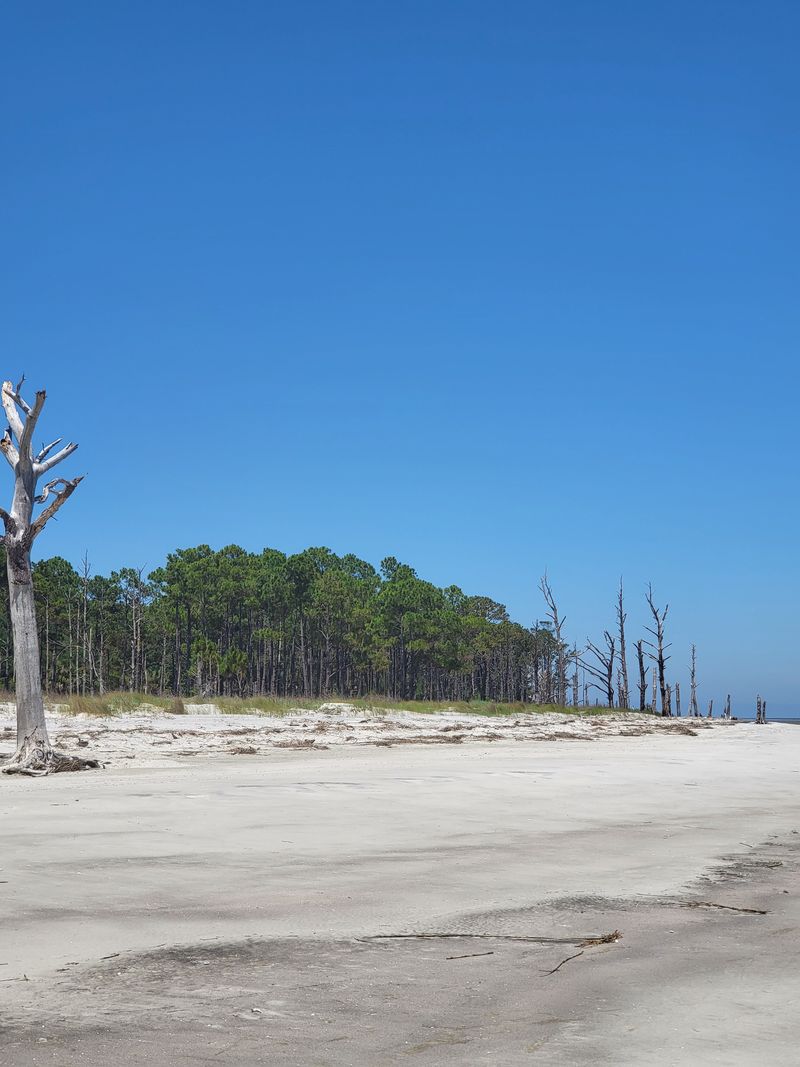
Georgia’s third-largest barrier island remains one of its least visited.
No public ferry service means you’ll need to arrange private boat transportation or join an organized tour.
This barrier to access has preserved Ossabaw as a heritage preserve, protecting its ecological and cultural treasures from overdevelopment.
The entire island is undeveloped except for a few historic structures.
Miles of beaches remain in their natural state, backed by towering dunes and maritime forests.
Archaeological sites reveal Native American presence dating back thousands of years, making each walk a journey through deep time.
Special permits are required to visit, and most access comes through educational programs or artistic residencies.
The Ossabaw Island Foundation occasionally offers day trips that include beach time and island exploration.
If you manage to visit, you’ll experience Georgia’s coast as it existed centuries ago, wild and magnificent and completely yours for those precious hours.
7. Back River Beach (Tybee Island)
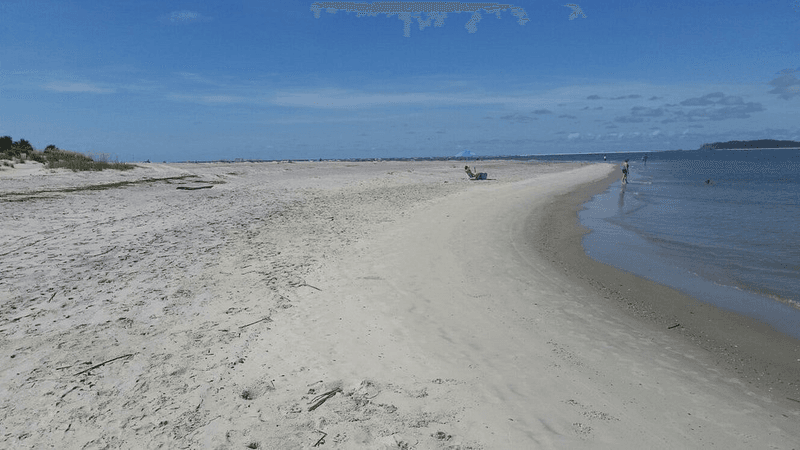
While tourists pack Tybee’s oceanfront beaches, locals slip away to this calm alternative.
Located on the island’s back side facing the river rather than the Atlantic, this spot offers gentler waters and fewer crowds.
Families with small children particularly appreciate the calmer conditions and the laid-back atmosphere.
The water here is warmer and less wavy than the ocean side.
Kids can wade and play without battling surf, and the gradual slope makes it easier to relax.
Kayakers launch from here to explore the intricate marsh system that defines Georgia’s coastal landscape.
Parking is limited, which naturally keeps crowds manageable even during peak summer months.
Arrive early to claim your spot and bring everything you need since amenities are minimal.
Sunset views from Back River Beach rival anything on the ocean side, with the sky reflected in the calm water and silhouetted marsh grasses creating postcard-perfect scenes.
8. Ossabaw Sound Beaches (Near Sapelo Island)
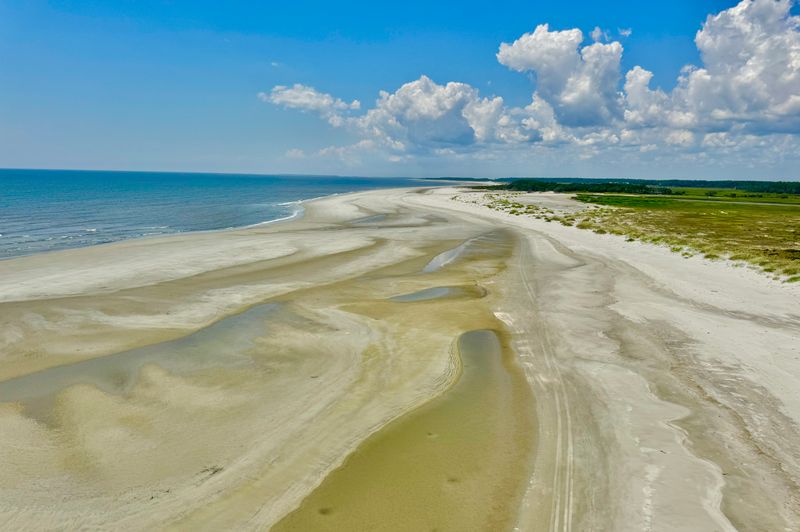
Between the barrier islands, Ossabaw Sound creates a unique coastal environment.
The beaches here face the sound rather than the open ocean, offering different experiences from typical Georgia shores.
Accessible primarily by boat, these stretches remain blissfully empty even during busy summer weekends.
Tidal changes dramatically alter the landscape, exposing vast flats during low tide.
Shelling is exceptional here, with the calmer waters depositing treasures along the shoreline.
Bird watchers bring binoculars to spot the incredible variety of wading birds and shorebirds that feed in these productive waters.
Local charter captains know the best spots and can drop you on secluded beaches for the day.
Bring shade, water, and supplies since you’re truly on your own out here.
The isolation is the point, offering a rare chance to experience coastal Georgia as a genuine wilderness where nature sets the rhythm.
9. Sea Turtle Nesting Beaches (Various Barrier Islands)
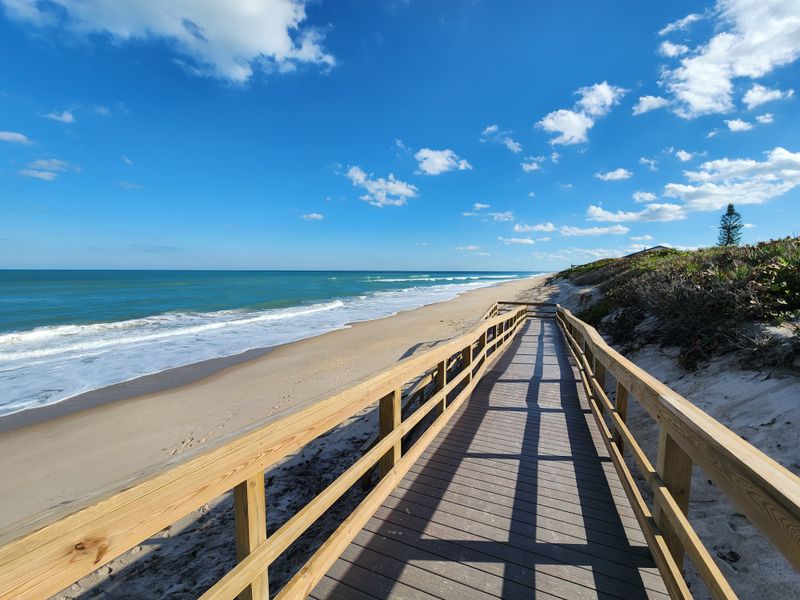
Georgia’s barrier islands host one of nature’s most remarkable annual events.
From May through October, loggerhead sea turtles return to nest on the same beaches where they hatched decades ago.
Protected nesting areas remain off-limits during critical times, but nearby stretches offer peaceful beach experiences with conservation awareness.
Jekyll Island, Cumberland Island, and other barriers all support nesting populations.
Early morning beach walks might reveal fresh tracks where a mama turtle came ashore overnight.
Trained volunteers monitor nests and occasionally offer guided turtle walks when hatchlings emerge.
Respecting these protected areas means keeping beaches dark at night and avoiding marked nests.
The conservation efforts have helped stabilize populations, making Georgia’s coast crucial for species survival.
Visiting these beaches connects you to something bigger, knowing that ancient mariners still choose these quiet shores to continue their species’ incredible journey through time.
10. South End Beach (St. Simons Island)
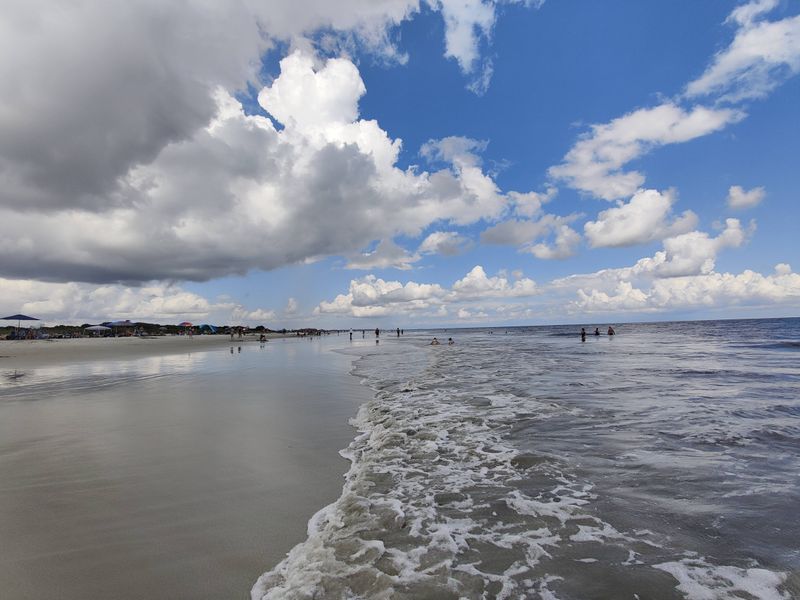
Most St. Simons visitors congregate near the pier, leaving the south end wonderfully uncrowded.
The beach here curves gently, offering different perspectives and more elbow room than the central areas.
You can still walk to restaurants and shops, but the atmosphere feels more relaxed and local.
The historic St. Simons Lighthouse stands sentinel nearby, adding character to your beach day.
Low tide reveals tidal pools and sandbars perfect for exploration and beachcombing.
Dolphins frequently cruise past, sometimes coming surprisingly close to shore while hunting for fish.
Parking is easier here than near the pier, and the beach access is straightforward.
Families spread out with plenty of space between blankets, creating a neighborly but not crowded vibe.
The gentle slope and generally calm waters make it ideal for swimmers of all abilities, while the uncrowded nature means you can actually relax and hear the waves.
11. Little Cumberland Island (Near Cumberland Island)
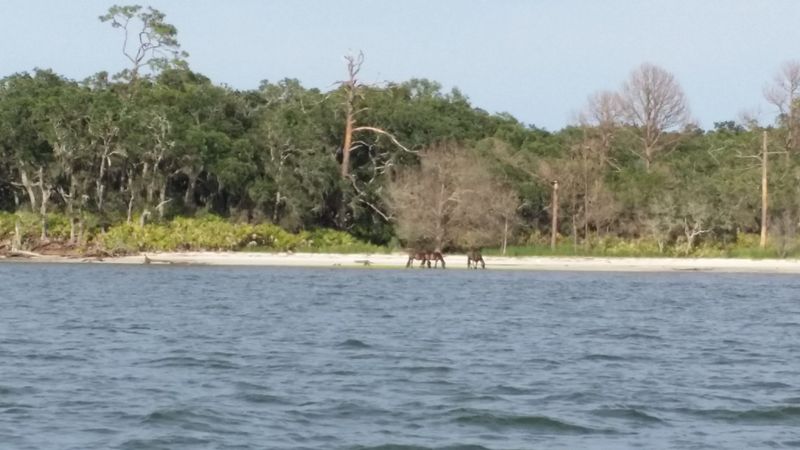
Cumberland Island’s smaller neighbor remains even more secluded and exclusive.
Privately owned with limited development, Little Cumberland requires special arrangements to visit.
Those who make it here discover beaches that feel like your own private paradise, where solitude is guaranteed.
The island’s beaches mirror Cumberland’s wild beauty but with even fewer footprints.
Maritime forests come right down to the dunes, creating a lush backdrop to the white sand.
Wildlife thrives here undisturbed, from nesting shorebirds to the occasional deer venturing onto the beach.
Access typically comes through staying at one of the island’s private homes or through special tours.
The exclusivity means pristine conditions and an experience few Georgia visitors ever enjoy.
If you’re seeking the ultimate quiet beach where you can truly disconnect from the world, Little Cumberland represents the pinnacle of Georgia’s hidden coastal treasures.