
The Undiscovered Small Town In North Carolina That Feels Frozen In Time
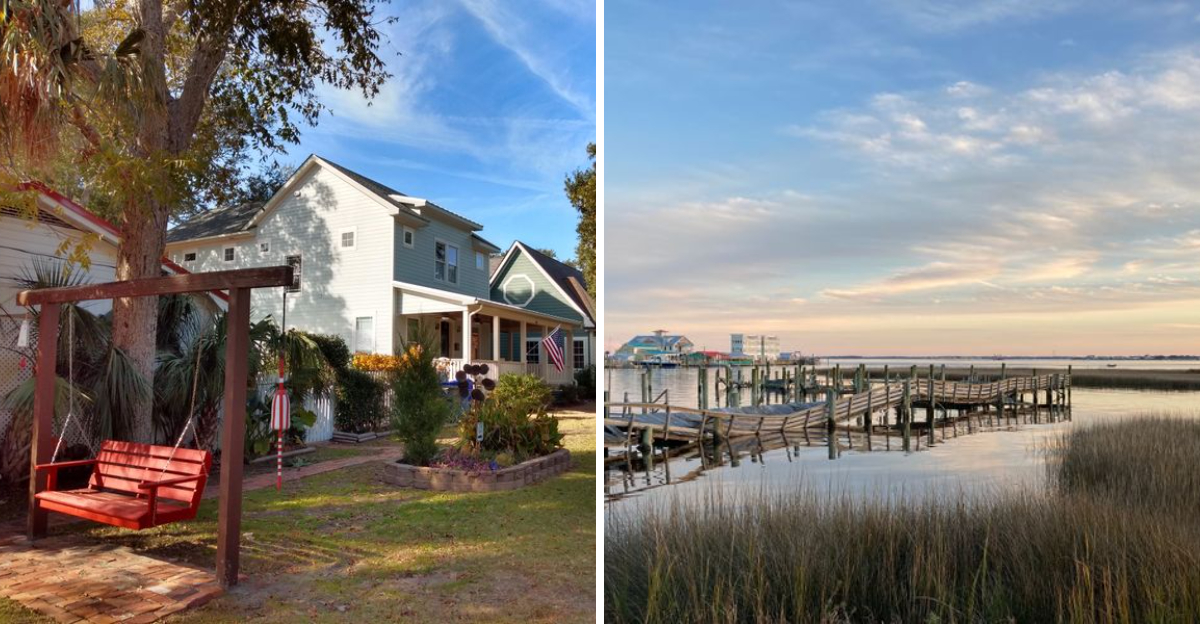
Southport, North Carolina sits near the mouth of the Cape Fear River, a coastal town that has managed to keep its historic character intact while other beach destinations have grown into crowded resorts.
With a population just under 4,000, this small community feels like it belongs to a different century, where oak-lined streets, waterfront porches, and quiet harbor views define daily life.
Unlike the towering condos and chain stores found elsewhere along the coast, Southport has preserved its maritime heritage and small-town rhythm.
For travelers seeking authenticity over amusement parks, this undiscovered gem offers a rare glimpse into what coastal Carolina looked like generations ago.
A Coastal Town Where Time Slows Down
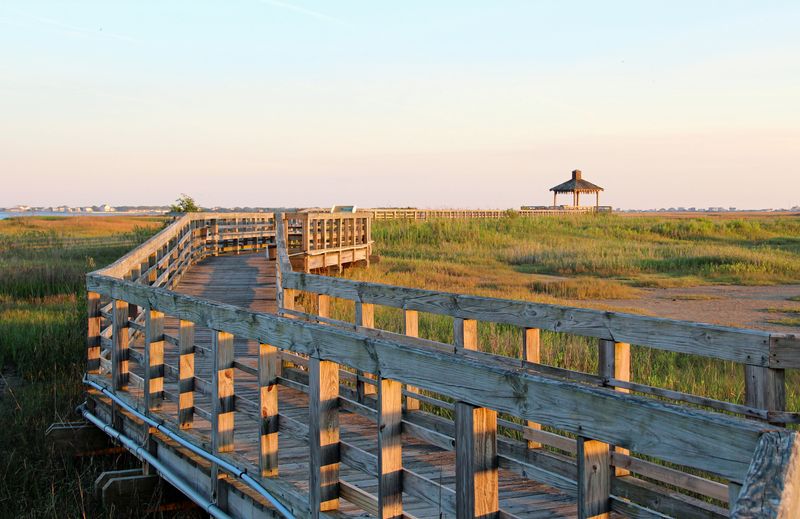
Southport operates on a different clock than most American beach towns.
Visitors arriving from Wilmington or Myrtle Beach often notice the shift immediately—fewer cars, quieter streets, and a pace that feels deliberately unhurried.
Located at 33.9182092, -78.01930109999999 in Brunswick County, the town occupies a peninsula where the Cape Fear River meets the Atlantic.
Fishing boats drift past instead of jet skis.
People walk to the post office instead of driving.
The waterfront park invites lingering rather than rushing through photo ops.
This rhythm isn’t accidental.
Southport’s geography and local culture have combined to create a place where seasonal tourism never overwhelmed year-round community life.
Restaurants close early, shops take Sundays off, and nobody seems particularly bothered by it.
The town wears its unhurried nature like a badge of honor, refusing to apologize for being out of step with modern coastal development trends.
Why Southport Feels Like A Time Capsule
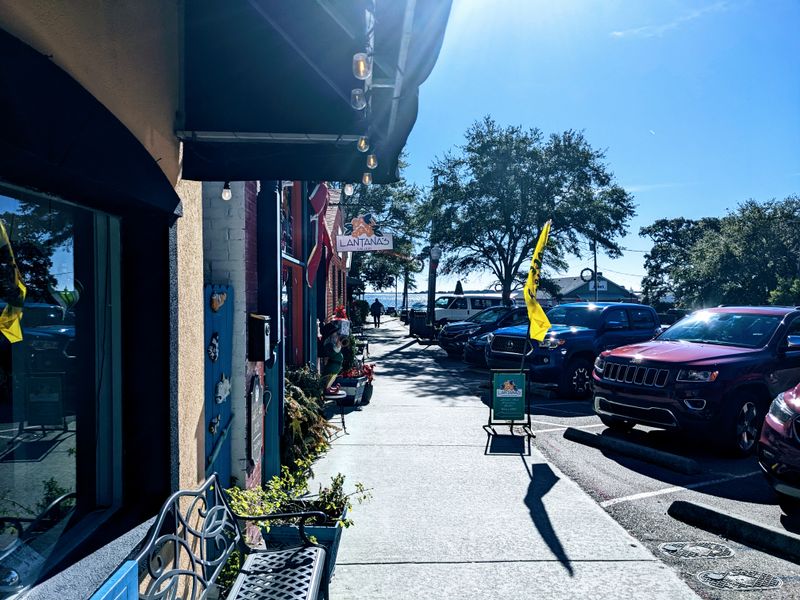
Most coastal towns in North Carolina have been rebuilt, expanded, or modernized beyond recognition.
Southport avoided that fate through a combination of geographic isolation, local resistance to overdevelopment, and economic circumstances that kept large-scale investors away during crucial decades.
The result is a downtown that looks remarkably similar to photographs from the 1950s.
Original storefronts remain intact.
Houses built in the 1800s still line residential streets, occupied and maintained rather than demolished for condos.
Even the street layout follows its original grid, designed when horse-drawn carriages were the primary transportation.
Walking through Southport today means encountering layers of history that haven’t been sanitized or themed for tourists.
Peeling paint on a porch tells a story.
Uneven brick sidewalks reflect genuine age rather than manufactured charm.
The town preserved itself not through conscious historic restoration efforts, but simply by continuing to exist without dramatic change.
Historic Streets Along The Waterfront

Bay Street and Howe Street form the heart of Southport’s waterfront district, where homes and businesses have faced the water for nearly two centuries.
These aren’t tourist-oriented boardwalks lined with t-shirt shops.
Instead, they’re functioning streets where people live, work, and watch the river traffic pass by.
Many of the houses date to the mid-1800s, built when Southport served as a vital port for pilots guiding ships through the treacherous shoals near Cape Fear.
Front porches extend toward the water, designed for observation and conversation rather than privacy.
Live oaks provide shade and frame views of the river.
Walking these streets at dusk offers a particular kind of pleasure—lights coming on in old windows, boats returning to dock, and the river turning colors as the sun sets.
No high-rises block the view.
No parking garages interrupt the streetscape.
The waterfront remains scaled to human dimensions, accessible and intimate rather than developed for maximum commercial extraction.
A Downtown That Reflects Another Era
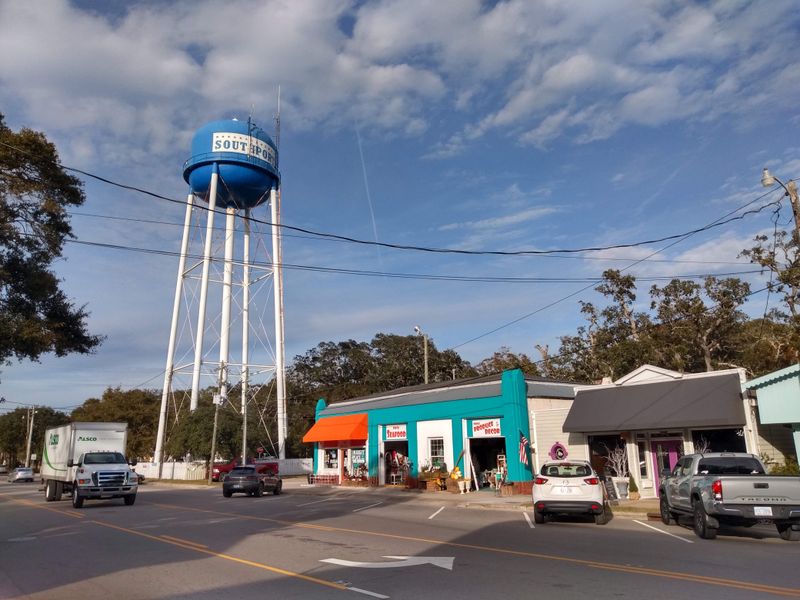
Southport’s commercial district occupies just a few blocks, concentrated along Howe Street and Moore Street.
You won’t find national chains or franchise restaurants here.
Instead, the downtown consists of locally owned shops, cafes, and services that cater primarily to residents rather than tourists.
A hardware store operates in a building that has housed various businesses since the 1890s.
The pharmacy still has its original pressed-tin ceiling.
Bookshops, antique stores, and small galleries occupy storefronts that have changed hands but not character over the decades.
This isn’t a themed historic district created by developers.
It’s an organic commercial center that simply never underwent the strip-mall transformation that claimed so many small-town downtowns in the latter half of the twentieth century.
Parking is free and abundant.
Sidewalks are wide enough for conversation.
The scale remains human, walkable, and refreshingly uncomplicated by modern commercial architecture.
How Southport Avoided Coastal Overdevelopment
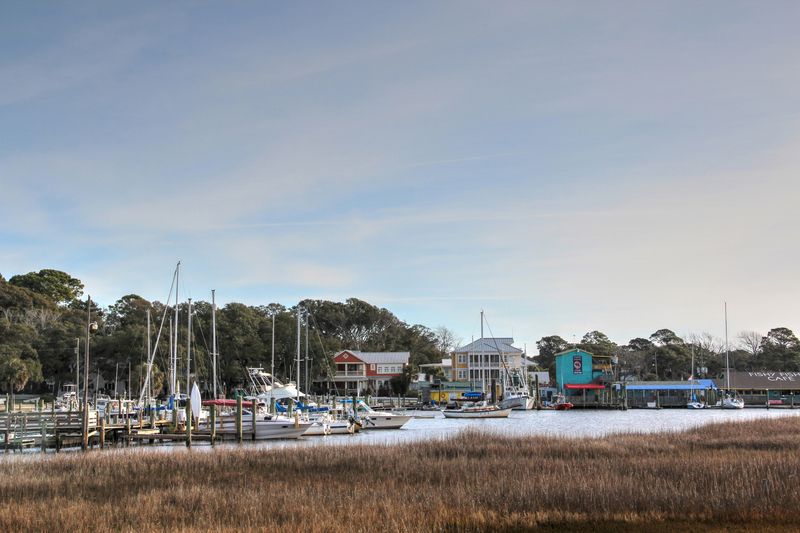
Geography played the decisive role in Southport’s preservation.
The town sits on a narrow peninsula with limited land for expansion, surrounded by the Cape Fear River, the Intracoastal Waterway, and protected wetlands.
This natural constraint prevented the sprawling subdivision development that transformed nearby beach communities.
Additionally, Southport lacks the wide sandy beaches that attract mass tourism.
The waterfront is primarily marsh and river rather than ocean surf, making it less appealing to developers seeking to build high-rise resort hotels.
Local zoning laws, adopted in the 1970s, further restricted building heights and density.
Economic factors also contributed.
During the 1980s and 1990s, when coastal development boomed elsewhere, Southport remained relatively poor and overlooked.
By the time it gained attention as a desirable location, preservation sentiment had grown strong enough to resist dramatic change.
The result is a town that modern development pressures largely passed by, leaving its historic character remarkably intact.
A Walkable Historic District
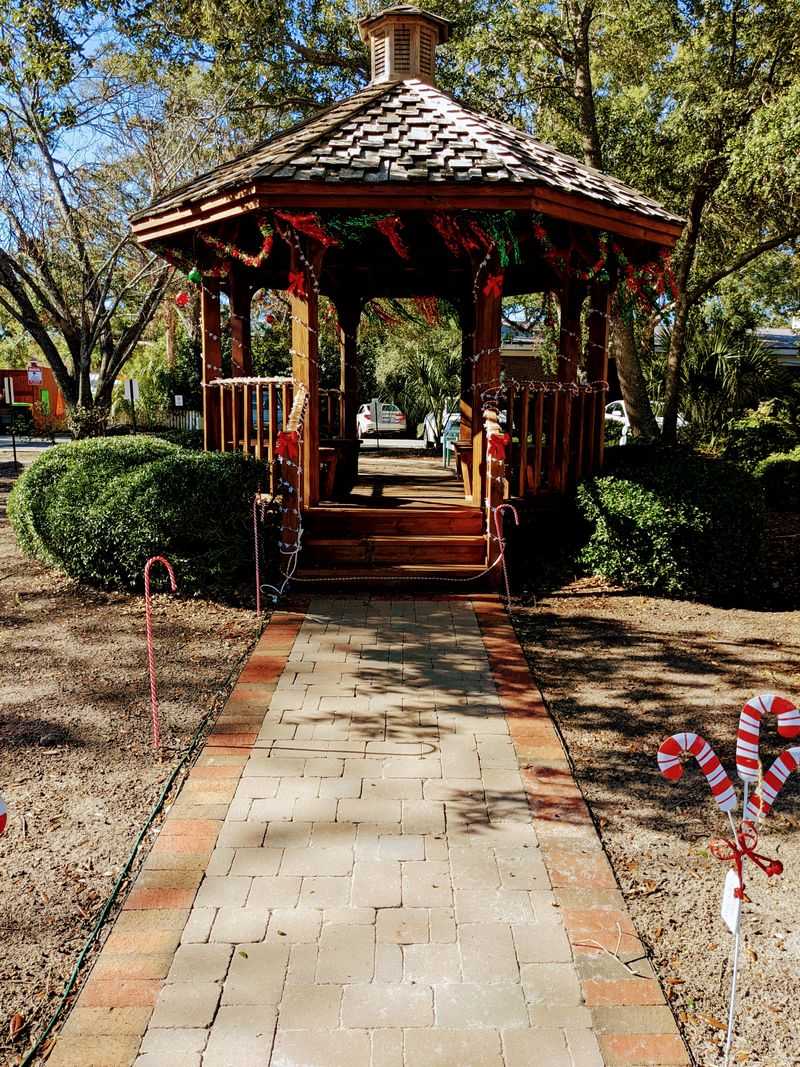
One of Southport’s greatest pleasures is its complete walkability.
The entire historic core covers less than a square mile, with everything of interest accessible on foot within fifteen minutes.
Sidewalks connect residential neighborhoods to the waterfront, downtown shops, and public parks without requiring a car.
This pedestrian-friendly layout isn’t a modern urban planning achievement—it’s simply how the town was designed in the 1700s and 1800s, before automobiles existed.
Streets were laid out for walking, with short blocks and frequent intersections.
Front porches face sidewalks, encouraging interaction between residents and passersby.
Visitors can park once and spend an entire day exploring without driving again.
The waterfront park, museums, shops, restaurants, and residential streets all connect naturally.
Bench seating appears regularly along routes.
The flat terrain makes walking easy for all ages and abilities.
This walkability contributes significantly to Southport’s time-capsule quality—experiencing the town at walking speed allows details and character to emerge that would be invisible from a car window.
Maritime History Still Shapes The Town
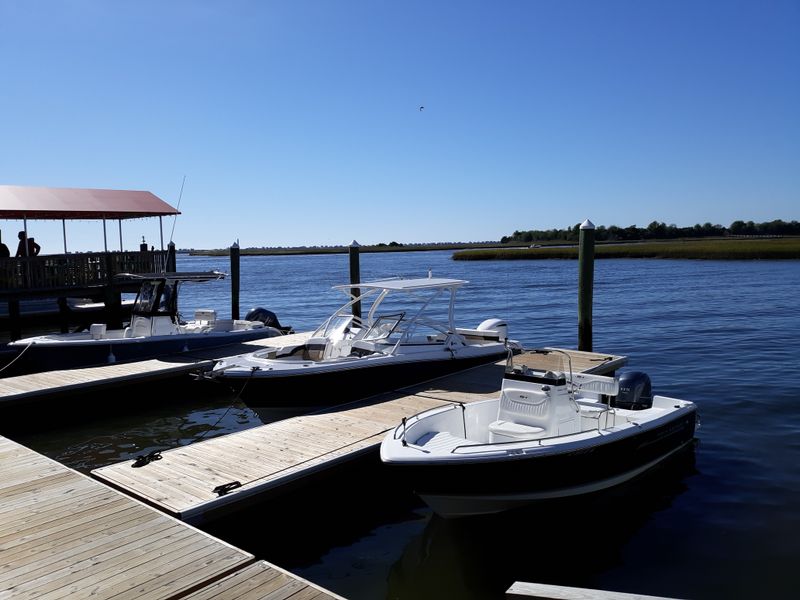
Southport’s identity has always been tied to the water.
Founded in 1792 as Smithville, the town served as home base for river pilots who guided ships through the dangerous waters near Cape Fear.
That maritime tradition continues today, with active fishing fleets, boat builders, and residents whose families have worked on the water for generations.
The harbor remains functional rather than purely recreational.
Commercial fishing boats dock alongside pleasure craft.
The smell of diesel and fish occasionally drifts through downtown streets, reminding visitors this is a working waterfront, not a sanitized tourist attraction.
This maritime character influences everything from local architecture—many homes were built by ship carpenters using techniques learned from boat building—to the town’s social structure, where watermen and their families form a distinct community within the larger population.
Southport hasn’t become a yachting resort or marina development.
It remains a place where people make their living from the water, just as they have for more than two
centuries.
Quiet Daily Life Over Tourist Crowds
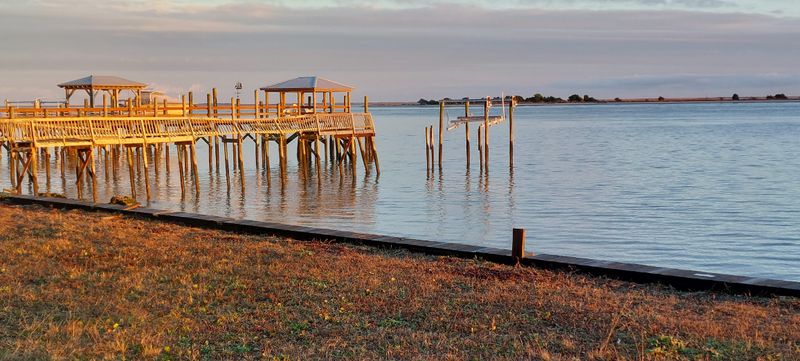
Even during summer months, Southport never feels overrun.
The town’s population of roughly 4,000 swells modestly with visitors, but it never experiences the overwhelming tourist invasions that plague nearby beach destinations.
Restaurants rarely require reservations.
Streets remain navigable.
This relative quiet results from Southport’s deliberate choice to remain residential rather than tourist-oriented.
There are no amusement parks, miniature golf courses, or beach rental companies lining the streets.
Hotels are small and limited in number.
Vacation rentals exist but haven’t dominated the housing market.
The result is a town where daily life continues largely unaffected by tourism.
Local children ride bikes to the waterfront park.
Retirees meet for coffee at the same cafes every morning.
Church bells mark Sunday services.
This authentic community life, visible and accessible to visitors, contributes powerfully to Southport’s frozen-in-time atmosphere.
You’re not watching a performance or visiting a theme park—you’re observing a real town functioning much as it has for decades.
Old Homes And Shady Porches
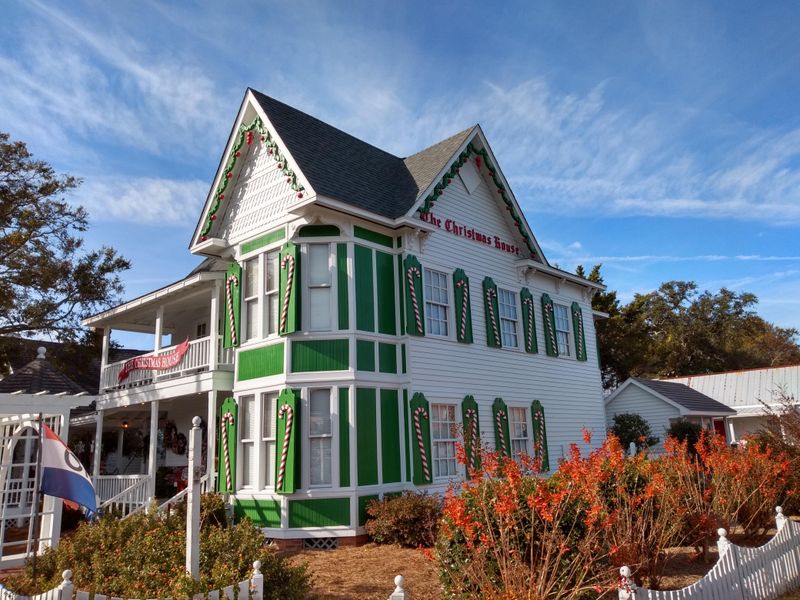
Southport’s residential streets showcase an impressive collection of 19th and early 20th-century homes, many still occupied by descendants of original families.
Architectural styles range from simple vernacular cottages to elaborate Victorian mansions, all adapted to coastal living with raised foundations, deep porches, and shuttered windows.
The porches deserve particular attention.
They’re not decorative additions but essential living spaces, designed for catching breezes, watching neighbors pass, and escaping indoor heat before air conditioning existed.
Many remain furnished with rocking chairs, swings, and ceiling fans, still used daily by residents.
Live oaks and magnolias shade these streets, some trees predating the houses they shelter.
Sidewalks buckle around root systems that won’t be disturbed.
Fences are low or absent, reflecting a time when privacy mattered less than community connection.
Walking these residential blocks offers insight into how coastal Southerners lived for generations—oriented toward shade, breeze, and social interaction rather than climate-controlled isolation.
The houses aren’t museums; they’re homes, maintained and loved but not over-restored into sterile perfection.
A Favorite Film Location Few Tourists Notice
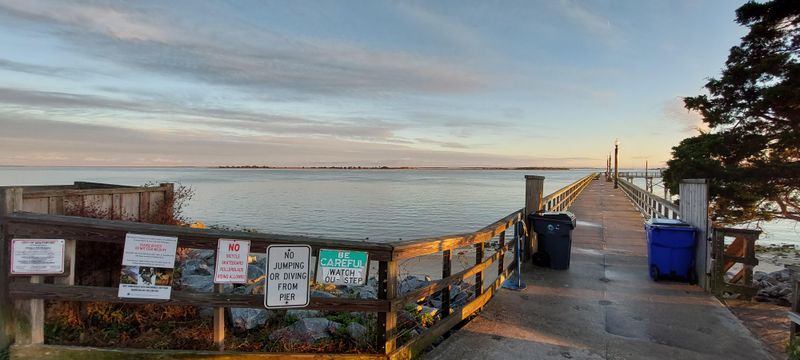
Hollywood discovered Southport decades ago, using its authentic period architecture as a backdrop for numerous films and television shows.
The town stood in for coastal New England in “Safe Haven,” provided locations for “I Know What You Did Last Summer,” and appeared in various productions seeking genuine small-town atmosphere.
Despite this film history, Southport hasn’t transformed into a movie-themed tourist destination.
You won’t find bus tours pointing out filming locations or shops selling movie memorabilia.
A few residents might mention which house appeared in which film if asked, but there’s no commercial exploitation of this Hollywood connection.
This restraint is characteristic of Southport’s approach to its own assets.
The town possesses marketable qualities—historic charm, photogenic streets, cinematic appeal—but chooses not to capitalize aggressively on them.
Filmmakers appreciate Southport precisely because it looks real rather than staged.
The town’s refusal to turn its film history into a tourist attraction actually enhances its authenticity, maintaining the very qualities that attracted filmmakers in the first place.
Small Museums Preserve The Past

Several modest museums in Southport document the town’s history without the slick production values of modern tourist attractions.
The North Carolina Maritime Museum at Southport occupies a small building near the waterfront, displaying artifacts related to the region’s maritime heritage, including exhibits on river pilots, fishing industries, and Civil War coastal fortifications.
The Old Smithville Burying Ground, dating to 1794, serves as both cemetery and outdoor museum, where weathered headstones tell stories of yellow fever epidemics, shipwrecks, and the town’s earliest families.
Volunteers maintain the site and offer occasional tours.
These institutions operate on limited budgets with mostly volunteer staff, giving them an earnest, unpolished quality that suits Southport perfectly.
Exhibits focus on local history rather than interactive entertainment.
Visitors often have entire galleries to themselves.
The museums exist primarily to preserve community memory rather than generate tourism revenue, which makes them genuine resources rather than commercial attractions.
They’re small, quiet, and deeply specific to place—much like Southport itself.
Frozen In Time—But Still Thriving
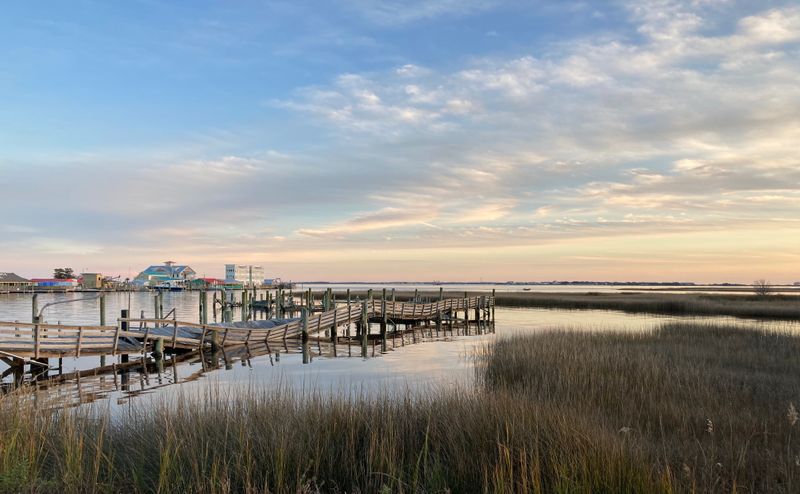
Describing Southport as frozen in time might suggest stagnation or decline, but that’s not the case.
The town maintains active civic organizations, supports local businesses, and attracts new residents drawn by its quality of life.
Young families move here seeking safe streets and good schools.
Retirees arrive looking for community rather than resort amenities.
The official website at cityofsouthport.com reflects a functioning local government addressing contemporary issues like infrastructure, environmental protection, and economic development.
Mayor Rich Alt, elected in 2023, leads a town that’s very much alive and engaged with present-day challenges.
What makes Southport remarkable is its ability to remain vital while preserving historic character.
It’s frozen in time aesthetically and atmospherically, but not economically or socially.
The town has found a sustainable balance between preservation and progress, maintaining the qualities that make it special while adapting to contemporary needs.
This living preservation—not museum-quality restoration but ongoing, organic community life—explains why Southport feels both timeless and authentic.