
The Calm Mississippi Small Town Where Life Still Moves Slowly
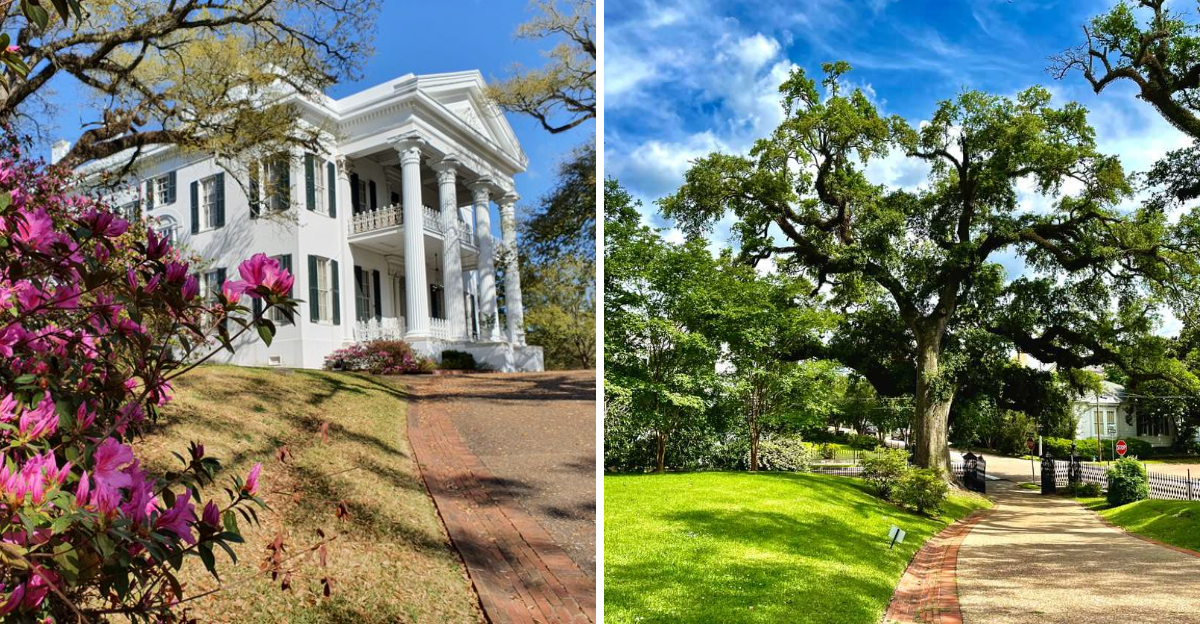
Natchez sits on a bluff above the Mississippi River, holding on to a way of life that most American towns abandoned decades ago.
Here, the pace is measured not by traffic lights or deadlines, but by the slow drift of the river and the shade patterns cast by ancient oaks.
It’s a place where neighbors still talk over fences, where afternoons stretch long and unhurried, and where history isn’t just preserved in museums—it lives in the daily rhythm of the streets.
A Mississippi River Town Where Time Slows Naturally
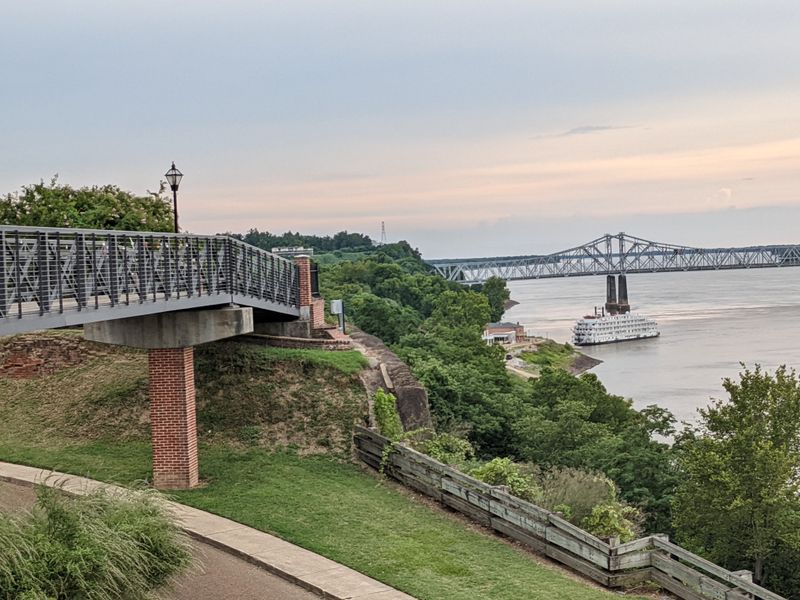
Natchez grew up alongside the Mississippi River, and the water’s unhurried current seems to have shaped the temperament of the entire town.
The river doesn’t rush, and neither do the people who live here.
From the bluff, you can watch barges glide past with a patience that feels almost meditative.
The town was founded in 1716, making it older than the United States itself, and that deep history has a way of putting modern urgency in perspective.
When your hometown has survived centuries, there’s less pressure to chase the next big thing.
People here seem to understand that some things—conversation, craft, community—shouldn’t be hurried.
Walking through Natchez, you notice the absence of frantic energy.
Shops open when they open, close when they close, and nobody seems particularly bothered by rigid schedules.
The river sets the tone, and the town follows its lead with quiet confidence.
Why Natchez Feels Far Removed From Modern Rush
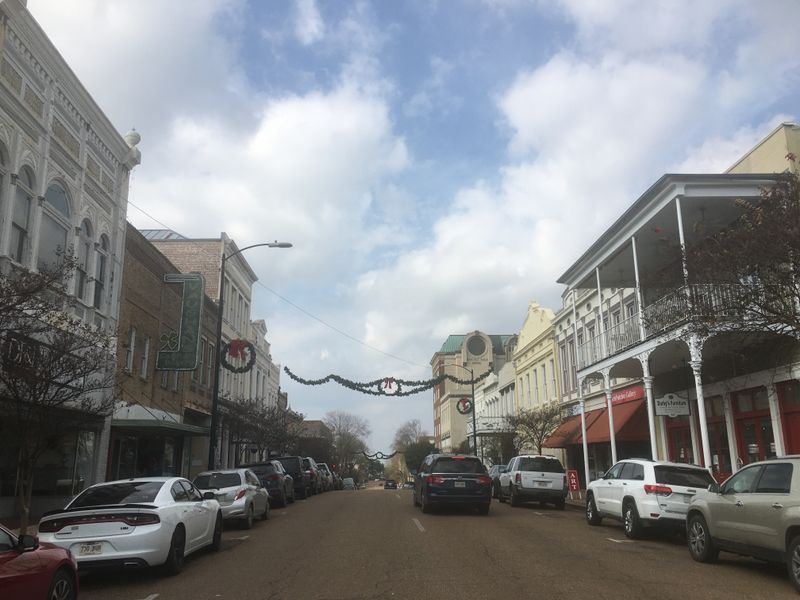
There are no chain restaurants lining the main street, no big-box stores crowding the horizon, and no billboards shouting for attention.
Natchez has resisted the homogenization that swallowed so many American towns, and that resistance shows in every corner.
You won’t find the usual markers of modern hustle here—just local businesses, family-owned cafes, and a downtown that looks more like 1950 than 2020.
Part of this comes from geography.
Natchez sits off the major interstate corridors, tucked into a bend of the river that requires intention to reach.
You don’t pass through Natchez by accident; you come here because you meant to, and that filters out the transient chaos that highway towns inherit.
The result is a place that feels insulated from the relentless acceleration elsewhere.
People here aren’t racing toward the future.
They’re living in the present, savoring what’s already here, and that creates a calm you can feel the moment you arrive.
Historic Streets Designed For Walking, Not Rushing
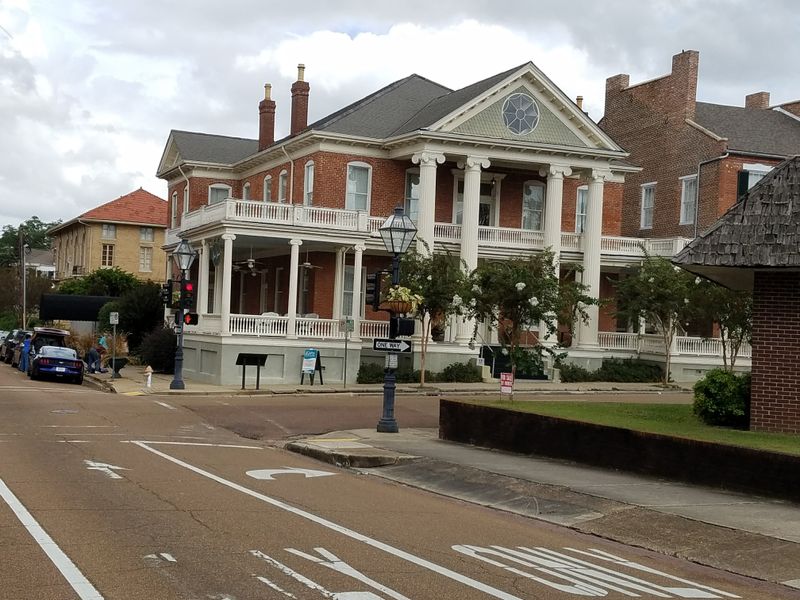
Natchez’s streets were laid out long before automobiles existed, and they still favor pedestrians over speed.
Narrow sidewalks, brick crosswalks, and shaded lanes invite strolling rather than driving.
You can walk from one end of downtown to the other in fifteen minutes, but most people take twice that long because there’s always something worth pausing for.
The architecture demands attention—columns, wrought iron, hand-carved details that reward a slower pace.
Many of the buildings date back to the early 1800s, and they weren’t built for efficiency.
They were built for beauty, for permanence, for a life that valued craft over convenience.
On any given afternoon, you’ll see locals walking to the post office, stopping to chat on corners, sitting on benches under live oaks.
Nobody’s checking their phone while crossing the street.
The town’s layout encourages presence, and people respond by slowing down, looking around, and actually seeing where they are.
River Bluffs That Set The Pace For Daily Life
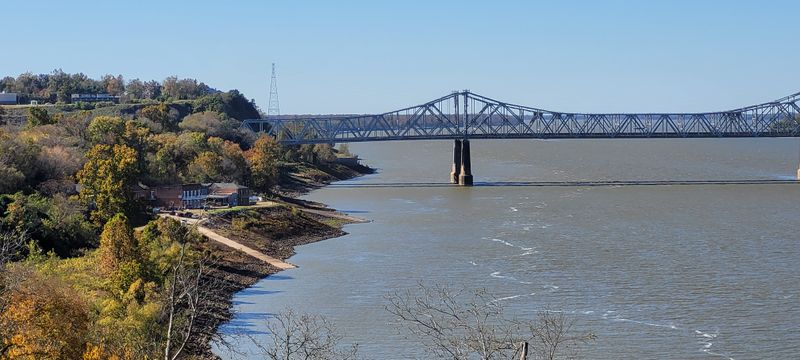
The bluffs overlooking the Mississippi River serve as Natchez’s natural gathering place, and they dictate a rhythm that’s impossible to rush.
You can’t hurry a sunset, and you can’t speed up the way the light shifts across the water.
Locals come here to watch the day end, and they do it without distraction—just chairs, conversation, and the slow fade of daylight.
The bluff is more than a scenic overlook; it’s a daily reminder that nature moves on its own schedule.
Seasons change gradually.
Birds migrate when they’re ready, not when we want them to, and Natchez residents seem to have absorbed that lesson deeply.
Benches line the bluff, and they’re rarely empty.
People sit for hours, watching barges pass, tracking the movement of clouds, simply being still.
It’s a practice that feels almost countercultural now—choosing stillness over stimulation—but here, it’s just what you do.
The bluffs set the pace, and the town follows willingly.
A Downtown Where Afternoons Still Matter
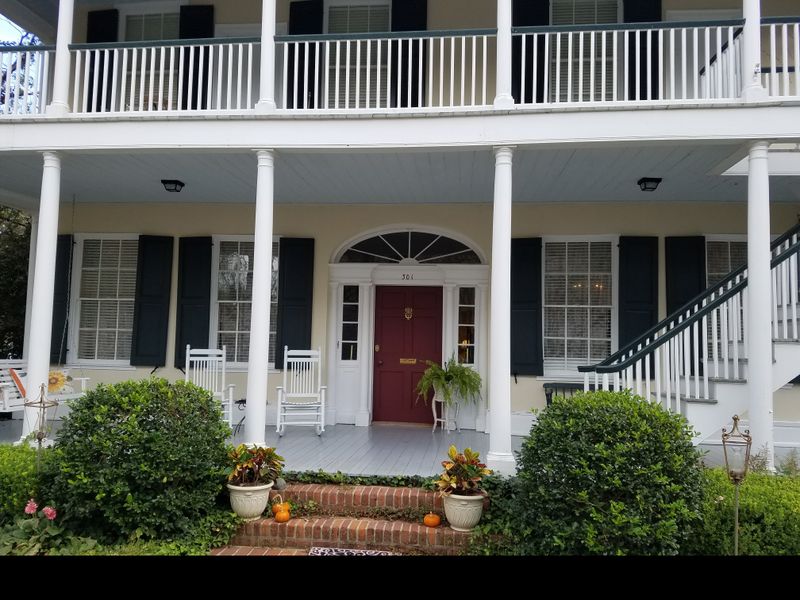
Between two and four in the afternoon, Natchez slows down even further.
Shops might close for a bit, cafes empty out, and the streets take on a drowsy, contented quiet.
This isn’t laziness—it’s a cultural recognition that midday heat and human energy have natural limits, and fighting them makes no sense.
In many towns, afternoons are just another block of productivity to fill.
In Natchez, they’re a pause, a chance to regroup before the evening begins.
People go home for lunch, sit on porches, read, nap, or simply do nothing in particular with no guilt attached.
This respect for the afternoon creates a rhythm that feels almost European—a recognition that constant activity isn’t the only way to live.
When evening comes, the town reawakens gently, with dinner crowds, evening walks, and conversations that pick up where they left off.
The afternoon pause doesn’t interrupt life; it enhances it, making the rest of the day feel more intentional and less exhausting.
How History Shapes Natchez’s Calm Rhythm
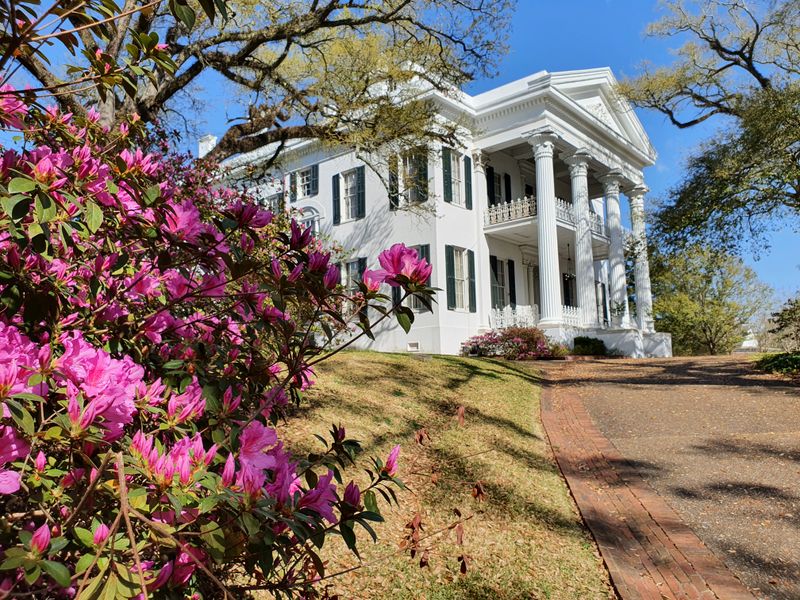
Natchez has been through wars, economic booms, depressions, and profound social change, and all of that history has left a mark on the town’s temperament.
When you’ve survived as long as Natchez has, you develop a longer view.
Crises come and go, trends fade, and what endures is the community itself—so there’s less panic about keeping up with whatever’s next.
The historic homes here aren’t just tourist attractions; they’re lived-in reminders that previous generations built things to last.
Melrose, Longwood, Stanton Hall—these weren’t constructed with planned obsolescence in mind.
They were meant to stand for centuries, and they have, which subtly teaches residents that patience and permanence have value.
Walking through the Natchez National Historical Park or along the old Natchez Trace Parkway, you feel the weight of time in a grounding way.
History here isn’t abstract.
It’s present in the architecture, the street names, the family stories passed down through generations.
That continuity fosters calm—when you know where you come from, you’re less anxious about where you’re going.
Front Porches, Shade Trees, And Quiet Neighborhoods
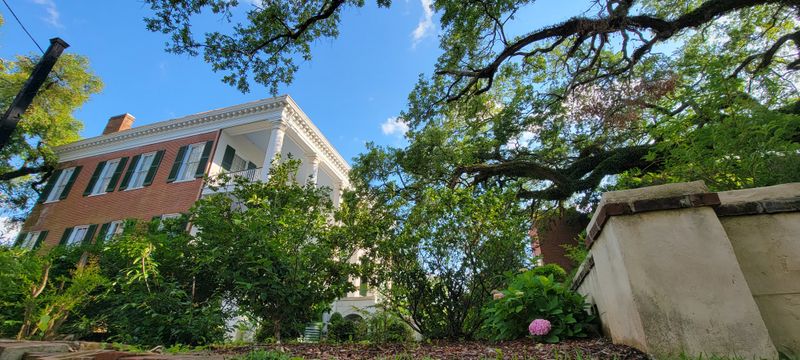
Natchez neighborhoods are designed for conversation, not isolation.
Almost every house has a front porch, and people actually use them—sitting out in the evening, waving to passersby, striking up conversations with neighbors walking dogs.
It’s a social architecture that encourages connection without effort.
The streets are lined with massive live oaks draped in Spanish moss, creating natural canopies that keep things cool and shaded.
These trees are centuries old, and they give the neighborhoods a timeless, almost dreamlike quality.
You can walk for blocks without hearing a car horn, just birdsong and the rustle of leaves overhead.
Children still play outside here, riding bikes down quiet streets, and adults know most of their neighbors by name.
It’s the kind of setup that modern suburban planning abandoned in favor of privacy and efficiency, but Natchez never made that trade.
The result is a place where community isn’t something you have to work at—it’s just built into the landscape, waiting for you to step outside and participate.
Why Locals Value Slower Days Over Growth And Buzz
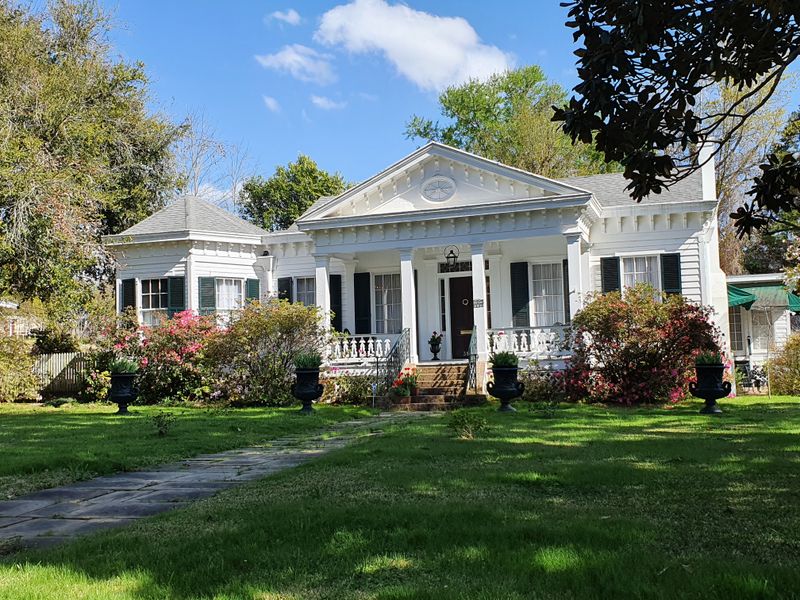
Natchez could chase growth—market itself aggressively, court developers, push for expansion—but it doesn’t.
The town has made a collective, largely unspoken decision that bigger isn’t necessarily better, and that quality of life matters more than economic velocity.
You hear this in conversations with locals, who speak fondly of the town’s pace and express little desire to see it change.
There’s a wariness here about the cost of growth.
People have seen other towns boom and lose their character in the process, trading local identity for generic prosperity.
Natchez residents seem to understand that once you sacrifice calm for buzz, it’s almost impossible to get it back, so they guard what they have carefully.
This isn’t nostalgia or resistance to progress—it’s a deliberate choice about what kind of place they want to live in.
They’ve chosen slower days, quieter streets, and a rhythm that prioritizes people over profit.
It’s a radical stance in modern America, and it’s working.
Natchez remains a place where life feels manageable, human-scaled, and genuinely livable.
A Small Town Built Around Views, Not Traffic
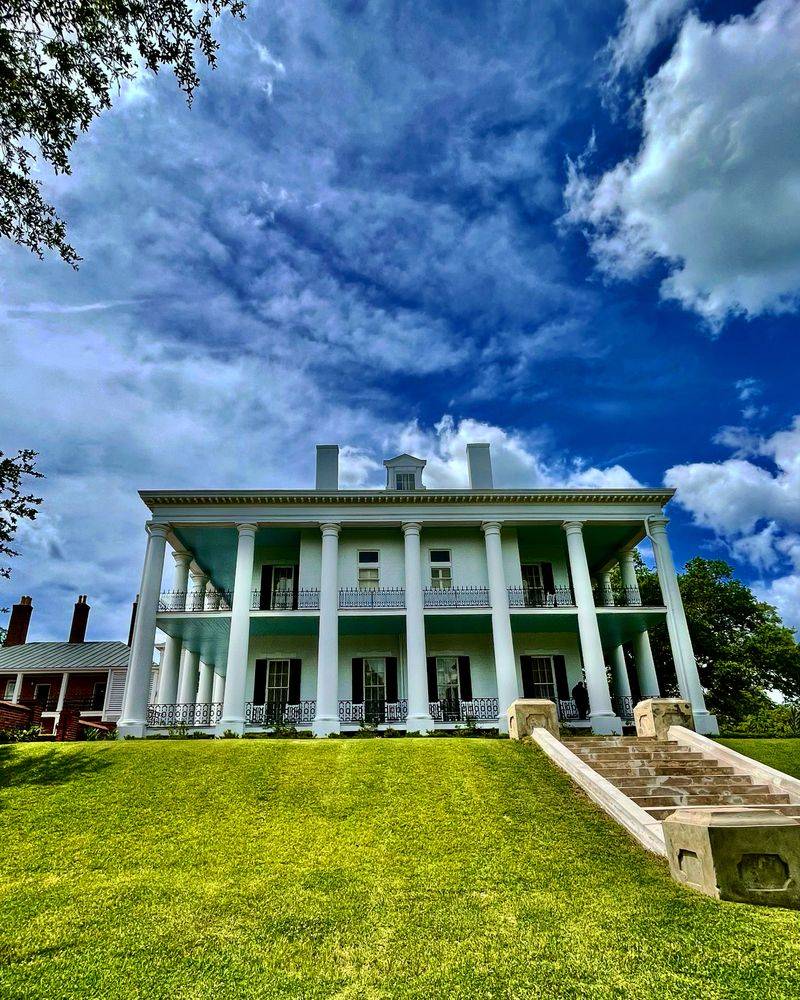
Natchez’s most valuable real estate isn’t defined by access to highways or commercial centers—it’s defined by views.
Homes on the bluff overlooking the river, streets lined with historic architecture, parks that frame the landscape rather than fill empty space.
The town was designed around beauty, and that priority shapes everything from zoning to daily routines.
Traffic barely exists here.
You might wait through one light cycle downtown during rush hour, and that’s about it.
The streets are wide enough for cars but designed for something slower—carriages, originally—and they still feel that way.
People drive like they’re in no particular hurry, because they usually aren’t.
This emphasis on views over throughput creates a town that rewards lingering.
You’re not just passing through Natchez; you’re meant to stop, look around, take it in.
The river, the architecture, the trees—they’re not background details.
They’re the main event, and the town’s layout ensures you can’t miss them.
It’s a design philosophy that values experience over efficiency, and it makes all the difference.
Where Community Events Replace Constant Activity
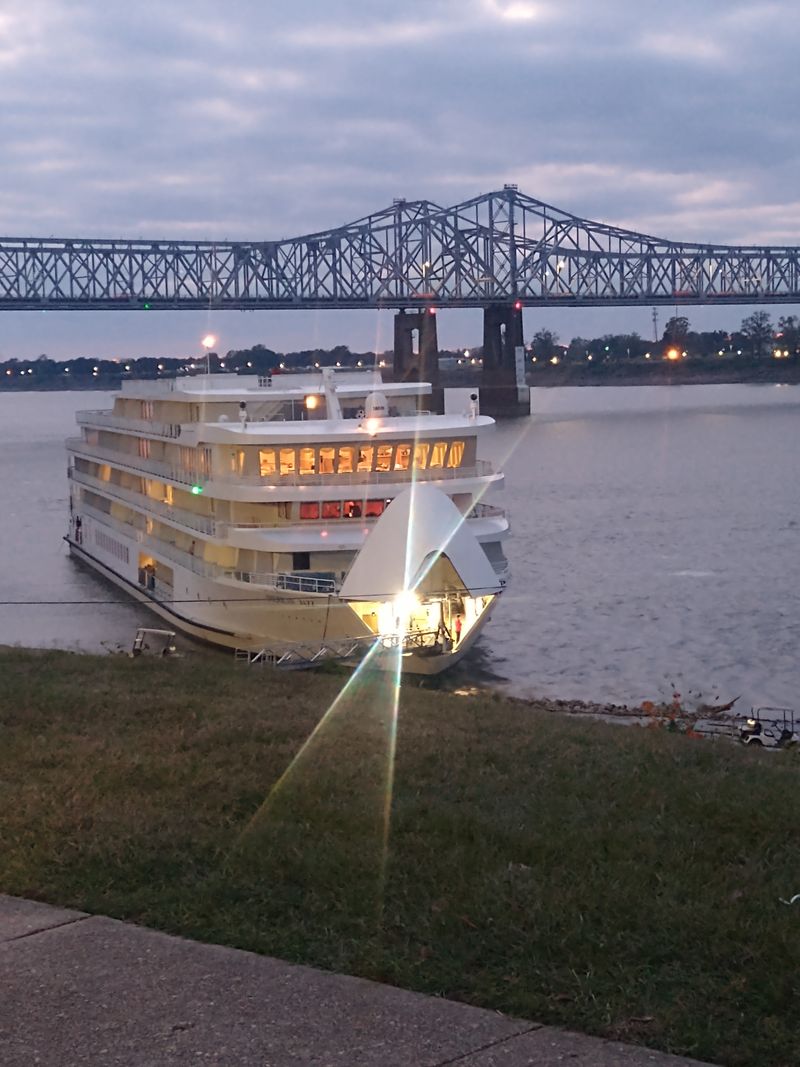
Natchez doesn’t offer endless entertainment options, and that’s part of the appeal.
Instead of constant activity, the town has community events—seasonal festivals, historic home tours, concerts on the bluff—that bring people together without overwhelming the calendar.
These events matter because they’re occasional, which makes them feel special rather than obligatory.
The Natchez Balloon Festival, the Spring and Fall Pilgrimages, Christmas on the bluff—these are the highlights of the year, and locals plan around them.
Between events, life is quieter, more routine, and people seem to appreciate that balance.
There’s no pressure to fill every weekend with plans, no fear of missing out, because the rhythm is predictable and shared.
This approach to community life fosters genuine connection.
When you see the same people at the same events year after year, relationships deepen.
You’re not just attending an event; you’re participating in a tradition, and that sense of continuity makes Natchez feel less like a place you visit and more like a place you belong.
Why Natchez Appeals To Travelers Seeking Stillness
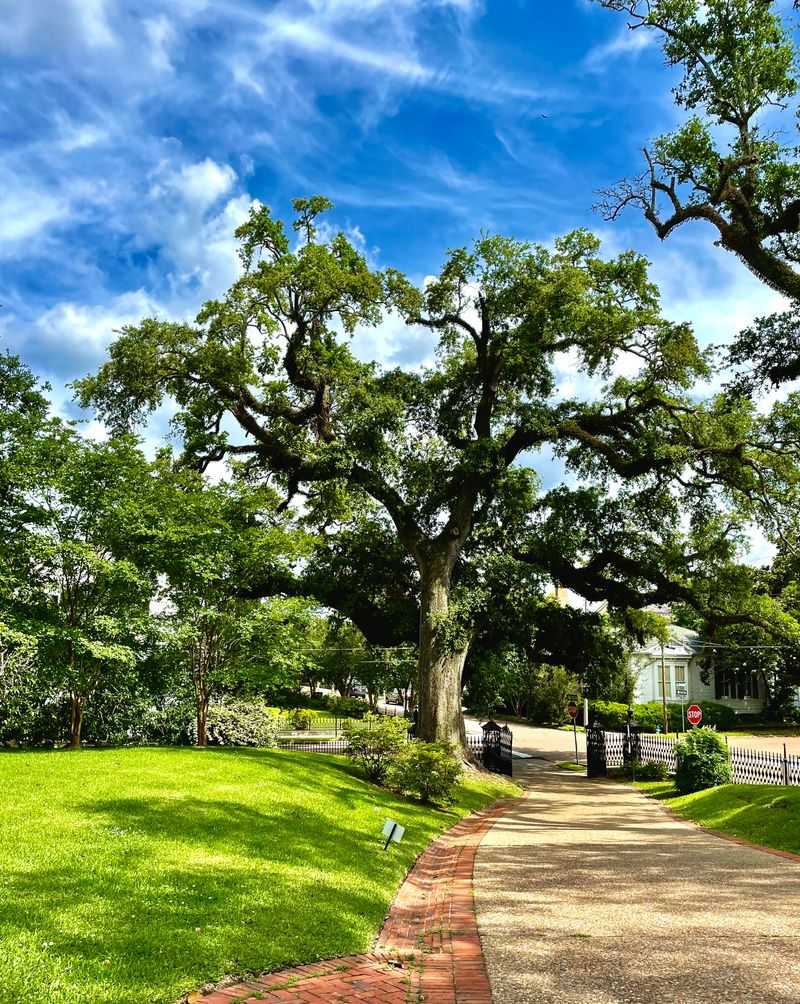
Travelers arrive in Natchez looking for something different—not excitement, not adventure, but stillness.
They come to escape the noise, to slow down, to remember what it feels like to breathe deeply and move without urgency.
Natchez delivers that without pretense, simply by being what it’s always been.
There are no manufactured experiences here, no tourist traps designed to extract money quickly.
Instead, there are historic homes you can tour at your own pace, river walks with no crowds, cafes where you can sit for hours without feeling rushed.
The town doesn’t perform for visitors; it just invites them to join the rhythm that’s already there.
People leave Natchez feeling restored, not because they did a lot, but because they didn’t have to.
The town offers permission to slow down, and in a world that constantly demands more, faster, better, that permission feels like a rare gift.
Natchez isn’t trying to compete with big cities or flashy destinations.
It’s offering something quieter, deeper, and increasingly hard to find—a place where life still moves slowly, and that’s exactly the point.
A Place Where Mississippi’s Past And Present Move Gently Together
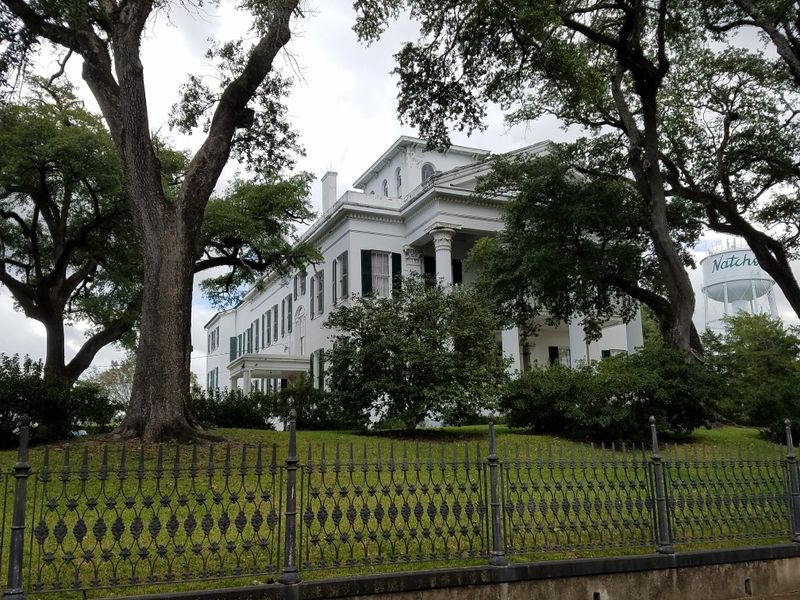
Natchez doesn’t treat history as something separate from daily life—it’s woven into everything.
You can walk the same streets that traders, soldiers, and settlers walked centuries ago, and the continuity feels natural rather than staged.
The past isn’t preserved behind glass; it exists alongside the present, informing it without dominating it.
The Grand Village of the Natchez Indians, the old Natchez Trace Parkway, the antebellum homes—all of these sit within minutes of modern life, and the town moves between them effortlessly.
Kids play in parks that overlook sites of historical significance.
Families live in homes that have sheltered generations.
The layers of time don’t clash; they coexist.
This blending of past and present creates a unique atmosphere—one where history isn’t just remembered but lived.
It’s a reminder that places, like people, are shaped by everything that came before, and that honoring that history doesn’t mean getting stuck in it.
Natchez moves forward gently, carrying its past with dignity, and the result is a town that feels both timeless and alive.